分类: world

  • Pakistani PM meets US JD Vance: statement

    Pakistani PM meets US JD Vance: statement

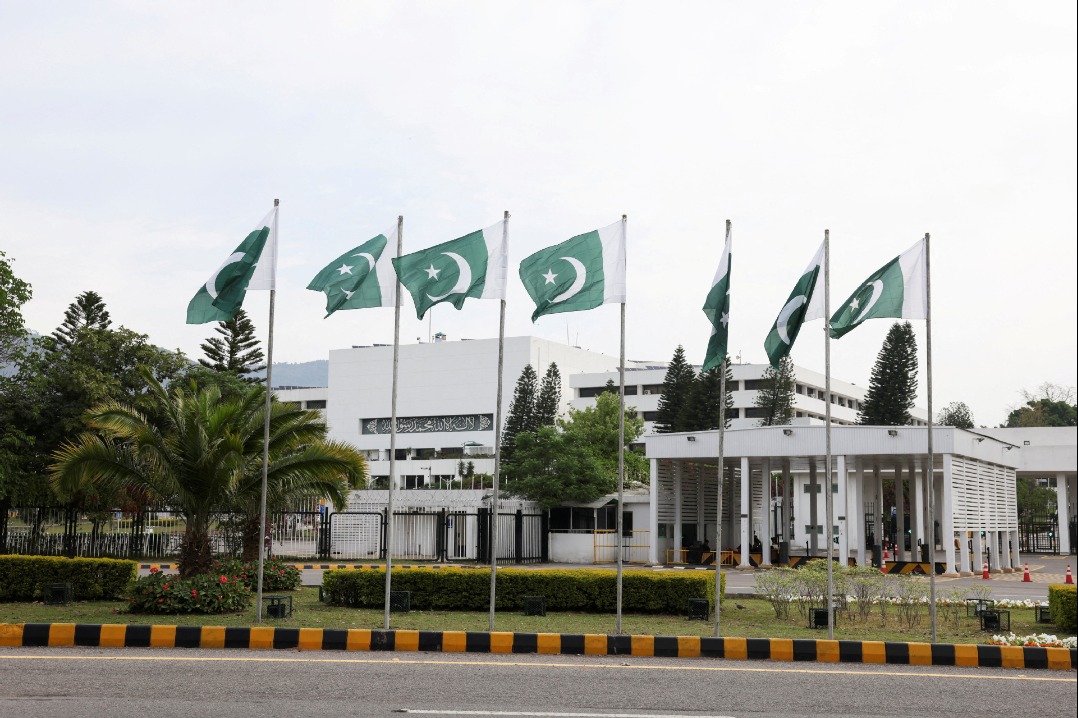
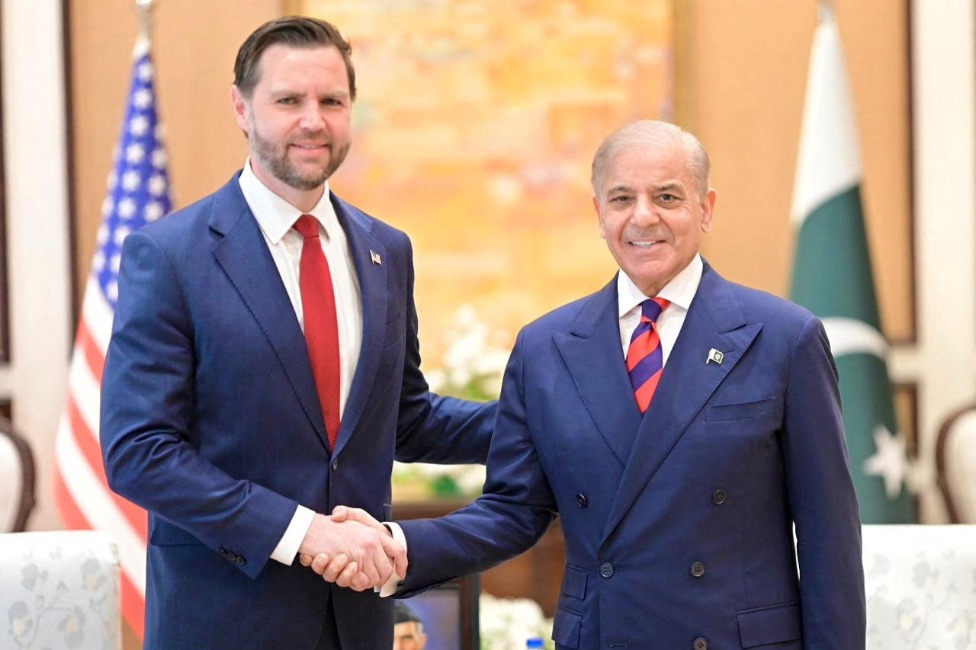
    ISLAMABAD, April 11, 2026 – A high-stakes diplomatic push to de-escalate soaring tensions in the Middle East moved through Pakistan’s capital on Saturday, as US Vice President JD Vance held a formal meeting with Pakistani Prime Minister Shehbaz Sharif, according to an official statement released by the Prime Minister’s Office.

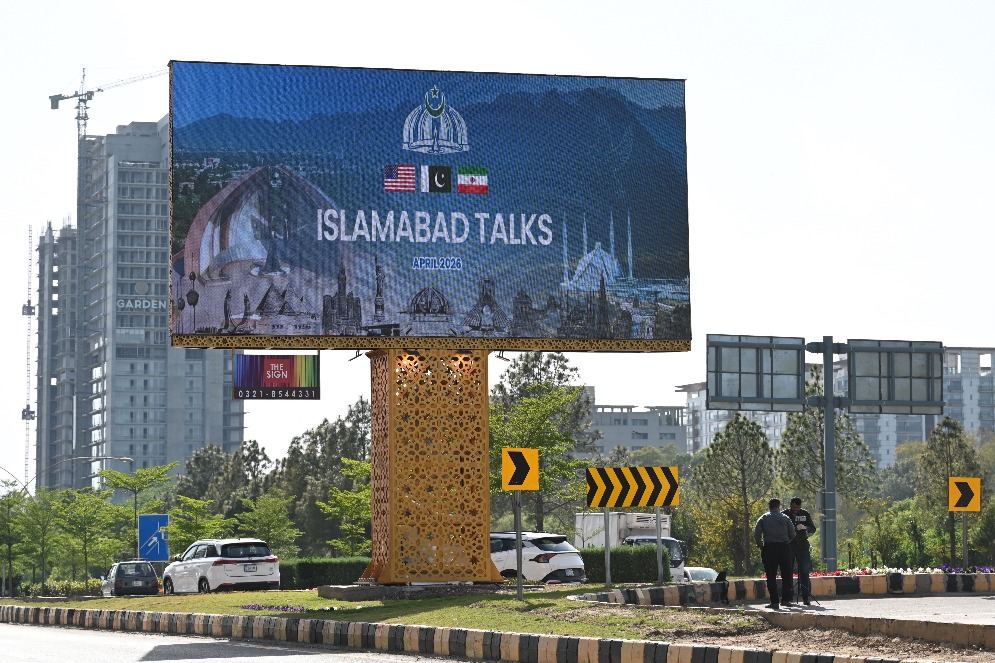
    Vance touched down in Islamabad Saturday to participate in newly arranged talks with an Iranian delegation, a diplomatic initiative aimed at ending the recent wave of armed hostilities that have roiled the broader Middle East region. The gathering marks a significant step in international efforts to open a diplomatic pathway out of escalating conflict, with Pakistan stepping in to host the critical negotiations.

    During his meeting with Vance, Prime Minister Sharif praised both negotiating teams for their willingness to enter dialogue in good faith, and offered a forward-looking message on the potential of these talks to deliver long-term stability. He emphasized that the discussions represent a critical opening to build momentum toward lasting, durable peace across the Middle East.

    Sharif made clear Pakistan’s continued commitment to the diplomatic process, reiterating that the country stands ready to keep supporting both the US and Iranian delegations as they work toward tangible progress on sustainable regional peace. Just hours before his meeting with Vance, the Pakistani prime minister had already held separate talks with the Iranian delegation, which arrived in Islamabad earlier the same day to prepare for the negotiations.

    The talks in Islamabad come as the international community has grown increasingly alarmed by recent hostilities in the Middle East, pushing regional and global powers to pursue urgent diplomatic intervention to prevent further escalation. Pakistan’s role as host and facilitator underscores its position as a key stakeholder in regional stability and a neutral party willing to bridge divides between negotiating sides.

  • In fiery speech, Pope Leo says ‘Enough to war!’

    In fiery speech, Pope Leo says ‘Enough to war!’

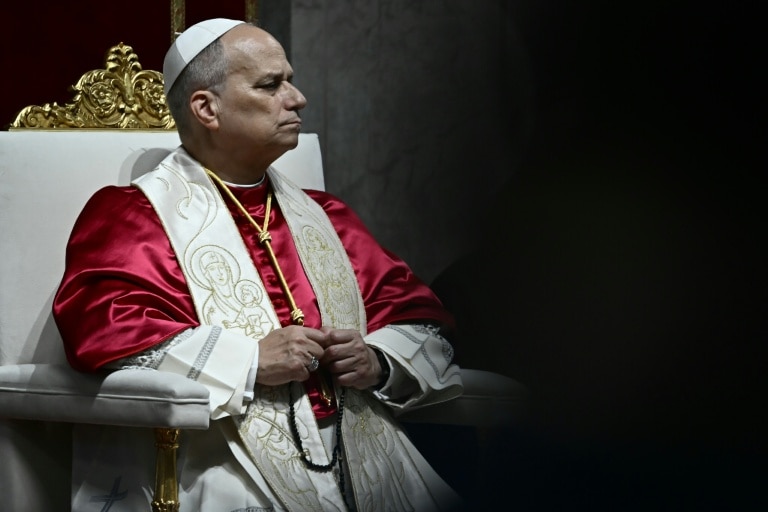
    In one of the most forceful addresses of his early papacy, Pope Leo used a global peace prayer vigil at Vatican City’s St. Peter’s Basilica on Saturday to issue a searing condemnation of warmongering and an urgent call for global unity around dialogue. The 70-year-old American pontiff, elected to the papacy last May following the passing of Pope Francis, has emerged as a prominent voice against the rising tide of armed conflict across the globe, most recently doubling down on his criticism just one day prior, when he decried the “senseless and inhuman violence” roiling the Holy Land.

    Speaking to gathered worshippers and a global audience of more than 1.4 billion Catholics, Pope Leo did not name specific politicians or nation states, a consistent practice in his public remarks, but his words landed as a sharp rebuke to global leaders pursuing military escalation. In characteristically measured but impassioned tones, he laid bare the human cost of unending conflict, painting a stark portrait of a world “where there never seem to be enough graves, for people continue to crucify one another and eliminate life, with no regard to justice and mercy.”

    “Enough of the idolatry of self and money! Enough of the display of power! Enough of war! True strength is shown in serving life,” the pontiff implored. Directing his message first to global heads of state, he urged an immediate end to hostilities and a return to diplomatic negotiation: “To them we cry out: Stop! It is time for peace! Sit at the table of dialogue and mediation, not at the table where rearmament is planned and deadly actions are decided!”

    Beyond national leaders, Pope Leo extended responsibility for building peace to ordinary people across the world, calling on the “immense multitude” that rejects war to cultivate a culture of peace in everyday spaces: homes, schools, neighborhoods, and both civil and religious communities. He framed this grassroots work as a counter to what he called the “delusion of omnipotence” that has grown increasingly aggressive and unpredictable across the global stage.

    “A Kingdom that counters polemics and resignation through friendship and a culture of encounter. Let us believe once again in love, moderation and good politics,” he said, describing the Kingdom of God as a bulwark against the dehumanizing forces of war: “It also is a place with ‘no sword, no drone, no vengeance, no trivialisation of evil, no unjust profit, but only dignity, understanding and forgiveness.’”

    Known as a moderate bridge-builder since his election, Pope Leo has repeatedly pushed for de-escalation in ongoing conflicts, most notably the U.S.-Israeli campaign against Iran, where he has consistently emphasized that a diplomatic solution is the only sustainable path forward. Saturday’s vigil marked one of his most passionate public entreaties to date, as he called on billions of people worldwide to reclaim shared values of compassion and cooperation in what he described as a “dramatic hour in history.”

  • Easter truce between Russia and Ukraine begins

    Easter truce between Russia and Ukraine begins

    A 32-hour temporary ceasefire between Russia and Ukraine officially entered force on Saturday, marking a rare pause in a four-year conflict that has reshaped European security. The truce, timed to coincide with Orthodox Easter, was first proposed by Ukrainian President Volodymyr Zelensky more than a week before Russian President Vladimir Putin formally ordered the ceasefire, with both sides confirming their commitment to upholding the terms. According to Kremlin details, the pause in hostilities runs from 1300 GMT Saturday through the end of Sunday, covering more than a full day of religious observance for Orthodox communities on both sides.

    Zelensky reaffirmed Ukraine’s commitment to the ceasefire in a post on social platform X, stating that Kyiv would match Russian compliance in kind. “The absence of Russian strikes in the air, on land, and at sea will mean no response from our side,” he wrote. Even as it pledged to adhere to the truce, the Ukrainian military warned it would launch an “immediate” retaliation if Moscow violated the agreement. Just hours before the truce was scheduled to begin, the war saw a sharp escalation in strikes: Ukrainian authorities reported that Russia launched at least 160 drones across the country, killing four civilians and wounding dozens more in Ukraine’s eastern and southern regions. The southern Odesa region suffered the worst damage, with two civilian deaths and significant destruction to critical civilian infrastructure.

    Cross-border attacks were also reported on Russian territory overnight. Russian local authorities stated that a wave of Ukrainian drone strikes sparked a large fire at an oil depot in the southern Krasnodar region and damaged multiple residential apartment buildings. In Russian-occupied parts of Ukraine’s eastern Donetsk and southern Kherson regions, Moscow-installed officials claimed four people were killed in the Ukrainian strikes.

    The temporary ceasefire has been met with widespread skepticism from Ukrainians, who point to a similar Orthodox Easter truce held in 2024 that collapsed within hours, with both sides accusing the other of hundreds of violations. Despite the deep distrust surrounding the ceasefire, the warring parties completed a significant prisoner of war exchange on Saturday, with each side releasing 175 captured service members. The Russian defense ministry confirmed that the United Arab Emirates mediated the swap, one of the few consistent areas of limited cooperation between Moscow and Kyiv throughout the four-year conflict.

    Efforts to reach a lasting negotiated end to the war have stalled in recent weeks, with US-led peace talks sidelined by the ongoing conflict in the Middle East. Even before the escalation in tensions in the Middle East, progress toward a peace deal moved at a glacial pace, driven by intractable disagreements over territorial claims. Ukraine has proposed freezing the conflict along existing front lines, but Russia has rejected the offer, demanding that Kyiv cede full control of all remaining Donetsk region territory it currently holds – a non-negotiable demand for Ukrainian leadership. Multiple rounds of US-mediated talks have failed to bridge the gap between the two sides.

    Kremlin spokesman Dmitry Peskov denied that Moscow had held pre-truce discussions with either Ukraine or the United States, and emphasized that the temporary ceasefire is not linked to any broader ongoing negotiations to end the war. Since the conflict began, it has claimed hundreds of thousands of lives and forced millions of Ukrainians to flee their homes, making it the deadliest conflict on European soil since World War II. After four years of fighting, frontline operations have largely stagnated, with Russia making incremental territorial gains at the cost of massive personnel and equipment losses.

    According to recent assessments from the U.S.-based Institute for the Study of War (ISW), Russian advances have slowed significantly since late 2025, after Ukrainian counteroffensives pushed back Russian forces in the southeast. Analysts attribute the slowdown in Russian operations to multiple factors, including Moscow’s ban on the use of SpaceX’s Starlink satellite internet for frontline Russian forces and Russia’s own restrictions on the Telegram messaging app. Despite these setbacks for Russia, the ISW assessment notes that the situation remains unfavorable for Ukrainian forces in parts of the Donetsk region near the cities of Kramatorsk and Sloviansk. Currently, Moscow occupies just over 19 percent of Ukraine’s total territory, most of which was seized in the opening weeks of the 2022 invasion.

  • Pakistan reiterates support for constructive US-Iran engagement

    Pakistan reiterates support for constructive US-Iran engagement

    ISLAMABAD, April 11, 2026 — As delegations from the United States and Iran prepare to sit down for negotiations aimed at de-escalating recent Middle Eastern hostilities, Pakistan has publicly reaffirmed its full commitment to supporting constructive diplomatic engagement between the two rival nations.

    Pakistan’s Deputy Prime Minister and Foreign Minister Mohammad Ishaq Dar released an official statement through the country’s Foreign Ministry on Saturday, outlining the nation’s long-standing position on the escalating tensions. Dar emphasized that Islamabad remains convinced that dialogue and collaborative negotiation are the only sustainable paths to resolving deep-rooted international disputes. He expressed clear hope that all stakeholders involved in the ongoing conflict will approach the upcoming discussions in good faith, prioritizing constructive engagement to move the region closer to a permanent, peaceful resolution.

    Dar further reiterated Pakistan’s consistent willingness to continue acting as a neutral facilitator for the talks, standing ready to support both sides as they work toward a lasting and durable agreement that addresses core concerns on all fronts.

    The statement from Pakistan’s top diplomat came hours after a US diplomatic delegation touched down in Islamabad on Saturday. Iran’s negotiation team had already arrived in the Pakistani capital earlier in the week, setting the stage for the face-to-face talks that many regional observers see as a critical turning point for easing escalating violence across the Middle East. The negotiations, hosted on Pakistani soil, mark a high-stakes diplomatic push to end the recent wave of hostilities that have raised widespread global concern over regional stability.

  • Nearly 400 sentenced in Nigeria for links to militant Islamists

    Nearly 400 sentenced in Nigeria for links to militant Islamists

    More than a decade of brutal Islamist insurgency in northeastern Nigeria has pushed the country’s government to take landmark judicial action, convicting nearly 400 suspects on charges tied to banned extremist organizations in mass trials that wrapped up in Abuja this week.

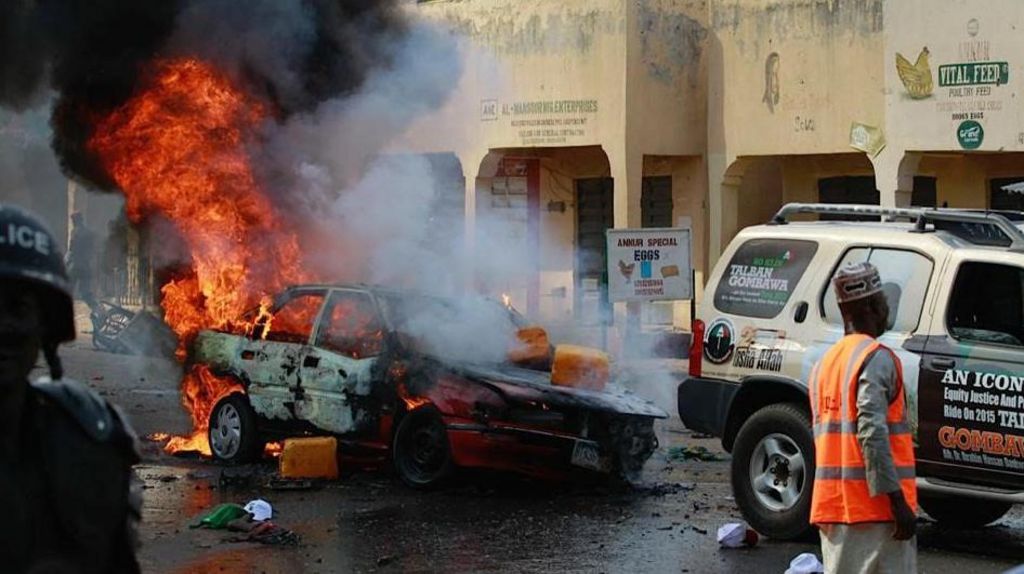
    Of the 505 suspects arraigned at the Federal High Court in Nigeria’s capital, 386 were found guilty of ties to either Boko Haram or its splinter faction, the Islamic State West Africa Province (ISWAP), officials confirmed Friday. Sentences for the convicts run from a five-year prison term to life behind bars, reflecting the varying severity of the charges ranging from direct participation in militant attacks to facilitating extremist activities through funding, weapons smuggling, logistical support, or sharing intelligence. Two defendants were acquitted, eight were released without conviction, and proceedings for 112 additional suspects were adjourned to a later date. Early in the judicial process, five defendants entered guilty pleas, admitting they had supplied food, livestock and insider information to the militant networks.

    The mass convictions come as Nigeria’s federal government faces mounting public and international pressure to rein in a sprawling security crisis that has destabilized large swathes of the country. Africa’s most populous nation is currently confronting overlapping threats from multiple armed factions: alongside the long-running Islamist insurgency in the northeast, security forces are also battling separatist movements in the southeast and rampant kidnapping-for-ransom gangs that operate across many northern and central states.

    The Boko Haram insurgency, which first erupted in 2009, has left a devastating humanitarian toll in its wake. Aid organizations estimate the conflict has killed tens of thousands of people and forced more than 2 million residents to flee their homes, creating one of the world’s largest displaced populations.

    The deteriorating security landscape has prompted international warnings in recent days. On Wednesday, the U.S. State Department updated its travel advisory, urging American citizens to reconsider all trips to Nigeria due to heightened risks of violence, crime and kidnapping. This is not the first time Washington has taken direct action in response to militant activity in the region: on Christmas Day during the Trump administration, U.S. forces carried out an airstrike in northern Sokoto State targeting the lesser-known militant group Lakurawa. The strike followed then-President Trump’s public claim that Christians were being specifically targeted for persecution in Nigeria—a claim Nigerian officials rejected at the time, noting that people of all religious faiths, and those with no religious affiliation, have fallen victim to the country’s ongoing violence.

    As security conditions continue to fluctuate across the Sahel region, Nigeria’s judicial crackdown on militant suspects marks a major step by the government to demonstrate progress in its fight against extremism, even as insurgent attacks and intercommunal violence remain persistent threats across much of the north.

  • US Vice-President Vance arrives in Pakistan

    US Vice-President Vance arrives in Pakistan

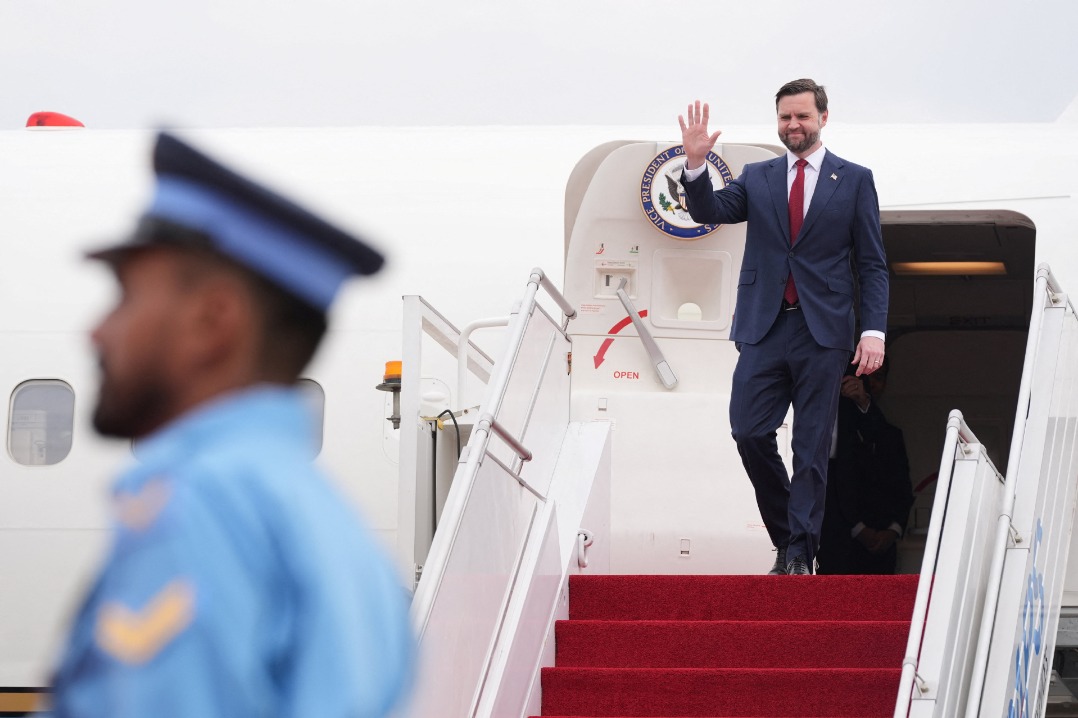
    On Saturday, April 11, 2026, United States Vice President JD Vance touched down in Islamabad, Pakistan, touching off a highly anticipated round of diplomatic negotiations between US and Iranian officials on Pakistani soil. Vance arrived via Air Force Two, with official photos documenting his arrival at the Islamabad airport ahead of the scheduled talks.

    The meeting, hosted by Pakistan, marks a rare high-level engagement between Washington and Tehran at a time of heightened regional tension and stalled diplomatic progress between the two nations. Pakistan’s role as a neutral host underscores its ongoing engagement as a diplomatic bridge in South Asian and Middle Eastern geopolitics, bringing the two long-adversarial parties to the negotiating table in a third-party location that both sides have accepted.

    Global observers have framed the upcoming discussions as a pivotal moment for regional security, with a wide range of contentious issues expected to be on the agenda, from regional nuclear non-proliferation to ongoing conflicts in the Middle East. The outcome of these talks carries potential implications for global energy markets, regional stability, and the future of US-Iran relations, making Vance’s arrival in Islamabad a closely watched development for governments and analysts across the world. The visit was first reported and updated by Xinhua News Agency on the same day of Vance’s landing.

  • US delegates for talks with Iran land in Pakistan

    US delegates for talks with Iran land in Pakistan

    Diplomatic momentum has shifted to Islamabad this weekend, as rival delegations from the United States and Iran have both touched down in Pakistan’s capital for long-awaited negotiations aimed at de-escalating ongoing hostilities across the Middle East.

    On Saturday morning, a US delegation led by Vice-President JD Vance arrived in the city, according to regional diplomatic sources. Two other high-profile members of the American team — Donald Trump’s special representative Steve Witkoff and senior advisor Jared Kushner — traveled separately on a dedicated aircraft that landed at Islamabad’s Nur Khan Airbase alongside the main delegation.

    The Iranian diplomatic contingent, headed by Parliament Speaker Mohammad Baqer Qalibaf, completed its own arrival in the Pakistani capital earlier the same day, positioning both sides to launch the scheduled discussions later on Saturday.

    The talks come at a critical moment for regional security, with the ultimate goal of bringing an end to active hostilities that have roiled the Middle East in recent months. But despite the willingness of both sides to come to the negotiating table in a neutral third country, deep-seated decades-long mistrust between the two longstanding adversaries hangs over the discussions, creating major uncertainty about the prospects for meaningful breakthroughs. Pakistan, acting as the host for this unexpected diplomatic summit, has provided a neutral venue for the two powers to engage in direct talks amid heightened international pressure to reduce regional tensions.

  • Experts warn of ‘hasbara’ and disinformation in digital battle over Palestine

    Experts warn of ‘hasbara’ and disinformation in digital battle over Palestine

    On April 7, a virtual gathering organized by the Global Alliance for Palestine brought together researchers, grassroots activists and digital rights specialists to sound the alarm about coordinated state-backed propaganda and disinformation operations that are actively skewing global public narratives about Palestine. Titled “Countering Israel’s 2026 Hasbara Industry”, the webinar centered its discussion on what panelists characterized as structured, well-resourced digital messaging campaigns run by the Israeli government.

    Hasbara, Israel’s official national public diplomacy directorate, is the body that oversees the country’s widespread propaganda operations. In a sign of internal friction around these efforts, the directorate has already faced legal action from private companies and contractors that provided services for the campaigns in the early months of Israel’s military campaign in Gaza. To amplify its messaging following the outbreak of large-scale conflict in Gaza, Israel launched a covert initiative codenamed the “Esther Project”, which relies on secret public relations campaigns and contracted corporate firms to manage a sprawling network of paid social media influencers.

    Since the October 2023 escalation of hostilities, Israel’s propaganda push has expanded beyond Hasbara, with the country’s foreign ministry and diaspora ministry also committing massive budgets to distributing Israeli-aligned content. The core goal of these efforts, panelists confirmed, is to shift global public opinion, push back against and deny widespread allegations of war crimes, crimes against humanity, and genocide perpetrated by Israeli forces in Gaza.

    During the webinar, panelists emphasized that modern Israeli disinformation operations increasingly leverage cutting-edge digital tools, micro-targeted advertising, and artificial intelligence to shape public perception. Anas Ambri, a researcher with The New Arab Investigative Unit, presented new findings on Israel’s online ad campaigns and industry transparency requirements, noting that promotions tied to the Israeli government rarely disclose their official affiliations. He detailed how untargeted disclosures and hidden funding for targeted ad campaigns can reshape public narratives across major social media and digital platforms.

    Tariq Kenney-Shawa, a policy analyst with the Palestinian think tank Al-Shabaka, outlined the critical role open-source intelligence plays in documenting on-the-ground events in Gaza and pushing back against false Israeli messaging. He explained that open-source verification methods have been instrumental in confirming the details of violent incidents, challenging unsubstantiated Israeli claims, uncovering mass grave sites in Gaza, and exposing disinformation campaigns on social media platforms.

    Hala Hanina, a Gaza-born political activist and doctoral researcher based in the United Kingdom, analyzed long-standing patterns of media coverage throughout the current conflict. She argued that a core pillar of Israeli state disinformation involves outright denial of attacks on civilian infrastructure and populations, shifting blame to Palestinian groups for Israeli violence, and framing narratives that deliberately downplay or obscure the devastating impact of military operations on Palestinian civilians. Her presentation detailed how these manipulated messages spread across both traditional legacy media and digital platforms, derailing calls for accountability and confusing audiences seeking accurate information about the conflict.

    Another panelist, identified only as Lujane, focused her remarks on the intersection of artificial intelligence and digital influence, explaining how curated content ecosystems can skew AI-generated outputs to amplify and entrench pro-Israeli narratives. She noted that hidden funding networks and targeted amplification strategies are key to ensuring these skewed narratives reach broad global audiences.

    Noted digital rights advocate Nadim Nashif raised urgent concerns about unequal platform governance, pointing to repeated past incidents where content from Palestinian creators and journalists was removed or algorithmically restricted. He argued that current algorithmic moderation frameworks and major platform policies systematically create unequal visibility for Palestinian and Israeli perspectives, amplifying pro-Israeli content while suppressing Palestinian voices.

    Not all discussion focused solely on the challenge of disinformation, however. Miriyam Aouragh, a professor at the University of Westminster, noted that the open digital ecosystem has also created new space for counter-narratives, allowing Palestinian voices to reach wider global audiences than ever before. She pointed to growing public dissent among technology workers at major platforms, as well as increased public scrutiny of platform content moderation practices, as positive shifts that have helped level the information playing field.

    Webinar organizers emphasized that the event’s core goal was to provide attendees with the analytical tools needed to trace how information is produced, circulated, and manipulated during armed conflict. They stressed that addressing systemic disinformation and expanding global media literacy will remain critical priorities, as digital platforms continue to be the primary venue where global public perceptions of the Palestine-Israel conflict are formed.

    This reporting builds on independent, on-the-ground coverage of the Middle East and North Africa from Middle East Eye, a publication focused on unaffiliated, in-depth analysis of the region.
  • Hundreds of Irish petrol stations run out of fuel as protests continue

    Hundreds of Irish petrol stations run out of fuel as protests continue

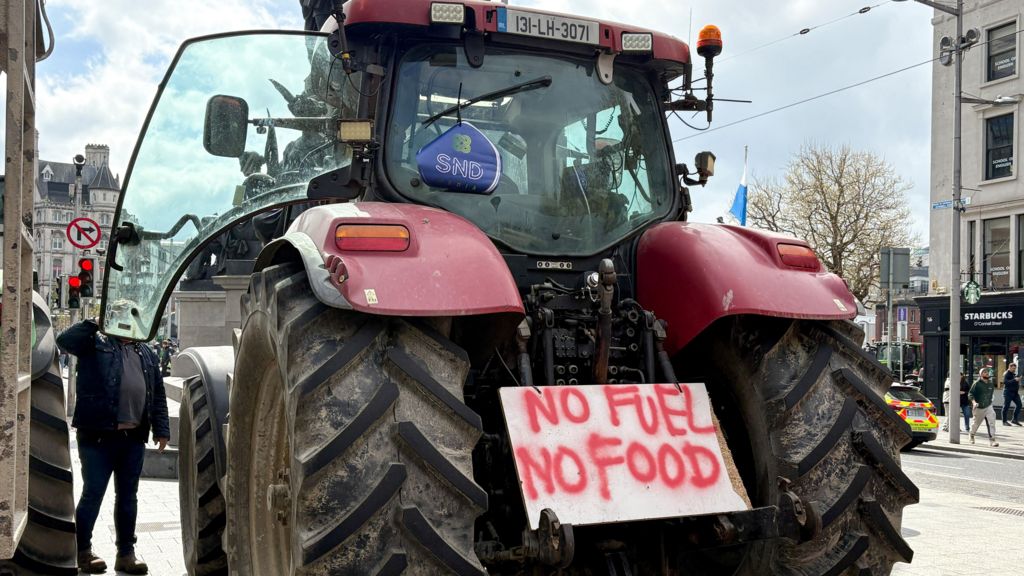
    As demonstrations against skyrocketing fuel prices stretched into a fifth consecutive day on Friday, large swathes of the Republic of Ireland faced crippling travel disruption, with hundreds of retail fuel outlets entirely out of stock and major transport routes blocked by slow-moving protest convoys led by agricultural tractors.

    The unrest stems from dramatic fuel price increases triggered by the ongoing US-Israeli conflict with Iran, which has shuttered the Strait of Hormuz — a critical chokepoint that carries roughly 20% of global oil trade. This global supply shock has sent Irish fuel costs surging: in recent weeks, average diesel prices have jumped from around €1.70 per litre to €2.17, while petrol prices have risen by as much as 25 cent per litre at many forecourts across the country. As of Friday, state broadcaster RTÉ confirmed that approximately 500 petrol and diesel outlets have been completely drained of fuel by panic buying and supply chain blockades.

    Protest organizers, drawing participants from the farming and haulage sectors, have deployed slow-moving convoys and tractor-led blockades across key national infrastructure. Blockades are currently in place across multiple major motorways, including closed sections of the M50, full both-way closure of the M7 at Portlaoise, a northbound blockage on the M8 at Cashel South, and disruptions at multiple locations across County Clare, County Limerick and Monaghan town. Three key national fuel storage facilities are also blocked by protesters, and central Dublin’s busiest corridors — including O’Connell Street and South Quay — remain closed to general traffic.

    The disruption has spilled over into public transport, with multiple services suspended across Dublin and major delays for airport passengers. State-owned transport operator Bus Éireann has confirmed it is working to maintain limited access to Dublin Airport, and has advised all passengers heading to Dublin and Shannon Airports to allocate extra travel time for altered routes and long delays.

    In response to the escalating crisis, Ireland’s national police service An Garda Síochána has officially declared the protests an “exceptional event”, a designation that allows the force to double the number of active officers deployed to manage the unrest and clear blockades. The National Emergency Coordination Group, the inter-agency body tasked with managing national crises, has warned that fuel supplies for critical emergency services including fire brigades and ambulance fleets are facing growing strain as blockades cut off supply chains.

    Following days of constructive talks between government officials and representatives from the haulage and farming sectors, Irish leaders have confirmed that a targeted fuel support package is in the final stages of preparation. Tánaiste and Finance Minister Simon Harris told reporters on Friday that the incoming support package will be “substantial and significant” for key impacted sectors of the Irish economy, noting that negotiations have been progressing well, with intensive talks set to continue through the weekend. But Harris stressed that the ongoing blockades cannot continue, saying “The blockade has to end.”

    Taoiseach Micheál Martin echoed the urgency of lifting the blockades, warning that the continued disruption comes at a particularly precarious moment for global energy markets, saying the country is “on the precipice of turning oil away from the country” during an ongoing global oil supply crisis. Protests first launched on Tuesday morning, and demonstration leaders have shown no immediate indication of lifting blockades ahead of this weekend’s negotiations.

  • Russian strikes on Odesa kill 2 ahead of Orthodox Easter ceasefire

    Russian strikes on Odesa kill 2 ahead of Orthodox Easter ceasefire

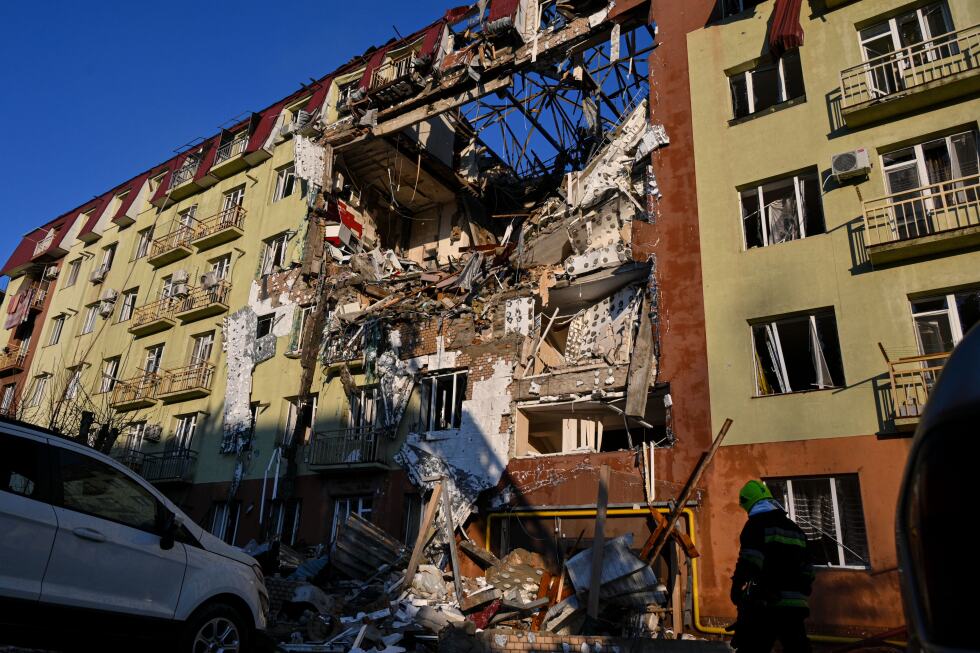
    In a pre-ceasefire escalation that has heightened tensions ahead of the Orthodox Easter holiday, Russian overnight drone attacks on the strategic Black Sea port city of Odesa left at least two civilians dead and two more injured, Ukrainian local authorities confirmed Saturday. The assault, which targeted a residential neighborhood, caused extensive damage to multiple apartment blocks, private homes, and a nearby kindergarten, just hours before a 32-hour truce broached by Russian President Vladimir Putin was scheduled to take effect.

    According to Ukraine’s Air Force statement, Moscow launched a massive wave of 160 drones across Ukrainian territory overnight, with 133 of the unmanned aerial vehicles successfully intercepted and destroyed by Ukrainian air defenses. In a simultaneous counterclaim, Russia’s Defense Ministry announced that its own forces shot down 99 Ukrainian drones across Russian territory and the Moscow-occupied Crimean Peninsula overnight.

    Putin first announced the planned holiday ceasefire on Thursday, ordering all Russian combat forces to cease offensive and defensive hostilities starting at 4 p.m. local time Saturday through the end of Sunday for the Orthodox Easter observance. Ukrainian President Volodymyr Zelenskyy confirmed Saturday that Kyiv would respect the truce, framing the pause in fighting as a potential opening to advance diplomatic efforts toward lasting peace. However, he issued a clear warning that any violation of the ceasefire by Russian forces would be met with an immediate, robust military response.

    “Easter should be a time of silence and safety. A ceasefire at Easter could also become the beginning of real movement toward peace,” Zelenskyy wrote in an official online post Saturday. “We all understand who we are dealing with. Ukraine will adhere to the ceasefire and respond strictly in kind.”

    The proposed truce follows an earlier Ukrainian proposal to Russia for a mutual pause in strikes on each side’s energy infrastructure over the Orthodox Easter period. Past attempts to implement ceasefires between the two warring parties have largely failed, with both sides repeatedly accusing one another of violating the terms of agreed pauses within hours of them taking effect.

    Kremlin spokesperson Dmitry Peskov framed Putin’s ceasefire announcement as a humanitarian gesture Friday, but reiterated that Moscow remains unwilling to move toward a comprehensive peace settlement unless its longstanding core demands are met — a sticking point that has blocked any meaningful diplomatic progress since the full-scale invasion began in 2022, now in its third year (correction from the original text: the invasion entered its third year in 2024, not fifth).

    Beyond the ceasefire, discussions have also been held to carry out a new round of prisoner exchanges over the Easter weekend. Russian human rights ombudswoman Tatyana Moskalkova confirmed last week that negotiators from both sides are currently working to finalize details for the swap. Periodic prisoner exchanges have stood as one of the only areas of consistent progress in months of U.S.-brokered negotiations between Moscow and Kyiv, which have failed to deliver breakthroughs on the core political and territorial issues that stand in the way of ending the full-scale invasion.