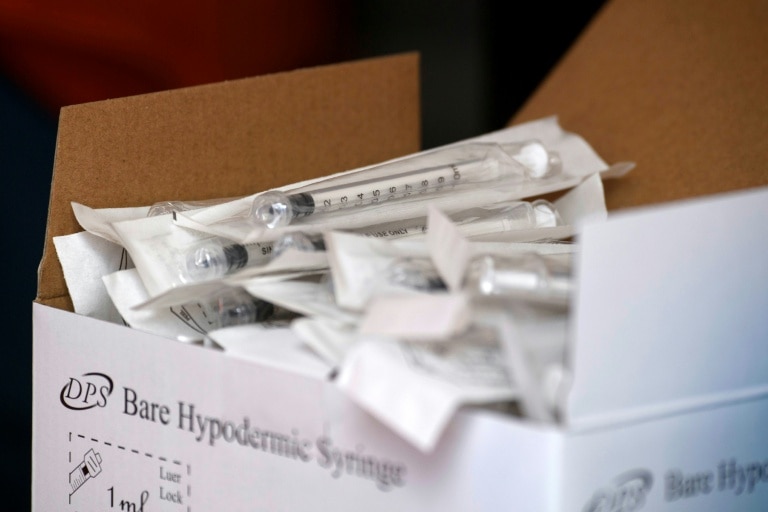
Escalating conflict in the Middle East has triggered ripple effects across global supply chains, pushing South Korean authorities to open a formal investigation into alleged illicit stockpiling of medical syringes that has put the country’s critical healthcare supplies at risk.
The crisis traces back to recent military tensions that have severely disrupted shipping through the Strait of Hormuz, a strategic waterway that carries the majority of the world’s seaborne oil trade. US-Israeli strikes on Iran and the near-total closure of the strait have upended deliveries of naphtha, a petroleum-derived liquid product that serves as the core input for manufacturing polypropylene and other plastic materials used in everything from medical tools to consumer packaging.
This supply shock has hit Asian petrochemical manufacturers particularly hard, forcing regional governments to implement emergency regulations to prevent widespread shortages. Earlier this month, South Korea enacted a formal ban on excessive hoarding of syringes and hypodermic needles, moving quickly to head off potential market chaos as supply chain disruptions deepened.
On Tuesday, the Seoul Metropolitan Police Agency confirmed to AFP that it had launched an immediate investigation into four medical product distributors accused of violating the new hoarding ban. The probe was initiated after a formal complaint was filed by the country’s Ministry of Food and Drug Safety. Law enforcement has pledged to ramp up inspections across every stage of the medical supply chain to root out and penalize illegal market manipulation.
Under the emergency regulations, businesses are prohibited from holding stockpiles of syringes and needles exceeding 150 percent of the average monthly sales volume recorded in 2023 for five consecutive days or more. The rules also ban companies from refusing to sell legitimate orders to buyers without a verifiable justifiable reason. Despite these safeguards, food and drug officials say some distributors have intentionally exploited the supply crunch to stockpile inventory, intending to resell the products at inflated, gouged prices.
Investigators have already confirmed that one distributor held more than 130,000 excess syringes for well over the five-day limit set by the ban, according to the ministry. For South Korea, the risk of naphtha shortages is particularly acute: official data from the South Korean presidential office shows that more than 50 percent of the country’s total naphtha imports in 2023 transited through the Strait of Hormuz.
South Korean President Lee Jae Myung has publicly condemned the hoarding practices, taking to social media over the weekend to promise the strongest possible enforcement action against what he called antisocial behaviour. The president emphasized that actors who profit from public crises by worsening supply shortages for personal gain will not be tolerated. To mitigate the ongoing supply disruption, Lee’s chief of staff announced this month that the country has secured an additional 2.1 million tonnes of naphtha from alternative suppliers including Saudi Arabia and Oman, with all shipments routed through pathways that avoid the Strait of Hormuz.