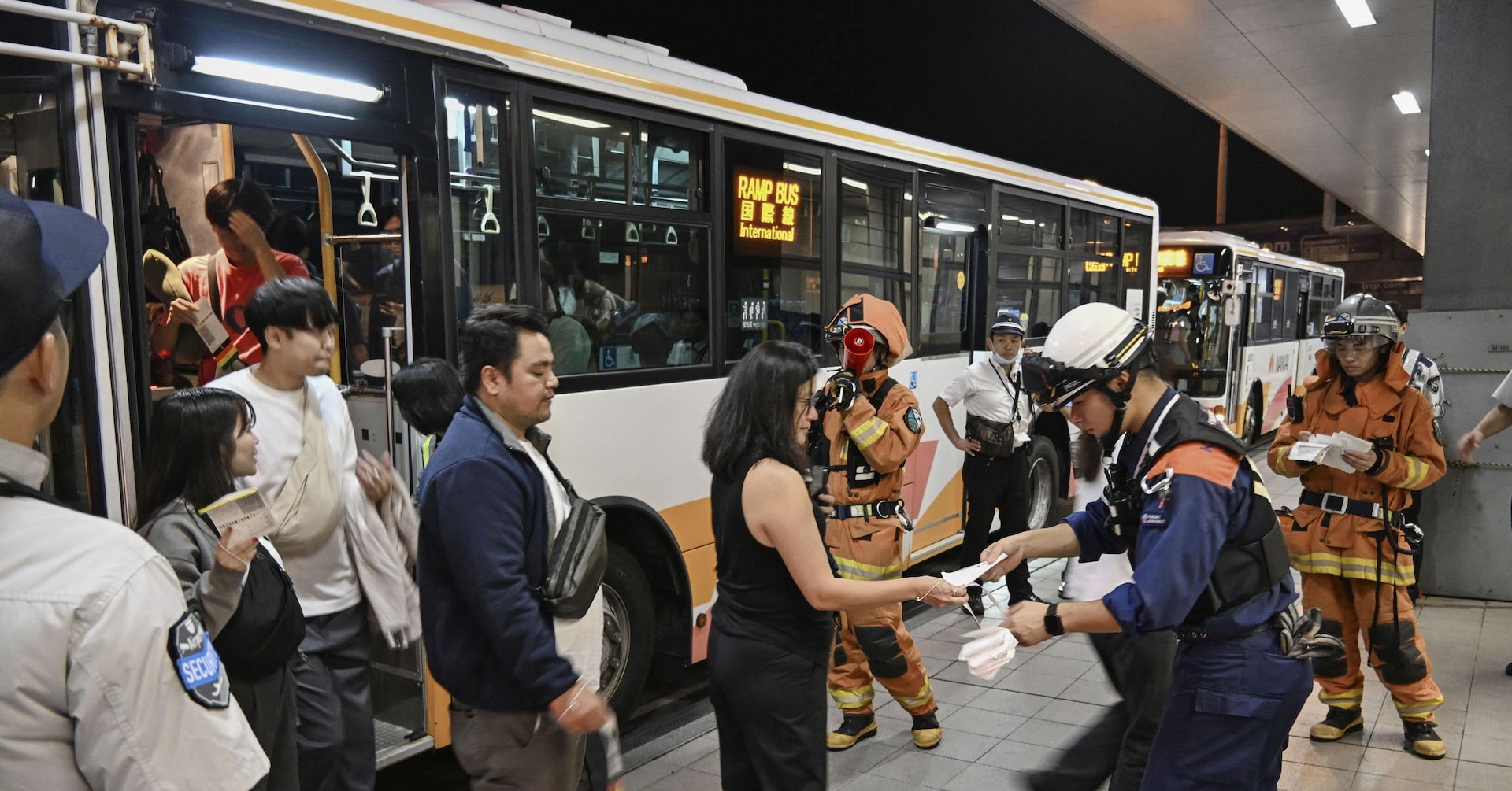
A United Airlines Boeing 737-800 en route from Tokyo’s Narita Airport to Cebu, Philippines, was forced to make an emergency landing at Kansai International Airport in Osaka on September 12, 2025, following concerns of a potential fire in the cargo hold. The aircraft, carrying 135 passengers and seven crew members, was evacuated using emergency slides. Two individuals sustained minor injuries and were transported to a hospital for treatment. United Airlines confirmed that an initial maintenance inspection revealed no evidence of a fire. The incident occurred shortly after takeoff, prompting the diversion to Osaka. Authorities, including Kansai Airport officials, local police, and fire departments, were unavailable for comment outside regular business hours. The airline has not yet disclosed further details regarding the cause of the emergency or the nature of the injuries. The event underscores the importance of swift emergency response protocols in aviation safety.
分类: world
-
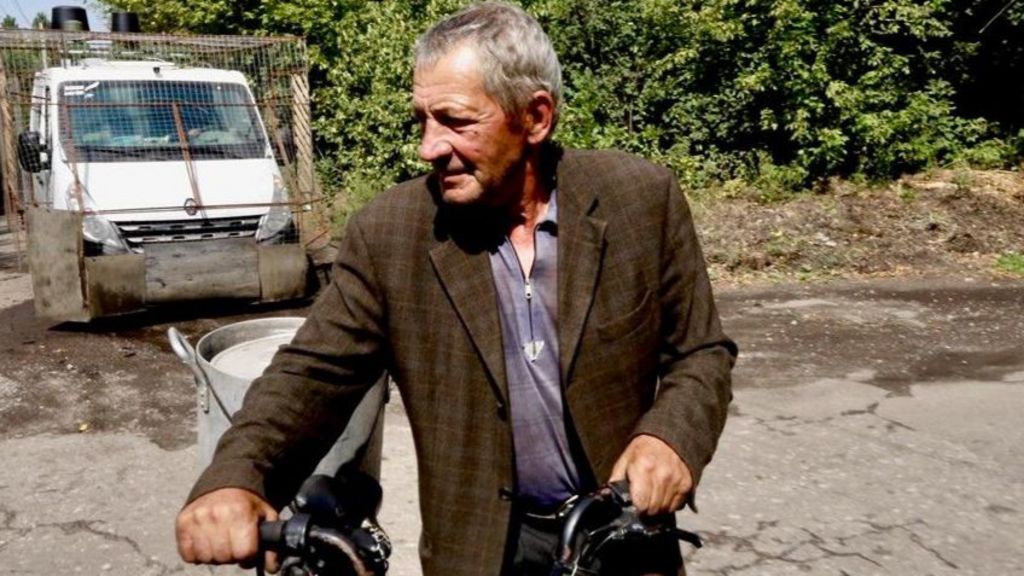
As Russian army inches closer, Ukrainians must decide to stay or go
In the war-torn town of Bilozerske, eastern Ukraine, the White Angels—a specialized police unit—embark on a perilous mission to evacuate civilians amidst relentless Russian drone attacks. The town, once home to 16,000 residents, now lies in ruins, with only an estimated 700 inhabitants remaining. The White Angels’ armored van, equipped with a steel cage and drone-jamming technology, offers scant protection against the ever-present threat of Russian drones. Despite the dangers, the team presses on, navigating shattered streets and burned-out homes to rescue those willing to leave.
-
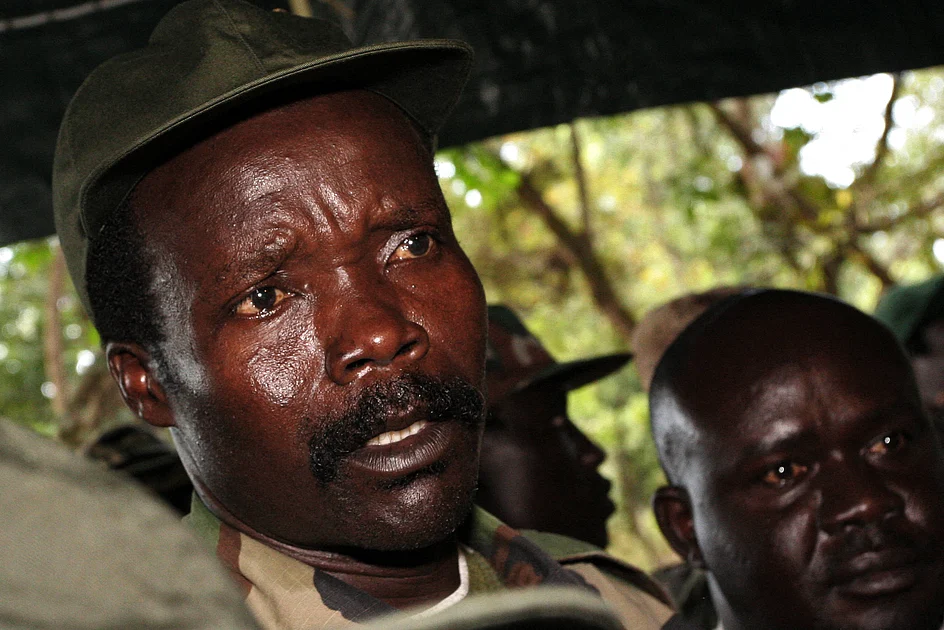
Kony crimes still felt in Uganda, 20 years on, ICC hears
The enduring scars of Joseph Kony’s alleged atrocities in Uganda were brought to the forefront during a landmark hearing at the International Criminal Court (ICC) on Tuesday. Kony, the elusive leader of the Lord’s Resistance Army (LRA), faces 39 charges of war crimes and crimes against humanity, including murder, rape, torture, and enslavement, reportedly committed between 2002 and 2005 in northern Uganda. Despite the passage of two decades, the repercussions of these brutal acts remain deeply felt, with survivors still grappling with physical and psychological trauma. Prosecutor Mame Mandiaye Niang emphasized the lasting devastation, stating, ‘The social and cultural fabric of Uganda has been torn apart, and they are struggling to recover.’ The LRA’s insurgency, which targeted the Ugandan government, resulted in over 100,000 deaths and the abduction of 60,000 children, according to UN estimates. The group’s notoriety for extreme violence, including forced cannibalism and drinking of blood, has left indelible marks on survivors like Everlyn Ayo, who recounted the horrors of her childhood. Now 39, Ayo plans to follow the proceedings from Gulu, far from the ICC courtroom in The Hague. The hearing, the first of its kind to be held in absentia, aims to confirm charges against Kony, who has been on the run since 2006. While a trial cannot proceed without his presence, prosecutors hope the process will expedite justice if he is ever apprehended. Stella Angel Lanam, a former child soldier and now a counselor for victims, expressed a shared sentiment: ‘Even though we have passed through a lot, we cannot lose hope. At least I will get justice.’
-
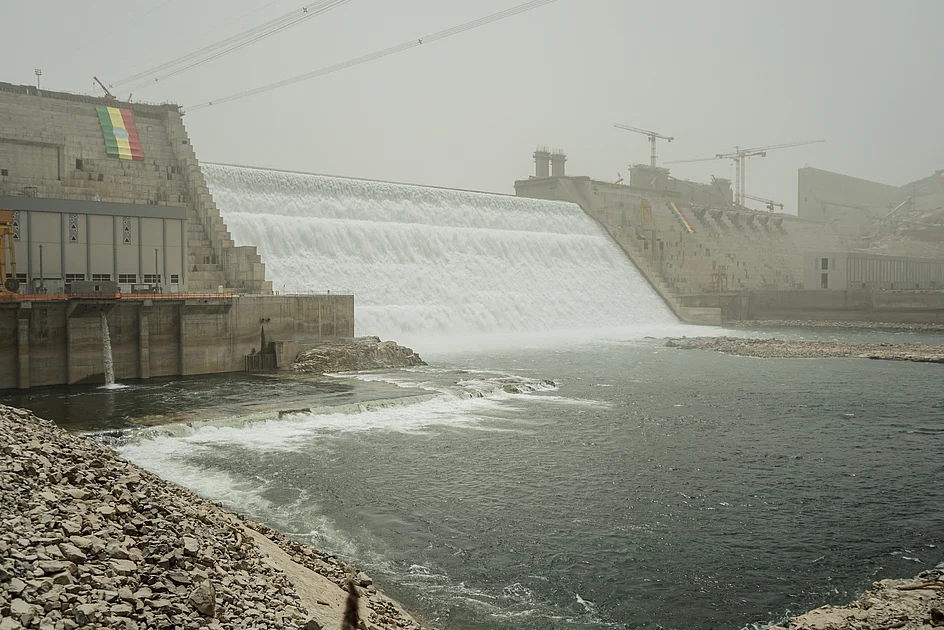
Ethiopia launches Africa’s largest hydroelectric dam amid deep rift with Egypt
Ethiopia has officially launched the Grand Ethiopian Renaissance Dam (GERD), Africa’s largest hydroelectric project, marking a significant milestone in the nation’s development ambitions. The $5 billion dam, situated on a tributary of the River Nile, is expected to generate up to 5,150 MW of electricity, providing power to millions of Ethiopians and enabling energy exports to neighboring countries. However, the project has exacerbated long-standing tensions with downstream Egypt, which relies on the Nile for 90% of its freshwater supply. Egypt fears the dam could disrupt its water access during droughts and has vehemently opposed the project, citing violations of colonial-era water treaties. Sudan, another downstream nation, has joined Egypt in calling for legally binding agreements on the dam’s operation but could benefit from improved flood management and affordable energy. The GERD has become a symbol of national unity in Ethiopia, which funded the project domestically without foreign assistance. Despite the geopolitical rift, Ethiopian Prime Minister Abiy Ahmed has emphasized the dam’s potential as a ‘shared opportunity’ for regional development. Independent studies indicate no significant disruptions to downstream water flow so far, attributed to cautious reservoir filling during wet seasons. However, rural Ethiopians may face delays in accessing the dam’s benefits, as only half of the population is connected to the national grid. The dam’s reservoir has flooded an area larger than Greater London, promising steady water supply for hydropower and irrigation while mitigating floods and droughts. Meanwhile, Ethiopia’s strategic plans to gain access to the Red Sea via Eritrea or Somalia have further strained relations with Egypt, which has backed Ethiopia’s regional adversaries. Analysts warn that tensions over the dam could escalate, potentially destabilizing the region.
-
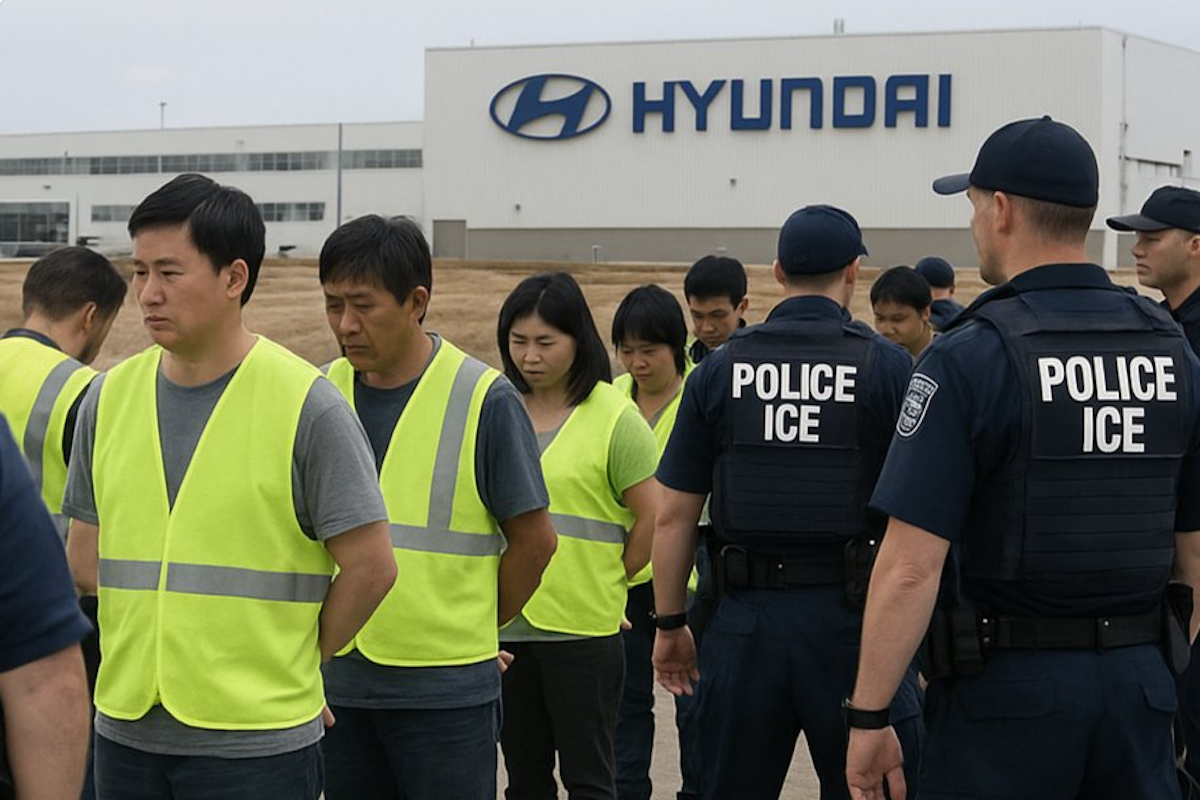
Trump shows S Korea who’s boss with Hyundai plant raid
In a dramatic operation on September 4, U.S. Immigration and Customs Enforcement (ICE) agents, alongside Homeland Security Investigations (HSI), arrested 475 employees at the Hyundai Motor-LG Energy Solution joint venture’s electric vehicle (EV) battery manufacturing plant near Savannah, Georgia. The raid, described as the largest single-site enforcement operation to date, involved a heavily armed contingent, armored vehicles, and helicopters, with detained workers seen in ankle chains and handcuffs being transported on buses. Over 300 of those arrested were South Korean nationals, prompting immediate concern from the South Korean government. President Lee Jae-myung urged swift action to support affected citizens, while Foreign Affairs Minister Cho Hyun hinted at potential diplomatic discussions in Washington. The incident has raised questions about the treatment of foreign workers and the broader implications for international business relations. Steven Schrank, HSI’s chief special agent in Atlanta, emphasized the operation’s focus on protecting American jobs and ensuring legal compliance. However, South Korean media and officials have speculated about potential ulterior motives, linking the raid to political dynamics and the Biden administration’s prior endorsement of the facility. The raid has disrupted operations at the plant, which was slated to begin production in 2026, and could delay the production of Hyundai, Kia, and Genesis EVs. The incident has also drawn criticism for the perceived humiliation of South Korean workers, with global media coverage amplifying the fallout. Hyundai Motor has pledged to review its compliance processes, but the event underscores the challenges foreign companies face in navigating U.S. immigration and labor laws.
-
UAE offers condolences to Nigeria over boat accident that left 29 dead
The United Arab Emirates (UAE) has expressed its profound condolences to Nigeria following a devastating boat accident that claimed the lives of 29 individuals. The tragic incident occurred in the north-central Niger state, where an overloaded boat carrying 80 passengers capsized while crossing the Malale River. According to the State Emergency Management Agency (SEMA), the accident was caused by overloading and a collision with a tree stump. Rescuers managed to save 50 people, but 29 bodies were recovered, with two individuals still missing. The UAE Ministry of Foreign Affairs conveyed its heartfelt sympathies to the families of the victims and the Nigerian government, wishing a swift recovery for the injured. This incident underscores the urgent need for improved safety measures in river transportation across the region.
-
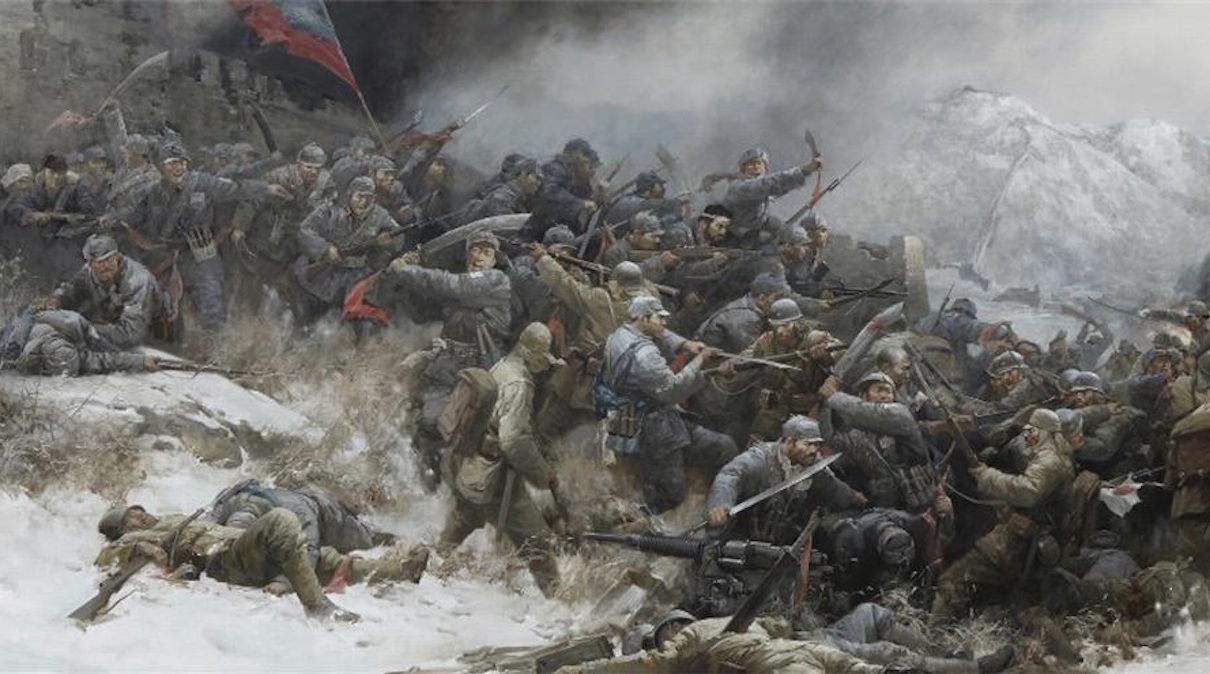
China’s WWII commemoration rekindles cross-strait history battle
Eight decades after World War II concluded with Japan’s surrender to Allied forces on September 2, 1945, the conflict continues to influence East Asian geopolitics, particularly in the context of modern tensions. The recent high-profile military parade in China, commemorating what Beijing terms the ‘War of Resistance against Japanese Aggression,’ has reignited debates over historical narratives and their implications for current relations. Critics in Tokyo accuse the Chinese Communist Party of fueling anti-Japanese sentiment, while the U.S. has expressed concerns over Beijing’s emphasis on Russia’s role at the expense of America’s contributions. The narrative battle between Taipei and Beijing is particularly significant. During the war, China’s communists and nationalists formed an uneasy alliance against Japan, but after the war, the communists emerged victorious, forcing the nationalists to retreat to Taiwan. This historical backdrop fuels ongoing disputes over each side’s role in defeating Japan and the symbolism of Beijing’s military displays. A key point of contention is the fact that Japan surrendered to the National Revolutionary Army of the Kuomintang, not the communists, a detail that underscores Taiwan’s claim to historical legitimacy. The nationalist army bore the brunt of conventional warfare, while the communists relied on guerrilla tactics, leading to differing interpretations of their respective contributions. Taiwan’s status post-war adds another layer of complexity. After 50 years of Japanese colonial rule, Taiwan was handed over to the Republic of China, but the island’s local population resisted the authoritarian nationalist regime. The Cairo Declaration of 1943 further complicated matters by affirming Taiwan’s return to China, a principle both Beijing and Taipei uphold, albeit with differing interpretations of which government represents China. These conflicting narratives resurface during commemorative events, such as China’s 2015 military parade marking the 70th anniversary of Japan’s surrender. Beijing uses these occasions to assert its role in shaping the post-war world order and to promote its vision of a multipolar world. Meanwhile, Taiwan opts for more subdued commemorations, reflecting its population’s focus on contemporary issues rather than historical grievances. As tensions across the Taiwan Strait escalate, the legacy of World War II remains a potent force in shaping East Asian geopolitics.
-
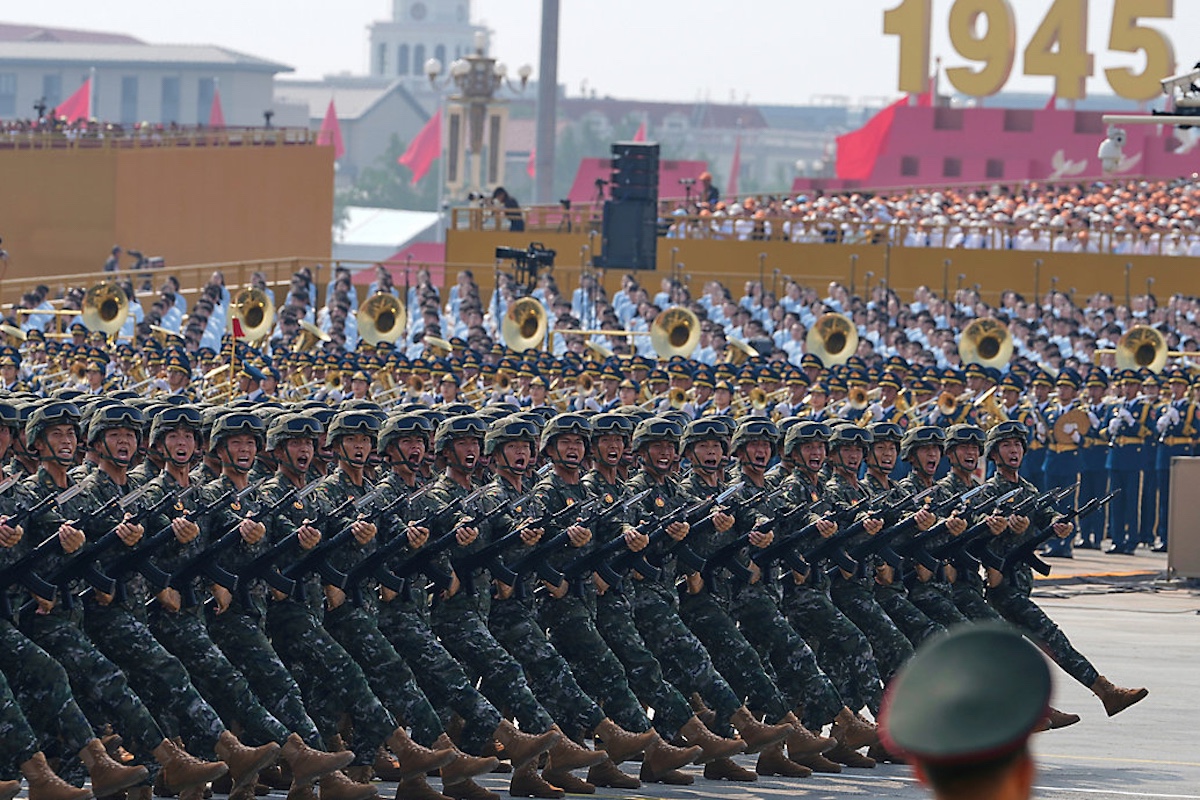
The paradox behind China’s military parade
China’s recent military parade, marking the 80th anniversary of the end of World War II, showcased its advanced defense capabilities, including DF-41 intercontinental ballistic missiles and J-20 stealth fighters. This display of military prowess aimed to project confidence abroad and reassure domestic audiences. The event underscored China’s transformation from a nation reliant on Soviet imports to a global leader in defense manufacturing, with state-owned enterprises like AVIC, CASIC, CSSC, and CETC driving innovation in aviation, missiles, shipbuilding, and electronics. Today, China boasts the world’s largest navy, with over 370 vessels, and a modernized PLA Rocket Force and Air Force. However, this show of strength has unintended consequences. While China has achieved continental primacy, leveraging infrastructure projects and economic influence across Central Asia and Mongolia, its maritime ambitions face resistance. Regional powers like Japan, Australia, and the Philippines are bolstering their defenses and deepening ties with the U.S. to counterbalance China’s growing influence. Despite its industrial scale, China’s defense exports remain limited, and its assertive actions in the South China Sea and Taiwan Strait have heightened regional anxieties. The paradox of China’s military rise is that it has inadvertently reinforced the U.S.-led security architecture in the Indo-Pacific, diminishing the geopolitical returns on its vast investments.
-
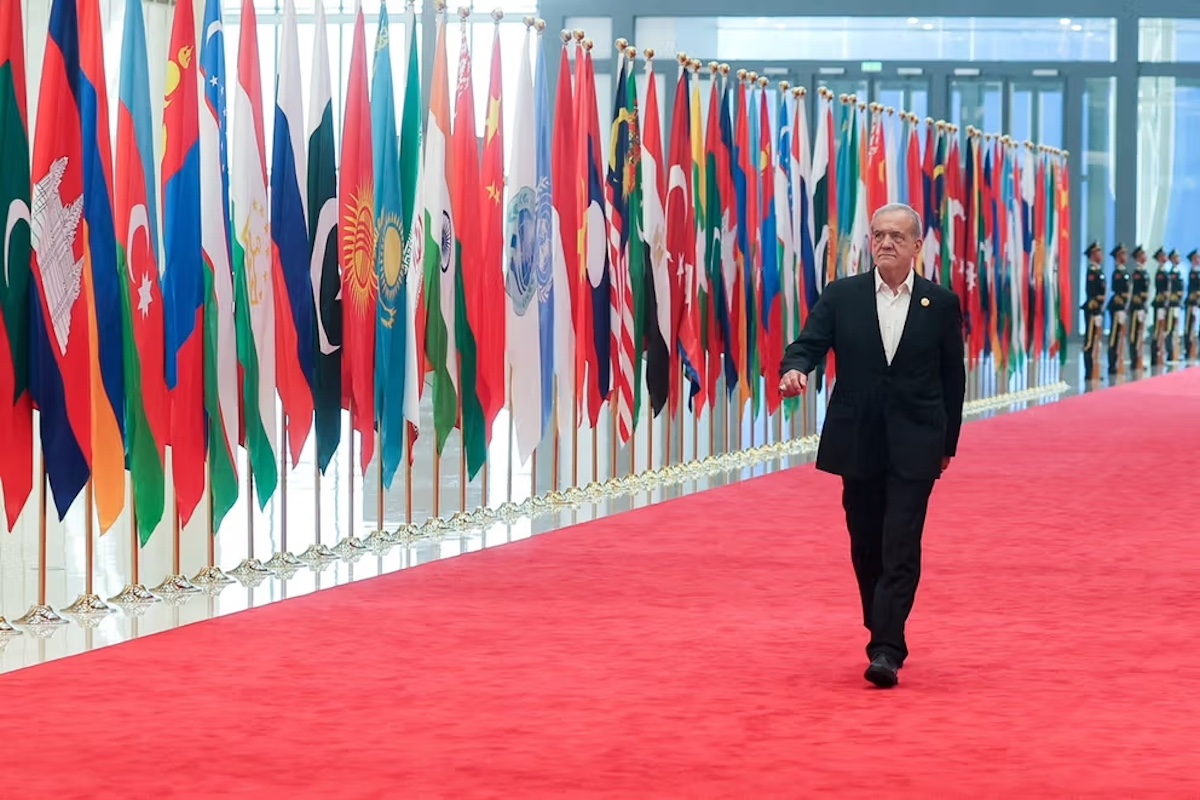
Iran’s SCO entry turning into a road to nowhere
TEHRAN – Iran’s membership in the Shanghai Cooperation Organization (SCO) was initially hailed as a strategic pivot to counter Western sanctions and bolster its economic independence. However, years after its full accession, the results paint a starkly different picture. Despite high hopes, Iran has struggled to achieve its core economic objectives through the SCO, raising questions about the organization’s effectiveness as an alternative to the Western financial system.
One of Iran’s primary goals was to establish an alternative financial channel to bypass US dollar-based sanctions. The SCO’s ambitious ‘de-dollarization’ initiative, aimed at promoting trade in national currencies, was seen as a lifeline for Iran’s isolated banking sector. However, the lack of a unified financial messaging system or a multilateral clearing house has rendered this initiative largely symbolic. Instead of fostering a democratic basket of currencies, the initiative has inadvertently paved the way for the Chinese yuan’s dominance, offering little practical benefit to Iran.
Another key objective was to attract vital capital for strategic infrastructure projects, particularly the International North-South Transport Corridor (INSTC). This project, designed to connect Russia to the Indian Ocean, was expected to unlock significant financing under the SCO’s political umbrella. Yet, the reality has been far from promising. Key segments of the INSTC remain underfunded, with pledges from Russia, India, and China failing to materialize into tangible investments. Secondary sanctions and Iran’s inability to provide credible sovereign guarantees have further deterred potential financiers.
China, despite its 25-year strategic partnership agreement with Iran, has been notably risk-averse. Chinese state-owned banks and firms have refrained from committing to major Iranian projects, prioritizing commercial viability over political rhetoric. This has left Iran reliant on opaque financial networks and grey-market oil sales, perpetuating its economic vulnerability.
In contrast, fellow SCO member Pakistan has successfully leveraged the organization to advance its infrastructure goals through the China-Pakistan Economic Corridor (CPEC), a bilateral project with guaranteed Chinese financing. Iran’s inability to secure similar backing highlights the SCO’s limitations as a financing institution.
Ultimately, Iran’s SCO membership has been a political victory against Western isolation but an economic disappointment. The organization has provided a seat at the regional table but failed to unlock the financial resources needed to transform Iran’s economy. As rival transit corridors gain momentum, Iran risks falling further behind in the race to become a regional logistics hub.
-
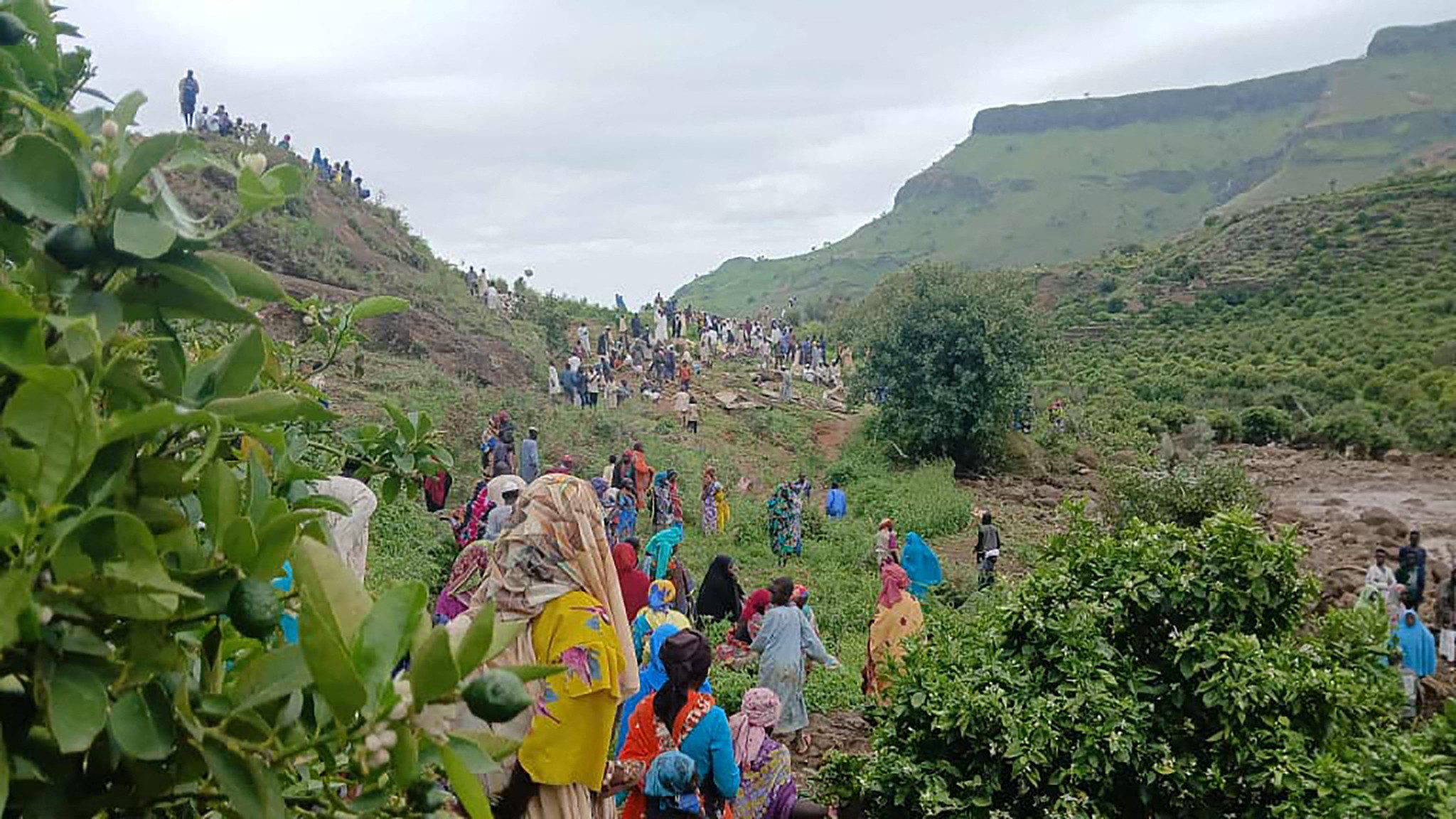
Sudan landslide erases entire village, with hundreds feared dead
A catastrophic landslide in the Marra mountains of western Sudan has completely obliterated the village of Tarsin, leaving a trail of devastation and uncertainty. The disaster, triggered by weeks of relentless heavy rains, has claimed an estimated death toll ranging from dozens to potentially 1,000 people, according to local accounts. Rescue operations are severely hampered by ongoing landslides, which continue to threaten nearby villages perched on the mountain’s 3,000-meter summit. The region, already a refuge for thousands displaced by Sudan’s protracted civil war, now faces compounded humanitarian crises. Many of the displaced had fled from el-Fasher, the besieged capital of North Sudan, where a humanitarian catastrophe has unfolded over 500 days of conflict. The war, pitting the Sudanese army against the paramilitary Rapid Support Forces (RSF), has resulted in hundreds of thousands of deaths, displaced 12 million people, and devastated the nation’s infrastructure. The Ummro district, where Tarsin is located, has been under the control of the Sudan People’s Liberation Movement/Abdul Wahid faction (SLM/AW), a rebel group claiming neutrality in the conflict. International aid organizations, already struggling to access war-torn areas, now face insurmountable challenges due to the rugged terrain, inaccessible routes, and the threat of further landslides. Adam Rigal, a support worker for displaced Sudanese, reported that Tarsin’s entire population of over 1,000 people perished, with only one survivor. Hundreds remain buried under the rubble, and locals are using rudimentary tools to retrieve bodies. The situation is dire, with urgent need for emergency and humanitarian assistance, including evacuation of nearby villages. Aid workers in Darfur emphasize the compounded disaster, as the war has rendered the area nearly inaccessible. The region’s health infrastructure is in ruins, heightening risks of cholera and dengue fever. Abdul Wahid al-Nur, leader of the SLM/AW, has called for immediate international intervention to save thousands at risk from ongoing landslides. Meanwhile, Sudan’s water and irrigation ministry has warned of continued heavy rains and dangerous floods threatening over 72 locations and 230,000 people across the country. Communities are urged to remain vigilant and evacuate flood-prone areas.