分类: world

  • Afghanistan faces catastrophic hunger crisis as aid cuts force the WFP to turn away 3 in 4 children

    Afghanistan faces catastrophic hunger crisis as aid cuts force the WFP to turn away 3 in 4 children

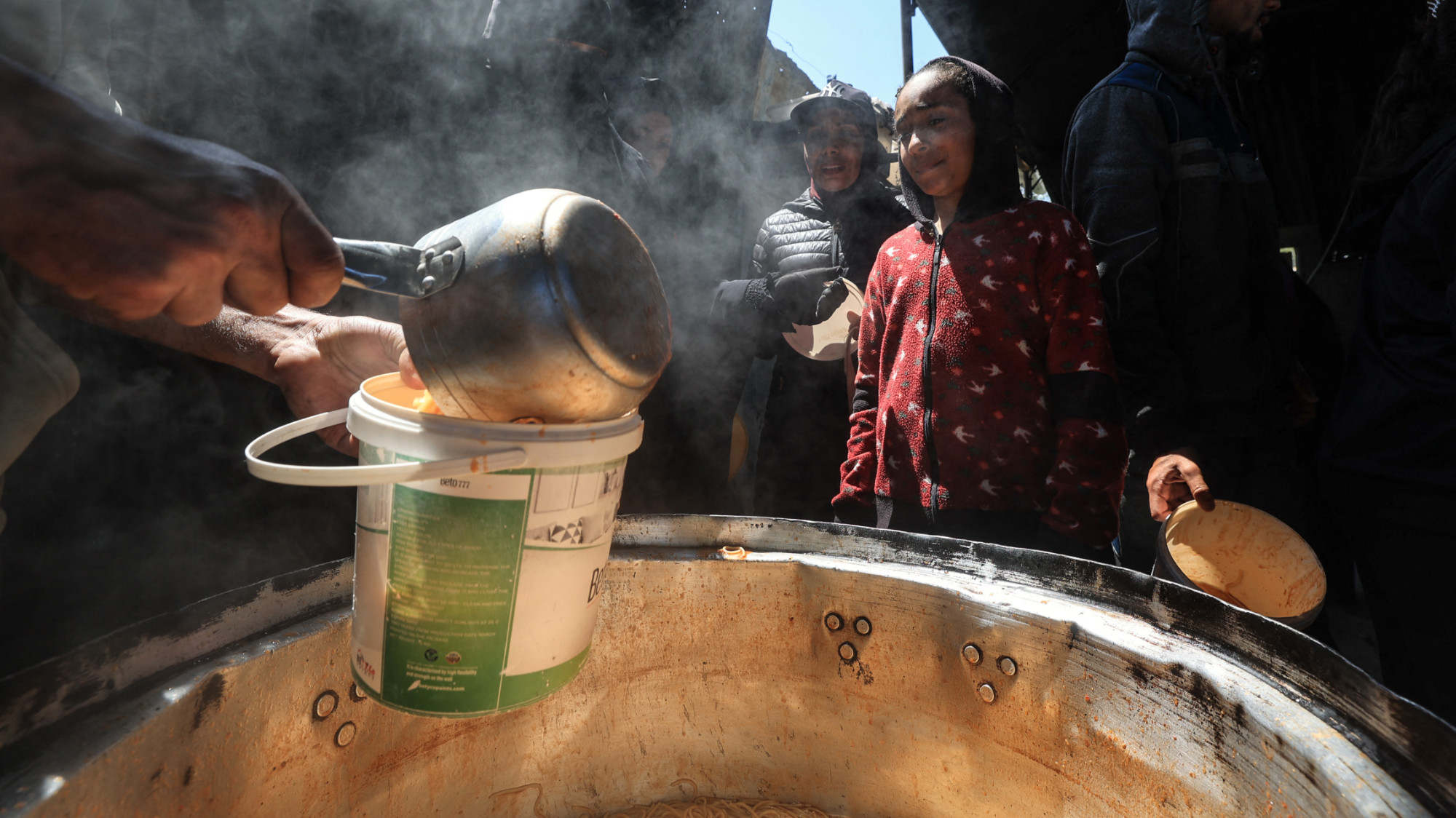
    Afghanistan is confronting the most severe malnutrition crisis in its recorded history, with approximately 4 million children facing acute food insecurity and life-threatening conditions. The situation has reached catastrophic proportions, with two-thirds of the nation experiencing serious or crisis-level malnutrition according to United Nations assessments.

    The World Food Program’s Afghanistan Country Director John Aylieff characterizes the emergency as unprecedented in his three-decade humanitarian career. Current funding constraints force the organization to turn away three out of every four malnourished children seeking assistance. Of the 17.4 million Afghans experiencing acute hunger, only 2 million currently receive support, and even this assistance has been significantly reduced.

    This humanitarian catastrophe stems from multiple converging factors: the abrupt halt of direct foreign aid following the 2021 Taliban takeover, a crippled economy, severe drought conditions, recent devastating earthquakes, and the return of over 5 million Afghan refugees from neighboring Pakistan and Iran. Compounding these challenges, international donor budgets are increasingly stretched thin by simultaneous global emergencies including conflicts in Gaza and Ukraine, and famine conditions in Sudan.

    WFP funding has experienced dramatic reductions, dropping from $600 million in 2024 to an anticipated $200 million for the current year. This financial shortfall occurs as hunger conditions spiral out of control across the nation.

    Medical facilities like Kabul’s Indira Gandhi Children’s Hospital illustrate the human toll. Two-and-a-half-year-old Abu Bakar, weighing just 6 kilograms—half his expected weight—represents one of the fortunate few receiving life-saving care. His mother Latifa describes how critical food assistance ceased three years ago, leaving her construction-worker husband unemployed and her family without reliable meals for their five children.

    The crisis has driven a disturbing increase in child mortality, with WFP documenting over 500 child deaths in recent months—a figure officials describe as merely ‘the tip of the iceberg’ given many winter deaths in snow-bound villages go unrecorded.

    Afghanistan’s Health Ministry acknowledges the decades-long problem, reporting expansion of malnutrition treatment facilities from 800 to approximately 3,200 centers, with about 3 million malnourished children and mothers treated in 2025. Ministry spokesman Dr. Sharafat Zaman emphasizes that health services should remain separate from political considerations.

    Women bear particularly severe consequences from the crisis. Taliban restrictions banning women from employment have left widows with children especially vulnerable. WFP reports a 30% increase in acutely malnourished pregnant and breastfeeding women—a surge described as unprecedented by nutrition experts. The organization increasingly receives suicide calls from desperate women who cannot feed their children.

    Aylieff issues an urgent plea to the international community: ‘How many more Afghan children will die before the world wakes up? Don’t walk away from Afghan women who are now facing abject misery, hunger, malnutrition and watching their children die.’

  • Leila Shahid, first female Palestinian ambassador, dies in France at 76

    Leila Shahid, first female Palestinian ambassador, dies in France at 76

    RAMALLAH, West Bank — Leila Shahid, the groundbreaking Palestinian diplomat who became the first woman to represent Palestine in ambassadorial roles across Europe, has passed away in France at age 76. Her death marks the conclusion of an extraordinary career spanning some of the most volatile periods in Middle Eastern diplomacy.

    Palestinian President Mahmoud Abbas commemorated Shahid as an exemplary figure whose diplomatic service embodied “the values of freedom, justice and peace.” Through the official WAFA news agency, Abbas noted that she maintained unwavering dedication to her people’s cause throughout her life.

    Born in Beirut in 1949 during the aftermath of Israel’s establishment—which displaced hundreds of thousands of Palestinians—Shahid’s heritage traced to Jerusalem and northern Israel. Her early humanitarian work in Palestinian refugee camps preceded her academic pursuits in Paris, where she embarked on doctoral studies in anthropology during the 1970s. Her leadership qualities emerged early when she was elected head of the Palestinian student union in France in 1976.

    Shahid’s diplomatic career was forged amidst tragedy and conflict. She returned to Beirut during the horrific 1982 Sabra and Shatila massacre, where Israeli-backed Lebanese Christian militias slaughtered hundreds of Palestinian refugees. This experience undoubtedly shaped her resolve in international representation.

    Her historic appointment as Palestine’s first female ambassador came in 1989 with her posting to Ireland, followed by a transfer to the Netherlands the subsequent year. From 1993 to 2005, she served as Palestinian envoy to France, navigating both the optimistic peace process era and the tumultuous second intifada that erupted in 2000. She was present with Palestinian leader Yasser Arafat during his final days before his 2004 death in a French military hospital.

    Shahid’s diplomatic service extended until 2014 through her representation to the European Union, Belgium, and Luxembourg. Beyond diplomacy, she contributed academically as longtime director of “The Review of Palestinian Studies,” a French-language journal examining the historical dimensions of the conflict.

  • Israel extends length of settler raids at Al-Aqsa Mosque as Ramadan begins

    Israel extends length of settler raids at Al-Aqsa Mosque as Ramadan begins

    Israeli authorities have implemented controversial measures at Jerusalem’s Al-Aqsa Mosque compound at the start of Ramadan, extending access hours for nationalist settlers while imposing severe restrictions on Palestinian worshippers. The Jerusalem District Commander, Avshalom Peled, authorized an additional hour for organized settler visits, extending them from four to five hours daily during the holy month. Under the new schedule, these visits now run from 6:30 AM to 11:30 AM instead of the previous 7:00 AM to 11:00 AM timeframe.

    Concurrently, Israeli forces have dramatically limited Palestinian access to the site, one of Islam’s holiest locations. Authorities announced that only 10,000 West Bank Palestinians—restricted to those over 50 or under 12 years old—will be permitted entry, exclusively on Fridays and with prior military approval. This represents a significant reduction from the hundreds of thousands who typically gather for prayers during Ramadan.

    The tension was palpable on Wednesday morning as groups of ultra-nationalist Israelis entered the compound under heavy armed protection, with reports emerging of singing and dancing in the mosque’s courtyards. Meanwhile, Israeli forces detained Sheikh Mohammed al-Abbasi, the mosque’s imam, without providing justification according to Wafa news agency.

    Sheikh Ikrima Sabri, the former grand mufti of Jerusalem who is himself banned from the site, condemned the measures as evidence of “Israel’s ambitions toward Al-Aqsa” and accused authorities of deliberately disrupting Muslim worship during the holy month. The mosque has long stood at the center of the Israeli-Palestinian conflict, representing both the struggle for Palestinian freedom and identity for Muslims worldwide, and the aspiration of some nationalist Jews to see a third Jewish temple erected on the site.

    Israeli forces have increased their presence throughout occupied East Jerusalem and the West Bank, conducting additional arrests and operations. In a separate incident in Hebron, Israeli forces demolished a Palestinian home, leaving its residents without shelter on Ramadan’s first day. Police authorities are reportedly still considering whether to permit settler visits during the final ten days of Ramadan, a period traditionally off-limits to such incursions and which typically draws massive numbers of worshippers.

  • Pope laments ‘ashes of international law’ left by today’s conflicts in Ash Wednesday liturgy

    Pope laments ‘ashes of international law’ left by today’s conflicts in Ash Wednesday liturgy

    In a solemn commencement of the Lenten season, Pope Leo XIV presided over Ash Wednesday ceremonies at the Vatican, delivering a poignant critique of global conflicts that have reduced international law to “ashes.” The pontiff personally led the traditional prayer and procession—a practice his predecessor had largely delegated—walking alongside monks, priests, bishops, and cardinals between Roman churches before administering ashes during Mass.

    Ash Wednesday initiates the 40-day period of fasting, reflection, and spiritual preparation leading to Easter observances. In his homily, Pope Leo framed the ritual ashes as symbolic of broader global destruction: “They bear the weight of a world that is ablaze, of entire cities destroyed by war.”

    The Pope specifically lamented the deterioration of post-World War II legal frameworks, citing Russia’s invasion of Ukraine and even referencing U.S. military actions in Venezuela. His remarks extended beyond geopolitical concerns to include ecological damage, loss of traditional wisdom, and diminished respect for sacredness in creation.

    Concurrently, the Holy See confirmed its non-participation in the U.S.-proposed Board of Peace for Gaza. Cardinal Pietro Parolin, Vatican Secretary of State, asserted that the United Nations remains the appropriate institution to oversee ceasefire monitoring and reconstruction efforts in the conflict-ravaged territory.

  • Iranian, Russian navies to hold joint drill on Thursday: media

    Iranian, Russian navies to hold joint drill on Thursday: media

    Iranian and Russian naval forces are poised to conduct a significant joint military exercise in the strategically vital waters of the Gulf of Oman and the northern Indian Ocean this Thursday. The announcement was formally reported by Iran’s semi-official Mehr News Agency, highlighting continued defense cooperation between the two nations.

    The upcoming drills represent another chapter in the growing military partnership between Tehran and Moscow, which has seen increased frequency in recent years. These exercises occur against a complex geopolitical backdrop, with both countries facing various international pressures and sanctions.

    Maritime security experts note that the selected location holds tremendous strategic importance as critical shipping lanes for global energy supplies. The Strait of Hormuz, which connects to the Gulf of Oman, serves as one of the world’s most crucial oil transit chokepoints.

    The joint maneuvers will likely involve various naval assets from both countries, potentially including surface vessels, submarines, and naval aviation units. Such exercises typically focus on interoperability enhancement, communication drills, and coordinated tactical operations.

    This military collaboration demonstrates the continuing alignment between Iran and Russia on regional security matters and represents a show of force amid ongoing tensions with Western powers. The drills follow a pattern of increased Russian naval activity in various international waters and Iran’s efforts to strengthen its military partnerships.

  • UN headquarters rings in Chinese New Year with robotic performances & cultural treasures

    UN headquarters rings in Chinese New Year with robotic performances & cultural treasures

    The United Nations headquarters in New York transformed into a vibrant celebration of technological innovation and cultural tradition on February 18, 2026, hosting an unprecedented Chinese New Year gala that seamlessly merged cutting-edge robotics with ancient Chinese customs. The event marked a significant moment in cultural diplomacy, demonstrating how technology can serve as a bridge between traditional heritage and contemporary expression.

    The gala featured an extraordinary display of robotic artistry, with humanoid robots performing meticulously choreographed dance routines and demonstrating the fluid movements of kung fu. The technological spectacle continued with interactive robotic representations of China’s most beloved cultural symbols—a dynamic lion dance performed by mechanical lions and charming panda robots that engaged directly with delighted attendees.

    Complementing the technological displays, the Shanghai Museum contributed an exclusive collection of cultural treasures and artifacts, creating a multifaceted experience that highlighted China’s rich historical legacy. These exhibits provided contextual depth to the technological demonstrations, illustrating the continuity between ancient traditions and modern innovations.

    The event represented a sophisticated form of cultural diplomacy, showcasing China’s simultaneous commitment to preserving its cultural heritage while embracing technological advancement. UN officials and diplomatic staff from numerous member states participated in the celebrations, which served to promote cross-cultural understanding through this unique combination of performance art and technological achievement.

    This groundbreaking approach to cultural celebration at the world’s premier international organization signals a new era in how traditional holidays can be reimagined for global audiences, potentially setting a precedent for future cultural presentations at the United Nations and other international institutions.

  • ‘Ridiculous’ plan developed at Florida zoo saves wild rhino’s eyesight in Africa

    ‘Ridiculous’ plan developed at Florida zoo saves wild rhino’s eyesight in Africa

    An innovative cross-continental conservation effort has successfully treated a critically endangered white rhinoceros in Zimbabwe using groundbreaking behavioral techniques developed in Florida. The breakthrough came when animal behavior specialists from Precision Behavior partnered with Florida’s Palm Beach Zoo & Conservation Society to address a life-threatening parasitic eye infection affecting a male rhino named Thuza.

    The situation emerged as a critical threat to Zimbabwe’s Community Rhino Conservation Initiative, a pioneering program working to reintroduce southern white rhinos to communal lands for the first time in the nation’s history. Thuza’s deteriorating condition—characterized by bleeding eyes and constant rubbing—posed a significant risk to both the animal’s survival and the entire conservation project.

    ‘We faced a dire scenario where traditional methods proved ineffective,’ acknowledged Daniel Terblanche, security manager with Imvelo Safari Lodges, which supports the conservation initiative. ‘The proposed solution initially appeared completely ridiculous to our team.’

    The breakthrough methodology involved training Thuza to voluntarily enter a confined space using his favorite foods as incentive. Through progressive desensitization techniques, the rhino learned to accept human touch and eventually tolerate eyedrop administration. Within two weeks, local anti-poaching scouts mastered the procedure and now administer daily medication.

    This success story represents a significant advancement in wildlife conservation, demonstrating how captive animal management techniques can be effectively adapted to wild conservation scenarios. With approximately 16,000 southern white rhinos remaining in the wild—classified as near threatened due to poaching and habitat loss—such innovative approaches become increasingly vital for species preservation.

    The collaborative effort between American animal behavior experts and African conservationists has not only saved Thuza’s eyesight but potentially established a replicable model for future wildlife medical interventions across the continent.

  • Greece working with another 4 European countries to set up migrant deportation hubs outside EU

    Greece working with another 4 European countries to set up migrant deportation hubs outside EU

    In a significant hardening of European migration policy, Greece has joined forces with four other EU member states to establish deportation facilities in third countries, with African nations emerging as the preferred location. Greek Migration Minister Thanos Plevris confirmed the collaborative effort with Germany, the Netherlands, Austria, and Denmark during a national television broadcast on Wednesday.

    The initiative, described as moving from theoretical discussion to practical implementation, aims to create ‘return hubs’ for migrants whose asylum claims have been denied and whose countries of origin refuse repatriation. Minister Plevris revealed that technical teams from the five nations will convene next week to advance the plan, following preliminary ministerial discussions. While emphasizing the African continent as the preferred location, Plevris noted this selection remains ‘not binding’ and indicated that larger European partners are leading negotiations with potential host countries.

    The proposed centers would serve dual purposes: processing individuals ineligible for asylum while simultaneously functioning as a deterrent to prospective migrants with weak protection claims. Although the minister projected an initial framework within months, specific operational timelines remain undetermined.

    This development occurs against the backdrop of Greece’s strategic position as a primary EU entry point for those fleeing conflict and poverty across the Middle East, Africa, and Asia. Tens of thousands undertake perilous sea journeys annually, either from Turkey to nearby Aegean islands or via the longer Mediterranean route from North Africa to southern Greek islands.

    Athens has increasingly adopted stringent migration measures, despite allegations from human rights organizations regarding illegal pushback operations—claims the government vehemently denies. Minister Plevris cited a 21% reduction in illegal arrivals for 2025 compared to 2024, representing 13,000 fewer migrants, alongside a 40% decrease over the past five months.

    The European context further solidified last week when EU lawmakers approved new immigration policies permitting member states to deny asylum and deport migrants originating from designated safe countries or those who could seek protection in nations outside the bloc.

    With Greece currently processing 5,000-7,000 annual returns against 40,000-50,000 new arrivals—approximately half resulting in rejected applications—Plevris acknowledged existing repatriation rates as insufficient. The minister will travel to Rome next week for trilateral discussions with Italian and Spanish counterparts, including a scheduled meeting with Pakistani officials to enhance cooperation with countries of origin.

  • Allegations in Epstein files may amount to ‘crimes against humanity’, UN experts say

    Allegations in Epstein files may amount to ‘crimes against humanity’, UN experts say

    A United Nations-appointed expert panel has declared that millions of documents pertaining to deceased sex offender Jeffrey Epstein indicate the operation of a “global criminal enterprise” whose actions may constitute crimes against humanity. The independent experts, commissioned by the UN Human Rights Council, stated that the scale and systematic nature of these atrocities against women and girls potentially meet the legal threshold for humanity crimes.

    The expert analysis reveals these crimes occurred within a context characterized by supremacist ideologies, systemic racism, corruption, and extreme misogyny. According to their assessment, the documented evidence demonstrates a disturbing pattern of commodification and dehumanization of female victims across multiple jurisdictions.

    The panel emphasized the transnational reach and systematic character of these violations, noting that the sheer volume of evidence warrants immediate independent investigation. They called for thorough and impartial inquiries into both the crimes themselves and the institutional failures that enabled their prolonged perpetration.

    Concerns were specifically raised regarding the recent document release process, with experts citing “serious compliance failures and botched redactions” that inadvertently exposed sensitive victim information. The disclosure has reportedly identified over 1,200 victims in documents released to date.

    The UN statement further noted that many survivors have experienced retraumatization through what they describe as ‘institutional gaslighting,’ citing perceived reluctance to pursue comprehensive investigations or full transparency. This follows the mandated release of Epstein-related documents under legislation approved by Congress with bipartisan support in November.

    The released documentation has revealed extensive connections between Epstein and prominent figures across political, financial, academic, and business spheres, both before and after his 2008 guilty plea for prostitution charges involving minors. Epstein died in 2019 while awaiting trial on federal sex trafficking charges, with official authorities ruling his death a suicide.

  • Paris prosecutors open 2 Epstein-linked probes and call on victims to come forward

    Paris prosecutors open 2 Epstein-linked probes and call on victims to come forward

    PARIS — French judicial authorities have initiated two parallel criminal investigations stemming from the Jeffrey Epstein case, marking a significant development in the international pursuit of justice. The Paris prosecutor’s office announced Wednesday it would examine both sexual abuse allegations and financial crimes connected to the deceased financier, leveraging the recently unsealed U.S. government documents.

    Prosecutor Laurence Beccuau confirmed the twin probes would utilize the millions of pages of evidence released by American authorities, supplemented by media reports and new victim testimonies. Each investigation will be handled by specialized magistrates with expertise in their respective domains.

    “The comprehensive data release will provide crucial contextual understanding,” Beccuau stated during an interview with France Info. “This panoramic view will enable us to reconstruct events with greater precision and identify previously unknown connections.”

    The judicial action follows the U.S. Justice Department’s disclosure of over 3 million documents, including thousands of visual materials related to Epstein, who died in custody in 2019 while awaiting trial on sex trafficking charges.

    Beccuau acknowledged the psychological impact on victims, noting: “These publications will inevitably reactivate trauma for certain victims. We believe some remain unknown to authorities, and these revelations may empower them to come forward.”

    The prosecutor specifically urged potential victims with information about French connections to provide formal complaints or witness statements. Additionally, existing investigation materials will be re-examined in light of new evidence.

    This includes revisiting the closed investigation into Jean-Luc Brunel, a French modeling agent and Epstein associate accused of rape and sex trafficking of minors. Brunel was found dead in his Paris jail cell in 2022 while awaiting trial.

    The Epstein case continues to reverberate through French society, with former Culture Minister Jack Lang recently resigning from his leadership position at the Arab World Institute amid tax fraud suspicions. Financial prosecutors are investigating Lang and his daughter’s alleged connections to Epstein through an offshore entity based in the U.S. Virgin Islands.