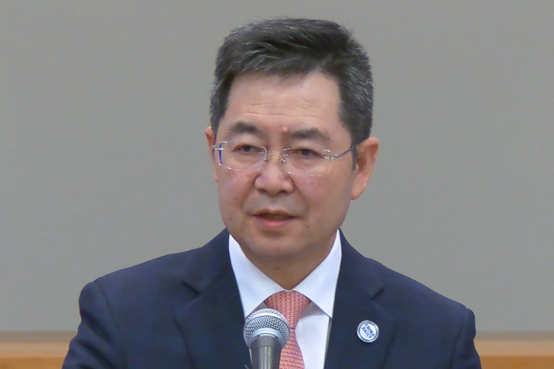
At the ‘Vision China’ event held at the United Nations headquarters in New York on September 15, Qu Yingpu, publisher and editor-in-chief of China Daily, emphasized the significance of the Global Governance Initiative. The event, themed ‘Standing United: Inheriting the UN Legacy, Advancing Global Governance,’ highlighted the initiative’s alignment with core principles such as sovereign equality, international rule of law, multilateralism, a people-centered approach, and tangible outcomes. Qu underscored that these principles provide Chinese wisdom and solutions to bolster global governance, particularly as unilateralism and power politics continue to undermine the UN and other multilateral institutions. The initiative aims to foster a more collaborative and effective global governance framework, addressing contemporary challenges while upholding the UN’s foundational values.
分类: world
-
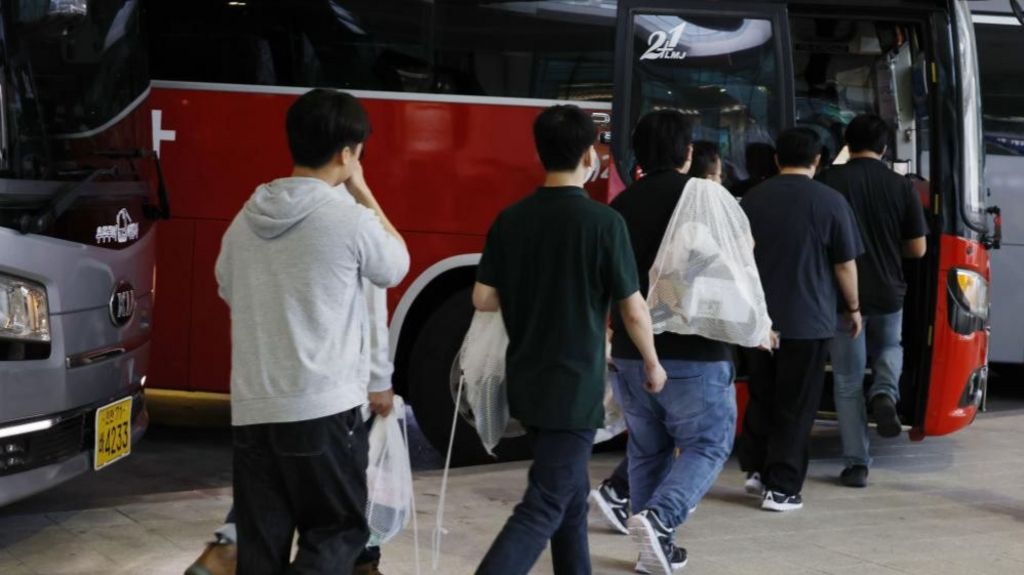
US officers tied us up and pointed guns at us, South Korean engineers tell BBC
In a startling turn of events, over 300 South Korean workers were detained in Georgia, USA, in one of the largest immigration raids during Donald Trump’s presidency. The workers, employed by South Korean companies Hyundai and LG, were assisting in the construction of an electric car battery plant, a project aimed at boosting foreign investment in the US. The raid, which involved armed immigration officers, armored vehicles, and drones, left the workers shocked and terrified. Many were handcuffed, shackled, and transported to detention centers, where they endured harsh conditions, including freezing temperatures and unsanitary water. Initially, US officials claimed the workers were in the country illegally, but a subsequent agreement allowed them to leave voluntarily without penalties. The incident has strained US-South Korea relations, with South Korea investigating potential human rights violations. Despite the ordeal, some workers express a sense of resignation, as their livelihoods depend on their work in the US.
-
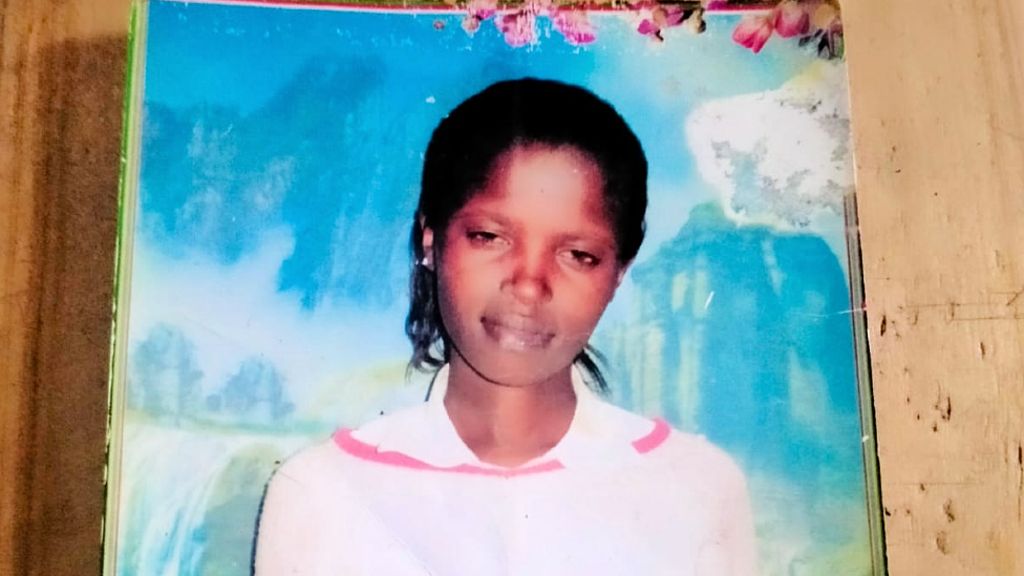
Kenya issues arrest warrant for British national over young mother’s murder
A Kenyan High Court has issued an arrest warrant for a British national suspected of murdering 21-year-old Agnes Wanjiru over a decade ago. Wanjiru was killed in March 2012, and her body was discovered in a septic tank at a hotel in Nanyuki, a central garrison town, nearly three months after she was last seen partying with British soldiers. Justice Alexander Muteti stated that prosecutors had presented sufficient evidence to warrant the suspect’s appearance in a Kenyan court for trial. Kamau Mbiu, the lawyer representing Wanjiru’s family, expressed hope that the ruling would expedite the extradition process from the UK, while urging greater transparency in the case, which has sparked public outrage in Kenya. The court has also ordered the protection of the identities of the accused and witnesses to maintain the trial’s integrity. A UK government spokesperson reiterated their commitment to supporting Wanjiru’s family in their pursuit of justice but declined further comment due to ongoing legal proceedings. The UK Ministry of Defence has confirmed its cooperation with the Kenyan investigation. Wanjiru’s family, who reside in Nanyuki near the British Army Training Unit Kenya (Batuk), has long sought justice for her death, which left behind a five-month-old daughter. Esther Njoki, Wanjiru’s niece, described the arrest warrant as a ‘bitter-sweet moment,’ acknowledging the potential delays in the extradition process. Prosecutors assured the court that UK-based witnesses would be available for the trial, ensuring its progression. Tessa Gregory, the family’s UK-based legal representative, called on the British government to facilitate the suspect’s extradition to Kenya promptly.
-
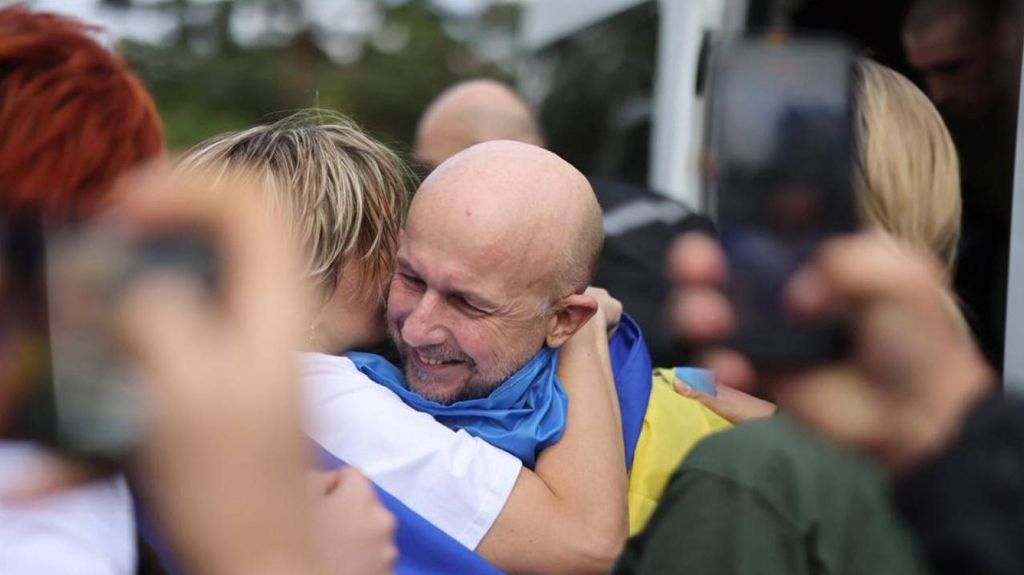
Beaten and held in Russia for three years – but never charged with a crime
In a rare prisoner exchange, Ukrainian journalist Dmytro Khyliuk has been released after enduring three and a half years in Russian captivity. Detained during the early days of Russia’s full-scale invasion of Ukraine, Khyliuk was among eight civilians freed in a surprising move that also saw the release of 146 Ukrainians, mostly soldiers. This exchange marks a significant development, as Russia seldom releases Ukrainian civilians. Since his return, Khyliuk has been reconnecting with the families of fellow detainees, offering them the first confirmation of their loved ones’ survival. The emotional reunion was marked by celebrations in Ukraine, with crowds waving national flags and cheering as the freed individuals arrived. Khyliuk’s release was part of a complex negotiation involving the return of individuals of interest to Russia, including residents from the Kursk region. Khyliuk’s harrowing experience in captivity included severe physical abuse, starvation, and psychological torment. Despite the brutality, he managed to send a single note to his family, assuring them of his survival. His return brings hope to thousands of Ukrainian families still awaiting news of their missing relatives, as officials estimate over 16,000 civilians remain unaccounted for. The ongoing conflict continues to pose significant challenges for prisoner exchanges, with Ukraine’s human rights ombudsman highlighting the lack of legal mechanisms to secure the release of civilians detained by Russia. Khyliuk’s story underscores the resilience of those affected by the war and the urgent need for international efforts to address the humanitarian crisis in Ukraine.
-
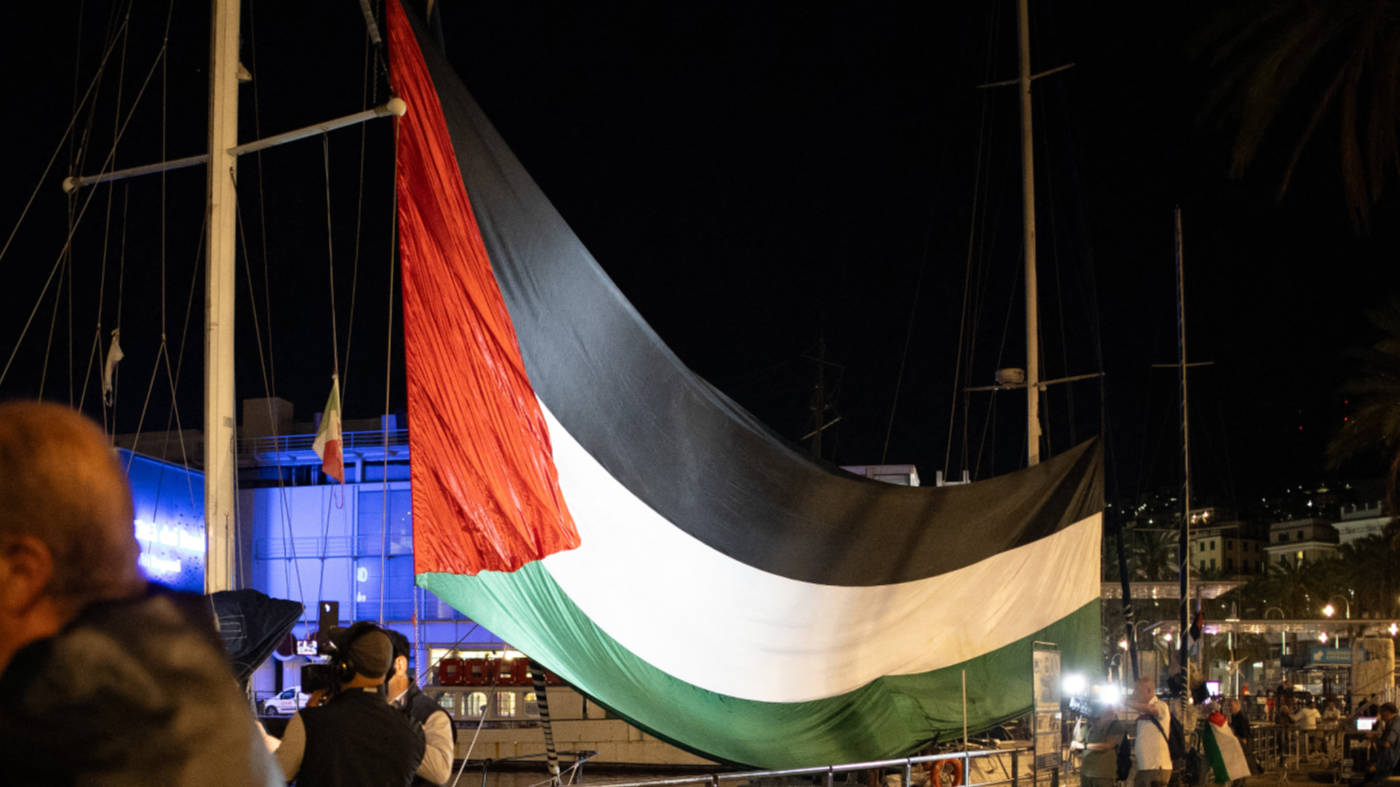
The Gaza flotilla: What you need to know about ‘sumud’
The Global Sumud Flotilla has captured international attention as it embarks on a mission to deliver humanitarian aid to Gaza, defying Israel’s longstanding naval blockade. Comprising over 300 activists from 44 countries, including prominent Swedish climate activist Greta Thunberg, this civilian-led initiative represents the largest maritime aid convoy to Gaza since Israel’s invasion in October 2023. However, the flotilla faced adversity even before reaching its destination, enduring drone-launched projectile attacks while anchored in Tunisia on September 8 and 9. The Tunisian government condemned these strikes as ‘premeditated,’ underscoring the risks faced by such missions. Israel has a history of intercepting Gaza-bound flotillas, most notably in 2010 when Israeli forces stormed the Mavi Marmara, resulting in the deaths of 10 Turkish activists. Earlier this year, two other aid vessels, the Madleen and the Handala, were similarly raided by Israeli forces in international waters. The flotilla’s name, ‘Sumud,’ derives from the Arabic word meaning ‘perseverance,’ ‘steadfastness,’ or ‘resilience.’ In the Palestinian context, Sumud embodies everyday acts of resistance against Israel’s occupation and policies of ethnic cleansing. For some, Sumud manifests in rebuilding homes destroyed by Israeli bombings in Gaza; for others, it means enduring the daily challenges of Israeli checkpoints in the West Bank. For the Palestinian diaspora, Sumud is reflected in their adherence to the Boycott, Divestment, and Sanctions (BDS) movement. The concept of Sumud traces its modern roots to the aftermath of the 1967 Arab-Israeli war, when Israel captured the West Bank, Gaza Strip, and other territories, displacing hundreds of thousands of Arab residents. Since then, Sumud has become a symbol of Palestinian resilience, often represented by the olive tree, a historic and cultural staple of Palestinian life. Despite decades of attacks on olive groves by Israeli forces and settlers, replanting these trees remains a powerful act of Sumud. Palestinian lawyer and writer Raja Shehadeh has described Sumud as the ‘Third Way’ of resistance—neither violent nor passive—but a steadfast commitment to remaining on Palestinian land. The Global Sumud Flotilla, inspired by this ethos, aims to highlight the ongoing plight of Palestinians and their unwavering resilience in the face of oppression.
-
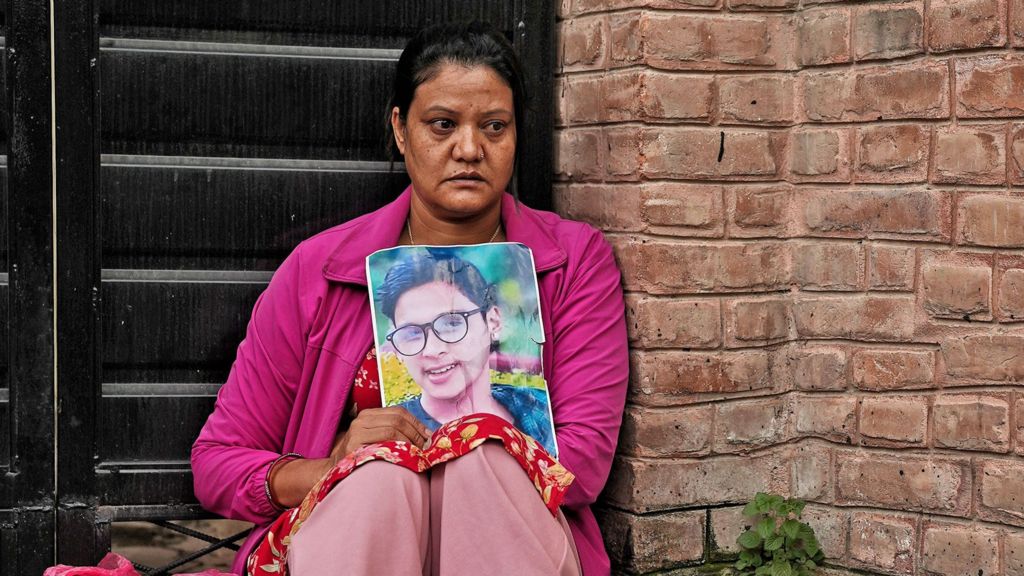
They were shot dead for protesting against corruption in Nepal
Nepal has been plunged into chaos following violent anti-corruption protests that erupted last week, resulting in the deaths of over 70 people and leaving more than 1,000 injured. The unrest, initially sparked by a government-imposed social media ban, quickly escalated into a broader movement against systemic corruption, culminating in the resignation of Prime Minister KP Sharma Oli and the toppling of his government.
Among the victims was 21-year-old Sulov Shrestha, whose father, Narendra Shrestha, is demanding accountability for his son’s death. ‘If they can shoot my son, then I and his mother also want to die. Who will we live for now?’ he lamented outside the mortuary of Tribhuvan University Teaching Hospital in Kathmandu. Sulov was one of many young lives tragically cut short—others included aspiring judges, students, and language learners.
The protests, which began on September 8, saw thousands of demonstrators, many from Generation Z, gather near Nepal’s parliament. The government’s decision to ban platforms like Facebook, X, and YouTube, citing concerns over fake news and online fraud, was met with widespread outrage. Protesters accused the government of attempting to silence dissent, and the demonstrations quickly turned violent. Crowds set fire to government buildings, including parliament, even after the Prime Minister’s resignation.
Police have been accused of using excessive force, with reports of both rubber bullets and live ammunition being fired into crowds. Dr. Santosh Paudel of Bir Hospital noted that many patients suffered ‘sharp rifle injuries,’ contradicting official claims that only rubber bullets were used. The interim government, led by former Chief Justice Sushila Karki, now faces the daunting task of restoring public trust and investigating the violence. Karki has pledged fresh elections for March 2026, but her administration’s first test will be ensuring accountability for the deadly crackdown.
Families of the victims, like Rasik KC, whose nephew Rashik Khatiwada was shot twice in the chest, are demanding justice. ‘We want accountability,’ KC said, echoing the sentiments of many who have lost loved ones. As Nepal grapples with the aftermath of this tragedy, the international community watches closely, hoping for a peaceful resolution to the crisis.
-
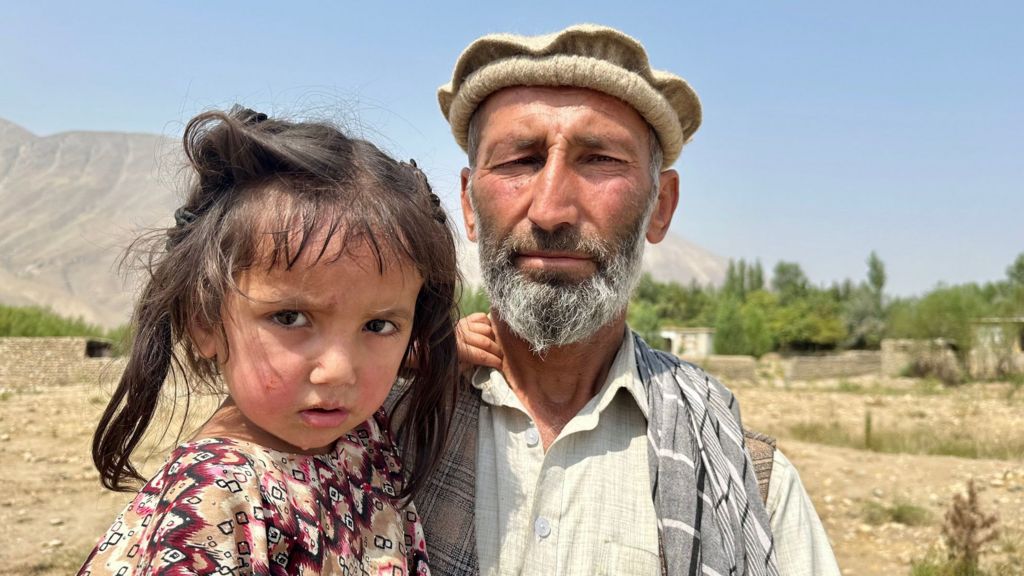
‘My wife died giving birth after Trump cut funding to our clinic’
In the remote village of Shesh Pol in Afghanistan’s Badakhshan province, the closure of a once-vital maternity clinic has left families like Abdul and Shahnaz’s in despair. When Shahnaz went into labor, Abdul rushed her to the clinic where their two older children were born, only to find it shuttered. With no alternative medical facility within reach, Shahnaz delivered their baby girl in a taxi by the roadside. Tragically, both mother and child died shortly after due to severe bleeding. This heart-wrenching story is emblematic of a broader crisis unfolding across Afghanistan, where over 400 medical facilities have closed following the Trump administration’s abrupt decision to cut nearly all U.S. aid to the country earlier this year. The Shesh Pol clinic, a modest single-story structure with USAID posters still adorning its peeling walls, was a lifeline for pregnant women in a region plagued by historically high maternal mortality rates. Its closure has left countless women without access to essential healthcare, forcing them to endure perilous journeys to overcrowded hospitals or risk giving birth at home without medical assistance. The U.S. government justified the aid cuts by citing concerns that funds were benefiting terrorist groups, including the Taliban. However, the Taliban denies these allegations, claiming that aid is distributed through the UN and NGOs without government involvement. The consequences of these cuts are dire: maternal and newborn deaths have surged, and the few remaining healthcare facilities are overwhelmed. In Faizabad’s regional hospital, patients are crammed three to a bed, and funding has been slashed by nearly 70%. The Taliban’s restrictions on women’s education, including bans on midwifery training, have further exacerbated the crisis, leaving Afghanistan’s women and children in a precarious state. As the international community turns its back, the right to health and life for Afghan women hangs in the balance.
-
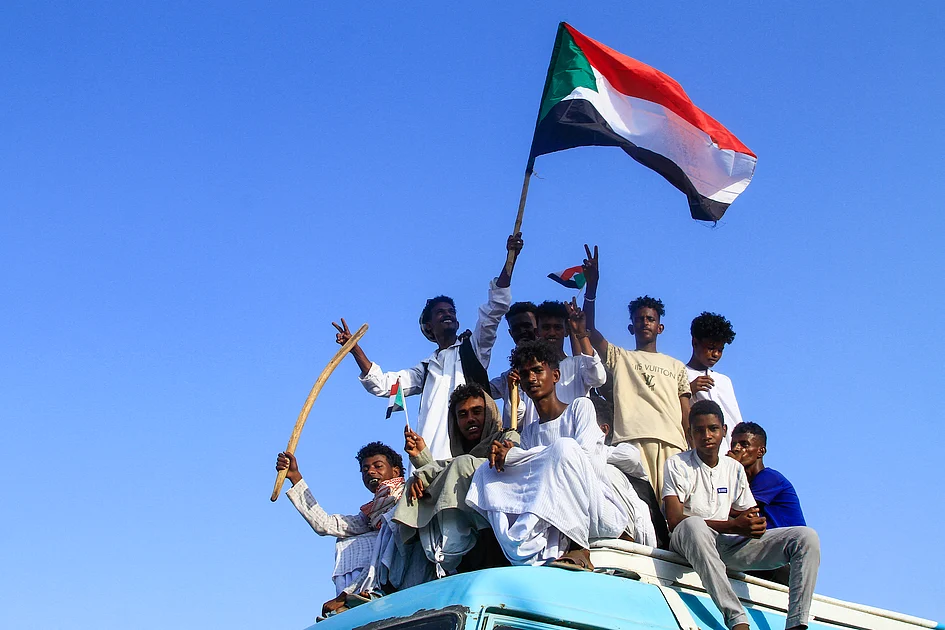
‘Clear narrative’: Quartet statement on Sudan is historic, says UAE President adviser
In a landmark move, the United States, Saudi Arabia, the United Arab Emirates (UAE), and Egypt issued a joint statement on Friday, advocating for a three-month humanitarian truce in Sudan, followed by a nine-month transitional period aimed at establishing civilian-led governance. Dr. Anwar Gargash, diplomatic advisor to the UAE President Sheikh Mohamed bin Zayed Al Nahyan, hailed the statement as historic, emphasizing its clear roadmap to resolve the ongoing crisis in Sudan. Dr. Gargash, in a post on X, stated that the statement accurately diagnoses the crisis, asserting that there is no military solution and reaffirming the commitment to peace and Sudan’s unity. The foreign ministers of the four nations collectively agreed that the current conflict results in ‘unacceptable suffering’ and poses significant risks to peace and security. The statement also rejected any involvement of the Muslim Brotherhood or affiliated groups in Sudan’s governance, referencing the Islamists who previously controlled the country until 2019 and have recently resurfaced in support of the army. While it remains uncertain whether the warring factions will agree to the proposed truce, the statement marks a significant step toward addressing the humanitarian and political challenges in Sudan. The initiative aligns with previous calls for peace, including UN Secretary-General Antonio Guterres’ appeal for a week-long ceasefire in al-Fashir earlier this year.
-
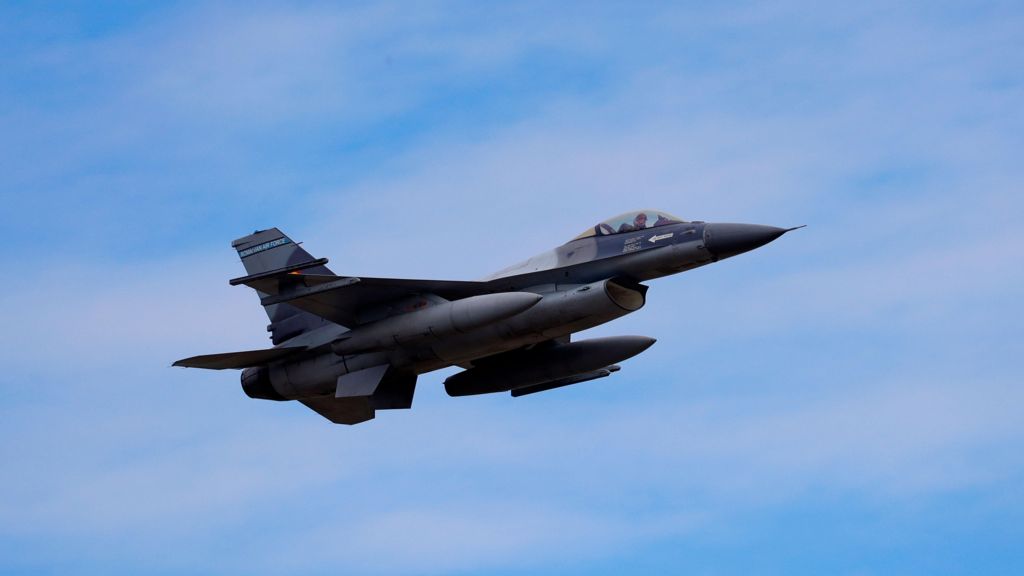
Romania becomes second Nato country to report Russian drone in its airspace
In a significant escalation of tensions in Eastern Europe, a Russian drone breached Romanian airspace on Saturday, marking the second NATO country to report such an incursion this week. Romanian F-16 fighter jets, monitoring the country’s border with Ukraine, detected the drone following Russian air attacks on Ukrainian infrastructure near the Danube River. The drone, identified as a Geran (the Russian designation for the Iranian-designed Shahed 136), was tracked 20 kilometers southwest of the village of Chilia Veche before disappearing from radar. Although it did not fly over populated areas or pose immediate danger, the incident has raised concerns about Russia’s expanding military activities in the region. Ukrainian President Volodymyr Zelensky condemned the breach as a deliberate act of war expansion by Russia, while Moscow has remained silent on the allegations. Romania has summoned the Russian ambassador and is considering its response under a new law that authorizes the military to shoot down unauthorized drones. Meanwhile, Poland reported shooting down three Russian drones earlier in the week, prompting heightened defensive measures across NATO’s eastern flank. The Czech Republic has also deployed a special operations helicopter unit to Poland in response to the escalating threat. As the conflict in Ukraine continues, Western leaders, including U.S. President Donald Trump, have called for stricter sanctions on Russia, though NATO members remain divided on the best course of action.
-
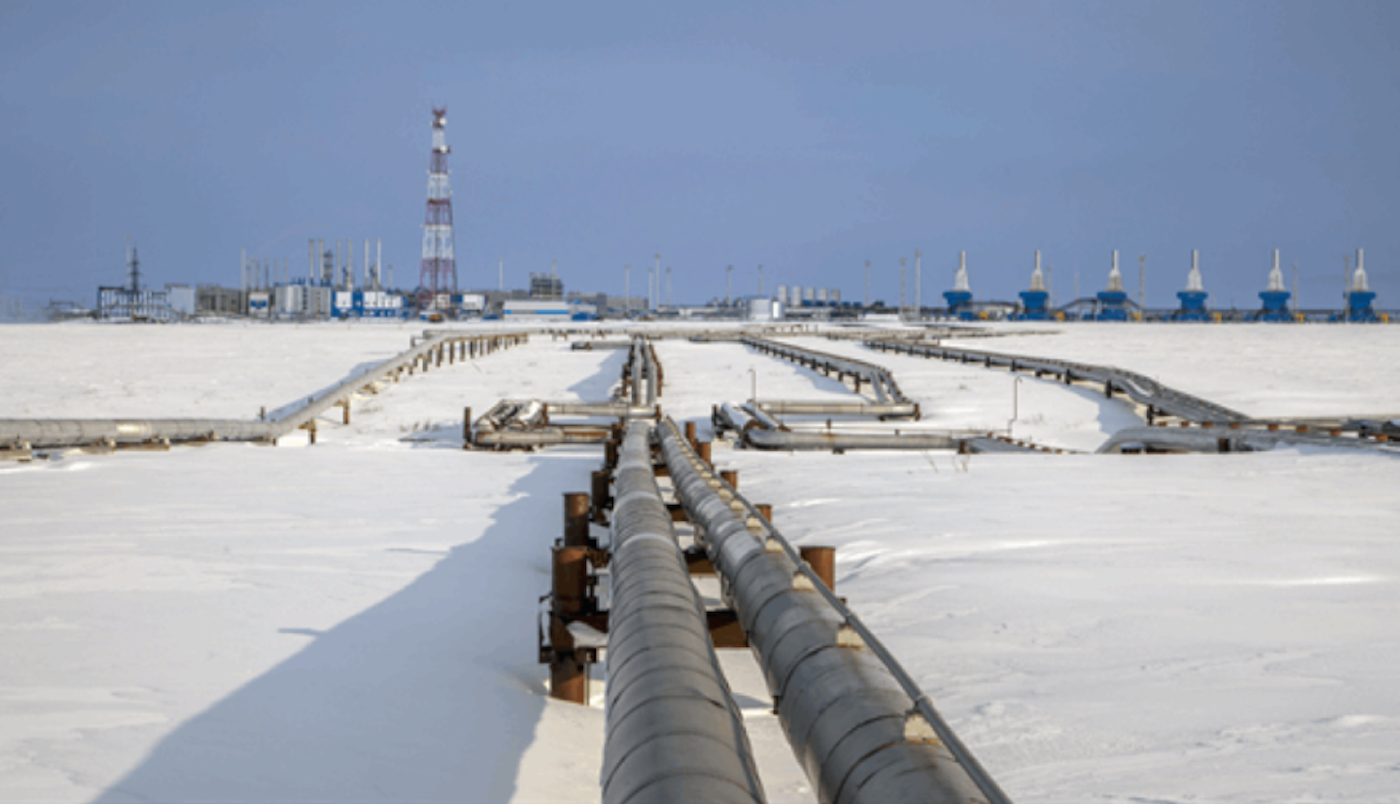
China-Russia gas pact heightens Western sanctions risks
The recent agreement to construct the Power of Siberia 2 pipeline, set to transport 50 billion cubic meters of Russian natural gas to China annually via Mongolia, marks a pivotal shift in global geopolitics and energy markets. Analysts from both China and the West highlight the deal’s potential to redefine energy dynamics in Eurasia. On September 2, China, Russia, and Mongolia signed a legally binding memorandum of understanding (MOU) to advance the project, with Russia offering China a discounted gas price and China accepting the Mongolian route—a compromise that had previously been a sticking point due to concerns over energy security. The pipeline, expected to be operational by 2031–2032, will elevate Russia-China gas trade to 106 billion cubic meters annually, meeting approximately one-fifth of China’s current gas demand. The deal also promises economic benefits for Mongolia, including transit fees, job creation, and reduced air pollution, while bolstering its geopolitical standing. However, risks remain, including potential Western influence and Mongolia’s “Third Neighbor” policy, which seeks to diversify its international partnerships beyond China and Russia. The project underscores Russia’s strategic pivot to Asia amid strained relations with Europe, particularly following the Ukraine conflict, which has drastically reduced Russian gas exports to the EU. While China welcomes the economic and strategic advantages of the deal, it remains cautious about upsetting its relations with Europe. Western analysts warn that the pipeline could undermine efforts to contain Russia’s war in Ukraine, prompting calls for targeted sanctions against Russian energy companies and their Chinese partners.