
The Taliban regime in Afghanistan has implemented a sweeping nationwide shutdown of telecommunications, plunging the country into a total internet blackout. This drastic measure follows weeks of the group severing fiber-optic internet connections, citing concerns over ‘immorality.’ According to internet watchdog Netblocks, the blackout has disrupted mobile phone services, satellite TV, and mobile internet across the country. The international news agency AFP reported losing contact with its Kabul office, while residents in the capital confirmed the abrupt halt of fiber-optic internet services around 17:00 local time (12:30 GMT). The impact is expected to be felt more acutely on Tuesday morning, when banking and business operations resume. Fiber-optic cables, which enable high-speed data transfer, are a critical component of global internet infrastructure. Netblocks, in a post on Mastodon.social, described the blackout as a stepwise disconnection of multiple networks, with telephone services also affected. The Taliban had previously hinted at creating an alternative internet route but provided no specifics. Business leaders have warned of severe economic repercussions if the ban persists. Hamid Haidari, former editor-in-chief of Afghan news channel 1TV, lamented the isolation, stating that Afghanistan has now surpassed North Korea in internet disconnection. This blackout is the latest in a series of restrictive measures imposed by the Taliban since their return to power in 2021, including banning books by women from university curricula, outlawing human rights education, and restricting women’s access to education beyond the age of 12. The Taliban’s hardline interpretation of Islamic Sharia law continues to reshape Afghan society, with women and girls bearing the brunt of these policies.
分类: world
-
Trump considering supplying Ukraine with long-range missiles, Vance says
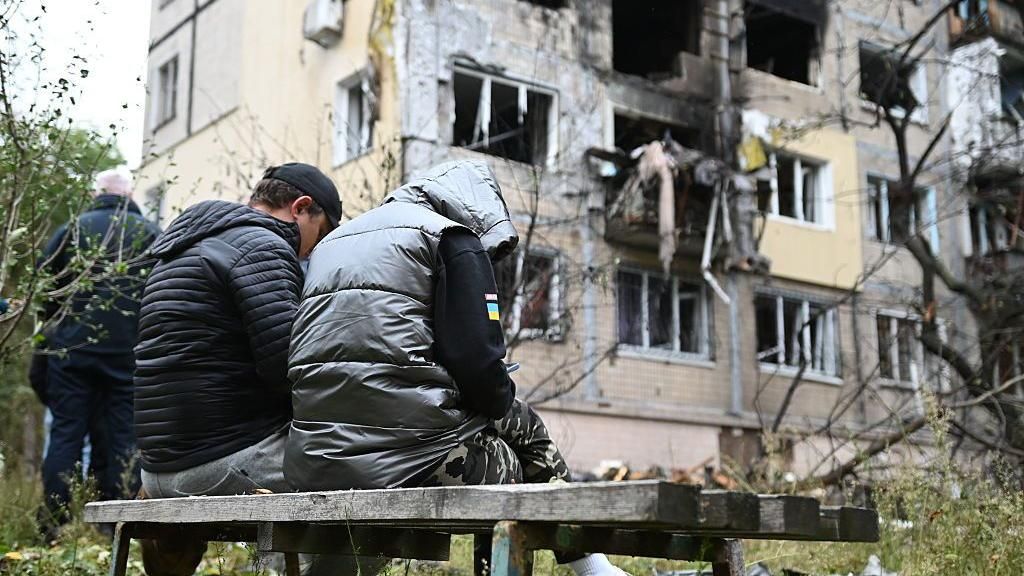
Kyiv faced a harrowing 12-hour bombardment on Sunday, resulting in multiple fatalities and over 70 injuries across Ukraine. The attack, involving hundreds of drones and nearly 50 missiles, targeted civilian infrastructure, including a cardiology center in the capital. This escalation comes as the US deliberates Ukraine’s request for long-range Tomahawk missiles, which could potentially strike deep into Russian territory. US Vice-President JD Vance indicated that President Donald Trump would have the final say on the matter, while US Special Envoy Keith Kellogg hinted that Trump had already authorized such strikes. Kremlin spokesman Dmitry Peskov dismissed the potential impact of these weapons, asserting that no missile could alter the dynamics of the conflict. Ukraine’s Deputy Defence Minister Ivan Havryliuk emphasized that increasing the cost of war for Russia could compel Moscow to engage in peace talks. Meanwhile, Ukraine is seeking advanced air defense systems, including Patriot units, to counter Russia’s intensified aerial assaults. The country is also ramping up its domestic production of drones and artillery, aiming to reduce reliance on Western allies. However, the urgency for immediate support remains critical as Russia continues to deploy more sophisticated drones and missiles, posing a growing threat to Ukraine’s cities and Europe’s security.
-
At the UN, African leaders did not draw attention to home conflicts, analysts say
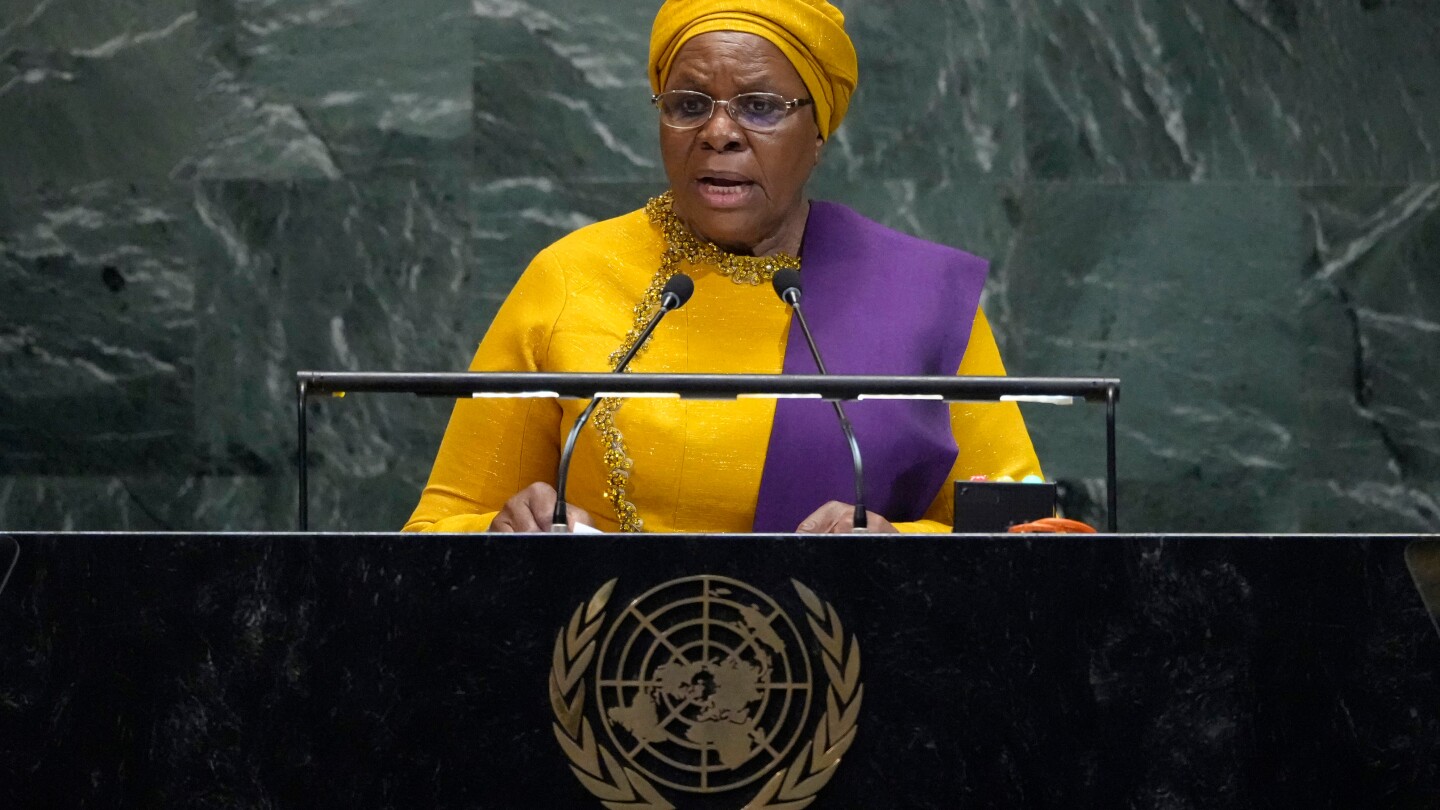
LAGOS, Nigeria — African leaders took center stage at the United Nations General Assembly last week, delivering impassioned speeches on global issues such as climate change, inequality, and international conflicts. Prominent figures, including Nigerian Vice President Kassim Shettima, Senegalese President Bassirou Faye, and Namibian President Netumbo Nandi-Ndaitwah, strongly condemned Israel’s attacks on Gaza, emphasizing the humanity and rights of Palestinians. However, analysts noted a glaring omission: the lack of significant attention to Africa’s own protracted conflicts in Sudan and the Democratic Republic of Congo (DRC).
In Sudan, a civil war erupted in mid-2023 when the Rapid Support Forces (RSF) paramilitary group clashed with the national army, resulting in over 40,000 deaths and effectively splitting the country. The conflict has been marked by mass atrocities and a looming famine, exacerbated by restrictions on aid distribution. Meanwhile, in the DRC, the M23 rebel group, allegedly backed by Rwanda, has caused widespread devastation, displacing millions and killing thousands. Despite these crises, African leaders offered only cursory mentions of these conflicts during their UN speeches.
Experts like Chris Ogunmodede, an Africa affairs analyst, criticized the lack of prioritization of African issues on the global stage. Beverly Ochieng, a senior security analyst, echoed this sentiment, calling it a missed opportunity to address the escalating humanitarian crises. The speeches also highlighted the limitations of African multilateral organizations, with external powers like the U.S., UAE, Saudi Arabia, and Egypt taking the lead in peace negotiations. These outside interests, often accused of involvement in the conflicts, wield significant leverage, overshadowing African institutions’ efforts to mediate.
The geopolitical complexities of these wars have drawn in neighboring countries and international actors, further complicating resolution efforts. For instance, Rwanda’s alleged support for M23 has strained regional relations, while the UAE faces accusations of arming Sudanese rebels. As African leaders focus on global issues, the pressing need for solutions to homegrown conflicts remains unaddressed, raising questions about the continent’s ability to manage its own affairs.
-
Typhoon kills at least 11 as it sweeps through Vietnam
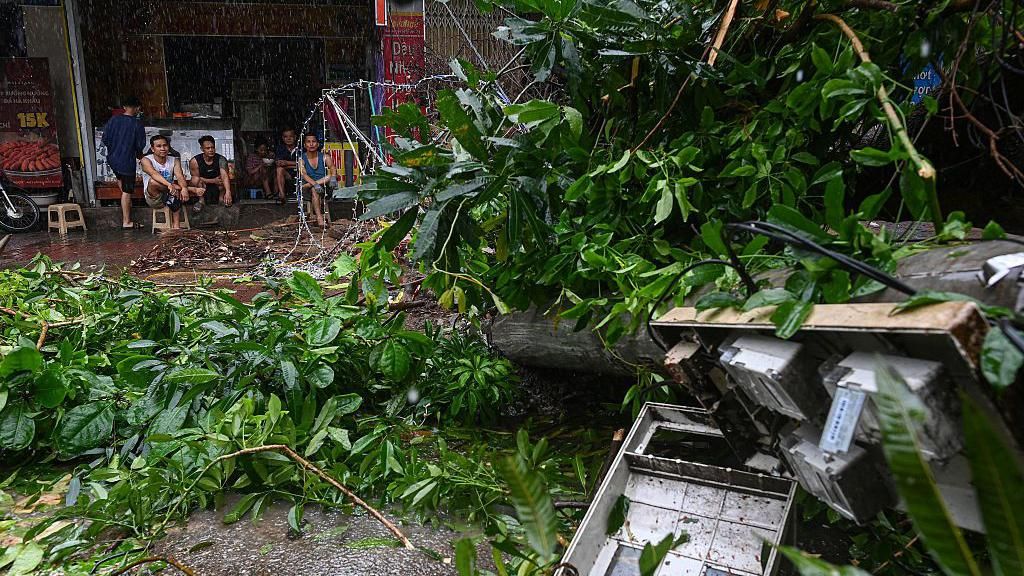
Typhoon Bualoi has wreaked havoc across central and northern Vietnam, claiming at least 11 lives and causing widespread destruction. The storm, which made landfall on Sunday night, has left dozens missing or injured, flooded roads, washed away bridges, and torn roofs off buildings. After weakening, it moved into neighboring Laos, where its impact continues to be felt. This marks the latest in a series of devastating storms to hit the region, following Super Typhoon Ragasa, which claimed 28 lives in the Philippines and Taiwan last week. Bualoi, with initial wind speeds of 117 km/h (73 mph), has already killed over 20 people in the Philippines since Friday. In Vietnam, nearly 30,000 residents were evacuated preemptively, and dozens of flights were delayed or canceled. Rescue teams are currently searching for 17 missing fishermen whose boats were struck by massive waves. The central province of Ha Tinh experienced a blackout after power lines were downed, while torrential rains flooded crop fields. Authorities have warned of continued heavy rainfall, with some areas expected to receive up to 500 mm. Vietnamese Prime Minister Phan Minh Chinh has issued urgent directives to intensify rescue and relief efforts. Climate change is increasingly blamed for the intensification of such extreme weather events, with typhoons growing stronger and more frequent.
-
China claims its green, US leaves the scene
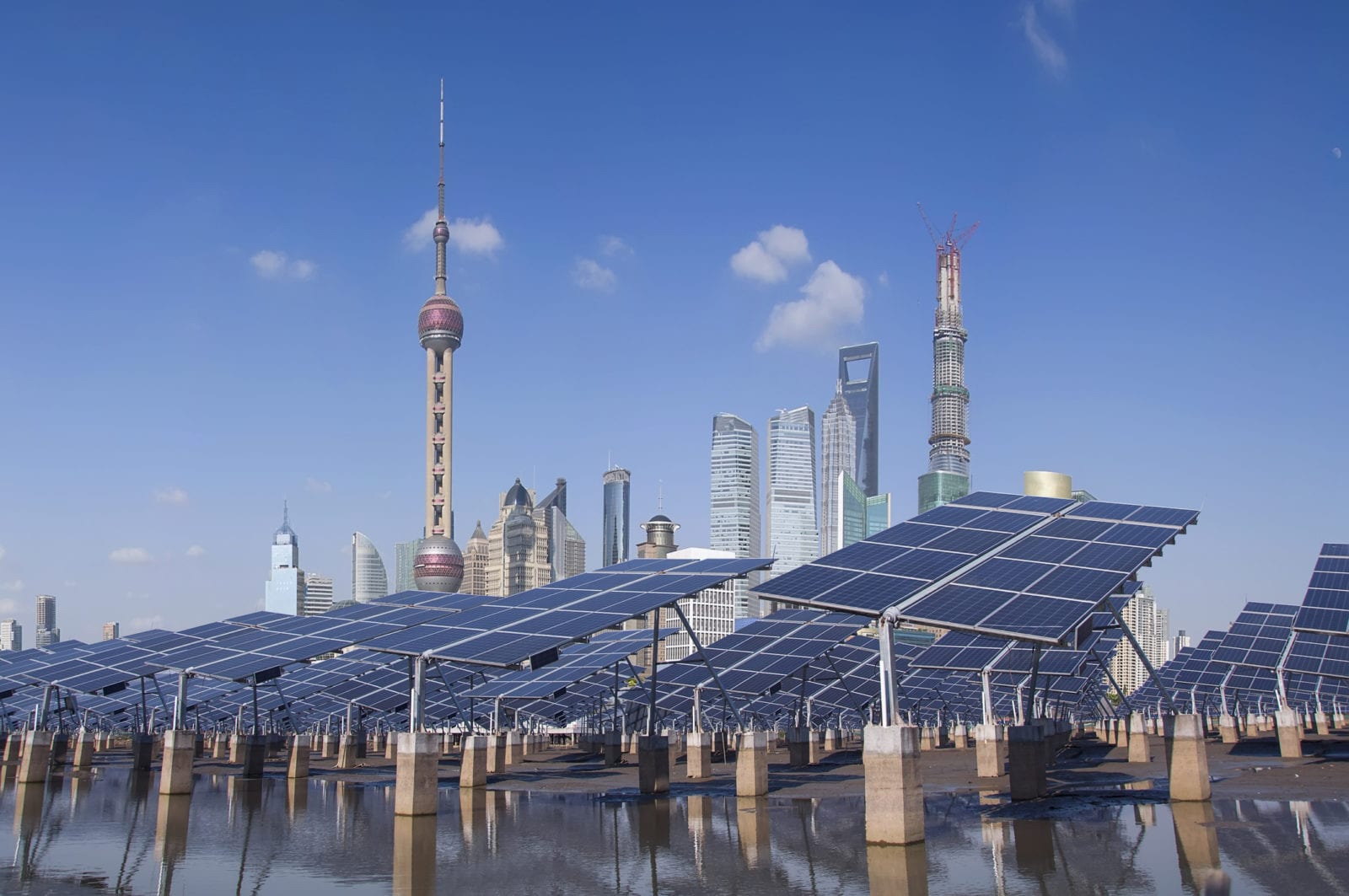
While U.S. President Donald Trump dismisses climate action as a ‘con job’ at the UN, China has strategically positioned itself as a ‘responsible power’ with modest emission reduction targets. Chinese President Xi Jinping’s pledge to cut greenhouse gas emissions by 7-10% from peak levels by 2035 marks China’s first absolute emissions target. However, this falls short of the 30% reduction experts deem necessary to align with 1.5°C pathways. The timing of Xi’s announcement, following Trump’s criticism of climate efforts, underscores China’s intent to contrast its approach with the U.S. retreat from global commitments. Beyond diplomatic optics, China’s real climate strategy lies in its industrial policy: dominating the supply chains of the post-carbon global economy. In the first five months of 2025, China added 46 gigawatts of wind capacity—enough to power 30 million homes—while simultaneously approving 25 gigawatts of new coal plants. This dual approach reflects China’s ambition to lead in renewable energy manufacturing while maintaining energy security through coal. Xi’s promise to scale wind and solar capacity sixfold from 2020 levels cements China’s role as the global supplier of clean energy hardware, producing over 80% of the world’s solar photovoltaic modules. However, China’s climate diplomacy masks a glaring contradiction: it continues to build more coal capacity than the rest of the world combined. In the first half of 2025, China and India accounted for 87% of new global coal capacity, with China alone starting construction on 46 gigawatts. The ‘from peak’ baseline in China’s emission target creates perverse incentives for local governments and firms to increase emissions, weakening the actual impact of the target. Without clarity on when emissions will peak, the 7-10% reduction becomes an accounting exercise rather than a meaningful decarbonization pathway. This ambiguity allows China to claim climate leadership while preserving policy flexibility. Trump’s UN performance, labeling climate change a ‘con job,’ handed China a diplomatic gift by positioning the U.S. as opposing the energy transition. This strategic misstep allowed China to emerge as the default ‘responsible actor’ despite its questionable climate performance. For Asia, the China-U.S. dynamic presents both opportunities and risks, with countries like Japan pursuing dual-track strategies to balance energy security and decarbonization. The real climate story in Asia is unfolding in manufacturing and supply chain decisions, not UN speeches. As China dominates clean energy hardware production, other Asian economies face the choice of technological dependence or building indigenous capacity. Renewable energy components, like fossil fuels before them, have become a strategic resource that can be weaponized. China’s climate gambit succeeds by operating in the realm of perception rather than performance, positioning itself as a reliable partner while maintaining a problematic emission trajectory. The unorthodox reality is that neither superpower treats climate as an existential crisis requiring economic transformation. China pursues industrial dominance through green technology exports while maintaining coal dependence; the U.S. abandons climate cooperation to protect fossil fuel interests. Both strategies prioritize short-term competitive advantage over long-term climate stability. For Asia, the lesson is clear: climate diplomacy has become a subset of industrial policy and technological competition. The countries that will thrive in the coming decades are those that treat decarbonization as an economic and strategic imperative, not a moral obligation. China’s climate pledge may be modest, but its manufacturing strategy is anything but—and that is where the real climate leadership will be decided.
-
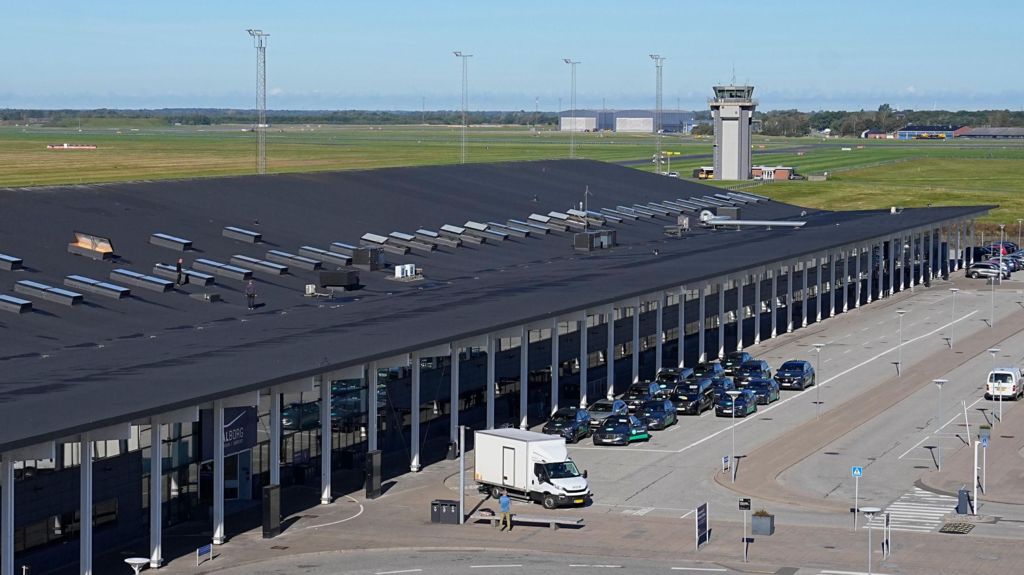
Denmark bans all civilian drone flights ahead of European summit
Denmark has implemented a comprehensive ban on all civilian drone flights this week in anticipation of the European Union summit in Copenhagen. The country’s transport minister announced the decision on Sunday, citing the need to ‘simplify security operations’ for law enforcement and prevent ‘foreign drones from causing uncertainty and disruption.’ The ban, effective until October 3, carries severe penalties, including fines or imprisonment for up to two years. This move follows a series of recent drone sightings over Danish military sites and airports, which have raised significant security concerns. In response, defense ministers from ten EU countries have agreed to establish a ‘drone wall,’ while NATO has heightened its vigilance across the Baltic region. Danish authorities have yet to identify the perpetrators behind these incursions, with the defense minister labeling them as part of a ‘hybrid attack’ and a ‘systematic operation.’ Prime Minister Mette Frederiksen has not ruled out Russian involvement, though Moscow has vehemently denied any connection. The situation has also prompted Norway and Romania to report similar drone incidents, with Romania recently passing legislation to empower air force pilots to shoot down unidentified aircraft. The ongoing war in Ukraine and previous Russian incursions into NATO airspace have further intensified regional tensions.
-

The picturesque Dutch village set to charge tourists an entry fee
The iconic Dutch village of Zaanse Schans, renowned for its historic windmills, is grappling with an overwhelming influx of tourists. This year, the village is projected to attract 2.8 million visitors, a significant increase from the 2.6 million recorded last year. For a community with a resident population of just 100, this surge has become unsustainable. In response, the local council has announced a new €17.50 ($20.50; £15) entry fee for non-residents, effective next spring, aimed at curbing the numbers and preserving the village’s charm. This measure is rare but deemed necessary by local authorities, including Marieke Verweij, director of the village’s museum, who highlights the strain on the community. ‘Visitors often intrude into private gardens and homes, leaving residents with no privacy,’ she explains. The fee will grant access to the museum and windmills, which currently require separate payments. The museum houses a painting by Claude Monet, while the windmills showcase their 17th-century industrial uses. However, local businesses fear the fee will deter budget-conscious tourists, threatening their livelihoods. Sterre Schaap, co-owner of a gift shop, warns, ‘Families may spend €100 on entry and parking, leaving little for shopping.’ Despite concerns, some tourists, like Elisia from Albania, support the fee, believing it will protect the village’s charm. The council plans to reinvest the revenue in infrastructure and windmill maintenance, addressing the village’s growing needs.
-

Army sent to battle fire in Namibia tourist hotspot
Namibia has mobilized helicopters and hundreds of soldiers to combat a raging wildfire that has engulfed a third of Etosha National Park, a critical nature reserve and one of southern Africa’s premier tourist destinations. The park, renowned for its expansive salt pan visible from space, is also a sanctuary for the critically endangered black rhino. The fire, believed to have originated on Monday at a charcoal production site outside the park’s boundaries, has spread rapidly, claiming the lives of at least nine antelopes and devastating wildlife habitats and grazing pastures in the Omusati and Oshana regions bordering Angola. Opposition MP Likando Rodrick has criticized the government for its delayed response, urging enhanced preparedness and long-term fire management strategies. In response, Prime Minister Tjitunga Elijah Ngurare announced on X that an emergency meeting on Saturday resulted in the deployment of an additional 500 troops to assist firefighters, police, and volunteers. Covering 22,935 square kilometers, Etosha National Park is one of Africa’s largest reserves, attracting around 200,000 tourists annually. It is home to 114 mammal species and serves as a haven for migratory birds, including flamingos. While experts acknowledge that wildfires are a natural occurrence in arid savannahs and can benefit ecosystems when managed properly, the current blaze underscores the urgent need for effective fire control measures.
-

Poland says jets scrambled over Russian attack on Ukraine
Poland and NATO swiftly deployed fighter jets early Sunday in response to Russian airstrikes targeting western Ukraine, according to the Polish armed forces. The entire region of Ukraine was placed under air raid alerts, prompting the temporary closure of airspace near Poland’s southeastern cities of Lublin and Rzeszow until at least 0400 GMT. Flight tracking site Flightradar24 cited ‘unplanned military activity related to ensuring state security’ as the reason for the closure. Kyiv Mayor Vitali Klitschko reported a ‘massive attack’ on the capital, with a five-story building partially destroyed by drone debris, leaving at least three people hospitalized. Tensions have intensified following repeated Russian incursions into NATO airspace this month. The Polish military stated on X that its actions, alongside allied forces, were preventive measures to secure airspace and protect citizens. Moscow has denied involvement in recent drone incidents over Denmark, which described the activity as the work of a ‘professional actor’ but found no evidence of Russian responsibility. Estonia also accused Russia of violating its airspace with warplanes. Meanwhile, NATO conducted an air defense mission over Poland in response to Russian drone incursions, including the downing of three Russian drones in Polish airspace on September 10. U.S. President Donald Trump has urged NATO nations to shoot down Russian planes in their airspace, while NATO has vowed to use ‘all necessary tools’ to defend itself. In a speech at the UN General Assembly, Russian Foreign Minister Sergei Lavrov denied intentions to attack EU or NATO states but warned of a ‘decisive response’ to any aggression.
-

Police break up ring trafficking Kenyans to fight for Russia in Ukraine
Kenyan police have uncovered a human trafficking network that deceived over 20 Kenyans with false job offers in Russia, only to send them to fight in Ukraine. The Directorate of Criminal Investigations (DCI) conducted a raid on a residential apartment in Athi River, on the outskirts of Nairobi, where 22 individuals were found awaiting processing for travel to Russia. During the operation, authorities seized recruitment materials, travel documents, and fraudulent job offer letters. One suspect, accused of orchestrating the victims’ travel plans, has been arrested and detained for 10 days pending further investigations. Victims revealed they had signed contracts with an unnamed overseas employment agency, agreeing to pay up to $18,000 for visas, travel, and accommodation. Some had already paid deposits of $1,500. Police warn that many victims return home injured, traumatized, or, in some cases, never return. Two Kenyans recently returned, with one hospitalized. The Kenyan government is investigating reports of several nationals allegedly trafficked to Russia and now held as prisoners of war in Ukraine. This case highlights growing concerns over human trafficking in Kenya, where vulnerable job seekers are exploited under false promises. The operation was part of a coordinated multi-agency effort targeting the criminal network, which has been extorting large sums from desperate individuals. Similar cases have been reported globally, with citizens from Somalia, Sierra Leone, Togo, Cuba, and Sri Lanka also held in Ukrainian prisoner-of-war camps. Ukrainian officials noted that many African states show little interest in repatriating their citizens. This incident underscores the urgent need for international cooperation to combat human trafficking and protect vulnerable populations.