分类: world

  • How a UN expert proved the RSF committed genocide in Sudan’s el-Fasher

    How a UN expert proved the RSF committed genocide in Sudan’s el-Fasher

    A United Nations investigation has determined that atrocities committed by Sudan’s Rapid Support Forces (RSF) in the North Darfur capital of el-Fasher bear the hallmarks of genocide, according to findings presented by the UN Fact-Finding Mission for Sudan (FFMS). The landmark conclusion represents the most serious classification of international crimes and marks the first time the UN mission has reached such a determination regarding the conflict.

    Mona Rishmawi, a member of the FFMS and expert on the Darfur conflict, characterized the findings as “serious and urgent” in an interview with Middle East Eye, stating they should compel immediate international action to halt weapons flows to the paramilitary force. The report, scheduled for presentation to the UN Human Rights Council this week, documents systematic atrocities committed during the RSF’s October takeover of el-Fasher following a 500-day siege.

    The investigation established that the RSF committed three prohibited genocidal acts against protected ethnic groups: mass killings, systematic rape and sexual violence, and the deliberate creation of conditions calculated to bring about physical destruction. Most victims belonged to the Zaghawa and Fur communities, previously recognized as protected groups by the International Criminal Court.

    Evidence gathered from survivors indicates civilians were subjected to execution, rape, ransom detention, and even blood extraction in makeshift detention centers. The mission documented mass killings at six specific locations including el-Fasher University, the Saudi Hospital, and major exit routes where RSF forces constructed earthen berms to trap fleeing civilians.

    Rishmawi emphasized that the genocidal intent could be inferred from the totality of RSF conduct, including their use of dehumanizing language such as promises to “purify your race” and the coordinated pattern of targeting specific ethnic groups. The 18-month siege deliberately denied civilians access to food, medicine, and clean water, with water sources reportedly bombed to exacerbate suffering.

    The report identifies several RSF commanders present during the atrocities and notes that leadership figures including Mohamed Hamdan Dagalo (Hemedti) publicly praised the “liberation” of el-Fasher. Despite this, both the RSF and Sudanese Armed Forces refused to cooperate with the UN investigation, denying access to controlled territories and ignoring repeated requests for information.

    The mission has shared confidential evidence files with the International Criminal Court, which has jurisdiction over Darfur under a 2005 Security Council referral. However, Rishmawi noted that the ICC’s capacity has been weakened by recent US sanctions, complicating pursuit of accountability.

    The report serves as a warning to states providing political or material support to combatants, noting that the RSF appears to have benefited from logistical military support in violation of the Darfur arms embargo in place since 2005. While not naming specific nations, the mission indicated it is engaging with various states regarding their involvement and will report on third-state responsibility in the future.

    The investigation faced significant challenges due to severe financial and staffing constraints within the UN system, operating with less than half the necessary personnel. Evidence was primarily gathered from survivors in neighboring Chad and South Sudan after being denied access to el-Fasher itself.

    Rishmawi called for serious discussions regarding an international protection force, noting that many Darfur residents felt safer under the previous African Union-UN hybrid peacekeeping mission (Unamid) that operated from 2007-2020. With minimal international presence and media coverage currently in Sudan, civilians remain vulnerable to ongoing violence with limited global attention.

  • Ethiopia’s Tigray region is caught between past conflict and fears of another

    Ethiopia’s Tigray region is caught between past conflict and fears of another

    The fragile peace in Ethiopia’s northern Tigray region shows alarming signs of unraveling as residents brace for potential renewed hostilities. In Mekele, the regional capital, a palpable tension hangs over daily life despite the absence of active combat. Local tour guide Gebreegziabher Berehe, 37, exemplifies the growing desperation as his livelihood evaporates amid escalating geopolitical tensions. “My colleagues and I now face serious economic and moral crises, even before hearing the sound of any gun,” Berehe lamented, reflecting the psychological toll on civilians who survived the previous devastating conflict.

    The November 2022 peace agreement that ended two years of brutal warfare appears increasingly fragile. Tigrayan authorities accuse Ethiopian federal forces of violating the truce with recent drone strikes, while Addis Ababa alleges neighboring Eritrea is mobilizing and financing armed groups within Tigray. This complex web of accusations has created a dangerous standoff with potentially catastrophic humanitarian consequences.

    Complicating matters further, Prime Minister Abiy Ahmed’s renewed push for Red Sea access through Eritrean territory has drawn sharp condemnation from Asmara. Eritrean government spokesperson Yemane Gebremeskel dismissed Abiy’s ambitions as “delusional malaise,” prompting Eritrea to unexpectedly warm relations with its former Tigrayan enemies. This shifting alliance landscape has raised alarms in Addis Ababa, prompting call-ups of reserve forces.

    The humanitarian situation continues deteriorating with farmers reporting critical shortages of fuel, fertilizer, and transportation. Johannes Tesfay, a chili farmer north of Mekele, summarized the prevailing anxiety: “What can we do? All we can do is pray. We need global community help for reconciliation.”

    International bodies including the United Nations, European Union, and United Kingdom have issued urgent calls for restraint. The volatility has already disrupted air travel, with Ethiopian Airlines temporarily suspending flights to Tigray following clashes in disputed border areas. With memories of communication blackouts and travel restrictions fresh in their minds, many residents are actively seeking escape routes before potential renewed conflict traps them indefinitely.

  • Who was El Mencho, Mexico’s most wanted man?

    Who was El Mencho, Mexico’s most wanted man?

    The elimination of Nemesio Oseguera Cervantes, infamously known as ‘El Mencho,’ marks a pivotal moment in Mexico’s ongoing battle against organized crime. As the mastermind behind the Jalisco New Generation Cartel (CJNG), his death represents both a significant tactical victory for authorities and a potential catalyst for escalated violence across the nation.

    US intelligence agencies played a crucial role in the operation that brought down Mexico’s most feared cartel leader, demonstrating unprecedented cross-border cooperation between Mexican and American authorities. This joint effort underscores the international dimension of combating drug trafficking organizations that operate across national boundaries.

    In the immediate aftermath of El Mencho’s death, his organization has launched a coordinated campaign of violence and intimidation. From Guerrero on the Pacific coast to Tamaulipas in the northeast, cartel members have erected roadblocks and unleashed violence in at least eight Mexican states. The western state of Jalisco, the cartel’s home territory, has witnessed particularly severe unrest with masked gunmen setting fire to businesses in Guadalajara—a designated host city for the upcoming FIFA World Cup.

    Tourist destinations like Puerto Vallarta have been paralyzed as both visitors and residents shelter indoors awaiting the passing of this violent outburst. This widespread display serves dual purposes: demonstrating loyalty to the fallen leader and expressing fury toward government forces responsible for his elimination.

    The strategic vacuum left by El Mencho’s death raises critical questions about the future balance of power within Mexico’s criminal landscape. Historical patterns suggest that despite the removal of such influential figures, criminal organizations typically maintain continuity through well-established succession structures. The CJNG likely has several high-ranking lieutenants prepared to assume leadership, though replicating El Mencho’s unique combination of strategic vision and brutal effectiveness may prove challenging.

    El Mencho’s criminal career followed a trajectory common to many cartel leaders. Beginning with marijuana cultivation in his native Michoacán, he advanced through the criminal ranks during his time as an undocumented immigrant in California. Multiple arrests and eventual deportation shaped his development into a calculating and ruthless operator who ultimately built Mexico’s predominant criminal enterprise from the remnants of the fractured Milenio Cartel.

    His rise coincided with the decline of the Sinaloa Cartel following the extradition of Joaquín ‘El Chapo’ Guzmán. The CJNG strategically expanded its operations during this power transition, particularly capitalizing on the lucrative fentanyl trade that has become a primary concern for American authorities.

    The Sheinbaum administration now faces the complex challenge of managing both the security fallout from cartel violence and the diplomatic implications of deepened cooperation with the United States. This operation may temporarily alleviate pressure from Washington regarding cross-border fentanyl trafficking while potentially forestalling calls for unilateral American military action on Mexican soil—a proposition that has gained traction among some Republican policymakers.

    As Mexico processes the death of its most wanted criminal, the nation watches nervously to determine whether this represents a turning point in the drug war or merely another chapter in the cyclical violence that has long plagued the country.

  • Pakistan claim of killing 80 militants ‘false’: Afghan security source

    Pakistan claim of killing 80 militants ‘false’: Afghan security source

    A senior Afghan security official has categorically rejected Pakistan’s assertion that its recent military strikes in Afghanistan resulted in the deaths of approximately 80 militants. Speaking to AFP on Sunday under conditions of anonymity, the source within the Taliban-led government described the casualty figures presented by Pakistani authorities as “false and imaginary.

    The dispute centers around cross-border operations conducted by Pakistani forces, which have escalated tensions between the neighboring nations. While Pakistan maintains its operations successfully targeted militant hideouts, Afghan officials present a starkly different account.

    According to local authorities in Afghanistan, the strikes resulted in at least 18 confirmed fatalities, including several children. This significant discrepancy in casualty reports highlights the ongoing information warfare accompanying military actions in the restive border region.

    International journalists stationed in Afghanistan have been unable to independently verify either side’s claims due to the remote and dangerous nature of the conflict zones. The lack of transparent access to these areas continues to complicate objective assessment of military operations and their outcomes.

    The incident represents the latest flare-up in long-standing tensions between Pakistan and Afghanistan regarding border security and militant activity. Both nations have historically accused each other of insufficient action against armed groups operating in their respective territories.

  • Earthquake of magnitude 7 strikes Borneo; no tsunami threat

    Earthquake of magnitude 7 strikes Borneo; no tsunami threat

    A significant seismic event measuring 7.0 on the Richter scale occurred off the northern coast of Borneo in the early hours of Monday, according to monitoring by the German Research Centre for Geosciences (GFZ). The substantial depth of the tremor—recorded at 633 kilometers (approximately 393 miles) beneath the Earth’s surface—significantly mitigated potential damage at ground level.

    The GFZ, which initially registered the quake at magnitude 7.1 before downward revision, confirmed the epicenter was positioned in maritime territory near the world’s third-largest island. The exceptional depth of the seismic activity placed it within the classification of a deep-focus earthquake, which typically dissipates energy before reaching populated areas.

    Concurrent with GFZ’s assessment, the United States Tsunami Warning Center promptly issued a statement confirming no tsunami threat emerged from the subterranean event. The combination of the quake’s profound depth and offshore location resulted in minimal impact despite its considerable magnitude.

    The Borneo region, shared by Malaysia, Indonesia, and Brunei, resides within the seismically active Pacific Ring of Fire, making such geological events relatively common though rarely destructive at such depths. The absence of immediate reports regarding casualties or structural damage underscores how depth parameters fundamentally alter earthquake impact assessments.

  • Iranian students rally for second day of competing demonstrations

    Iranian students rally for second day of competing demonstrations

    Tehran’s university campuses transformed into arenas of ideological conflict on Sunday as Iranian students engaged in a second consecutive day of dueling demonstrations. The protests, marking the 40-day mourning period for victims of January’s violent unrest, revealed deepening societal fractures with both pro-government and anti-establishment factions holding simultaneous rallies.

    According to state-affiliated Fars news agency, significant tensions emerged at multiple academic institutions across the capital, particularly at the prestigious Sharif University of Technology. Videos verified by international media outlets depicted extraordinary scenes of students waving the banned flag of Iran’s pre-1979 monarchy featuring the lion and sun emblem, while chanting provocative slogans including ‘long live the shah’ and other anti-government rhetoric.

    The demonstrations originated from December’s economic protests but have dramatically evolved into broader challenges against Iran’s clerical establishment. Competing groups faced off across campuses, with uniformed security personnel frequently intervening to separate opposing factions. Open clashes were documented in circulated videos, showing physical altercations breaking out between demonstrators.

    Iran’s official narrative maintains that approximately 3,000 casualties occurred during recent unrest, attributing violence to ‘terrorist acts’ allegedly sponsored by foreign adversaries. However, independent monitoring by the US-based Human Rights Activists News Agency (HRANA) suggests a significantly higher death toll exceeding 7,000 individuals, predominantly comprising protesters.

    The sustained campus activism represents a particularly sensitive challenge for Iranian authorities, as student movements have historically served as catalysts for broader political change. The current protests notably incorporate symbolic elements from Iran’s monarchical past, suggesting an expansion of dissident rhetoric beyond immediate economic grievances toward more fundamental challenges to the Islamic Republic’s ideological foundation.

  • Pakistan killed ‘more than 80’ militants in strikes on Afghanistan: Security source

    Pakistan killed ‘more than 80’ militants in strikes on Afghanistan: Security source

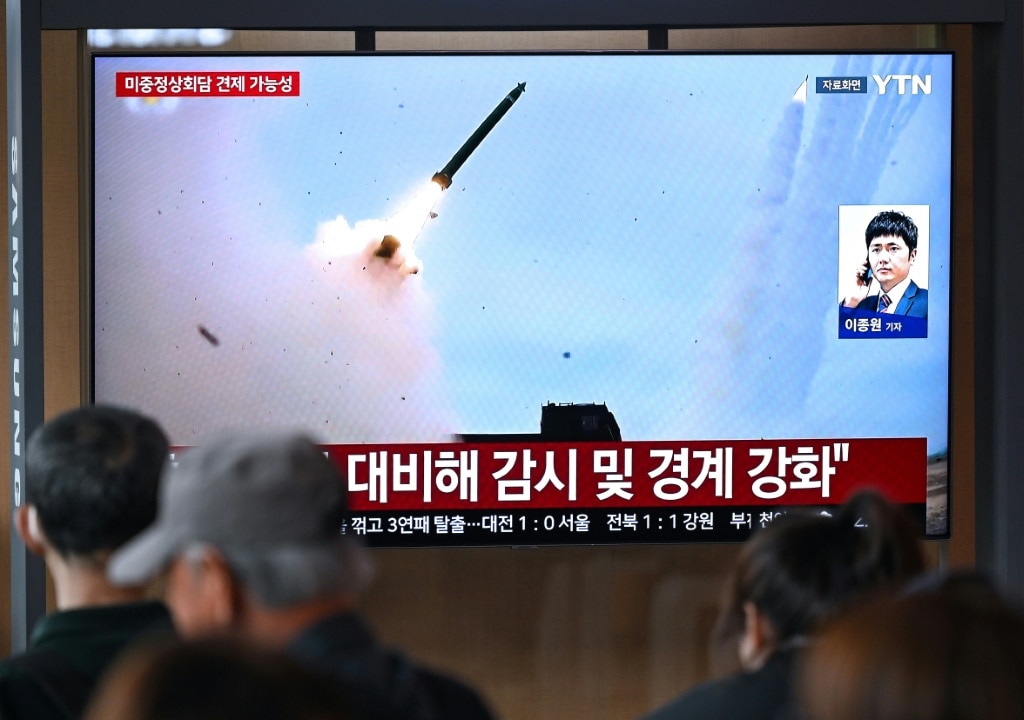
    Pakistan has launched significant military operations against militant targets in neighboring Afghanistan, with security sources reporting more than 80 insurgents killed in overnight airstrikes. The offensive, confirmed by Pakistani security officials on Sunday, February 22, 2026, represents a substantial escalation in cross-border counterterrorism operations.

    The strikes were characterized by Islamabad as a direct response to recent suicide bombings within Pakistani territory that authorities attribute to Afghanistan-based militant organizations. According to the security source who spoke with AFP, the casualty count is anticipated to rise as assessments continue.

    The Taliban-led government in Afghanistan has historically denied allegations of harboring militant groups along the porous border region. AFP correspondents in Afghanistan noted the challenges in independently verifying the reported death toll due to the remote nature of the targeted areas and limited access to conflict zones.

    This military action occurs amid deteriorating security relations between the two neighboring nations and raises concerns about potential regional destabilization. The cross-border operation marks one of the most significant publicly acknowledged incursions by Pakistani forces into Afghan airspace in recent years.

    The development underscores the ongoing tensions in the Afghanistan-Pakistan border region, which remains a persistent security challenge despite decades of counterterrorism efforts. Both nations have historically accused each other of failing to control militant activities within their respective territories.

  • Top Mexican drug cartel leader killed

    Top Mexican drug cartel leader killed

    In a significant blow to organized crime, Mexican military forces confirmed the death of Nemesio ‘El Mencho’ Oseguera, the notorious leader of the Jalisco New Generation Cartel (CJNG), during a major security operation on Sunday. The 59-year-old drug lord, who carried a $15 million U.S. bounty, sustained fatal injuries during a confrontation with soldiers in Tapalpa, Jalisco state, and died en route to Mexico City for medical treatment.

    The operation, conducted with supplementary intelligence from U.S. authorities, triggered immediate and widespread retaliatory violence across multiple Mexican states. Cartel gunmen blocked over 20 major roadways in western Jalisco using burning vehicles, while coordinated attacks spread to neighboring Michoacán and the resort destination of Puerto Vallarta.

    Mexican President Claudia Sheinbaum appealed for public calm while confirming federal coordination with state governments to contain the violence. The operation resulted in six additional cartel casualties, three wounded soldiers, two arrests, and the seizure of advanced weaponry including anti-aircraft rocket launchers capable of penetrating armored vehicles.

    In response to the security crisis, Jalisco state authorities canceled all mass gatherings scheduled for Sunday and suspended in-person classes for Monday. The state capital, Guadalajara—scheduled to host World Cup matches this summer—experienced widespread closures of businesses, pharmacies, and gas stations as residents sheltered indoors.

    The U.S. State Department and Global Affairs Canada issued emergency advisories urging citizens in affected regions to shelter in place, citing ongoing violence. Multiple international airlines canceled flights to Mexican destinations following security concerns.

    U.S. Deputy Secretary of State Christopher Landau praised the operation, characterizing Oseguera as ‘one of the bloodiest and most ruthless drug kingpins’ and describing his elimination as ‘a great development for Mexico, the U.S., Latin America, and the world.’ The operation occurs amid sustained pressure from the U.S. administration regarding Mexico’s efforts to combat drug trafficking, particularly fentanyl distribution.

  • Israel continues to violate Gaza ceasefire as attacks continue

    Israel continues to violate Gaza ceasefire as attacks continue

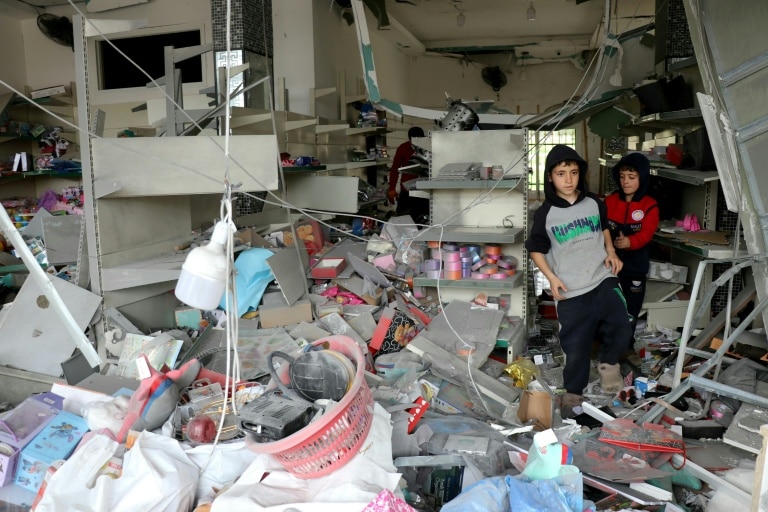
    Despite a ceasefire agreement established in October, Israeli military operations in Gaza have persisted, resulting in significant Palestinian casualties and widespread destruction. Palestinian health authorities report that over 600 individuals have been killed since the truce began, with at least two additional fatalities occurring within the past 24 hours.

    Local media outlets documented seven separate airstrikes launched early Sunday, primarily targeting the southern city of Rafah and areas east of Gaza City. Artillery shelling has been reported throughout the Gaza Strip, with intensified activity near regions where Israeli military vehicles are stationed.

    In Beit Lahia, north of the besieged enclave, Israeli forces opened fire on civilians, resulting in the death of 27-year-old Basma Aram Banat. Additional reports indicate ongoing Israeli demolitions and infrastructure destruction in Gaza City’s Zeitoun neighborhood.

    Palestinian authorities have recorded approximately 1,700 violations of the ceasefire agreement since its implementation. These violations include systematic denial of medical treatment, restrictions on international medical transfers, limitations on humanitarian aid, and daily military operations across the territory.

    The healthcare crisis in Gaza has reached catastrophic proportions, exemplified by the death of an infant on Sunday morning due to medical complications from severe liver enlargement. Israel denied Nidal Abu Rabi permission to receive treatment abroad despite the collapse of Gaza’s medical infrastructure.

    This medical blockade continues despite the recent reopening of the Rafah crossing in early February under stringent Israeli restrictions and surveillance—the first such opening since May 2024. According to Gaza’s Government Media Office, Israel has complied with only 33 percent of crossing requests.

    The new arrangement intended to permit 50 Palestinians daily entry into Gaza from Egypt while allowing approximately 150 Palestinians to leave the enclave each day. Among those seeking exit are numerous Palestinians requiring urgent medical treatment abroad.

    Official statistics reveal that more than 9,300 wounded and sick Palestinians have died since October 2023 due to the collapsed healthcare system and Israel’s prohibition on medical evacuations. Overall, Israeli operations have killed over 72,072 people during the past two years and destroyed nearly 90 percent of Gaza’s infrastructure.

  • Mexico’s most wanted drug lord ‘El Mencho’ killed in military operation

    Mexico’s most wanted drug lord ‘El Mencho’ killed in military operation

    Mexican defense authorities have confirmed the death of Nemesio Oseguera Cervantes, alias ‘El Mencho’, the notorious leader of the Jalisco New Generation Cartel (CJNG), during a high-stakes military operation. The raid occurred in the early hours of Sunday in Tapalpa, a municipality within the cartel’s home territory of Jalisco state.

    According to official statements from the Mexican Defense Ministry, the operation resulted in multiple CJNG casualties. El Mencho sustained critical injuries during the firefight and succumbed to his wounds while being medically evacuated by air to Mexico City. The military successfully confiscated a significant arsenal from the cartel, including armored vehicles and rocket launchers. The operation came at a cost, however, with three Mexican soldiers wounded and subsequently hospitalized for emergency care.

    In the aftermath of the operation, unverified reports emerged of vehicles set ablaze and armed individuals patrolling streets in Jalisco and other regions. The escalating violence prompted the U.S. State Department to issue immediate shelter-in-place advisories for its citizens across multiple Mexican states, including Jalisco, Tamaulipas, and parts of Michoacán, Guerrero, and Nuevo León.

    The operation benefited from critical intelligence sharing between nations. The Mexican Defense Ministry acknowledged the United States provided valuable information that facilitated the mission. This bilateral cooperation underscores the international significance of neutralizing El Mencho, whose CJNG cartel had expanded from its regional base to establish a pervasive, nationwide criminal network in Mexico.

    Christopher Landau, former U.S. Ambassador to Mexico, hailed the development on social media, declaring it a monumental victory for regional and global security. The U.S. government had previously designated El Mencho as a top-priority target, offering a substantial $15 million reward for information leading to his capture.