
In a significant gesture to honor four decades of friendship, a delegation from Bocholt, Germany, led by Vice Mayor Gudrun Koppers, visited Wuxi, Jiangsu Province, on October 20, 2025. The visit centered around a special photo exhibition at the Wuxi Museum, which showcased the rich history of cultural and economic exchanges between the two cities. This milestone event not only highlighted the enduring bond between Wuxi and Bocholt but also underscored their commitment to fostering deeper collaboration in the years to come. The delegation’s visit served as a testament to the strength of international partnerships and the shared vision for mutual growth and understanding. For more insights into the delegation’s impressions and their aspirations for future cooperation, viewers are encouraged to explore the accompanying video.
分类: world
-

Ukrainian city in total blackout after ‘massive’ Russian assault
Russia has intensified its assault on Ukraine’s energy infrastructure, resulting in widespread power outages and significant civilian suffering. The city of Chernihiv, located in northern Ukraine, was plunged into a total blackout following a massive missile and drone attack. Hundreds of thousands of residents were affected, with four fatalities reported in the nearby town of Novhorod-Siverskyi and ten others injured, including a 10-year-old girl. This attack is part of a broader strategy by Russia to target civilian infrastructure, including energy supplies, railways, homes, and businesses, as the full-scale invasion of Ukraine continues. Oleksandr Babich, a 55-year-old Chernihiv resident, described the harrowing experience of hearing Iranian-designed Shahed drones overhead, a sound increasingly familiar to Ukrainians far from the front lines. The Chernihiv region, which borders both Russia and Belarus, is particularly vulnerable due to its proximity to hostile territories. The recent assault involved over 100 Shahed drones and six ballistic missiles, directly hitting Chernihiv’s electricity-generating facilities and leaving the city and surrounding areas without power. Andriy Podorvan, deputy head of the Chernihiv Regional Military Administration, noted that such targeted strikes on energy infrastructure have become more frequent over the past six months, with a significant escalation in the last two months. He emphasized that these attacks are aimed at civilian infrastructure, including petrol stations, rather than military targets. The loss of power has also disrupted water pumping stations, forcing residents to rely on bottled water or emergency deliveries. Despite the ongoing attacks, electrical engineers have begun efforts to restore power, though the intensity of Russia’s bombardment threatens to deplete Ukraine’s energy resilience. The country’s energy companies have been working tirelessly to repair the damage, but the limited supply of replacement equipment poses a significant challenge. Ukrainian President Volodymyr Zelensky’s recent meetings with US energy companies have reportedly been successful in securing support for modernizing Ukraine’s energy sector. However, the estimated $16 billion in damage to Ukraine’s energy infrastructure underscores the severity of the crisis. Despite the hardships, Ukrainian citizens remain resilient, with high morale and a strong sense of unity in the face of adversity.
-
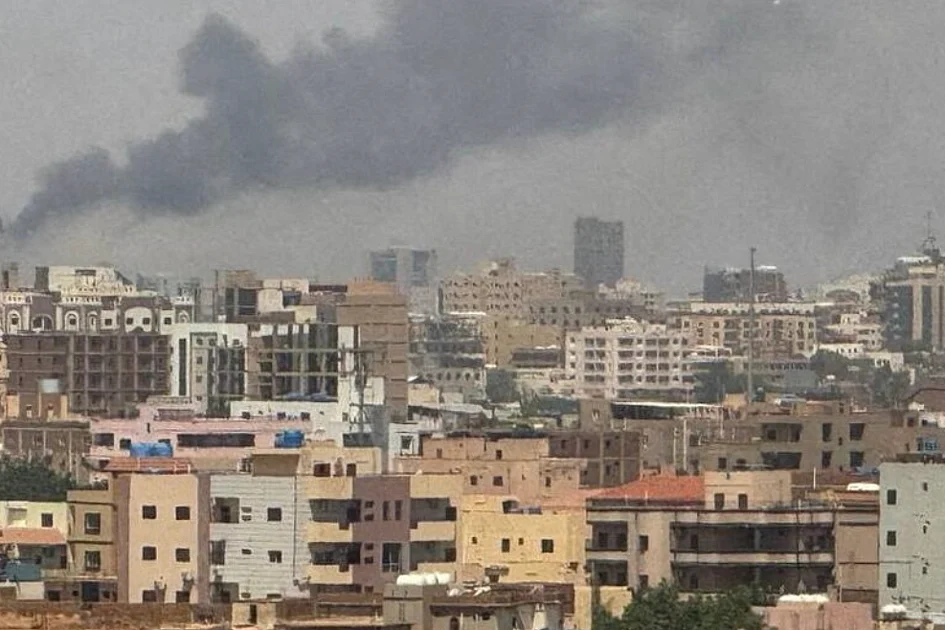
Drone attack hits Sudan’s Khartoum airport area ahead of reopening, witnesses say
A drone attack targeted the vicinity of Khartoum International Airport early Tuesday, just one day before the facility was scheduled to reopen for domestic flights after a two-year closure. Witnesses reported hearing drones and explosions in central and southern Khartoum between 4am and 6am local time. The airport has been shut since April 2023, when violent clashes erupted between the Sudanese army and the paramilitary Rapid Support Forces (RSF), causing extensive damage to infrastructure across the capital. Despite the army’s recent recapture of Khartoum and efforts to restore normalcy, drone attacks have persisted, with the RSF frequently accused of targeting military and civilian sites. No group has claimed responsibility for the latest strike, and details on casualties or damage remain unclear. This incident marks the third drone attack on Khartoum in a week, following strikes on two army bases last week. While the army has intercepted most drones, the attacks have exacerbated challenges in rebuilding the war-torn city. Over 800,000 people have returned to Khartoum since the army regained control, but large parts of the capital remain in ruins, with millions enduring frequent blackouts linked to RSF drone activity. Meanwhile, the conflict has intensified in western Sudan, where RSF forces are attempting to seize El-Fasher, the last major city in Darfur not under their control. The UN has warned of escalating violence in North and West Darfur, as the wider war in Sudan continues to devastate the nation, claiming tens of thousands of lives and displacing nearly 12 million people.
-
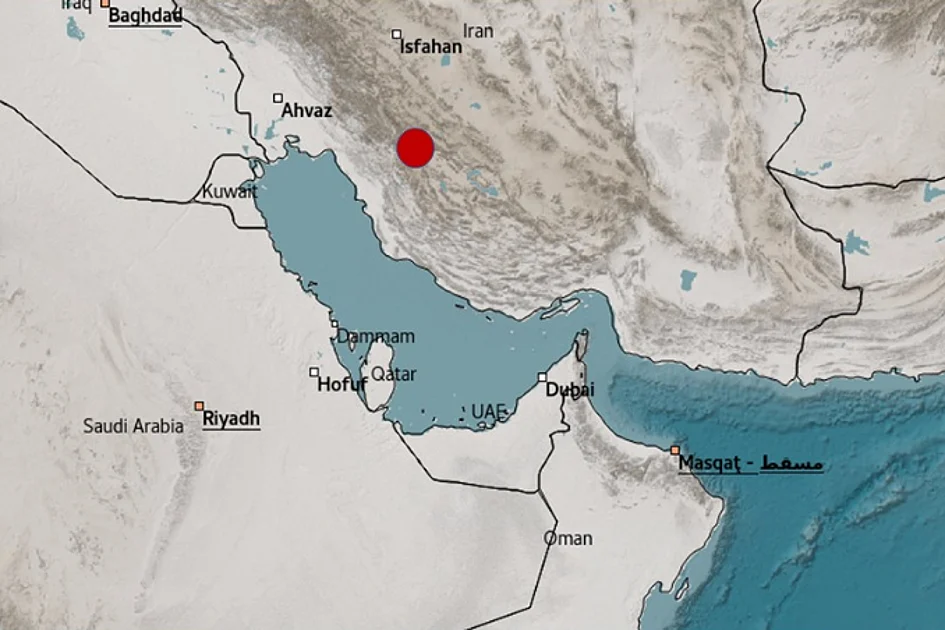
Magnitude 5.3 earthquake hits south Iran; no effect in UAE
A moderate earthquake with a magnitude of 5.3 struck southern Iran on Tuesday, October 21, 2025, according to the National Seismic Network of the National Centre of Meteorology (NCM). The tremor occurred at 12:02 PM UAE time, with its epicenter located at a depth of 10 kilometers. Despite the significant magnitude, the quake was not felt by residents in the United Arab Emirates (UAE), and no adverse effects were reported in the region. The NCM confirmed that the seismic activity had no impact on the UAE, ensuring public safety and normalcy. This event follows a series of recent earthquakes in Iran, including a 5.5-magnitude quake on September 13 and a 5.2-magnitude tremor on September 14. Additionally, a more substantial 5.9-magnitude earthquake had shaken southern Iran in August, with tremors felt as far north as the country’s northern regions. Authorities continue to monitor seismic activity closely, emphasizing preparedness and public awareness.
-
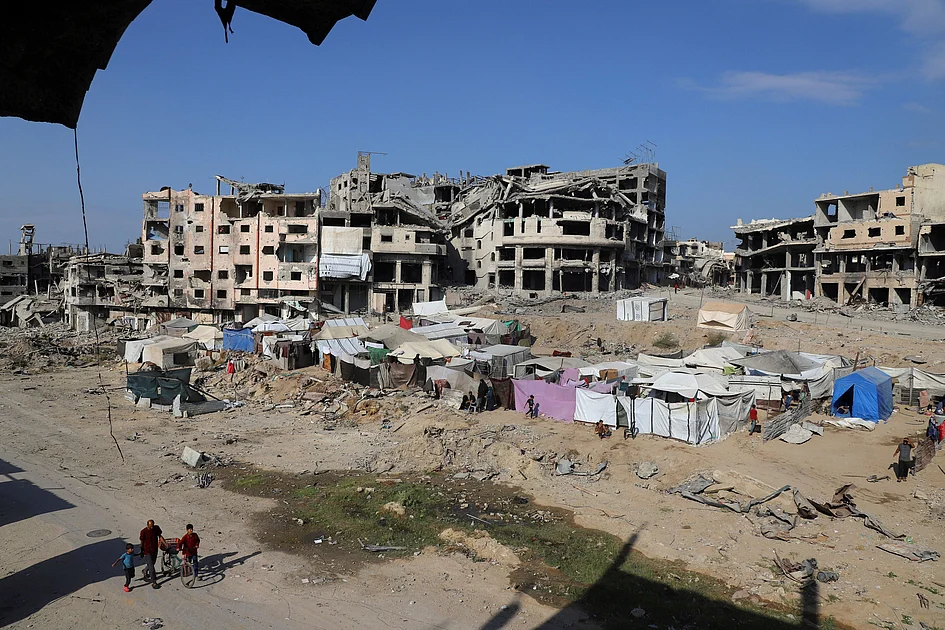
Qatar’s emir condemns ‘continued violation’ of 11-day-old Gaza ceasefire
Qatar’s Emir, Sheikh Tamim bin Hamad Al Thani, has strongly condemned Israel’s repeated violations of the 11-day-old Gaza ceasefire, accusing the nation of actions that render the Gaza Strip uninhabitable. In his annual address to the Shura Council on Tuesday, the Qatari ruler, a pivotal mediator in the ongoing truce, expressed deep concern over the deadly strikes on Hamas positions and the broader humanitarian crisis in the region. ‘We reiterate our condemnation of all Israeli violations and practices in Palestine, particularly the transformation of the Gaza Strip into an area unfit for human life and the continued breach of the ceasefire,’ Sheikh Tamim stated. His remarks underscore Qatar’s critical role in regional diplomacy and its commitment to addressing the escalating tensions in Gaza. The Emir’s address highlights the urgent need for international intervention to uphold the ceasefire and mitigate the humanitarian fallout in the embattled territory.
-

Magnitude 4.6 earthquake jolts Pakistan at 170km depth
A moderate earthquake measuring 4.6 on the Richter scale shook Pakistan on Tuesday, October 21, 2025, as reported by India’s National Centre for Seismology (NCS). The seismic event occurred at a depth of 170 kilometers at 10:59 AM local time (9:29 AM UAE time). This follows a series of tremors in the region, including a magnitude 4.7 quake on Monday and multiple moderate quakes over the weekend. The affected area, encompassing Afghanistan, Pakistan, and northern India, is one of the world’s most seismically active zones due to the collision of the Indian and Eurasian tectonic plates. This geological activity frequently results in earthquakes that are felt across borders. Pakistan, in particular, is highly vulnerable to seismic events, with regions like Balochistan, Khyber Pakhtunkhwa, and Gilgit-Baltistan lying on the southern edge of the Eurasian plate, while Sindh and Punjab are situated on the northwestern edge of the Indian plate. These areas are prone to frequent and sometimes violent earthquakes, posing significant risks to the local population.
-

Delhi air quality reaches highest ‘hazardous’ levels in the world after Diwali fireworks
New Delhi’s air quality has reached alarming levels, registering as the most polluted major city globally following the Diwali festival. According to Swiss air quality monitoring group IQAir, the city’s PM 2.5 concentration soared to 442, exceeding the World Health Organisation’s annual guideline by more than 59 times. This hazardous spike is attributed to the widespread use of firecrackers during the Hindu festival of lights, despite the Supreme Court of India’s partial relaxation of a ban on their use. The court had allowed ‘green crackers’ for a limited three-hour window on Sunday and Monday, but reports indicate violations of these restrictions.
PM 2.5, particulate matter measuring 2.5 microns or less in diameter, poses severe health risks, including respiratory and cardiac diseases. India’s Central Pollution Control Board (CPCB) classified Delhi’s air quality as ‘very poor,’ with an Air Quality Index (AQI) of 350. The Ministry of Earth Sciences predicts no immediate relief, forecasting AQI levels to remain between 201 and 400 in the coming days.
Delhi’s winter smog, exacerbated by construction dust, vehicle emissions, and agricultural fires, has long been a public health crisis. Past measures to combat pollution include school closures, construction halts, and vehicle restrictions. The issue extends beyond India, with neighboring Pakistan’s Punjab province also grappling with toxic air. Lahore, Punjab’s capital, recorded an AQI of 234, the second-highest globally. Pakistani authorities have implemented an emergency plan targeting farm fires, smoke-emitting vehicles, and deploying anti-smog guns.
Experts warn that cross-border air pollution is exacerbating the crisis. Sajid Bashir, spokesperson for Punjab’s Environment Protection Agency, highlighted the impact of air currents from Indian Punjab on Pakistani air quality. As both nations face this environmental challenge, coordinated efforts are essential to mitigate the health and environmental impacts of hazardous air pollution.
-

Ecuador releases survivor of US strike on ‘drug sub’ in Caribbean
In a recent escalation of its counter-narcotics operations in the Caribbean, the United States military conducted a strike on a semi-submersible vessel allegedly involved in drug smuggling. The attack resulted in the deaths of two individuals and the capture of two survivors: an Ecuadorian national, Andrés Fernando Tufiño, and a Colombian citizen, Jeison Obando Pérez. US President Donald Trump announced that the survivors would be repatriated to their respective countries for detention and prosecution. However, Ecuador’s Attorney General’s office stated that Tufiño could not be detained due to a lack of evidence of any crime under Ecuadorian law. This incident marks the first time survivors have been reported in the US’s ongoing Caribbean operations, which have claimed at least 32 lives since September. Experts have raised concerns about the legality of these strikes, arguing they may violate international law. Trump defended the actions, asserting that the vessel was a drug-carrying submarine transporting fentanyl and other narcotics. He also accused Venezuelan President Nicolás Maduro of leading a drug-trafficking group, the Cartel of the Suns, which Maduro has denied. Meanwhile, Colombia’s President Gustavo Petro criticized the US for conducting a strike in Colombian territorial waters, calling it an act of murder. The US deployment, involving 10,000 troops and numerous military assets, has primarily targeted vessels leaving Venezuela. The operation has drawn mixed reactions, with Trinidad and Tobago expressing support for the US’s efforts to combat transnational crime, while other nations question its legality and human cost.
-

Trump demolishes part of White House for new ballroom
In a bold move that underscores his penchant for grandeur, former U.S. President Donald Trump has commenced a significant renovation project at the White House, involving the demolition of part of the historic East Wing to make way for a lavish $250 million ballroom. The East Wing, traditionally housing the offices of U.S. first ladies, began its transformation on Monday, with construction crews tearing down sections of the structure. Trump, known for his unorthodox approach, announced the project during a gathering with college baseball players at the White House, emphasizing the modernization of the East Wing as part of the process. The new 90,000-square-foot ballroom, designed to accommodate up to 1,000 guests, aims to host large state dinners and events, addressing the current limitations of temporary tent setups. Funded privately by prominent American companies and individuals, including tech giants like Amazon, Apple, and Meta, as well as defense contractor Lockheed Martin, the project represents the most substantial addition to the White House in over a century. Trump’s vision for the ballroom, coupled with his earlier renovations such as the gold-decorated Oval Office and the redesigned Rose Garden, reflects his commitment to leaving a lasting architectural legacy. The project has sparked both admiration and controversy, with critics questioning the necessity and scale of the changes to a national landmark.
-
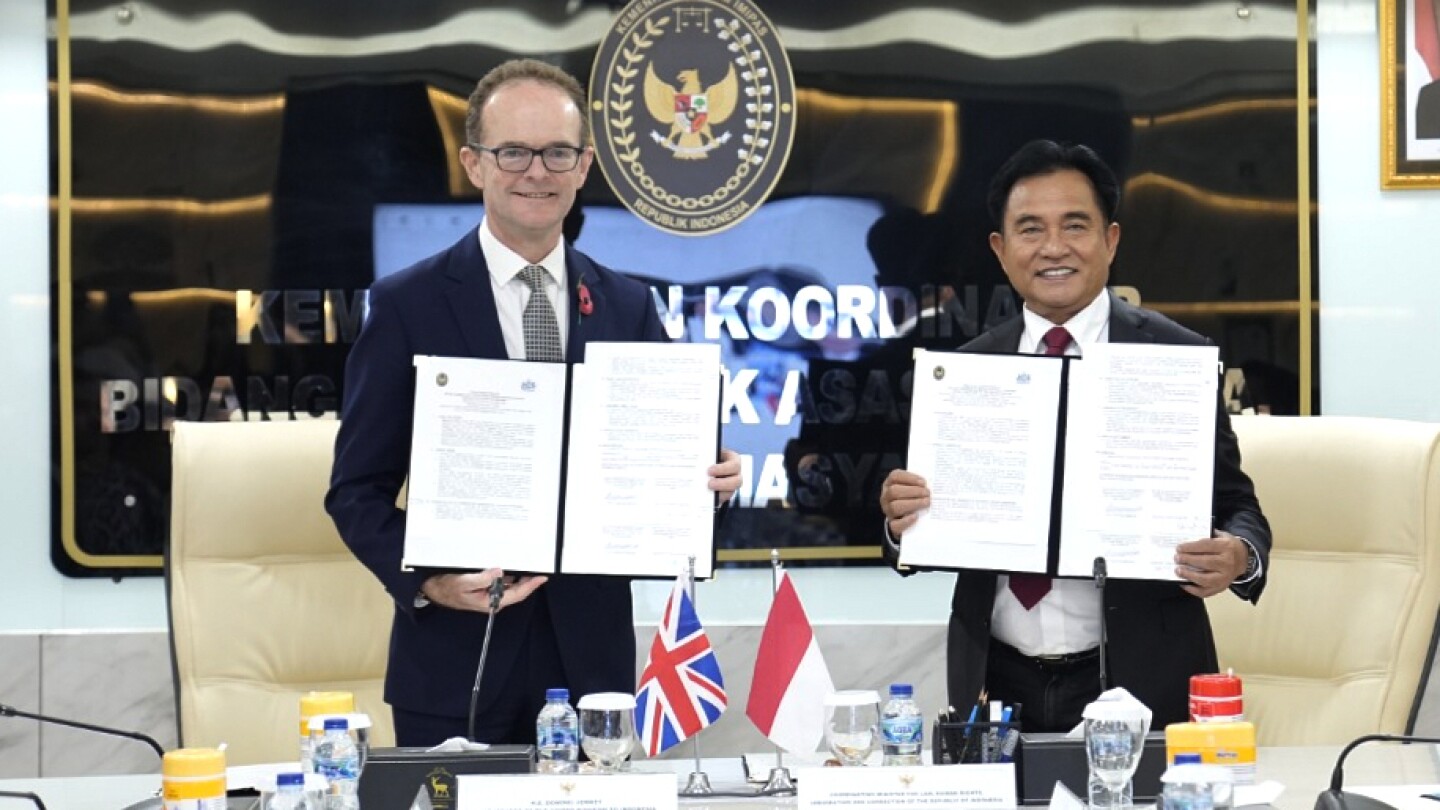
UK and Indonesia agree to send home a British woman facing death penalty for drugs
In a significant diplomatic development, the United Kingdom and Indonesia have reached an agreement to repatriate two British citizens serving severe sentences for drug-related offenses in Indonesia. The agreement, signed on Tuesday, involves Lindsay Sandiford, a 68-year-old woman who was sentenced to death by firing squad in 2013, and Shahab Shahabadi, a 35-year-old man serving a life sentence since 2014. Sandiford was arrested in 2012 at Bali’s airport with 3.8 kilograms of cocaine concealed in her suitcase, while Shahabadi was implicated in an international drug trafficking network, having shipped 30 kilograms of methamphetamine from Iran to Jakarta. Both individuals have faced significant health and legal challenges during their incarceration. The repatriation process will commence once all technical and administrative procedures are finalized, according to Indonesian Senior Minister of Law Yusril Ihza Mahendra. This move aligns with Indonesia’s recent efforts under President Prabowo Subianto’s administration to repatriate foreign prisoners through bilateral agreements. Despite Indonesia’s stringent drug laws, the country remains a major hub for drug smuggling, with over 500 individuals, including nearly 100 foreigners, currently on death row for drug-related crimes.