分类: world

  • Belgium detains three suspected Cameroon separatists in war crimes probe

    Belgium detains three suspected Cameroon separatists in war crimes probe

    Belgian authorities have detained three individuals suspected of leading the Ambazonia Defence Forces (ADF), a separatist militia engaged in Cameroon’s protracted Anglophone conflict. The arrests, executed following coordinated operations in Antwerp and Londerzeel, form part of an extensive investigation into potential war crimes and crimes against humanity.

    According to the Belgian federal prosecutor’s office, these suspects are believed to have orchestrated fundraising activities for armed struggles and weapons procurement from Belgian territory. The investigation, initiated during the summer of the previous year, targets expatriates allegedly constituting the ADF’s leadership cadre in Belgium.

    This development represents an international escalation in addressing Cameroon’s devastating internal conflict, which has persisted for nearly a decade. The crisis originated in 2016 when legal and educational professionals protested against the compulsory use of French in courts and schools within English-speaking regions. The subsequent declaration of independence for the theoretical state of Ambazonia in 2017 ignited full-scale hostilities between separatist factions and government forces.

    The United Nations documents catastrophic humanitarian consequences, with over 6,500 fatalities and approximately 490,000 individuals displaced from their homes. An additional 1.5 million people require urgent humanitarian assistance amid ongoing violence. Human rights organizations have consistently documented widespread atrocities perpetrated by both separatist militants and state security forces.

    These European arrests follow similar judicial actions in Norway and the United States, indicating growing international concern regarding the conflict’s dimensions. Cameroon’s President Paul Biya, maintaining power for over four decades, asserts that his administration has undertaken substantial measures to resolve the crisis. Nevertheless, his government faces persistent criticism regarding its handling of the conflict and restrictions on political freedoms.

  • Israel launches ground assault in southern Lebanon

    Israel launches ground assault in southern Lebanon

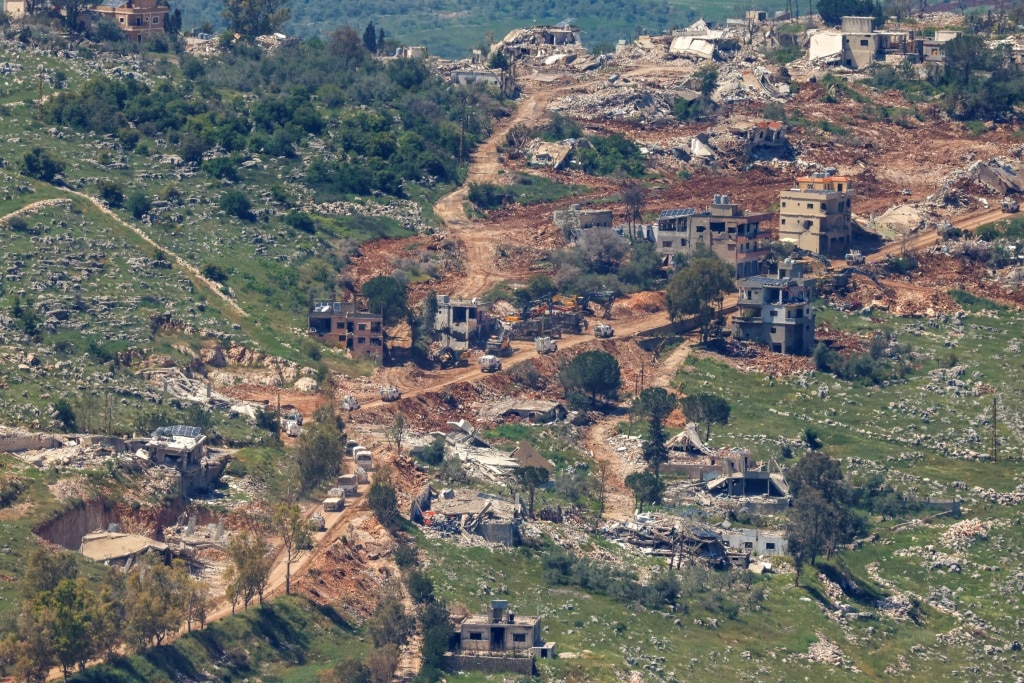
    Israeli Defense Minister Israel Katz has declared the approval of an expanded ground military operation in southern Lebanon, marking a significant escalation in regional tensions. The authorization, coordinated with Prime Minister Benjamin Netanyahu, empowers Israeli forces to advance beyond previously established positions and secure strategically dominant terrain within Lebanese territory.

    According to official statements released Tuesday, the primary objective of this offensive is to establish enhanced defensive buffers that would prevent direct artillery and rocket fire targeting Israeli border communities. The Israel Defense Forces confirmed the deployment of troops deeper into southern Lebanon, exceeding the five positions maintained since the 2024 ceasefire arrangement.

    Military officials characterized the operation as implementing an ‘enhanced forward defense posture’ designed to proactively counter security threats. This development follows a dramatic resurgence of hostilities between Israel and Hezbollah, triggered by the Lebanese militant group’s rocket barrage targeting northern Israel on Monday.

    Hezbollah claimed its attacks were retaliatory measures responding to the assassination of Iran’s Supreme Leader Ali Khamenei. Israel subsequently launched intensive airstrikes targeting southern Lebanon and Beirut’s southern suburbs, resulting in numerous casualties and initiating renewed civilian displacement throughout the region.

    The escalation occurs against the broader backdrop of ongoing conflict involving Iran, further complicating regional security dynamics and raising concerns about potential broader confrontation.

  • Iran hits US embassy in Riyadh as American citizens urged to leave Middle East

    Iran hits US embassy in Riyadh as American citizens urged to leave Middle East

    In a significant escalation of regional hostilities, two Iranian drones successfully struck the US Embassy compound in Riyadh on Tuesday. The attack resulted in a substantial fire and considerable material damage to the facility, according to confirmations from Saudi Arabia’s Ministry of Defense.

    Eyewitness sources reported hearing a powerful explosion accompanied by visible flames engulfing sections of the diplomatic compound. Initial assessments indicate no casualties, primarily because the embassy building was reportedly unoccupied at the moment of impact. Hours following the initial strike, additional explosions reverberated through Riyadh’s diplomatic quarter—an area housing numerous international missions—with black smoke seen billowing over the district.

    The embassy assault represents part of Tehran’s coordinated retaliation for the joint US-Israeli military offensive initiated last Saturday, which resulted in the death of Supreme Leader Ali Khamenei, multiple senior officials, and hundreds of Iranian civilians. Among the casualties were approximately 150 schoolgirls killed during a strike on an educational facility in southern Iran.

    According to data compiled by the Washington-based Human Rights Activists News Agency, the conflict has claimed 742 lives through US and Israeli attacks, while Iranian counterstrikes have resulted in at least 11 fatalities in Israel and five in Gulf states.

    President Donald Trump, addressing the attacks and the reported deaths of six American soldiers, provided cryptic remarks during a NewsNation interview regarding potential retaliation measures: “You’ll find out soon.” The president notably dismissed the likelihood of ground troop deployment within Iranian territory.

    Simultaneously, the US Embassy in Kuwait sustained targeting, prompting authorities to announce its indefinite closure with all consular services suspended. The Islamic Revolutionary Guard Corps (IRGC) claims to have executed strikes on over 500 US and Israeli sites utilizing 700 drones and hundreds of missiles, with additional attacks reported across Saudi Arabia, Kuwait, UAE, Qatar, Bahrain, and Jordan.

    Amid deteriorating security conditions, the US State Department issued evacuation advisories on Monday, urging American citizens to depart from multiple regional nations including Iraq, Lebanon, Syria, Palestinian territories, Jordan, Egypt, Yemen, and Gulf states. The US Embassy in Israel concurrently acknowledged its limited capacity to facilitate evacuations or directly assist citizens seeking to leave the country, with Ambassador Mike Huckabee characterizing departure options as “very limited” amid intensifying regional tensions.

  • Regional escalation casts shadow on Gaza ceasefire

    Regional escalation casts shadow on Gaza ceasefire

    The delicate Gaza ceasefire agreement faces mounting pressure as recent military actions by Israel and the United States against Iranian targets raise serious questions about regional stability and diplomatic commitments. Analysts warn that this escalation exposes fundamental contradictions in Washington’s Middle East policy while undermining its credibility as a peace mediator.

    According to security experts, the coordinated strikes have introduced a dangerous new dimension to an already volatile region. Sujata Ashwarya, professor at Jamia Millia Islamia University’s Centre for West Asian Studies, noted that these actions ‘deepen the strategic contradiction at the heart of Washington’s regional policy,’ making it increasingly difficult to sustain credible Gaza diplomacy while expanding direct military engagement.

    The immediate consequences have materialized through the closure of critical border crossings into Gaza, including the vital Rafah crossing. Israel’s COGAT military body announced ‘several necessary security adjustments’ implemented on Sunday, claiming the closures would not affect humanitarian conditions—a statement contradicted by experts who warn that humanitarian concerns are becoming collateral damage in broader escalation.

    Gulf Arab states now find themselves in a precarious position, as their hosting of US military assets makes them vulnerable to Iranian retaliation despite not seeking conflict. The situation creates particular challenges for these nations as they attempt to balance security partnerships with regional de-escalation efforts.

    The political landscape has been further complicated by the killings of Iranian leadership figures, creating uncertainty about succession and internal stability rather than strategic clarity. For Palestinians, the renewed escalation risks pushing Gaza further down the international agenda precisely when humanitarian emergencies are becoming more acute.

    While some analysts, including Elie Al Hindy of the American University in the Emirates, believe the situation is unlikely to escalate into broader regional conflict, the cumulative effect has been to make the Gaza ceasefire increasingly fragile and highlight the complex challenges facing international diplomacy in the region.

  • 26 Doctors without Borders workers remain unaccounted for in South Sudan a month after attacks

    26 Doctors without Borders workers remain unaccounted for in South Sudan a month after attacks

    NAIROBI, Kenya — In a distressing development from South Sudan’s conflict zones, Doctors Without Borders (MSF) has reported that 26 of its medical personnel remain unaccounted for following violent attacks on their facilities in Jonglei State one month ago. The incidents occurred on February 3rd when government forces bombed an MSF hospital in Lankien while unidentified assailants raided another medical facility in Pieri.

    Both targeted facilities were situated in opposition-controlled territories where intensified fighting has displaced approximately 280,000 civilians since December. Medical staff were forced to evacuate alongside local populations into remote rural areas where aerial bombardments and armed clashes continue to create dangerous conditions.

    The humanitarian organization expressed grave concerns over the missing staff members, noting that communication remains impossible due to both security constraints and limited network connectivity across the region. Colleagues who have managed to establish contact describe scenes of widespread destruction, extreme hardship, and ongoing violence.

    This attack represents part of a alarming pattern of violence against humanitarian operations in South Sudan. MSF facilities have been targeted ten times within the past twelve months, significantly undermining healthcare delivery in conflict-affected regions. The organization’s head of mission in South Sudan, Yashovardhan, emphasized that medical workers must never be targets and expressed profound concern for both staff and affected communities.

    The current violence escalation began in December when opposition forces captured multiple government outposts in north central Jonglei, prompting a government counteroffensive in January that reclaimed most lost territory. Displaced civilians near the Ethiopian border have reported horrific violence and severe shortages of basic necessities during their flight to safety.

  • Zelensky fears Trump’s Iran war could hurt Ukraine

    Zelensky fears Trump’s Iran war could hurt Ukraine

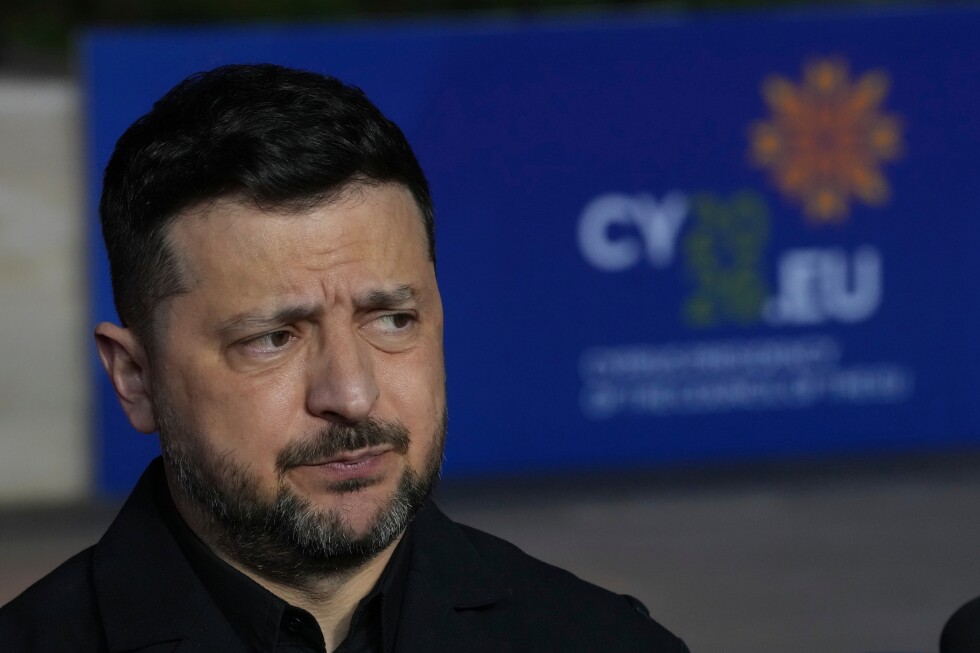
    Ukrainian President Volodymyr Zelensky has expressed grave concerns that the escalating Middle East conflict could severely impact Ukraine’s ability to procure essential air defense systems. In an interview with Italy’s Corriere della Sera, Zelensky highlighted the potential diversion of critical weapons supplies, particularly Patriot missiles, to address security needs in the Gulf region.

    The Ukrainian leader acknowledged the tangible risk of international attention shifting away from Ukraine’s defense against Russian aggression, though he expressed hope that the Iranian crisis would remain a limited operation rather than evolving into a prolonged conflict. This apprehension comes despite recent high-profile visits by Western leaders to Kyiv marking the fourth anniversary of Russia’s full-scale invasion.

    Strategic analysts note that Ukraine faces multiple challenges stemming from the Middle East tensions. The extensive use of interceptor missiles by Gulf nations could create global shortages, driving up prices and reducing availability of these crucial defense systems. Additionally, soaring oil prices resulting from regional instability could provide Russia with enhanced economic capacity to sustain its military operations in Ukraine.

    Zelensky identified a potential silver lining in the situation, suggesting that Iranian attacks on military targets might disrupt Tehran’s weapons supply to Moscow. Iran has provided Russia with tens of thousands of Shahed drones that have regularly targeted Ukrainian cities, though analysts note Russia has since developed domestic production capabilities for these weapons systems.

    Ukrainian officials remain divided on the geopolitical implications. Oleksandr Merezhko, chairman of parliament’s foreign relations committee, suggested that supporting US actions against Iran could strengthen Ukraine’s partnership with Washington by demonstrating alignment against the Russo-Iranian coalition. Conversely, other analysts argue that Russia may leverage the situation to pressure Ukraine into accepting peace terms favorable to Moscow.

    The underlying concern in Kyiv centers on escalating war fatigue among international partners. Diplomatic sources describe a prevailing sense of exhaustion and apprehension about diverted attention and resources, compounded by existing tensions in Ukraine’s relationships with American and European allies.

  • Mexican drug lord ‘El Mencho’ buried in golden coffin

    Mexican drug lord ‘El Mencho’ buried in golden coffin

    In a lavish ceremony underscoring the persistent influence of organized crime, the notorious Jalisco New Generation Cartel (CJNG) founder Nemesio Oseguera Cervantes, alias “El Mencho,” was laid to rest in a golden casket on Monday. The 59-year-old drug lord, Mexico’s most-wanted criminal with a $15 million U.S. bounty on his head, died following a late February firefight between his armed guards and Mexican special forces operatives attempting his capture.

    The funeral proceedings near Guadalajara in CJNG’s home state of Jalisco unfolded under heavy National Guard surveillance, reflecting authorities’ concerns about retaliatory violence. Despite security measures, the event displayed extravagant narco-culture symbolism, including monumental floral arrangements requiring multiple transport vehicles. Among these was a prominent rooster-shaped tribute nodding to Oseguera’s passion for cockfighting.

    Local media reported the funeral procession featured narcocorridos—ballads glorifying drug traffickers—and traditional ranchero music, with the song “El Muchacho Alegre” (The Cheerful Boy) accompanying the golden casket’s arrival at the cemetery chapel. Many attendees concealed their identities with face masks during the hour-long ceremony, highlighting the pervasive climate of fear and anonymity surrounding cartel activities.

    While the burial plot was noted as relatively modest compared to the grandiose mausoleums of other narcos, the spectacle contrasted sharply with the violence that followed Oseguera’s death. Cartel members previously unleashed coordinated attacks across 20 Mexican states, torching vehicles and blockading roads in retaliatory strikes.

    El Mencho’s death represents both a tactical victory for President Claudia Sheinbaum’s administration—which faces mounting pressure from the U.S. to combat drug trafficking—and a potential catalyst for escalated violence. Security analysts warn that power struggles within the tens-of-thousands-strong CJNG could trigger intensified factional conflicts, creating new security challenges for Mexican authorities.

  • US nationals urged to leave Middle East as conflict spreads

    US nationals urged to leave Middle East as conflict spreads

    The United States has issued an urgent advisory for its citizens to immediately evacuate most Middle Eastern nations amid escalating military hostilities between the US-Israel alliance and Iran. The State Department’s emergency alert on Monday specifically named fifteen high-risk territories including Israel, Iran, Iraq, Lebanon, and several Gulf states, citing “grave security threats” as aerial bombardments continue to intensify.

    With commercial flight operations severely disrupted across the region, approximately 500,000 to one million American expatriates and travelers now face extreme mobility challenges. Official evacuation coordination remains notably absent, leaving citizens dependent on embassy hotlines and improvised border solutions. The Jerusalem embassy confirmed its operational limitations, simultaneously announcing temporary closure while noting Israel’s initiation of shuttle services to the Egyptian border crossing at Taba.

    European governments have simultaneously activated contingency protocols. France declared readiness to deploy both military and commercial aircraft for high-risk citizen extraction, with Foreign Minister Jean-Noël Barrot confirming evacuation preparations for an estimated 400,000 nationals across conflict zones. The United Kingdom initiated emergency registration protocols, with Prime Minister Keir Starmer urging immediate compliance from the estimated 300,000 British citizens currently in the region. Over 102,000 registrations were recorded within initial hours, comprising significant numbers of tourists, business travelers, and transit passengers stranded at Gulf hubs.

    The international crisis represents unprecedented logistical challenges due to both the scale of affected populations and the geographical spread across multiple active conflict zones. Diplomatic missions emphasize that registration remains critical for receiving security updates, though organized evacuations have not yet materialized.

  • Asia braces for energy fallout as Gulf conflict rages

    Asia braces for energy fallout as Gulf conflict rages

    Asian nations are confronting severe energy security challenges as military operations intensify in the Gulf region, triggering widespread economic and diplomatic concerns across the continent. The escalating conflict between US-Israeli forces and Iran has sent shockwaves through global energy markets, with oil prices surging to multi-month highs and critical trade routes facing unprecedented disruption.

    South Korea’s National Assembly foreign affairs committee has scheduled an emergency session to address the crisis, reflecting the nation’s particular vulnerability. With approximately 70% of its crude oil imports originating from the Middle East—primarily transported through the strategically vital Strait of Hormuz—South Korea faces potentially catastrophic supply chain disruptions. Deputy Prime Minister Koo Yun-cheol emphasized the government’s commitment to implementing immediate measures to counter volatility in international energy markets.

    The economic impact manifested dramatically as benchmark Brent crude surged 13% in Asian trading, briefly reaching $82 per barrel before moderating to below $77. This price volatility represents the most significant market reaction since 2024, underscoring the conflict’s profound effect on global energy stability.

    Southeast Asian leaders have responded with grave concern. Malaysian Prime Minister Anwar Ibrahim unequivocally condemned recent developments, warning that these actions threaten to plunge the Middle East into sustained instability while directly jeopardizing Malaysia’s trade and energy security. Similarly, Singaporean Foreign Minister Vivian Balakrishnan advocated for peaceful resolution through diplomatic channels and adherence to international law.

    Thailand has implemented practical countermeasures by suspending oil exports and directing relevant agencies to develop comprehensive short and long-term response strategies. Indonesia reiterated the fundamental importance of respecting national sovereignty and resolving differences through peaceful means.

    Professor Yang Jun-sok, an economics expert at The Catholic University of Korea, warned that any closure of the Strait of Hormuz would trigger dramatic oil price increases and significant delivery delays. While noting that current market fluctuations remain within expected parameters, Yang emphasized that further escalation could compel energy-dependent nations to accelerate their search for alternative energy sources.

    United Overseas Bank’s analysis suggests the current crisis represents a more severe escalation than previous regional conflicts, particularly noting the closure of critical air transportation hubs including Dubai’s international airport. However, the bank observed that Iran has not yet targeted oil tankers directly, leaving some room for cautious optimism regarding energy supply continuity.

  • Six US soldiers killed in Iranian strike on Kuwait base

    Six US soldiers killed in Iranian strike on Kuwait base

    The United States has confirmed the deaths of six American service members following an Iranian missile strike on a military facility in Kuwait this Sunday. Initial reports from U.S. Central Command indicated three casualties, but the toll rose significantly on Monday after one soldier succumbed to injuries and two additional bodies were recovered from the debris.

    Defense Secretary Pete Hegseth verified that a U.S. bunker in Kuwait was struck after Iranian missiles bypassed air defense systems during Tehran’s retaliatory offensive. He described the target as a ‘fortified tactical operations center’ hit by a ‘powerful weapon,’ though specific location details remain undisclosed.

    Contrasting this account, three U.S. military officials familiar with the incident revealed to CBS News that personnel were stationed in a temporary office setup—specifically a trailer shielded by 12-foot steel-reinforced concrete barriers. These officials raised concerns about whether the structure provided adequate protection against such attacks.

    This incident marks the first confirmed U.S. fatalities since the commencement of joint military operations with Israel against Iran. The attack underscores the vulnerability of American forces in the region, where over 13,000 troops are stationed under longstanding defense agreements with Kuwait.

    In a separate development, three U.S. fighter jets were lost in Kuwait due to a ‘friendly fire’ incident on Monday. All pilots successfully ejected and survived. Iranian state media subsequently claimed responsibility for downing the aircraft, though no evidence was provided to support this assertion.

    The strike forms part of Iran’s broader retaliation campaign targeting U.S.-allied Gulf nations, including Bahrain, UAE, Saudi Arabia, Oman, and Qatar, signaling escalating regional tensions.