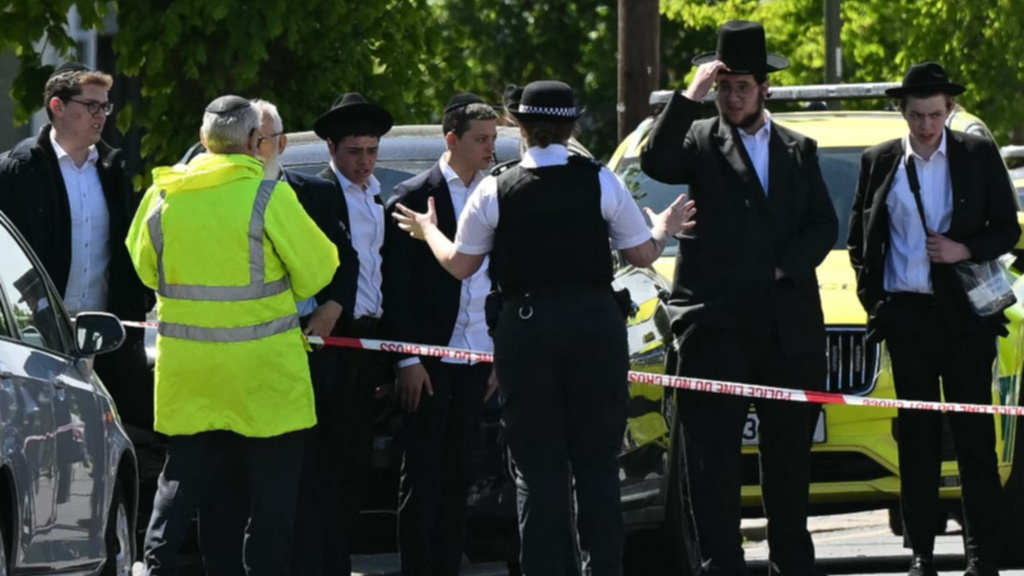
A violent stabbing incident that left two Jewish men seriously injured has shaken Golders Green, a majority-Jewish residential neighborhood in northwest London, with a suspect taken into custody following a rapid intervention by local Jewish community security volunteers. On Wednesday afternoon, members of Shomrim, the neighborhood Jewish security patrol, detained the attacker before official police forces arrived to take him into formal custody, according to initial incident reports. Immediately after the assault, the two wounded men received urgent on-site care from Hatzola, a Jewish volunteer emergency ambulance service, before being transported to local hospitals for further treatment for their serious injuries. In the wake of the attack, UK Prime Minister Keir Starmer issued a forceful condemnation of what he labeled an unambiguously antisemitic act of violence. “The antisemitic attack in Golders Green is utterly appalling,” Starmer stated, extending public gratitude to both the community volunteer groups and law enforcement for their fast response. “Attacks on our Jewish community are attacks on Britain,” the prime minister emphasized, adding that all those responsible for the violence would face full legal accountability. This assault comes at a moment of growing national crisis, as the United Kingdom has recorded a dramatic surge in antisemitic hate crimes across the country in recent months. Over the past 30 days alone, London’s Metropolitan Police has launched investigations into dozens of suspected antisemitic incidents, including multiple acts of arson targeting Jewish community spaces. Just one week prior to the Golders Green stabbing, on April 15, an arson attack damaged a synagogue in Finchley, another north London neighborhood with a large Jewish population. Two additional suspected arson attacks targeting Jewish sites in the capital followed within days of the Finchley incident. Security and community officials link the sharp rise in antisemitic violence to heightened geopolitical tensions following the U.S.-Israeli military strike on Iran earlier this year, which has coincided with a surge in hate speech and targeted attacks against British Jewish communities. In an official statement released on April 20, Security Minister Dan Jarvis outlined new government measures to address the growing threat. Jarvis confirmed that the UK government has allocated an extra £5 million ($6 million) in the current financial year to fund the deployment of specialist security officers to high-risk locations across the country, to better protect vulnerable faith communities. “The government’s commitment to supporting British Jews is an enduring one,” Jarvis said. “We are taking firm steps to root out antisemitism wherever it appears across public life – from our public services to our universities, charities and beyond.”
分类: world
-
China calls US hypocritical for expressing concern over Panama’s sovereignty
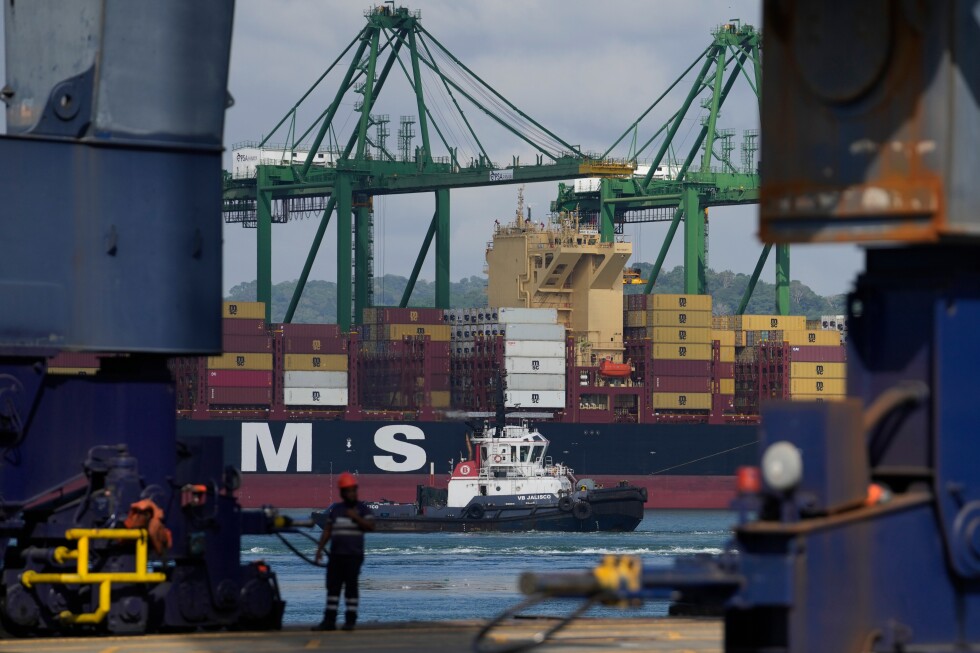
PANAMA CITY – A new high-profile diplomatic confrontation between the United States and China has broken out over a port and shipping dispute in Panama, dragging the Central American trade hub into the middle of intensifying great power competition in the Latin American region. The war of words erupted this week after the U.S. State Department joined several smaller regional allies to accuse Beijing of violating Panama’s national sovereignty, a charge China has forcefully rejected as unfounded distortion while turning accusations back on Washington for its own history of interference in the hemisphere.
The origins of the current dispute stretch back to earlier this year, when Panamanian authorities took control of two strategically critical ports along the Panama Canal from a subsidiary of a Hong Kong-based logistics firm. In early April, U.S. Senator Marco Rubio claimed that in response to the port seizure, China had engaged in “bullying” behavior by temporarily detaining and delaying dozens of commercial ships flying Panama’s national flag. China has repeatedly denied these allegations from the start.
Last Tuesday, the State Department released a coordinated joint statement alongside six regional partners – Bolivia, Costa Rica, Guyana, Paraguay, and Trinidad and Tobago – condemning the alleged ship detentions. The statement labeled the incident a “blatant attempt to politicize maritime trade” and affirmed that the signatories stood in solidarity with Panama. In a separate social media post Tuesday evening, Rubio, who currently serves as U.S. Secretary of State, emphasized that “the sovereignty of our hemisphere is non-negotiable.”
This latest escalation in U.S.-China tension comes as the Trump administration has adopted a far more aggressive policy approach to Latin America than any U.S. administration in recent decades. The current administration has carried out a high-profile overnight raid that captured Venezuela’s sitting president, pushed sweeping regulatory and political changes in Caracas, imposed a strict oil blockade on Cuba, intervened openly in regional elections, and even threatened direct military action against drug cartels based in Mexico.
On Wednesday, Chinese Foreign Ministry spokesperson Lin Jian pushed back firmly against the U.S.-led accusations during a regularly scheduled news conference, calling the joint statement “completely unfounded and distort reality.” Jian went on to question the U.S.’s own credibility on the issue of Panamanian sovereignty, pointing to Washington’s own historical actions in the country.
“Who occupied the Panama Canal for a long time, invaded Panama with its military, and arbitrarily trampled on its sovereignty and dignity? Who covets the Panama Canal, seeks to turn this international waterway — meant to remain permanently neutral — into its own territory, and disregards the sovereignty of regional countries? The answer is self-evident,” Jian said. He closed by noting that the United States itself is the power that has “politicized and securitized the issue of ports.”
Shortly after China’s rebuttal, Panamanian President José Raúl Mulino released a public statement seeking to defuse the rising tension. Mulino expressed appreciation for the “solidarity of friendly countries” regarding the status of Panamanian-flagged vessels in Chinese ports, but made clear that Panama sought to avoid being pulled into a larger diplomatic conflict. “We do not wish to engage in controversy, as we value respectful relations with all nations,” he said.
The current dispute is just the latest flashpoint in a long-running push by the United States to counter China’s expanding economic and political influence across Latin America. For Panama, the strategic importance of the Panama Canal to global trade has placed the country directly in the middle of the escalating geopolitical rivalry between the two global superpowers, a standoff that intensified last year after former President Trump openly accused Beijing of seeking to control the critical international waterway.
-
New petition seeks ‘accountability’ from UK over role in Israel-Palestine
A groundbreaking 400-page legal petition has been launched by the Britain Owes Palestine campaign, demanding that the United Kingdom acknowledge its historical responsibility for decades of conflict and human suffering in the Israel-Palestine region and open sealed archival records documenting alleged ethnic cleansing and genocide against Palestinian people.
The petition, formally titled “Regarding Britain’s responsibility for wrongs and reparations in Palestine”, traces the UK’s actions across a critical 31-year period, starting with the 1917 Balfour Declaration — the UK’s controversial pledge to establish a Jewish homeland in Palestine for the Zionist movement — and concluding with the end of the British Mandate for Palestine in 1948, which paved the way for the creation of the State of Israel.
The document argues that when the UK seized control of the territory from the Ottoman Empire during World War I, its colonial administration systematically denied self-determination to the Palestinian Arab majority, laying the structural groundwork for a discriminatory political order that eventually devolved into apartheid and mass displacement of Palestinians.
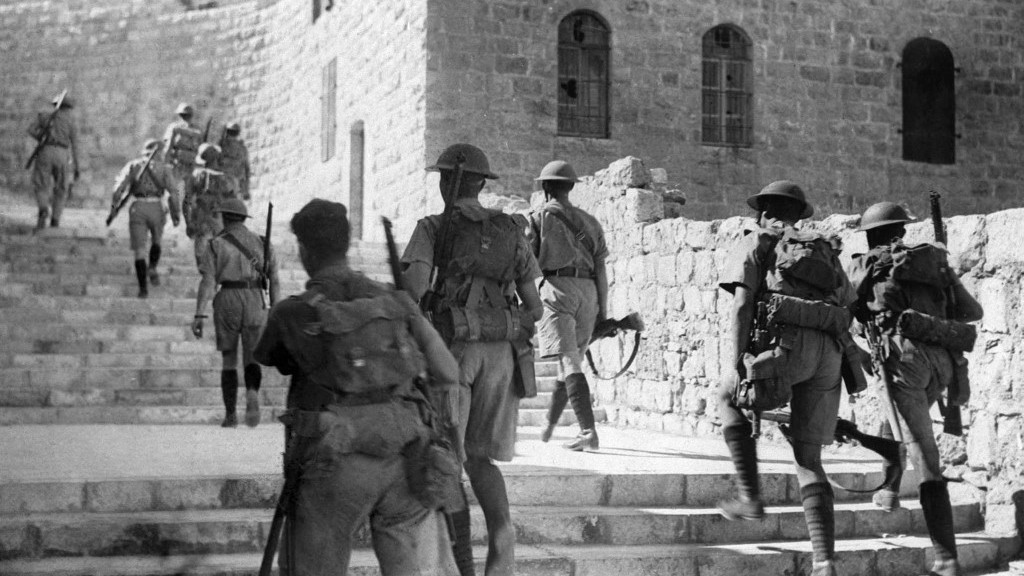
Specifically highlighted in the petition is the UK’s use of sweeping emergency powers to crush the 1936 Arab Rebellion against British rule, a policy that codified violence and collective punishment as state-sanctioned practice while stripping Palestinian activists of access to judicial recourse.
The 14 lead petitioners are all people directly or indirectly harmed by these historical events. Many are descendants of Palestinians who experienced the 1948 displacement, whose own lives and family trajectories have been permanently reshaped by the outcomes of British colonial policy. The petition emphasizes that while the 14 petitioners represent themselves and their extended families, every Palestinian community around the globe continues to bear the consequences of the UK’s historical actions, making the group a reflection of broader Palestinian civil society.
Beyond a formal official apology delivered before the UK Parliament, the petition demands three core actions: the declassification of all previously undisclosed British government archives related to the mandate period, a full public government response to the documented allegations, formal acknowledgement of the UK’s wrongdoing, and formal consideration of reparations for harms done.
For Palestinians and Arab communities globally, the 1948 events that accompanied Israel’s creation are known as the Nakba, or “catastrophe”. During this period, more than 700,000 Palestinians were forcibly expelled from their ancestral homeland, and hundreds of Palestinian villages, residential properties, and community institutions were systematically destroyed by Zionist militias. Palestinians who remained in the territory that became the State of Israel were placed under strict military rule that lasted until 1966.
Decades later, the 1967 Middle East war left Israel in control of the West Bank and Gaza Strip, an occupation that continues today. Millions of Palestinians living in these occupied territories are currently governed under conditions that multiple leading international human rights organizations have formally classified as apartheid.
The petition comes amid the current UK government’s unwavering public support for Israel’s ongoing military campaign in the Gaza Strip, a conflict that has killed more than 70,500 Palestinians as of recent counts and reduced the majority of the densely-populated enclave to rubble, with many critics describing the military action as genocidal.
-
Tuareg rebels vow Mali junta ‘will fall’, north will be captured
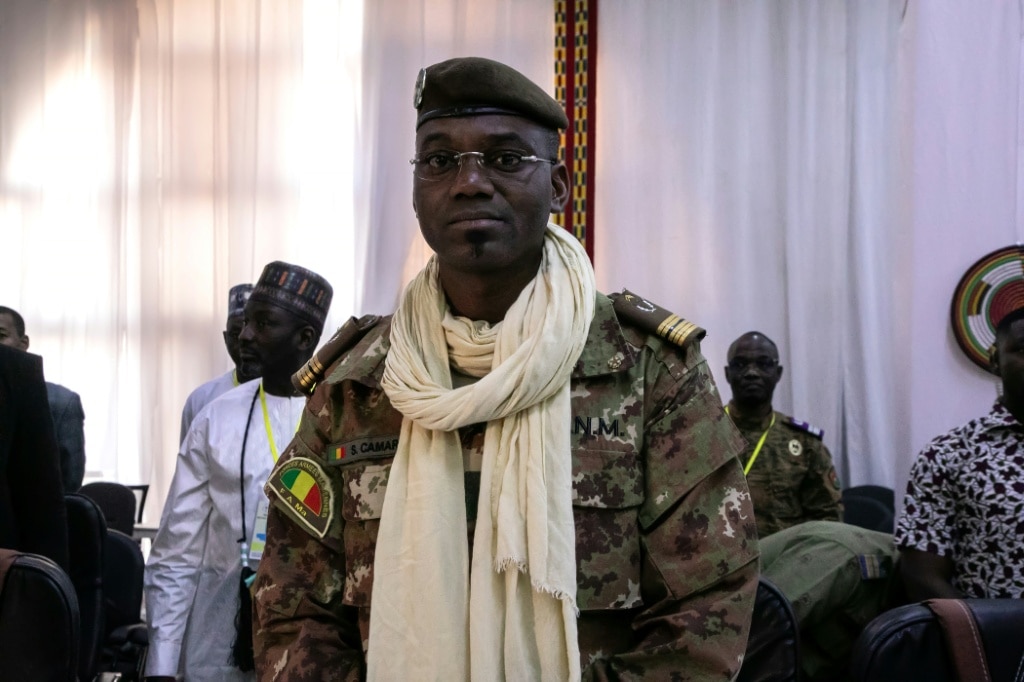
Just days after launching the largest coordinated attacks against Mali’s ruling military government in nearly 15 years, Tuareg separatist rebels have publicly pledged to bring down the country’s junta and seize full control of northern Mali, a senior spokesperson confirmed in an interview with Agence France-Presse this Wednesday. The weekend offensive, a joint operation between the Tuareg-dominated separatist coalition Azawad Liberation Front (FLA) and the Al-Qaeda-affiliated jihadist group Group for the Support of Islam and Muslims (JNIM), marked a dramatic escalation of the West African nation’s 13-year security crisis. The insurgents launched a coordinated dawn assault on multiple strategic junta positions, including sites near the capital Bamako, leaving at least 23 people dead, with the death toll projected to rise as casualty counts are finalized. Among those killed in the two days of fierce fighting was Malian Defence Minister Sadio Camara, widely recognized as the architect of the junta’s decision to pivot away from Western partners and align with Russia. Camara’s funeral is scheduled to take place on Thursday. The combined insurgent forces successfully captured Kidal, a critical northern trade and administrative hub, earlier this week. Tuareg rebels have maintained visible patrols across the town’s streets since the takeover. In response, the Malian military launched a series of retaliatory airstrikes against insurgent positions in Kidal on Wednesday, targeting a key military camp and fighters stationed at the regional government building. A senior Malian security source told AFP that the armed forces “intend to give these enemies no respite”, a claim later confirmed by an official FLA spokesperson. The insurgent campaign did not end with Kidal’s capture: rebels also attacked a small military outpost in Gourma Rharous, a town located in Mali’s Timbuktu region, over the past week, and targeted multiple other major population centers during the weekend offensive, including the northern hub Gao and the central Malian cities of Mopti and Sevare. FLA spokesperson Mohamed Elmaouloud Ramadane, speaking to AFP during a visit to Paris, confirmed that the insurgent coalition’s next objectives are to seize full control of Gao, Timbuktu and Menaka, building on their recent victory in Kidal. Local sources in the Gao region have already reported that Malian army units have withdrawn from multiple forward positions in the area amid the insurgent advance. After three days out of the public eye, junta leader Assimi Goita addressed the nation on national television late Tuesday, acknowledging the security situation was “of extreme gravity” but insisting that the government had the crisis “under control”. Ramadane rejected that claim, stating bluntly that “the regime will fall, sooner or later”. The Sahel region has been grappling with widespread jihadist insurgency since 2012, when a combination of Tuareg separatists and jihadist fighters first seized large swathes of northern Mali. That original 2012 alliance ultimately collapsed, with jihadists driving separatist forces out of most captured territory before a French military intervention pushed the insurgents back. France has since fully withdrawn from Mali, following the junta’s decision to sever diplomatic and security ties with former colonial power Paris and other Western nations, a shift mirrored by military-led governments in neighboring Niger and Burkina Faso. The Malian junta has since aligned itself closely with Moscow. The Russian paramilitary Wagner Group, which had fought alongside Malian forces against insurgents since 2021, reorganized into the Africa Corps, a unit under direct control of the Russian defense ministry, in June 2025 following the group’s mutiny against the Russian government. Analysts note that while the FLA and JNIM hold vastly different end goals—separatists seek an independent state of Azawad for northern Mali’s Tuareg, Fulani and Arab communities, while jihadists aim to establish an Islamic emirate—the two groups have united over their shared opposition to the 2020 junta and Russian military presence in the country. Ramadane clarified that the FLA’s core demand is the permanent withdrawal of all Russian forces from Azawad and the entirety of Mali, stating: “We have no particular problem with Russia, nor with any other country. Our problem is with the regime that governs Bamako.” The latest large-scale offensive has cast serious doubt on the junta’s repeated claims that its counterinsurgency strategy, security partnerships and expanded military operations have successfully stemmed the growing jihadist and separatist threat across the country.
-
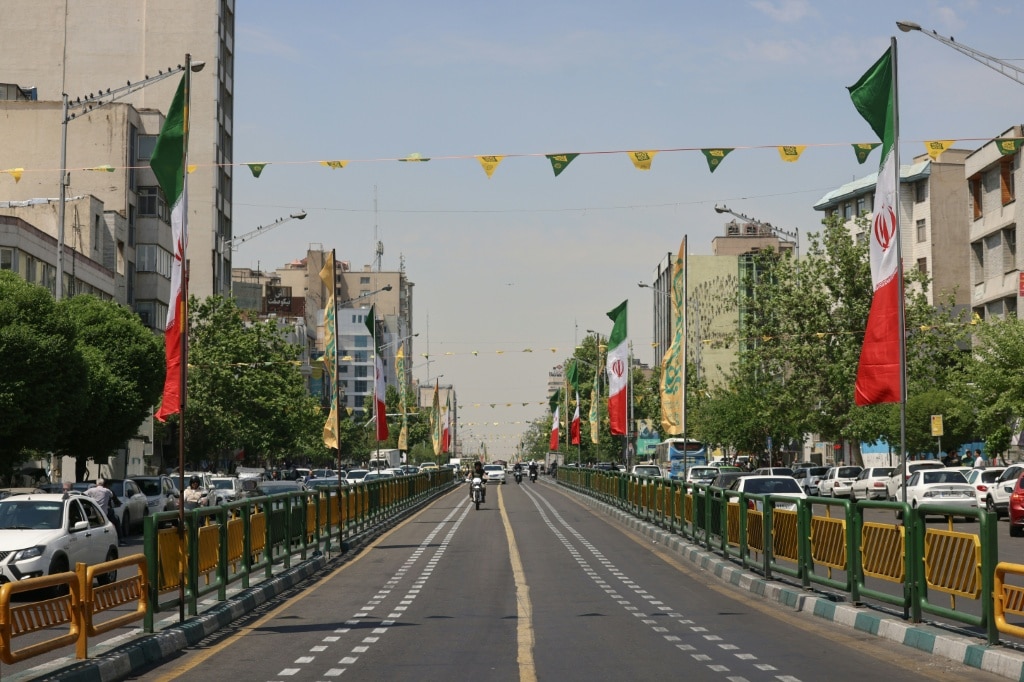
Trump warns Iran better ‘get smart soon’ and accept nuclear deal
Escalating tensions between the United States and Iran have reached a new critical juncture this week, after former President Donald Trump issued a blunt public warning demanding Tehran capitulate to Washington’s strict nuclear oversight demands, while stalled peace negotiations have sent energy markets soaring and raised alarm over a global humanitarian catastrophe.
For two months, Iran has held the Strait of Hormuz—one of the world’s most critical chokepoints for global oil and natural gas shipments, through which roughly a fifth of global daily oil consumption passes—under blockade, a retaliatory move after the United States and Israel launched a regional war two months ago. The U.S. has responded with its own naval blockade of Iran, putting massive pressure on the Islamic Republic’s already fragile economy while working to minimize fallout for American consumers.
In a dramatic post to his social media platform Wednesday, Trump doubled down on his administration’s hardline stance, writing that “Iran can’t get their act together… They better get smart soon.” The post was paired with a viral doctored image showing Trump carrying a rifle against a backdrop of a destroyed desert fortress, emblazoned with the slogan “No more Mr. Nice Guy!”
A senior U.S. administration official, speaking on condition of anonymity, confirmed that Trump recently met with oil industry executives to discuss extending the American naval blockade for months if negotiations remain deadlocked, while outlining steps to limit price increases for U.S. gasoline consumers. The official’s comments came after multiple press outlets reported Trump had already rejected a recent Iranian proposal brokered by Pakistan to reopen the Strait of Hormuz as broader talks proceed.
The breakdown in talks immediately rippled through global energy markets Wednesday. By 13:35 GMT, Brent crude futures for June delivery jumped 5.16% to settle at $117 per barrel, marking the highest price point since a fragile bilateral ceasefire between the U.S. and Iran took effect on April 8.
Beyond market volatility, the United Nations Development Programme has warned the conflict’s ripple effects—including skyrocketing energy and fertilizer prices—could push more than 30 million people across 160 countries into extreme poverty this year. UNDP chief Alexander De Croo described the crisis as “development in reverse” in comments to AFP.
For Iran, the ongoing standoff is already taking a severe domestic toll. The Iranian rial hit an all-time historic low against the U.S. dollar this week, and ordinary Iranians expressed widespread despair and disillusionment with the endless cycle of negotiations and escalating sanctions. “Every time in recent years that negotiations have taken place, the economic situation of the people has only gotten worse. Sanctions have either started or intensified,” a 52-year-old Iranian architect told AFP, speaking on condition of anonymity. “They go to negotiate and come back with even more sanctions, and the issue is always nuclear. There’s no talk about people, the economy or freedom. People have the right to not even want to hear the word ‘negotiation.’”
Speaking at a White House state dinner for Britain’s King Charles III Tuesday, Trump reiterated his non-negotiable position on Iran’s nuclear program, claiming Tehran had been “militarily defeated” and adding “we’re never going to let that opponent have a nuclear weapon.” Trump also claimed King Charles shared his stance on the issue.
Iranian officials have rejected Trump’s demands and pushed back against claims of military defeat, with a senior army spokesman telling state TV Tuesday that Tehran “do not consider the war to be over” and hold “no trust in America.” “We have many cards that we have not yet used… new tools and methods of fighting based on the experiences of the past two wars, which will definitely allow us to respond to the enemy more decisively” should hostilities resume, said spokesman Amir Akraminia.
The latest Iranian peace proposal, which was relayed to Washington via Pakistani mediators and reviewed by Trump administration officials at a Monday meeting, set clear Iranian red lines on both nuclear policy and the Strait of Hormuz, according to Iran’s semi-official Fars News Agency. Under the draft plan, Tehran would ease its blockade of the strait in exchange for Washington lifting its retaliatory naval blockade, while broader negotiations over the future of Iran’s nuclear program continue. But Iranian defense ministry spokesman Reza Talaei-Nik said Wednesday that Washington “must abandon its illegal and irrational demands,” adding that “the United States is no longer in a position to dictate its policy to independent nations.”
Qatar, a U.S. ally that has served as a mediator in the conflict but still suffered Iranian strikes on its territory, warned this week that the standoff could devolve into a long-term “frozen conflict” if negotiators fail to reach a definitive breakthrough soon.
Tensions have also spilled over onto the Lebanese front of the conflict, even after a recently extended ceasefire between Israel and Iran-backed Hezbollah, the armed group that drew Lebanon into the war after launching rocket attacks on Israel two months ago. Israel responded with widespread air strikes and a ground incursion into southern Lebanon.
Lebanese officials confirmed Wednesday that an Israeli air strike killed one Lebanese soldier, marking the first deadly attack on Lebanese army forces since the ceasefire went into effect. A separate strike a day earlier wounded two additional soldiers. Lebanese President Joseph Aoun called for an end to the ongoing attacks Wednesday, saying “Israel must finally realise that the only path to security is through negotiations, but it must first fully implement the ceasefire in order to move on to negotiations. Israeli attacks cannot continue as they are. We are now waiting for the United States to set a date to begin direct negotiations.”
A new UN-backed report released Wednesday warned that more than 1.2 million people in Lebanon are expected to face acute food insecurity in the coming months as a result of the conflict.
-
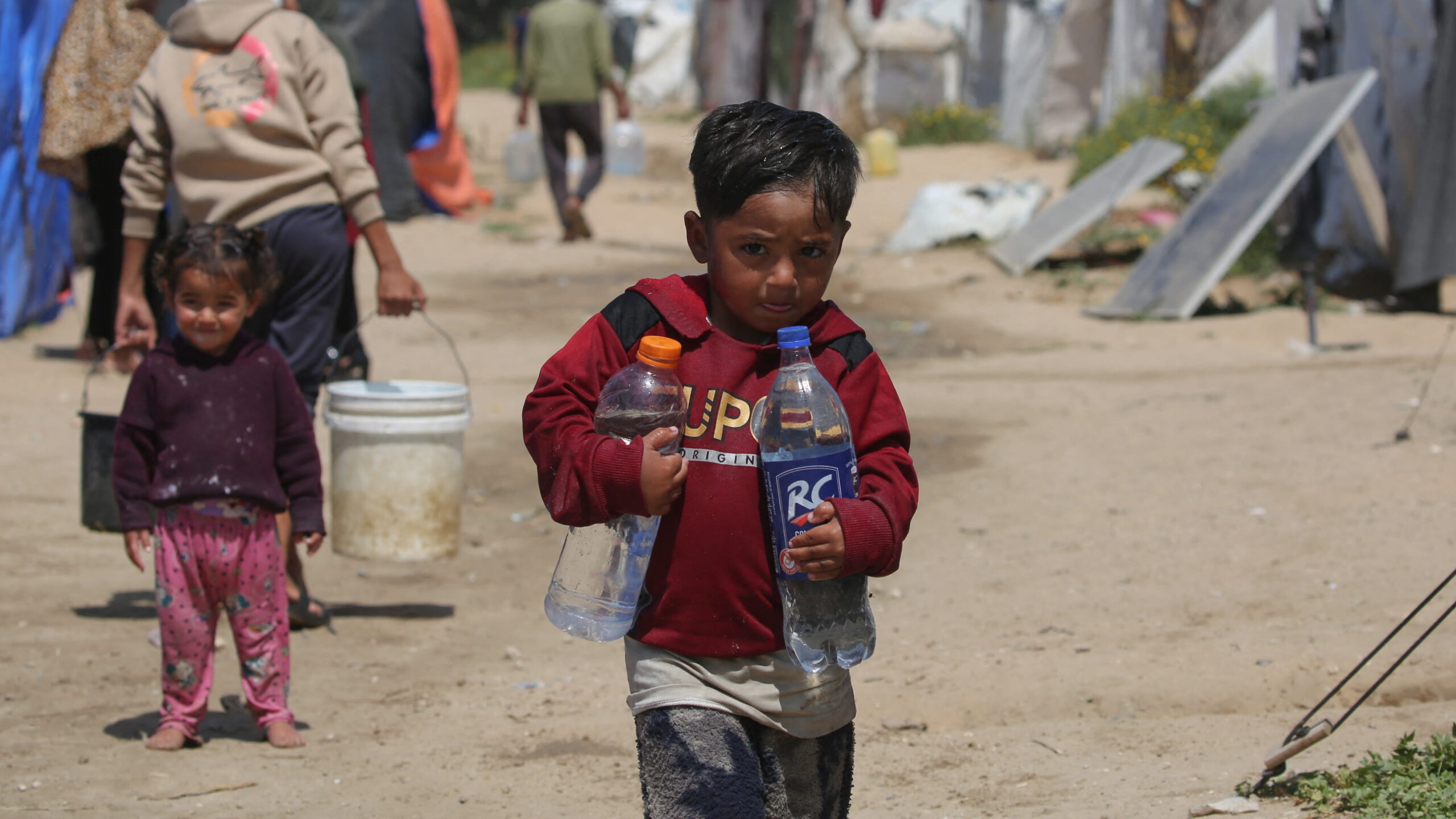
Israel accused of using ‘water as a weapon’ against Palestinians in Gaza
On April 29, 2026, global medical humanitarian organization Doctors Without Borders (MSF) released a damning new report that levels serious accusations against Israel, charging that the country has deliberately weaponized access to clean water against Palestinian civilians trapped in the besieged Gaza Strip as part of what MSF calls an ongoing campaign of genocide.
The 36-page report, titled *Water as a Weapon: Israel’s Destruction and Deprivation of Water and Sanitation in Gaza*, draws its conclusions from on-the-ground field interviews, firsthand witness testimonies, and verified medical data collected by MSF teams operating in Gaza. The investigation confirms that Israel has systematically cut off Gaza’s population from adequate water supplies, a policy MSF frames as a deliberate act of collective punishment that is central to broader atrocities against Palestinians.
“Deliberately denying Palestinians access to water is an integral part of Israel’s genocide,” the report states. MSF documents that the forced water shortage has been imposed in tandem with mass forced displacement of Palestinian communities, widespread destruction of civilian infrastructure, and ongoing targeted killings—including attacks on civilians who leave their shelters to collect water for their families.
One harrowing account included in the report comes from Hanan, a grandmother living in Gaza City, who described the killing of her 10-year-old grandson in July. The child had been standing in a line waiting to collect drinking water when Israeli forces opened fire, killing him instantly. “Getting water is not supposed to be dangerous,” Hanan told MSF investigators, a line that underscores the daily mortal risk Gaza residents face to meet a basic human need.
Claire San Filippo, MSF’s emergency manager for the Gaza response, emphasized that Israeli authorities are fully aware of the catastrophic consequences of their water policy. “They know that without water life ends, yet they have deliberately and systematically obliterated water infrastructure in Gaza – while consistently blocking water-related supplies from entering,” San Filippo explained.
Official data from the report confirms that since the start of Israel’s military campaign in October 2023, nearly 90 percent of all water and sanitation infrastructure across Gaza has been damaged or completely destroyed by Israeli attacks. Beyond the collapsed infrastructure, Gaza residents face a litany of daily barriers to accessing even small amounts of safe water: collection points are often located miles from overcrowded displacement camps, supplies are irregular, the physical labor of carrying heavy water containers puts vulnerable people at risk, prices for smuggled water are out of reach for most families who have lost their incomes, and Israeli authorities continue to restrict the entry of materials needed to repair damaged water systems.
MSF also documented direct, intentional attacks on clearly marked water infrastructure and delivery vehicles, including targeted strikes on water trucks and functional boreholes that serve entire displacement communities.
San Filippo warned that the combination of widespread water deprivation, catastrophic overcrowding in emergency shelters, collapsing sewage systems, and a completely non-functional health system has created ideal conditions for deadly infectious disease outbreaks to spread across the enclave. “This is a deliberate public health disaster that Israel has created to harm as many Palestinian civilians as possible,” she added.
The release of the MSF report comes as violence across Gaza surges, in what Palestinian officials describe as widespread violations of the temporary ceasefire agreement reached in October. On the same day MSF published its investigation, Israeli forces carried out multiple air strikes and ground operations across Gaza that killed at least nine Palestinians, including four children. Among the victims was 9-year-old Adel Lafi al-Najjar, who was killed in an air strike on central Khan Younis near the Abu Hamid roundabout—an area that was meant to be outside Israeli military deployment zones, according to local residents.
Two separate strikes targeting civilian vehicles in Gaza City killed another four Palestinians on Tuesday. Updated data from the Palestinian Ministry of Health confirms that more than 820 Palestinians have been killed by Israeli forces since the ceasefire went into effect, a death toll that continues to climb daily. Since the start of the Israeli campaign, nearly 72,600 Palestinians have been confirmed killed, with thousands more still missing and presumed dead under the rubble of destroyed residential and commercial buildings across Gaza.
-
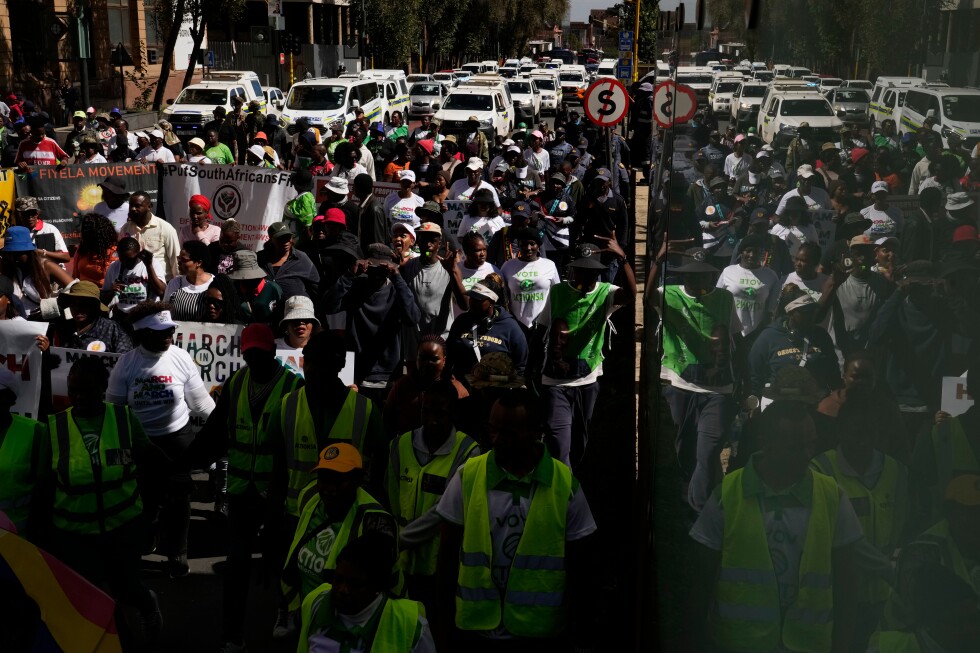
Hundreds march in Johannesburg against illegal migration as shops shut over looting fears
A wave of anti-illegal immigration demonstrations has gripped South Africa this week, with hundreds of protesters marching through the streets of Johannesburg on Wednesday to demand stricter border controls and mass deportations of undocumented migrants. The Johannesburg rally follows a similar protest held just one day earlier in the nation’s capital, Pretoria, marking a growing public mobilization around the hot-button issue of unauthorized migration.
As Africa’s most industrialized economy with a wide range of economic opportunities, South Africa has long drawn migrants from across the continent and beyond, with both documented and undocumented people arriving in search of better work and living prospects. Current estimates of the country’s undocumented migrant population vary wildly, with commonly cited figures falling between 3 million and 5 million. No accurate, up-to-date official count exists because most migrants without legal status avoid government documentation processes.
Wednesday’s demonstration was led by the anti-immigration group March and March, and drew participation from other prominent anti-migration organizations including Operation Dudula, as well as two registered political parties: ActionSA and the Patriotic Alliance. In comments during the march, ActionSA representative Themba Mabunda pushed back against accusations of xenophobia, framing the protest as a demand for equitable policy rather than anti-foreign sentiment. “We are not xenophobic, we just want the right thing to done in South Africa, to put the South African first,” Mabunda said. “We do want to live with foreigners in our country, but those foreigners must be legally in the country.”
The protest disrupted daily life across Johannesburg, forcing dozens of businesses—owned by both South African locals and migrant entrepreneurs—to close their doors out of fear of potential looting, violence, or opportunistic criminal activity.
Anti-immigration groups anchor their demands on South Africa’s ongoing socioeconomic crisis: the nation’s official unemployment rate currently sits above 30%, leaving millions of local people out of work. Proponents of stricter enforcement argue that undocumented migration contributes to urban overcrowding, unfair competition in the labor market, lost tax revenue, rising crime, and weakened border security. In some high-tension cases, anti-migration activists have even forcibly turned foreign nationals away from public health clinics, claiming undocumented visitors worsen drug shortages and overcrowding in already under-resourced facilities.
Tensions around the issue have already spilled over into violence in recent weeks. Last month, an anti-migration march in Eastern Cape Province ended with protesters setting fire to minibus taxis and destroying public infrastructure. In KwaZulu-Natal, reported targeted attacks on Ghanaian migrants sparked a full diplomatic incident, which led to Ghana’s government summoning South Africa’s ambassador to Accra to formally address the violence.
United Nations Secretary-General António Guterres has recently raised alarm over the growing unrest, issuing a public statement expressing concern over xenophobic attacks, harassment, and intimidation targeting migrants and foreign nationals across multiple South African provinces including KwaZulu-Natal and Eastern Cape.
In response to rising political and public pressure, South African authorities have ramped up deportation efforts in recent years. Government data shows that between the 2021 and 2023 financial years, South Africa deported more than 109,000 undocumented migrants living in the country.
-
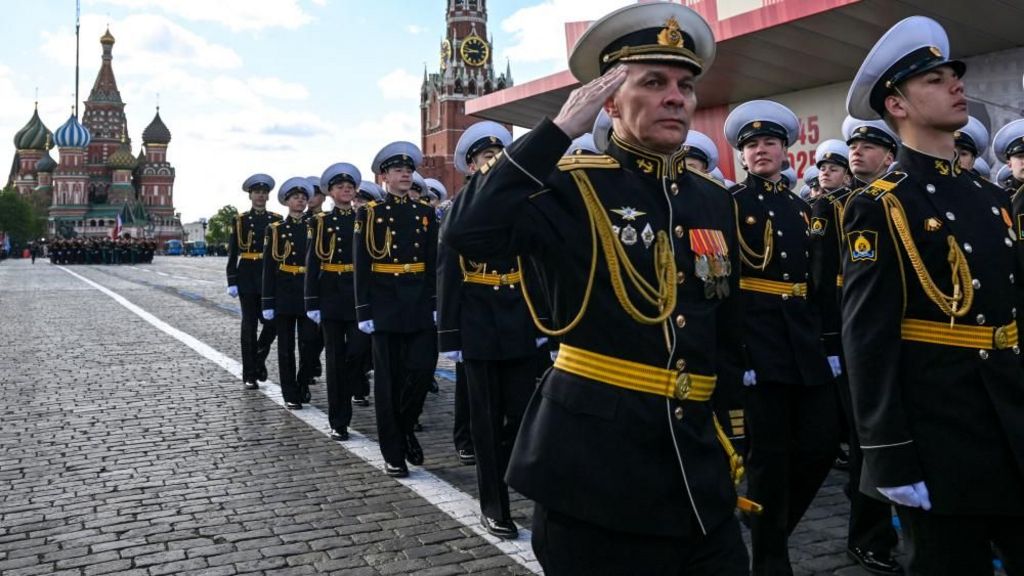
Russia scales back Moscow Victory Day parade, blaming threat from Ukraine
For decades, Russia’s May 9 Victory Day parade on Red Square has stood as one of the most prominent showcases of national pride and military power, marking the Soviet Union’s 1945 defeat of Nazi Germany in World War II. This year, however, the iconic event will look drastically different, after the Kremlin formally confirmed it will pare back major elements of the celebration in response to what it calls a rising terrorist threat from Ukraine.
Dmitry Peskov, spokesperson for Russian President Vladimir Putin, told reporters on Wednesday that security officials have enacted sweeping precautionary measures to reduce potential risks amid what the Kremlin frames as expanded hostile activity from the Kyiv government. “The Kyiv regime, which is ceding ground daily on the frontlines, has now shifted to full-scale terrorist operations,” Peskov said. He emphasized that despite the cuts, the parade will proceed as scheduled on Red Square, with all steps taken to keep attendees and participants safe.
The Russian Ministry of Defense clarified the scope of changes in an official statement released Tuesday evening. While representatives from all branches of the Russian armed forces will still take part, and a ceremonial aerial flyover will be held, traditional elements that have been staples of the parade for years will be absent this year. Notably, cadets from the country’s elite Suvorov military schools, Nakhimov naval schools and other military cadet corps will not march, and no heavy military vehicles or armor will roll across Red Square’s cobblestones. National television will instead broadcast footage of Russian service members carrying out their duties in what Moscow officially calls the “special military operation zone” — its formal term for the full-scale invasion of Ukraine launched in early 2022.
This is not the first time Russia has adjusted its traditional Victory Day format in recent years, but it marks the first time since the 2022 invasion that no armored column will be featured in the central Moscow parade. Putin, who revived the Soviet-era tradition of marching heavy military hardware through Red Square in 2008, has used the annual event to demonstrate Russia’s growing military strength to both domestic audiences and the international community. In 2024, which marked the 80th anniversary of the 1945 victory, Moscow hosted more than 20 global leaders for an elaborate, high-profile celebration that featured a full procession of modern military equipment, including frontline tanks and combat drones.
Rumors of a scaled-back 2025 parade first circulated on Russian social media earlier this month, when pro-Kremlin military bloggers publicly raised concerns about the risk of long-range Ukrainian air attacks on the large public gathering. “If you have a parade in full swing and then a missile threat is announced, that would be a massive public relations blow even if no strike actually lands,” prominent pro-war blogger Ilya Tumanov told Russian media outlets. Other pro-Kremlin commentators also noted that none of the usual large-scale parade rehearsals, which require widespread road closures across central Moscow, had taken place in the lead-up to the event, matching the formal announcement of cuts.
In line with stepped-up security measures, a telecommunications source told BBC Russian that enhanced restrictions on mobile connectivity will be enforced across Moscow on May 5, 7 and 9. This follows widespread mobile internet outages in central Moscow back in March, which Russian authorities tied to unspecified security priorities.
The decision to scale back the parade comes against a backdrop of a clear increase in Ukrainian strikes targeting Russian territory deep behind the front lines, more than three years into Moscow’s full-scale invasion. In recent weeks, Moscow — widely considered Russia’s most heavily defended city — has already faced multiple Ukrainian drone incursions, with Russian military officials consistently stating that most of the drones are intercepted and shot down before they can hit targets.
Ukraine has significantly ramped up attacks on critical energy infrastructure across Russia in recent weeks, stretching thousands of kilometers from the border. On Wednesday, plumes of smoke were reported near Perm, a major Ural Mountains city roughly 1,500 kilometers from Ukrainian territory. Ukrainian officials confirmed the site was an oil pumping station hit by a drone, while local Russian authorities only described it as an industrial facility incident. That strike came just one day after Russia’s major oil refinery in the Black Sea port of Tuapse was hit for the third time in April. Earlier strikes on the Tuapse refinery triggered a large oil spill into the Black Sea, with local residents reporting “black rain” laced with oily residue that coated residential areas across the city.
Kyiv has repeatedly stated that all of its strikes deep inside Russia target legitimate military or war-related infrastructure, arguing that these facilities directly enable Moscow to sustain its invasion. Ukraine has not yet issued an official public response to the Kremlin’s latest terrorism accusations, but a senior Ukrainian official last week explicitly ruled out any attack on the Moscow Victory Day parade. Mykhailo Podoliak, an advisor to Ukrainian President Volodymyr Zelenskyy’s office, noted that the event would draw large crowds of ordinary civilian onlookers, and stressed that “nobody is attacking civilians and civilian infrastructure.”
For most Russians, the victory over Nazi Germany — referred to domestically as the Great Patriotic War — remains one of the most unifying historical events in the country’s modern history. Many international and domestic analysts broadly agree that Putin has centered this victory as a core national narrative to bind Russian society together, particularly amid the ongoing conflict in Ukraine and heightened tensions with the West.
-
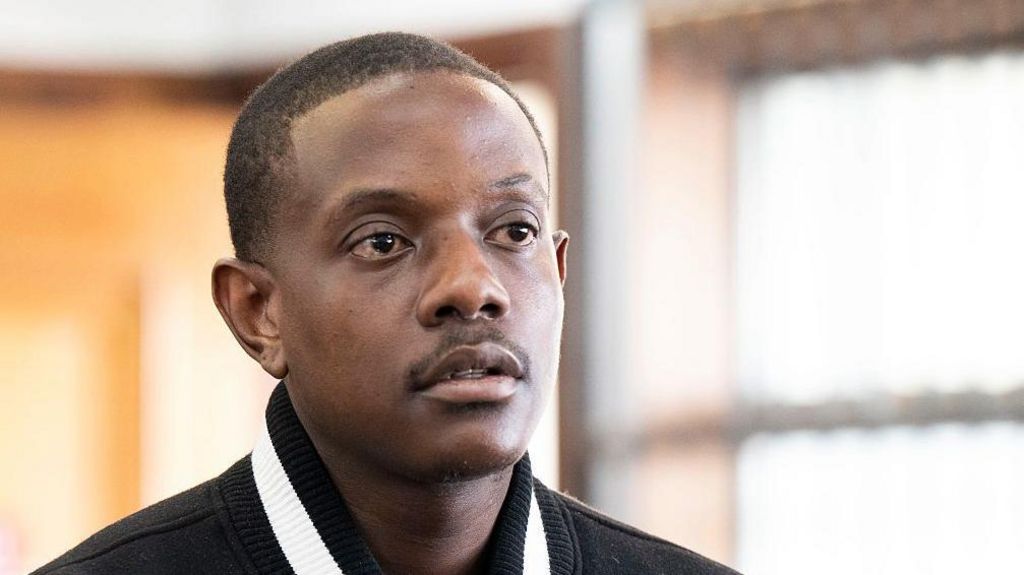
Robert Mugabe’s son to be deported from South Africa over firearms offence
A Johannesburg court has handed down a ruling ordering the immediate deportation of Bellarmine Mugabe, the 28-year-old youngest son of Zimbabwe’s late former long-ruling president Robert Mugabe, following his guilty pleas on weapons and unlawful immigration charges.
The court also handed down an additional penalty requiring Mugabe to pay a $36,000 (equivalent to roughly £26,700) fine for his convictions. His co-accused, Tobias Matonhodze, received a far harsher sentence: three years of imprisonment after pleading guilty to a slate of charges including attempted murder, unlawful possession of ammunition, defeating the ends of justice, and illegal entry into South Africa.
The arrests of both men date back to February 19, when local law enforcement responded to a disturbance call at Mugabe’s private residence in Hyde Park, an upscale, exclusive suburb of Johannesburg. During the incident, a 23-year-old security guard was shot and rushed to a local hospital in critical condition. Prosecutors told the court that the violence erupted after a verbal altercation between the three men on the property. As the victim attempted to escape the confrontation by running outside, he was struck by two gunshots to the back, authorities confirmed. To date, the weapon used in the shooting has not been recovered by investigating officers.
Initially, Bellarmine Mugabe also faced a charge of attempted murder connected to the shooting. However, that charge was formally withdrawn after Matonhodze accepted a guilty plea for that offense. The charge of pointing a firearm to which Mugabe pleaded guilty stems from a separate, unconnected incident; South Africa’s National Prosecuting Authority (NPA) confirmed earlier this month that Mugabe had agreed to have both cases consolidated into a single hearing to streamline proceedings.
This is not the first time Mugabe has run afoul of the law across the Southern African region. In 2024, he was taken into custody in Zimbabwe’s border town of Beitbridge on allegations of assaulting a serving police officer. He was granted bail following that arrest, but local state-run newspaper *The Herald* reported at the time that an arrest warrant was subsequently reissued after Mugabe failed to appear for his scheduled court hearing. Just one year later, in 2025, he was arrested again on allegations of assaulting a security guard at a mining operation located in Mazowe, a town roughly an hour’s drive north of Zimbabwe’s capital, Harare. That case remains open and ongoing, with no final ruling issued as of the court’s latest decision in South Africa.
Bellarmine Mugabe is one of two sons born to former Zimbabwean president Robert Mugabe and his second wife, Grace Mugabe. The elder Mugabe, who ruled the southern African nation for 37 years, was removed from power in a military-led coup in 2017 and died in 2019.
-
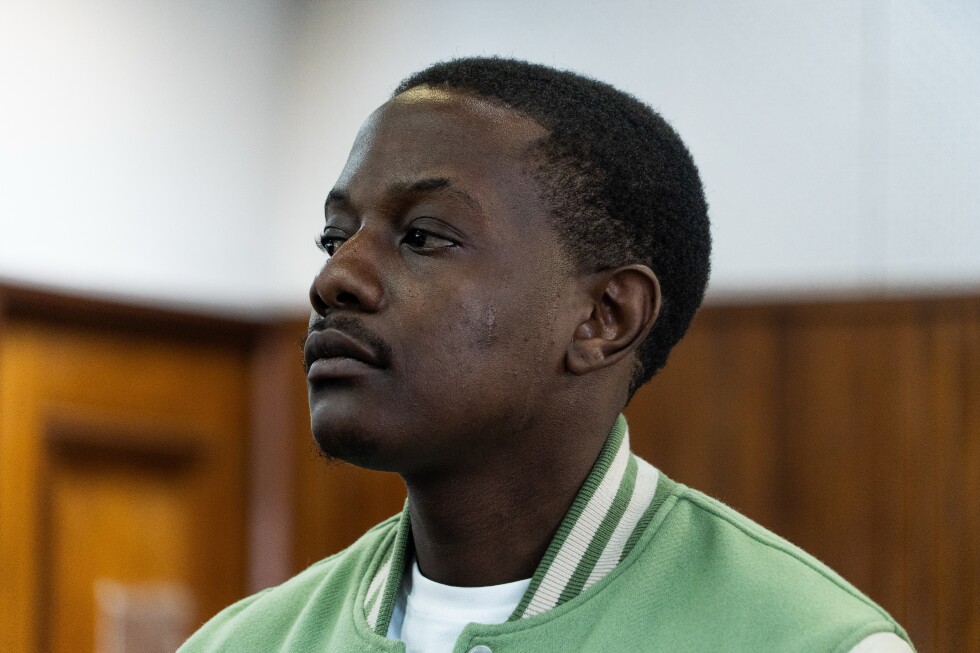
A son of late Zimbabwe leader Mugabe is ordered deported from South Africa
JOHANNESBURG – In a landmark ruling handed down Wednesday, a South African magistrate has ordered the immediate deportation of Bellarmine Mugabe, the youngest son of Zimbabwe’s former longtime autocratic ruler Robert Mugabe, after the 29-year-old entered guilty pleas to two criminal charges earlier this month.
Magistrate Renier Boshoff ruled that law enforcement officials must transport Bellarmine Mugabe directly to Johannesburg’s OR Tambo International Airport for expulsion back to his native Zimbabwe. The conviction stems from an arrest in February, when Mugabe and his cousin, Tobias Matonhodze, were taken into custody following a shooting incident at Mugabe’s Johannesburg residence that left a domestic employee injured. Initially, both men faced far more severe attempted murder charges connected to the shooting, but investigators have never recovered the weapon used in the attack.
As part of a plea deal with South African prosecutors, Bellarmine Mugabe pleaded guilty to two reduced charges that are not linked to the shooting: illegally residing in South Africa without valid immigration status, and brandishing an item designed to convince others it was a functional firearm. As part of his sentencing, Mugabe was given the option to pay a fine of roughly $36,000 or serve a two-year prison term, with the deportation order taking effect regardless of his fine payment.
In contrast, Matonhodze pleaded guilty to the full attempted murder charge and additional related offenses, receiving a three-year prison sentence. The magistrate ruled that Matonhodze will also be deported to Zimbabwe once he completes his custodial sentence. Addressing Bellarmine Mugabe directly during the hearing, Boshoff acknowledged the unusual nature of the plea arrangement, noting, “I do not know whether the second accused took the rap for you. Number two pleaded guilty on all these counts… and I can only act on what is before me.”
Bellarmine Mugabe is the youngest child of Robert Mugabe and his second wife, Grace Mugabe. Robert Mugabe, who ruled Zimbabwe as an autocrat for 37 years, was ousted from power in a 2017 military coup and died two years later at the age of 95. This latest legal action is not the first time the Mugabe family has faced high-profile criminal scrutiny in South Africa. In 2017, when Grace Mugabe still held the position of Zimbabwe’s first lady, she was accused of assaulting a young model with an electrical cord at an upscale Johannesburg hotel, in front of her sons. Though a court initially ordered her to appear for trial, she was ultimately granted diplomatic immunity and avoided prosecution.