分类: world

  • France asks prosecutors to investigate Israel’s treatment of Gaza flotilla activists

    France asks prosecutors to investigate Israel’s treatment of Gaza flotilla activists

    PARIS – In a sharp escalation of diplomatic tension between Paris and Jerusalem over the treatment of Gaza-bound activists, the French government announced Friday it has formally referred the case of alleged violent abuse of French nationals to national prosecutors, clearing the way for potential criminal proceedings against Israeli actors connected to the incident.

    The move comes two weeks after France enacted an indefinite entry ban on Itamar Ben-Gvir, Israel’s far-right national security minister, labeling his public taunting of detained flotilla activists as “unspeakable” and unacceptable. The confrontation traces back to this month’s interception of the Global Sumud Flotilla, a 50-vessel humanitarian convoy attempting to break Israel’s long-standing naval blockade of the Gaza Strip. Israeli forces intercepted the flotilla in international waters roughly 250 miles off Israel’s coast, detained hundreds of activists, and later deported most of the group to Turkey.

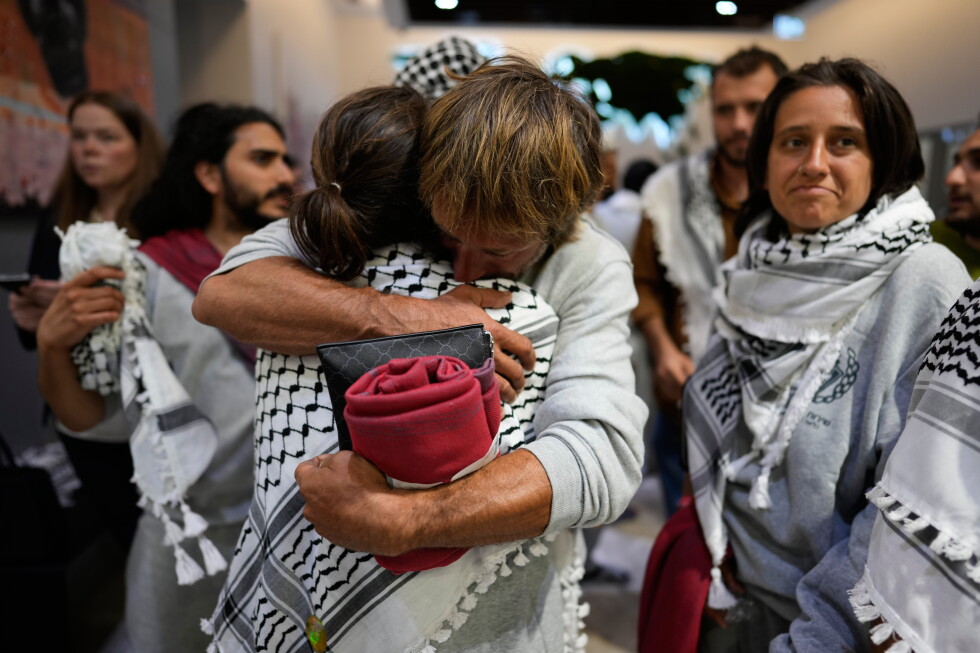
    Multiple activists from the convoy have leveled serious allegations against Israeli forces and officials, claiming they endured beatings, taser attacks, intimidation by attack dogs, and degrading treatment while in Israeli custody. Israel has repeatedly denied all claims of mistreatment. The situation sparked global public outrage after Ben-Gvir published a video of himself verbally harassing the detained activists, a step that drew immediate condemnation from the French government.

    In an interview with public radio outlet France Inter on Friday, French Foreign Minister Jean-Noël Barrot confirmed the formal referral to prosecutors, saying the decision followed a detailed report from French diplomatic staff based in Turkey. The report documented what Barrot described as severe abuses against French citizens: sexual violence, prolonged exposure to freezing temperatures, physical assault, and ongoing public humiliation. “All acts that could constitute criminal offenses,” Barrot noted.

    “I decided yesterday to refer the matter to the public prosecutor,” he said. “This case is now in the hands of the justice system.” Under French criminal procedure, prosecutors will first review the evidence presented to determine whether there is sufficient grounds to pursue formal criminal charges and move forward with an investigation.

    In a May 23 statement announcing the entry ban on Ben-Gvir, Barrot had already made clear France’s firm stance on the incident. “We cannot tolerate that French nationals can be threatened, intimidated or brutalized in this way — all the more so by a public official,” he said at the time. The latest decision to launch a criminal probe marks a further intensification of France’s criticism of Israel’s actions surrounding the flotilla interception.
  • Vance says progress made as US-Iran deal awaits Trump green light

    Vance says progress made as US-Iran deal awaits Trump green light

    Three months after a regional war upended daily life across the Middle East and sent shockwaves through the global economy, a potential breakthrough to extend the fragile existing ceasefire between the United States and Iran remains locked in limbo, awaiting final sign-off from President Donald Trump. Speaking to reporters Thursday, US Vice President JD Vance confirmed that negotiating teams have made significant headway on draft terms for the agreement, though final adjustments to key language are still ongoing. “It’s hard to say exactly when or if the President is going to sign the MOU,” Vance noted, adding “We’ve made a lot of progress here.”

    News of the emerging framework has already shifted global market sentiment: Asian stock markets rose on Friday as optimism grew around a deal, while global crude oil prices edged lower, a welcome shift after a week of extreme volatility driven by investor speculation over the outcome of talks. A core priority of the proposed agreement is the reopening of the Strait of Hormuz, one of the world’s most critical chokepoints for global energy trade. According to details reported by US media, the deal would mandate unrestricted, toll-free passage for commercial shipping through the strait, require Iran to clear existing mines from the waterway within a 30-day window, and see the US lift its ongoing naval blockade once commercial traffic resumes.

    However, Tehran has yet to publicly confirm any of the terms under discussion, and conflicting accounts have emerged from Iranian sources. Multiple Iranian media outlets have reported that any deal unilaterally announced by the Trump administration would not be recognized by Tehran. Tasnim News Agency, Iran’s semi-official state-aligned outlet, cited a source close to Iranian negotiation teams saying the draft text has not been finalized, and that key mediator Pakistan would be notified immediately once a final agreement is reached. Diplomatic efforts have drawn involvement from multiple regional players: Qatar’s role in talks has expanded in recent days, and the Gulf nation’s state news agency confirmed late Thursday that Trump had spoken with Qatar’s ruler to discuss the latest updates on peace efforts. Doha hosted Iranian negotiating officials this week, as regional powers push for a durable resolution to the conflict that has shaken the region since fighting erupted three months ago. The current fragile bilateral ceasefire between the US and Iran has held officially since April 8, but repeated breaches have threatened to unravel the truce entirely.

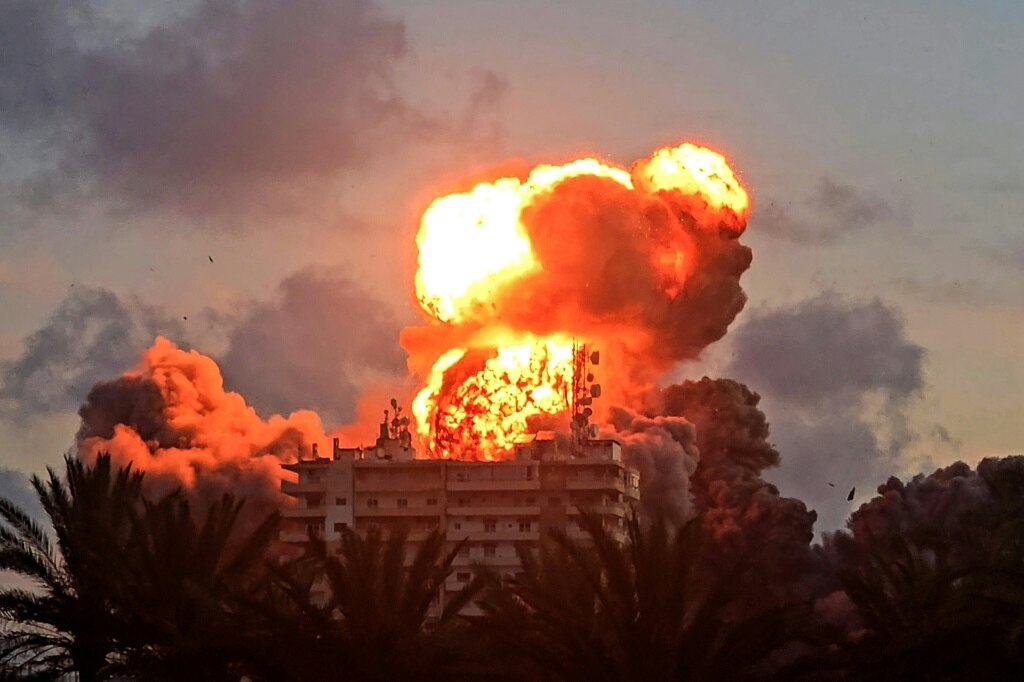
    Even as backroom diplomacy proceeds, both sides have traded accusations of ceasefire violations in recent days. This week, the US carried out airstrikes on the southern Iranian port of Bandar Abbas, prompting immediate retaliatory fire from Iranian forces. Iran’s state broadcaster IRIB, citing the Islamic Revolutionary Guard Corps (IRGC), confirmed that Tehran targeted the US airbase that served as the origin of the American strike. While the IRGC did not publicly name the location of the base, Kuwait — which hosts thousands of US troops on its territory — reported that its air defense systems activated to intercept incoming fire. Kuwait’s foreign ministry issued a sharp condemnation of what it called “the criminal Iranian attacks that targeted the territory of the State of Kuwait with missiles and drones, in a dangerous escalation.” US Central Command labeled the Iranian retaliation an “egregious ceasefire violation.”

    Further tensions persist in the Strait of Hormuz itself: IRIB reported Thursday that Iranian forces opened fire on four commercial ships attempting to transit the waterway without Tehran’s authorization, a step consistent with Iran’s total blockade of the strait implemented when the war began. US military officials confirmed their forces intercepted five Iranian attack drones in and around the strait, and disrupted a sixth drone launch attempt near Bandar Abbas. A senior US official told AFP that US military actions were “measured” and “intended to preserve the ceasefire,” but the IRGC has warned it will respond with force to any new American strikes. On Friday, Iranian state television reported that 24 commercial ships had transited the strait in the previous 24 hours under coordination with the IRGC and Iranian foreign ministry, but added a sharp warning that “ships from hostile countries face a severe response” from Iranian military forces.

    Beyond the direct US-Iran front, the conflict has spilled over into Lebanon, where a separate unimplemented ceasefire between Israel and Iran-backed Hezbollah continues to be violated on a daily basis. On Friday, Lebanon’s culture minister Ghassan Salame told AFP that Israeli forces had struck the historic medieval Beaufort Castle, a landmark overlooking the southern Lebanese city of Nabatieh. Salame added that bombings have already struck close to the ruins of Tyre, a UNESCO World Heritage Site, and warned that dozens of other cultural and heritage sites across southern Lebanon are in “serious danger.” Beaufort Castle, also known locally as Qalaat al-Chakif, was used as a military base by Israeli forces during their 22-year occupation of southern Lebanon that ended in 2000.

    The ceasefire between Israel and Hezbollah was scheduled to take effect on April 17, but it has never been enforced, with both sides launching repeated attacks and justifying their actions as responses to the other side’s breaches. Lebanon was drawn into the broader regional war in early March, when Hezbollah launched a large rocket attack on Israel in retaliation for the killing of Iran’s supreme leader in a joint US-Israeli strike, prompting full-scale Israeli airstrikes and a ground incursion into southern Lebanon. Thursday saw a sharp escalation of Israeli operations: Israeli forces carried out intensive deadly bombardment across southern Lebanon, and expanded their offensive with the first raid near the Lebanese capital Beirut in weeks. Local authorities confirmed that a woman and two children were killed in the raid, despite the nominal ceasefire.

  • NATO, EU outrage as drone hits Romania apartment block

    NATO, EU outrage as drone hits Romania apartment block

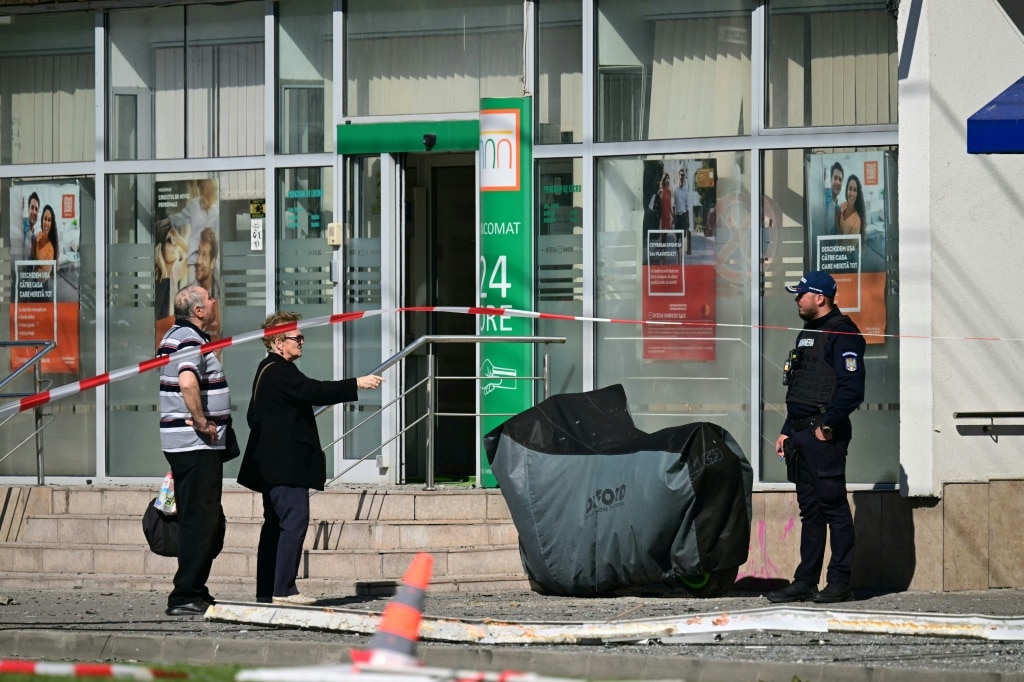
    In an unprecedented incident that has sent shockwaves across the transatlantic alliance, a drone crashed into a residential apartment building in the Romanian city of Galati early Friday morning, leaving two people injured and triggering fierce condemnation from both NATO and the European Union. The strike, the first time a residential structure outside Ukraine has been hit since Russia launched its full-scale invasion in 2022, marks what Romanian officials call a dangerous and irresponsible escalation by Moscow.

    According to official statements from Romania’s Ministry of National Defence, the incident unfolded overnight between May 28 and 29, amid a renewed wave of Russian drone attacks targeting civilian and critical infrastructure sites in Ukraine near the shared river border with Romania. “One of these drones entered Romanian airspace, was tracked by radar as far as the southern part of the city of Galati, and crashed onto the roof of an apartment building, with the impact triggering a fire,” the ministry confirmed. Local emergency services reported that a 14-year-old boy and a 53-year-old woman were hospitalized with injuries from the crash and subsequent blaze.

    While dozens of unauthorized drone incursions have been detected across Romanian airspace since the start of the Russian offensive, this event marks the first time a drone has struck a residential building in the NATO member state. Immediately after the intrusion was detected, two Romanian F-16 fighter jets were scrambled to respond, but military officials confirmed there was no opportunity to safely shoot down the unmanned aircraft before impact. General Gheorghe Maxim of Romania’s Joint Forces Command told reporters that only four minutes passed between detection and crash, leaving an extraordinarily narrow window for intervention. Romanian President Nicusor Dan echoed this assessment, noting that the decision to hold fire was made to avoid putting civilian lives at greater risk from a mid-air intercept.

    In the wake of the incident, Romanian officials have moved quickly to escalate their response. Bucharest summoned the Russian ambassador to Romania for an urgent meeting, and President Dan convened an emergency meeting of the country’s national defence council to address what officials described as “the most serious incident to have affected our national territory” since the 2022 invasion. The Romanian defence ministry reiterated its condemnation of the strike, confirming that the country has formally requested accelerated deliveries of dedicated anti-drone defence capabilities from allied partners.

    The incident has drawn widespread condemnation from European and transatlantic leaders. European Commission President Ursula von der Leyen said Russia’s “war of aggression” had “crossed yet another line”, and pledged to step up deterrence efforts along the European Union’s eastern flank. Senior officials from Germany, France, the United Kingdom and the United States all issued statements denouncing the strike, with US Ambassador to NATO Matthew Whitaker calling the incident a “reckless incursion” and reaffirming that Washington stands in full solidarity with its NATO ally. Maia Sandu, President of Moldova — a country sandwiched between Romania and Ukraine that has also faced repeated drone incursions and fallen debris on its territory — warned that Russia represents “a danger to all” in the region.

    NATO has echoed this condemnation, with alliance Secretary General Mark Rutte vowing “absolute solidarity” with Romania after a call with President Dan. “Russia’s reckless behaviour is a danger to us all,” Rutte wrote on social media. “I affirmed that NATO stands ready to defend every inch of Allied territory.” Supreme Allied Commander General Alexus Grynkewich, the top US military commander for the alliance, held a call with his Romanian counterpart to coordinate next steps, with NATO confirming that the two sides agreed to maintain close consultation throughout the ongoing investigation and consideration of additional defensive measures.

    The incident comes as NATO member states bordering Ukraine and Russia — including Romania, Latvia, Estonia and Poland — face growing risk of cross-border drone incursions from the ongoing war. Just days earlier, Latvia formed a new government two weeks after the previous administration collapsed over a political dispute rooted in stray Ukrainian drone incursions that exposed gaps in the Baltic state’s air defences.

    As of Friday afternoon, multiple alliance sources confirmed there is still no indication whether Romania will request emergency consultations under NATO’s Article Four, the provision that allows member states to request discussions when they believe their territorial integrity, political independence or security is under threat. A request for Article Four consultations would still fall well short of triggering the alliance’s Article Five mutual defence clause, which has only been invoked once in NATO’s 75-year history, following the September 11, 2001 terrorist attacks on the United States. Since the start of Russia’s full-scale invasion of Ukraine, Article Four consultations have been called three times: immediately after the 2022 invasion, by Poland following a Russian drone incursion, and by Estonia after a Russian fighter jet violated its airspace.

  • WHO chief in capital of Ebola-hit DR Congo

    WHO chief in capital of Ebola-hit DR Congo

    Two weeks after Democratic Republic of Congo (DRC) declared its 17th Ebola outbreak, World Health Organization (WHO) Director-General Tedros Adhanom Ghebreyesus arrived in the Congolese capital Kinshasa late Thursday to coordinate international response efforts to the fast-spreading epidemic. Tedros was scheduled to meet with senior Congolese government officials on Friday, before traveling a day later than planned to the conflict-torn northeastern province of Ituri, the epicenter of the current outbreak.

    The scale of the crisis already far exceeds initial reports. According to the Africa Centres for Disease Control and Prevention (Africa CDC), at least 1,077 suspected cases have been recorded across affected regions since the outbreak was officially announced on May 15, with 246 confirmed deaths to date. The WHO has warned that the true caseload is almost certainly much higher, as the virus began spreading silently before being detected, and the DRC’s severely underfunded health system lacks the laboratory capacity to test and confirm every suspected case quickly enough to slow transmission.

    Health workers have faced steep challenges in containing the outbreak, which has already spread beyond Ituri to two additional DRC provinces and crossed the border into neighboring Uganda, where seven confirmed cases and one fatality have been reported. The crisis is compounded by decades of systemic instability in eastern DRC, a mineral-rich region plagued by persistent violence from dozens of armed factions. Ituri, where the outbreak is centered, remains largely out of government control, with limited access for health teams due to attacks from the Islamic State-affiliated Allied Democratic Forces (ADF) and other local militant groups that regularly target civilian populations.

    Ituri shares borders with North Kivu and South Kivu, two other violence-wracked provinces that have also recorded Ebola cases in the current outbreak. Large swathes of both Kivu provinces are controlled by the Rwanda-backed M23 rebel group, which resumed its insurgency in late 2021 and escalated attacks in early 2023. The ongoing conflict has forced more than a million people in Ituri alone to flee their homes, with hundreds of thousands packed into overcrowded displacement camps on the outskirts of major towns like Bunia. Displaced residents live in extremely cramped conditions with almost no access to clean water or basic sanitation, creating a perfect environment for Ebola to spread rapidly.

    At the Kingonze displacement camp outside Bunia, residents described the terrifying risk of an outbreak sweeping through the camp. “If Ebola comes, we’ll be wiped out as we’re packed like sardines,” said local resident Dorcas Mapenzi. Deborah Nzale, a widow who shares a 32-square-foot tarpaulin shelter with nine family members, added: “We sleep piled on top of each other, with everyone’s sweat. If a single person gets infected here in this camp, everyone will die.”

    Complicating response efforts further, the current outbreak is caused by the Bundibugyo strain of Ebola, for which no widely approved vaccine or targeted treatment currently exists. However, there are glimmers of hope on the horizon: Africa CDC head Jean Kaseya announced Thursday that a targeted vaccine could be available for deployment by the end of 2025. The WHO also confirmed Thursday that its expert advisory groups have approved the launch of clinical trials for existing vaccine and treatment candidates that may prove effective against the Bundibugyo strain.

    In response to the outbreak, neighboring Uganda and Rwanda have already closed their shared borders with the DRC. United States Secretary of State Marco Rubio also reaffirmed this week that the U.S. is implementing rigorous screening measures to prevent Ebola from reaching American soil. Speaking to reporters after his arrival in Kinshasa, Tedros struck a determined tone, telling the Congolese people in an earlier post on X that they are not facing this crisis alone: “That thing can be stopped,” he said.

    Ebola is a highly contagious haemorrhagic fever that spreads through close contact with infected people or their bodily fluids. Over the past 50 years, the virus has killed more than 15,000 people across Africa. The deadliest Ebola outbreak in DRC’s history, recorded between 2018 and 2020, killed nearly 2,300 people out of more than 3,500 confirmed cases.

  • Eight students arrested in Kenya after suspected deadly school arson attack

    Eight students arrested in Kenya after suspected deadly school arson attack

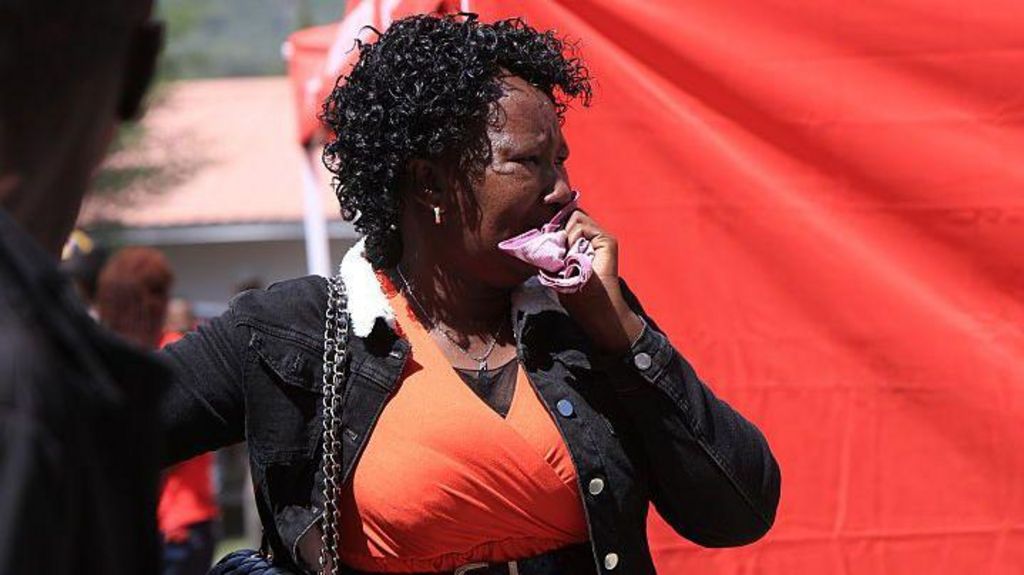
    A devastating early-morning fire at a Kenyan girls’ boarding school has left 16 pupils dead and dozens of families anxiously awaiting updates on injured loved ones, as law enforcement announced the arrest of eight current students suspected of orchestrating the suspected arson attack.

    The blaze broke out in the early hours of Thursday at Utumishi Girls Academy, located in Gilgil, roughly 120 kilometers northwest of Kenya’s capital Nairobi. The fire quickly spread through the dormitory, which housed 135 bunk beds and held hundreds of sleeping students, destroying the upper floor of the building. Initial conflicting reports on the fire’s starting location are still being clarified by investigators.

    In an official statement, Kenya’s National Police Service confirmed that after conducting interviews with surviving students and school staff, alongside a forensic analysis of campus closed-circuit television footage, the eight students were formally identified as persons of interest linked directly to the planning and execution of the fatal fire.

    Detectives traced the suspects, who were among 30 students initially summoned back to the campus for questioning, to their private residences across the country before taking them into custody. Students who had remained in the Gilgil area were also located and detained, with eight ultimately placed under formal arrest. Investigations remain ongoing to confirm the full sequence of events and the exact motive behind the attack.

    This tragedy is far from an isolated incident in Kenya, where boarding school fires have become a persistent, deadly public safety crisis. Just two years prior, a similar dormitory blaze in central Kenya killed at least 21 people. A long-running review of these incidents shows that many have been linked to arson, often attributed to disgruntled students protesting strict school discipline, poor living conditions, or institutional policies. Other fires have been ruled accidental, but systemic failures have repeatedly amplified death tolls across the country.

    Overcrowding in student dormitories, routine non-compliance with basic fire safety protocols — including blocked emergency exits and locked interior windows — have been cited as key contributing factors to the high number of casualties in nearly all major Kenyan school fire incidents. As this story develops, anxious families continue to gather at the school and local hospitals waiting for word on injured students who have begun returning for follow-up care and investigation interviews.

    This is a developing breaking news story, updated by the original reporting team at BBC Africa. Additional details will be released as the investigation progresses, and audiences can access ongoing updates via the BBC News App or by following BBC Africa and BBC Breaking on social media platforms.

  • Sudanese medical group accuses paramilitary force of killing 27 in attack targeting civilians

    Sudanese medical group accuses paramilitary force of killing 27 in attack targeting civilians

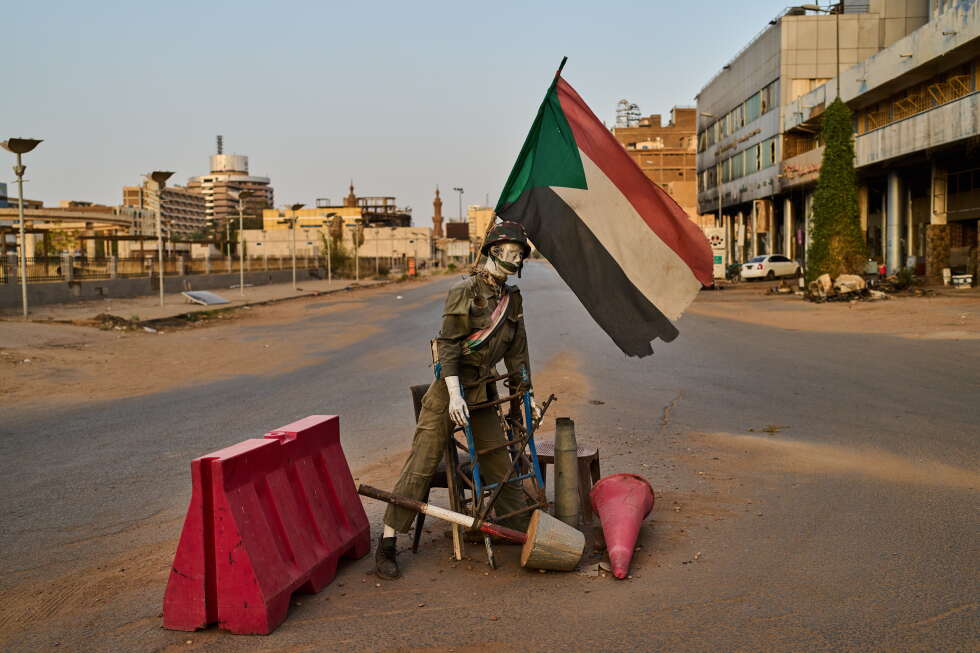
    CAIRO – A deadly attack on unarmed civilian communities in Sudan has drawn international condemnation after a local humanitarian monitoring group documented the deaths of 27 people, including multiple elderly residents, during one of Islam’s most sacred annual holidays. The Sudan Doctors Network, a non-partisan group that tracks violent incidents across the conflict-torn nation, issued a statement Friday blaming fighters aligned with the paramilitary Rapid Support Forces (RSF) for the Thursday assaults on multiple small villages in the al-Murrah region. This area sits west of Barah town in North Kordofan, one of the war’s most active frontlines, and has been free of any organized military presence from the opposing Sudanese Armed Forces (SAF).

    The attack unfolded on the second day of Eid al-Adha, the “Feast of Sacrifice” celebrated by more than 1.8 billion Muslims worldwide, marking a violent interruption to a holiday focused on peace, community, and ritual. The monitoring group emphasized that the deliberate targeting of undefended civilian villages and the mass killing of residents in this brutal manner represents a clear, unambiguous violation of international humanitarian law. It added that the assault has further exacerbated the catastrophic humanitarian conditions that millions of Sudanese civilians have already endured throughout the 15-month full-scale conflict between the SAF and RSF.

    Tensions between Sudan’s national army and the RSF, which built their power and influence during decades of former authoritarian rule, boiled over into open war in April 2023. What began as clashes in the capital Khartoum quickly spread across the country, with the Kordofan region emerging as one of the conflict’s central battlefields. Fighting across the area has intensified in recent months, with both sides deploying drone technology to strike targets deep behind enemy lines. The RSF and its allied militias currently control most of Sudan’s western Darfur region, as well as large swathes of Kordofan along the border with South Sudan – both resource-rich territories holding extensive untapped oil reserves and profitable gold mines. Control of Barah, a strategic population center in North Kordofan, has been a repeated point of bloody clashes between the two warring factions for months.

    This latest attack comes on the heels of a string of mass casualty incidents across Sudan that have underscored the growing risk to civilians caught in the crossfire. Earlier this month, violent clashes between fighters aligned with the rebel Sudan People’s Liberation Movement-North and the Otoro tribe in South Kordofan left more than 61 people dead, including nine children. Just one week prior, a drone strike on a crowded open-air market in central Sudan killed 28 civilians and wounded dozens more.

    To date, the ongoing Sudanese conflict has officially been linked to at least 59,000 confirmed deaths, a toll human rights organizations and aid groups warn is a drastic undercount. More than 13 million Sudanese have been displaced from their homes, with roughly half forced to flee across international borders, and large swathes of the country are already facing catastrophic famine conditions. United Nations data indicates that more than 30 million Sudanese – nearly two-thirds of the country’s total population – require urgent life-saving humanitarian assistance. Both the SAF and RSF have been repeatedly accused by the United Nations and independent global human rights groups of committing widespread war crimes and atrocities against civilian populations, including systematic ethnic cleansing, extrajudicial executions, and widespread sexual violence used as a weapon of war. Aid access to most active conflict zones across Sudan’s vast territory remains severely restricted, meaning the true human cost of the conflict will likely remain unknown for years.

  • Kenya court halts opening of US Ebola quarantine facility in the country

    Kenya court halts opening of US Ebola quarantine facility in the country

    A Kenyan High Court has issued an interim order blocking the United States from launching a dedicated Ebola quarantine and treatment facility for American citizens on Kenyan soil, a decision that comes after widespread public anger over fears of heightened cross-border infection risks to the East African nation.

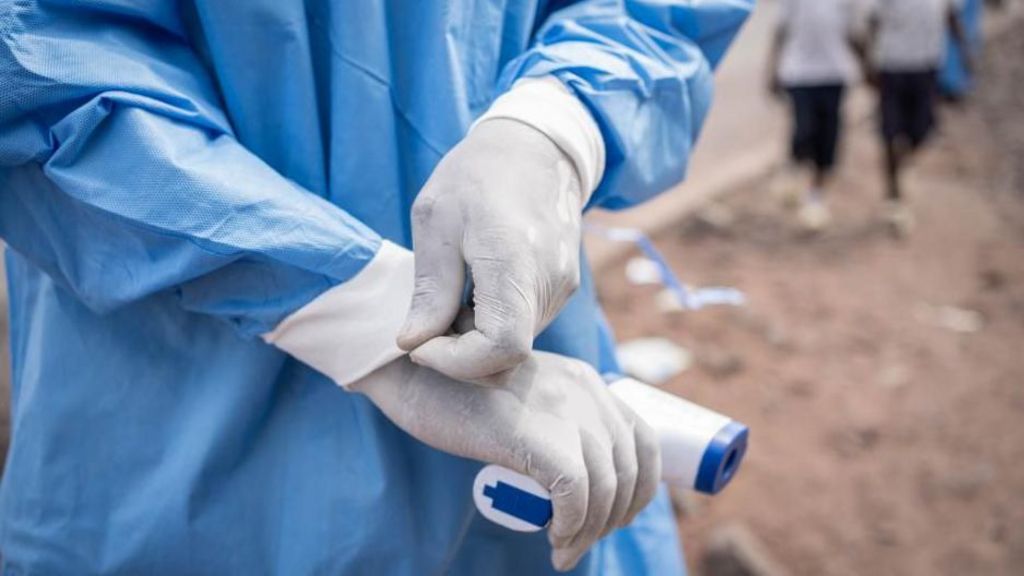
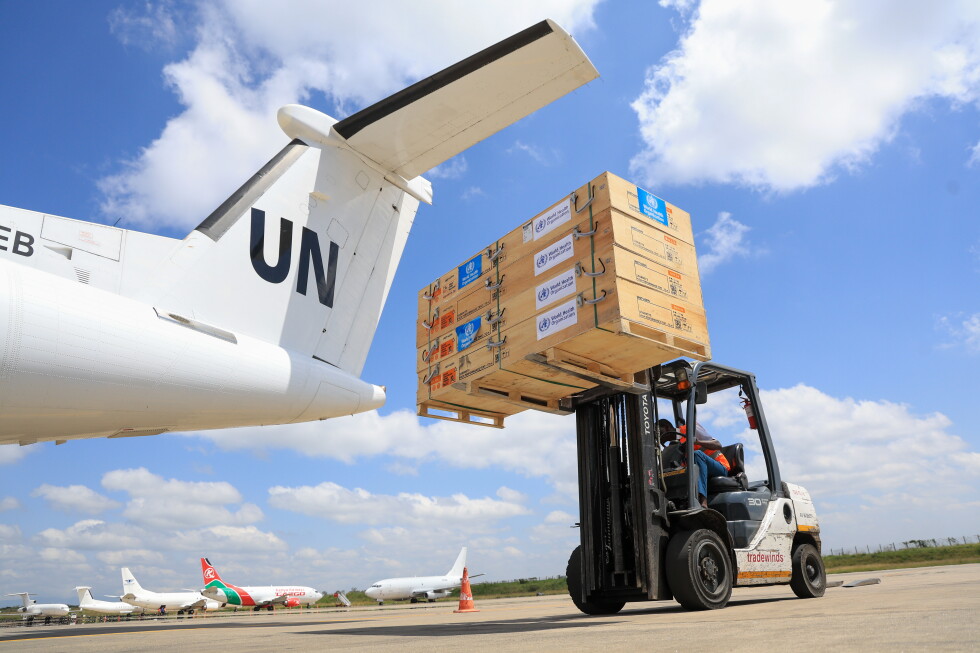
    According to a senior unnamed U.S. official, the 50-bed isolation center — whose exact location has never been made public — was set to be staffed entirely by U.S. medical personnel and scheduled to begin accepting patients as early as Friday. The facility was designed to treat and quarantine U.S. citizens who may have been exposed to the ongoing Ebola outbreak centered in the eastern Democratic Republic of Congo, which has also recorded a small number of cases in neighboring Uganda. The official confirmed that an initial team of trained medical staff, fully prepared in proper personal protective equipment use and evidence-based quarantine protocols, had already deployed ahead of the facility’s launch.

    “We’re going to be ready to take care of our citizens as needed,” the official said, noting that Kenya was chosen for its geographic proximity to the outbreak zone, which would allow for timely medical care for exposed Americans.

    The legal challenge that led to the court ruling was brought by the Katiba Institute, a Kenyan human rights organization, which argued in its petition that the unregulated arrangement posed “grave and imminent risks” to Kenya’s public health. Justice Patricia Nyaundi, the presiding High Court judge, ruled that all activities related to establishing, operating or approving any Ebola quarantine, isolation or treatment facility run by a foreign government on Kenyan territory would be suspended until the full case can be heard. The order also bars Kenyan authorities from allowing any Ebola-exposed or infected individuals into the country under the proposed U.S. program.

    As of Friday, Kenya — East Africa’s largest economy — had not recorded any confirmed Ebola cases linked to the current outbreak. Congolese health authorities report the outbreak has already caused at least 220 deaths and more than 900 confirmed infections, while Uganda has recorded seven cases and one death.

    The court’s decision follows days of growing public outcry and fierce criticism from domestic medical groups, after reports of the U.S. plan emerged. Many Kenyans took to social media to express anxiety, questioning whether the country had sufficient biosecurity and containment infrastructure to safely manage potential Ebola cases. The Kenya Medical Practitioners, Pharmacists and Dentists Union (KMPDU), Kenya’s largest doctors’ union, has emerged as the most vocal opponent of the plan, accusing the Kenyan government of conducting secret “backdoor negotiations” with Washington and demanding the immediate public release of all bilateral agreements related to the proposal.

    The union has questioned why Kenya, which is not at the epicenter of the outbreak, was selected to host the facility, and has condemned the plan as a violation of Kenya’s national sovereignty. Echoing widespread claims that Washington refused to accept Ebola patients on U.S. soil, the union stated: “If it is too dangerous for America, it is too dangerous for Kenya.” KMPDU Secretary General Davji Bhimji Atellah said the union “will not sit back and watch Kenya be treated as a containment colony for a lethal pathogen that we did not generate.”

    The union also raised strong objections to plans to staff the facility exclusively with U.S. personnel rather than local Kenyan healthcare workers, warning that it would create a discriminatory “apartheid healthcare model” on Kenyan soil that would not be tolerated. The union issued a 48-hour ultimatum to the Kenyan government, demanding full disclosure of all negotiation details or face a nationwide strike by medical professionals. “Kenya is a sovereign republic, not a geopolitical isolation ward,” the union added.

    Kenyan President William Ruto has not directly addressed the controversy over the U.S. facility, but he addressed broader global health cooperation during a meeting with foreign diplomats in Nairobi on Thursday. “We agreed on the importance of cooperation and avoiding isolationism, recognising that public health threats do not respect borders and require coordinated regional and global action,” Ruto said, adding that “Kenya will continue to act transparently, responsibly, and decisively to protect lives while contributing to regional and global health security.”

    Shortly after Ruto’s meeting, a spokesperson for U.S. Secretary of State Marco Rubio confirmed that Rubio had spoken with Ruto by phone on Thursday. The spokesperson added that the U.S. plans to provide $13.5 million (£10.7 million) in aid to support Kenya’s domestic Ebola preparedness efforts, part of a larger $112 million U.S. commitment to regional outbreak response across Central and East Africa. The Kenyan government has not yet issued any direct official comment on the proposed facility itself.

  • Rescuers work to drain flooded Laos cave to free 5 villagers and search for 2 still missing

    Rescuers work to drain flooded Laos cave to free 5 villagers and search for 2 still missing

    Rescuers from more than half a dozen countries are working against rising floodwaters and a ticking clock to extract five villagers trapped deep in a rugged, flooded cave in northern Laos for more than a week, with unexpected overnight rain throwing a new obstacle into the complex operation.

    The incident unfolded around May 19 or 20, when a group of eight local foragers ventured into the remote cave system in Xaisomboun Province, roughly 120 kilometers north of Laos’ capital Vientiane. The villagers, who make their living foraging in the region’s thickly wooded, mountainous landscape, entered the cave after spotting unusually colored rock and sediment they suspected held valuable gold deposits. When sudden heavy rains flooded the cave’s entrance and narrow, twisting passages, seven of the group became trapped. One villager successfully escaped and alerted local authorities, triggering a large-scale multi-national rescue response.

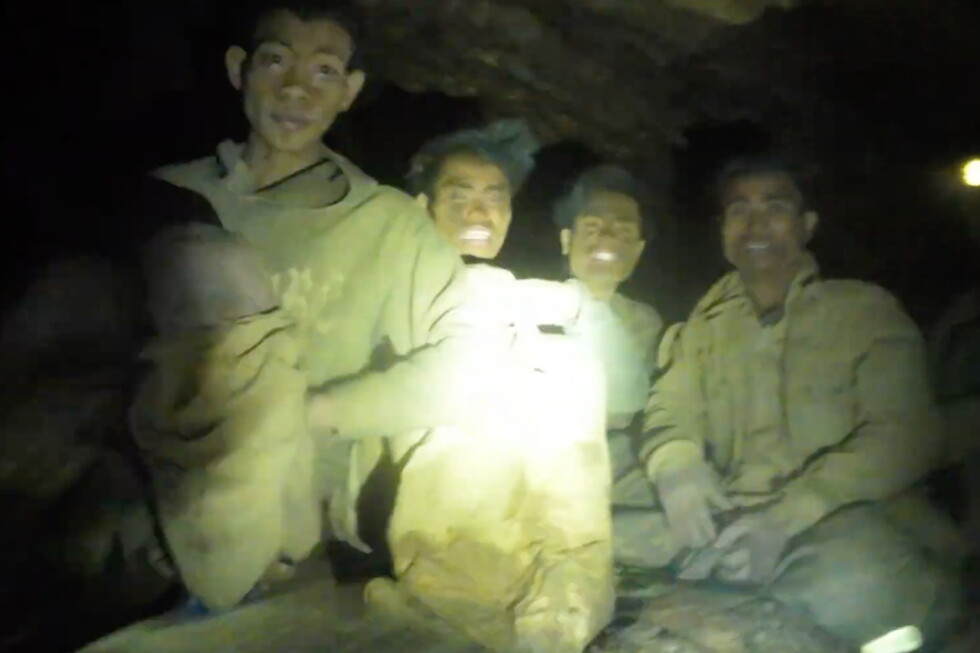
    After days of slow, perilous advance through the cave system’s jagged, waterlogged passageways, rescue teams made a breakthrough discovery on Wednesday: five of the trapped miners were alive, huddled on a small elevated rock surrounded by chest-deep floodwater, wearing working headlamps. The moment of contact was captured on camera by Thai cave diver Norrased Palasing, one of the lead rescuers on the mission. Footage shows the five men — identified only by their first names as Khamla, Mued, Ee, Ing, and Laen — breaking into tears of relief when rescuers emerged from the dark, flood-filled tunnel. Though alive and alert, the group was severely weakened by more than seven days of limited food and water, showing signs of dehydration and exhaustion. Divers have since delivered clean water and soft food to sustain them while extraction efforts proceed.

    In on-camera messages to their families, the trapped men urged loved ones not to fear for their safety. “Don’t worry mom, dad. I’m still strong, I’m still healthy. Tomorrow I will be home. I love you mom and dad,” Mued said in his recorded message.

    Search operations are still ongoing for two additional missing villagers who have not yet been located by rescue teams.

    The rescue mission has drawn international expertise, with experienced cave and flood divers traveling from across the Asia-Pacific and Europe to assist. Leading the effort are local Lao rescue teams alongside specialized rescue personnel from neighboring Thailand, including several divers who took part in the high-profile 2018 Tham Luang cave rescue that saved 12 young soccer players and their coach after 18 days trapped in a flooded northern Thai cave. A Malaysian diver has already joined the operation, with additional divers from Indonesia, Japan and France en route to the cave site as of Friday.

    Rescuers had laid out an ambitious extraction plan for Friday: deploying large pumps to drain excess floodwater from the cave’s inner passages to clear a safe route for the five trapped villagers to exit. That plan hit a major setback when a heavy overnight rainstorm dumped more water into the region. Local Longcheng district official Bounphong Khammanyvong explained that the cave’s entrance sits in a natural low-lying basin, meaning all rainwater from the surrounding hills drains directly into the cave system, quickly reflooding passages teams had begun to clear.

    The cave system’s natural geography — with its narrow, sharply twisting corridors, jagged rock walls and constantly shifting flood levels — has made the rescue operation one of exceptional danger and difficulty for diving teams, who must navigate zero-visibility water and tight gaps that require specialized training and equipment to traverse safely.

  • Kenya court suspends US plan for Ebola quarantine facility for Americans

    Kenya court suspends US plan for Ebola quarantine facility for Americans

    NAIROBI, Kenya — A landmark ruling from Kenya’s High Court on Friday has paused Washington’s controversial proposal to build a dedicated quarantine facility for U.S. citizens exposed to the rare Bundibugyo Ebola strain spreading in the Democratic Republic of the Congo, capping off days of fierce public pushback from local medical workers, legal groups and activists.

    The U.S. plan, first revealed by an anonymous administration official earlier this week, would route any American exposed to Ebola while working or traveling in the outbreak region to this new Kenyan facility, rather than repatriating them back to the United States for monitoring and care. Key details of the project remain undisclosed as of Friday: the proposed site for the facility within Kenya has not been released, and it remains unclear whether the Kenyan government had formally approved the plan prior to the court’s suspension.

    Top Kenyan officials have only acknowledged that preliminary talks with U.S. counterparts regarding Ebola preparedness support have taken place, declining to comment directly on the quarantine facility proposal. In a recent public statement, U.S. Secretary of State Marco Rubio confirmed that the U.S. government has committed $13.5 million in funding to boost Kenya’s domestic Ebola preparedness capacity.

    The High Court’s ruling puts all negotiations and procedural steps for the facility on hold until Tuesday, when the court will hear formal petitions challenging the project brought by two independent legal organizations: the Katiba Institute, a non-profit group dedicated to defending Kenya’s constitution, and the Kenya Law Society. The Kenya Law Society has called on the court to invalidate any existing agreements between the two nations for the project, arguing that the proposal poses severe unaddressed public health risks and was advanced without any meaningful public input.

    The group further argued that Kenya currently lacks the specialized high-containment infrastructure required to operate a safe Ebola quarantine facility, which would leave local communities exposed to catastrophic avoidable harm.

    Local medical professionals have joined the opposition in force. The Kenya Medical Practitioners, Pharmacists and Dentists Union issued a 48-hour strike notice on Thursday, warning that industrial action would begin immediately if the government moved forward with the deal. Union leaders condemned the plan, arguing that the U.S.’s refusal to accept exposed citizens on its own soil makes Kenya a dumping ground for high-biosecurity risks.

    “As the vanguard of Kenya’s healthcare system, we are utterly disgusted by the government’s apparent willingness to trade national biosecurity and the lives of its citizens for foreign aid,” union chairperson Davji Atellah said in a public statement.

    The pushback comes amid a growing, underreported public health crisis in northeastern Democratic Republic of the Congo, where frontline health workers have been struggling for months to contain an outbreak of the Bundibugyo virus, a rare member of the Ebola family that has no approved vaccine or specific treatment.

    Congolese authorities declared the outbreak on May 15, and have since recorded more than 1,000 suspected cases, with at least 220 confirmed deaths. But public health experts from the World Health Organization warn that the virus spread undetected for weeks before the outbreak was declared, meaning the actual number of infections and fatalities is far higher than official counts. The outbreak has already spilled across the border into neighboring Uganda, where seven confirmed cases and one death have been reported to date.

  • ‘If Ebola comes, we’ll be wiped out’: DR Congo conflict-displaced

    ‘If Ebola comes, we’ll be wiped out’: DR Congo conflict-displaced

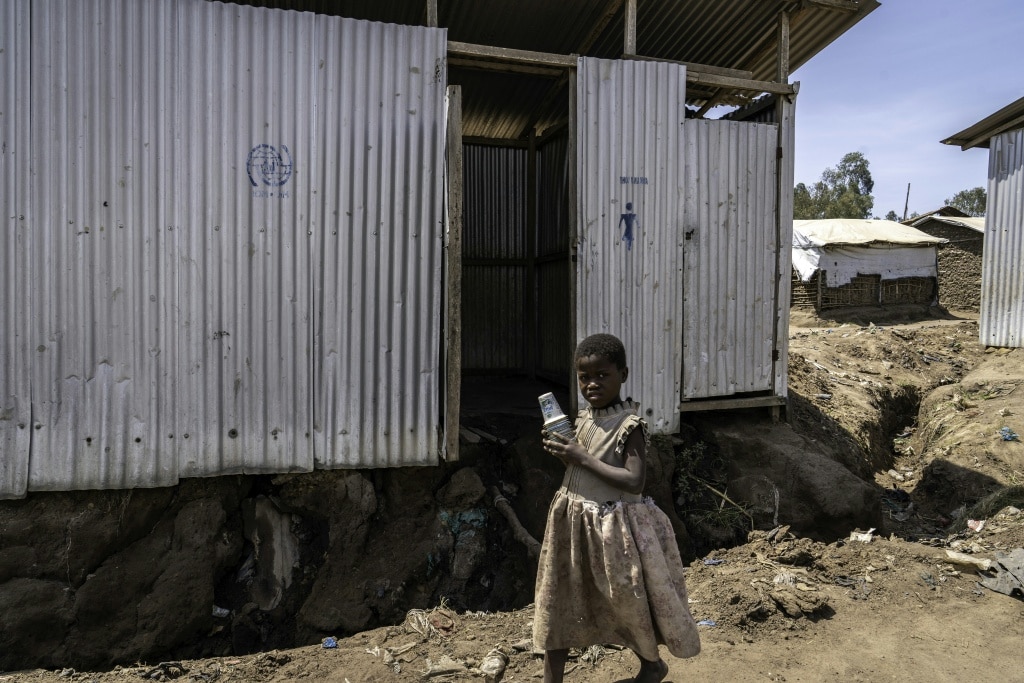
    In the dusty sprawl of Kingonze displaced persons camp on the outskirts of Bunia, the capital of northeastern DRC’s Ituri province, more than 25,000 people uprooted by years of brutal armed conflict live in cramped, makeshift tarpaulin shelters. For these displaced residents, the threat of an Ebola outbreak reaching their overcrowded home is not an abstract risk—it is a catastrophe that could wipe out the entire community.

    “If Ebola comes, we’ll be wiped out as we’re packed like sardines,” Dorcas Mapenzi, a displaced woman living in the camp, told AFP. Ituri is currently the epicenter of the latest Ebola outbreak spreading through eastern DRC, a region where decades of rebel violence and communal clashes have forced more than a million people from their homes across the province, most of whom now reside in crowded, under-resourced camps.

    The deadly Bundibugyo strain of Ebola, which spreads through close physical contact and bodily fluids, has already gained a foothold in the region. From the declaration of the outbreak on May 15 through May 24, the World Health Organization (WHO) has recorded 10 confirmed deaths and 223 suspected fatalities, out of a total of more than 1,000 confirmed and suspected cases across the country. Crucially, there is currently no approved vaccine or specific treatment for this particular strain of the virus, meaning containment efforts rely entirely on basic protective measures, social distancing and rapid contact tracing—measures that are all but impossible to implement in the camp’s current conditions.

    Kingonze camp has not yet recorded any Ebola cases, but every aspect of life here creates the perfect conditions for the virus to spread like wildfire. Widow Deborah Nzale shares a 3-square-meter tarpaulin shelter with nine family members, living and sleeping piled on top of one another in sweltering heat. “Given these conditions, how are we going to protect ourselves against this disease, when everyone tells us we need to distance ourselves to fight Ebola?” Nzale asked. “If a single person gets infected here in this camp, everyone will die.”

    Basic hygiene and sanitation infrastructure, critical to stopping Ebola’s spread, is virtually non-existent in Kingonze. Residents say their children play next to overflowing, filthy toilets and often defecate in open ground between shelters. The camp relies on just one single borehole for its entire population of 25,000, with water only flowing from the tap for a few hours each day. To date, no protective gear, hygiene kits or soap have been distributed to the camp’s residents, even after awareness teams have visited to warn about the virus’s dangers.

    “People looking to raise awareness come through here with messages but, surprisingly, we don’t have the kit we need to protect ourselves,” Budjo Amos, a displaced man who fled communal violence in the province, said. “I don’t even have soap to wash my hands. The most urgent thing is to give us clean water.”

    WHO Director-General Tedros Adhanom Ghebreyesus, who is scheduled to visit Bunia on Friday, has already warned that eastern DRC is facing a “catastrophic collision of disease and conflict.” Ongoing fighting in the region has severely hampered outbreak response efforts, and the Congolese government has faced widespread criticism for its delayed response—officials only declared the outbreak several weeks after the first cases were detected. Most hospitals across Ituri still lack critical equipment, particularly isolation units needed to quarantine infected patients and stop transmission.

    Across Ituri, there are roughly 61 displaced person camps housing a total of nearly 970,000 displaced people, meaning the risk of a catastrophic camp-wide outbreak is not limited to Kingonze. Ituri’s military governor Lieutenant General Johnny Luboya Nkashama acknowledged the urgency of the situation in comments to AFP Friday. “We need to deploy equipment and qualified, specialist medical staff as quickly as possible,” he said, “to spare this province from disaster.” As displaced residents wait for action, their fear grows that a single case could turn into a tragedy that kills thousands.