
An Indian national residing in Saudi Arabia tragically lost his life following a violent altercation over the purchase of illegal substances. The incident occurred in a mountainous area, as confirmed by the Saudi Ministry of Interior on Monday. Two Ethiopian nationals were apprehended by the Jeddah Province Police for breaching the Saudi Border Security Law. One of the suspects allegedly shot the Indian man during the dispute. Despite being rushed to a hospital and receiving medical attention, the victim succumbed to his injuries. Subsequent investigations uncovered that the two Ethiopian individuals were involved in the trafficking of prohibited substances and drugs. They have since been handed over to the Saudi Public Prosecution, where legal proceedings are underway. No additional details about the incident have been disclosed, and the Indian embassy in Saudi Arabia has yet to issue a statement.
分类: world
-
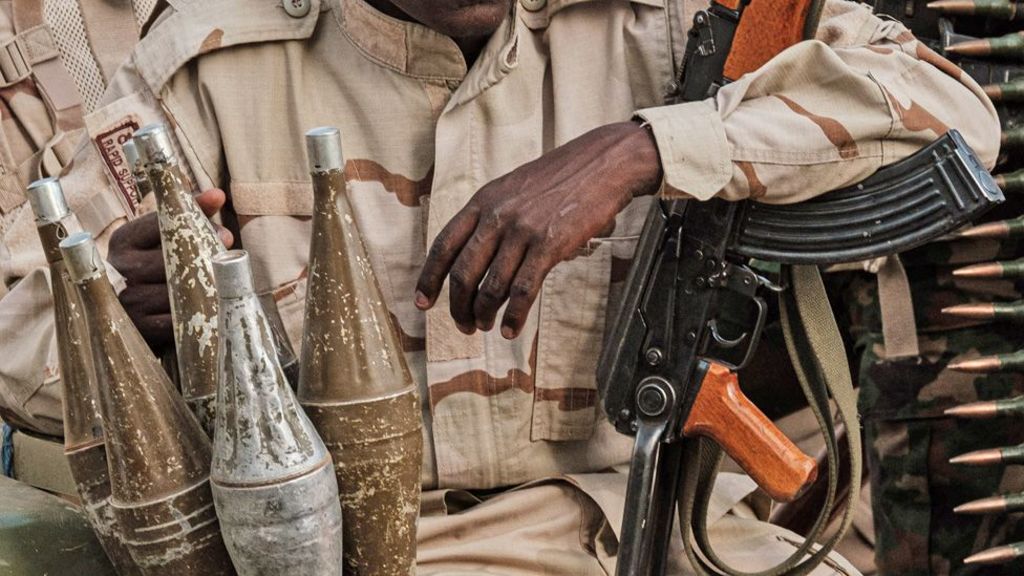
Drone strike hits funeral in Sudan, killing many mourners
A drone strike targeting a funeral in Sudan’s North Kordofan state has resulted in the deaths of at least 40 people, according to officials and activists. The attack occurred on Monday in al-Luweib village, located just 15 kilometers east of the army-held city of el-Obeid. Mourners had gathered in a tent when the strike was launched, with many victims reportedly dying before reaching hospitals in el-Obeid, a strategic city linking Khartoum to Darfur. The paramilitary Rapid Support Forces (RSF) has been blamed for the attack, though it has yet to issue a statement. This incident is part of a broader escalation of violence in the oil-rich Kordofan region, where fighting has intensified since the RSF captured Bara town last week, forcing around 20,000 people to flee to el-Obeid. The RSF has also been accused of mass atrocities, including killings, sexual violence, abductions, and looting in el-Fasher, the army’s last stronghold in Darfur. The International Criminal Court (ICC) has warned that these actions could constitute war crimes and crimes against humanity. Meanwhile, the UN has confirmed that el-Fasher residents are suffering from famine due to an 18-month siege by the RSF, with Kadugli in South Kordofan also facing catastrophic hunger levels. UN Secretary-General António Guterres has called for an immediate halt to the violence, describing the crisis as ‘spiralling out of control.’ Despite international efforts to broker a ceasefire, including proposals from the US, peace talks in Saudi Arabia and Bahrain have failed, with both sides showing reluctance to agree to a truce. The humanitarian crisis in Sudan continues to worsen, with over 150,000 deaths and 12 million displaced since the civil war began in April 2023.
-
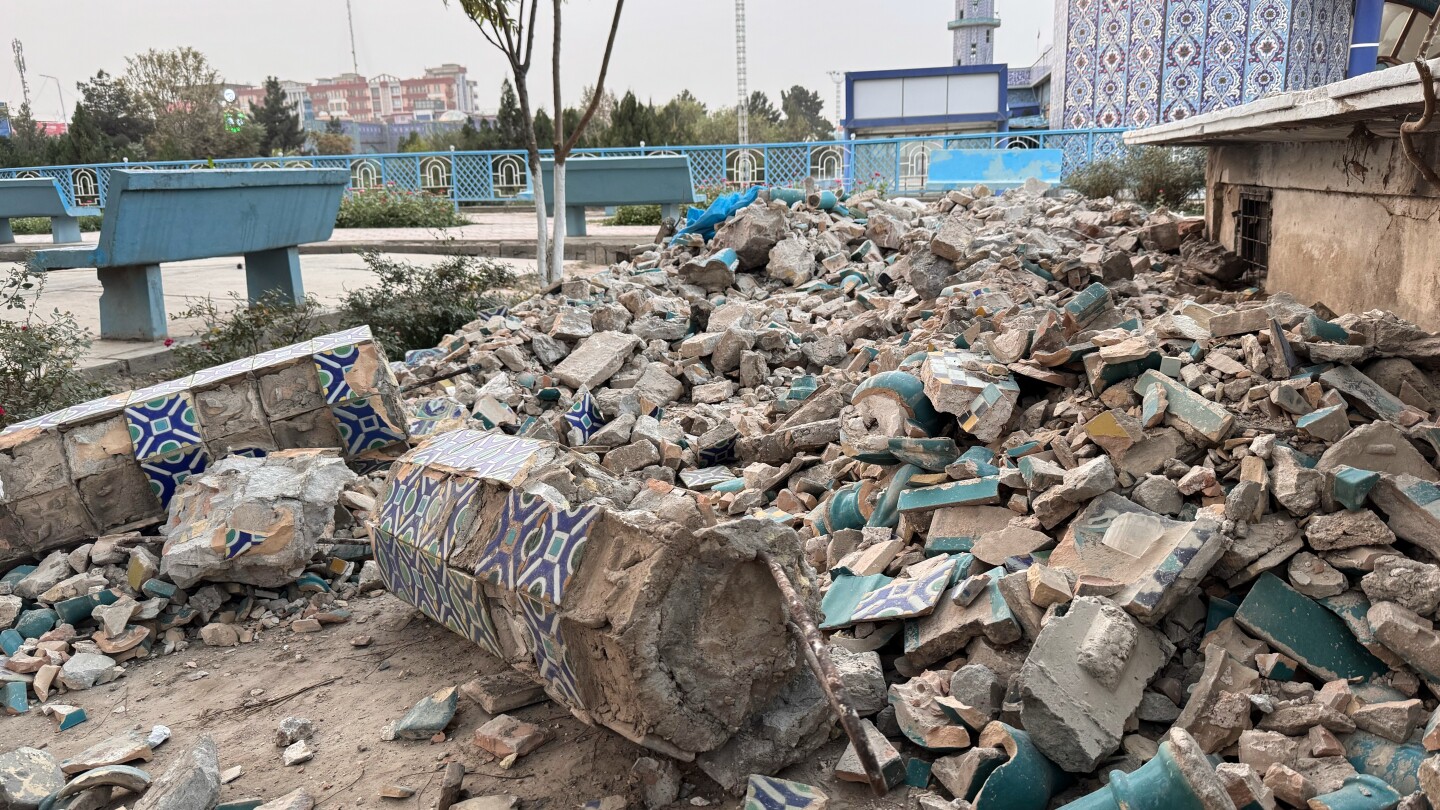
Afghanistan earthquake survivors spend the night in the open; the quake damaged historical sites
Northern Afghanistan is reeling from the aftermath of a catastrophic 6.3 magnitude earthquake that struck early Monday morning, claiming at least 21 lives and injuring over 800 people. The quake, centered 22 kilometers west-southwest of Khulm in Samangan province, has left survivors sifting through the ruins of their homes amidst freezing temperatures and the threat of impending rain. The disaster has also inflicted significant damage on historical landmarks, including the revered Blue Mosque in Mazar-e-Sharif and the Bagh-e-Jahan Nama Palace in Khulm. Authorities have reported that the Blue Mosque’s minaret suffered severe damage, with bricks and tiles dislodged from its walls, while the palace’s surrounding wall and a tower collapsed. Survivors, still shaken by aftershocks, spent the night in the open, enduring harsh weather conditions. Local resident Asadullah Samangani described the dire situation, noting that many homes were completely destroyed, leaving families without shelter or basic necessities. Emergency response teams, including health and rescue units, are working tirelessly to provide aid, though the region’s impoverished infrastructure complicates recovery efforts. This tragedy follows a deadly earthquake in eastern Afghanistan in August, which claimed over 2,200 lives, highlighting the country’s vulnerability to natural disasters.
-

China sentences infamous Myanmar scam mafia members to death
In a landmark ruling, a Chinese court has sentenced five top members of the notorious Bai family mafia to death, marking a significant step in Beijing’s ongoing campaign to dismantle scam operations in Southeast Asia. Among those sentenced were Bai Suocheng, the family patriarch, and his son Bai Yingcang. The Shenzhen Intermediate People’s Court also handed down severe penalties to Yang Liqiang, Hu Xiaojiang, and Chen Guangyi. In total, 21 members and associates of the Bai family were convicted of crimes including fraud, homicide, and injury. The Bai family, once a dominant force in the impoverished town of Laukkaing, Myanmar, transformed the region into a hub for casinos and cyberscam operations, amassing over 29 billion Chinese yuan ($4.1 billion) in illicit gains. Their criminal activities reportedly led to the deaths of six Chinese citizens, one suicide, and multiple injuries. The court’s decision is part of China’s broader effort to eradicate scam networks in Southeast Asia and serves as a stern warning to other criminal syndicates. The Bai family’s downfall began in 2023 when political shifts in Myanmar led to their arrest and extradition to China. Their rise to power in the 2000s was facilitated by Min Aung Hlaing, Myanmar’s current military leader, who sought to strengthen his allies in Laukkaing. The Bai family’s operations included 41 compounds housing cyberscam activities and casinos, where trafficked workers, many of them Chinese, were subjected to abuse and forced to participate in fraudulent schemes. The harsh sentences underscore China’s determination to protect its citizens and combat transnational crime.
-
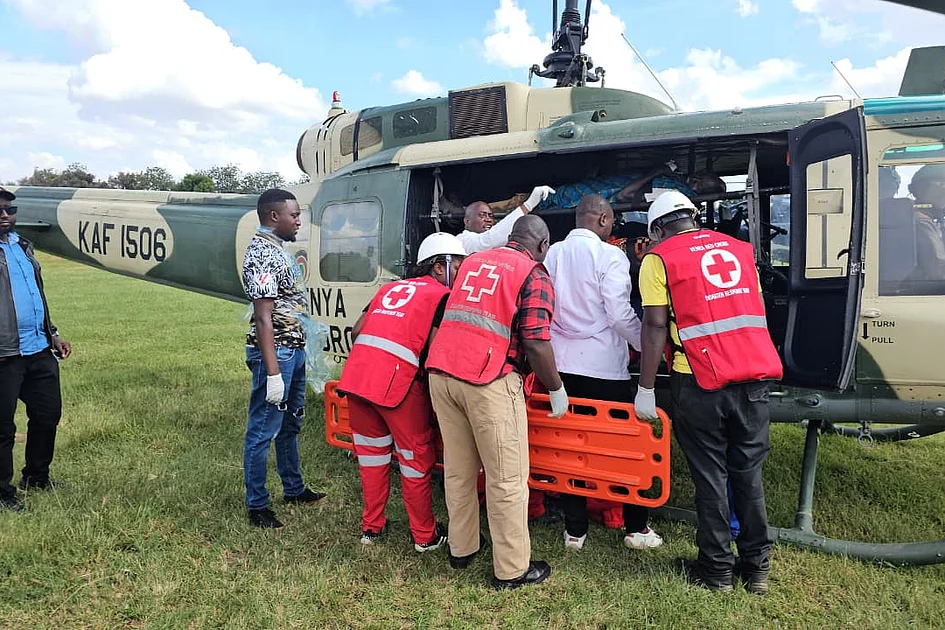
UAE offers condolences to Kenya as heavy rains, landslides kill many
The United Arab Emirates (UAE) has expressed profound sorrow and solidarity with Kenya following catastrophic landslides triggered by relentless heavy rains in the western region of the country. The UAE Ministry of Foreign Affairs issued an official statement conveying heartfelt condolences to the bereaved families, the Kenyan government, and its citizens, mourning the tragic loss of life. The disaster, which unfolded during Kenya’s rainy season, has claimed at least 21 lives, with over 30 individuals still missing, according to Interior Minister Kipchumba Murkomen. The landslide occurred overnight in Marakwet East, leaving a trail of destruction marked by massive mudslides and flash floods. Aerial images shared by the Kenyan Red Cross depict the extensive devastation, underscoring the severity of the natural calamity. The UAE’s gesture of sympathy highlights the strong diplomatic ties and humanitarian spirit between the two nations during this time of crisis.
-

European Union tries to forge new climate targets before the COP30 summit in Brazil starts next week
As the United Nations climate talks in Brazil approach, the European Union is intensifying efforts to establish cohesive climate objectives. On Tuesday, ministers from the 27-nation bloc convened in Brussels to align their nationally-determined emissions targets, aiming to present a unified front at the COP30 summit in Belém. Spanish climate minister Sara Aagesen emphasized the urgency, stating, ‘We need to show the world that we are leaders in climate change. Today’s the day.’
The EU’s longstanding leadership in climate action faces challenges from both domestic and international pressures. Recent extreme weather events, including wildfires, heat waves, and floods across Europe, have amplified calls for more robust climate measures. However, geopolitical tensions, such as Russia’s war in Ukraine and strained relations with the United States, have complicated efforts to maintain ambitious environmental policies.
Environmentalists have expressed concern over the European Commission’s recent weakening of a deforestation law, interpreting it as a potential shift away from green priorities. Despite this, European Commission President Ursula von der Leyen reaffirmed the EU’s commitment to climate leadership in September, pledging to achieve climate neutrality and reduce carbon emissions by 90% by 2040. She also linked climate investment to sovereignty and defense, arguing that a self-reliant Europe is better equipped to handle global threats.
Since the Paris Agreement in 2015, many EU governments have shifted to the right, with some viewing climate regulations as economic constraints. Others argue that Europe must lead in renewable energy production to avoid dependency on countries like China. EU climate commissioner Wopke Hoekstra stressed the need to balance climate action with industrial competitiveness and independence, noting, ‘It takes 27 to tango.’
The U.S. withdrawal from the Paris Agreement has further unsettled Europe, which had previously collaborated closely with the U.S. on climate initiatives. The Paris Agreement aims to limit global temperature rise to 1.5°C above pre-industrial levels, requiring significant reductions in greenhouse gas emissions. The EU’s commitments have spurred investments in renewable energy and electric vehicles, often in competition with Chinese firms.
Europe, the world’s fastest-warming continent, has experienced accelerated warming since the 1980s, leading to more extreme weather events. Swedish climate minister Romina Pourmokhtari underscored the importance of maintaining ambition, stating, ‘Today is about standing ground and not only talking the talk when it is easy, but also walking the walk when it becomes difficult.’ The COP30 summit is scheduled for November 10-21 in Brazil.
-
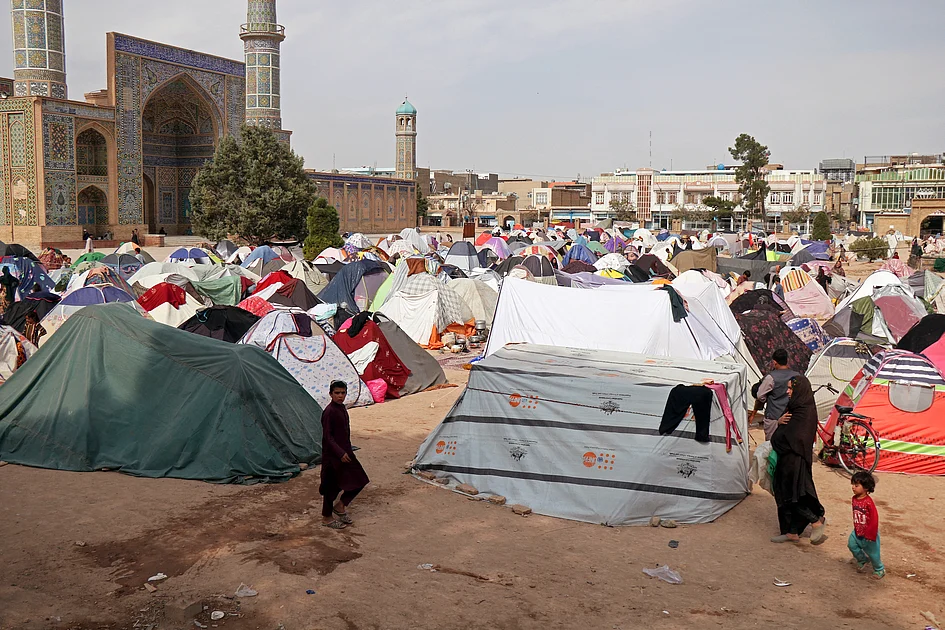
UAE expresses solidarity with Afghanistan after deadly Mazar-e Sharif quake
The United Arab Emirates (UAE) has extended its heartfelt solidarity to Afghanistan in the wake of a catastrophic 6.3-magnitude earthquake that struck near the northern city of Mazar-e Sharif on Monday. The tremor, which occurred at a depth of 28 kilometers (17.4 miles), has claimed at least 20 lives and left approximately 320 injured, with officials cautioning that the death toll may rise as rescue operations continue in the affected regions of Balkh and Samangan provinces. The UAE’s Ministry of Foreign Affairs (Mofa) issued a statement expressing profound condolences to the families of the victims and the Afghan people, while also wishing a swift recovery for those injured. The earthquake caused significant damage to the historic Blue Mosque, a revered site believed to be the burial place of the Prophet Mohammad’s cousin and son-in-law. Social media platforms circulated harrowing footage of emergency responders sifting through debris in search of survivors, though the authenticity of these videos remains unverified. The tragedy has underscored the urgent need for international support and disaster response efforts in Afghanistan.
-
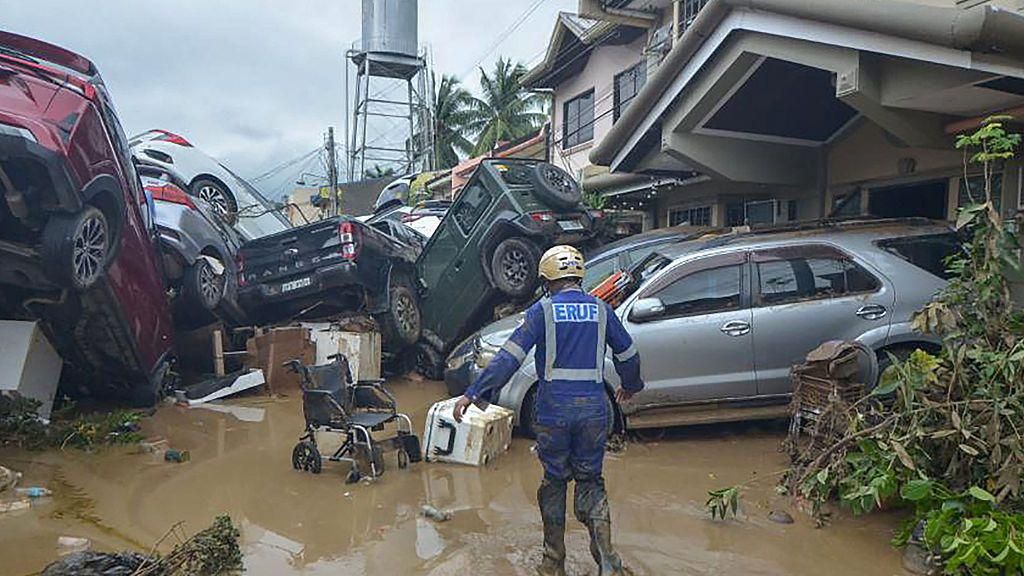
At least three dead as typhoon causes devastation in the Philippines
Typhoon Kalmaegi has wreaked havoc across the central Philippines, claiming at least three lives and displacing hundreds of thousands of residents. The storm, locally named Tino, brought catastrophic flooding to Cebu and other regions, submerging entire towns and sweeping cars and shipping containers through the streets. Videos captured the dire situation, with people seeking refuge on rooftops as floodwaters surged. A military helicopter deployed for relief operations crashed in northern Mindanao, though the fate of its crew remains uncertain. The Philippine Air Force has initiated search and rescue efforts. Despite weakening after landfall, the typhoon continues to unleash winds exceeding 80 mph (130 km/h). It is expected to move across the Visayas islands and into the South China Sea by Wednesday. Cebu’s provincial governor, Pamela Baricuatro, described the situation as unprecedented, emphasizing the deadly impact of floodwaters. Local resident Don del Rosario, 28, recounted the storm as the worst he has experienced in his lifetime. The disaster follows a series of severe weather events in the Philippines, including back-to-back typhoons in September and a devastating earthquake in late September. The country, which faces an average of 20 storms annually, has been grappling with inadequate flood control systems, sparking public outrage over corruption and mismanagement.
-
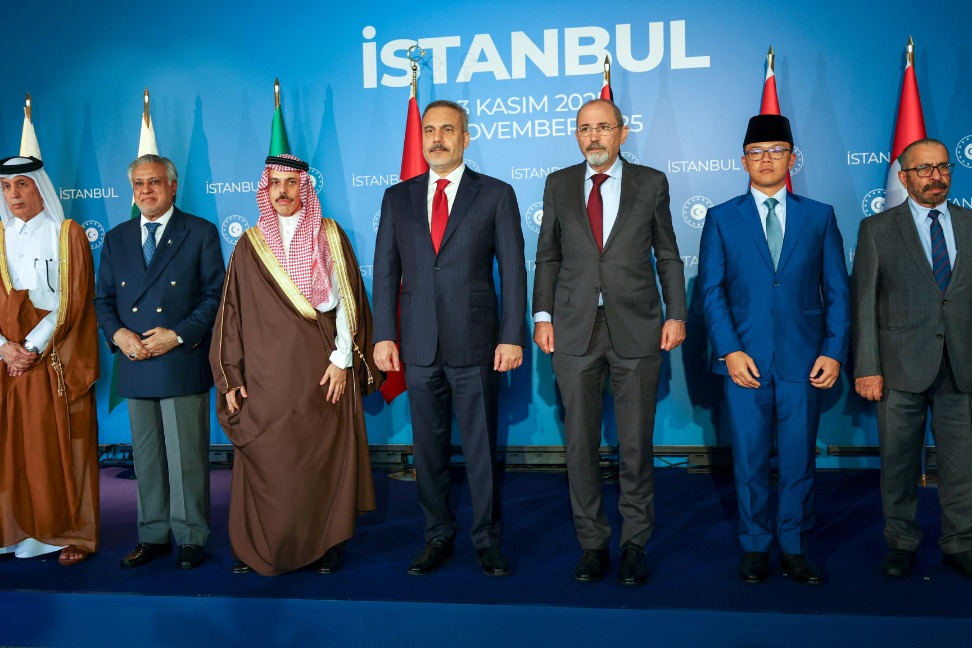
Foreign ministers from seven countries meet in Istanbul to discuss Gaza ceasefire
Foreign ministers from seven nations gathered in Istanbul on November 3, 2025, to deliberate on sustaining the Gaza ceasefire and outlining the future governance of the embattled enclave. The meeting, hosted by Turkish Foreign Minister Hakan Fidan, included representatives from the United Arab Emirates, Indonesia, Qatar, Pakistan, Saudi Arabia, and Jordan. Despite the ceasefire initiated on October 10, Israeli strikes have persisted, resulting in over 200 Palestinian casualties, according to Gaza’s health ministry. Fidan emphasized the collective agreement among the ministers to uphold the truce and prevent further violence, advocating for a two-state solution as the foundation for enduring peace. He criticized Israel for repeated truce violations and obstructing humanitarian aid, complicating enforcement efforts. Discussions on Gaza’s post-war governance remain ongoing, with Fidan stressing the necessity of a consensus-driven approach to avoid future structural issues. The ministers unanimously supported the principle that Palestine should be governed and secured by Palestinians. Earlier in the day, Turkish President Recep Tayyip Erdogan, addressing the Organization of Islamic Cooperation, accused Israel of violating the ceasefire while acknowledging Hamas’s adherence to the truce. Erdogan warned that the ongoing violence jeopardizes peace initiatives.
-

Ukrainian drones reach deep inside Russia as battle for key city rages on
In a bold escalation of its military strategy, Ukraine deployed long-range drones to strike an industrial facility approximately 1,300 kilometers (800 miles) inside Russian territory, according to local officials on Tuesday. The attack targeted a plant in Sterlitamak, located in Russia’s Bashkortostan region. Regional Governor Radiy Habirov confirmed that two drones were intercepted and shot down, with no casualties reported. The facility, whose specific purpose was not disclosed, continued normal operations. However, an explosion at the Sterlitamak Petrochemical Plant caused partial collapse of its water treatment facility, though the cause remains unclear. This plant, which produces rubber and aviation fuel, had not previously been targeted in such attacks.
Meanwhile, the conflict on the ground remains intense, with Ukrainian forces struggling to repel a Russian offensive in the strategically vital city of Pokrovsk in the eastern Donetsk region. This area has been a focal point of the war for over a year, with Russia recently intensifying its efforts and claiming incremental progress. The Institute for the Study of War, a Washington-based think tank, noted that Russian forces are advancing in the Pokrovsk direction and appear increasingly comfortable operating within the city itself.
Ukraine’s use of domestically produced drones to strike deep into Russian territory has disrupted Moscow’s war efforts, targeting manufacturing plants, oil refineries, and military logistics hubs. These strikes have reportedly caused embarrassment for Russian officials, who have been reluctant to disclose details of the damage. In addition to the Sterlitamak attack, explosions were reported in the Nizhny Novgorod region, home to an oil refinery and petrochemical plant, though officials did not confirm these incidents.
The Russian Defense Ministry claimed to have intercepted 85 Ukrainian drones overnight, while Ukraine reported that Russia launched seven missiles and 130 strike and decoy drones at Ukrainian targets, resulting in one death and 11 injuries, including two children. Romania’s Defense Ministry also reported that Russia carried out two attacks on Ukraine’s Danube port infrastructure near the NATO member’s border, prompting the deployment of fighter jets for air policing missions.