分类: world

  • Tourism was booming in Cyprus, then a drone hit

    Tourism was booming in Cyprus, then a drone hit

    Despite regional tensions following a March 1st drone strike on RAF Akrotiri, tourists in Cyprus are experiencing unprecedented access to the island’s amenities while enjoying exceptional hospitality from local businesses. The attack, which triggered initial flight cancellations and security concerns, has resulted in an unexpected silver lining for visitors who chose not to alter their travel plans.

    John Jones from North Wales exemplifies this phenomenon, relishing complimentary beers and unlimited lounger options at his resort near Ayia Napa. “They keep giving me free beer,” Jones remarked while enjoying the glistening pool area. “We knew about the drone strike, but it didn’t put us off at all.”

    The sentiment is echoed by Swiss tourists Alexandra and Jehiel, who redirected their vacation from Thailand to Cyprus despite family concerns. “Our families were most stressed about this,” Alexandra noted, adding that local assurances quickly alleviated their worries. Though nightlife options proved limited with only two bars operating in Ayia Napa, the couple appreciated the opportunity for undisturbed relaxation on nearly empty beaches.

    Cyprus’s tourism industry faces a critical challenge following its record-breaking 4.5 million visitors last year. Chryso Tsokkou, director of the island’s largest hotel chain Tsokkos Hotels and Resorts, acknowledged an initial wave of cancellations but reported stabilizing conditions. “It was not normal but it was expected,” Tsokkou explained regarding the immediate reaction. “Currently all hotels are open, and we’re seeing new bookings alongside rescheduled visits.”

    Philokypros Roussounides of Cyprus’ Chamber of Commerce emphasized the perceptual challenge: “The island is not directly affected by the conflict, but in tourism, perception can sometimes travel faster than geography.”

    British expat Victoria O’ffe expressed frustration with overseas perceptions, noting that daily life continues undisturbed. “If we didn’t have access to British television we wouldn’t know it’s happening,” she stated, lamenting that UK family members canceled their visit despite her assurances of safety.

    Security measures near RAF Akrotiri remain heightened with regular patrols, though evacuated villagers have been permitted to return home. The British authorities have yet to decide on returning military families to the base.

    With the main tourism season approaching in April, industry representatives emphasize that Cyprus remains open for business—offering visitors rare tranquility and generous hospitality amid regional uncertainties.

  • Inclusion of Russia in 2026 Venice Biennale art fair sparks outcry

    Inclusion of Russia in 2026 Venice Biennale art fair sparks outcry

    ROME — The Venice Biennale’s announcement of Russia’s participation in its 2026 contemporary art exhibition has triggered widespread international condemnation and diplomatic tensions. The controversy centers on the world’s most prestigious art fair’s decision to include Russia despite its ongoing war in Ukraine, prompting threats of funding withdrawal from the European Commission and formal protests from 22 European nations.

    Italy’s Culture Ministry finds itself navigating complex diplomatic waters as Culture Minister Alessandro Giuli attempts to manage the fallout. While expressing clear opposition to the Biennale’s decision, Giuli acknowledged the foundation’s operational independence from government control. The ministry has taken disciplinary action by dismissing its representative on the Biennale board, Tamara Gregoretti, for allegedly failing to disclose Russia’s planned participation and supporting its inclusion.

    Russia maintains a permanent pavilion in the Giardini exhibition grounds, granting it automatic participation rights under Biennale regulations. However, Moscow has been absent since the Ukraine invasion began in 2022, when Russian artists withdrew and the pavilion remained closed. The 2024 edition saw the space temporarily loaned to Bolivia.

    The 2026 Biennale, scheduled from May 9 to November 22, will feature 99 participating nations, including seven debut countries. Russia’s return, though not prominently highlighted by organizers, includes an exhibition titled ‘The Tree is Rooted in the Sky’ with approximately three dozen Russian artists.

    Biennale Foundation President Pietrangolo Buttafuoco defended the decision as an anti-censorship stance, announcing complementary exhibition spaces for ‘dissident’ art. He referenced last year’s Venice Film Festival premiere of ‘The Wizard of the Kremlin’—a critical portrayal of Vladimir Putin’s rise starring Jude Law—as evidence of the foundation’s commitment to artistic freedom.

    Despite these justifications, European commissioners Henna Virkkunen and Glenn Micallef issued a statement threatening to suspend the Biennale’s EU funding (approximately €2 million over three years) if Russia participates. Twenty-two European nations jointly expressed ‘profound concern’ that Russia could use the platform to ‘project an image of legitimacy and international acceptance’ despite ongoing warfare and cultural destruction in Ukraine.

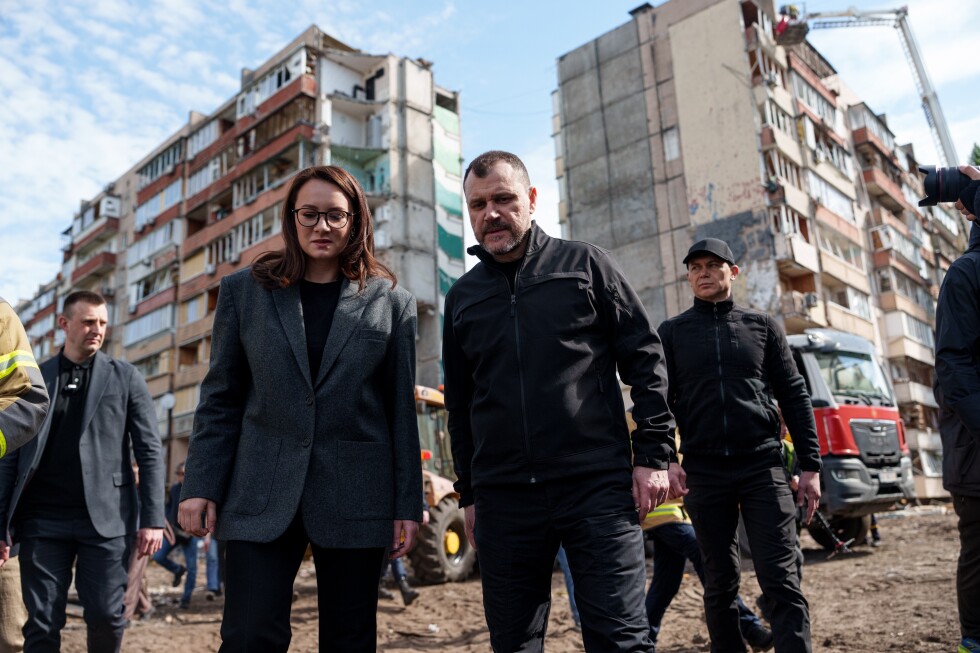
    Minister Giuli has launched an investigation into whether Russia’s participation violates EU sanctions and has consulted with Ukrainian Culture Minister Tetyana Berezhna, reaffirming Italy’s commitment to protecting Ukrainian cultural identity and supporting heritage reconstruction efforts.

  • Trial starts in case of explosives sent to UK and Poland

    Trial starts in case of explosives sent to UK and Poland

    A high-stakes terrorism trial commenced in Warsaw, Poland, involving five individuals—Ukrainian and Russian nationals—accused of orchestrating a sophisticated parcel bomb plot on behalf of Russian intelligence. The defendants, clad in bright orange prison uniforms and shackled at the wrists and ankles, appeared in a tightly secured courtroom where prosecutors detailed their alleged roles in a transnational sabotage operation.

    The plot, uncovered in the summer of 2024, involved concealing liquid explosives within innocuous-looking face cream tubes and embedding ignition mechanisms inside massage cushions. These devices evaded standard security protocols and were dispatched via international courier services like DHL and DPD. Three parcels ignited during transit, with one nearly being loaded onto a UK-bound cargo flight, potentially triggering an aerial catastrophe.

    Prosecutors asserted the operation was coordinated through Telegram by handlers based in Russia, aiming to intimidate civilians and destabilize European security. During the hearing, only one defendant—Ukrainian national Vladislav D.—addressed the court, denying affiliations with Russian intelligence or deliberate sabotage. He admitted to transferring four explosive-laden boxes in Vilnius, Lithuania, but claimed coercion due to threats against his family in Ukraine from a handler known as ‘Warrior.’

    Contradicting his courtroom statements, prior testimonies read aloud revealed Vladislav D. had detailed activating ignition devices before dispatching parcels. The trial is part of a broader crackdown on Russia-linked sabotage activities across Europe, with 22 suspects arrested across Poland and Lithuania. Alexander Suranovas, a key figure paid to mail parcels, previously told the BBC he was unaware of the explosives and had been recruited to send additional monthly packages.

    Parallel trials in Lithuania will begin next month, while the Warsaw proceedings adjourn until mid-April.

  • At least 1 killed as explosion rocks mass rally in Tehran

    At least 1 killed as explosion rocks mass rally in Tehran

    A mass rally in Tehran commemorating International Quds Day was struck by a deadly explosion on Friday, resulting in at least one fatality, according to Iran’s official news agency IRNA. The victim, identified as a woman, was killed during the annual march which expresses solidarity with Palestinians and condemns Israeli policies.

    In an official statement released on social media platform X, IRNA directly attributed the bombing to Israel and the United States, marking a significant escalation in rhetorical accusations. The explosion occurred amid heightened regional tensions and during one of Iran’s most politically charged annual observances.

    International Quds Day, established by Iran’s revolutionary government in 1979, typically draws large crowds across the country and serves as a platform for displaying military capabilities and expressing anti-Israeli sentiments. This year’s event took place against the backdrop of ongoing regional conflicts and strained international relations.

    Security forces immediately cordoned off the affected area while emergency services responded to the scene. Iranian authorities have launched a comprehensive investigation into the explosion, though specific details regarding the explosive device or delivery mechanism remain undisclosed.

    The incident has drawn international attention, with regional analysts monitoring potential repercussions across the Middle East. The explicit accusation against foreign nations represents a notable development in Iran’s narrative surrounding security threats to its domestic events.

  • Drone strikes and clashes in eastern Congo threaten region’s peace efforts

    Drone strikes and clashes in eastern Congo threaten region’s peace efforts

    The fragile ceasefire in conflict-ravaged eastern Democratic Republic of Congo faces imminent collapse as government forces and Rwanda-backed M23 rebels exchanged accusations of violations on Friday. Both parties alleged breaches of the peace agreement designed to terminate decades of persistent fighting in the mineral-rich region.

    The deteriorating situation casts serious doubt on both the ceasefire arrangement and a separate minerals access agreement between Congo and the United States, negotiated during the Trump administration. While former President Trump facilitated diplomatic efforts between Congo and Rwanda—considered an indirect yet pivotal actor in the conflict—and Qatar championed direct negotiations between the government and rebels, neither diplomatic channel has succeeded in halting hostilities.

    Tensions escalated dramatically on Tuesday when a drone strike in Goma, which M23 attributes to Congolese forces, killed a French United Nations staff member. This incident occurred less than four weeks after another aerial attack claimed the life of the rebel group’s spokesperson and wounded several others.

    Ongoing clashes between M23 fighters and Congolese military forces, occasionally supported by local Wazalendo militia groups, continue to displace thousands of civilians according to resident accounts. Lawrence Kanyuka, M23 spokesperson, maintained the group’s commitment to peace processes provided government forces cease attacks on their positions and stop targeting leadership and civilians.

    Congolese government spokesman Patrick Muyaya confirmed investigations into the fatal strike that killed the French aid worker while attributing ceasefire violations to rebel forces. Muyaya simultaneously reaffirmed the government’s dedication to honoring the ceasefire terms.

    The persistence of violence has exacerbated one of the planet’s most severe humanitarian emergencies, with over 7 million people displaced throughout eastern Congo. According to data from the U.S.-based Armed Conflict Location & Event Data project, approximately 60 drone strikes have been attributed to Congolese military forces in 2026, with rebels accounting for fewer than 5% of aerial attacks during the past year.

    Christian Rumu of Amnesty International observed that local populations perceive no tangible improvements from peace agreements, noting that heavy artillery continues to be deployed in densely populated areas, as demonstrated by the recent Goma attack.

  • Middle East war reverberates in Europe

    Middle East war reverberates in Europe

    Europe confronts escalating multidimensional challenges as the Middle East conflict expands, creating ripple effects across the continent. Recent US-Israel military operations against Iran have triggered widespread anti-war demonstrations across European capitals, with thousands protesting in London, Madrid, Paris, and Milan against the spreading warfare.

    The strategic Strait of Hormuz blockade by Iran in retaliation has severely disrupted global energy markets, with crude oil prices experiencing extreme volatility, reaching nearly $120 per barrel before fluctuating dramatically. European energy security faces immediate threats, with natural gas futures surging over 14% to three-year highs. The continent’s vulnerability to energy supply shocks has been exposed, particularly given its increased reliance on Gulf energy since reducing Russian fossil fuel imports.

    Transportation costs are skyrocketing across Europe, with jet fuel prices nearly doubling due to supply disruptions. Motorists face rapidly increasing fuel costs, with German petrol prices reaching their highest levels since May 2024. The economic impact extends beyond energy markets, threatening to exacerbate existing cost-of-living crises.

    European leaders demonstrate divergent responses to the crisis. Spanish Prime Minister Pedro Sanchez has taken a firm anti-war stance, denying US access to military bases despite facing trade embargo threats. Other leaders, including UK Prime Minister Keir Starmer and French President Emmanuel Macron, have characterized the US-Israel actions as unlawful while maintaining more cautious diplomatic positions.

    The conflict threatens to trigger a refugee crisis of unprecedented scale. The European Union Agency for Asylum warns that displacement of even 10% of Iran’s population would create the largest refugee flow in decades. European nations, already grappling with anti-immigration sentiment, express concern about overwhelmed asylum systems.

    European security and economic interests face direct threats, with thousands of European citizens currently in conflict zones requiring evacuation. Multiple EU countries have activated civil protection mechanisms, while France and Britain have deployed naval vessels to the region.

    The crisis exposes fundamental tensions in transatlantic relations, with European leaders expressing shock at not being consulted beforehand about US military actions. Analysts suggest the conflict may accelerate Europe’s push for strategic autonomy, though immediate responses remain cautious and measured.

  • Israel accused of attempting to ‘erase’ Palestinian Muslim identity

    Israel accused of attempting to ‘erase’ Palestinian Muslim identity

    A comprehensive investigation by the International Centre of Justice for Palestinians (ICJP) reveals an escalating pattern of religious persecution against Palestinian Muslims throughout occupied territories and Israel. The UK-based legal advocacy group’s report, scheduled for publication on Friday, documents what it describes as a coordinated campaign threatening the eradication of Palestinian religious and cultural identities.

    The findings indicate a significant deterioration in religious freedom conditions following the October 2023 Hamas-led attacks and Israel’s subsequent military operations in Gaza. The report highlights particularly severe restrictions during the current holy month of Ramadan, including multiple incidents of settler violence against places of worship, systematic limitations on access to Jerusalem’s Al-Aqsa Mosque complex, and the detention of over 100 Palestinians within the first week of the religious observance period.

    Legislative measures proposed by National Security Minister Itamar Ben Gvir seeking to ban the traditional Muslim call to prayer, alongside amendments to counter-terrorism laws that have resulted in Palestinians facing accusations of Hamas support for quoting Quranic verses, represent additional threats to religious expression according to the documentation.

    The ICJP analysis details extensive damage to Gaza’s religious infrastructure, with 1,160 of the territory’s 1,244 mosques reportedly destroyed or severely damaged since conflict initiation. These structures frequently served as civilian shelters, resulting in disproportionate casualties among women and children seeking protection from bombardments.

    The report further documents similar targeting of religious sites in the West Bank, referencing an October 2023 airstrike that substantially damaged Al-Ansar Mosque in Jenin. Israeli authorities stand accused of enabling settler attacks against Muslim places of worship through both action and inaction.

    Access restrictions to Al-Aqsa Mosque, one of Islam’s holiest sites, have violated the authority of the Islamic Waqf management body according to the findings. During Ramadan’s first Friday, only 2,000 worshippers received permission to traverse primary checkpoints between the West Bank and East Jerusalem.

    Recent security measures implemented after alleged Israeli-American operations against Iran resulted in complete closure of Jerusalem’s Old City holy sites, drawing condemnation from Muslim-majority nations who deemed these actions “illegal and unjustified.”

    Additional Ramadan restrictions included prohibitions on traditional lanterns, decorations, and the mesaharati practice of dawn drumming to signal pre-fast meals. The ICJP contrasts these limitations with permitted raucous celebrations for the Jewish festival of Purim elsewhere in Jerusalem, characterizing the differential treatment as religious apartheid.

    The report echoes United Nations bodies and human rights organizations in urging immediate cessation of attacks on cultural and religious sites, referencing the International Court of Justice’s advisory opinion calling for termination of Israel’s occupation of Palestinian territories.

    Dania Abu ElHaj, ICJP’s senior legal officer currently in Jerusalem, observed that many Palestinians face survival questions rather than spiritual reflection during Ramadan’s concluding days, describing occupied territories as functioning as “open-air prisons” under military control.

  • China-DPRK international passenger trains resume service

    China-DPRK international passenger trains resume service

    In a significant development for Northeast Asian connectivity, international passenger rail services between China and the Democratic People’s Republic of Korea (DPRK) officially resumed operations on Thursday, March 13, 2026. The restoration marks a pivotal moment in cross-border transportation following an extended period of suspension.

    The China State Railway Group confirmed the recommencement of two key routes: the Beijing-Pyongyang direct line and the Dandong-Pyongyang connection. These services are positioned to substantially enhance economic cooperation, facilitate trade activities, and promote cultural and personnel exchanges between the neighboring nations.

    Service frequency has been structured to accommodate varying travel needs. The Beijing-Pyongyang route operates bidirectional services every Monday, Wednesday, Thursday, and Saturday, while the Dandong-Pyongyang connection offers daily transit in both directions, providing greater flexibility for cross-border commuters.

    Multiple stations now serve international passengers, including Beijing Station, Tianjin Station, Shanhaiguan Station, Shenyang Station, and Dandong Station within China. On the DPRK side, Pyongyang Station and Sinuiju Station are operational for border crossings. Immigration formalities are processed at the designated border ports of Dandong and Sinuiju, streamlining the international travel experience.

    Railway authorities from both countries have implemented comprehensive safety protocols to ensure seamless operations. This includes rigorous inspections of locomotive and carriage equipment to maintain optimal mechanical conditions. Personnel have undergone specialized training programs to deliver high-quality service standards for international travelers.

    Tickets for these international routes are currently available at all participating railway stations. The relaunched service represents both a practical transportation solution and a symbolic ‘moving link’ strengthening bilateral relations, according to official statements from the Chinese railway administration.

  • Dubai financial hub hit by intercepted drone after Iran threatens banks

    Dubai financial hub hit by intercepted drone after Iran threatens banks

    Dubai’s prestigious International Finance Centre (DIFC) sustained damage on Friday when debris from an intercepted Iranian drone ignited a fire at the complex. Social media footage captured thick plumes of smoke rising from the iconic financial district, marking the latest escalation in regional tensions.

    The Dubai Media Office confirmed the incident resulted from defensive operations, stating: “Authorities confirm that debris from a successful interception caused a minor incident on the facade of a building in central Dubai. No injuries have been reported.”

    This attack follows Iran’s explicit threat to target “banks and economic centres” across the Gulf region in retaliation for recent US and Israeli strikes. Earlier this week, Iranian military spokesperson Khatam al-Anbiya warned regional populations to “not be within a one kilometre radius of the banks” following strikes on Bank Sepah in Tehran that killed several employees.

    Financial institutions responded with heightened security measures. Citigroup evacuated its Dubai offices in both the DIFC and Oud Metha neighborhoods due to security concerns. Professional services giants PwC and Deloitte implemented precautionary office closures across multiple Gulf states, including Saudi Arabia, Qatar, UAE, and Kuwait. HSBC suspended operations at all Qatar branches indefinitely.

    The broader conflict has inflicted significant damage across the UAE, with over 1,800 drones and missiles launched at the country since hostilities began two weeks ago. Notable structures including the Fairmont The Palm hotel and Burj Al Arab hotel have sustained damage, while drone incidents have occurred near Dubai International Airport. The conflict has claimed six lives in the UAE thus far, including nationals from Pakistan, Nepal and Bangladesh.

    Further compounding regional instability, Iran has closed the Strait of Hormuz, critically disrupting global energy markets by blocking transit for approximately 20% of worldwide oil output and one-third of global liquefied natural gas shipments.

  • Israeli defence minister threatens to take Lebanese territory and keep razing infrastructure

    Israeli defence minister threatens to take Lebanese territory and keep razing infrastructure

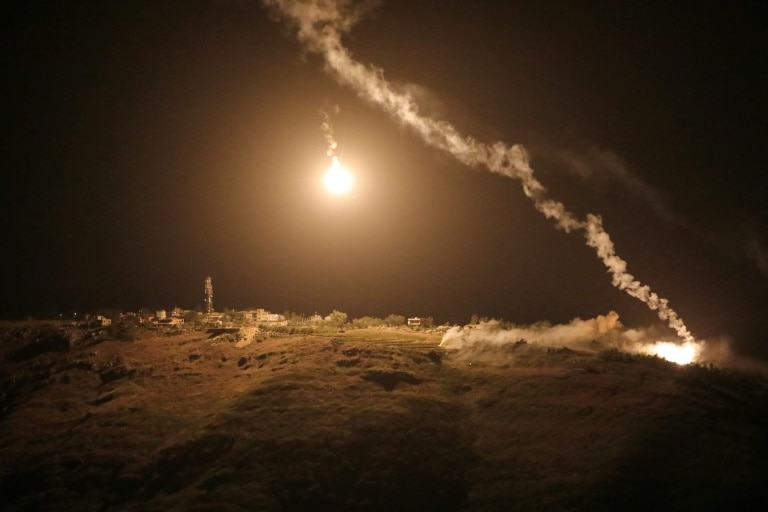
    Israeli Defense Minister Israel Katz has issued a stark warning to Lebanon, threatening to seize additional territory and systematically dismantle national infrastructure utilized by Hezbollah until the militant group is fully disarmed. Katz asserted that the Lebanese government had “deceptively failed to honor its commitment to disarm Hezbollah,” emphasizing that it would “consequently face escalating consequences until this obligation is met.”

    This declaration follows the Israeli military’s unprecedented admission on Friday that it targeted and struck the Zrarieh Bridge spanning the Litani River. Military officials described the structure as “a critical crossing point for Hezbollah operatives,” alleging it was used to “accumulate strength and prepare for combat operations.” No concrete evidence was provided to substantiate these claims. The military justified the action as “necessary to neutralize a threat to Israeli civilian populations.”

    This incident marks the first official acknowledgment by Israel of deliberately targeting civilian infrastructure during its current military campaign in Lebanon, raising significant concerns under international law. While the Geneva Conventions generally prohibit attacks on civilian infrastructure, exceptions exist for assets repurposed for military use. The Israeli Army has not disclosed the legal assessments conducted prior to the strike or reported on potential casualties.

    The offensive escalation includes a recent Israeli drone strike on a residential building in Beirut’s predominantly Christian Burj Hammoud district, signaling a potential expansion of target zones. This development occurred shortly after Katz directed the military to broaden its operational scope in Lebanon, cautioning President Michel Aoun that if the government could not curb Hezbollah’s activities, Israel would undertake the task unilaterally.

    The current phase of hostilities reignited on March 2nd following Hezbollah’s retaliatory strikes for the killing of a senior Iranian commander in US-Israeli operations. Israel’s subsequent aerial bombardment has resulted in over 700 fatalities and the displacement of hundreds of thousands of Lebanese civilians. Reports from Israeli media indicate that government authorization for this new wave of attacks was secured hours before Hezbollah launched its initial rockets, with sources suggesting the group pre-emptively acted upon intelligence of an imminent Israeli decision against them.