分类: world

  • UK base in Iraq hit by Iranian drones

    UK base in Iraq hit by Iranian drones

    A British military installation in Erbil, northern Iraq, was successfully targeted by Iranian drone assaults on Wednesday night, resulting in injuries to several American personnel stationed at the base. This incident represents the third successful offensive against British forces in the ongoing regional conflict that commenced nearly two weeks ago.

    According to defense officials, British air-defense units successfully intercepted and destroyed two unmanned aerial vehicles (UAVs), but multiple one-way attack drones penetrated defensive systems and struck the air base. The attack caused minor injuries to an undetermined number of US troops stationed at the facility.

    Brigadier Guy Foden, assistant chief of staff for operations at Permanent Joint Headquarters, confirmed the coordinated nature of the assault: “Erbil and Baghdad were both struck a number of times last night with increasing coordination. Our personnel in Erbil shot down two UAVs coming at the camp, but a number did impact on the camp.”

    This latest attack follows previous incidents targeting British interests in the region. On March 1, the same Erbil base was hit, with British personnel located within 400 meters of the impact site. The following day, a drone struck RAF Akrotiri, the UK’s air base in Cyprus, though Cypriot authorities reported no casualties and “minimal damage.”

    The escalating situation has sparked political controversy in Britain. Jeremy Corbyn, British MP and leader of Your Party, criticized Prime Minister Keir Starmer’s approach: “Keir Starmer has dragged Britain into yet another illegal war. In doing so, he has jeopardised the safety of us all. The government must end its complicity in this illegal war and rescind permission for the foreign use of British bases.”

    Tensions are further complicated by the United States’ utilization of British military installations. Numerous US B-1 Lancer bombers have recently operated from RAF Fairford in Gloucestershire to conduct strikes against Iranian missile sites. Three such bombers returned to the base on Thursday following a mission.

    Prime Minister Starmer has thus far resisted calls from opposition politicians for direct RAF participation in strikes against Iran, while simultaneously refusing to condemn US-Israeli military actions. Diplomatic relations with the United States have been strained due to Britain’s initial refusal to permit US utilization of the joint UK-US base on Diego Garcia for launching strikes against Iran.

    Starmer’s Sunday phone conversation with US President Donald Trump addressed “the latest situation in the Middle East and military cooperation between the UK and US through the use of RAF bases in support of the collective self-defence of partners in the region,” according to Downing Street. The discussion occurred despite Trump’s previous criticisms of Starmer, whom he characterized as “unhelpful” and “no Winston Churchill,” while accusing the British leader of seeking to “join wars after we’ve already won.”

    This remains a developing situation with potential implications for regional stability and international relations.

  • Oil tanker ‘armada’ moves to Red Sea with closure of Strait of Hormuz

    Oil tanker ‘armada’ moves to Red Sea with closure of Strait of Hormuz

    A significant redirection of global oil transport is underway as a fleet of up to 30 large crude carriers converges on Saudi Arabia’s Red Sea port of Yanbu. This massive logistical shift comes in response to Iran’s effective closure of the Strait of Hormuz, a critical chokepoint for Gulf energy exports that typically handles approximately 22 million barrels of oil and refined products daily.

    The strategic East-West Pipeline, stretching 1,200 kilometers from Saudi Arabia’s Abqaiq oil field to Yanbu, has emerged as the primary alternative route for Gulf oil exports. Saudi Aramco CEO Amin Nasser confirmed the kingdom has substantially increased crude flows through this pipeline infrastructure. According to International Energy Agency data, exports through Saudi western ports surged to 5.9 million barrels per day by March 9th—a dramatic increase from the 1.7 million barrels per day recorded in 2025.

    This emergency rerouting follows escalating tensions in the region, including attacks on at least six vessels in the Gulf this week, with two fuel tankers set ablaze in Iraqi waters. Despite U.S. President Trump’s assertions that Iran’s naval capabilities had been ‘destroyed,’ Tehran has demonstrated its serious intent to block the strategic waterway.

    Energy experts note that the East-West Pipeline was specifically designed for this contingency. ‘This is exactly what it was designed to do—bypass the strategic chokepoint of Hormuz if Iran shut it down and make Saudi Arabia the producer of last resort,’ stated Jim Krane of Rice University’s Baker Institute.

    However, the Red Sea alternative introduces its own geopolitical complexities. Approximately 75% of Saudi crude exports destined for Asian markets must now navigate the Bab el-Mandeb Strait twice—once to collect oil and again to deliver it—placing them within potential reach of Houthi forces. These Iranian-backed militants previously turned the Red Sea into a ‘no-go zone’ for vessels following the outbreak of the Israel-Gaza conflict.

    Even with both Saudi Arabia’s and the UAE’s bypass pipelines operating at maximum capacity—the latter exporting through Fujairah at 2.4 million barrels per day—a substantial gap of approximately 12 million barrels per day remains, leaving countries including Bahrain, Kuwait, and Iraq effectively blocked from exporting their oil.

  • British tourist faces Dubai prison sentence for ‘filming Iranian missiles’

    British tourist faces Dubai prison sentence for ‘filming Iranian missiles’

    Dubai authorities have initiated a stringent legal action against a 60-year-old British national, arresting him on charges related to recording and disseminating footage of recent Iranian missile strikes. The tourist, whose identity remains undisclosed, was taken into custody Monday night alongside approximately twenty other individuals accused of similar online activities.

    The arrest stems from the United Arab Emirates’ intensified campaign against what it classifies as rumor-mongering and provocative propaganda. Official charges cite violations of cybercrime legislation specifically prohibiting content that could potentially undermine public security or incite panic among residents. If convicted, the accused faces a maximum prison term of two years.

    According to reports, the Londoner promptly deleted the contested video upon request and maintained that he had no intention of violating Emirati laws. This case emerges amid heightened regional tensions, with Iranian missile and drone attacks targeting Dubai infrastructure including the international airport and the renowned Fairmont hotel on Palm Jumeirah.

    The situation has raised concerns among advocacy organizations. Radha Stirling, CEO of Detained in Dubai, warned that UAE cybercrime statutes possess broad applicability, enabling prosecution of individuals who merely share or comment on controversial content. She further highlighted potential risks of indefinite detention under national security provisions, possibly involving restricted embassy access and human rights violations.

    Andreas Krieg, Associate Professor at King’s College London’s Defence Studies Department, criticized the approach as counterproductive, noting that such measures might undermine Dubai’s efforts to reassure its substantial expatriate community during periods of regional instability.

    The government’s crackdown coincides with efforts to manage the emirate’s international reputation as a secure business and tourism destination. Meanwhile, Western social media influencers in Dubai have predominantly shared content supporting local leadership and government responses to the security challenges.

  • UN says 3.2 million people now displaced in Iran as a result of US-Israeli war

    UN says 3.2 million people now displaced in Iran as a result of US-Israeli war

    A deepening humanitarian emergency has emerged in Iran with the United Nations Refugee Agency (UNHCR) confirming approximately 3.2 million civilians have been internally displaced since the onset of recent military hostilities. This substantial displacement, affecting between 600,000 to one million households, began following the escalation of regional conflict on February 28.

    Ayaki Ito, UNHCR’s Emergency Coordinator for the Middle East, issued a grave warning stating, “This figure is likely to continue rising as hostilities persist, marking a worrying escalation in humanitarian needs.” The capital city of Tehran has witnessed particularly severe population outflow, with an estimated 100,000 residents fleeing within the initial 48 hours of conflict.

    The crisis compounds existing refugee challenges, as Iran has long served as a sanctuary for approximately 1.65 million people who previously fled conflict in neighboring Afghanistan. Many of these already vulnerable refugees now face secondary displacement amid the current hostilities.

    This Iranian displacement crisis reflects a broader regional pattern of population movement. UN data indicates nearly 25 million people across affected nations were already categorized as refugees, internally displaced, or recently returned individuals before the current conflict, creating conditions ripe for further humanitarian deterioration.

    Neighboring Lebanon reports parallel challenges, with aid agencies documenting 800,000 people forced from their homes since hostilities began. The Lebanese government confirms approximately 100,000 of these displaced individuals are currently sheltering across 440 collective sites. Additionally, UNHCR statistics show at least 33,600 Syrians and approximately 3,000 Lebanese citizens have crossed into Syria seeking refuge.

  • Eswatini receives third batch of migrants deported by the US

    Eswatini receives third batch of migrants deported by the US

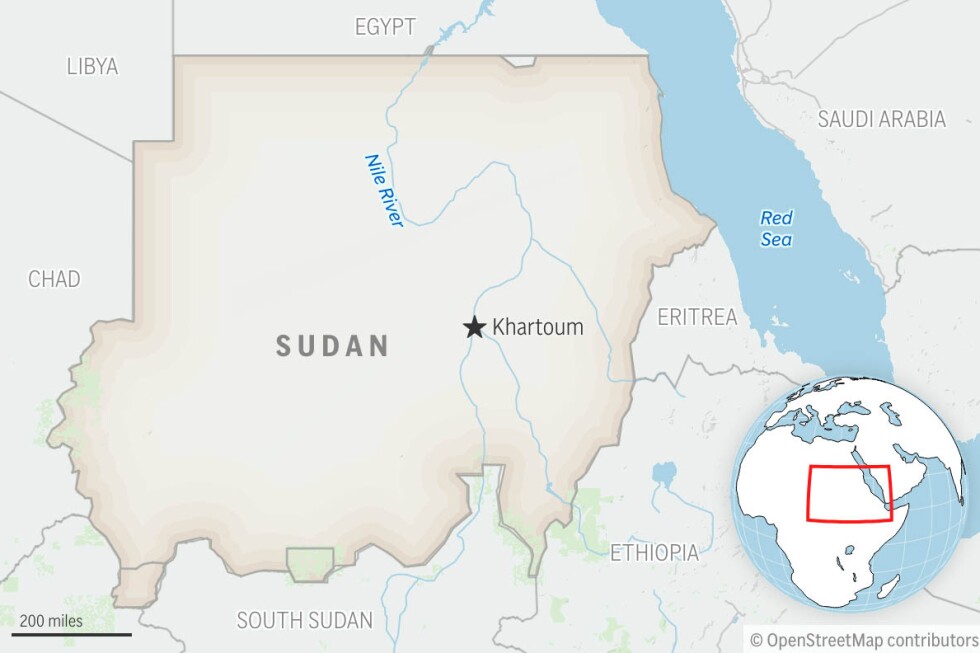
    JOHANNESBURG (AP) — Eswatini authorities confirmed the arrival of four additional African migrants deported from the United States on Thursday, marking the third such group transferred to the small southern African kingdom under the Trump administration’s controversial immigration policy. These individuals—comprising one Tanzanian, one Sudanese, and two Somali nationals—represent the latest among over 40 deportees sent to African nations through largely clandestine agreements that have drawn sharp criticism from human rights organizations.

    The US government has established third-country deportation partnerships with at least seven African nations including Ghana, Rwanda, Uganda, Cameroon, Equatorial Guinea, and South Sudan. Since July, Washington has dispatched at least 19 individuals to Eswatini across three separate transfers as part of its stringent immigration enforcement strategy. US officials previously characterized the initial group of five men sent in July as convicted criminals with standing deportation orders, one of whom—a Jamaican national—was subsequently repatriated to his home country in September.

    Eswatini’s government stated that one third-country national has already received travel documentation and will soon depart the country, while negotiations continue regarding the remaining individuals’ repatriation to their countries of origin. The kingdom’s administration emphasized its “commitment to ensuring that the rights and dignity of the third-country nationals are upheld while they remain in the country.”

    These deportations to Eswatini—a nation where the monarch wields absolute power and has faced accusations of suppressing pro-democracy movements—have provoked strong reactions from local civic groups. According to a recent report compiled by Democratic staff of the Senate Foreign Relations Committee, the Trump administration has allocated at least $40 million to deport approximately 300 migrants to countries other than their own across Africa, Central America, and other regions.

  • International passenger train service links China, DPRK

    International passenger train service links China, DPRK

    A new chapter in Sino-Korean transportation commenced on Thursday as international passenger rail service officially resumed between Dandong, China and Pyongyang, North Korea. The inaugural departure marked a significant milestone in cross-border connectivity between the neighboring nations.

    The five-carriage train embarked on its maiden journey at 10:00 AM Beijing Time from the border city of Dandong, with scheduled arrival in the North Korean capital at 6:07 PM local time. The service establishes a reliable daily transportation link, with return trips from Pyongyang departing at 10:26 AM local time and reaching Dandong by 4:23 PM Beijing Time.

    Dandong Railway Station has undergone comprehensive preparations to accommodate international travelers. The facility now features bilingual displays in both Korean and Chinese throughout the international departure hall, including train schedules, electronic information screens, and service counters.

    Passenger excitement was palpable during the inaugural run. One North Korean traveler expressed enthusiasm about returning home via rail, having purchased her ticket immediately upon learning about the resumed service the previous day.

    Border authorities implemented streamlined procedures to ensure efficient operations. Song Ping, a representative from Dandong Exit-Entry Frontier Inspection Station, confirmed that specialized measures have reduced the entire train’s inspection process to under 30 minutes, significantly enhancing travel convenience.

    An executive from China State Railway Group’s international department emphasized the service’s broader significance, noting that this railway connection will function as both a crucial transit corridor for cross-border movement and a symbolic bridge reinforcing bilateral relations between China and North Korea.

  • Russian court convicts 19 people over deadly Moscow concert attack

    Russian court convicts 19 people over deadly Moscow concert attack

    A Russian military court has delivered verdicts against 19 individuals connected to the devastating terrorist attack at Crocus City Concert Hall near Moscow, sentencing four gunmen to life imprisonment and 11 accomplices to similar terms. Four additional defendants received prison sentences ranging from 19 to 22 years for their roles in the massacre that claimed 149 lives and injured over 500 concertgoers.

    The horrific incident occurred on March 22, 2024, when armed assailants stormed the venue during a rock concert attended by approximately 6,000 people. The attackers opened indiscriminate fire on the crowd before igniting flammable materials that rapidly engulfed the building in flames, causing partial structural collapse. Forensic examinations determined that victims perished from both ballistic trauma and smoke inhalation.

    International terrorist organization Islamic State-Khorasan (IS-K), an ISIS affiliate operating primarily in Central Asia, claimed responsibility for the atrocity and released verified video evidence depicting the assault. Despite these claims, Russian authorities have persistently alleged Ukrainian involvement—accusations that Kyiv has vehemently denied while offering condolences to the victims’ families.

    All four primary perpetrators identified by state media are Tajikistani nationals, though the proceedings have drawn international scrutiny due to their closed-door nature and concerns regarding judicial transparency. Initial court appearances in 2024 revealed defendants displaying visible injuries consistent with physical abuse, including one individual requiring wheelchair assistance.

    The sentencing represents the judicial conclusion to Russia’s deadliest mass shooting in two decades, though geopolitical tensions persist as Moscow continues to assert unsubstantiated connections to Ukraine despite overwhelming evidence pointing to IS-K’s operational responsibility.

  • Natural fortress: How geography protects Iran’s regime

    Natural fortress: How geography protects Iran’s regime

    Iran’s formidable geography has long shaped its defensive strategy, with the mountainous Iranian Plateau creating a natural fortress against conventional invasion. The Zagros and Elburz mountain ranges provide exceptional protection, enabling Tehran to disperse military and nuclear infrastructure across vast territories with strategic depth. This topography facilitated the development of Iran’s Anti-Access/Area-Denial (A2/AD) doctrine, mirroring strategies employed by China in the South China Sea.

    Recent military operations have tested Iran’s geographic advantages. Operation Epic Fury (US) and Operation Roaring Lion (Israel), launched on February 28, demonstrated that advanced precision technology could bypass traditional geographic protections. The utilization of B-2 bombers and Black Sparrow air-launched ballistic missiles damaged deeply buried facilities previously considered invulnerable, targeting over 1,000 sites including IRGC command centers and nuclear infrastructure within the first 24 hours.

    Iran has responded with sophisticated maritime control strategies. Through its ‘Smart Control’ doctrine, Tehran maintains influence over the Strait of Hormuz using integrated systems including the Sayyad-3G air defense system, dual-role discriminatory drones, and distributed missile platforms. Despite naval losses, Iran has effectively implemented electronic warfare tactics, with over 1,100 vessels affected by GPS spoofing since March 1, creating economic pressure through targeted shipping disruptions.

    The conflict’s geopolitical dimensions have expanded significantly. The death of Iran’s supreme leader on March 1 triggered succession uncertainties, temporarily fracturing decision-making processes. Meanwhile, the US strategic objective appears to have evolved from degrading nuclear capabilities toward regime change, potentially involving Kurdish opposition groups in coordinated ground operations. This escalation risks broader regional conflict and challenges the strategic interests of Iran’s partners in the Trilateral Strategic Pact with Russia and China, potentially threatening critical infrastructure projects including the International North-South Transport Corridor and Belt and Road Initiative.

  • Ships identify themselves as Chinese around Strait of Hormuz during Iran war to avoid attacks

    Ships identify themselves as Chinese around Strait of Hormuz during Iran war to avoid attacks

    Multiple commercial vessels navigating the strategic Strait of Hormuz and Persian Gulf waters have begun broadcasting ‘China-linked’ identification signals since the escalation of regional hostilities, according to marine traffic analysis. Shipping data reveals at least eight vessels have modified their destination transponders to display messages including ‘CHINA OWNER’ and ‘CHINA OWNER&CREW’ while traversing these conflict-prone waterways.

    Maritime security experts indicate this emerging practice represents a calculated risk-mitigation strategy rather than a navigational requirement. Ana Subasic, trade risk analyst at data analytics firm Kpler, emphasized that ‘the primary objective of vessels publicly identifying themselves as Chinese during Gulf transits is risk reduction rather than facilitating strait passage.’

    The tactical signaling appears rooted in Iran’s established pattern of avoiding confrontation with Chinese-affiliated entities, reflecting Beijing’s neutral diplomatic stance and substantial economic ties with Tehran. Kun Cao, client director at consulting firm Reddal, characterized the messages as essentially stating: ‘Do not mistake me for the kind of ship you said you would hit.’

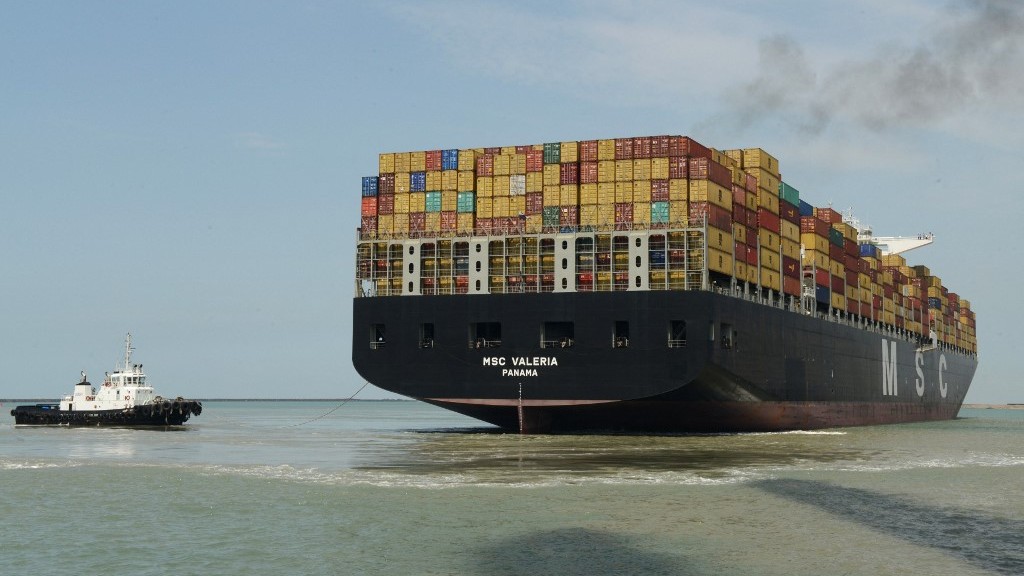
    This development occurs against a backdrop of heightened maritime insecurity, with at least 19 commercial vessels damaged in regional hostilities according to recent counts. Notably, most vessels adopting Chinese identifiers were not China-flagged, instead sailing under registrations including Panama and the Marshall Islands—a common practice in global shipping where flags often don’t reflect ownership nationality.

    The effectiveness of this self-declaration strategy remains uncertain despite its growing adoption. Rico Luman, ING senior economist specializing in transport logistics, noted that while many bulk carriers maintain genuine Chinese ownership, operational, and cargo connections, the protective value of such declarations is unproven.

    Technically, destination signals represent manually entered transponder messages typically used for navigational safety and port planning. Subasic explained that as these signals lack real-time verification, vessels occasionally repurpose them to broadcast ownership or nationality information—a practice previously observed during Houthi attacks in the Red Sea when ships similarly emphasized Chinese affiliations to deter Iranian-backed forces.

  • War in Iran squeezing China’s oil lifeline

    War in Iran squeezing China’s oil lifeline

    China’s energy security framework faces its most significant challenge in 2026 as geopolitical disruptions threaten global oil markets. The detention of Venezuelan leader Nicolás Maduro in January, followed by coordinated US-Israeli military operations against Iran beginning in late February, has severely impacted two crucial sources of China’s oil imports.

    The escalating Middle Eastern conflict has damaged critical energy infrastructure, causing oil prices to surge above $100 per barrel when markets opened on March 9. Although prices subsequently retreated from this peak, they remain substantially elevated from the $60 baseline recorded at the beginning of the year.

    Despite assertions from US President Donald Trump predicting a swift resolution, the crisis shows no signs of abatement. Attacks have targeted Iranian oil facilities and those of US-aligned Gulf States, while tanker traffic through the strategically vital Strait of Hormuz—a critical global oil artery—has experienced significant reduction. Approximately one-fifth of global oil trade normally transits this waterway, and its current vulnerability has prompted numerous nations to implement emergency measures addressing the energy shortage.

    For China, the world’s largest energy consumer accounting for 27% of global energy consumption in 2024, these developments present particular concerns. The nation’s technologically advanced, expanding economy and population exceeding 1.4 billion require immense energy resources to sustain growth. China’s electricity usage in 2025 more than doubled that of the United States, while Iran alone provides 13% of China’s crude oil imports, with Venezuela supplying an additional 4%.

    China maintains strategic petroleum reserves estimated to provide approximately 120 days of supply, slightly less than the US Strategic Petroleum Reserve established following the 1970s Arab oil embargo. The International Energy Agency member nations decided on March 11 to release stockpiled oil to address acute market disruptions caused by the conflict.

    China’s vulnerability stems from its substantial external dependence, importing roughly 70% of its oil primarily via maritime routes. According to the Georgetown Journal of International Affairs, 90% of Chinese trade and 80% of oil imports travel by sea, highlighting the strategic significance of securing vital ‘sea lines of communication’ often discussed as the ‘Malacca Dilemma.’

    Chinese strategists frequently note that critical maritime chokepoints including the Strait of Malacca, Strait of Hormuz, and Suez and Panama canals handle 60-80% of China’s imported oil and liquefied natural gas. Qatar’s shutdown of several gas facilities has eliminated 20% of global LNG exports, particularly impactful for China, the world’s largest LNG importer that sourced approximately one-quarter of its LNG from Qatar in 2025.

    Russia emerges as a crucial alternative supplier insulated from maritime disruptions, with energy infrastructure connecting the two nations across their vast land border. Moscow’s increased dependence on Chinese markets following Western sanctions related to the Ukraine war has strengthened Beijing’s bargaining position in energy negotiations.

    China’s demographic trends, including population decline since 2022, are expected to reduce energy demand over the next decade, potentially bringing peak oil consumption before 2030. Domestically, coal continues to provide approximately 60% of China’s energy consumption and electricity generation, offering important energy security despite environmental costs.

    Substantial investments in renewable energy have improved China’s position, with the nation now manufacturing 60% of global wind turbines and 80% of solar panels according to Yale School of Environment data. Electric vehicle adoption continues to accelerate, with EVs outselling conventional cars in China since 2025, reducing transportation sector oil consumption.

    Despite these advances, fossil fuels will remain essential for decades according to China National Petroleum Corporation research, particularly for petrochemicals and heavy industry. Unlike the Soviet Union during the Cold War, China’s reliance on imported fuel and limited power projection capabilities leave it vulnerable as it positions itself as a geopolitical rival to the US.

    Beijing is expanding military capabilities to protect energy routes, increasing naval presence in the Indian Ocean and Gulf region while modernizing its fleet with plans to operate six additional aircraft carriers by 2035. China also holds significant leverage in critical minerals, controlling substantial global processing capacity for rare earths, lithium, and gallium essential for batteries, solar panels, and advanced electronics.

    The ongoing conflict will keep Chinese planners alert as energy shocks ripple through the global economy. China’s combination of massive demand, foreign supply reliance, and ambitious geopolitical goals makes it particularly sensitive to current disruptions. How effectively Beijing manages this crisis could shape regional and global calculations regarding China’s strategic position and resilience.