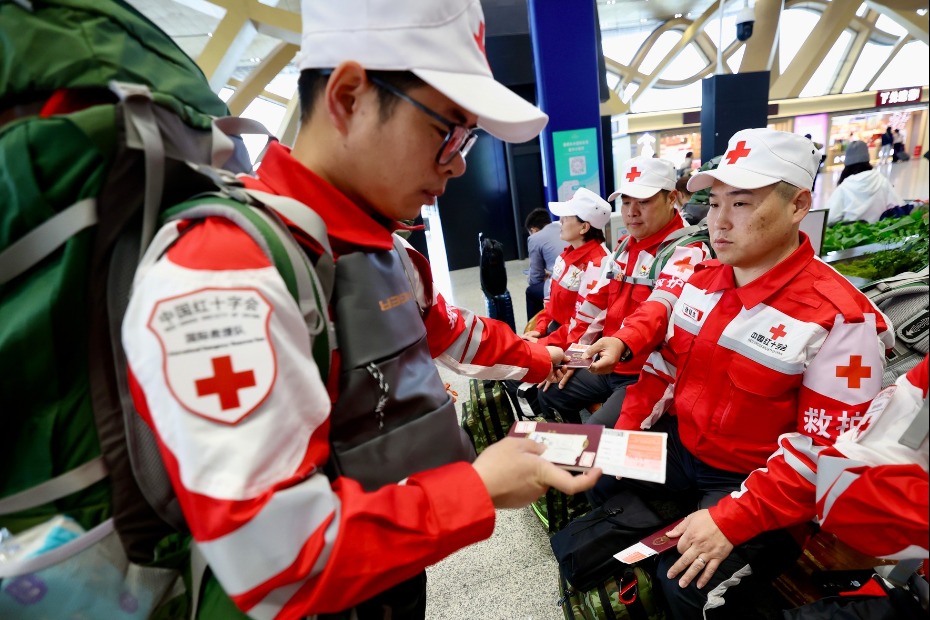
In a significant move to bolster global disaster management, China has called for intensified international cooperation in disaster prevention and response. Vice-Premier Zhang Guoqing emphasized this during his address at the Belt and Road ministerial meeting on natural disaster prevention and control, held in Sanya, Hainan Province. Zhang, who also serves as a member of the Political Bureau of the Communist Party of China Central Committee, highlighted China’s commitment to enhancing disaster resilience through technological advancements and collaborative efforts. He noted that China has been actively contributing to international disaster response by deploying rescue teams and supplying essential relief materials. The meeting saw participation from emergency management officials and representatives of 36 countries, alongside 11 international organizations, along with experts and scholars in the field. This gathering underscores the global recognition of the need for a unified approach to tackling natural disasters, which are increasingly frequent and severe due to climate change and other factors.
分类: world
-
What to know about China’s newest aircraft carrier, the Fujian
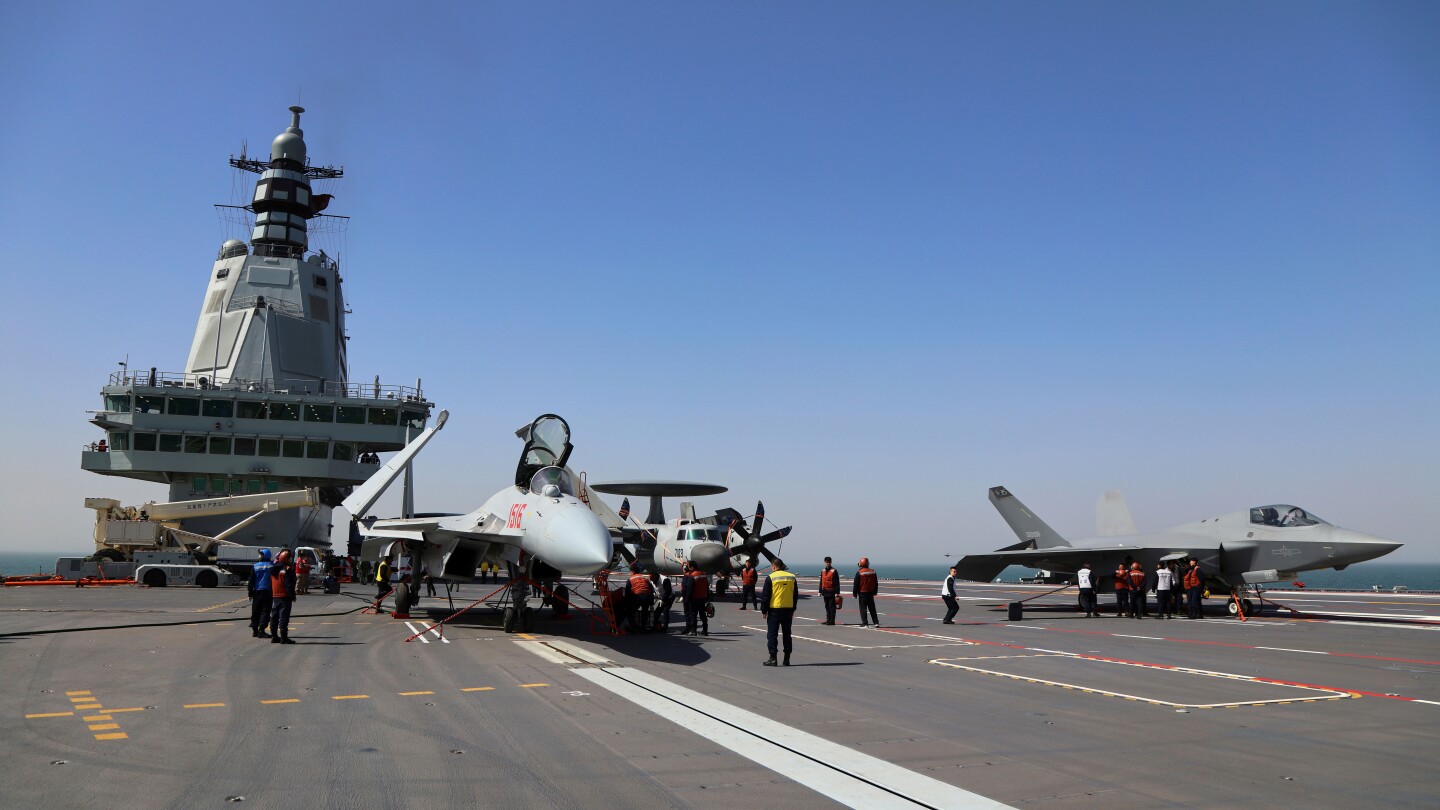
China has officially commissioned its third aircraft carrier, the Fujian, solidifying its position as the nation with the second-largest carrier fleet globally, trailing only the United States. The Fujian, unveiled in a ceremony attended by President Xi Jinping, represents a significant technological leap with its electromagnetic catapult launch system. This innovation enhances the carrier’s ability to project power across the Pacific, particularly in contested regions like the East China Sea, the Taiwan Strait, and the South China Sea. The Fujian is China’s first domestically designed carrier, distinguishing it from its predecessors, the Liaoning and Shandong, which were based on Soviet designs. The Fujian’s advanced catapult system allows it to launch heavier, fully-loaded aircraft, including early-warning and control planes, extending its operational range and firepower. While China’s carrier fleet now surpasses those of India, the UK, and Italy, it still lags behind the U.S., which operates 11 nuclear-powered carriers. The Fujian’s electromagnetic catapult system, second only to the U.S. Navy’s USS Gerald R. Ford, offers greater efficiency and flexibility, enabling the launch of a wider range of aircraft. However, the Fujian’s non-nuclear propulsion limits its operational range compared to U.S. carriers. China is reportedly developing nuclear propulsion for future carriers, though the timeline remains uncertain. Despite its advancements, the Fujian is smaller than U.S. carriers, with a displacement of over 80,000 tons and an estimated capacity of 40 to 60 aircraft, compared to the 60 to 70 planes on U.S. carriers. The Fujian’s commissioning underscores China’s growing naval ambitions, though it still faces significant gaps in carrier technology and capacity compared to the U.S.
-
Typhoon Kalmaegi kills 5 people in Vietnam as the Philippines prepares for a new storm
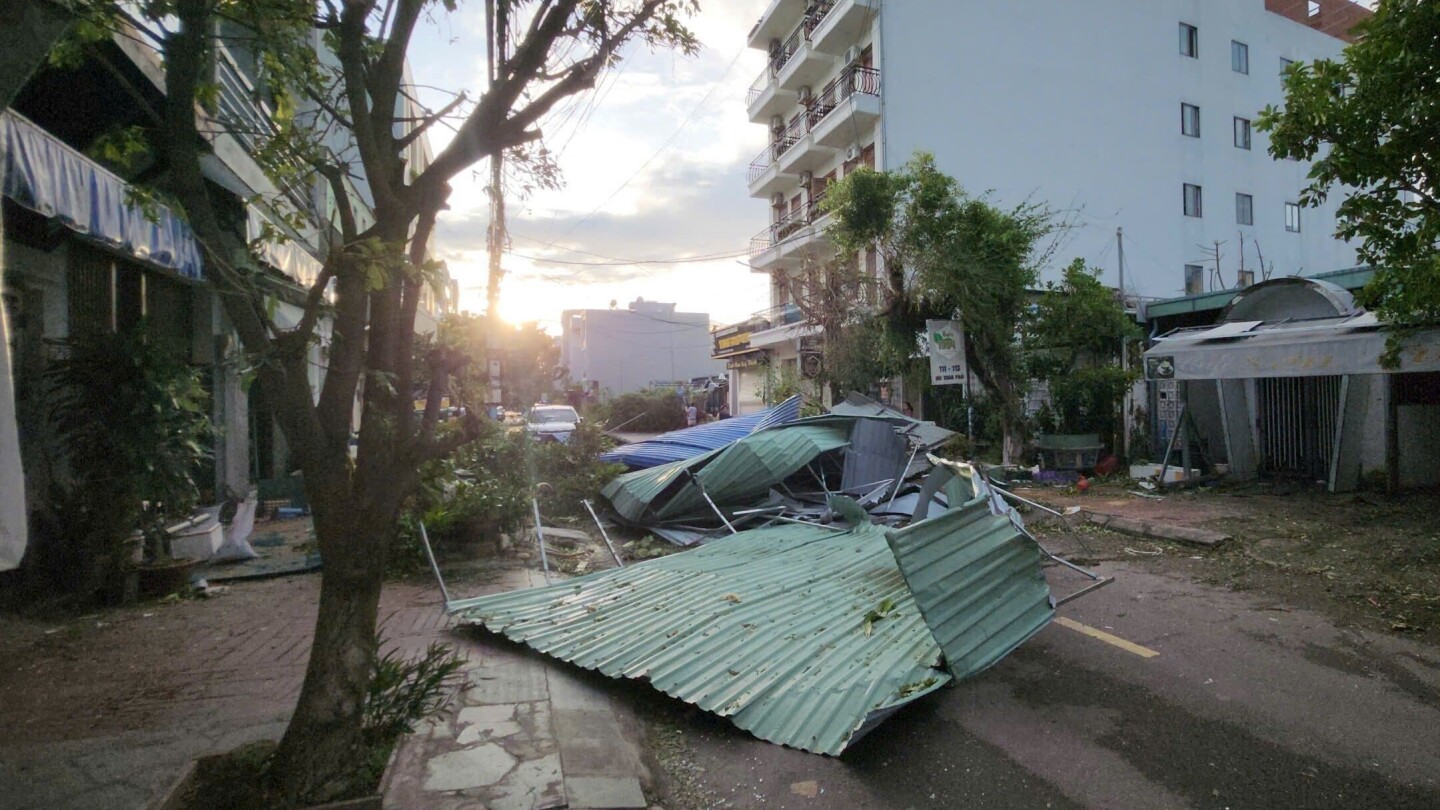
Typhoon Kalmaegi wreaked havoc across Vietnam and the Philippines, claiming lives and causing extensive damage in its path. The storm, which had already battered the Philippines earlier in the week, struck Vietnam on Friday with fierce winds and torrential rains, resulting in at least five fatalities and widespread destruction. Three deaths occurred in Dak Lak province, while two were reported in Gia Lai. Three individuals remain missing in Quang Ngai, and six others sustained injuries. The storm caused 52 houses to collapse and damaged nearly 2,600 more, with over 2,400 homes in Gia Lai alone losing their roofs. Power outages affected more than 1.6 million households. In the Philippines, where Kalmaegi had previously made landfall, the death toll rose to 188, with 135 still missing. Over half a million people were displaced, and nearly 450,000 sought refuge in shelters. President Ferdinand Marcos Jr. declared a state of national emergency as the country prepared for another impending storm, Typhoon Fung-wong. In Vietnam, recovery efforts are underway as residents and authorities clear debris and repair damaged infrastructure. The storm’s impact was exacerbated by recent record-breaking floods in the central region, which had already displaced over 537,000 people. Scientists warn that climate change is intensifying storms and rainfall in Southeast Asia, making such disasters increasingly frequent and destructive.
-
What a reporter found when she investigated US military strikes on Venezuelan drug boats
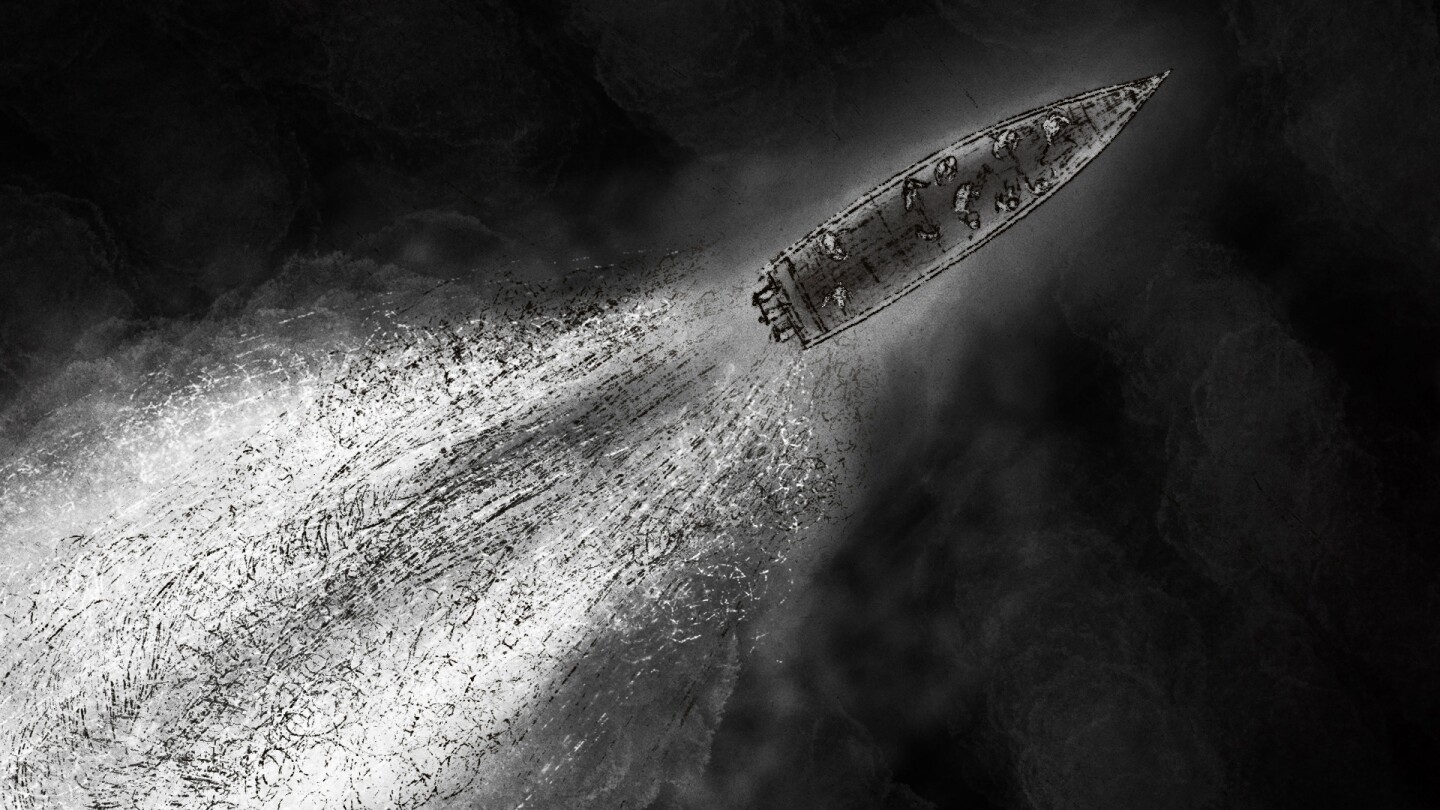
In the aftermath of recent U.S. military strikes targeting alleged drug-smuggling boats off Venezuela’s northeastern coast, Regina Garcia Cano, a reporter for The Associated Press, embarked on a mission to uncover the identities and stories of the men killed. Her investigation, conducted through dozens of interviews in local villages, revealed a stark contrast between the U.S. government’s portrayal of the victims as narco-terrorists and the reality of their lives. Most of the nine men identified were first-time or occasional crew members, earning modest sums for their work. Among the dead were a fisherman, a struggling bus driver, a former military cadet, and a local crime boss, alongside laborers and a motorcycle driver. Garcia Cano’s reporting highlighted the pervasive fear among residents, many of whom were reluctant to speak due to potential repercussions from the Venezuelan government. The region’s stifling poverty, crumbling infrastructure, and the government’s refusal to confirm the deaths have left families unable to properly mourn their loved ones. This story sheds light on the human toll of geopolitical conflicts and the challenges of reporting in repressive environments.
-

Trump has accused boat crews of being narco-terrorists. The truth, AP found, is more nuanced
In the coastal towns of Venezuela, the U.S. military’s recent crackdown on alleged drug smuggling has left a trail of devastation, claiming the lives of over 60 individuals since early September. Among the dead are a struggling fisherman, a career criminal, a former military cadet, and a bus driver facing financial ruin. These men, hailing from the impoverished Paria Peninsula, were drawn into the dangerous world of drug trafficking by economic desperation.
-
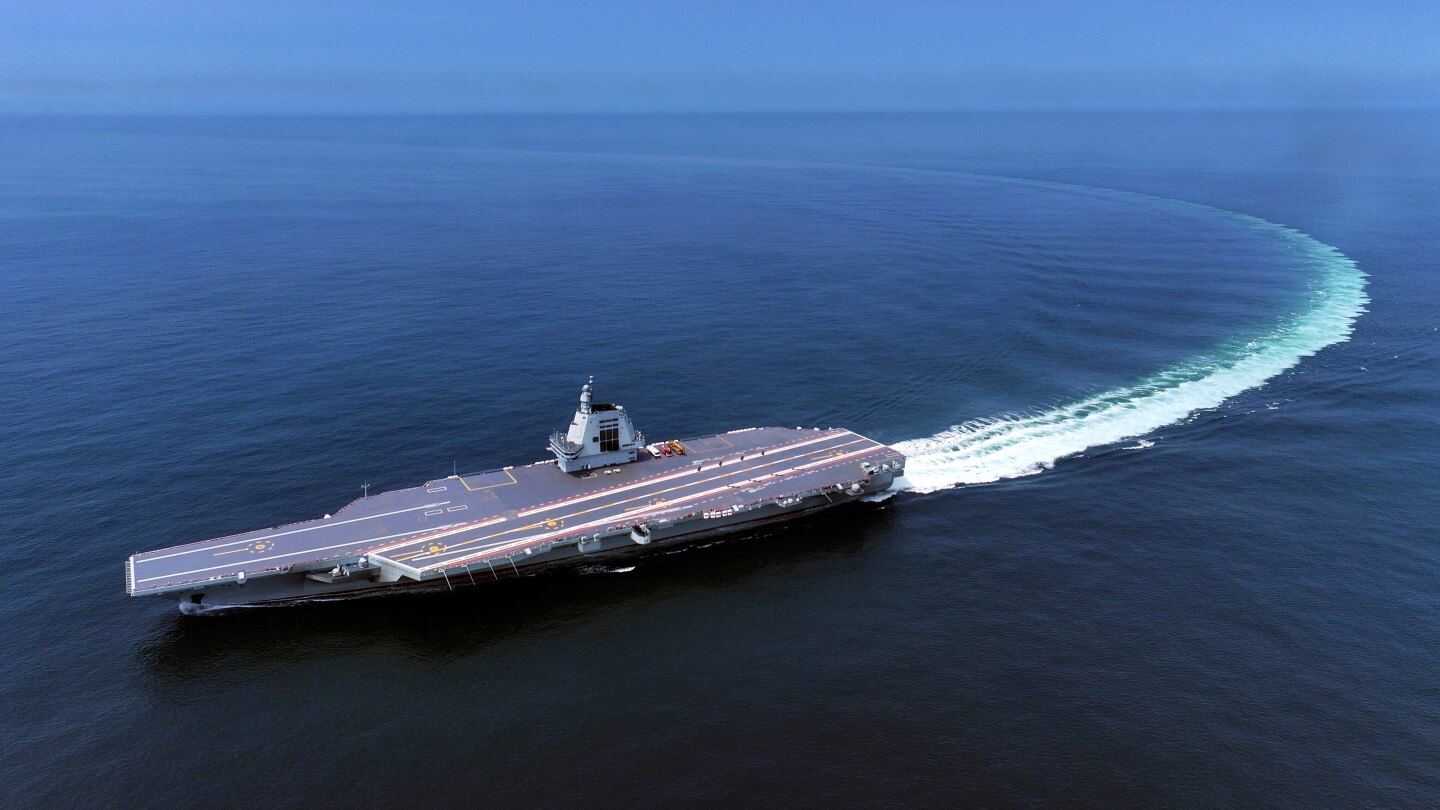
China commissions new aircraft carrier as it seeks to extend power far from its coast
China has officially commissioned its third aircraft carrier, the Fujian, marking a significant milestone in its naval modernization efforts. The ceremony, held in Sanya on Hainan Island, was attended by President Xi Jinping, underscoring the strategic importance of the vessel. The Fujian is China’s first domestically designed and built aircraft carrier, representing a leap forward in its military capabilities. Equipped with an electromagnetic launch system, the Fujian can deploy advanced aircraft, including the J-35 stealth fighter and KJ-600 early warning plane, enhancing its operational range and versatility. This development aligns with China’s broader goal of transforming its navy into a “blue-water” force capable of projecting power far beyond its coastal waters. Experts suggest that the Fujian could play a pivotal role in China’s ambitions to contest control over the Second Island Chain in the Pacific, including areas near Guam. While China’s naval expansion is seen as a challenge to U.S. dominance, it still lags behind in key areas such as nuclear-powered carriers and overseas base networks. Nevertheless, the Fujian symbolizes China’s growing military prowess and its intent to reshape the international order.
-
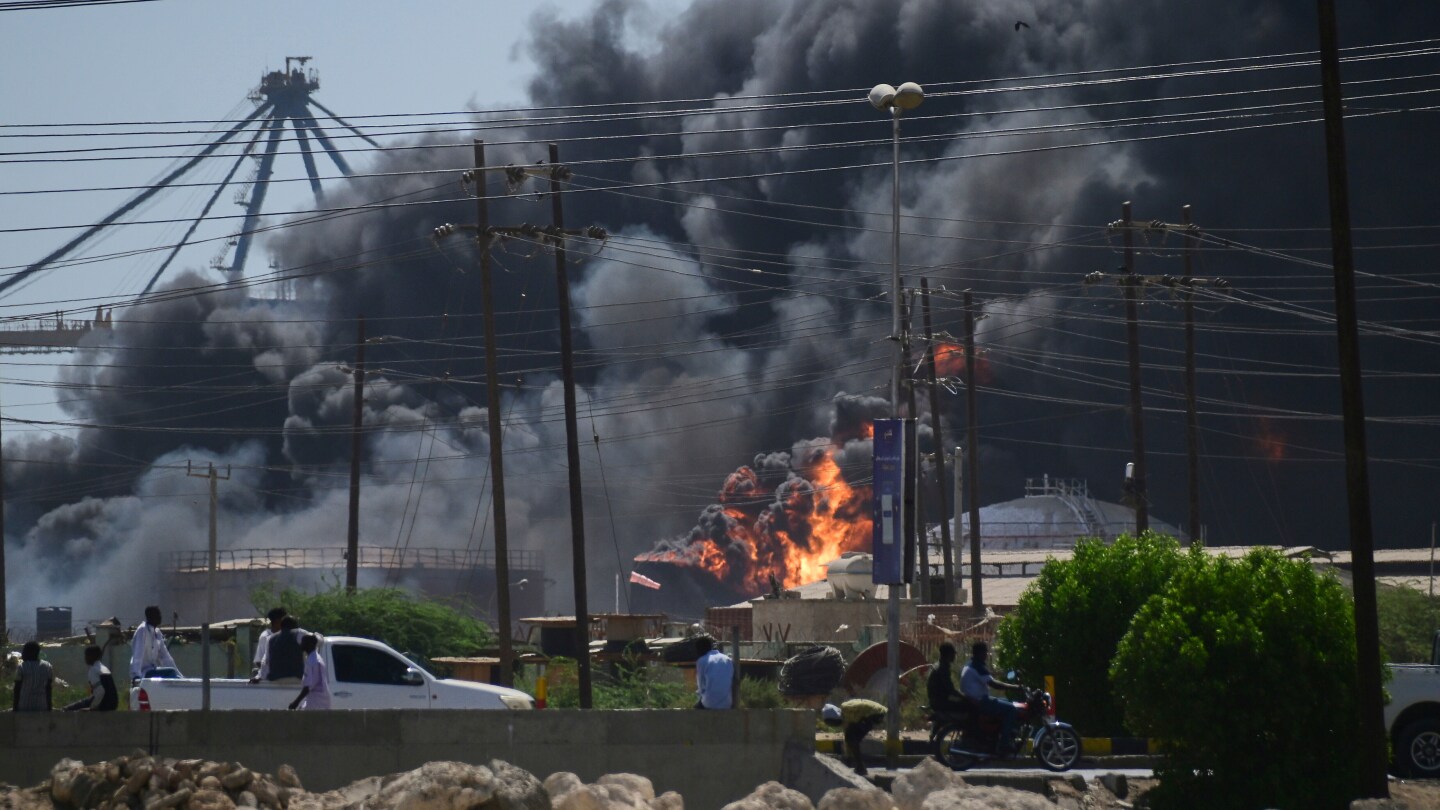
Outside powers’ reported backing for Sudan’s warring sides helps fuel fighting as atrocities mount
For over two years, Sudan has been engulfed in a devastating civil war between its military and the paramilitary Rapid Support Forces (RSF), with both sides accused of committing atrocities and exacerbating a humanitarian crisis. The conflict, which began in 2023, has claimed at least 40,000 lives, though aid groups estimate the toll to be significantly higher. The war has also triggered the world’s worst humanitarian crisis, with widespread starvation and displacement.
-
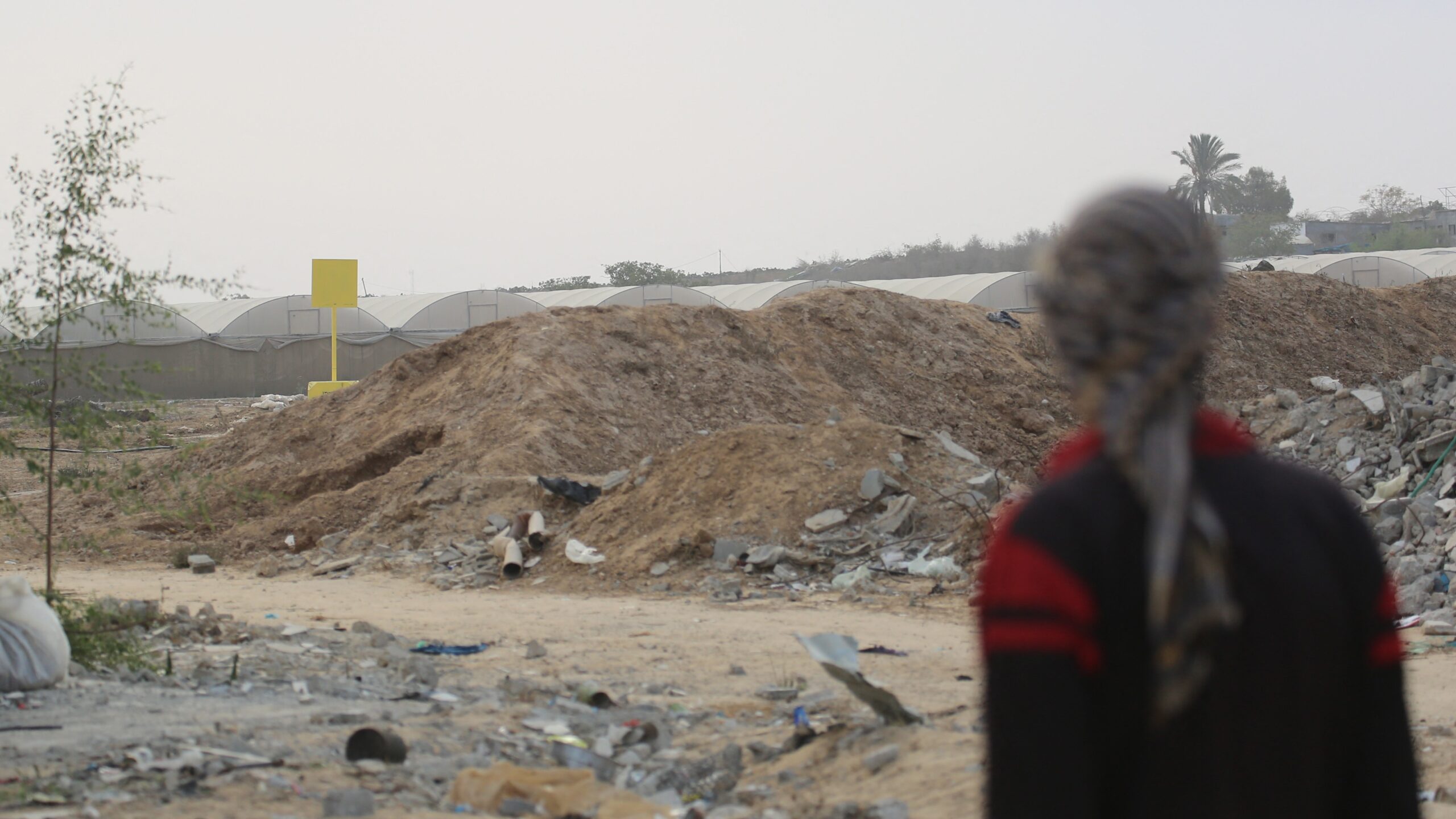
‘Stenography’: BBC report inside Gaza rekindles criticism over genocide coverage
The BBC’s recent report from Gaza has ignited a firestorm of criticism across social media and among journalists, with accusations of biased framing and restricted access dominating the discourse. The article, titled ‘Inside Gaza, BBC sees total devastation after two years of war,’ featured Middle East correspondent Lucy Williamson, who was granted limited access to the enclave under the supervision of the Israeli military. The report acknowledged that the visit was tightly controlled, with no interaction allowed with Palestinians or access to other parts of Gaza. It also revealed that the Israeli military reviewed the material before publication, though the BBC maintained editorial control throughout. Critics argue that the report’s framing of the conflict as the ‘Gaza War’ rather than a genocide, as recognized by the United Nations, reflects a pro-Israel bias. The UN has documented over 70,000 Palestinian deaths in the ongoing assault. Journalist Richard Sanders led the charge with a scathing critique on X, highlighting the report’s reliance on unchallenged ‘Israel says’ statements and its failure to address the systematic destruction of Gaza. Other media analysts echoed these concerns, pointing to a broader issue in Western media’s coverage of the conflict. Social media users further condemned the BBC for its handling of a leaked video showing the rape of a Palestinian boy in an Israeli prison, accusing the outlet of sanitizing the story by focusing on the video leak rather than the crime itself. The Centre for Media Monitoring compared the BBC’s headline to that of Middle East Eye, which explicitly named the ‘Palestinian prisoner rape scandal,’ highlighting the BBC’s erasure of context. UN special rapporteur Francesca Albanese and British actor John Cleese also joined the chorus of criticism, with Cleese stating he no longer trusts BBC News. The backlash underscores growing frustration with the BBC’s perceived complicity in distorting the realities of the Gaza conflict.
-
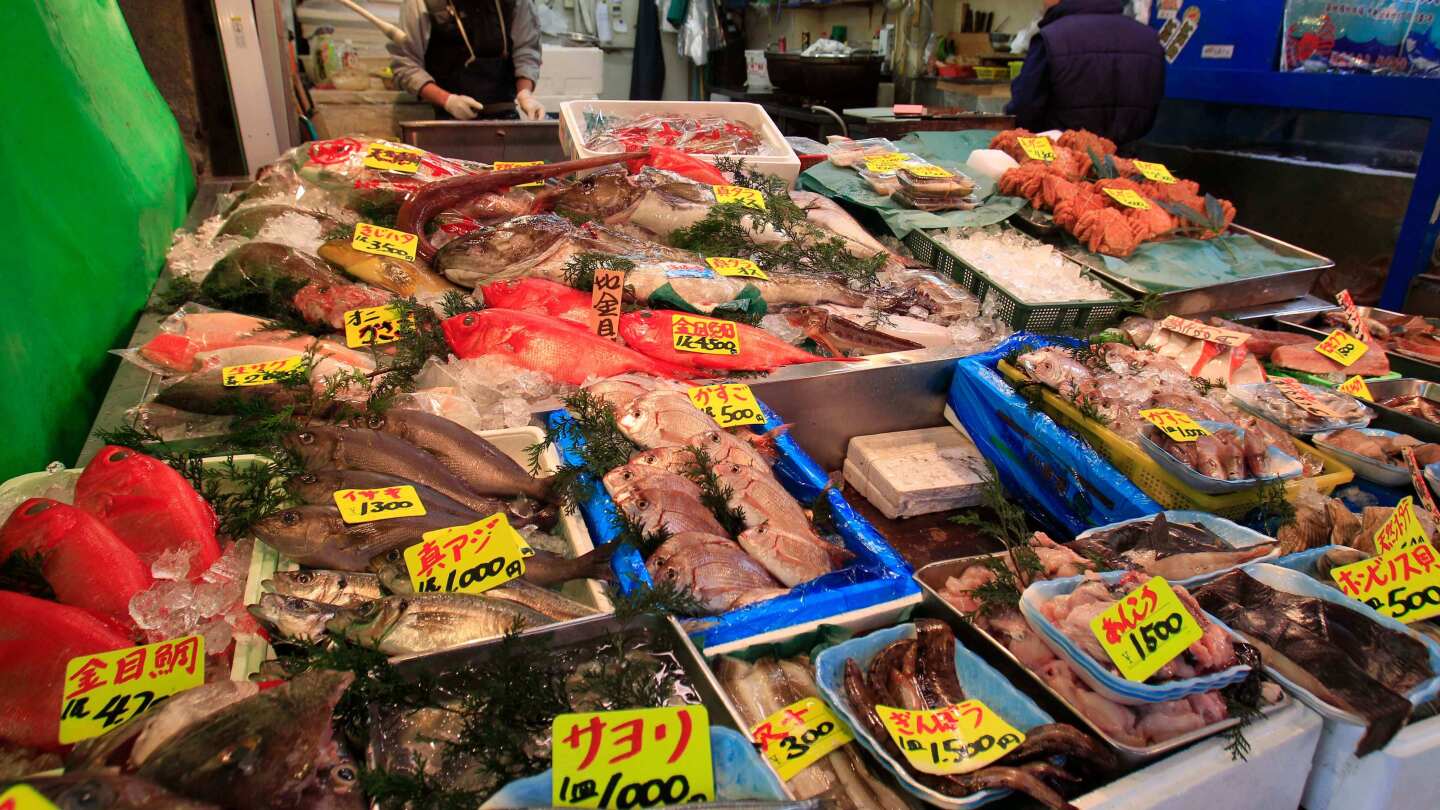
Japan resumes seafood exports to China 2 years after Fukushima wastewater release
In a significant development for Japan’s seafood industry, the country has resumed exports to China for the first time since Beijing imposed a ban in August 2023. The ban was a response to Japan’s release of treated radioactive wastewater from the Fukushima Daiichi nuclear power plant, which suffered meltdowns following the 2011 earthquake and tsunami. On Friday, Chief Cabinet Secretary Minoru Kihara announced that 6 metric tons of scallops from Hokkaido were shipped to China on Wednesday, marking the first such shipment in over two years. This move follows months of negotiations between the two nations, culminating in China’s decision in June to ease the ban. However, restrictions remain on seafood from Fukushima and nine nearby prefectures, imposed immediately after the 2011 disaster. Kihara emphasized the government’s optimism about this development and urged China to expedite the re-registration of pending applications for Japanese seafood exporters. The Fukushima wastewater issue has been a contentious topic domestically and internationally, with concerns about reputational damage to the region’s produce and its impact on Japan’s relations with neighbors like China and South Korea. The International Atomic Energy Agency (IAEA) has supported Japan’s plan, confirming that the treated wastewater meets international safety standards and poses negligible risk to the environment and human health. Japan continues to advocate for the lifting of remaining bans, including those on beef imports, as it seeks to rebuild its seafood trade with its largest overseas market.
-
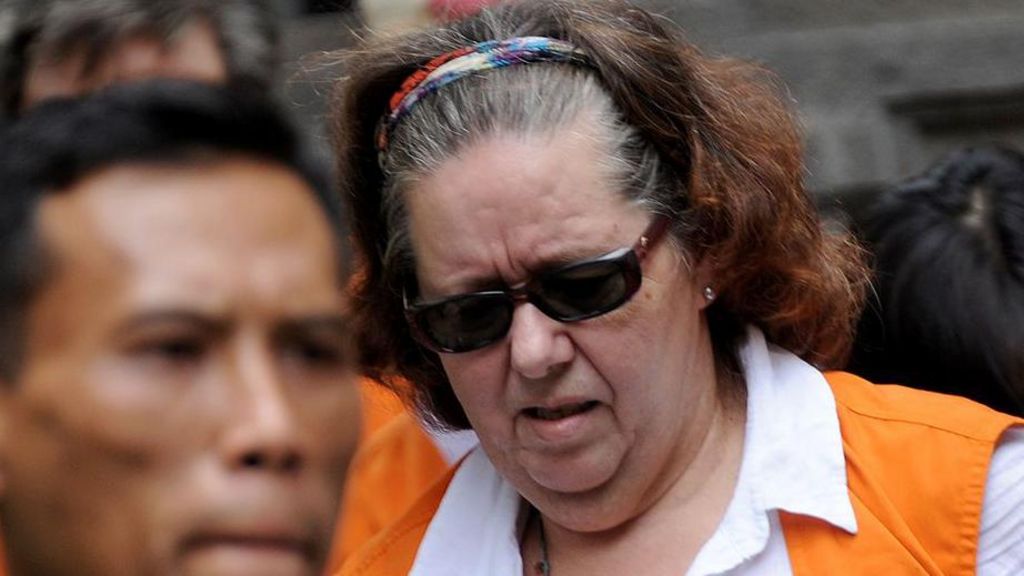
British grandmother flies home after 12 years on Indonesian death row
Lindsay Sandiford, a 69-year-old British grandmother, has finally returned to the UK after spending 12 years on death row in Indonesia for drug trafficking. Sandiford, who was convicted in 2013 for carrying nearly 5kg of cocaine worth £1.6 million ($2.1 million) upon her arrival in Bali from Thailand in 2012, was repatriated on humanitarian grounds. Her release was part of a bilateral agreement between the UK and Indonesian governments. She was accompanied by Shahab Shahabadi, another British national who had been serving a life sentence for drug smuggling. Both individuals reportedly suffered from severe health issues during their imprisonment. Sandiford, who appeared in a wheelchair at a press conference hours before her departure, claimed she was coerced into transporting the drugs under threats to her son’s life. Indonesia, known for its strict drug laws, has recently released several high-profile detainees, including members of the ‘Bali Nine’ drug ring. The UK’s Deputy Ambassador to Indonesia, Matthew Downing, emphasized that the repatriation was based on humanitarian considerations and that both individuals would receive necessary medical treatment upon their return, in accordance with UK laws and procedures.