分类: world

  • US-backed airstrikes leave Ecuador border communities in fear

    US-backed airstrikes leave Ecuador border communities in fear

    A controversial military operation along the Ecuador-Colombia border has generated serious allegations of human rights violations against local communities, with residents reporting bombings, home burnings, and detainee abuse. The offensive, conducted with United States support, targets drug cartels that have transformed Ecuador from one of Latin America’s safest nations into a major cocaine transshipment hub.

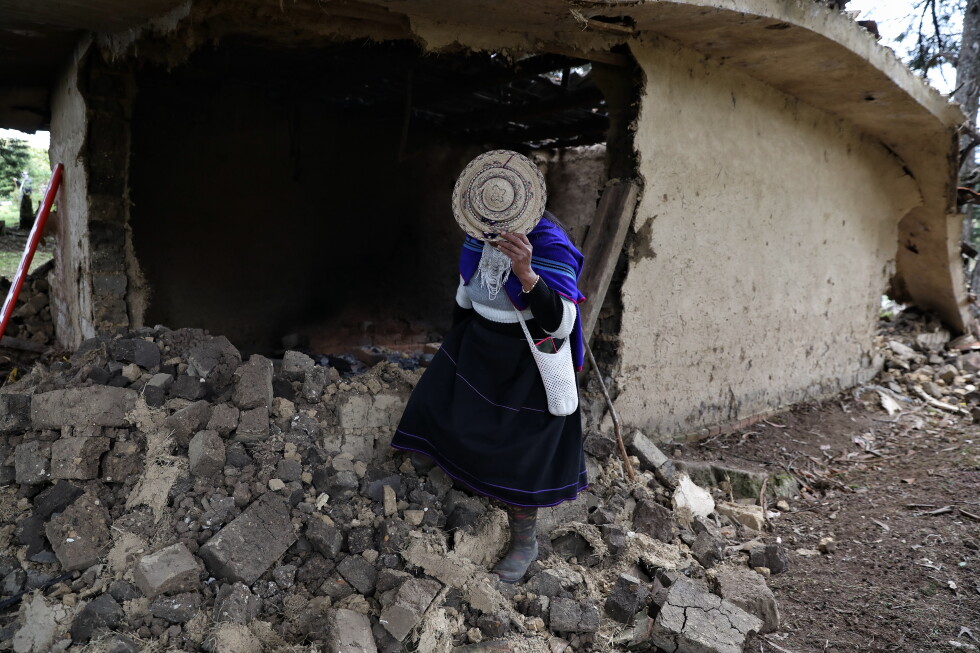
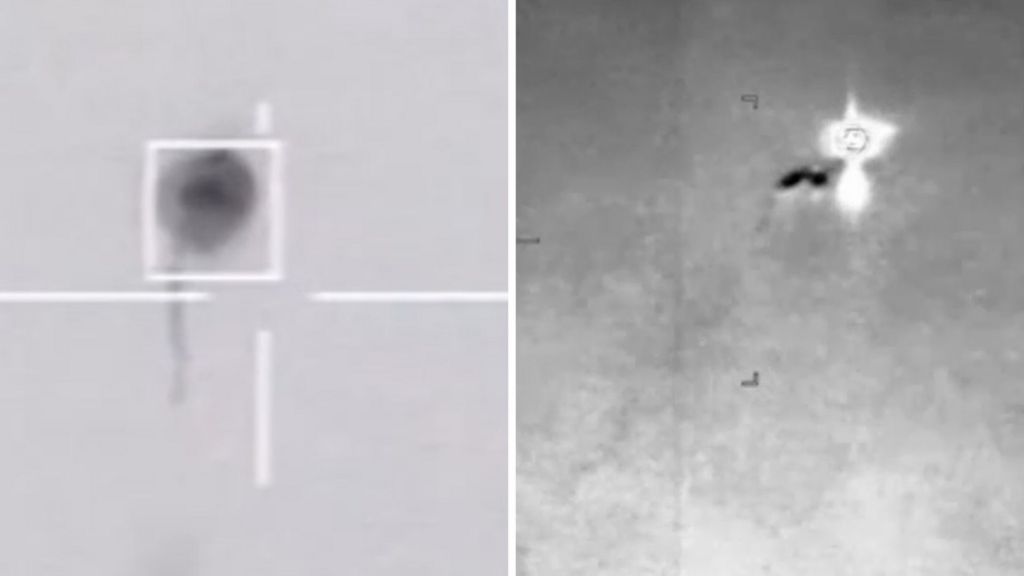
    Eyewitness accounts from border villages describe a scene of devastation following March military actions. José Peña, 66, recounted hiding in bushes as Ecuadoran military helicopters approached before an explosion ‘shook everything’ and destroyed the farm where he worked. Visual evidence gathered by journalists shows three buildings reduced to rubble with scorched zinc roofing twisted among debris, dead animals scattered across properties, and charred vegetation.

    The operation, dubbed ‘Total Extermination’ by President Daniel Noboa’s administration, targets Border Commandos guerrillas and other groups controlling smuggling routes connecting Colombian coca fields to international markets. However, residents insist security forces targeted civilian properties rather than drug production facilities, with community leader Vicente Garrido emphasizing these were ‘homes where we farmers live.’

    Disturbing allegations of detainee abuse have emerged, with 26-year-old Gilson Vargas describing being arrested with coworkers, blindfolded, kicked, and threatened before being transported to a military base. Lawyer Lina María Espinosa reported clients describing torture methods including near-drowning and electric shocks. While Ecuador’s government maintains its targets were part of illicit networks, it has not directly addressed specific abuse allegations.

    The cross-border implications escalated when Colombian President Gustavo Petro alleged an unguided bomb fell into Colombian territory, which soldiers subsequently destroyed. Human Rights Watch has documented abuses since Noboa declared an internal armed conflict, though the government rejects these claims. The situation illustrates the complex challenges of combating sophisticated drug trafficking operations while protecting civilian populations in border regions.

  • Gas shortage caused by Iran war may push India back to dirtier fuels

    Gas shortage caused by Iran war may push India back to dirtier fuels

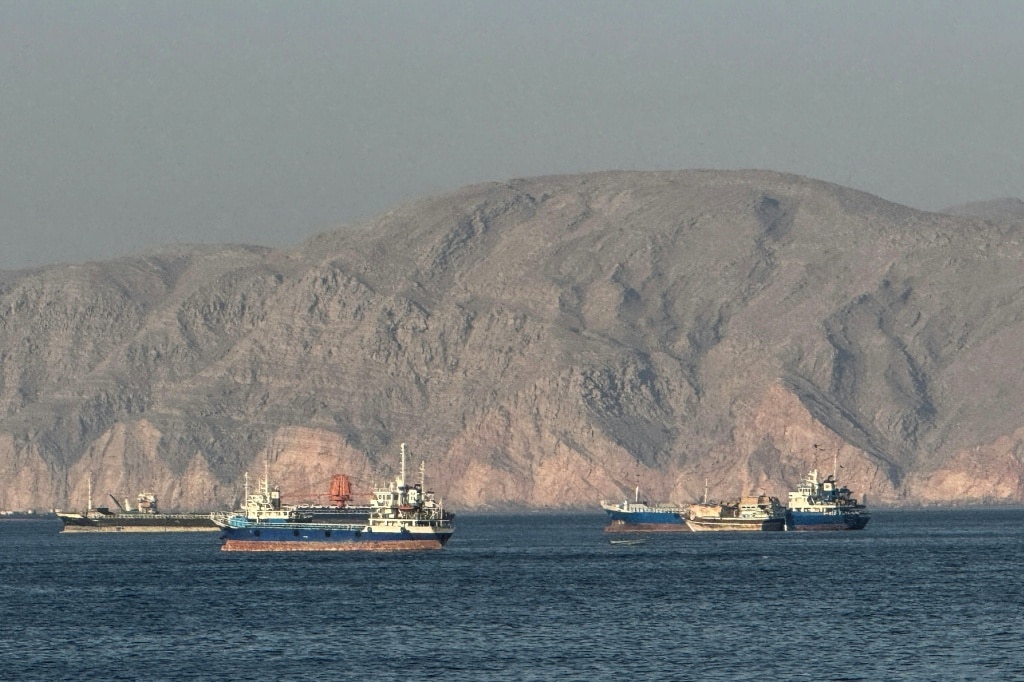
    A significant energy crisis is unfolding across India as shipping disruptions stemming from the US-Israel conflict with Iran severely constrict supplies of liquefied petroleum gas (LPG), experts confirm. The strategic Strait of Hormuz, a critical maritime chokepoint handling approximately one-fifth of global oil and gas transit, has seen halted ship movements since the conflict erupted on February 28th. This bottleneck is responsible for nearly half of India’s LNG imports and the majority of its LPG shipments, creating immediate domestic shortages.

    In response to the supply squeeze, the Indian government has implemented emergency measures. The federal administration has sanctioned an additional 48,000 kiloliters of kerosene beyond regular quotas to support low-income households through public distribution systems. Simultaneously, the environment ministry has authorized restaurants and hotels to temporarily utilize biomass fuels—including firewood, dried crops, animal manure, fuel pellets, kerosene, and coal—for one month, prioritizing remaining LPG supplies for household and essential sector use.

    This represents a dramatic reversal for a nation that has dramatically expanded LPG usage through government programs, replacing traditional biomass and kerosene. Government data reveals kerosene production plummeted from 7.5 million tonnes in 2014-15 to under one million tonnes in 2023-24, highlighting the scale of this energy transition. With 60% of its LPG imported, India now ranks as the world’s second-largest LPG importer after China.

    The crisis has triggered visible behavioral changes across different socioeconomic segments. Reports indicate surging sales of firewood in certain regions and increased demand for cow dung cakes in others—both traditional biomass fuels. Energy experts warn that this temporary shift could have severe public health consequences, as burning these alternatives releases carbon monoxide, nitrogen oxides, and fine particulate matter linked to serious heart and lung diseases.

    Nandikesh Sivalingam, Director of the Center for Research on Energy and Clean Air, noted that urban households might face greater exposure to shortages due to fewer immediate alternatives, potentially driving increased electricity demand for cooking. However, India’s electricity grid remains heavily coal-dependent, with coal providing nearly 79% of domestic energy in 2023-24 according to government statistics.

    Longer-term solutions exist but face scalability challenges. Vibha Dhawan, Director General at The Energy and Resources Institute in Delhi, highlighted solar cooking systems and solar photovoltaic-powered electric devices as technologies that could reduce fossil fuel dependence while supporting India’s clean energy transition. Despite these alternatives, experts concur that coal remains the most readily available fallback option in the immediate term, potentially reinforcing India’s existing coal-centric energy infrastructure.

  • Exclusive: How Hezbollah rebuilt while its enemies declared it dead

    Exclusive: How Hezbollah rebuilt while its enemies declared it dead

    Contrary to widespread assertions from Israeli, American, and Lebanese government officials that Hezbollah had been permanently crippled, the Lebanese militant organization has demonstrated remarkable resilience and strategic recovery. Emerging from a devastating 15-month conflict that concluded with a November 2024 ceasefire, Hezbollah has not only reconstituted its military capabilities but has returned to active warfare against Israel with renewed intensity.

    Multiple sources familiar with Hezbollah’s internal recovery process reveal that the organization interpreted the ceasefire not as a permanent resolution but as a critical operational pause to rebuild for inevitable future conflicts. Despite Israeli Prime Minister Benjamin Netanyahu’s claims that the campaign had set Hezbollah back “decades” and eliminated its leadership, the organization immediately began comprehensive reconstruction efforts beginning November 28, 2024—just one day after the ceasefire took effect.

    The rebuilding operation was both extensive and methodical, focusing on restoring pre-October 2023 capabilities through a combination of Iranian support, local manufacturing, and strategic resource allocation. By mid-December 2025, military commanders reportedly informed leadership that reconstruction of recoverable assets was complete, though some advanced systems—particularly air defense capabilities—sustained irreversible damage.

    Hezbollah’s recovery was particularly impressive given the organization’s devastating losses during the conflict. Israel’s September 2024 pager bombings that wounded dozens of members, followed by targeted airstrikes that eliminated top leadership including Secretary General Hassan Nasrallah, had left the organization “blinded, scattered and broken” according to one source. The steadfastness of frontline fighters provided surviving leadership the critical breathing space needed to regroup and reorganize.

    The organization implemented significant tactical adaptations in response to intelligence vulnerabilities, abandoning compromised communication networks for more secure “basic and primitive” methods including human couriers and handwritten notes. Structurally, Hezbollah moved away from its conventional army model toward a more decentralized “Mughniyeh spirit” doctrine featuring semi-autonomous units operating with broader scenario-based guidance rather than constant direct command.

    Despite public claims of Lebanese army control south of the Litani River and government assertions of achieving a “state monopoly on arms,” Hezbollah gradually reestablished its presence through smaller cells and individual cadres operating with patience and concealment. The ceasefire period, which saw approximately 400 Lebanese killed in ongoing Israeli strikes, represented not genuine peace but an actively contested phase where both sides positioned for the next confrontation.

    Hezbollah’s renewed military capabilities became unmistakably evident in early March 2026, when the organization launched approximately 60 drones and rockets followed by similar volleys in subsequent days, with missiles reaching as far as southern Israel’s Ashkelon region. The organization that many had written off as defeated has demonstrated它不仅恢复了持续火力能力,还在黎巴嫩和以色列领土上重新部署了战斗人员,对以色列施加压力。

  • Displacement, bombs and air raid sirens weigh on Mideast Eid celebrations

    Displacement, bombs and air raid sirens weigh on Mideast Eid celebrations

    Across the Middle East, the joyous festival of Eid al-Fitr, marking the end of Ramadan, has been profoundly subdued by the ongoing regional conflict and severe economic pressures. For millions of Muslims from Lebanon to the Gulf states, celebrations are replaced by anxiety, displacement, and financial strain, casting a long shadow over what is traditionally a time of feasting, family gatherings, and religious observance.

    In Lebanon, the convergence of a pre-existing economic collapse and the spillover effects of the war has extinguished any semblance of festivity for many families. Aziza Ahmad, a 49-year-old resident, exemplifies this reality. Her small apartment, now also sheltering displaced relatives, is a world away from celebration. With her husband’s income as a car washer insufficient, she has resorted to selling pastries, none of which her own family will eat, to make ends meet. ‘There’s nothing to celebrate,’ she stated, highlighting the absence of joy where financial survival is the paramount concern.

    The climate of fear extends beyond Lebanon’s borders. Wealthier Gulf nations, traditionally perceived as stable havens, are now on high alert. These states have become targets in a cycle of retaliatory strikes, prompting significant security measures. Kuwait has instituted a temporary ban on public gatherings, including concerts and weddings. The United Arab Emirates has mandated that Eid prayers be held indoors for security, a stark deviation from normal practice. In Bahrain, the daily routine is punctuated by air raid sirens warning of potential drone and missile threats. This pervasive sense of insecurity has led residents like Juhi Yasmeen Khan in Dubai to opt for subdued, intimate family gatherings instead of grand celebrations.

    For Palestinians in occupied East Jerusalem, the spiritual core of Ramadan has been severed. The Israeli closure of the Al-Aqsa Mosque compound, Islam’s third holiest site, has left a deep void. The familiar vibrant decorations and bustling crowds in the Old City are absent, replaced by quiet, empty streets. Despite these overwhelming challenges, a spirit of resilience persists. Some families, like that of Maryam Abdullah in Bahrain, are determined to maintain tradition, however modestly, as an act of defiance and normalcy, believing that the current turmoil will eventually pass.

  • Ras Laffan: How Qatar gas hub attack is hitting Asia and beyond

    Ras Laffan: How Qatar gas hub attack is hitting Asia and beyond

    Qatar’s Ras Laffan Industrial City, the world’s largest liquefied natural gas (LNG) export facility responsible for 20% of global supply, has sustained catastrophic damage from repeated Iranian missile attacks. The assault on Wednesday marks the second major strike this month, following an initial attack on March 2nd that previously halted operations at the critical energy complex located 80 kilometers from Doha.

    The strategic facility, operated by state-owned QatarEnergy across a 295-square-kilometer area, serves as the processing center for Qatar’s enormous North Field offshore gas reserves. The complex converts natural gas into various products including LNG, liquefied petroleum gas (LPG), petrochemical feedstocks, and specialized industrial byproducts.

    According to QatarEnergy CEO Saad al-Kaabi, the attacks have severely damaged two of Qatar’s fourteen LNG processing trains and one of two gas-to-liquid facilities, eliminating approximately 17% of the nation’s LNG export capacity. The destruction will sideline 12.8 million tonnes of LNG annually for three to five years, resulting in $20 billion in lost annual revenue with total repair costs estimated at $26 billion.

    The immediate market reaction saw natural gas prices surge dramatically across European and Asian markets on Thursday. Energy analysts warn the impact will exceed the market disruption caused by Russia’s invasion of Ukraine in 2022, creating profound and long-lasting consequences for global energy security.

    Compounding the crisis, Iran has effectively closed the Strait of Hormuz – the vital shipping channel through which virtually all of Ras Laffan’s output travels – in response to the ongoing US-Israeli conflict. This dual assault on both production and transportation has completely stifled Qatar’s primary export economy.

    Asian nations, which account for 90% of Qatari LNG exports, face particularly severe consequences. Countries like Pakistan and Bangladesh that rely on short-term spot pricing will struggle to absorb the cost increases, while industrial users across the region may be forced to switch to oil products or reduce production entirely.

    European countries attempting to offset the shortfall by switching to coal power lack sufficient capacity to replace the missing 20% of supply, ensuring that ultimately consumers will bear the burden through dramatically higher energy prices. Experts predict prices must rise to ‘unbearable levels’ to trigger sufficient demand destruction to balance markets, with the poorest populations suffering the most severe impacts.

  • Pregnant woman among four Palestinians killed following Iranian missile attack

    Pregnant woman among four Palestinians killed following Iranian missile attack

    A tragic incident in the occupied West Bank has resulted in the deaths of four Palestinian women, including a pregnant woman, following Wednesday night’s Iranian missile offensive. Asil Samir Masalmeh, 32, who was six months pregnant, succumbed to shrapnel injuries on Thursday after missile fragments struck a hair salon in Beit Awa near Hebron, according to the Palestinian health ministry.

    The attack, which occurred during Iran’s widespread missile launch, also claimed the lives of three other women: Mais Ghazi Masalmeh (17), Sahira Rizq Masalmeh (50), and Amal Sobhi Abdel Karim Matawa Masalmeh (36). Palestinian medical teams responded to 13 injured women at the scene, with one remaining in critical condition at Dura Governmental Hospital and other Hebron medical facilities.

    While the Israeli military confirmed activating defense systems against the Iranian barrage, Palestinian authorities cannot definitively determine whether the lethal shrapnel originated from an Iranian missile or Israeli interceptor. The Palestinian Red Crescent Society reported “direct impact of missile shrapnel,” with a medic telling AFP the projectile was Iranian-fired.

    The incident highlights the vulnerability of Palestinian residents in the occupied West Bank, where access to fortified shelters common in Israel is systematically denied. The hair salon, located in a prefabricated metal structure, suffered direct impact when what eyewitnesses described as a bomb or bomb fragment landed approximately one meter away before ricocheting into the building.

    These mark the first Palestinian fatalities in the escalating conflict between the US-Israel alliance and Iran that began on February 28.

  • Iran’s internet shutdown now longest in history: Monitor

    Iran’s internet shutdown now longest in history: Monitor

    Iran is currently experiencing the most prolonged nationwide internet blackout in its history, now extending beyond 20 consecutive days according to digital rights monitoring organization NetBlocks. The unprecedented disruption began following the commencement of US-Israel military operations against Iranian territory, creating the longest sustained internet shutdown ever documented within a highly connected society.

    NetBlocks Director Alp Toker revealed to Middle East Eye that Iran’s digital blackout now ranks among the top three longest internet shutdowns in recorded history, surpassed only by extended outages in Sudan and Myanmar during military coup scenarios. The Islamic Republic has established a pattern of implementing internet restrictions during periods of civil unrest, with authorities justifying these measures as necessary to combat misinformation, while critics argue they enable violent state crackdowns without external scrutiny.

    The comprehensive blackout has severely hampered communication between Iran and the global community, though some citizens have attempted to circumvent restrictions using Virtual Private Networks (VPNs) and alternative methods. Toker noted that conventional VPN services have largely been rendered ineffective, with authorities activating a domestic intranet that provides limited, unreliable external access primarily for technical users under increasingly tightened controls.

    Illicit Starlink satellite systems have emerged as another circumvention method, though both technologies are considered contraband and carry significant user risks amid heightened security measures. Iranian intelligence officials reported confiscating hundreds of prohibited Starlink devices nationwide through what they described as a ‘complex and extensive’ operation targeting satellite-linked systems ‘used to serve the enemy.’ The ministry emphasized that possessing or operating illegal Starlink networks constitutes a criminal offense under Iranian law, with violations during wartime conditions warranting the most severe penalties, particularly for those allegedly collaborating with adversarial nations.

    Simultaneously, Iran’s judiciary announced the execution of three individuals convicted of killing police officers and conducting operations supporting the United States and Israel during January’s anti-government protests. The executions were carried out after convictions for ‘waging war against God,’ a capital offense. While Tehran officially acknowledges approximately 3,000 fatalities during the unrest—including security personnel and bystanders—human rights organizations estimate the death toll exceeds 7,000, predominantly comprising protesters. The protests, among the largest in recent decades, were fueled by economic pressures and state repression, prompting then-US President Donald Trump to openly call for the overthrow of the Islamic Republic.

  • Lebanon says death toll from Israeli attacks tops 1,000 since March 2

    Lebanon says death toll from Israeli attacks tops 1,000 since March 2

    Lebanon faces a devastating humanitarian catastrophe as the nation’s Public Health Ministry confirmed on Thursday that Israeli military operations have resulted in 1,001 fatalities and 2,584 injuries since the conflict escalation began on March 2.

    The staggering casualty figures, released by health authorities in Beirut, represent one of the most severe tolls in recent Middle Eastern conflicts. The systematic airstrikes have targeted multiple regions across Lebanon, creating a multifaceted crisis that extends beyond immediate casualties to encompass widespread infrastructure destruction and a collapsing healthcare system.

    Medical facilities throughout Lebanon report being overwhelmed by the influx of casualties, with many operating at significantly reduced capacity due to damage from bombardments and critical shortages of medical supplies. The compounding challenges of damaged transportation networks and electricity disruptions have further hampered emergency response efforts.

    International humanitarian organizations have raised alarms about the escalating crisis, noting that the actual number of casualties may be higher due to difficulties in accessing conflict zones and documenting victims trapped under rubble. The conflict has displaced approximately 25% of Lebanon’s population, creating a secondary crisis of internal displacement amid the country’s existing economic challenges.

    The sustained military campaign represents the most severe escalation between Israel and Lebanon since the 2006 war, with diplomatic efforts to broker a ceasefire thus far proving unsuccessful. The United Nations and several European nations have called for immediate de-escalation and humanitarian access to affected populations.

  • Why Turkey is unlikely to face a gas crisis if Iran cuts supplies

    Why Turkey is unlikely to face a gas crisis if Iran cuts supplies

    A significant reduction in Iranian natural gas exports to Turkey has emerged following regional military exchanges, including an Israeli strike on Iran’s South Pars gas field and subsequent retaliatory actions. Data from Turkey’s Energy Market Regulatory Authority indicates these exports, constituting approximately 13% of Turkey’s annual gas consumption or 7 billion cubic meters (bcm), have dropped precipitously. Reports from energy specialist Olcay Aydilek confirm flows plummeted from 30-31 million cubic meters to just 7-8 million cubic meters within a single day.

    Despite the sudden shortfall, energy analysts express measured confidence in Ankara’s capacity to mitigate the impact. Muhdan Saglam, an analyst with the Ankara-based TEPAV think tank, highlighted Turkey’s substantial strategic gas reserves. The Salt Lake and Silivri storage facilities, with a combined capacity of 6.3 bcm and currently reported as full by Energy Minister Alparslan Bayraktar, provide a critical buffer. Saglam stated that utilizing even half of these reserves would sufficiently compensate for the lost Iranian supply.

    Further bolstering Turkey’s position are multiple alternative sourcing avenues. Analysts point to significant spare capacity in existing import pipelines from Russia and Azerbaijan. The Blue Stream and TurkStream pipelines from Russia, with a combined annual capacity of 30 bcm, delivered only 21 bcm last year, indicating ample room for increased imports. Additionally, Turkey’s nascent domestic gas production in the Black Sea, currently feeding 10 million cubic meters daily into the grid, offers another layer of security. The country could also curtail its own gas exports to Balkan nations, which amount to 3.5 bcm annually, to cover the domestic deficit.

    Long-term strategies are also contributing to energy stability. A recent 20-year agreement with trading company Mercuria will supply 4 bcm of American LNG annually starting this year. Concurrently, a structural shift towards renewable energy is gaining traction, with wind power meeting a quarter of the national demand in early January. Seasonal factors, including heavy rainfall and unseasonably mild weather, are further reducing immediate gas consumption needs, easing pressure on the system.

  • Israel arrests and plans to deport Ethiopian asylum seekers

    Israel arrests and plans to deport Ethiopian asylum seekers

    Israeli authorities have commenced the arrest and detention of Ethiopian asylum seekers, with formal deportations scheduled to begin next month following a January 2024 government directive. The Population and Immigration Authority will execute this policy starting April 17, acting upon a Supreme Court decision that endorsed the state’s position despite petitions from human rights organizations.

    Approximately 8,000 Ethiopian nationals face deportation, including about 1,000 from the conflict-ravaged Tigray region. Gilad Palombo of Assaf, an Israeli refugee aid organization, confirmed that immigration authorities have already begun arresting individuals classified as ‘infiltrators’—a legal designation for those entering Israel illegally.

    The planned deportations occur against a backdrop of ongoing instability in Ethiopia. Although the Tigray conflict officially concluded with a 2022 peace agreement, sporadic fighting persists across multiple regions including Amhara, Oromia, and Benishangul-Gumuz. The UN estimates over 3.3 million people remain internally displaced within Ethiopia, with Human Rights Watch documenting severe humanitarian crises affecting civilians.

    Ethiopian-Israeli writer Bazi Gete warned that returning asylum seekers would face ‘acute danger’ in what he described as ‘a kind of no man’s land,’ with some potentially facing life-threatening situations or detention. Both Gete and Palombo emphasized the particular risks for women and children in Tigray, where economic distress and famine conditions prevail.

    This development reflects Israel’s broader policy approach toward asylum seekers. According to Assaf, only 50,000 of Israel’s 72,000 legal asylum seekers enjoy ‘protected group’ status, primarily from Eritrea, Sudan, and Ukraine. The remaining 22,000—including the Ethiopian cohort—lack official recognition and face severe legal and economic restrictions, with 57% living in poverty and 85% experiencing food insecurity.

    Palombo characterized Israel’s long-standing policy as intentionally making life ‘unbearable for asylum seekers’ to encourage voluntary departure. This approach previously manifested in a controversial agreement with Rwanda (2013-2018) that saw Israel pay $5,000 per person for accepting deportees.

    The Knesset has recently approved two laws targeting asylum seekers, reflecting what Gete describes as systemic propaganda portraying African refugees ‘as the source of all problems’ while denying them dignified existence in Israel.