A significant energy crisis is unfolding across India as shipping disruptions stemming from the US-Israel conflict with Iran severely constrict supplies of liquefied petroleum gas (LPG), experts confirm. The strategic Strait of Hormuz, a critical maritime chokepoint handling approximately one-fifth of global oil and gas transit, has seen halted ship movements since the conflict erupted on February 28th. This bottleneck is responsible for nearly half of India’s LNG imports and the majority of its LPG shipments, creating immediate domestic shortages.
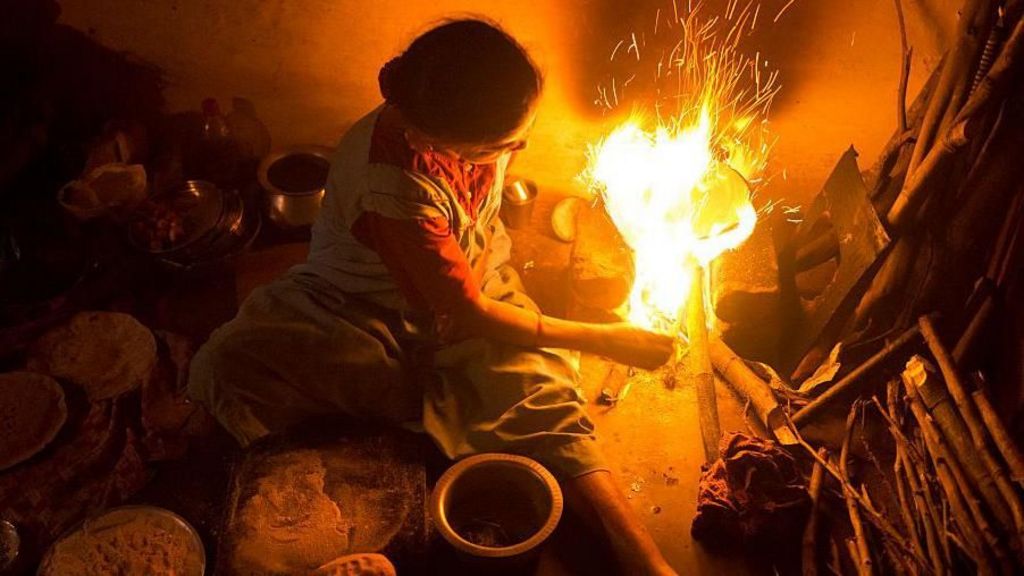
In response to the supply squeeze, the Indian government has implemented emergency measures. The federal administration has sanctioned an additional 48,000 kiloliters of kerosene beyond regular quotas to support low-income households through public distribution systems. Simultaneously, the environment ministry has authorized restaurants and hotels to temporarily utilize biomass fuels—including firewood, dried crops, animal manure, fuel pellets, kerosene, and coal—for one month, prioritizing remaining LPG supplies for household and essential sector use.
This represents a dramatic reversal for a nation that has dramatically expanded LPG usage through government programs, replacing traditional biomass and kerosene. Government data reveals kerosene production plummeted from 7.5 million tonnes in 2014-15 to under one million tonnes in 2023-24, highlighting the scale of this energy transition. With 60% of its LPG imported, India now ranks as the world’s second-largest LPG importer after China.
The crisis has triggered visible behavioral changes across different socioeconomic segments. Reports indicate surging sales of firewood in certain regions and increased demand for cow dung cakes in others—both traditional biomass fuels. Energy experts warn that this temporary shift could have severe public health consequences, as burning these alternatives releases carbon monoxide, nitrogen oxides, and fine particulate matter linked to serious heart and lung diseases.
Nandikesh Sivalingam, Director of the Center for Research on Energy and Clean Air, noted that urban households might face greater exposure to shortages due to fewer immediate alternatives, potentially driving increased electricity demand for cooking. However, India’s electricity grid remains heavily coal-dependent, with coal providing nearly 79% of domestic energy in 2023-24 according to government statistics.
Longer-term solutions exist but face scalability challenges. Vibha Dhawan, Director General at The Energy and Resources Institute in Delhi, highlighted solar cooking systems and solar photovoltaic-powered electric devices as technologies that could reduce fossil fuel dependence while supporting India’s clean energy transition. Despite these alternatives, experts concur that coal remains the most readily available fallback option in the immediate term, potentially reinforcing India’s existing coal-centric energy infrastructure.