分类: world

  • Lebanon says death toll from Israeli attacks tops 1,000 since March 2

    Lebanon says death toll from Israeli attacks tops 1,000 since March 2

    Lebanon faces a devastating humanitarian catastrophe as the nation’s Public Health Ministry confirmed on Thursday that Israeli military operations have resulted in 1,001 fatalities and 2,584 injuries since the conflict escalation began on March 2.

    The staggering casualty figures, released by health authorities in Beirut, represent one of the most severe tolls in recent Middle Eastern conflicts. The systematic airstrikes have targeted multiple regions across Lebanon, creating a multifaceted crisis that extends beyond immediate casualties to encompass widespread infrastructure destruction and a collapsing healthcare system.

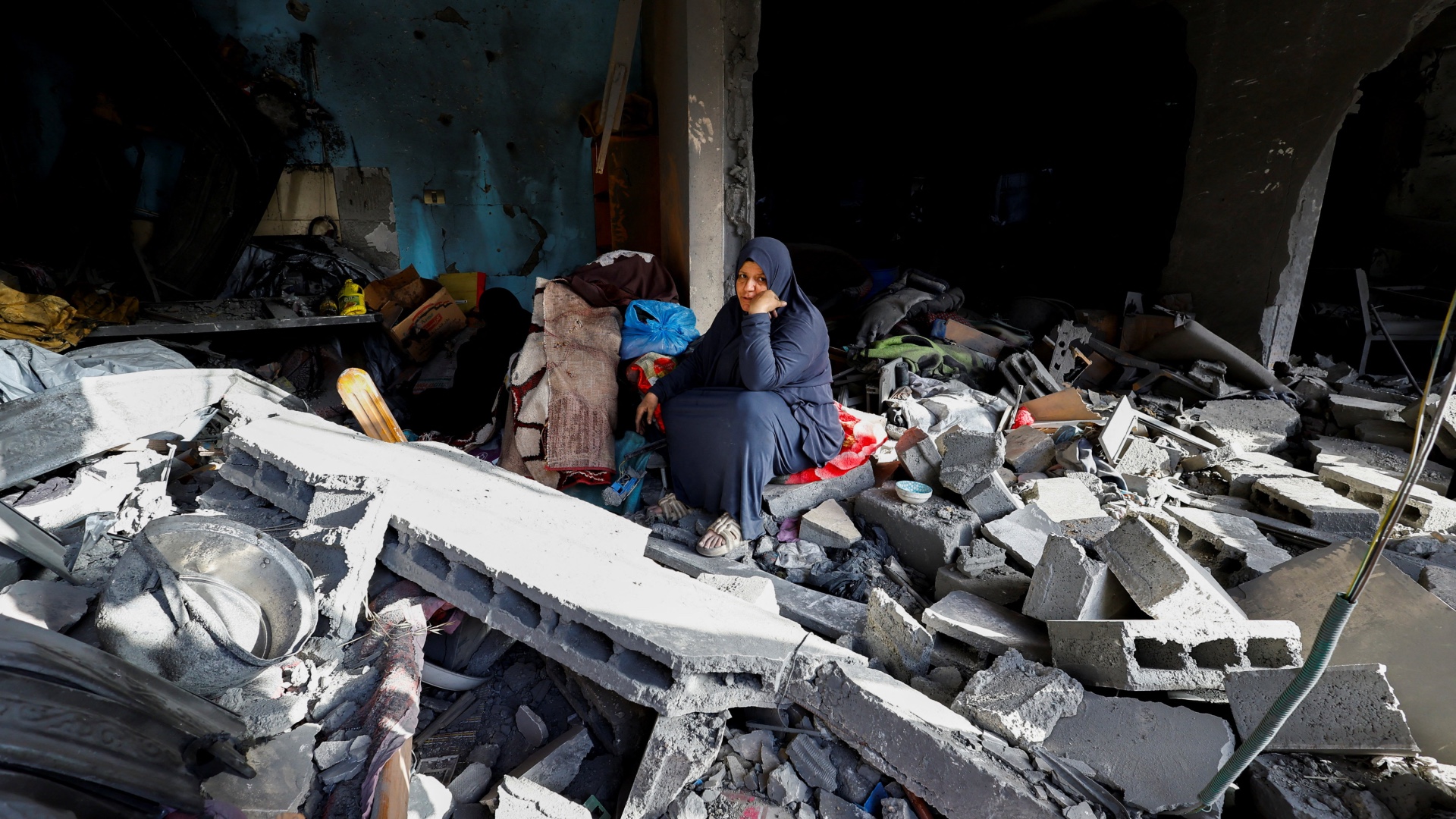
    Medical facilities throughout Lebanon report being overwhelmed by the influx of casualties, with many operating at significantly reduced capacity due to damage from bombardments and critical shortages of medical supplies. The compounding challenges of damaged transportation networks and electricity disruptions have further hampered emergency response efforts.

    International humanitarian organizations have raised alarms about the escalating crisis, noting that the actual number of casualties may be higher due to difficulties in accessing conflict zones and documenting victims trapped under rubble. The conflict has displaced approximately 25% of Lebanon’s population, creating a secondary crisis of internal displacement amid the country’s existing economic challenges.

    The sustained military campaign represents the most severe escalation between Israel and Lebanon since the 2006 war, with diplomatic efforts to broker a ceasefire thus far proving unsuccessful. The United Nations and several European nations have called for immediate de-escalation and humanitarian access to affected populations.

  • Why Turkey is unlikely to face a gas crisis if Iran cuts supplies

    Why Turkey is unlikely to face a gas crisis if Iran cuts supplies

    A significant reduction in Iranian natural gas exports to Turkey has emerged following regional military exchanges, including an Israeli strike on Iran’s South Pars gas field and subsequent retaliatory actions. Data from Turkey’s Energy Market Regulatory Authority indicates these exports, constituting approximately 13% of Turkey’s annual gas consumption or 7 billion cubic meters (bcm), have dropped precipitously. Reports from energy specialist Olcay Aydilek confirm flows plummeted from 30-31 million cubic meters to just 7-8 million cubic meters within a single day.

    Despite the sudden shortfall, energy analysts express measured confidence in Ankara’s capacity to mitigate the impact. Muhdan Saglam, an analyst with the Ankara-based TEPAV think tank, highlighted Turkey’s substantial strategic gas reserves. The Salt Lake and Silivri storage facilities, with a combined capacity of 6.3 bcm and currently reported as full by Energy Minister Alparslan Bayraktar, provide a critical buffer. Saglam stated that utilizing even half of these reserves would sufficiently compensate for the lost Iranian supply.

    Further bolstering Turkey’s position are multiple alternative sourcing avenues. Analysts point to significant spare capacity in existing import pipelines from Russia and Azerbaijan. The Blue Stream and TurkStream pipelines from Russia, with a combined annual capacity of 30 bcm, delivered only 21 bcm last year, indicating ample room for increased imports. Additionally, Turkey’s nascent domestic gas production in the Black Sea, currently feeding 10 million cubic meters daily into the grid, offers another layer of security. The country could also curtail its own gas exports to Balkan nations, which amount to 3.5 bcm annually, to cover the domestic deficit.

    Long-term strategies are also contributing to energy stability. A recent 20-year agreement with trading company Mercuria will supply 4 bcm of American LNG annually starting this year. Concurrently, a structural shift towards renewable energy is gaining traction, with wind power meeting a quarter of the national demand in early January. Seasonal factors, including heavy rainfall and unseasonably mild weather, are further reducing immediate gas consumption needs, easing pressure on the system.

  • Israel arrests and plans to deport Ethiopian asylum seekers

    Israel arrests and plans to deport Ethiopian asylum seekers

    Israeli authorities have commenced the arrest and detention of Ethiopian asylum seekers, with formal deportations scheduled to begin next month following a January 2024 government directive. The Population and Immigration Authority will execute this policy starting April 17, acting upon a Supreme Court decision that endorsed the state’s position despite petitions from human rights organizations.

    Approximately 8,000 Ethiopian nationals face deportation, including about 1,000 from the conflict-ravaged Tigray region. Gilad Palombo of Assaf, an Israeli refugee aid organization, confirmed that immigration authorities have already begun arresting individuals classified as ‘infiltrators’—a legal designation for those entering Israel illegally.

    The planned deportations occur against a backdrop of ongoing instability in Ethiopia. Although the Tigray conflict officially concluded with a 2022 peace agreement, sporadic fighting persists across multiple regions including Amhara, Oromia, and Benishangul-Gumuz. The UN estimates over 3.3 million people remain internally displaced within Ethiopia, with Human Rights Watch documenting severe humanitarian crises affecting civilians.

    Ethiopian-Israeli writer Bazi Gete warned that returning asylum seekers would face ‘acute danger’ in what he described as ‘a kind of no man’s land,’ with some potentially facing life-threatening situations or detention. Both Gete and Palombo emphasized the particular risks for women and children in Tigray, where economic distress and famine conditions prevail.

    This development reflects Israel’s broader policy approach toward asylum seekers. According to Assaf, only 50,000 of Israel’s 72,000 legal asylum seekers enjoy ‘protected group’ status, primarily from Eritrea, Sudan, and Ukraine. The remaining 22,000—including the Ethiopian cohort—lack official recognition and face severe legal and economic restrictions, with 57% living in poverty and 85% experiencing food insecurity.

    Palombo characterized Israel’s long-standing policy as intentionally making life ‘unbearable for asylum seekers’ to encourage voluntary departure. This approach previously manifested in a controversial agreement with Rwanda (2013-2018) that saw Israel pay $5,000 per person for accepting deportees.

    The Knesset has recently approved two laws targeting asylum seekers, reflecting what Gete describes as systemic propaganda portraying African refugees ‘as the source of all problems’ while denying them dignified existence in Israel.

  • Chad warns Sudan it will retaliate after drone strike on mourners kills 17

    Chad warns Sudan it will retaliate after drone strike on mourners kills 17

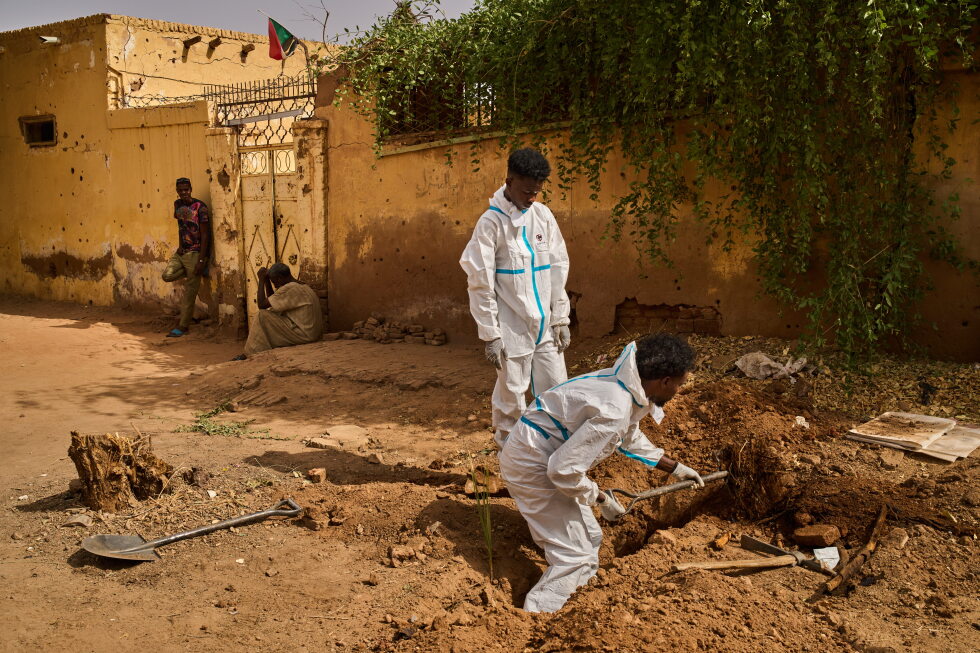
    Chadian President Idris Mahamat Déby has issued a definitive military response directive following a lethal drone assault originating from Sudan that killed 17 individuals and wounded multiple others during a funeral ceremony in the border town of Tiné. The president, appearing in full military regalia, convened an urgent security council meeting Wednesday evening, mandating heightened military alert status and instituting a comprehensive closure of the nation’s frontier with Sudan.

    President Déby characterized the incident as ‘an outrageous and blatant aggression’ against Chad’s territorial sovereignty, emphasizing that the assault occurred despite prior diplomatic warnings to warring factions in Sudan and previous border security measures. Chad had initially sealed its border last month to prevent incursions by Sudanese armed groups, though humanitarian exemptions remained permissible with official authorization.

    Local Tiné residents confirmed the victims were mourners participating in Quranic recitation ceremonies at a residential compound. The attack has drawn widespread condemnation from Chad’s legislative bodies, including the National Assembly and ruling party representatives. A government spokesperson expressed profound sorrow for the victims and extended official condolences to bereaved families while announcing reinforced defensive postures along the border region.

    The paramilitary Rapid Support Forces (RSF), which maintains control over much of Sudan’s Darfur region adjacent to Chad, stands accused of executing the attack—an allegation the group denies while counter-accusing Sudan’s national army. This incident exacerbates existing tensions between the nations, with Sudan historically accusing Chad of supplying weapons and mercenaries to the RSF, claims consistently refuted by N’Djamena.

    The broader context remains Sudan’s devastating civil war, ignited in April 2023 through violent power struggles between the national army and RSF forces. According to United Nations data, the conflict has resulted in hundreds of thousands of fatalities and displaced over 13 million people, including nearly one million refugees who have sought sanctuary in Chad across the nations’ 1,400-kilometer porous border. President Déby’s retaliation order now raises international concerns about potential regional escalation and widening violence.

  • Asia scrambles to conserve energy as Iran war disrupts oil and gas supplies

    Asia scrambles to conserve energy as Iran war disrupts oil and gas supplies

    The escalating conflict in the Middle East has triggered a severe energy crisis across Asia, forcing governments to implement emergency measures as supply disruptions ripple through economies heavily dependent on imported fuels. With the strategic Strait of Hormuz becoming increasingly precarious, approximately 90 vessels—primarily from India, Pakistan, and China—have successfully navigated this critical chokepoint since hostilities intensified on February 28.

    According to Michael Williamson of the United Nations Economic and Social Commission for Asia and the Pacific, the Asia region faces disproportionate exposure to these supply disruptions. Ramnath Iyer of the Institute for Energy Economics and Financial Analysis warns of potential ‘cascading impacts into all economic activities’ across the continent.

    Japan, which relies on the strait for 93% of its oil imports, has responded by releasing strategic reserves—15 days from private stockpiles followed by a month’s supply from national reserves. Despite maintaining approximately 250 days of reserves, analysts caution about potential parallels to the 1970s oil shock, prompting calls for accelerated renewable energy adoption.

    South Korea, importing 70% of its oil and 20% of liquefied natural gas from the Middle East, is bolstering energy security through increased coal-fired power generation, expanded nuclear output, and potential resumption of Russian crude imports.

    China remains relatively insulated due to substantial strategic reserves and renewable energy accounting for 30% of its power mix, though consumers face rising travel costs as airlines increase fares on international routes.

    Vietnam’s export-driven industries confront rising production expenses, with steel, textiles, and footwear manufacturers reporting increased input prices. Transportation and agriculture sectors face diesel price hikes, while aviation authorities warn of potential jet fuel shortages.

    Thailand has suspended petroleum exports and increased coal and hydropower generation after disruptions to LNG supplies from the Middle East. Indonesia faces difficult decisions regarding energy subsidies post-Eid al-Fitr, while the Philippines has initiated cash assistance programs for transportation workers and reduced government workweeks.

    Pakistan has implemented school closures, reduced government fuel allocations, and canceled national celebrations to conserve energy. India has prioritized household cooking gas distribution, affecting commercial users, while Nepal has instituted cooking gas rationing and promoted induction cookers as alternatives.

  • War in the Middle East: latest developments

    War in the Middle East: latest developments

    The Middle East conflict has escalated into a widespread regional crisis with direct attacks on global energy infrastructure, triggering significant economic repercussions and heightened geopolitical tensions.

    Global energy markets experienced severe volatility following Iranian strikes on Qatar’s Ras Laffan Industrial Area, the world’s largest liquefied natural gas facility. Initial reports confirmed extensive damage to multiple LNG installations, prompting oil prices to surge by 10% and European gas prices to jump 35% amid supply disruption fears. Qatari authorities later contained the fires without reporting casualties, though damage assessment continues.

    Iran intensified its offensive across the Gulf region, with drone attacks targeting critical refineries in Saudi Arabia and Kuwait. A drone crashed into Saudi Arabia’s Samref refinery in Yanbu—a strategic terminal for the Petroline pipeline that bypasses the choked Strait of Hormuz. Simultaneously, Kuwait’s Mina Abdullah and Mina Al-Ahmadi refineries, with combined capacity of 800,000 barrels daily, suffered fire damage before being contained by emergency crews.

    The Islamic Republic issued renewed threats to destroy regional energy infrastructure if its facilities face counterattacks. Iranian lawmakers further proposed imposing tolls and taxes on vessels navigating the Strait of Hormuz, where maritime traffic has nearly halted since conflict initiation.

    International responses amplified as China condemned Israel’s targeted killing of Iranian national security chief Ali Larijani, labeling the act ‘unacceptable.’ Meanwhile, Iran executed three individuals convicted of killing police officers and allegedly conducting operations for the United States and Israel during recent unrest.

    Saudi Foreign Minister Prince Faisal bin Farhan declared the kingdom reserves the right to military response following repeated Iranian attacks, stating Saudi Arabia ‘will not succumb to pressure.’

    The conflict’s regional spillover claimed two fighters from Iraq’s Popular Mobilisation Forces in northern operations, with the group blaming Israel and the United States for the strikes.

    Commercial repercussions emerged as Cathay Pacific suspended flights to Dubai and Riyadh until April’s end, reflecting the conflict’s expanding impact on global connectivity and trade.

  • Trump says US had ‘no idea’ Israel would attack Pars gas field in Iran

    Trump says US had ‘no idea’ Israel would attack Pars gas field in Iran

    Former U.S. President Donald Trump has publicly declared that the United States had no advance knowledge of Israel’s recent military strike against Iranian oil facilities in the South Pars and Asaluyeh regions. The announcement, made via his Truth Social platform on Thursday, comes amid rapidly escalating tensions across the Persian Gulf following retaliatory attacks on Qatari energy infrastructure.

    Trump characterized Israel’s action as a response driven by ‘anger for what has taken place in the Middle East,’ noting that the strike targeted a section of the massive South Pars Gas Field complex. He explicitly absolved Qatar of any involvement or foreknowledge of the Israeli operation.

    The former president issued a severe warning to Iran, stating that any additional attacks on Qatar’s liquefied natural gas (LNG) facilities would trigger an overwhelming U.S. military response. “With or without the help or consent of Israel,” Trump wrote, the United States would “massively blow up the entirety of the South Pars Gas Field at an amount of strength and power that Iran has never seen or witnessed before.”

    This exchange of attacks began when Israel struck Iran’s portion of the South Pars gas field, the world’s largest natural gas reservoir shared between Iran and Qatar. Iran subsequently launched retaliatory strikes against energy facilities in Qatar, Saudi Arabia, and the United Arab Emirates.

    Qatar reported significant damage at its Ras Laffan Industrial City, a critical global LNG production hub. Qatari authorities condemned the Iranian attacks as violations of international law that threaten global energy security. QatarEnergy confirmed ‘sizeable fires’ at multiple LNG facilities with ‘extensive damage’ to the Pearl GTL facility.

    The Gulf Cooperation Council issued a strong rebuke, with Secretary-General Jasem Mohamed Albudaiwi condemning Iran’s strike on Qatar’s industrial complex as ‘dangerous aggression.’ Meanwhile, Saudi Foreign Minister Prince Faisal bin Farhan signaled a hardening regional stance, stating that Riyadh’s ‘patience with Iranian aggression is not unlimited’ and that trust in Tehran has been ‘completely shattered.’

    The escalating conflict has already reverberated through global markets, with Asian indexes falling sharply and oil prices surging above $110 per barrel. Analysts warn that continued attacks on energy infrastructure could trigger broader economic consequences, including higher fuel costs and supply chain disruptions, while increasing the risk of a wider regional conflict.

  • Trump threatens to blow up ‘entirety’ of  major Iran gas field if it attacks Qatar again

    Trump threatens to blow up ‘entirety’ of major Iran gas field if it attacks Qatar again

    In a dramatic escalation of Middle East tensions, former US President Donald Trump has issued a direct threat to destroy Iran’s South Pars gas field—the world’s largest natural gas reservoir—should Tehran launch additional attacks against Qatar, America’s Gulf Arab ally. This ultimatum follows a series of retaliatory strikes that have sent global energy markets into turmoil.

    The crisis began when Israel conducted a military strike against Iran’s South Pars facility, located offshore between Iran and Qatar. Although Israel has not formally claimed responsibility, Trump acknowledged the attack while distancing US involvement, stating America ‘knew nothing’ about its ally’s decision to violently lash out at Iran.

    Iran responded by targeting Qatar’s Ras Laffan Industrial City, home to the world’s largest liquefied natural gas (LNG) processing facility. Initial attacks caused extensive damage to the energy complex, prompting state-owned QatarEnergy to activate emergency protocols. While all personnel were accounted for, subsequent strikes required additional firefighting efforts, though no injuries were reported.

    Through social media, Trump condemned Iran’s retaliation as ‘unjustifiable and unfair,’ emphasizing Qatar’s non-involvement in the initial Israeli operation. He warned that further Iranian aggression toward Qatari LNG facilities would trigger a devastating US response against South Pars ‘at an amount of strength and power that Iran has never seen or witnessed before.’

    The conflict has triggered seismic shifts in energy markets. Oil prices surged to nearly $110 per barrel following the initial strikes, while European wholesale gas prices spiked more than 25% in early Thursday trading—more than double pre-conflict levels—before slightly retreating.

    Qatar’s government denounced the attacks on its territory as a ‘brazen’ threat to national security and regional stability, expelling two Iranian diplomats and their staff within 24 hours. The Qatari foreign ministry characterized Israel’s strike on South Pars as ‘dangerous and irresponsible,’ noting the field’s connection to Qatar’s North Field reservoir.

    This confrontation represents the latest escalation since US and Israeli forces launched widespread strikes against Iran on February 28th, triggering a cycle of retaliation that now engulfs multiple nations and threatens global energy security.

  • Conflict to push 45m more into hunger

    Conflict to push 45m more into hunger

    The United Nations has issued a dire warning that the ongoing Middle East conflict could trigger a catastrophic global hunger crisis, potentially pushing an additional 45 million people into acute food insecurity by mid-year. This alarming projection comes as humanitarian agencies report escalating violence across multiple fronts.

    According to Farhan Haq, Deputy Spokesman for the UN Secretary-General, new analysis from the World Food Programme indicates that severe food insecurity could reach unprecedented levels if the conflict persists and oil prices remain above $100 per barrel. The economic destabilization caused by the crisis is creating a perfect storm for global food systems.

    The strategic throttling of the Strait of Hormuz has emerged as a critical concern, disrupting not only oil flows but also shipments of essential fertilizers crucial for agricultural production worldwide. This dual impact threatens to exacerbate food shortages across vulnerable regions.

    Humanitarian operations face immense challenges as the UN Office for the Coordination of Humanitarian Affairs (OCHA) scales up assistance. The organization reports that more than 1 million people have registered as displaced following evacuation orders, including nearly 300,000 children. Most displaced families are not in formal shelters, complicating aid delivery.

    The crisis has particularly devastated healthcare infrastructure. OCHA expressed grave concern over attacks on medical facilities and personnel, noting that at least three paramedics were killed in recent Israeli strikes across Nabatieh and Tyre districts. These attacks are straining Lebanon’s health system and endangering medical workers providing critical care.

    In Iran, authorities reported 17 medical personnel killed and over 100 injured, with more than 240 health facilities damaged. The conflict has also destroyed tens of thousands of homes and hundreds of water infrastructure sites, creating a secondary public health crisis.

    Gulf region governments reported at least 15 civilian deaths and numerous injuries linked to the hostilities. OCHA emphasized that all parties must uphold international humanitarian law and protect civilians, including health workers and humanitarian personnel.

    The situation in Gaza remains particularly desperate, with aid deliveries reduced to a ‘trickle’ due to crossing restrictions. Continued Israeli strikes in residential areas are heightening risks for civilians already facing severe shortages of food, water, and medical supplies.

  • Africa seeks benefits from two sessions

    Africa seeks benefits from two sessions

    African policymakers and business leaders are intensively analyzing the outcomes of China’s recently concluded Two Sessions, seeking to align continental development strategies with Beijing’s newly articulated economic priorities. The annual legislative and advisory meetings have provided crucial signals about China’s focus on manufacturing advancement, technological innovation, and green industry development—areas of significant relevance to Africa’s economic transformation ambitions.

    According to Carlos Lopes, Professor at the University of Cape Town’s Nelson Mandela School of Public Governance, the policy directions emerging from Beijing must be understood within the broader context of global economic restructuring. “While China remains Africa’s paramount economic partner,” Lopes noted, “the critical question revolves around how the continent positions itself within this dynamically evolving relationship framework.”

    The discussions highlighted Africa’s opportunity to leverage China’s reaffirmed commitment to free trade principles, particularly through preferential measures such as zero-tariff treatment for exports from 53 African nations. However, experts emphasized that African countries must develop stronger productive capacities and industrial capabilities to fundamentally transform the nature of Africa-China trade relations beyond commodity dependency.

    Gordon K’achola, Founder of the Africa Center for Diplomatic Affairs in Kenya, described this as a “pivotal moment for Africa,” noting that Beijing’s policy signals will influence how Global South nations recalibrate their economic and foreign policy orientations. K’achola stressed that enhanced regional coordination through mechanisms like the African Continental Free Trade Area could enable African economies to present a unified market front and maximize development opportunities.

    Infrastructure development remains central to Africa’s engagement calculus, with experts highlighting continued needs for electricity, transportation networks, clean water systems, and healthcare facilities across the continent. Melha Rout Biel, Executive Director of South Sudan’s Institute for Strategic and Policy Studies, pointed to China’s emphasis on high-quality growth and domestic consumption as factors that will require African exporters to elevate product standards to access Chinese markets effectively.

    The analysis suggests that joint ventures and establishment of free trade zones could serve as catalysts for industrialization and knowledge transfer. As K’achola concluded, the long-term success of Africa-China engagement will ultimately depend on “how effectively the continent strengthens productive capacity, advances regional integration, and positions itself within emerging global value chains.”