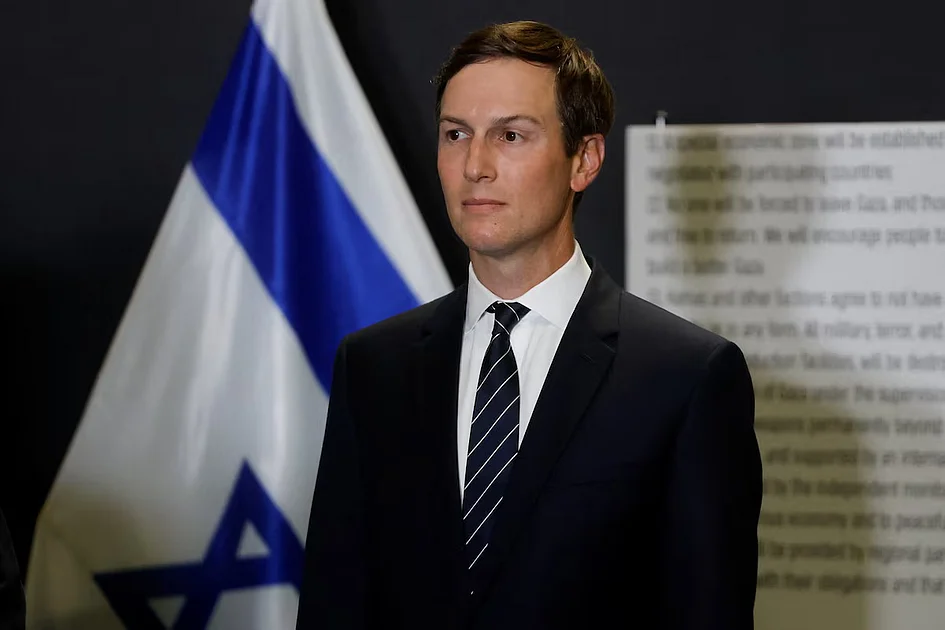
In a pivotal meeting held in Jerusalem on Monday, US envoy Jared Kushner and Israeli Prime Minister Benjamin Netanyahu deliberated on the progression of the US-mediated ceasefire agreement in Gaza. The discussions centered on the implementation of the second phase of the plan, which aims to disarm Hamas, demilitarize Gaza, and ensure that Hamas is permanently excluded from any future governance in the region. Shosh Bedrosian, a spokesperson for the Prime Minister’s Office, emphasized that the second phase also involves the formation of an international stabilization force, with specific details still under negotiation. The first phase of the ceasefire, currently in effect, was also reviewed during the talks. This meeting underscores the ongoing efforts to achieve long-term peace and stability in the region, with both parties committed to advancing the plan’s objectives.
分类: world
-

COP30 summit kicks off in Belem, Brazil
The 30th United Nations Climate Change Conference, COP30, officially began on Monday, November 10, 2025, in Belem, Brazil. Hosted in the state of Para, the summit aims to reinvigorate global efforts to combat climate change, placing it at the forefront of international priorities. Local authorities emphasized the urgency of addressing environmental challenges, calling for unified action from nations worldwide. The conference serves as a critical platform for policymakers, scientists, and activists to collaborate on innovative solutions and strategies to mitigate the escalating climate crisis. As the world grapples with extreme weather events, rising sea levels, and biodiversity loss, COP30 is expected to set the stage for ambitious climate targets and actionable commitments. The event underscores Brazil’s role as a key player in global environmental discussions, particularly given its stewardship of the Amazon rainforest, a vital ecosystem in the fight against climate change.
-
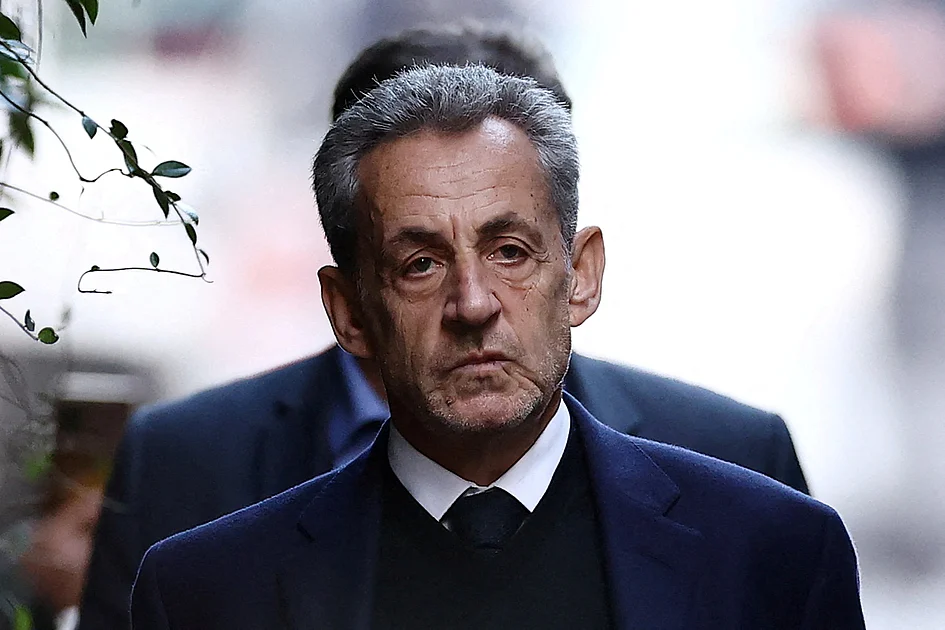
French court orders early release from jail for ex-president Nicolas Sarkozy
In a significant legal development, former French President Nicolas Sarkozy has been ordered to be released from prison pending an appeal hearing. Sarkozy, who became the first former head of a European Union state to be incarcerated, entered La Sante prison in Paris on October 21, 2025, after being convicted of seeking illegal campaign funding from Libya’s former leader, Moamer Kadhafi. The lower court had sentenced him to five years in prison in September 2025, citing the “exceptional gravity” of the case. However, a judge on Monday, November 10, 2025, ruled in favor of his release, citing the need for judicial supervision and the presumption of innocence during the appeal process. The appeal hearing is scheduled for March 2026. During the court proceedings, Sarkozy appeared via video call, describing his incarceration as a “nightmare” but expressing gratitude to prison staff for their “exceptional humanity.” His release was supported by prosecutors, who argued that the risks of collusion and witness tampering could be managed through judicial oversight. Sarkozy’s wife, Carla Bruni-Sarkozy, and his two sons were present in court to show their support. The case stems from allegations that Sarkozy’s aides struck a deal with Kadhafi in 2005 to secure funding for his 2007 presidential campaign, though the court did not conclude that Sarkozy personally received or used the funds. This marks the latest chapter in Sarkozy’s ongoing legal battles, which include previous convictions for graft and illegal campaign financing. Despite his release, Sarkozy’s political legacy remains overshadowed by these controversies.
-
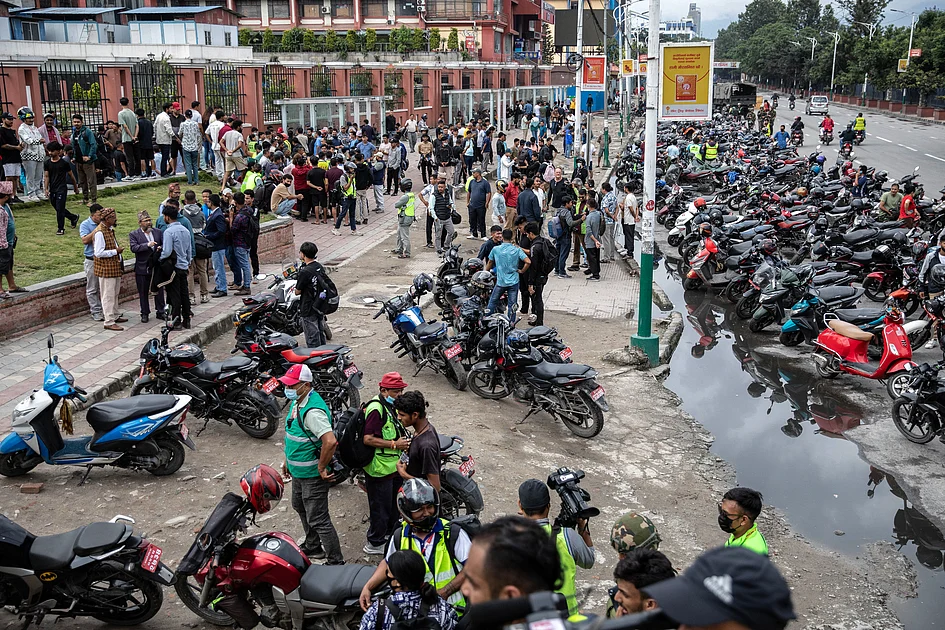
Nepal police arrest more than 400 over September protests
Nepalese authorities have detained more than 400 individuals linked to the widespread protests that erupted in September, leading to the collapse of the government. According to police data released on Monday, the arrests include suspects accused of crimes ranging from murder and vandalism to illegal possession of weapons, theft, and indecent behavior. The protests, initially sparked by a government ban on social media, quickly escalated into nationwide unrest fueled by economic struggles and widespread corruption. The violence resulted in at least 76 deaths, including protesters, escaped prisoners, and police officers. During the chaos, over 2,700 structures were attacked, including government buildings, police stations, and private residences. Additionally, around 14,500 detainees escaped from prisons, with 5,020 still at large. Home Minister Om Prakash Aryal announced a special operation to recapture the escapees and recover looted weapons. Meanwhile, representatives of the youth-led ‘Gen Z’ protest groups have called for Aryal’s resignation, accusing him of failing to hold those responsible for the deadly crackdown accountable. The government has imposed travel bans on former Prime Minister KP Sharma Oli and four senior officials as an investigation into the unrest continues.
-

Bangladesh arrests one over petrol bomb attacks rocking capital
Dhaka, the capital of Bangladesh, has been shaken by a series of petrol bomb attacks targeting key locations, including a building associated with interim leader Muhammad Yunus. Police reported that seven crude petrol bombs were detonated on Monday, though no injuries were sustained. A 28-year-old man, identified as a member of the student wing of the outlawed Awami League, has been arrested in connection with the attacks. The Awami League, the former ruling party of ousted leader Sheikh Hasina, was removed from power in a violent uprising in August 2024. The suspect is currently under interrogation for multiple incidents, including petrol bomb attacks on St Mary’s Cathedral and a Catholic school in Dhaka over the weekend. Early Monday, additional petrol bombs targeted the offices of Grameen Bank, founded by Nobel Prize-winning Yunus, as well as properties linked to Yunus’ cabinet member Farida Akhtar, two buses, and a hospital. These incidents have escalated tensions in Bangladesh as political parties prepare for the first elections since Hasina’s fall, scheduled for February 2026. Security forces have launched a citywide manhunt to apprehend all individuals involved in these violent acts. The election campaigns, which began in early November, have already been marred by violence, including a fatal shooting at a campaign rally last week. Bangladesh continues to grapple with political unrest, with police offering rewards for the surrender of over 1,300 firearms looted during last year’s turmoil.
-
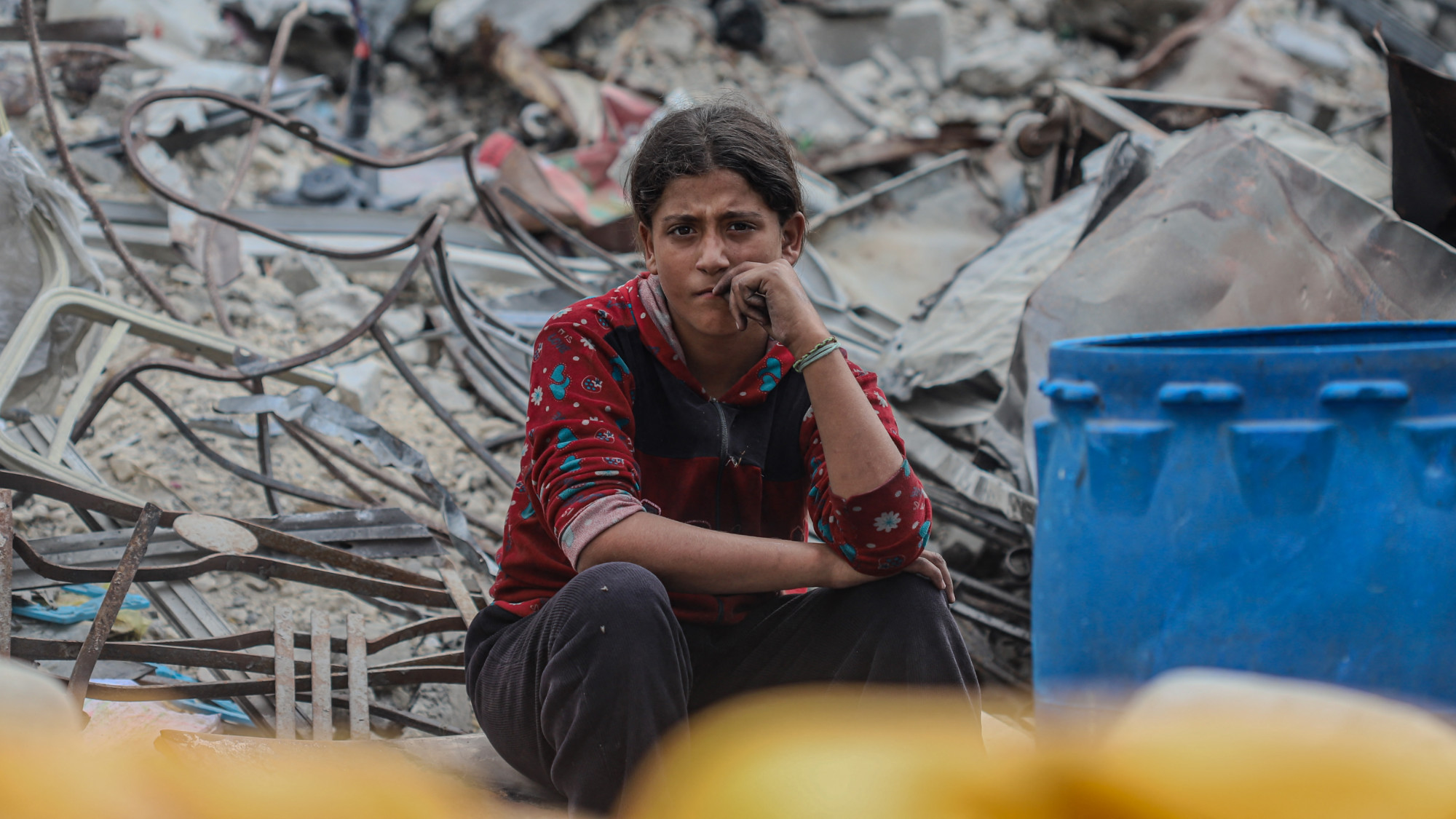
‘Genocide stopped only in media’: Gaza endures daily bombings a month into truce
Despite the implementation of a ceasefire in Gaza a month ago, the lives of many Palestinians, including Manar Jendiya, remain fraught with danger and uncertainty. Originally from Gaza City, Jendiya has been displaced in Deir al-Balah since the truce began on October 11. Her neighborhood, Shujaiya, remains under Israeli control, and two weeks into the agreement, Israeli forces bombed the area where she was staying, forcing her to flee once again. Tragically, one of these attacks claimed the life of her sister, who had been caring for her children alone after her husband was killed earlier in the conflict.
Jendiya’s story is emblematic of the broader suffering in Gaza, where many residents feel that Israel’s two-year campaign of violence continues unabated. Daily explosions demolish homes, and shelling and gunfire persist, claiming lives and causing injuries. Essential supplies like food and medicine remain scarce due to the ongoing Israeli siege. Jendiya poignantly remarked, ‘The genocide has only stopped in the media. But for us, it’s still ongoing.’
Since the ceasefire began, Israeli forces have killed at least 242 Palestinians, including dozens of children, in clear violation of the agreement. The Rafah crossing, crucial for evacuating the severely wounded to Egypt, remains closed, and only a fraction of the agreed-upon aid trucks are allowed through daily. Most carry non-essential items, leaving critical supplies in short supply.
Adding to the psychological toll, Israeli drones hover over Gaza, broadcasting threatening messages and playing disturbing sounds late at night. Anas Moeen, a 30-year-old resident, described the drones as a deliberate tactic to spread panic and anxiety. ‘They are addressing civilians with messages like ‘hand over the bodies of captives’ and ‘respect the ceasefire’, but as civilians, this is not our responsibility,’ he said. ‘What we understand from these messages is that the army can reach us at any moment, that the war isn’t over, and we could be the next target whenever the drone operator decides.’
The situation on the ground remains dire, with Israeli military vehicles positioned just two kilometers from central Gaza City. Moeen described the constant routine of air raids, artillery shelling, and gunfire as ‘hysterical,’ with soldiers sometimes keeping their fingers on the trigger for extended periods. Despite the ceasefire, the threat of renewed war looms large, leaving Gaza’s residents in a state of perpetual fear and uncertainty.
-
Israeli settlers torch factories and farmland in massive West Bank arson raid
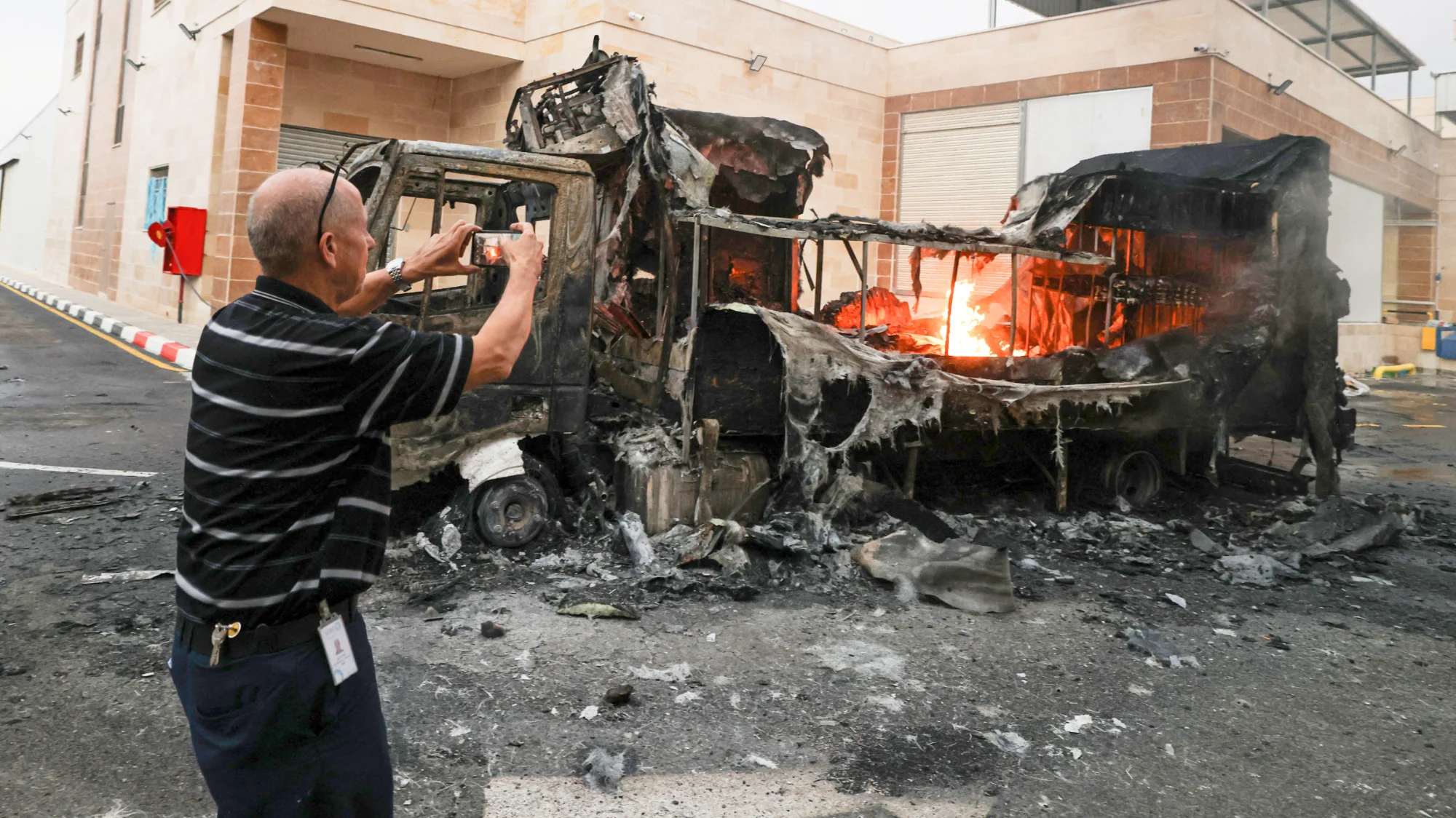
In a disturbing escalation of violence, Israeli settlers launched a coordinated arson attack on Palestinian communities in the occupied West Bank on Tuesday, November 12, 2025. The assault targeted an industrial area east of Tulkarm, near Beit Lid, where masked settlers set fire to a dairy factory, surrounding farmland, multiple buildings, and trucks. The flames spread to a nearby nomadic Palestinian community, destroying their tents. At least four Palestinians were injured as settlers hurled rocks at those attempting to resist the attack. Israeli forces reportedly accompanied and protected the settlers during the assault, further exacerbating tensions.
This incident is part of a broader surge in settler violence that has intensified since October 2023, with a sharp increase in attacks during the olive harvest season—a critical source of income for thousands of Palestinian families. According to the Colonization and Wall Resistance Commission, over 2,350 attacks were recorded in October 2025 alone, with 1,584 directly carried out by the Israeli army. These assaults include physical violence, the uprooting of olive trees, the burning of fields, and the obstruction of farmers’ access to their land.
In addition to the arson attack, settlers fenced off Palestinian land in the northern Jordan Valley, preventing farmers from working and undermining their livelihoods. Meanwhile, in occupied East Jerusalem, over 200 settlers entered the courtyards of Al-Aqsa Mosque under Israeli police protection, performing Talmudic prayers and rituals while barring Muslim worshippers from entering.
The violence extends beyond property destruction. On Sunday, November 10, settlers attacked a Palestinian community in al-Ara’ara, north of Jerusalem, injuring at least seven people and torching livestock sheds. Similar incidents occurred in Mount Sabih, south of Nablus, where masked settlers armed with clubs assaulted farmers, journalists, and foreign activists during the olive harvest. Among the injured were Reuters photographer Raneen Sawafta, Al Jazeera correspondent Mohammed al-Atrash, and photographer Louay Saeed.
UN bodies and international human rights organizations have condemned the escalating violence. Ajith Sunghay, head of the UN Human Rights Office in Palestine, warned that the attacks aim to sever Palestinians’ connection to their land, facilitate illegal settlement expansion, and dispossess communities. He emphasized the cultural and economic significance of olive cultivation, which represents livelihood, lineage, and resilience for Palestinians.
The international community continues to call for accountability, as most settlers involved in such attacks are rarely prosecuted. The ongoing violence underscores the urgent need for intervention to protect Palestinian lives and livelihoods in the occupied West Bank.
-
Thailand suspends Cambodia deal after landmine injures troops
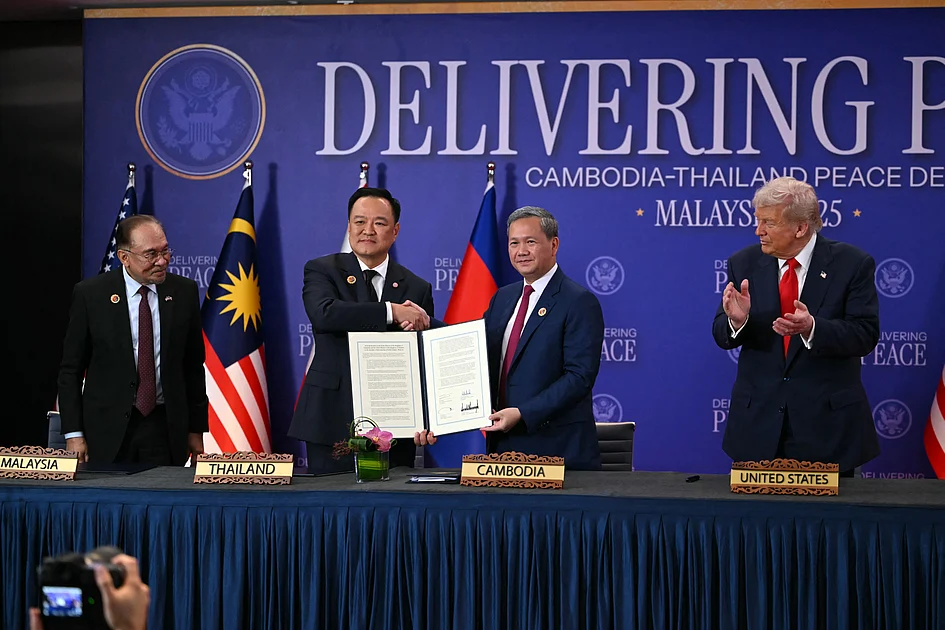
Thailand has suspended a peace agreement with Cambodia following a landmine explosion that injured two Thai soldiers near the border. The incident occurred in Sisaket province, leaving one soldier with severe leg injuries and another with chest pains due to the blast’s pressure. The peace deal, brokered under the oversight of former US President Donald Trump, aimed to end hostilities after border clashes in July that resulted in at least 43 deaths and displaced over 300,000 civilians on both sides. Thai government spokesman Siripong Angkasakulkiat announced that Bangkok would halt the implementation of the joint declaration signed in Kuala Lumpur in October, which included plans for mine-clearing operations, the withdrawal of heavy weapons, and the release of 18 detained Cambodian soldiers. Thai Prime Minister Anutin Charnvirakul expressed concerns that the security threat had not diminished as anticipated. Cambodian authorities have yet to comment on the incident but have previously denied allegations of planting new landmines. Despite the truce holding since July 29, both nations have accused each other of ceasefire violations, and analysts suggest a lasting resolution to the century-old border dispute remains uncertain.
-
At least eight killed after car explodes near Delhi’s Red Fort
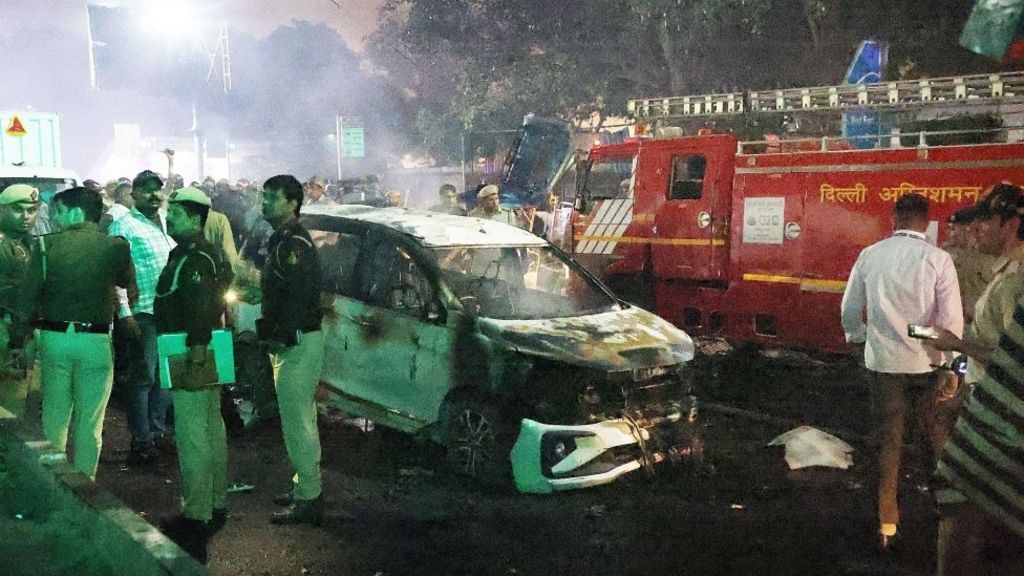
A devastating car explosion near the Red Fort in Delhi has claimed the lives of at least eight people and left 19 others injured, according to authorities. The incident occurred at approximately 18:52 local time (13:52 GMT) when a slow-moving Hyundai i20 stopped at a red light before exploding, causing significant damage to nearby vehicles. Delhi Police Commissioner Satish Golcha confirmed the details, while Sanjay Tyagi, the city police spokesperson, stated that all possible causes are being investigated. The blast took place near a metro station close to the Red Fort, a historic Mughal fortress and a major tourist attraction. Prime Minister Narendra Modi expressed his condolences to the victims’ families, while opposition leader Rahul Gandhi described the incident as “extremely heartbreaking.” Federal Home Minister Amit Shah revealed that teams from the National Security Guard and the National Investigation Agency, along with forensic experts, are conducting a thorough investigation. Security has been heightened in sensitive areas, including Uttar Pradesh, which borders Delhi and is home to iconic sites like the Taj Mahal. Eyewitnesses described the scene as chaotic, with locals attempting to aid the injured amidst the wreckage.
-
Verified videos show aftermath of explosion in Delhi
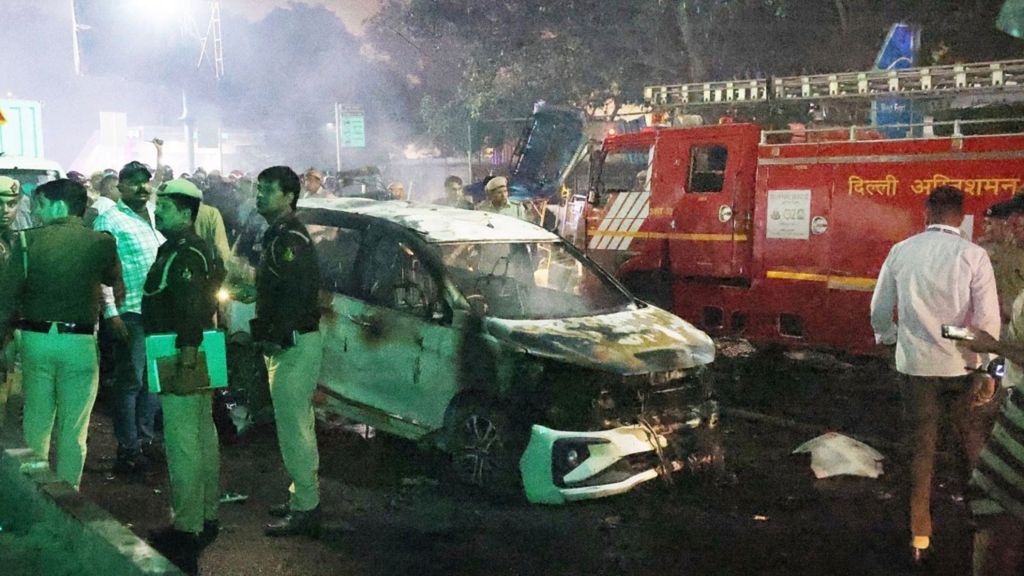
A devastating car explosion near Delhi’s iconic Red Fort has resulted in the tragic loss of eight lives, according to local police authorities. Verified videos circulating online depict the harrowing aftermath of the incident, showcasing the extent of the destruction and the chaos that ensued. The explosion, which occurred in close proximity to one of India’s most historic landmarks, has sent shockwaves through the community and raised urgent questions about security measures in the area. Authorities are currently investigating the cause of the blast, with initial reports suggesting it may have been an act of sabotage. Emergency services were quick to respond, but the severity of the explosion left little chance for survival for those directly affected. The incident has prompted calls for heightened vigilance and a thorough review of safety protocols in public spaces across the city.