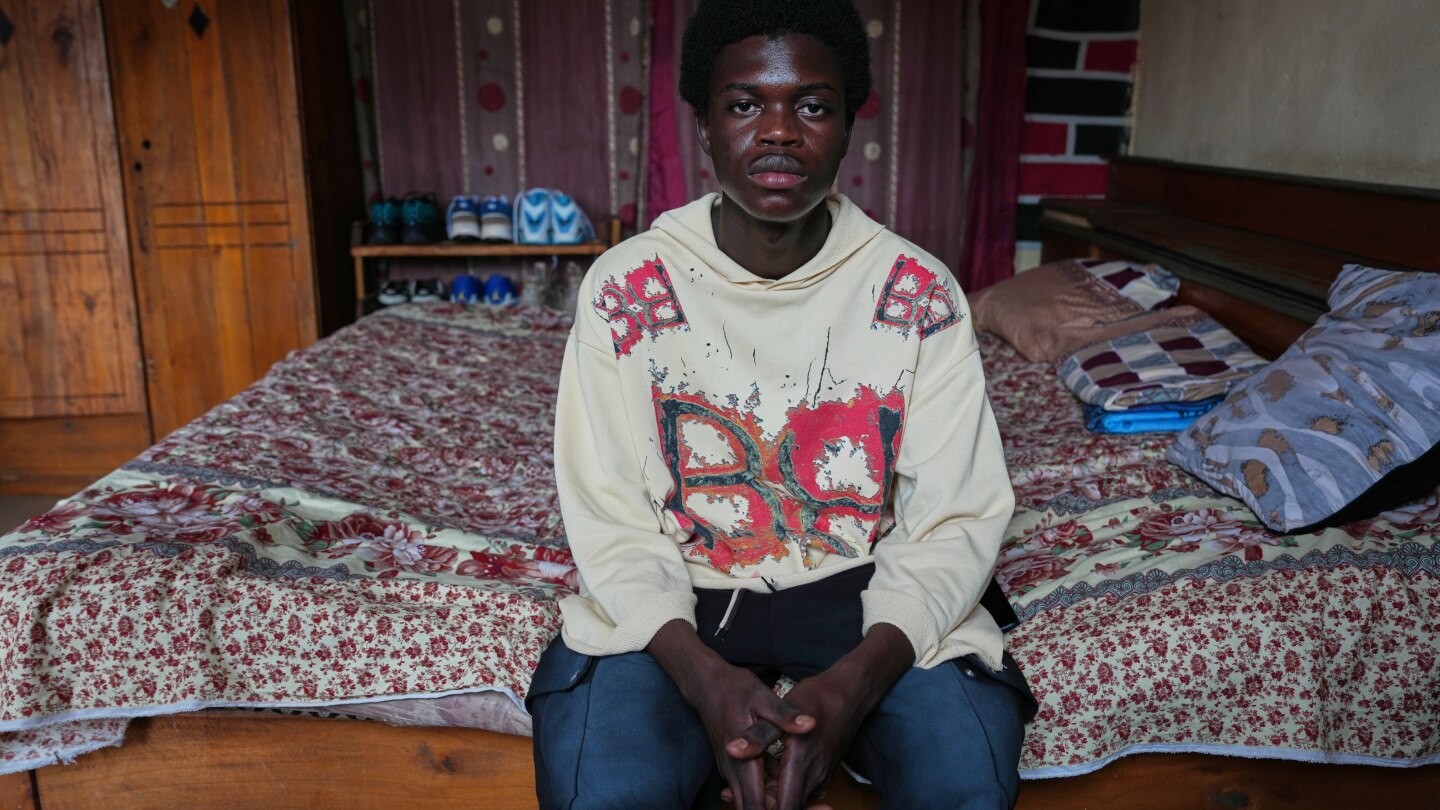
The European Union (EU) has allocated hundreds of millions of dollars to the International Organization for Migration (IOM) to assist tens of thousands of African migrants returning from unsuccessful journeys to Europe. However, investigations by The Associated Press reveal that many returnees in Gambia and Guinea claim they have received little to no promised economic or psychosocial support. Migration experts argue that the IOM’s efforts are insufficient, potentially fueling further migration attempts due to desperation. The IOM acknowledges concerns but cites high caseloads and incomplete documentation as reasons for delays. The EU has not provided detailed transparency on fund allocation, and a 2021 audit by the European Court of Auditors questioned the program’s effectiveness. Launched in 2016, the EU-funded IOM program aims to repatriate migrants and provide post-return assistance, including housing, medical care, and vocational training. Despite these goals, returnees report facing trauma, debt, and family shame without adequate support. A WhatsApp group of over 50 returnees highlights widespread frustration with the IOM’s unresponsiveness. Experts emphasize the need for better reintegration support, particularly in countries with weak state services. While the program has reduced irregular crossings into Europe, critics argue that its lack of transparency and accountability undermines its impact on vulnerable migrants.
分类: world
-
African migrants assert a Europe-funded program abandons them after returning them home
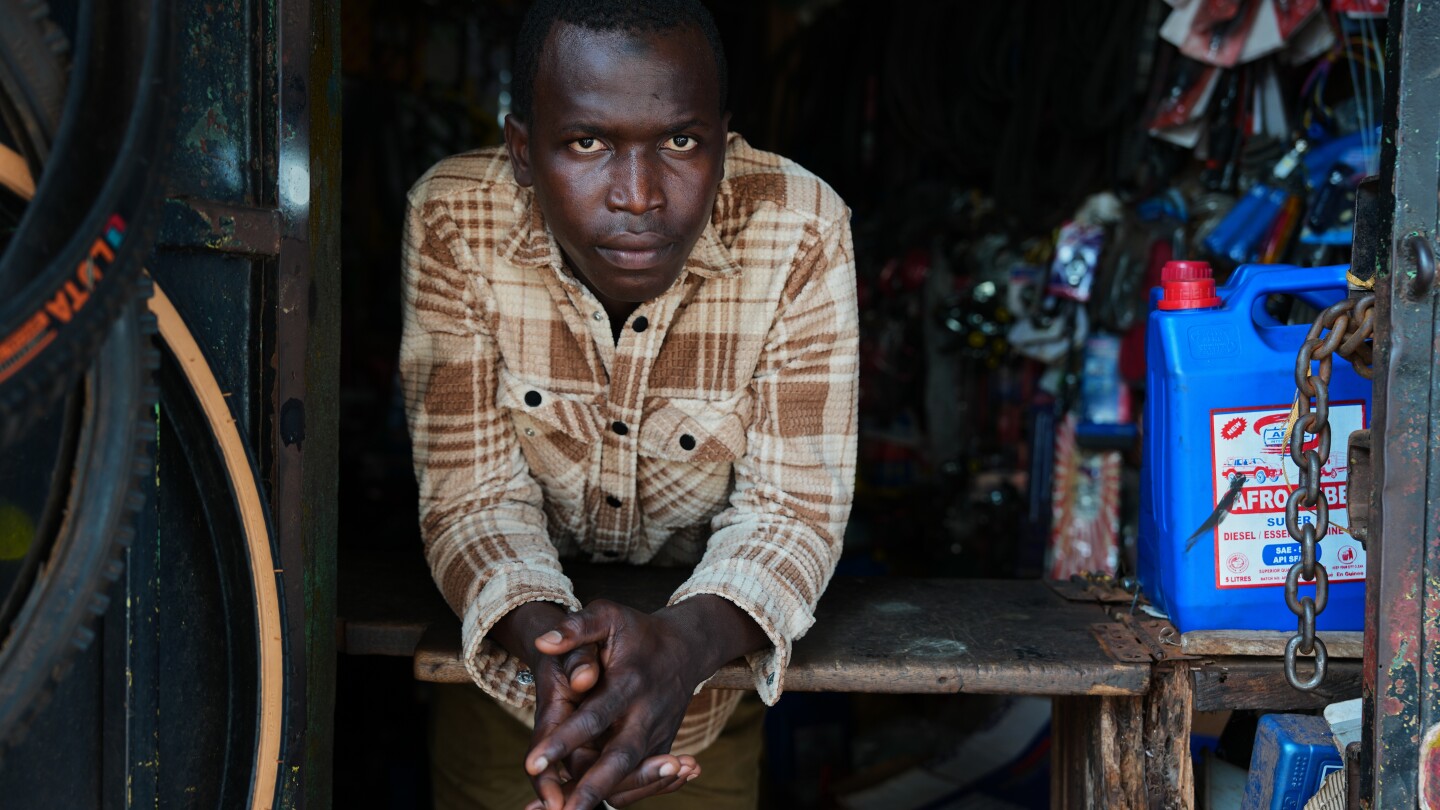
CONAKRY, Guinea (AP) — Oumar Bella Diallo, a 24-year-old Guinean, returned home in July after a harrowing year-long attempt to reach Europe. His journey was marked by police brutality, scams, and the haunting sight of fellow migrants perishing in the desert. Diallo is among tens of thousands of African migrants repatriated through the International Organization for Migration (IOM), a program funded by the European Union (EU) to curb migration. However, many returnees report unfulfilled promises of post-return assistance, leaving them to grapple with trauma, debt, and societal shame. The AP interviewed several returnees in Guinea and Gambia, who expressed frustration over the lack of follow-up support from the IOM. Diallo, for instance, sought help to start a small business but received only a phone number for a counselor and a brief orientation course. He also requested medical assistance for an injury sustained during his migration but was told it was unavailable. The IOM program, launched in 2016, has repatriated over 100,000 sub-Saharan migrants from North Africa and Niger. Despite a $380 million budget, with 58% allocated for post-return assistance, many returnees claim they have not received the promised support. Francois Xavier Ada of the IOM’s West Africa office acknowledged concerns over delays, attributing them to high caseloads or incomplete documentation. Experts, however, criticize the lack of transparency and accountability in the program’s implementation. The European Court of Auditors found that the program failed to demonstrate sustainable reintegration results during its first phase (2016-2021). Josephine Liebl of the European Council on Refugees and Exiles noted that the EU’s focus on returns overshadows the need for effective reintegration support. Returnees like Kabinet Kante, a 20-year-old Guinean, face additional challenges. Kante, who aspired to be a footballer in Germany, returned home after being intercepted at sea and abandoned in the desert. Despite his efforts to seek vocational training, the IOM has ignored his requests. Kante has since created a WhatsApp group for frustrated returnees and uses TikTok to warn others about the dangers of migration. The IOM program coincides with Europe’s broader efforts to deter migration, including paying African governments to intercept migrants—a practice criticized by human rights groups. While these efforts have reduced irregular crossings, experts argue that the lack of reintegration support in migrants’ home countries undermines the program’s effectiveness. Camille Le Coz of the Migration Policy Institute emphasized the need for access to social protection and labor markets. Despite the challenges, returnees like Diallo and Kante are not planning to migrate again soon, primarily due to financial constraints. However, the allure of Europe remains strong, and the visa process remains prohibitively expensive and uncertain for many. Elhadj Mohamed Diallo, a former migrant now working with the IOM, acknowledged the difficulties in preventing returnees from migrating again. ‘Migration is a natural thing,’ he said. ‘Blocking a person is like blocking the tide.’
-
Malaysia officials recover more bodies from capsized migrant boat
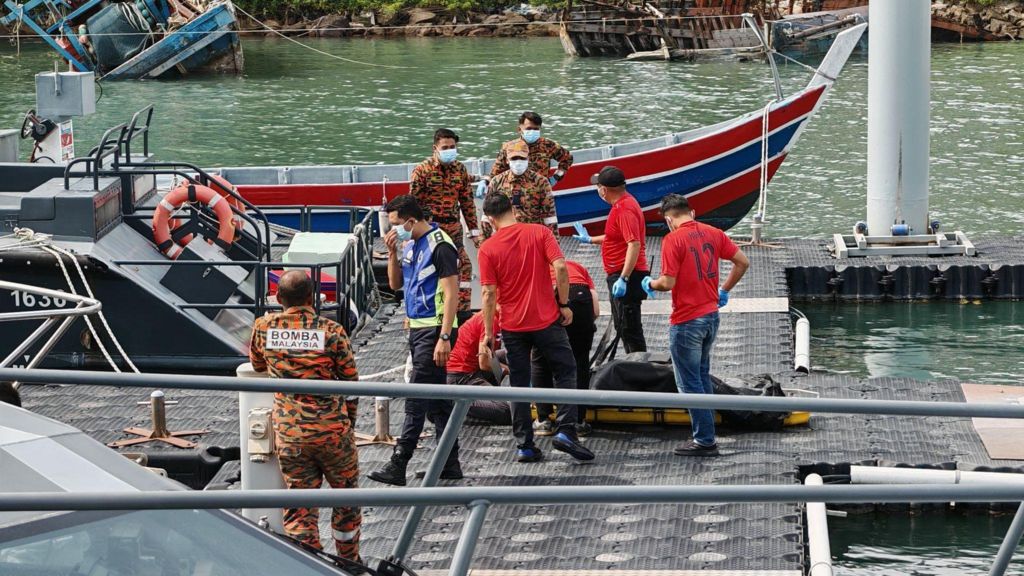
The Malaysian Coast Guard has entered the third day of a challenging search and rescue operation following the tragic sinking of a migrant boat near Langkawi, a resort island close to the Thai border. The vessel, carrying undocumented migrants, capsized, leaving at least 21 dead and dozens still missing. So far, 13 individuals have been rescued, with 11 identified as Rohingya and two as Bangladeshi nationals. Authorities estimate that around 70 people were on board, part of a larger group of 300 Rohingya who fled Myanmar’s Rakhine state two weeks ago. Another boat with 230 passengers remains unaccounted for. The operation, involving both sea and aerial searches, is expected to continue for seven days. The Rohingya, a persecuted Muslim minority in Myanmar, have faced systemic discrimination and violence, prompting many to undertake perilous journeys in overcrowded boats. Since 2017, hundreds of thousands have fled to Bangladesh, but poor conditions there have driven some to seek refuge in Malaysia, often paying exorbitant sums for the dangerous passage. Amnesty International has highlighted the deadly risks faced by Rohingya migrants, emphasizing the urgent need for international attention to this ongoing humanitarian crisis.
-
Six dead after second typhoon in a week hits the Philippines
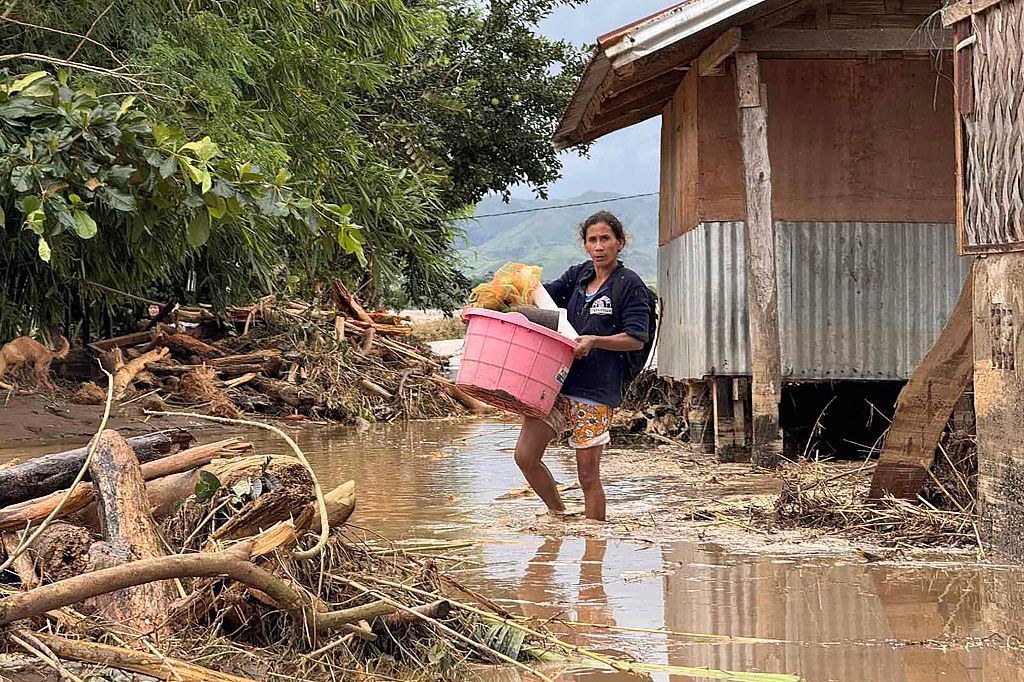
The Philippines is grappling with the aftermath of Super Typhoon Fung-wong, which has claimed at least six lives and caused widespread destruction across Luzon Island. The storm, which made landfall on Sunday night with sustained winds of 185 km/h (115 mph) and gusts reaching 230 km/h, triggered severe flooding and landslides, leading to significant casualties and damage. Over 1.4 million people were evacuated preemptively, and more than 4,100 homes were either destroyed or partially damaged. The typhoon, locally known as Uwan, has since weakened but continues to pose a threat as it heads toward Taiwan, where 30,000 people have already been evacuated. This disaster follows closely on the heels of Typhoon Kalmaegi, which left tens of thousands reeling, and a magnitude 6.9 earthquake in Cebu in September. The International Federation of Red Cross and Red Crescent Societies has emphasized that this series of catastrophes is far from routine, underscoring the escalating climate and seismic risks faced by vulnerable nations. Urgent support is needed to bolster relief efforts and aid recovery.
-
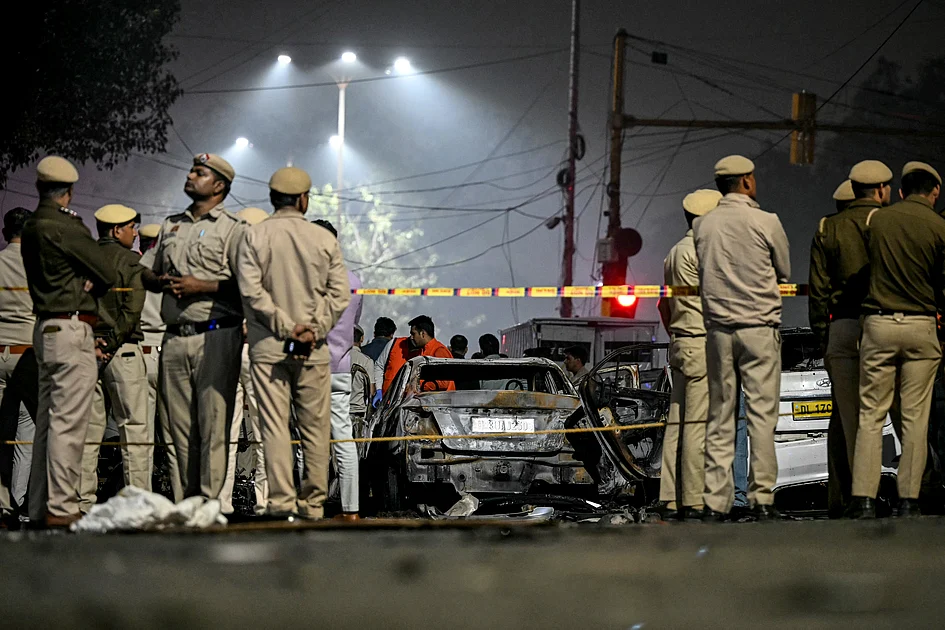
Terror link suspected in Delhi Red Fort blast; PM Modi, President Murmu offer condolences
A devastating car explosion near Delhi’s iconic Red Fort has left 13 dead and numerous injured, with preliminary investigations pointing to a potential terrorist attack. Delhi Police sources, cited by IANS, revealed that the high-intensity blast may be connected to a module previously seized in Faridabad, involving a mix of explosives and chemicals. Security agencies are currently interrogating suspects Dr. Muzzamil and Dr. Adil, who were reportedly arrested prior to the incident. The owner of the vehicle involved in the explosion has also been detained, as per NDTV reports. The tragic event has drawn widespread condemnation and condolences from India’s top leadership. President Droupadi Murmu expressed deep sorrow, offering sympathies to the victims’ families and praying for the swift recovery of the injured. Prime Minister Narendra Modi assured the public that all necessary assistance is being provided to those affected. He confirmed that the situation has been reviewed with Home Minister Amit Shah and other officials. In response to the incident, security measures have been intensified across multiple states and major cities. Chandni Chowk Market will remain closed on Tuesday as a precautionary measure, while Uttar Pradesh has been placed on red alert. High alerts have also been issued in Uttarakhand, Haryana, Odisha, Kerala, and Kolkata. Mumbai Police have released precautionary advisories, and Bihar has tightened its security protocols. The nation remains on edge as investigations continue to uncover the full extent of the attack and its perpetrators.
-
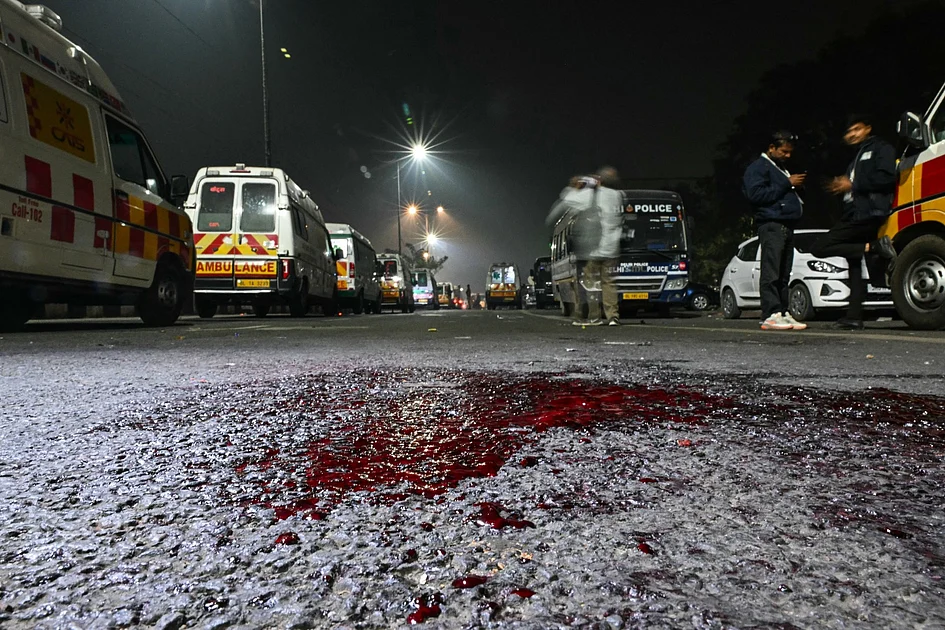
Photos of Delhi blast: Charred cars, bloody streets near Red Fort explosion site
A devastating explosion near Delhi’s historic Red Fort on November 10, 2025, has left 13 people dead and several others injured, with early investigations suggesting a possible terror attack. The blast, which occurred in the city’s old quarters, caused widespread destruction, including charred vehicles, shattered windows, and blood-stained streets. Emergency services, including police and fire crews, responded swiftly to the scene, cordoning off the area and extinguishing the flames. Authorities have heightened security across multiple states, with Uttar Pradesh placed on red alert and high alerts issued in Uttarakhand, Haryana, Odisha, Kerala, and Kolkata. Mumbai Police have also issued precautionary advisories, while Bihar has tightened security measures. Chandni Chowk Market will remain closed as a precautionary measure. Investigators are working to determine the cause of the explosion, while emergency services continue to assess the damage and treat the injured. The incident has raised concerns about public safety, with security personnel intensifying efforts to prevent further threats. Photos from the scene depict the grim aftermath of the explosion, highlighting the scale of the devastation.
-
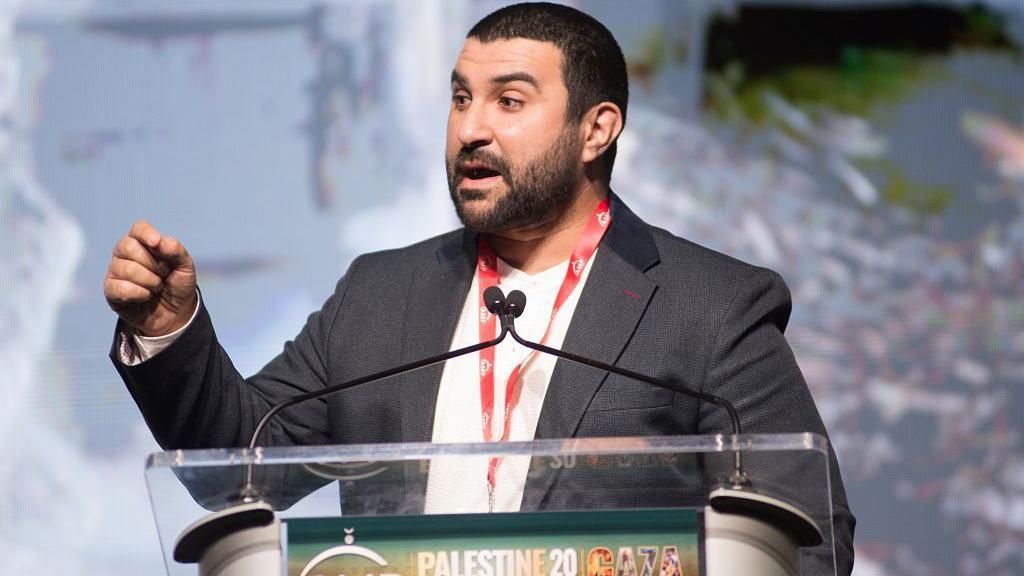
British journalist to be freed from US immigration detention
British journalist and political commentator Sami Hamdi is set to be released from US Immigration and Customs Enforcement (ICE) custody, his representatives announced on Monday. Hamdi, a vocal critic of Israel and its actions in Gaza, was detained on October 26 at San Francisco International Airport while on a speaking tour for the Council on American-Islamic Relations (CAIR), a prominent Muslim advocacy group. The US government had revoked his visa prior to his arrest, citing allegations of supporting terrorism and posing a national security threat. However, Hamdi’s legal team and CAIR have refuted these claims, arguing that he was targeted for his outspoken criticism of Israel. According to his representatives, Hamdi will be released in the coming days and will voluntarily return to the UK, avoiding deportation. CAIR emphasized that the immigration charges against him were solely related to overstaying his visa, with no evidence of criminal conduct or security risks. Hussam Ayloush, CEO of CAIR’s California chapter, condemned the detention, stating that Hamdi’s only ‘offense’ was speaking out against Israel’s actions in Gaza. The UK’s Foreign, Commonwealth and Development Office confirmed it was providing consular assistance but did not comment further on the case. Hamdi’s family expressed relief at his impending release but criticized the US government for what they described as an unjust and defamatory arrest.
-
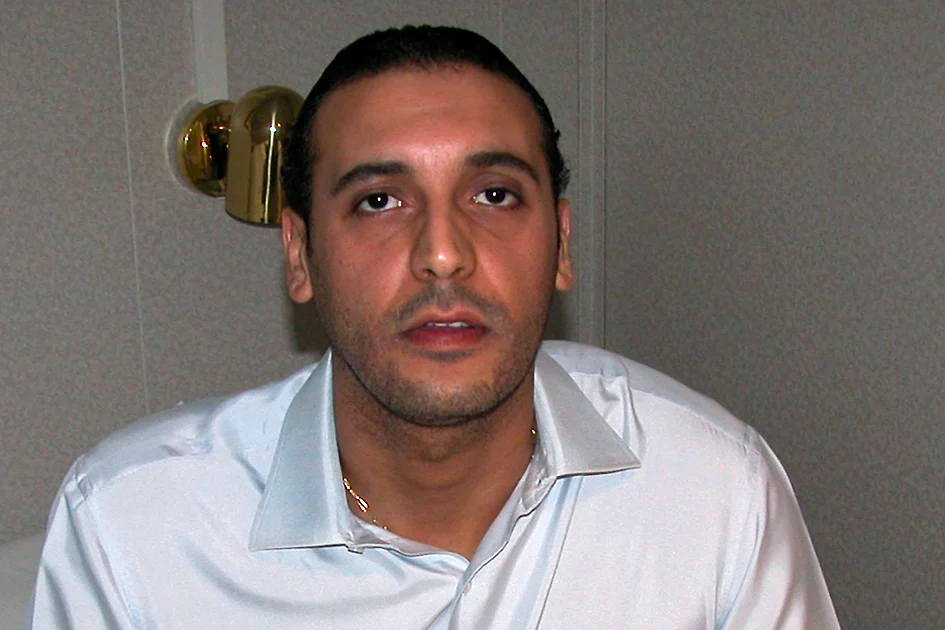
Lebanon set to free Hannibal Gaddafi after bail paid
Hannibal Gaddafi, the 49-year-old son of Libya’s late dictator Muammar Gaddafi, is poised to be freed from a Lebanese prison following the payment of his bail on Monday, according to his lawyer and a judicial official. Gaddafi, who has been in pre-trial detention for nearly a decade, was arrested in Lebanon on charges related to withholding information about the 1978 disappearance of Lebanese Shia cleric Mussa Sadr in Libya. He was only two years old at the time of Sadr’s disappearance.
Gaddafi’s French lawyer, Laurent Bayon, confirmed to AFP that the bail was paid, marking the end of a ’10-year nightmare’ for his client. Initially set at $11 million, the bail amount was reduced to $900,000 last week after an appeal by Gaddafi’s defense team. A Lebanese judicial source verified the payment and stated that Gaddafi’s legal team is finalizing the release procedures.
Bayon revealed that Gaddafi, who holds a Libyan passport, will leave Lebanon for an undisclosed destination. The lawyer criticized Lebanon’s justice system, claiming that Gaddafi’s prolonged detention was a result of a lack of judicial independence. He noted that the move toward his client’s release reflects progress under Lebanon’s reformist government, which was formed in January.
The case stems from the disappearance of Mussa Sadr, the founder of the Amal movement and an ally of Hezbollah, during an official visit to Libya in 1978. Sadr, along with an aide and a journalist, vanished under mysterious circumstances, leading Beirut to accuse Muammar Gaddafi of involvement. The incident has strained relations between Lebanon and Libya for decades.
Hannibal Gaddafi, who is married to Lebanese model Aline Skaf, fled to Syria after the 2011 Libyan uprising that led to his father’s overthrow and death. He was kidnapped in December 2015 by armed men who took him to Lebanon, where authorities later detained him. His impending release marks a significant development in a case that has drawn international attention.
-
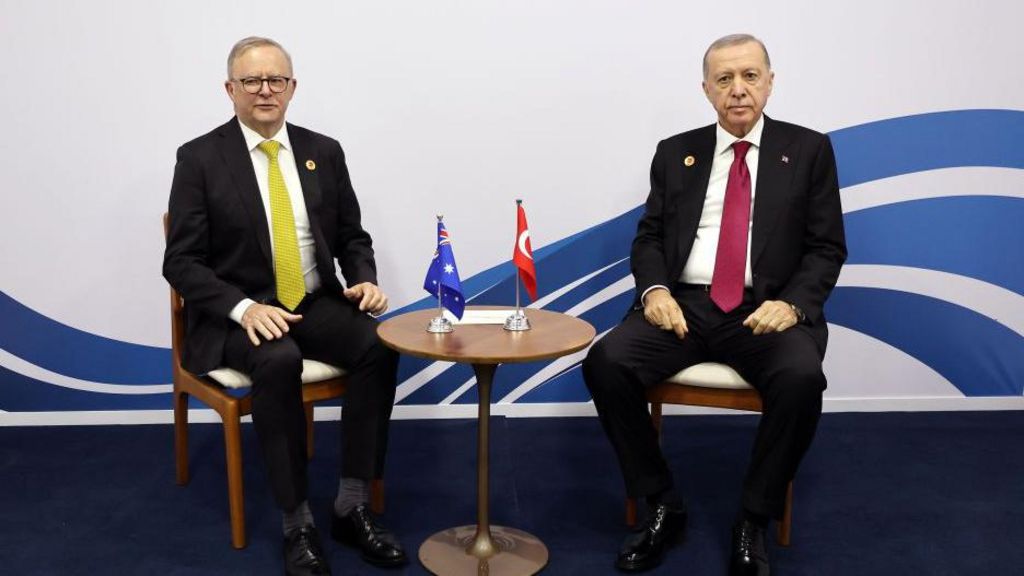
Once a sure thing, Australia’s bid to host COP31 falters amid deadlock with Turkey
As the COP30 climate summit unfolds in Belém, Brazil, a high-stakes diplomatic standoff is brewing between Australia and Turkey over the hosting rights for COP31 next year. Both nations are steadfast in their ambitions, with neither willing to concede, leaving the decision unresolved as the current summit nears its conclusion. If no agreement is reached by the end of this week, the hosting duties will default to Bonn, Germany, the headquarters of the UN Framework Convention on Climate Change.
Australia initially proposed a compelling joint bid with Pacific nations, emphasizing the region’s vulnerability to rising sea levels and the opportunity to showcase the tangible impacts of climate change. This move was seen as both a strategic geopolitical effort to counterbalance China’s growing influence in the Pacific and a demonstration of Australia’s commitment to its neighbors. However, Turkey has remained resolute in its bid, complicating Australia’s plans.
Despite Australia’s confidence in securing support, the negotiations have hit a snag. Critics argue that Australia’s climate leadership credentials are undermined by its status as the world’s largest coal exporter and one of the highest per capita emitters. While Prime Minister Anthony Albanese has pledged ambitious emissions reduction targets, his administration’s recent extension of the North West Shelf gas project has raised eyebrows.
Turkey, on the other hand, has close ties with Russia and Saudi Arabia, nations historically resistant to climate action. This has led to concerns about the potential direction of COP31 under Turkish leadership. The stakes are high for both countries, with Australia facing domestic criticism over the estimated A$1 billion cost of hosting, while Turkey seeks to bolster its international standing.
As the clock ticks down, the outcome remains uncertain. The decision will not only determine the host of COP31 but also shape the future of global climate negotiations.
-

Host for UAE’s Sky News Arabia hugs RSF officer accused of inciting rape in el-Fasher
Sky News Arabia, a UAE-owned media outlet, has ignited controversy after one of its reporters, Tsabih Mubarak, visited el-Fasher, Sudan, and met with a Rapid Support Forces (RSF) officer accused of inciting sexual violence against Sudanese women. Mubarak’s presence in the war-torn city, recently captured by the RSF, has drawn widespread criticism, particularly given the paramilitary group’s documented atrocities, including mass killings, rape, and assaults on civilians. Satellite imagery and survivor testimonies have corroborated these abuses, painting a grim picture of the RSF’s actions in el-Fasher. Mubarak’s social media posts, which included images and videos of her interactions with locals and an RSF officer, have further fueled the backlash. In one video, she is seen smiling and giving a thumbs-up alongside a female RSF commander, Shiraz Khalid, who has been accused of encouraging militiamen to rape women in other regions of Sudan. The RSF, accused of genocide against the Masalit community, has also been documented using racist slurs against Black people. Mubarak’s visit, which likely required RSF approval, has been condemned by Sudanese figures and social media users, with some calling for the International Criminal Court (ICC) to take note. Sky News Arabia, a joint venture between the UK’s Sky Group and the UAE’s International Media Investments (IMI), has faced accusations of bias and complicity in the conflict. The UAE has been implicated in arming the RSF, with reports suggesting Emirati involvement in supplying weapons and establishing bases in Sudan. The ongoing war, which began in April 2023, has resulted in tens of thousands of deaths and displaced over 13 million people, with both the RSF and Sudanese Armed Forces (SAF) accused of war crimes.