分类: world

  • US monster storm kills at least 30; over 500,000 remain without power

    US monster storm kills at least 30; over 500,000 remain without power

    A catastrophic winter storm system originating from a distorted polar vortex has plunged the United States into a deep freeze, resulting in at least 30 fatalities and leaving more than 540,000 households without electricity. The National Weather Service warns that temperatures across the northern half of the nation will remain ‘continuously below freezing through February 1,’ creating life-threatening conditions that have paralyzed transportation networks and overwhelmed emergency response systems.

    The storm’s unprecedented geographical scope—affecting states from New Mexico to Maine—has created unique recovery challenges. Northern states with robust winter infrastructure cannot share resources with unprepared southern regions, where record low temperatures have caused particular devastation. Transportation networks remain crippled with over 9,000 flight disruptions, while municipalities struggle to clear roads amid what meteorologists describe as ‘very dry, fluffy’ snow that reduces visibility and impedes cleanup efforts.

    Tragic incidents include a deadly plane crash in Bangor, Maine that killed seven people during takeoff in snowy conditions, and numerous hypothermia-related deaths as temperatures plummeted. Emergency warming shelters have been established across affected regions, including Nashville where Mayor Freddie O’Connell reported continuing tree collapses from ice accumulation.

    Scientists note that such extreme winter events may be increasingly linked to climate change disrupting traditional polar vortex patterns, though natural variability remains a factor. The storm’s compound nature—combining heavy snow, freezing rain, sleet, and powerful winds—has created what the National Weather Service characterizes as a ‘life-threatening Arctic air mass’ that will continue to endanger communities through the week.

  • PLA’s aerobatic jets arrive in Singapore to take part in air show

    PLA’s aerobatic jets arrive in Singapore to take part in air show

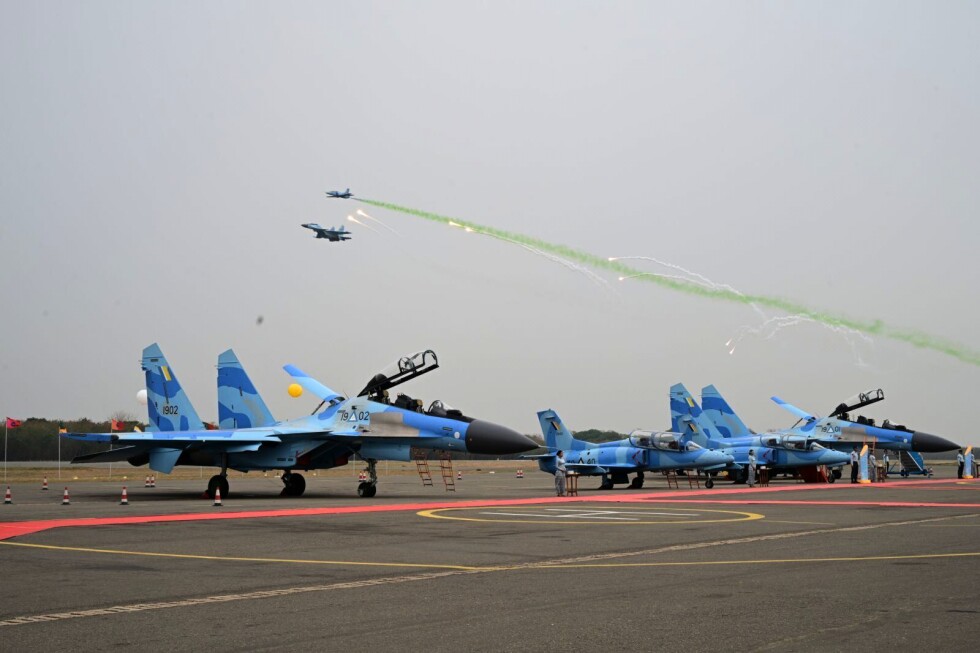
    Singapore’s skies are set to witness a spectacular display of aerial prowess as China’s elite August 1st Air Demonstration Team arrived at Changi Airport on Tuesday. The team, operating seven advanced J-10 fighter jets, will participate in the 10th Singapore Airshow, marking their second appearance at the prestigious Asian aviation event.

    According to Senior Colonel Xie Peng, spokesman for the People’s Liberation Army Air Force, this deployment represents the team’s 13th international performance. The aerobatic unit, China’s most renowned demonstration team, previously graced the Singapore Airshow during its 7th edition in February 2020.

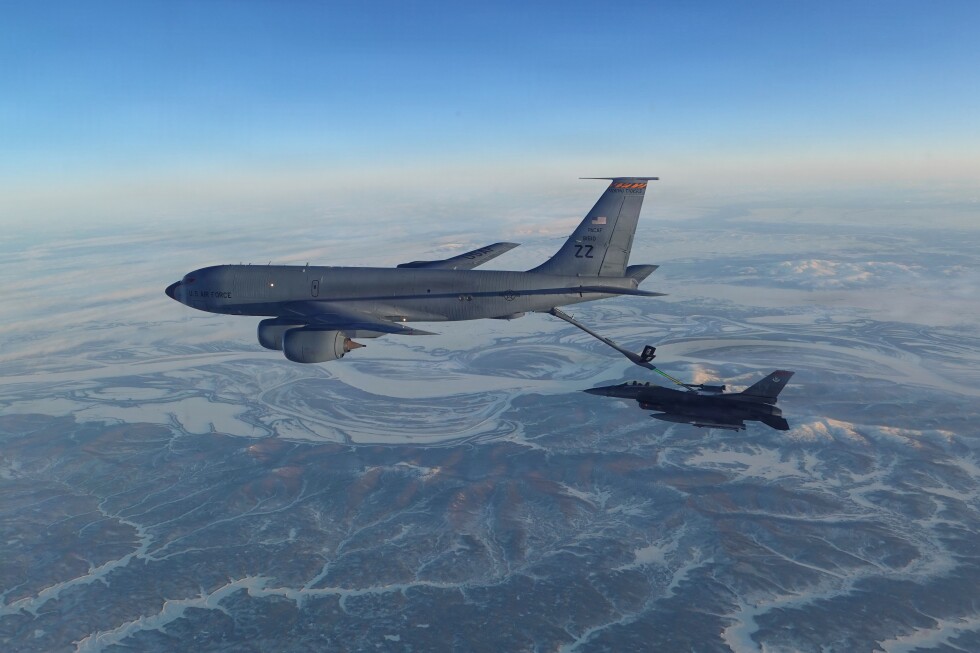
    The journey from their southwestern China airbase involved sophisticated aerial refueling operations conducted by a YY-20A tanker aircraft. Team pilots will now conduct training flights to acclimatize to Singapore’s unique environmental conditions and airspace.

    Aviation enthusiasts will be treated to two distinct variants of the J-10 series: the J-10SY, derived from the J-10S two-seat trainer, and the J-10CY, developed from the combat-proven J-10C fighter. These supersonic multirole aircraft, designed and manufactured by state-owned Aviation Industry Corp of China, represent cutting-edge aerospace technology.

    The participation comes amid growing international attention on the J-10 platform, particularly following reports that an export variant of the J-10C achieved its first combat success in regional conflicts last year, highlighting the aircraft’s operational capabilities beyond ceremonial displays.

  • Turkey plans buffer zone if Iran government falls

    Turkey plans buffer zone if Iran government falls

    Turkish authorities are formulating contingency plans to establish a security buffer zone on Iranian territory should Tehran’s government face catastrophic collapse, according to exclusive reporting from Middle East Eye. This strategic consideration emerged during confidential briefings where senior foreign ministry officials outlined Ankara’s preparedness for multiple Iranian scenarios.

    During Thursday’s parliamentary session, officials presented divergent accounts regarding the explicit use of “buffer zone” terminology. One participant confirmed the phrase was employed to describe preventive measures against potential refugee influxes, while another source noted officials emphasized extraordinary measures would be implemented within Iranian borders to manage displacement crises.

    The border security enhancements already implemented include a sophisticated 560-kilometer barrier system featuring 246 surveillance towers, 380 kilometers of concrete walls, and 553 kilometers of defensive trenches. This infrastructure is supported by continuous drone and aerial monitoring capabilities.

    Recent protests in Iran have resulted in significant casualties, with Turkish officials citing approximately 4,000 fatalities and 20,000 injuries during demonstrations triggered by economic deterioration and currency collapse. Despite some protester violence, evidence indicates Iranian authorities employed disproportionate force alongside internet blackouts.

    Turkish Foreign Minister Hakan Fidan has explicitly opposed foreign intervention in Iran, urging diplomatic resolution through established channels. This stance contrasts with reported U.S. considerations of precision strikes against Iranian officials deemed responsible for protester deaths, accompanied by military deployments including the USS Abraham Lincoln carrier group to the region.

    Ankara’s caution stems from direct experience with regional instability, having absorbed millions of refugees from neighboring conflicts in Iraq and Syria. Turkish society maintains heightened sensitivity toward refugee presence, with current policy shifting from previous open-door approaches to selective emergency admissions.

    Complicating potential responses is Iran’s substantial Azerbaijani Turkish population exceeding 12 million, whose potential mass displacement could create domestic pressure for admission despite official policies.

  • North Korea fires ballistic missiles towards Sea of Japan

    North Korea fires ballistic missiles towards Sea of Japan

    In a provocative military demonstration, North Korea launched multiple ballistic missiles toward the Sea of Japan on Tuesday, according to confirmations from both Japanese and South Korean defense authorities. The launch represents Pyongyang’s second weapons test this month, occurring just one day after a senior U.S. defense official praised South Korea as a “model ally” during high-level talks in Seoul.

    Defense analysts indicate this latest provocation continues North Korea’s pattern of intensified weapons testing, which has dramatically increased in recent years. These tests serve multiple strategic objectives: enhancing precision strike capabilities, challenging U.S. and South Korean security interests, and validating weapons systems before potential export to key ally Russia.

    The Japanese Coast Guard, acting on defense ministry information, reported detecting two ballistic missiles fired from North Korean territory. Japanese media confirmed the projectiles landed outside the country’s Exclusive Economic Zone. Simultaneously, South Korea’s Joint Chiefs of Staff documented several missiles launched toward what Seoul identifies as the East Sea.

    This show of force occurs amid heightened regional tensions. Just last month, North Korean leader Kim Jong Un condemned South Korea’s efforts to develop nuclear-powered submarines with U.S. assistance as a direct security threat requiring countermeasures. The timing also coincides with Pyongyang’s preparation for its first ruling party congress in five years, an event that typically prompts increased military posturing to reinforce internal discipline and regime unity.

    Professor Yang Moo-jin of the University of North Korean Studies suggested the launch serves dual purposes: “With the party congress approaching, the latest launch appears intended to heighten tensions to reinforce internal discipline and consolidate regime unity. The timing may also be a response to Colby’s visit” to the peninsula.

    The ongoing military developments occur against a complex geopolitical backdrop. North Korea has reportedly dispatched thousands of troops to support Russia’s operations in Ukraine, according to Western intelligence assessments. Meanwhile, diplomatic efforts between Washington and Pyongyang remain stalled since the collapse of the 2019 Hanoi summit over denuclearization terms.

  • Tourism in Cuba plummets as tensions with US increase and Venezuela oil shipments drop

    Tourism in Cuba plummets as tensions with US increase and Venezuela oil shipments drop

    HAVANA — Under the shade of a beach almond tree, classic car drivers leap to their feet as tourists disembark from a yellow bus near Havana’s seawall. But hopes quickly fade as visitors snap selfies with the vintage vehicles—a 1950 Pontiac here, a 1960 Buick there—before walking away without booking rides.

    “This is grim,” lamented Reymundo Aldama, leaning against his bubblegum pink 1957 Ford Fairlane convertible. “We’re waiting for them to come, we’re waiting for work.”

    Cuba’s tourism sector is experiencing a catastrophic decline, with visitor numbers plummeting by more than half since 2018. The dual blows of COVID-19 pandemic restrictions and severe energy blackouts have been exacerbated by tightened U.S. sanctions, creating what experts warn could become an economic disaster for the island nation.

    The crisis hits particularly hard for Cubans whose livelihoods depend on tourism. Rosbel Figueredo Ricardo, 30, who sells popular fried flour chips called “chivirico,” now loads only 50 bags daily compared to his previous 150. “I’m a mid-level industrial mechanical technician, and look at me here,” he said, supporting a partner and three children with another on the way.

    Statistics reveal the dramatic downturn: from January to November 2025, Cuba welcomed approximately 2.3 million tourists, significantly fewer than the 4.8 million recorded in 2018. The industry, which once generated up to $3 billion annually, has seen restaurants sit empty, tourism buses run near-vacant, and classic car drivers struggle to find even one customer per day.

    Multiple factors contribute to the decline. The Trump administration’s 2019 ban on cruise ship visits eliminated one of the most popular travel methods to the island. Recent disruptions in Venezuelan oil shipments following U.S. actions against the South American country have exacerbated energy shortages. Additionally, visitors report being deterred by growing tensions between the U.S. and Cuba, utility cuts, and accumulating garbage in tourist areas.

    Gaspar Biart, a double-decker tourism bus driver with 16 years of experience, noted: “There’s been a huge change. Sanctions imposed by U.S. President Donald Trump have closed Cuba’s doors. We can’t even breathe.”

    International visitors express mixed reactions. Vincent Seigi from Russia observed “so many poor people, sadly” and noted Cuba’s economic struggles might preview what could happen in his own sanction-impacted country. In contrast, Brazilian teacher Gloraci Passos de Carvalho admired Cuban resilience: “It’s a lesson for people, to survive with less… I see it in a positive light.”

    With Venezuela’s support diminished, questions arise about whether China or Russia might fill the void. Meanwhile, classic car drivers like Aldama have slashed prices from $50 to $20-25 per tour, wondering how long they can continue before seeking alternative employment.

  • ICE agents to help with security at Winter Olympics

    ICE agents to help with security at Winter Olympics

    The upcoming Winter Olympic Games in Italy have become embroiled in political controversy following revelations that agents from the U.S. Immigration and Customs Enforcement (ICE) will participate in security operations. According to an official statement obtained by AFP, ICE’s Homeland Security Investigations division will collaborate with the U.S. Department of State’s Diplomatic Security Service and Italian authorities to assess and mitigate potential threats from transnational criminal organizations during the February 6-22 event.

    The agency emphasized that all security operations remain under Italian jurisdiction and clarified that ‘ICE does not conduct immigration enforcement operations in foreign countries.’ This assurance comes amid growing concerns about the agency’s involvement, particularly following recent civilian fatalities during immigration enforcement operations in Minneapolis that sparked national outrage.

    Italian officials have offered conflicting accounts regarding the scope of ICE’s participation. Initial denials of their presence were followed by attempts to minimize their role, suggesting they would primarily provide security for the U.S. delegation attending the Games. Attilio Fontana, president of Lombardy region hosting some Olympic events, initially stated their involvement would be ‘only in a defensive role’ focused on protecting U.S. Vice President JD Vance and Secretary of State Marco Rubio during the February 6 opening ceremony in Milan. However, his office subsequently issued a clarification indicating these remarks addressed a hypothetical scenario rather than confirming specific operational details.

    The controversy unfolds against the backdrop of increased ICE deployments across American cities under President Donald Trump’s immigration crackdown, which has prompted widespread protests. The recent deaths of two U.S. citizens—37-year-olds Renee Good and Alex Pretti—during Minneapolis enforcement actions have further intensified scrutiny of the agency’s methods and international reputation.

  • 3 French tourists die after boat capsizes with 27 onboard in Oman

    3 French tourists die after boat capsizes with 27 onboard in Oman

    A maritime tragedy struck Oman’s coastal waters on Tuesday, January 27, 2026, resulting in the deaths of three French tourists after their vessel capsized. The Sultanate’s police authorities confirmed the incident involved a tourist boat carrying 27 individuals, including 25 French visitors, one tour guide, and the boat captain.

    Emergency response teams promptly arrived at the scene following the capsizing. Two tourists sustained minor injuries in the accident and received immediate medical treatment from ambulance crews. Their conditions were stabilized after on-site intervention.

    The Omani authorities have launched a comprehensive investigation to determine the exact circumstances that led to this fatal maritime accident. Preliminary reports have not disclosed specific details regarding weather conditions or potential mechanical failures at the time of the incident.

    This tragedy highlights the persistent maritime safety challenges in Oman’s popular tourist destinations. The country’s picturesque coastline and beaches, while attracting numerous international visitors, occasionally present dangerous sea conditions and unpredictable weather patterns that can turn deadly.

    Historical context reveals this is not an isolated incident in the region. In March 2025, a child was found deceased at sea following a four-day search operation involving citizens and specialized water rescue teams. February 2025 saw recovery operations for two drowning victims in Ain Wadah, while October 2024 witnessed another fatal drowning incident involving two children in the Al Haddah area, where only one survived.

    The Royal Oman Police has demonstrated responsive capabilities in maritime emergencies, as evidenced by their successful evacuation of a medical case from Wadi Bani Ghafir’s mountainous terrain, transporting the individual to Rustaq Reference Hospital for treatment.

    This latest incident raises questions about safety protocols for tourist water activities in Oman and underscores the need for continued vigilance regarding maritime safety measures in the region.

  • ‘Doomsday Clock’ moves closer to midnight, a year into Trump term

    ‘Doomsday Clock’ moves closer to midnight, a year into Trump term

    In a sobering announcement marking heightened global instability, the symbolic Doomsday Clock has been adjusted to 85 seconds before midnight—the closest it has ever been to representing total planetary catastrophe. The Bulletin of the Atomic Scientists, the organization behind the clock, cited escalating nuclear threats, climate inaction, and the corrosive spread of disinformation as primary drivers of this alarming shift.

    The decision, made following consultations with experts including eight Nobel laureates, reflects a world where major powers like Russia, China, and the United States have grown increasingly adversarial and nationalistic. A statement released with the update warned that ‘hard-won global understandings are collapsing,’ accelerating great-power competition and undermining international cooperation on critical risks including nuclear war, climate change, and the misuse of emerging technologies.

    Key factors influencing the move include the impending expiration of the New START nuclear arms treaty between the U.S. and Russia, alongside the Trump administration’s push for a space-based missile defense system dubbed ‘Golden Dome.’ The board also highlighted record-breaking carbon emissions following a sharp reversal of U.S. climate policy and backtracking by other nations.

    Adding to the crisis, the bulletin pointed to an ‘information Armageddon’—a collapse of public trust fueled by predatory technology that spreads falsehoods and profits from societal division, as noted by Nobel Prize-winning journalist Maria Ressa.

    Founded in 1947 by Albert Einstein and J. Robert Oppenheimer, the Doomsday Clock began at seven minutes to midnight. This year’s four-second advance follows a one-second move last year, erasing earlier guarded optimism about diplomatic engagement under Trump’s second term.

  • Israel kills TV presenter, two others in Lebanon

    Israel kills TV presenter, two others in Lebanon

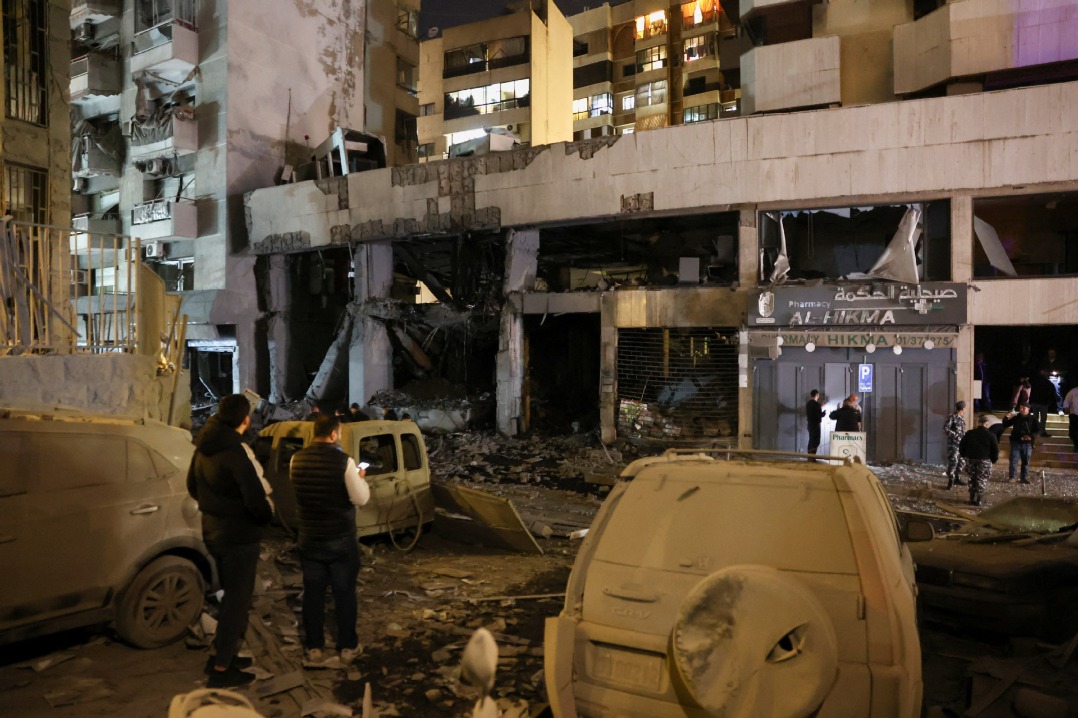
    A targeted Israeli drone strike has resulted in the death of Ali Nour al-Din, a television presenter for Lebanon’s Hezbollah-affiliated Al-Manar TV station, in the southern city of Tyre. The attack has drawn sharp condemnation from Lebanese officials and raised concerns about escalating violence against media personnel in the region.

    Hezbollah immediately characterized the killing as indicative of Israel’s expanding escalation strategy targeting Lebanon’s media community. Lebanese Information Minister Paul Morcos publicly denounced the strike on social media platform X, labeling it a clear war crime and violation of international laws protecting journalists.

    In a separate incident, an Israeli drone strike in Kfar Rumman claimed the lives of Egyptian national Abdul Nabi Ramadan Ameen Al Sayed and Lebanese citizen Samer Hteit when their vehicle was hit, according to reports from the Quds news network.

    These developments occur amid Lebanon’s formal submission of a complaint to the United Nations documenting 2,036 Israeli ceasefire violations between October and December 2025. The Lebanese government asserts these actions constitute clear breaches of UN Security Council Resolution 1701, which ended the 2006 conflict between Israel and Hezbollah.

    The current tensions follow a November 2024 ceasefire that halted months of intensified clashes that had escalated into full-scale warfare the previous September. During that conflict, Israel eliminated several key Hezbollah leaders including long-time chief Hassan Nasrallah, significantly degrading the group’s operational capabilities. Hezbollah has maintained restraint for nearly a year without launching retaliatory operations.

  • Tens of thousands flee northwest Pakistan over fears of military operation

    Tens of thousands flee northwest Pakistan over fears of military operation

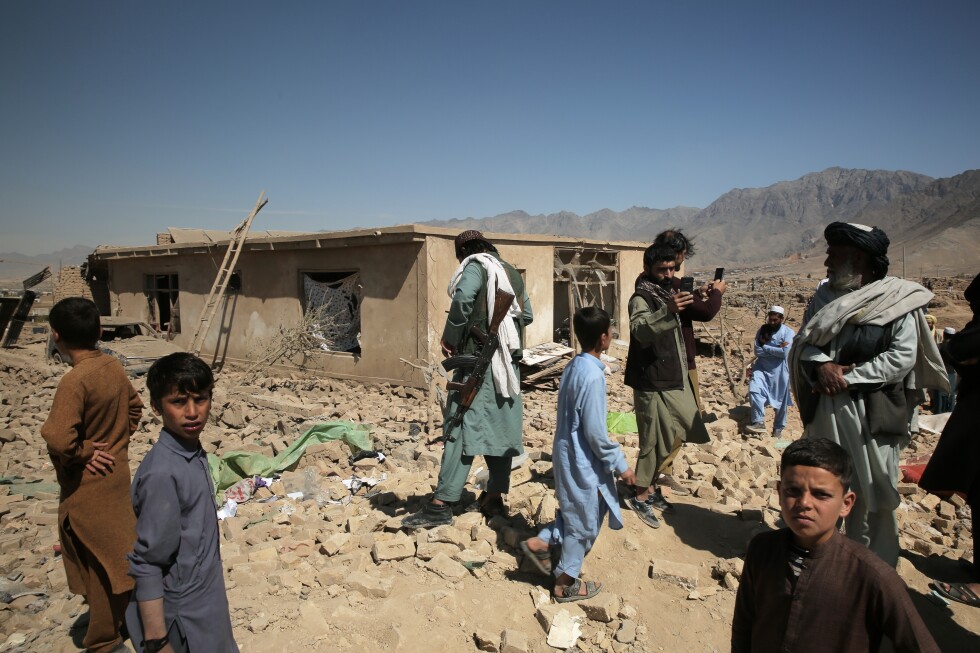
    A significant humanitarian crisis is unfolding in northwestern Pakistan’s Khyber Pakhtunkhwa province, where over 70,000 predominantly female and child evacuees have abandoned their homes in the Tirah region bordering Afghanistan. The mass displacement follows mounting uncertainty regarding potential military operations against Tehrik-e-Taliban Pakistan (TTP) militants in the area.

    Contradictory narratives have emerged between provincial and federal authorities regarding the exodus. Khyber Pakhtunkhwa provincial government spokesman Shafi Jan has publicly attributed the displacement to federal government policies, asserting that Islamabad has reversed its earlier stance on military operations. Meanwhile, Defense Minister Khawaja Mohammad Asif has categorically denied any ongoing or planned military action in Tirah, instead attributing the migration patterns to severe winter conditions.

    The displacement wave began approximately one month after mosque announcements urged residents to evacuate by January 23rd to avoid potential combat situations. This follows similar operations in August within Bajaur district that displaced hundreds of thousands. Local administrator Talha Rafiq Alam confirmed the registration of approximately 10,000 families (estimated 70,000 individuals) from Tirah’s total population of 150,000, with registration deadlines extended to February 5th.

    Eyewitness accounts contradict official statements, with 35-year-old evacuee Zar Badshah reporting mortar shell explosions in villages that allegedly killed one woman and injured four children. Minority communities including Sikh residents have also fled, citing severe food shortages exacerbated by heavy snowfall and security concerns.

    The political dimension intensifies as Khyber Pakhtunkhwa Chief Minister Suhail Afridi, representing imprisoned former Prime Minister Imran Khan’s party, has criticized military intentions and vowed to prevent full-scale operations in Tirah. Meanwhile, the military maintains its commitment to intelligence-based operations against TTP militants, who authorities claim have established sanctuaries in Afghanistan and frequently use local residents as human shields during raids.

    The situation remains particularly volatile since the Afghan Taliban’s 2021 return to power, which has emboldened TTP operations despite being a separate entity. The region previously gained national attention in September following a compound explosion that killed at least 24 people, with conflicting accounts between authorities claiming militant casualties and locals reporting civilian deaths.