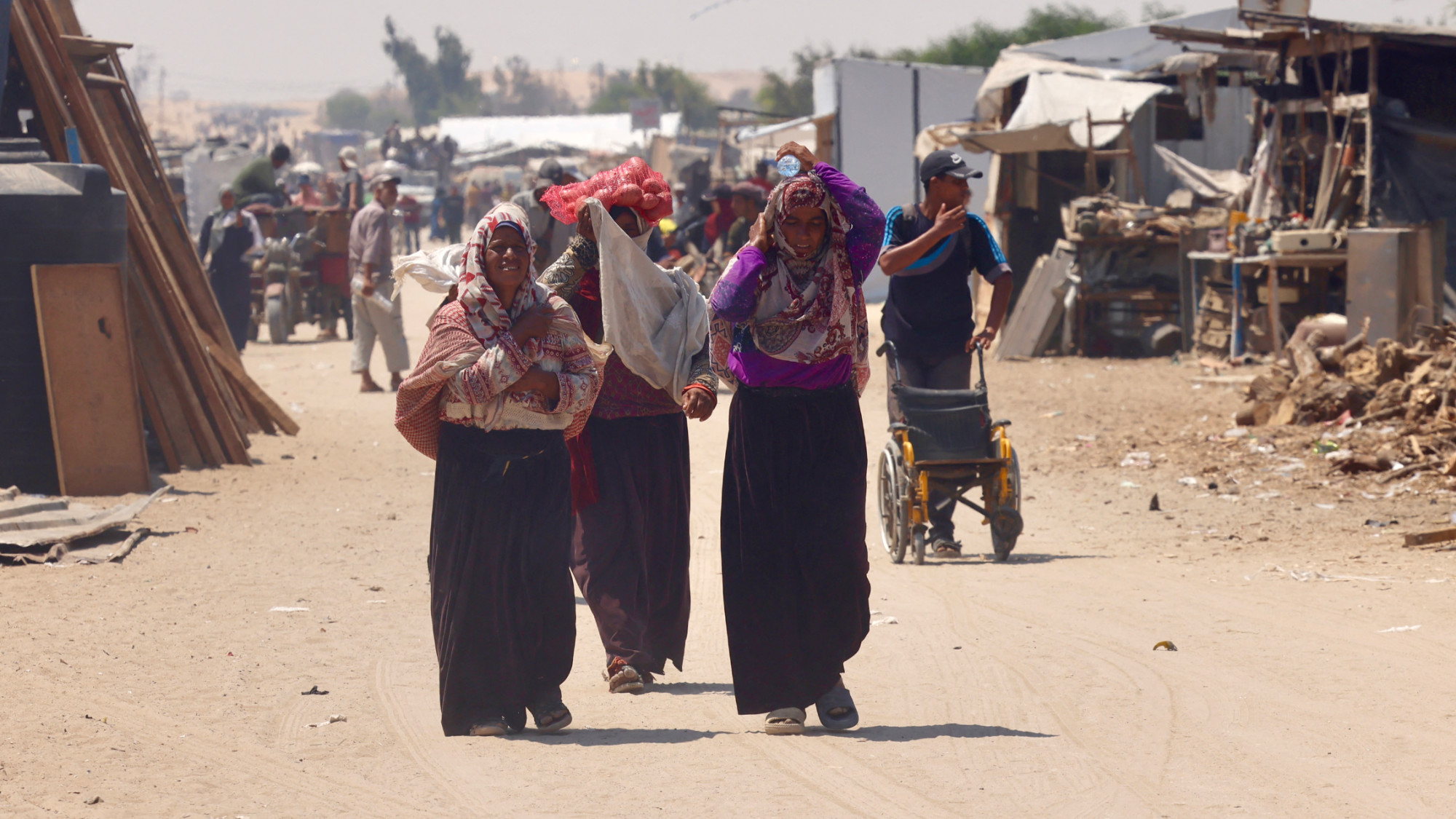
A militia group supported by Israel, accused of looting humanitarian aid in Gaza, has been authorized to lead the rehabilitation efforts in Rafah city, according to reports from Israeli media. The Popular Forces, led by former smuggler Yasser Abu Shabab, will facilitate operations in areas under their control. Israeli sources confirmed the plan but noted that there is no broader strategy for anti-Hamas militias post-Israel’s withdrawal from Gaza. Abu Shabab describes the group as opposing Hamas’s rule, yet it faces allegations of extortion, aid theft, and collaboration with the US-backed Gaza Humanitarian Fund (GHF), which has been linked to the deaths of hundreds of Palestinians at aid sites. Some members of the Popular Forces are also reportedly connected to the Islamic State. Israel’s support for the group is part of a broader effort to weaken Hamas’s dominance in Gaza. Palestinian sources revealed that Abu Shabab’s associates have met with senior US officials. Areas controlled by the Popular Forces have received aid and resources, largely due to systematic looting, as highlighted in a 2024 UN report. Despite a ceasefire announcement in October, Israel’s continued attacks in Gaza have resulted in significant casualties, with over 69,179 deaths, including 20,000 children, since October 2023. The military campaign has been widely condemned as genocide.
分类: world
-

6-month extension granted to correct status of runaway domestic workers in Saudi Arabia
In a significant move to support ongoing labor market reforms, Saudi Arabia’s Ministry of Human Resources and Social Development (HRSD) has granted a six-month extension for domestic workers with irregular legal status to regularize their residency. This initiative specifically targets workers reported as absent (huroob) who remain in the Kingdom, offering them a chance to correct their status without penalties. The grace period, effective from November 11, 2025, allows new employers to utilize the Musaned platform to complete the necessary procedures seamlessly. Musaned, the official Saudi digital platform for domestic worker recruitment, was launched to enhance transparency, streamline processes, and safeguard the rights of both employers and employees. The ministry emphasized that this step aligns with the government’s broader efforts to promote fairness, safety, and opportunity in the labor market, reinforcing Saudi Arabia’s commitment to labor reforms and equitable employment practices. Notably, this is the second such initiative in 2025, following a similar six-month grace period announced in May, which applied to cases initiated before the announcement date.
-
Pakistan tightens Islamabad security after suicide blast
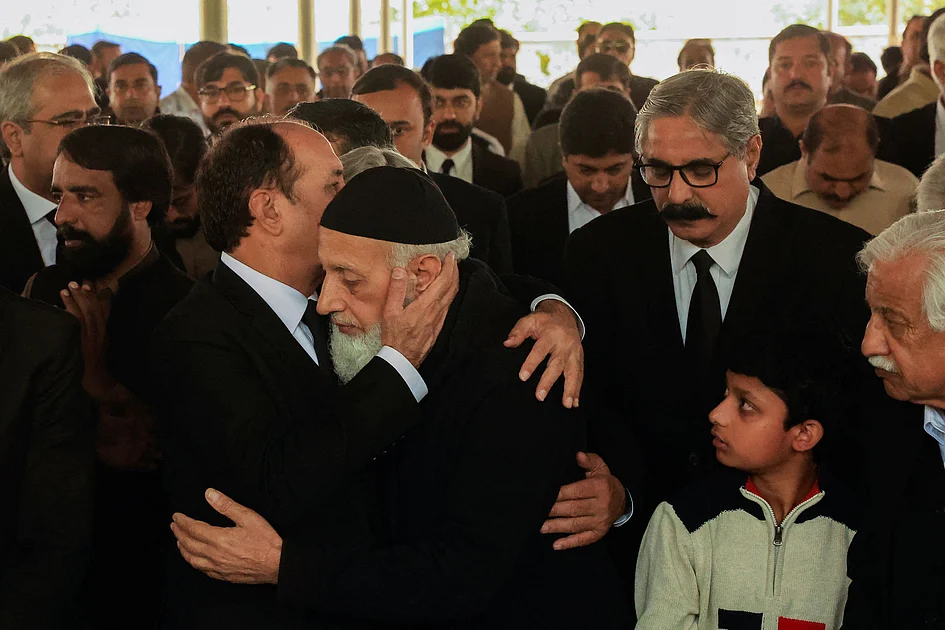
In response to a devastating suicide bombing outside district court buildings in Islamabad, Pakistani authorities have significantly tightened security measures across the capital. The attack, which occurred on Tuesday, was claimed by a faction of the Pakistani Taliban, a militant group responsible for numerous violent incidents in the country. This marks the first such attack in Islamabad in nearly three years, resulting in at least 12 fatalities and 27 injuries. The district court remained closed on Wednesday, with heightened security at other court buildings and long queues forming at checkpoints. Residents expressed concerns over the origins of these attacks and their impact on foreign investment and international trust. Prime Minister Shehbaz Sharif and President Asif Zardari held urgent security talks, reaffirming their commitment to eradicating terrorism. The Taliban government in Afghanistan, accused of sheltering the Pakistani Taliban, condemned the attack and a separate incident at a military-run college near the Afghan border. The Pakistani Taliban, or Tehreek-e-Taliban Pakistan (TTP), has been waging an insurgency primarily in Khyber Pakhtunkhwa province, with recent cross-border clashes resulting in significant casualties. The TTP has vowed to continue attacks until Islamic law is implemented in Pakistan, raising fears among judges, lawyers, and the general public about future security.
-
Super Typhoon Fung-wong downgraded to tropical storm, reenters Philippines
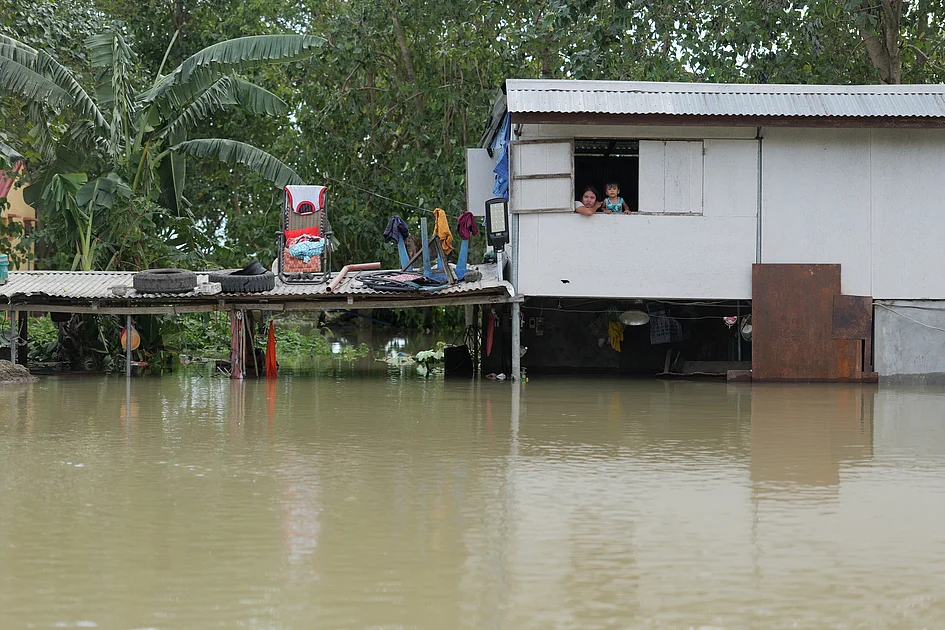
Former Super Typhoon Fung-wong, now downgraded to a tropical storm, made its return to the Philippines on Wednesday, November 12, 2025. While the storm is not anticipated to inflict significant structural damage, the Philippine weather bureau, Pagasa, has issued warnings about potential impacts on rice crops. The storm is expected to bring strong winds to regions including Batanes, Babuyan Islands, and Ilocos Norte, with continued effects forecasted for the following day. Pagasa has advised residents to stay updated with severe weather bulletins issued every six hours and to proceed with normal activities unless flooding occurs. Despite the reduced intensity, the agricultural sector remains vulnerable, particularly rice farming, which is crucial to the country’s food security.
-

‘Almost every day’: Japan battles spike in bear attacks
Northern Japan is grappling with an alarming rise in bear attacks, which have claimed 13 lives since April, marking a record high. Reports of bears invading homes, wandering near schools, and causing chaos in supermarkets have become increasingly common, instilling fear among residents. In response, locals have resorted to measures like attaching bells to their bags to deter the animals, while authorities deploy troops and riot police to manage the crisis. The government has also authorized the use of rifles to shoot bears, which can weigh up to half a ton and outrun humans.
-
Israel says key crossing to north Gaza opens for humanitarian aid
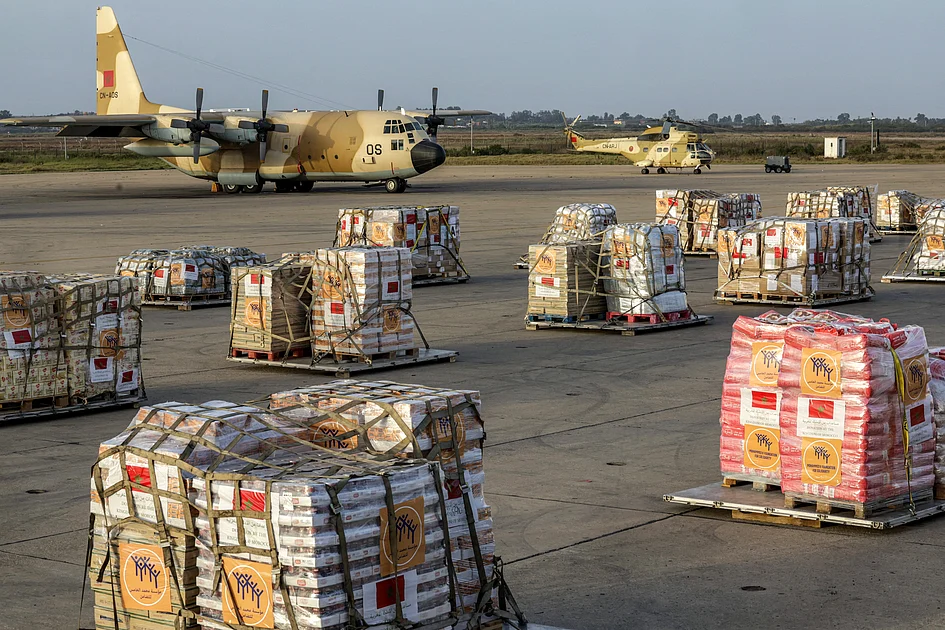
In a significant development, Israel announced the reopening of the Zikim crossing into northern Gaza on Wednesday, November 12, 2025, to facilitate the delivery of humanitarian aid. The crossing, a crucial access point for the war-torn region, will now remain open permanently, according to COGAT, the Israeli defense ministry body responsible for civilian affairs in Palestinian territories. This move mirrors the operational status of the Kerem Shalom crossing in southern Gaza, which has been the primary conduit for aid since the conflict escalated in October 2023. Humanitarian aid entering through Zikim will undergo standard Israeli security checks before being distributed by the United Nations. The reopening comes after the World Food Programme reported an inability to collect cargo in northern Gaza since the crossing’s closure on September 12. Despite this progress, aid workers highlight persistent challenges, including lengthy security checks, restrictions on certain items, and the logistical hurdles posed by widespread infrastructure destruction and the risk of looting. The UN’s Office for the Coordination of Humanitarian Affairs (OCHA) emphasized the critical importance of direct access to northern Gaza to ensure timely aid delivery. This development follows the UN-backed Integrated Food Security Phase Classification Initiative’s confirmation of famine conditions in northern Gaza in August 2024, a claim contested by COGAT.
-
Gaza families still without electricity despite ceasefire
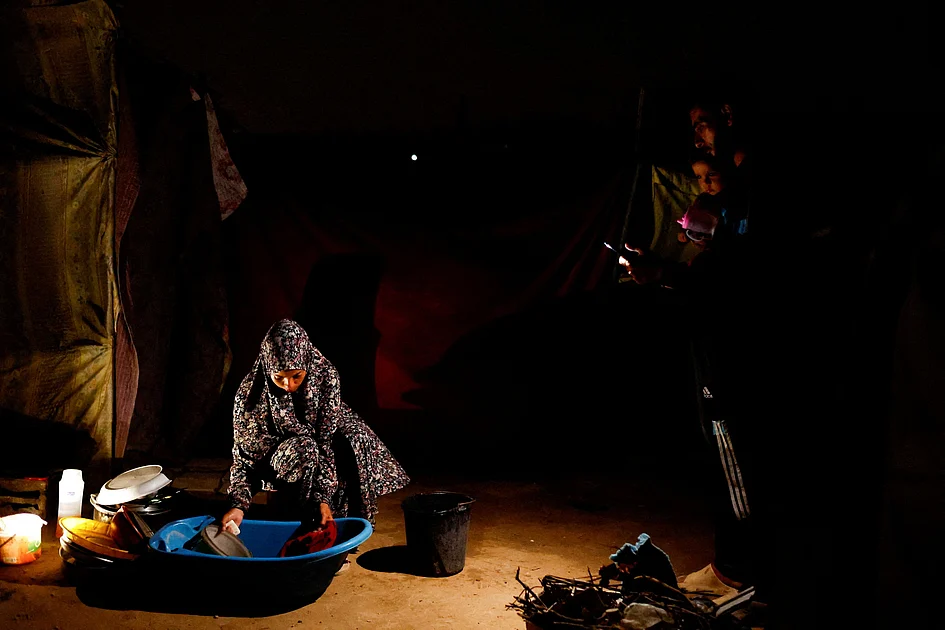
Despite the ceasefire between Israel and Hamas last month, thousands of families in Gaza continue to live without electricity, facing dire living conditions. Hanan Al Joujou, a 31-year-old Palestinian mother, describes the daily struggle of feeding her three children in the dark, relying on a flashlight when possible. When the flashlight cannot be charged, the family goes without food or light, often sleeping without dinner. The Al Joujou family has been without electricity since the war began over two years ago, initially relying on candles after being displaced to Rafah in southern Gaza. However, even this became untenable due to fire hazards in their tent. Before the conflict, Gaza received 120 megawatts of electricity from Israel, supplemented by 60 megawatts from its lone power plant. However, after Hamas attacked southern Israel on October 7, 2023, Israel imposed a ‘total siege,’ cutting off all electricity when Gaza’s power station ran out of fuel. The Israeli military stated that civilian infrastructure, including electricity facilities, were not military targets but acknowledged that Hamas operated within civilian areas. Today, Gaza’s electrical grid is in ruins, with over 80% of its distribution networks destroyed. Initial estimates place infrastructure losses at $728 million. Some residents have turned to solar-powered charging points or private generators, but these are scarce and often targeted. Mohammed Al Hor, 32, lost his brother and charging business in an Israeli strike. Israeli Minister Eli Cohen stated in March that electricity sales to Gaza were halted as a punitive measure against Hamas. Even after the ceasefire, restoring power to Gaza would require a massive infrastructure rebuild. COGAT, the Israeli military body overseeing aid to Gaza, claims Israel is committed to facilitating humanitarian aid, including fuel for electricity, under the ceasefire agreement. In July 2024, Israel connected a power line to a U.N.-managed desalination plant in Khan Younis to provide drinking water. However, for families like the Al Joujous, the darkness persists, symbolizing the ongoing humanitarian crisis in Gaza.
-
Nepal’s war victims watch political changes with fragile hope
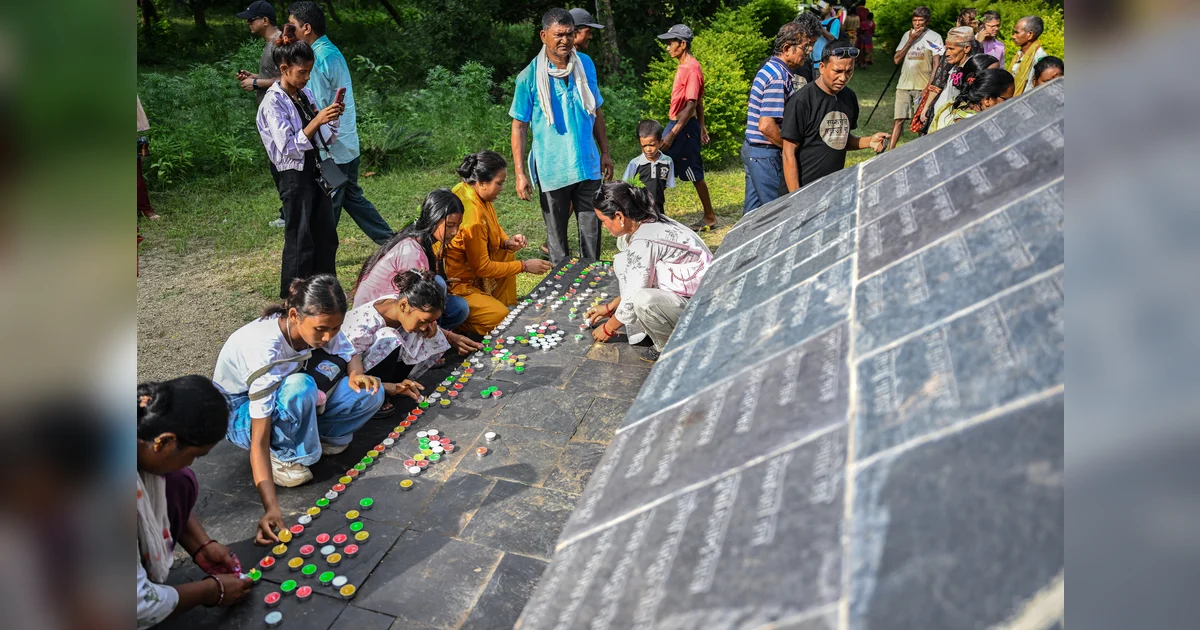
In Nepal, the families of victims from the decade-long civil war are watching the country’s recent political upheaval with a fragile sense of hope. The conflict, which ended in 2006, left over 16,000 dead and 1,400 missing, with abuses committed by both Maoist rebels and state forces. Despite a peace agreement, justice has been painfully slow. Transitional justice commissions established in 2015 have yet to resolve any of the 65,000 complaints of rape, murder, and enforced disappearances. Sunamati Chaudhari, whose husband was taken by security forces 22 years ago, exemplifies the struggle for closure. ‘We left no stone unturned,’ she said, recounting her efforts to seek justice through courts, organizations, and even the United Nations. ‘But nothing happened.’ The recent youth-led protests against economic woes, corruption, and a social media ban, which led to the government’s collapse in September, have added to the uncertainty. Former chief justice Sushila Karki, now interim prime minister, has been a rare advocate for war victims, but the political situation remains volatile. Families like Chaudhari’s, who recently performed her husband’s death rites, feel time has run out. ‘Many prime ministers have come and gone,’ she lamented, ‘but nobody addressed our problem.’
-
Teen rescued days after migrant shipwreck off Malaysia that killed 26
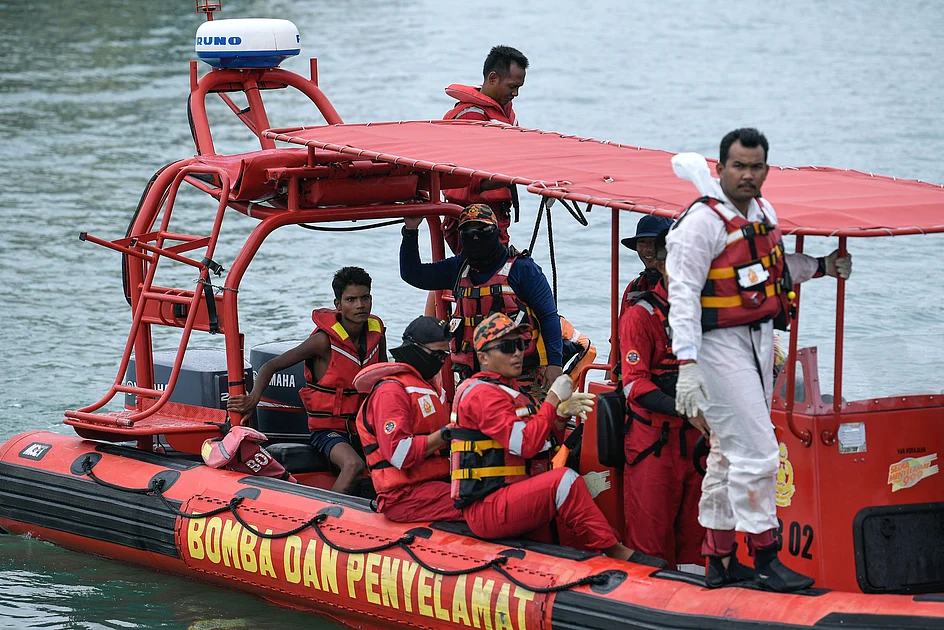
In a tragic maritime incident off the coast of Malaysia, an 18-year-old Rohingya migrant, Iman Shorif, was rescued after enduring days stranded on Langkawi Island. The boat he was on, carrying approximately 70 undocumented migrants from Myanmar, capsized near the Thai-Malaysian maritime border, claiming at least 26 lives. Iman, visibly weak and shaken, recounted witnessing the drowning of a child during the disaster. The journey had begun in Buthidaung, a township in Myanmar’s Rakhine state, and lasted five to six days before the vessel sank. Iman was spotted by Malaysian rescuers waving a polystyrene board and was found near a waterfall, which provided him with fresh water. The migrants were part of a larger group of around 300 people who had left Myanmar two weeks prior, split between at least two boats. The second vessel remains missing, and its fate is unknown. Malaysian authorities have recovered 20 bodies, while Thai officials reported finding six, including two with UNHCR identification cards. Fourteen survivors, mainly Rohingya and Bangladeshi citizens, have been rescued since search operations began on Sunday. The Rohingya, persecuted in Myanmar for decades, often risk their lives on perilous sea journeys facilitated by human trafficking syndicates. In 2024, 657 Rohingya died in the region’s waters, according to UNHCR. Medical charity Doctors Without Borders (MSF) highlighted the urgent humanitarian concerns raised by the latest shipwreck, emphasizing that such dangerous journeys are undertaken out of fear for their lives.
-

Bangladesh on high alert ahead of court fixing verdict date in case against Sheikh Hasina
Bangladesh is on high alert as the International Crimes Tribunal (ICT) prepares to announce the verdict date in the case against former Prime Minister Sheikh Hasina, who faces charges of crimes against humanity, including murder, during the July 2024 uprising. The announcement, scheduled for Thursday, November 13, has sparked widespread tension across the country. Security forces, including the army and police, have been deployed to key locations, including airports and major installations, to maintain order. Over the past two days, incidents of vehicle arson and crude bomb explosions have been reported in Dhaka and other regions, further escalating concerns. The Bangladesh Awami League, led by Sheikh Hasina, has called for a nationwide dawn-to-dusk lockdown on Thursday, urging citizens to participate. However, the interim government, led by Nobel laureate Muhammad Yunus, has banned the party’s activities, forcing leaders to organize through social media from undisclosed locations. Police have launched nationwide operations to arrest Awami League leaders and activists, while security checkpoints have been established on major roads. The July 2024 student-led uprising toppled Sheikh Hasina’s government, prompting her to flee to India on August 5, 2024. The interim government has since initiated legal proceedings against her in the ICT, which was originally established by her administration to prosecute crimes during Bangladesh’s 1971 Liberation War. Testimonies in the case have concluded, and the tribunal is set to announce the verdict date on Thursday.