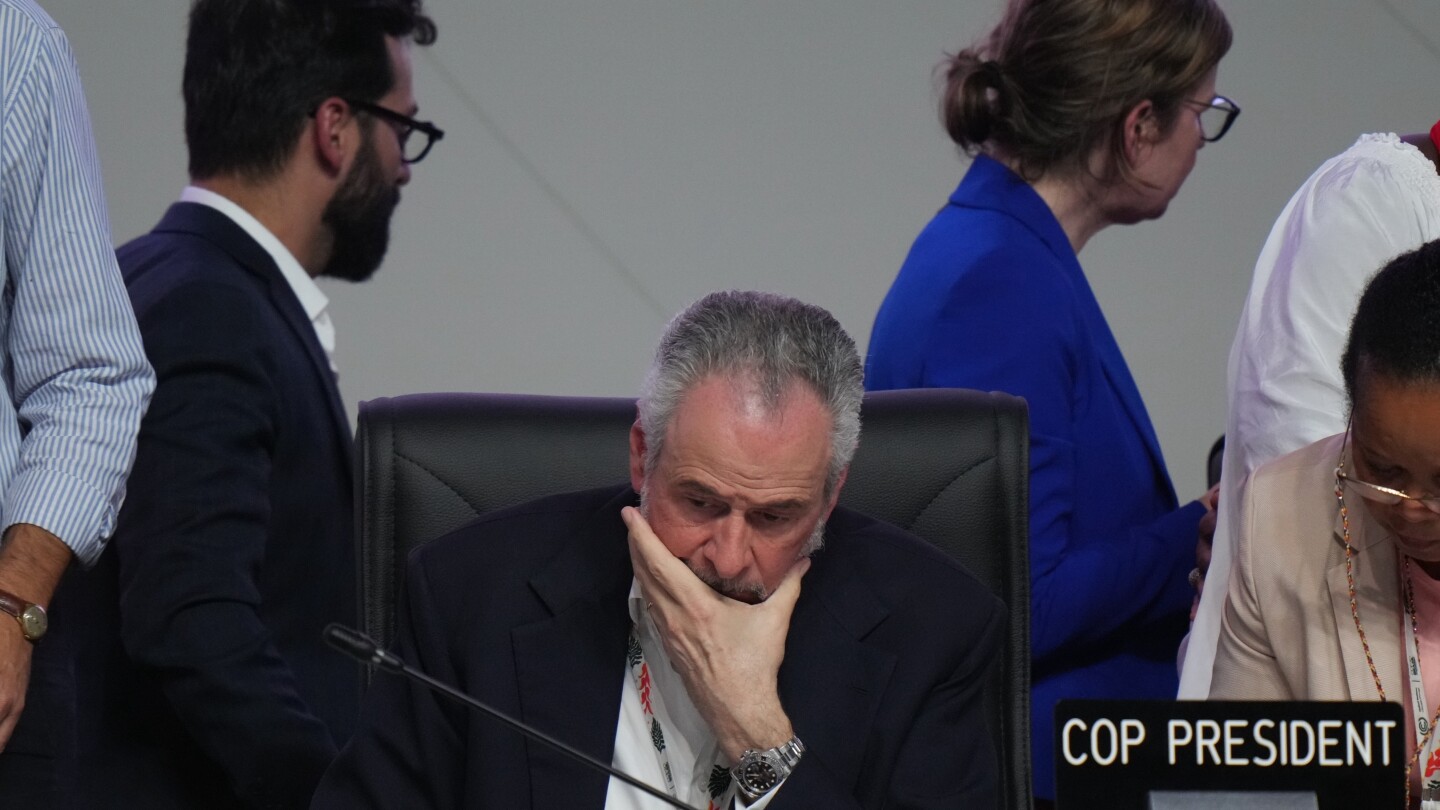
The 2025 United Nations Climate Change Conference (COP30), held in Belem, Brazil, concluded with a watered-down resolution that failed to meet the expectations of many delegates and environmental advocates. Hosted in the Amazon rainforest, a critical climate regulator and home to Indigenous communities, the summit initially raised hopes under the leadership of Brazilian President Luiz Inácio Lula da Silva. Lula’s impassioned speeches inspired over 80 nations to call for a detailed roadmap to drastically reduce the use of fossil fuels—oil, gas, and coal—the primary drivers of climate change. However, the final decision, announced on November 22, omitted any mention of fossil fuels or a timeline for their reduction, sparking widespread criticism. While the resolution included increased financial support for developing nations to adapt to climate change, it fell short of the ambitious goals many had anticipated. Critics, including Panama’s negotiator Juan Carlos Monterrey Gomez, labeled the outcome as “complicity” rather than neutrality, accusing the summit of sidelining scientific evidence to appease polluters. Environmental activists and delegates expressed frustration, with many already looking ahead to COP31 in Turkey. The conference, once dubbed a “COP of truth,” instead eroded confidence in multilateral climate negotiations, leaving many questioning the process’s ability to address the escalating climate crisis.
分类: world
-
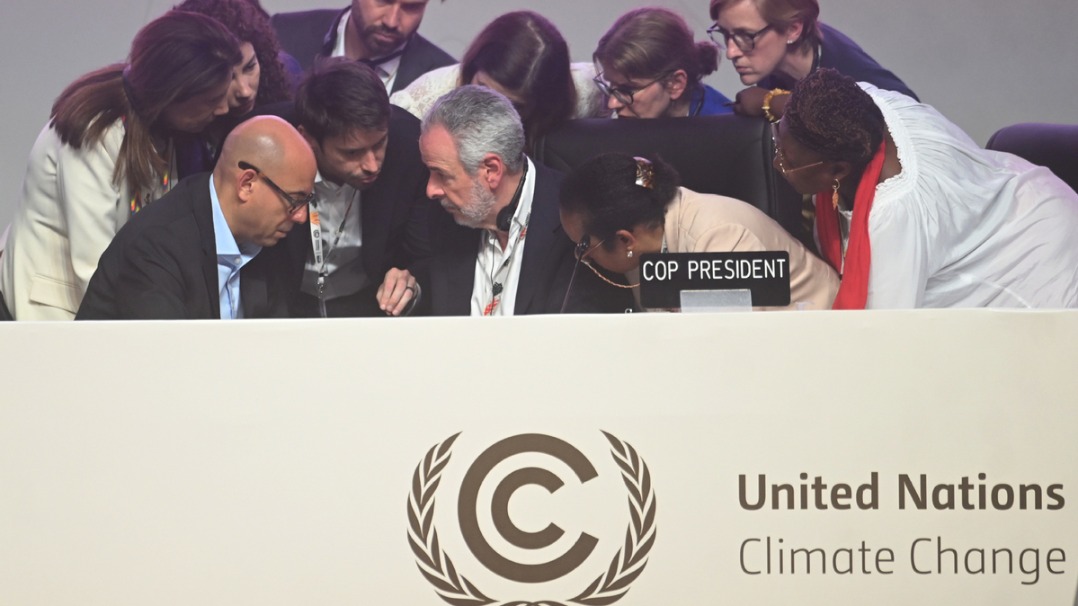
China hails ‘hard-won’ COP30 Global Mutirao Decision
China has lauded the Global Mutirao Decision, a landmark agreement reached at the 30th United Nations Climate Change Conference (COP30) in Belem, Brazil, as a testament to global solidarity in addressing climate change. The agreement, described as ‘hard-won,’ was finalized on November 22, 2025, after intense negotiations that extended the conference by an additional day. Li Gao, head of the Chinese delegation and vice-minister of China’s ecology and environment, emphasized the significance of the decision, which encompasses climate mitigation, adaptation, finance, and international cooperation. The term ‘Mutirao,’ borrowed from Brazilian Portuguese, symbolizes collective action, reflecting the spirit of the agreement. Li highlighted the challenges posed by rising unilateralism, protectionism, and the United States’ withdrawal from the 2015 Paris Agreement, underscoring the difficulty of reaching consensus. The Global Mutirao Decision reaffirms that climate measures should not serve as tools for arbitrary trade restrictions, a principle China has long advocated. Additionally, China, alongside other Global South nations, secured increased support from developed countries for climate adaptation funding. The conference also adopted a call to triple adaptation finance by 2035, albeit with a timeline longer than developing nations had hoped. Li noted that China’s Nationally Determined Contributions (NDCs), announced in September 2025, aim to reduce net greenhouse gas emissions by 7-10% from peak levels by 2035, with a commitment to ‘striving to do better.’ This phrase, which became a rallying cry at COP30, was incorporated into the conference’s key political document as a shared global objective. The timing of COP30, coinciding with the 10th anniversary of the Paris Agreement, was particularly significant, setting the stage for the next decade of climate action. Li described the outcome as a milestone in the global multilateral climate process, signaling the irreversible shift toward green and low-carbon development, the resilience of multilateralism, and the necessity of international cooperation.
-

Developing nations push for climate action and debt relief at G20 summit in South Africa
The Group of 20 (G20) summit in Johannesburg, South Africa, became a platform for developing nations to address pressing global issues such as climate change and unsustainable debt levels. These nations, including Zimbabwe, Namibia, Jamaica, and Malaysia, emphasized their potential as economic partners in sectors like mining, technology, and artificial intelligence. South Africa, which concluded its G20 presidency and handed it over to the United States, was praised for fostering an inclusive agenda that prioritized the needs of poorer countries and highlighted global inequality. However, the summit was marked by the absence of the United States, which boycotted the event due to President Donald Trump’s allegations of South Africa’s mistreatment of its Afrikaner white minority. Ethiopian Prime Minister Abiy Ahmed underscored the importance of translating debt relief into tangible investments, stating, ‘Inclusivity is not charity, it is efficiency.’ Namibian President Netumbo Nandi-Ndaitwah called for fair financing terms, noting that despite timely debt repayment, her country is still perceived as high-risk. Jamaica’s Prime Minister Andrew Michael Holness highlighted the devastating impact of climate-fueled natural disasters, such as Hurricane Melissa, on developing nations. World Trade Organization Director General Ngozi Okonjo-Iweala urged African leaders to rethink trade policies, emphasizing the need to move beyond exporting raw materials and instead develop regional value chains. Nabil Ahmed of Oxfam commended South Africa for centering inequality in the G20 agenda, calling it a critical step in addressing both the climate and inequality emergencies.
-
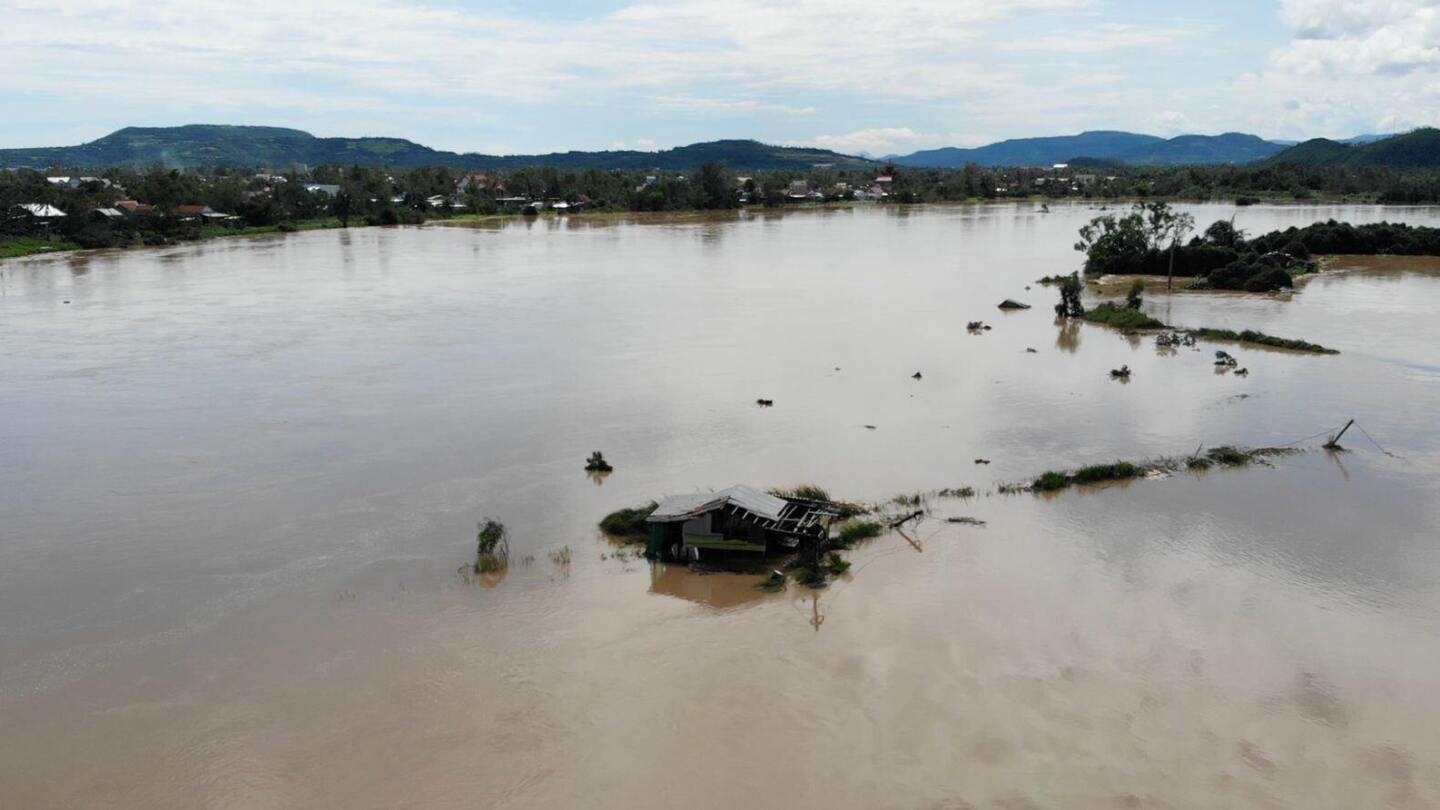
Death toll in Vietnam floods reaches 90
Central Vietnam is reeling from a devastating natural disaster as heavy rains earlier this week have led to catastrophic floods and landslides, claiming the lives of at least 90 people, according to state media reports on Sunday. The disaster prevention agency highlighted the widespread destruction caused by the deluges, which have compounded the region’s woes after it was recently battered by record-breaking floods and the powerful Typhoon Kalmaegi. The relentless rains triggered multiple landslides, particularly in the Central Highlands, submerging railway lines and roads and leaving thousands stranded. Vietnam, one of the world’s most flood-prone nations, faces heightened risks with nearly half its population residing in high-risk areas. Scientists attribute the increasing intensity and frequency of such disasters to a warming climate, which is exacerbating storms and rainfall across Southeast Asia, making floods and landslides more destructive.
-
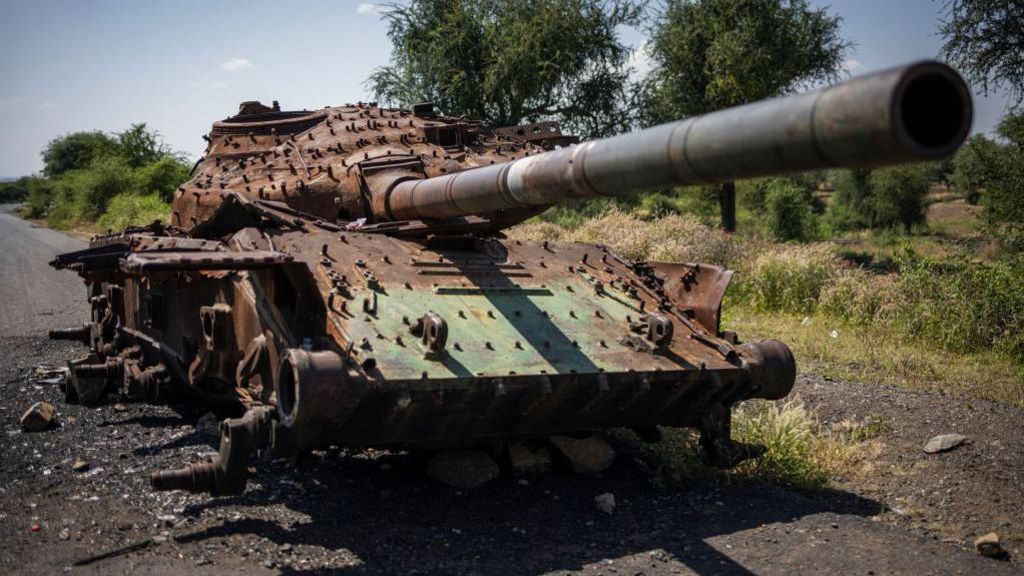
Escalating war of words between Ethiopia and Eritrea triggers fears of conflict
Mounting tensions between Ethiopia and Eritrea have sparked fears of a potential armed conflict in the Horn of Africa. The dispute centers on Ethiopia’s demand for access to the Red Sea through Eritrea, a contentious issue that has reignited historical animosities. Ethiopian Prime Minister Abiy Ahmed has repeatedly emphasized the strategic importance of sea access, calling it an existential necessity for his landlocked nation. However, Eritrea has dismissed these claims, labeling them as a “toxic agenda” of irredentism. The two nations share a complex history, marked by Eritrea’s secession from Ethiopia in 1993 after a decades-long independence struggle, leaving Ethiopia without a coastline. A brutal border war in 1998 further strained relations, resulting in over 100,000 deaths. Recent months have seen a sharp escalation in rhetoric, with Ethiopian officials openly asserting ownership of Eritrea’s southern port of Assab and hinting at the possibility of reclaiming it by force. Ethiopian leaders, including army chief Field Marshal Birhanu Jula, have framed the issue as a matter of national survival, citing Ethiopia’s growing population and economic needs. In response, Eritrea has issued stern warnings, with Information Minister Yemane Gebremeskel describing Ethiopia’s stance as “dangerous” and a violation of international norms. The Eritrean army has also cautioned against crossing “red lines,” warning of severe consequences. While there have been no reports of major military movements, Ethiopia has been bolstering its defense capabilities, showcasing new weaponry and conducting large-scale military training exercises. State media in Ethiopia has amplified the government’s narrative, portraying the loss of Red Sea access as an injustice that must be rectified. Conversely, Eritrean media has accused Ethiopia of attempting to reignite settled disputes. The situation has drawn attention from international observers, with concerns over the potential for conflict in an already volatile region. The historical context of the dispute, coupled with recent developments, underscores the fragility of relations between the two nations and the high stakes involved.
-
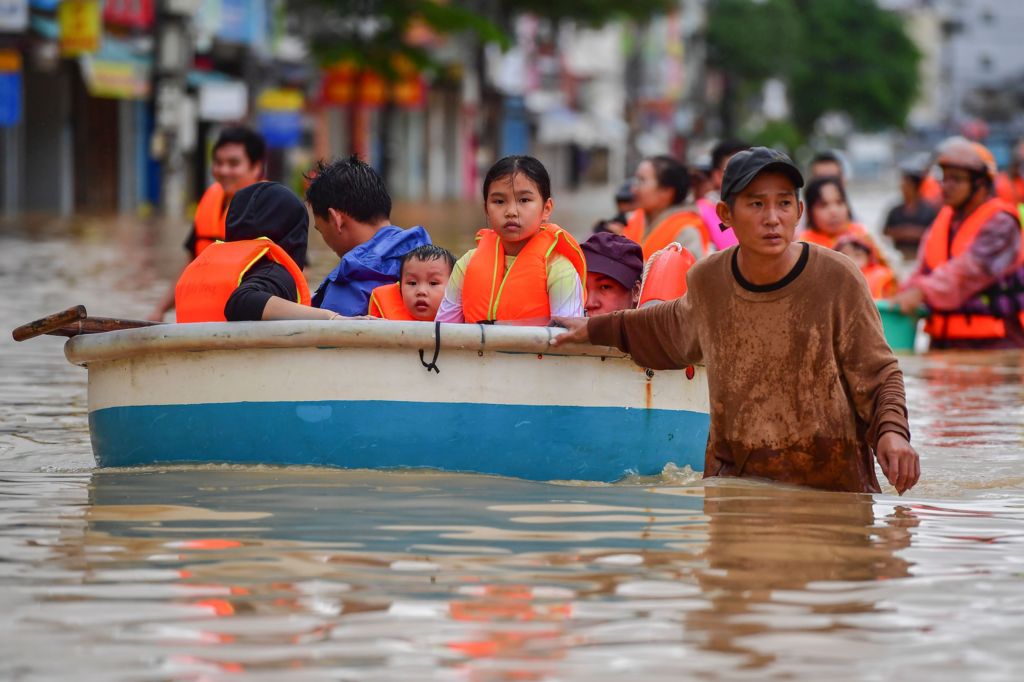
Vietnam floods leave at least 90 dead and 12 missing
Vietnam is reeling from catastrophic floods triggered by relentless heavy rainfall, resulting in at least 90 fatalities and 12 individuals reported missing. The deluge has caused widespread destruction, damaging 186,000 homes and sweeping away over three million livestock. Preliminary estimates suggest the economic toll runs into hundreds of millions of pounds. The mountainous province of Dak Lak has borne the brunt of the disaster, with over 60 deaths recorded since November 16, according to AFP. This calamity follows closely on the heels of typhoons Kalmaegi and Bualoi, which struck Vietnam in rapid succession in recent months. As of Sunday morning, approximately 258,000 people were left without electricity, and critical transportation routes, including major highways and railway lines, were rendered impassable. In response, the Vietnamese government has deployed military and police forces to aid the hardest-hit regions, particularly in the provinces of Quang Ngai, Gia Lai, Dak Lak, Khanh Hoa, and Lam Dong. Prime Minister Phạm Minh Chính, attending the G20 summit in South Africa, convened an emergency virtual meeting to coordinate relief efforts. Rainfall in some areas exceeded 1.5 meters (5 feet), with certain locations surpassing a staggering 5.2 meters, a record not seen since 1993. While forecasts predict a respite from the rain in the coming days, scientists warn that Vietnam’s vulnerability to extreme weather events has been exacerbated by human-induced climate change, intensifying the frequency and strength of typhoons.
-
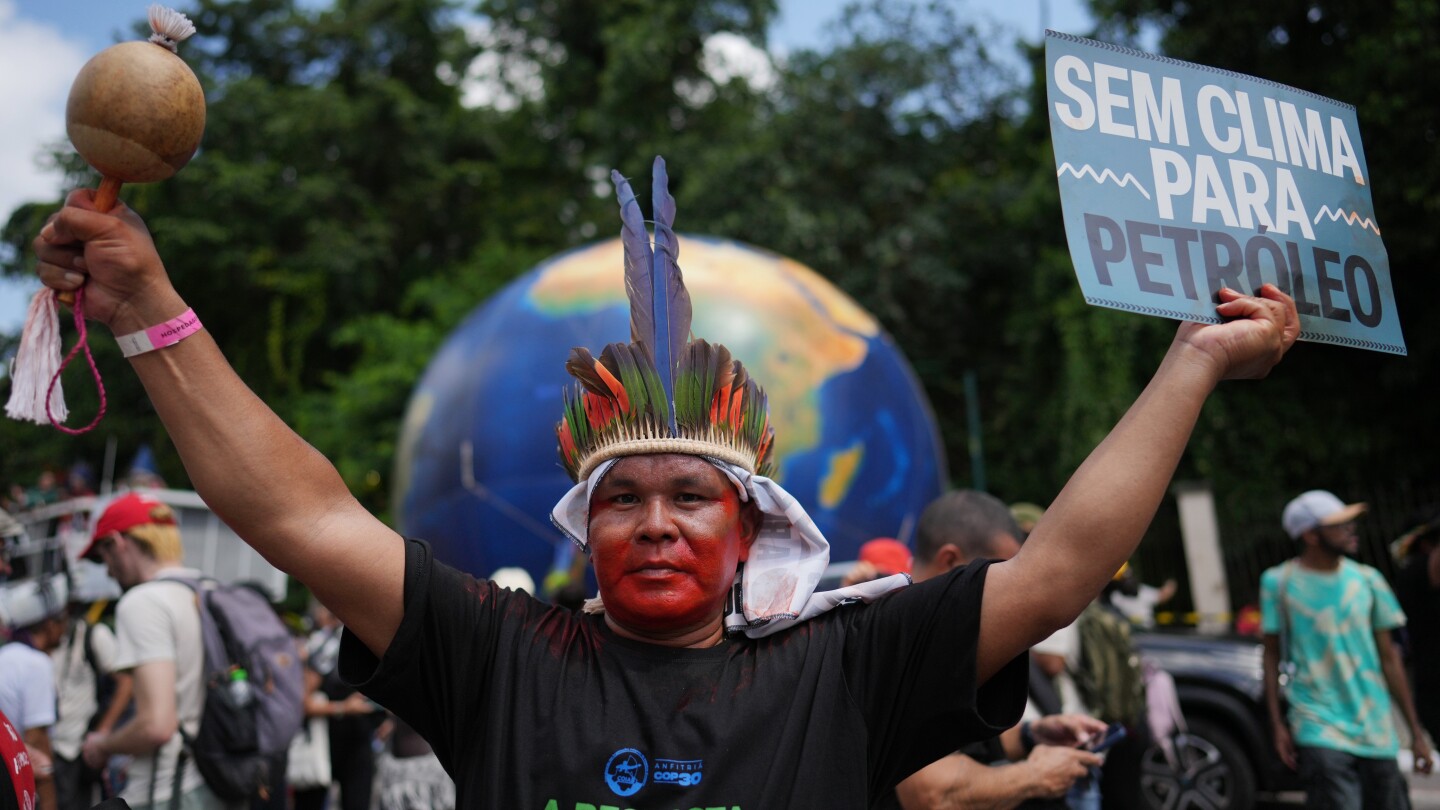
Indigenous people reflect on the meaning of their participation in COP30 climate talks
The streets of Belem, Brazil, echoed with the voices of Indigenous communities during the United Nations COP30 climate talks, held in the heart of the Amazon. While the conference aimed to amplify Indigenous representation like never before, many attendees left feeling that their voices were heard but not truly empowered. The summit, which concluded on Saturday, was hosted in a region critical to global biodiversity and climate regulation, yet Indigenous leaders expressed frustration over the lack of meaningful action and representation. Brazilian officials had hoped the event would empower local communities and protect the Amazon rainforest, a vital carbon sink. However, despite small victories, such as the explicit acknowledgment of Indigenous rights in the final text, the conference fell short on addressing critical issues like fossil fuel phase-outs and equitable participation. Indigenous leaders criticized the focus on symbolic gestures rather than substantive policy changes. Protests outside the venue highlighted the solidarity among Indigenous groups, with demonstrations breaking barriers—both literal and metaphorical—to ensure their voices reached the negotiation tables. While the conference marked a step forward in visibility, it underscored the need for genuine empowerment and action to address the climate crisis affecting Indigenous communities worldwide.
-
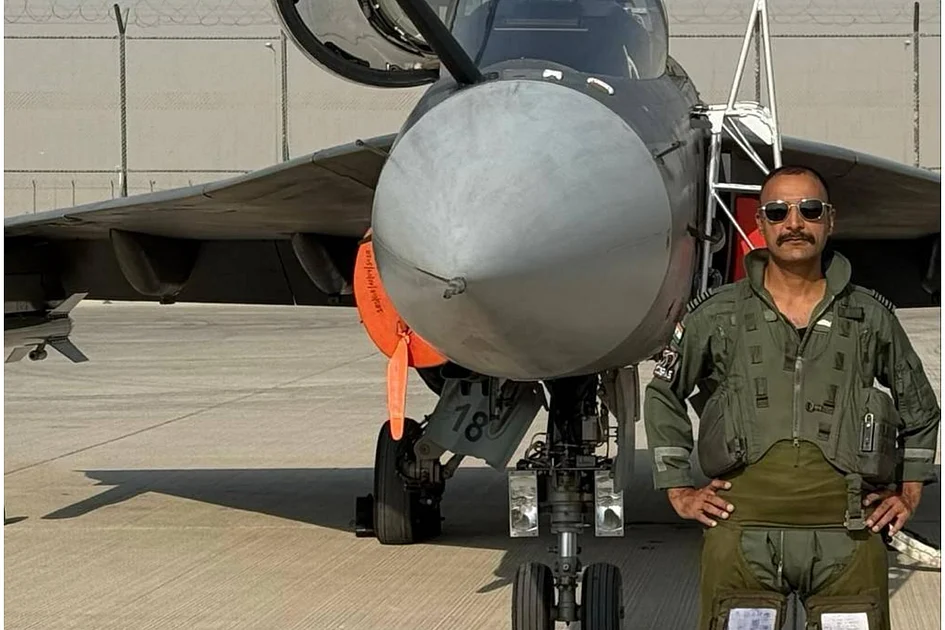
‘Tragic loss’: Indian Air Force pays tribute to fighter pilot killed in Dubai Airshow crash
The Indian Air Force (IAF) has paid heartfelt tribute to Wing Commander Namansh Syal, who tragically lost his life during a devastating crash at the Dubai Airshow on Friday. Syal, a highly skilled and dedicated fighter pilot, was flying the India-produced Light Combat Aircraft (LCA) Tejas when the accident occurred. His mortal remains were repatriated to India on Saturday, marking a somber moment for the nation. The IAF described Syal as a ‘thorough professional’ who served with unwavering commitment, exceptional skill, and an unyielding sense of duty. In a statement posted on X, the IAF expressed deep sorrow over the loss, highlighting Syal’s dignified persona and the immense respect he earned throughout his life of service. The crash, which took place around 2:10 pm during an eight-minute aerial display, has left the aviation community in shock. Syal, hailing from Himachal Pradesh, was honored by UAE officials, colleagues, friends, and Indian Embassy representatives during a solemn send-off. The IAF has pledged to stand in solidarity with Syal’s family during this time of profound grief, vowing to honor his legacy of courage, devotion, and honor.
-
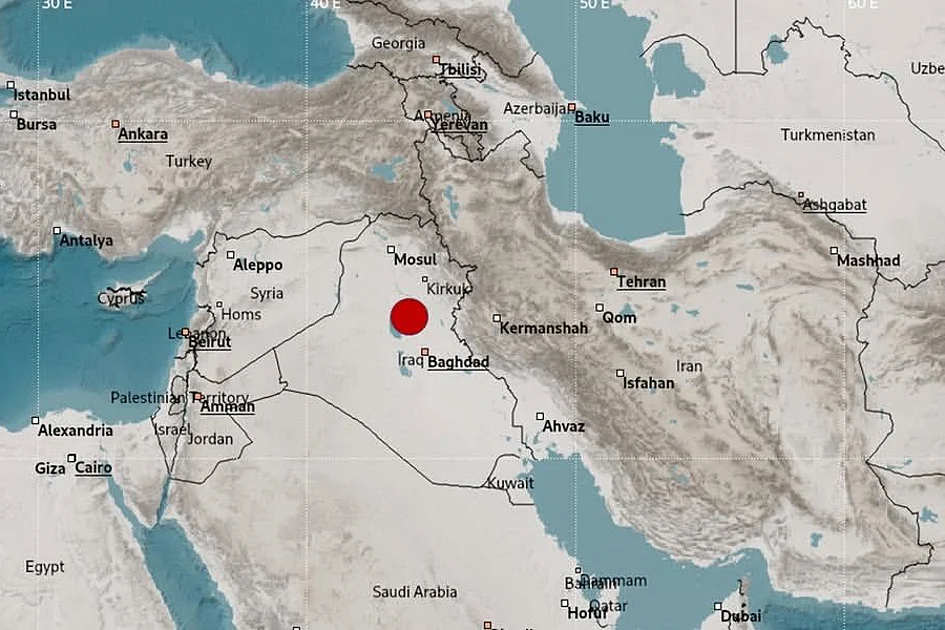
UAE’s NCM records 5.0-magnitude earthquake in Iraq
A moderate earthquake measuring 5.0 on the Richter scale struck Iraq on Saturday, November 22, 2025, as reported by the National Seismic Network of the UAE’s National Centre of Meteorology (NCM). The seismic event occurred at 8:29 PM UAE time, with its epicenter located at a depth of 30 kilometers. Iraq, particularly its border regions with Iran, is highly susceptible to earthquakes due to its geographical position near the convergence of the Arabian and Eurasian tectonic plates. This geological setting makes the area a hotspot for seismic activity, often resulting in tremors of varying intensities. The NCM’s timely reporting underscores the importance of monitoring and preparedness in earthquake-prone zones. While no immediate reports of damage or casualties have been released, the incident serves as a reminder of the region’s vulnerability to natural disasters. Authorities continue to urge residents to stay informed and follow safety protocols during such events.
-

Saudi bus crash: Funeral prayers of Indian pilgrims held in Madinah
In a solemn ceremony held on November 22, 2025, funeral prayers were conducted in Madinah, Saudi Arabia, for the victims of a devastating bus accident that occurred earlier in the week. The tragic incident, which took place on Monday, claimed the lives of 45 out of 46 Indian pilgrims traveling for Umrah. The bus collided with a diesel tanker, resulting in one of the deadliest road accidents in recent years. The funeral prayers were led by Justice S. Abdul Nazeer, Governor of Andhra Pradesh, at the Prophet’s Mosque, followed by the burial at Jannat ul Baqi, a revered cemetery in Madinah. Ambassador Dr. Suhel Khan and Consul General Fahad Suri were also present, offering their condolences and support to the grieving families. The Indian Embassy in Saudi Arabia reiterated its deep sorrow over the incident, emphasizing the need for enhanced safety measures for pilgrims. This tragedy has not only left a profound impact on the families of the victims but has also highlighted the risks faced by international travelers in the region.