分类: world

  • Japanese ‘One Piece’ singer stopped mid-show after China-Japan feud

    Japanese ‘One Piece’ singer stopped mid-show after China-Japan feud

    A series of sudden cancellations of Japanese musical performances in Shanghai has ignited widespread criticism and highlighted growing diplomatic strains between China and Japan. The incidents occurred against the backdrop of escalating tensions following Japanese Prime Minister Sanae Takaichi’s recent comments regarding Taiwan.

    On Friday, singer Maki Otsuki was abruptly cut off mid-performance during her rendition of the popular anime ‘One Piece’ theme song at a Shanghai music festival. Stage lights and audio were suddenly terminated, after which crew members hurried her offstage. The following day, pop icon Ayumi Hamasaki performed to a completely empty 14,000-seat stadium after organizers canceled her concert, citing ‘force majeure’ circumstances.

    These disruptions coincide with heightened diplomatic friction stemming from Prime Minister Takaichi’s suggestion last month that Japan might consider military intervention should China attack Taiwan. Beijing, which considers Taiwan a breakaway province, has consistently maintained its right to use force for reunification.

    Otsuki’s management attributed the interruption to ‘unavoidable circumstances’ while acknowledging the professionalism of local staff. The three-day music festival subsequently canceled all remaining events after comprehensive consideration of various factors, according to Kyodo News.

    The incident has sparked diverse reactions across social media platforms. Some fans created memes comparing Otsuki’s removal to the unexpected extraction of former Chinese leader Hu Jintao during a Communist Party meeting in 2022. Critics questioned why cultural events were being targeted when the diplomatic dispute involves governmental matters.

    US Ambassador to Japan George Glass expressed regret that ‘there are people who can’t feel the power of music,’ while Hamasaki herself performed to empty seats as a tribute to her team and expressed her belief that entertainment should serve as a bridge between peoples.

    Meanwhile, Chinese social media displayed nationalist sentiments, with some users questioning why Japanese events were permitted during periods of diplomatic tension. The cancellations follow recent announcements postponing releases of popular Japanese anime films in China, indicating the cultural sphere is increasingly affected by bilateral relations.
  • Campaign to ‘free Palestinian hostages’ in Israeli jails gains momentum

    Campaign to ‘free Palestinian hostages’ in Israeli jails gains momentum

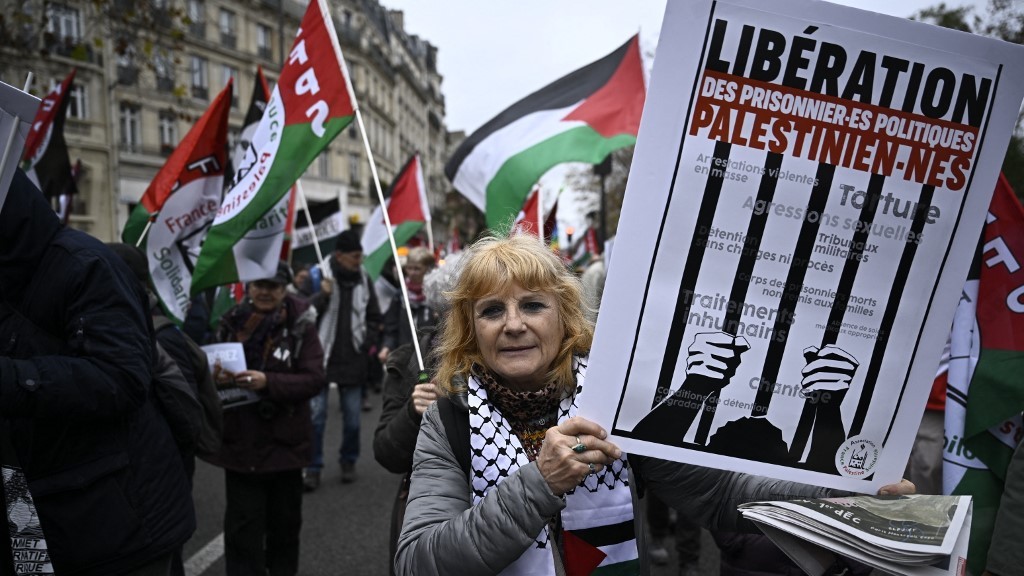
    Major European capitals witnessed massive demonstrations over the weekend as thousands mobilized in solidarity with Palestinian prisoners held in Israeli detention facilities. The coordinated protests, occurring on the International Day of Solidarity with the Palestinian People, saw central London flooded with activists demanding the immediate release of approximately 9,100 Palestinians currently incarcerated, including more than 450 women and children.

    Protesters adorned with red ribbons and waving Palestinian flags condemned Israel’s judicial practices, specifically targeting the system of administrative detention that allows indefinite imprisonment without formal charges. The demonstrations highlighted allegations of systematic torture, sexual violence, arbitrary arrests, and inhumane treatment within the Israeli prison network.

    The movement quickly expanded across continental Europe, with parallel gatherings occurring in Paris and Athens drawing tens of thousands of participants. In Copenhagen, activists assembled outside the Israeli embassy under the banner “Bring Them Home,” personalizing their protest by sharing individual stories of detained Palestinians.

    Central to the campaign is the case of Marwan Barghouti, a 66-year-old political figure viewed as a potential future Palestinian leader who has been imprisoned since 2002. Barghouti, serving five life sentences for alleged involvement in killings during the Second Intifada, has endured extended solitary confinement periods—including one stretch lasting three years—with reports indicating his conditions have significantly deteriorated since October 2023.

    Recent investigative findings have uncovered disturbing detention practices, including an underground facility where Gazan prisoners are allegedly denied sunlight, adequate nutrition, and all external communication. Among those detained without charge are a nurse apprehended while wearing medical scrubs and a teenage food vendor.

    Leaked Israeli data suggests that the overwhelming majority of Palestinians arrested during recent military operations in Gaza were civilians. A report by Physicians for Human Rights-Israel documented at least 94 Palestinian fatalities in Israeli custody, attributing deaths to torture, physical assault, deliberate medical neglect, or severe malnutrition. The case of 17-year-old Walid Ahmad, who died six months after his arrest at Megiddo prison, revealed post-mortem evidence of “severe and prolonged malnutrition.”

    These findings align with a recent United Nations report that accused Israel of maintaining a de facto policy of organized and widespread torture against Palestinian detainees, with practices allegedly intensifying significantly since October 2023. The UN committee expressed particular concern that Israel’s detention policies, if implemented as described, would constitute cruel, inhuman, and degrading treatment prohibited under international law.

  • Nigeria: 14 kidnapped, including bride and 10 bridesmaids

    Nigeria: 14 kidnapped, including bride and 10 bridesmaids

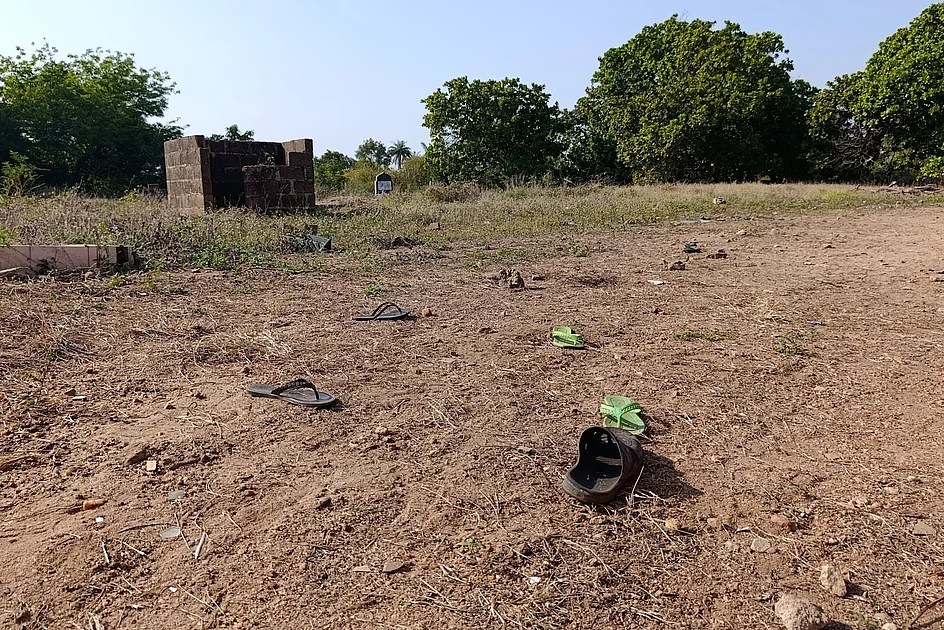
    Nigeria faces a severe security crisis as mass abductions continue to plague the nation, with armed bandits kidnapping 14 individuals including a bride and her bridal party in northeastern Sokoto State. The overnight raid on Chacho village represents the latest in a series of coordinated attacks that have resulted in hundreds of citizens being taken captive in recent weeks.

    According to local resident Aliyu Abdullahi, the assailants targeted the Zango neighborhood during the night of Saturday through Sunday, abducting the newlywed woman along with ten bridesmaids. The attack also claimed a mother and her infant child, plus another female villager. The timing exploited a regional tradition where brides spend their initial married night accompanied by their bridesmaids in their new residence before their husbands join them.

    This incident marks the second assault on Chacho within months, following an October kidnapping where 13 residents were taken and subsequently released only after ransom payments were made. The persistent violence has intensified pressure on President Bola Tinubu’s administration, which declared a nationwide state of emergency last Wednesday in response to the deteriorating security situation.

    An intelligence document obtained by AFP indicates Sokoto experienced its highest frequency of bandit-initiated abductions in November over the past year. Security analysts suggest this surge may stem from agreements brokered by neighboring states attempting to negotiate ceasefires with criminal elements. Critics contend these pacts inadvertently enable militant groups to consolidate their strongholds while expanding operations into regions with reduced military presence.

    The escalating crisis has drawn international attention, with former US President Donald Trump threatening military intervention in Africa’s most populous nation, citing violence against Christian communities by radical Islamists. Nigeria continues to struggle against multiple security threats including jihadist factions and criminal networks locally termed ‘bandits,’ who engage in systematic kidnappings for ransom, village raids, and destructive attacks on civilian populations.

  • WW1 toxic compound sprayed on Georgian protesters, BBC evidence suggests

    WW1 toxic compound sprayed on Georgian protesters, BBC evidence suggests

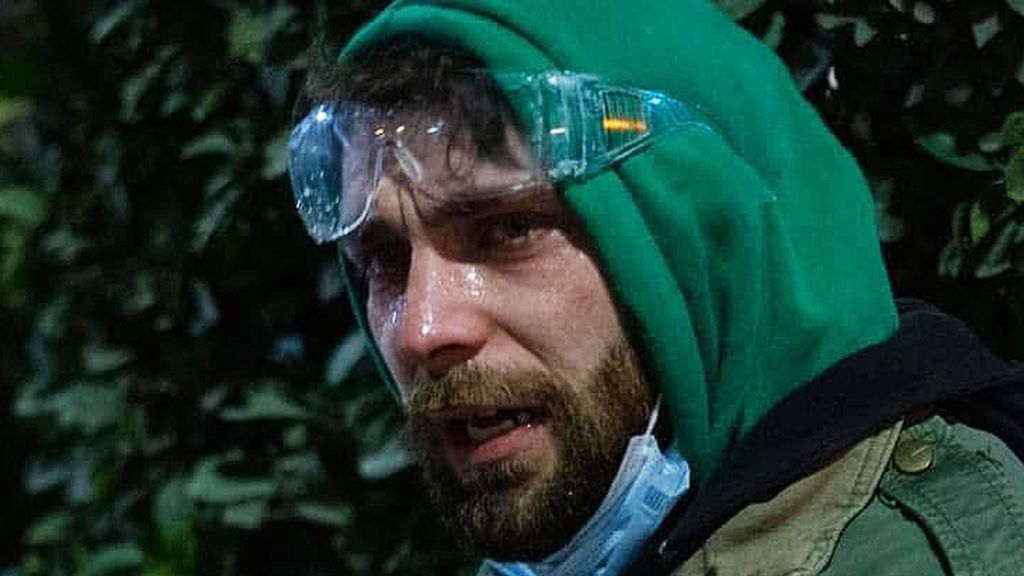
    A comprehensive BBC investigation has uncovered evidence suggesting Georgian authorities deployed a World War One-era chemical weapon against anti-government demonstrators in late 2024. The findings point to the use of bromobenzyl cyanide, known by its French military designation “camite,” which was allegedly mixed into water cannon systems used to disperse crowds protesting the government’s suspension of EU accession talks.

    Victims reported severe and persistent symptoms including chemical burns that couldn’t be washed away, respiratory distress, prolonged coughing, vomiting, and cardiac abnormalities that lasted for weeks. Dr. Konstantine Chakhashvili, a pediatrician who participated in the protests and subsequently conducted a peer-reviewed study, documented these effects in nearly 350 respondents, with almost half reporting symptoms persisting beyond 30 days.

    The investigation drew upon multiple sources including whistleblowers from Georgia’s Special Tasks Department (riot police), chemical weapons experts, medical professionals, and internal police inventories. Lasha Shergelashvili, former head of weaponry for the department, revealed he had tested a similarly potent chemical in 2009 and recommended against its use due to its dangerous and persistent effects.

    International experts including Professor Christopher Holstege, a leading toxicology and chemical weapons specialist, concluded that the clinical findings were consistent with bromobenzyl cyanide exposure rather than conventional riot control agents like CS gas. UN Special Rapporteur on Torture Alice Edwards expressed serious concerns, stating that such practices could violate human rights law if the effects were not temporary as required by international standards.

    Georgian authorities dismissed the findings as “absurd” and “deeply frivolous,” maintaining that police acted legally against what they described as “illegal actions of brutal criminals.” The protests, which began on November 28, 2024, have continued regularly despite increased government penalties, with demonstrators accusing the government of election rigging and aligning with Russian interests.

  • Pope Leo XIV arrives in Lebanon with message of peace for crisis-hit country

    Pope Leo XIV arrives in Lebanon with message of peace for crisis-hit country

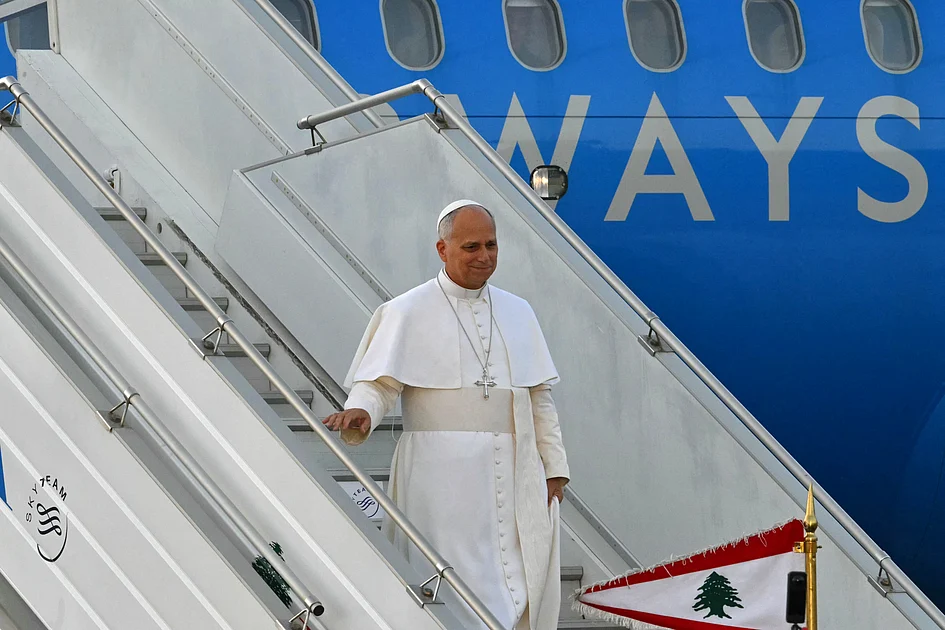
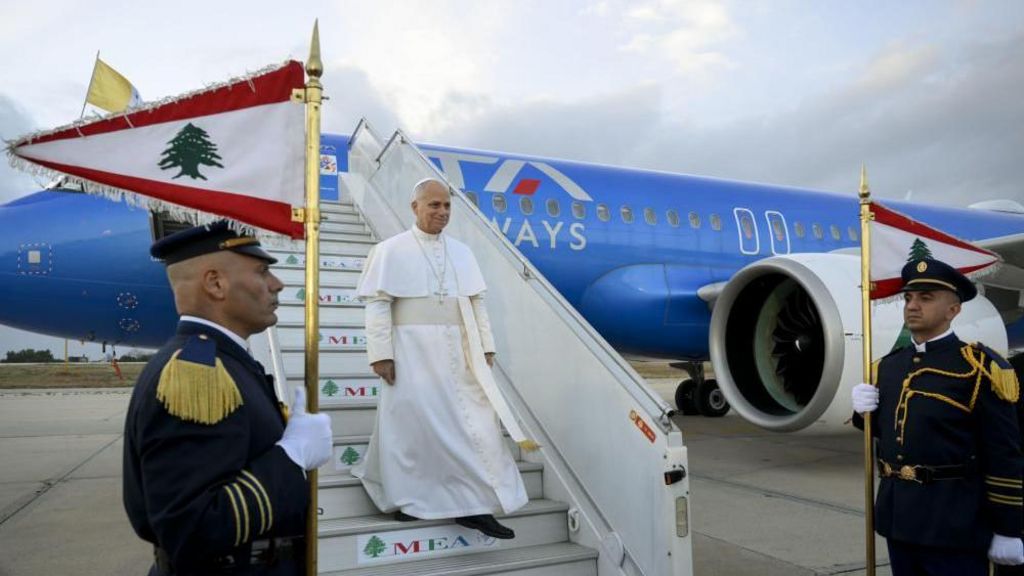
    Pope Leo XIV commenced his inaugural international journey as pontiff with a significant diplomatic mission to Lebanon on Sunday, November 30, 2025. The spiritual leader of the world’s 1.4 billion Catholics arrived in Beirut amid elaborate ceremonial welcomes, including a 21-gun salute, military aircraft escorts, and enthusiastic crowds lining the route from the airport.

    The pontiff’s visit carries profound symbolic weight for Lebanon, a nation grappling with multiple overlapping crises including economic collapse, the aftermath of the 2020 port explosion, and lingering tensions from recent hostilities between Hezbollah and Israel. President Joseph Aoun, the Arab world’s sole Christian head of state, personally welcomed the Pope alongside other high-ranking officials.

    In statements to journalists during his flight, Pope Leo XIV emphasized that his two-nation tour—which began in Turkey—centered on being “a messenger of peace” dedicated to promoting regional stability. His arrival sparked remarkable displays of interfaith solidarity, with both Christian and Muslim citizens expressing enthusiasm for his visit. Zahra Nahleh, a 19-year-old from Lebanon’s conflict-affected southern regions, articulated the shared sentiment: “The pope is not just for Christians but for Muslims too.”

    The visit presented a distinctive diplomatic challenge for the first American pope, whose restrained leadership style contrasts markedly with his predecessor’s approach. While his earlier stop in Turkey focused primarily on ecumenical dialogue between Christian denominations, the Lebanon segment addresses more complex geopolitical tensions.

    Notably, scouts affiliated with Hezbollah joined welcoming committees along the pontiff’s route through Beirut’s southern suburbs, where banners honoring the Pope stood adjacent to posters of slain Hezbollah leader Hassan Nasrallah. The Iran-backed group had previously urged the spiritual leader to condemn Israeli military actions in Lebanon.

    The papal itinerary included high-level meetings with President Aoun, Prime Minister Nawaf Salam, and Parliament Speaker Nabih Berri, followed by an address to government authorities and diplomatic corps. The visit marks the first by a pope since Benedict XVI’s 2012 journey and occurs as Lebanon’s Christian community—though constitutionally privileged through the reserved presidential office—faces continued demographic decline through emigration.

  • Iran says it captured Eswatini-flagged tanker in Strait of Hormuz

    Iran says it captured Eswatini-flagged tanker in Strait of Hormuz

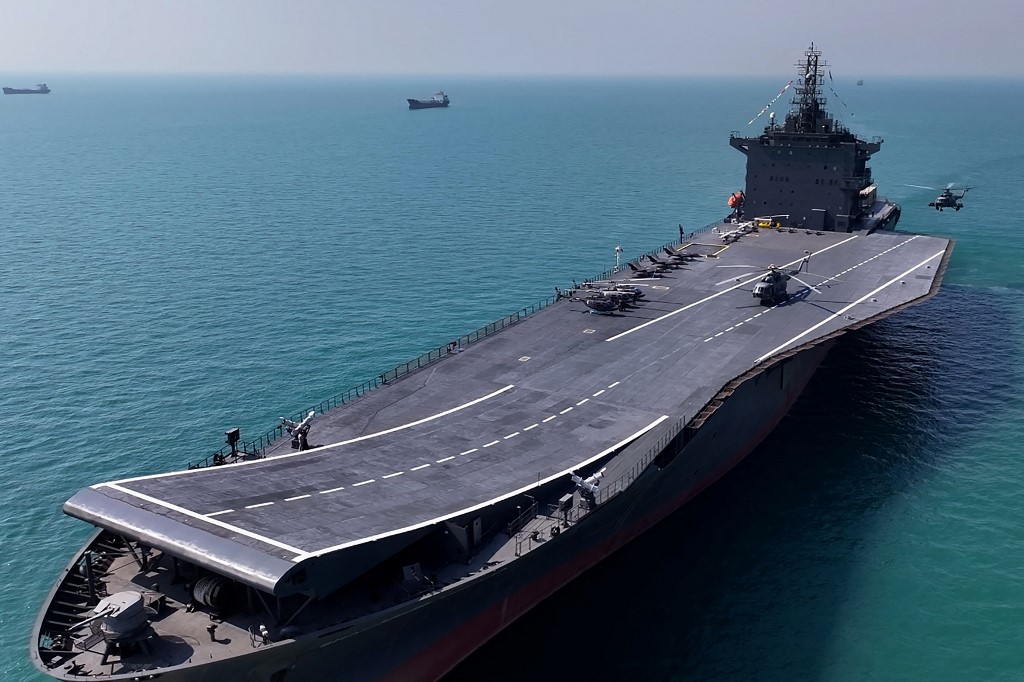
    Iran’s Islamic Revolutionary Guard Corps (IRGC) has intercepted a commercial vessel flying the flag of Eswatini, alleging the ship was transporting contraband fuel through strategic Persian Gulf waters. The seizure occurred on Sunday, with naval forces redirecting the ship to the port of Bushehr following the discovery of approximately 350,000 liters of what authorities described as smuggled petroleum products.

    According to IRGC statements published through state media channels, the vessel’s thirteen crew members comprised nationals from India and another neighboring country, though specific details regarding their identities or conditions remain undisclosed. The incident prompted immediate diplomatic pushback from the African nation of Eswatini, which formally denied any association with the ship or its activities.

    In an official communiqué, the Eswatini government asserted: ‘The Kingdom of Eswatini maintains no connection whatsoever to the vessel reportedly seized in Iranian waters. We categorically reject attempts to associate our nation with maritime criminal activities and confirm that no ships are currently authorized to fly the Eswatini flag.’

    This event represents the latest in a series of maritime interceptions conducted by Iranian forces targeting vessels accused of illicit fuel transportation through the Strait of Hormuz—a critical chokepoint for global oil shipments. Just last month, Iranian authorities similarly captured a Marshall Islands-flagged tanker navigating these geographically pivotal waters, citing violations related to unauthorized cargo without providing comprehensive specifics.

    These escalating maritime incidents unfold against a backdrop of deteriorating diplomatic relations between Iran and Western powers concerning Tehran’s nuclear ambitions. United Nations sanctions, including comprehensive arms embargoes, were reinstated in September following the collapse of multilateral nuclear negotiations. The diplomatic impasse deepened in June when Omani-mediated talks between Iran and the United States collapsed subsequent to military strikes conducted by Israeli and American forces against Iranian interests.

    While Tehran maintains that its nuclear program remains exclusively peaceful and denies pursuing nuclear weapons capabilities, the reinstated sanctions reflect the ‘snapback’ mechanism embedded within the 2015 Joint Comprehensive Plan of Action. This agreement had initially suspended punitive measures in exchange for rigorous restrictions on Iran’s nuclear activities, creating a framework that now appears increasingly fragile amid current geopolitical tensions.

  • Pope Leo finds his voice on first foreign trip

    Pope Leo finds his voice on first foreign trip

    Pope Leo XIV has commenced his inaugural international journey with a strategically significant visit to Beirut, arriving precisely one week following Israeli airstrikes that targeted the Lebanese capital. This carefully orchestrated diplomatic mission underscores the Pontiff’s deliberate approach to global leadership during his initial six months in office.

    The Pontiff’s itinerary commenced with a three-day engagement in Turkey, where observers noted his characteristically measured diplomatic style. Unlike his predecessor Pope Francis—known for passionate, extemporaneous remarks that occasionally required clarification from aides—Leo XIV demonstrates methodical precision in both speech and action. His interactions with journalists reflect thoughtful consideration, with each statement appearing deliberately crafted.

    During his Turkish leg, the Pope delivered substantive addresses on global conflicts. Alongside President Recep Tayyip Erdogan, he criticized powerful nations for leveraging economic and military dominance, warning that such actions jeopardize humanity’s future. At a historic commemoration in Iznik marking 1,700 years since a pivotal Christian council, he unequivocally condemned weaponizing religion to justify violence or fundamentalism.

    The Pontiff’s emotional depth surfaced during a profoundly moving moment at Istanbul’s Cathedral of the Holy Spirit. As he stood before Turkey’s diminutive Christian minority—who welcomed him with exceptional warmth—visible emotion overcame him, reminiscent of his overwhelmed reaction upon first appearing on St. Peter’s Basilica balcony last May.

    In Lebanon, a nation grappling with severe governance challenges, Pope Leo immediately addressed political leaders, urging dedication to public service. His visit carries profound symbolism for Lebanon’s Christian community, which comprises approximately one-third of the population. Patriarch Bechara al-Rahi, leader of the Maronite Catholic Church, expressed profound gratitude, noting the Pontiff’s choice to prioritize a nation ‘still at war’ provides hope to citizens feeling abandoned.

    Remarkably, even Hezbollah—the Shia Muslim political-military organization designated as terrorist by several Western nations—extended formal greetings through an open letter expressing ‘deep appreciation’ for the papal visit. Their supporters prominently displayed flags alongside Vatican and Lebanese banners during the Pope’s motorcade procession.

    Despite these bridge-building efforts, limitations persist. The Russian Orthodox Church declined participation in ecumenical events in Turkey, while some critics expressed disappointment that the Pope didn’t more forcefully address Turkey’s suppression of opposition voices. In Lebanon, residents from conflict-ravaged southern villages voiced frustration over not being included in the papal itinerary.

    As a South Side Chicago native unexpectedly elevated to one of the world’s most influential moral platforms, Pope Leo continues evolving into his dual role as spiritual leader and head of state. While lacking his predecessor’s disruptive urgency, he has demonstrably begun forging his distinctive voice in international diplomacy during this inaugural overseas mission.

  • ‘I saw them driving over injured people’ – the terrifying escape from war in Sudan

    ‘I saw them driving over injured people’ – the terrifying escape from war in Sudan

    In the aftermath of el-Fasher’s capture by Sudan’s paramilitary Rapid Support Forces (RSF), survivors have provided harrowing testimonies of systematic atrocities committed against civilians during the city’s fall. After an 18-month siege that culminated in October, the strategic Darfur city witnessed what victims describe as targeted violence against unarmed populations attempting to flee.

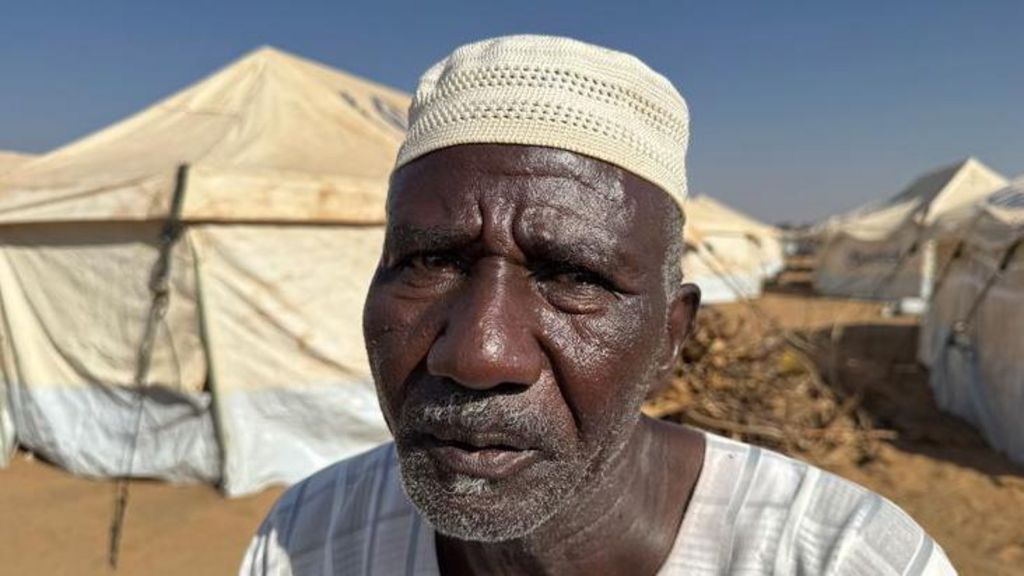
    Abdulqadir Abdullah Ali, a 62-year-old diabetic who suffered permanent nerve damage during the siege due to medication shortages, recounted how RSF fighters fired live ammunition at fleeing civilians. “They were shooting at the people – the elderly, the civilians, with live ammunition, they would empty their guns on them,” Ali stated from a northern Sudan displacement camp where BBC journalists documented accounts under official monitoring.

    The humanitarian crisis has reached catastrophic proportions, with United Nations estimates indicating over 260,000 former el-Fasher residents remain unaccounted for. Those who escaped describe nightmarish journeys through multiple RSF checkpoints where extortion, sexual violence, and executions were commonplace.

    Mohammed Abbaker Adam, a local official who grew a white beard to appear older and avoid suspicion, described witnessing summary executions: “They shot some people directly in front of us and then carried them and threw them far away. On the road, we saw dead bodies out in the open, unburied.”

    Multiple accounts corroborate widespread sexual violence, with fighters allegedly separating women from groups behind trees or taking them out of sight. One 19-year-old survivor described how RSF members abducted a girl from her travel group at a checkpoint, forcing the others to continue without her.

    The RSF has denied systematic abuses through Dr. Ibrahim Mukhayer, an adviser to RSF leader Gen Mohammed Hamdan Dagalo. “Any RSF member proven responsible for wrongdoing will be held fully accountable,” Mukhayer stated, characterizing allegations as politically motivated media campaigns.

    However, evidence gathered from displacement camps near al-Dabbah, approximately 770km northeast of el-Fasher, reveals consistent patterns of violence. Young men faced particular suspicion of being soldiers, with 15-year-old boys subjected to hours of interrogation under threat of whipping and execution.

    The crisis has drawn international condemnation, with the United States previously determining the RSF committed genocide in Darfur. President Donald Trump has promised increased involvement in ceasefire efforts, though survivors remain focused on immediate survival in camps where they arrive stripped of possessions and resources.

    As families struggle to reunite and secure basic shelter, the fall of el-Fasher represents both a strategic victory for the RSF and a humanitarian catastrophe that continues to unfold across Sudan’s devastated landscape.

  • UN report accuses Israel of ‘de facto’ state policy of torture

    UN report accuses Israel of ‘de facto’ state policy of torture

    A United Nations investigation has concluded that Israel maintains an organized and systematic policy of torture against Palestinian prisoners, with practices intensifying dramatically following the outbreak of hostilities in Gaza on October 7, 2023. The UN Committee Against Torture released its findings on Friday, documenting what it describes as “widespread and organized” abuse sanctioned at the state level.

    The comprehensive report highlights critical legislative gaps within Israel’s legal framework, noting the absence of specific legislation criminalizing torture. Current Israeli law contains provisions that exempt public officials from criminal liability through the “necessity defense” principle, effectively creating conditions where torture can occur without legal consequence.

    Committee experts expressed profound concern that these practices represent a de facto state policy rather than isolated incidents. The report further condemns Israel’s ongoing occupation policies in Palestinian territories, stating they create “cruel, inhuman or degrading living conditions” for the civilian population in violation of international standards.

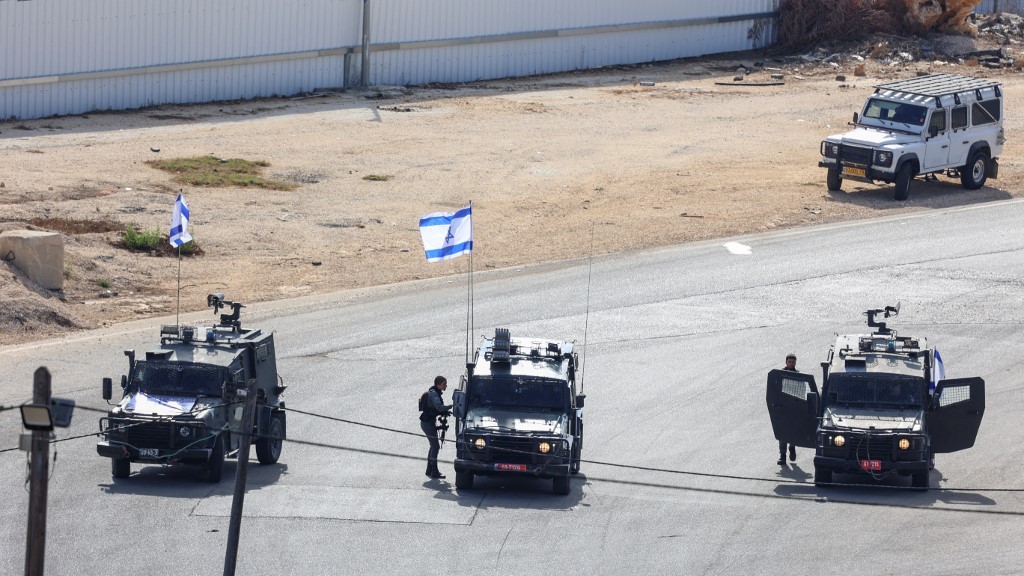
    The findings emerge alongside growing international condemnation of Israeli military conduct following the circulation of video evidence appearing to show the summary execution of two unarmed Palestinian men in Jenin, occupied West Bank. The United Nations human rights office characterized the killings as “brazen” and called them “another apparent summary execution.

    UN human rights chief Volker Turk has demanded independent, prompt investigations into all Palestinian fatalities, emphasizing that those responsible for violations must be “held fully to account.” Summary executions constitute war crimes under the Geneva Convention and established international law.

    The widely circulated video evidence shows two Palestinian men exiting a building with raised arms and lifted shirts, visibly demonstrating they were unarmed and presented no immediate threat to surrounding Israeli security forces.

  • Hong Kong high-rise fire: Missing Filipina worker confirmed dead

    Hong Kong high-rise fire: Missing Filipina worker confirmed dead

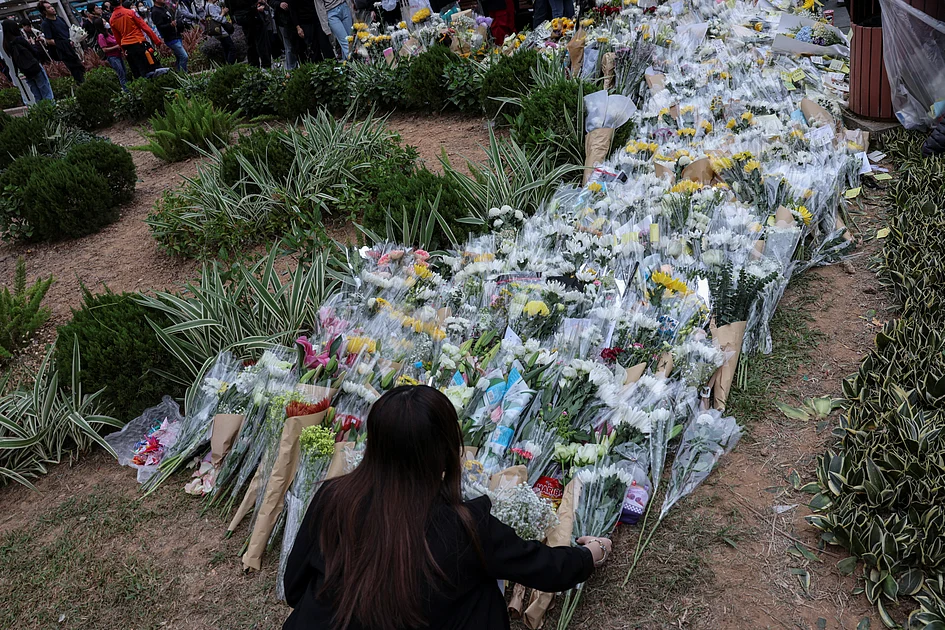
    A Filipina overseas worker previously reported missing has been confirmed deceased following a catastrophic high-rise fire in Hong Kong’s Tai Po district, according to an official announcement from the Philippine Consulate General. The tragic confirmation emerged as authorities continue accounting for foreign workers impacted by the devastating blaze that ignited November 26th during daylight hours and continued raging for over ten hours.

    The Philippine Consulate, while acknowledging the victim’s status as a female Overseas Filipino Worker (OFW), has temporarily withheld specific identifying details pending formal notification of next of kin. This protocol reflects standard diplomatic procedures during international casualty incidents.

    Current casualty reports indicate 79 Filipino nationals have been confirmed safe with one remaining injured and approximately twelve cases requiring further verification. The Consulate’s latest advisory indicates intensive on-ground operations continue to assist affected OFWs amid one of Hong Kong’s most severe residential fires in recent history.

    Official statistics now confirm 146 fatalities with at least 79 individuals sustaining injuries, according to Reuters reporting. Hong Kong police anticipate requiring three to four weeks to complete comprehensive searches of the seven affected residential towers.

    Investigators continue examining the fire’s origin amid revelations that the building’s fire alarm systems were non-operational during the incident. The complex was undergoing significant renovations at the time, wrapped in bamboo scaffolding, green mesh netting, and foam insulation layers—factors potentially contributing to the fire’s rapid spread and intensity. The official investigation remains ongoing with no definitive cause yet established.