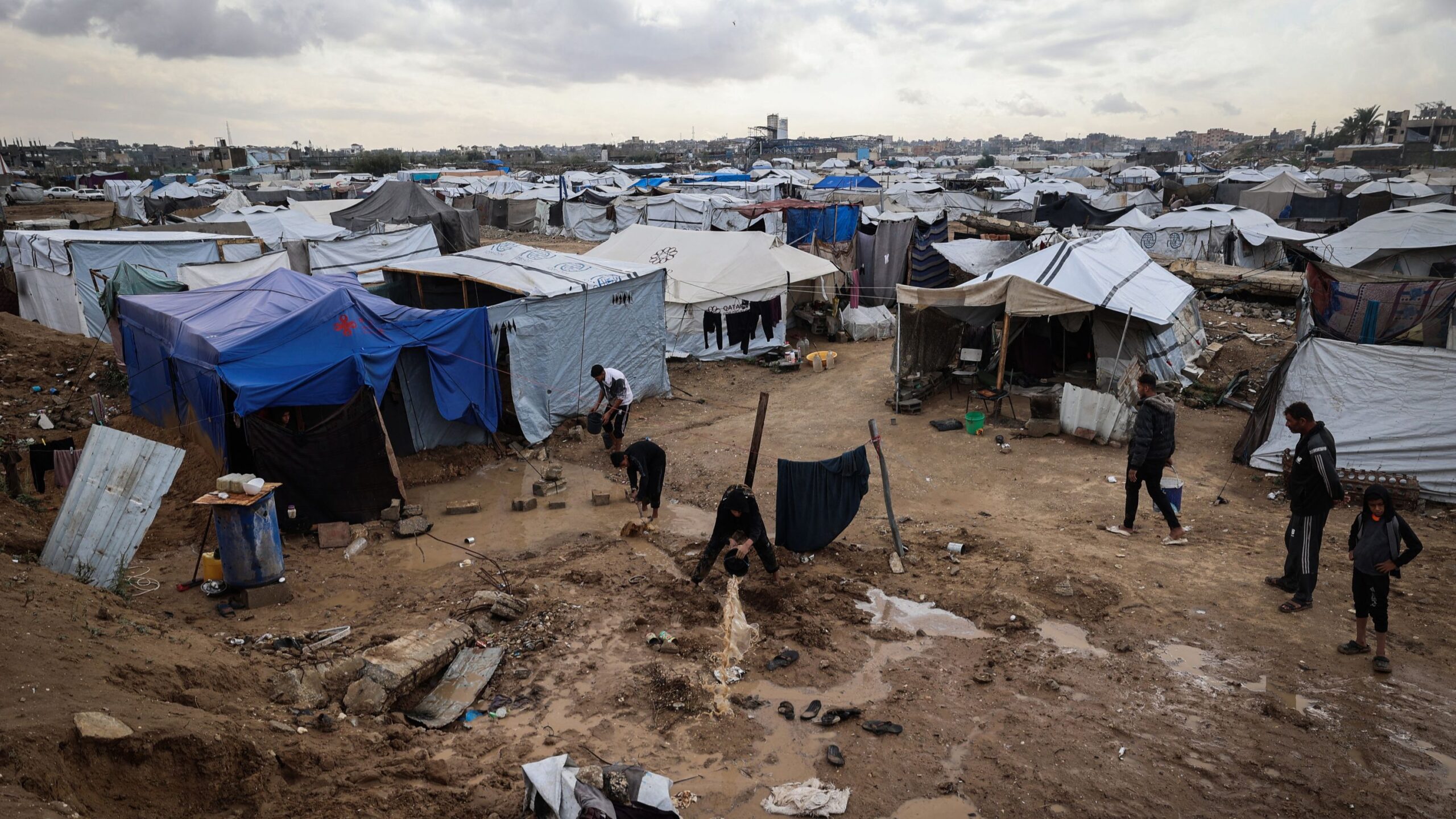
The United Nations has issued a stark warning about the dire economic and humanitarian situation in the Gaza Strip, estimating that reconstruction efforts will require $70 billion over the coming decades. A report by the United Nations Conference on Trade and Development (UNCTAD) highlights the devastating impact of Israel’s bombardment, which has plunged Gaza into a ‘human-made abyss,’ with its economy contracting by 87% in 2023-2024. The per capita GDP has plummeted to $161, one of the lowest globally. The report also underscores the crisis in the occupied West Bank, where repeated attacks by Israeli soldiers and settlers have exacerbated economic instability. Decades of economic progress in Palestine have been erased, with the current crisis ranking among the ten worst globally since 1960. UN officials describe the situation as ‘bleak,’ with over 1.7 million people displaced, facing severe shortages of water, food, and medical care. The UN has called for urgent international intervention to address the humanitarian crisis, restore fiscal transfers, and ease trade and movement restrictions. The report emphasizes the need for a comprehensive recovery plan to stabilize the region and foster lasting peace and development.
分类: world
-
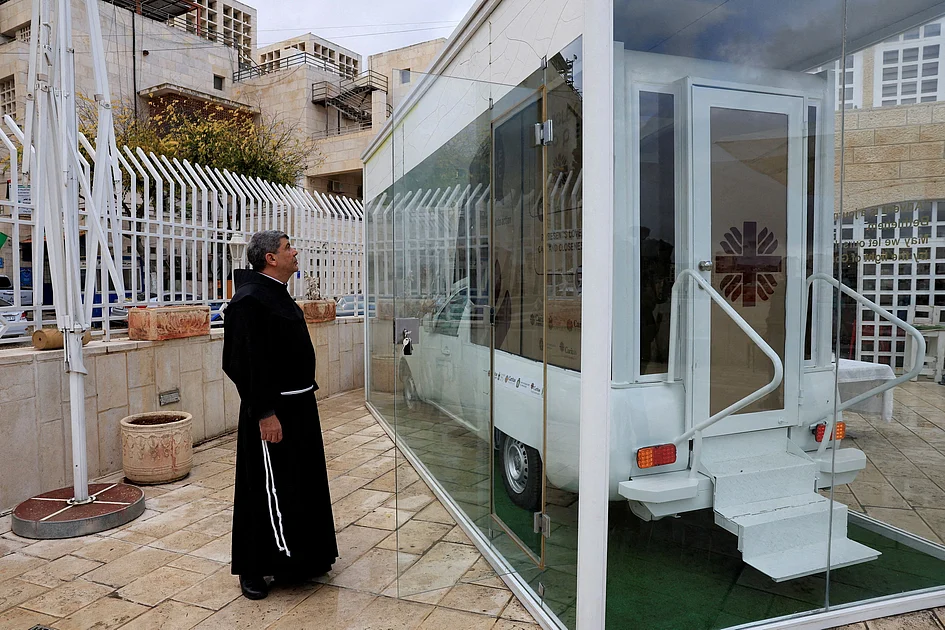
Popemobile transformed into Gaza mobile children’s clinic
The iconic popemobile, once used by the late Pope Francis during his 2014 visit to Bethlehem, has been repurposed into a mobile children’s clinic for the war-torn Gaza Strip. Dubbed the ‘Vehicle of Hope,’ this initiative fulfills the late pontiff’s final wish to serve the children of Gaza. The vehicle, originally a gift from Palestinian President Mahmud Abbas, was unveiled in Bethlehem near the Church of the Nativity, where preparations for Christmas are underway. Cardinal Anders Arborelius, Bishop of Stockholm, blessed the vehicle and emphasized its mission to ensure every child feels ‘seen, heard, and protected.’ Staffed by medical professionals, the clinic is equipped to perform triage, examinations, diagnoses, and treatments, including vaccinations and wound care, with a capacity for up to 200 consultations daily. Children will sit in the pope’s former seat while receiving care. The transformation, led by Caritas, a Catholic humanitarian organization, cost $15,000 and was carried out by Palestinian mechanics. However, the clinic’s entry into Gaza awaits Israeli authorization, as the region continues to recover from a fragile truce after two years of devastating conflict. Caritas Secretary General Alistair Dutton stressed the urgency of gaining access to deliver this vital humanitarian aid.
-
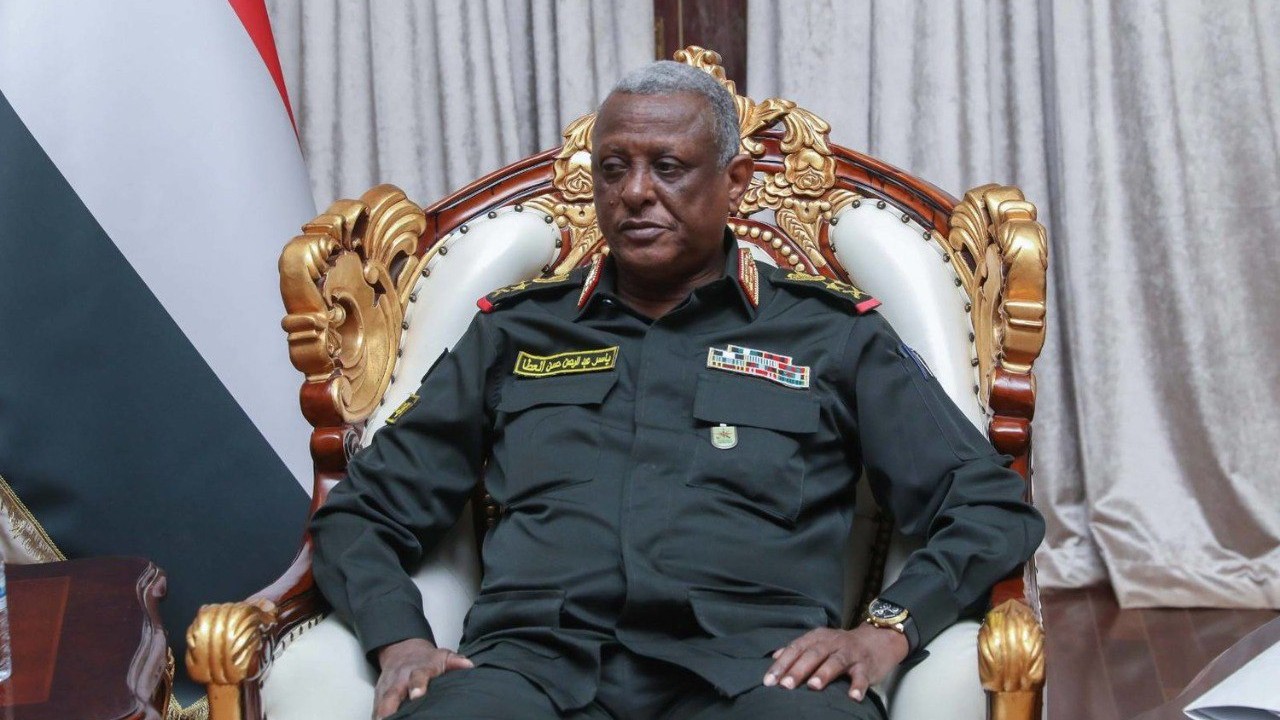
The UAE is buying the West’s silence over its ‘race war’ in Sudan, says top general
In a scathing indictment of international inaction, Lieutenant General Yasser al-Atta, a senior member of Sudan’s Sovereignty Council and the military’s second-in-command, has accused the United Arab Emirates (UAE) of orchestrating a race war in Sudan and silencing global criticism through financial influence. Speaking to journalists during a dinner near his Omdurman headquarters, Atta alleged that UAE President Mohammed bin Zayed has been backing the Rapid Support Forces (RSF), a paramilitary group responsible for widespread atrocities across Sudan, including recent massacres in the Darfur city of el-Fasher. Atta claimed that the UAE’s financial power has bought the silence of Western politicians, enabling the RSF to commit crimes with impunity. He singled out Britain, Sudan’s former colonial power, for failing to leverage its historical ties to advocate for the Sudanese people. Atta also criticized British media for inadequate coverage of the conflict, which has claimed over 150,000 lives. He revealed that the RSF has recruited mercenaries from countries like Colombia, Ukraine, and Somalia, facilitated by UAE support. The general accused the UAE of pursuing a strategic plan to ethnically cleanse Sudan of its African tribes, relocating them to neighboring countries. Despite the RSF’s recent gains, Atta expressed confidence in the Sudanese Armed Forces’ ability to reclaim el-Fasher within three months. He called for justice for the victims and demanded that the UAE repatriate mercenaries and cease its interference in Sudan’s affairs.
-
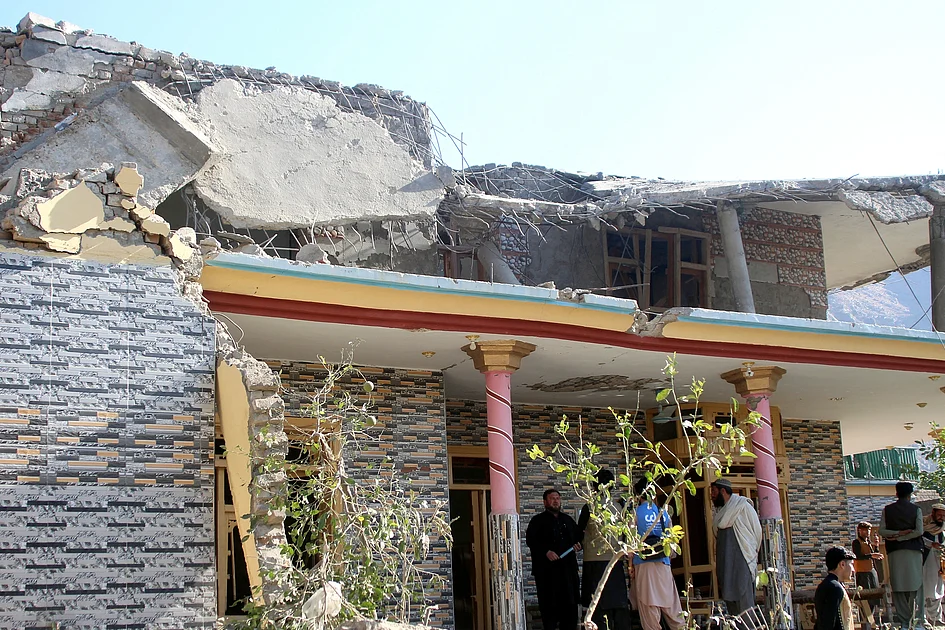
Pakistan denies deadly strikes after Afghanistan vows retaliation
Tensions between Pakistan and Afghanistan escalated sharply after Afghanistan’s Taliban government accused Pakistan of conducting deadly air strikes in Khost province, resulting in the deaths of nine children and a woman. Taliban spokesman Zabihullah Mujahid stated the attack targeted a civilian residence and vowed an appropriate response. Pakistan, however, denied involvement, with military spokesman Lieutenant General Ahmed Sharif Chaudhry asserting that Pakistan does not target civilian populations and that the allegations are baseless. The incident follows a suicide attack in Peshawar on Monday that killed three Pakistani paramilitary officers, which Pakistan attributes to Afghan nationals and the Tehreek-e-Taliban Pakistan (TTP) militant group operating from Afghan soil. The strained relations between the two nations have been exacerbated by border clashes in October, which killed around 70 people and led to a temporary ceasefire brokered by Qatar and Turkey. Despite ongoing talks, security issues, particularly Pakistan’s demand for Kabul to curb TTP activities, remain unresolved. The border closure since the clashes has also severely impacted bilateral trade, with thousands of containers stranded and incurring significant daily costs. The Pakistan-Afghanistan Joint Chamber of Commerce and Industry has described the economic burden as unsustainable.
-
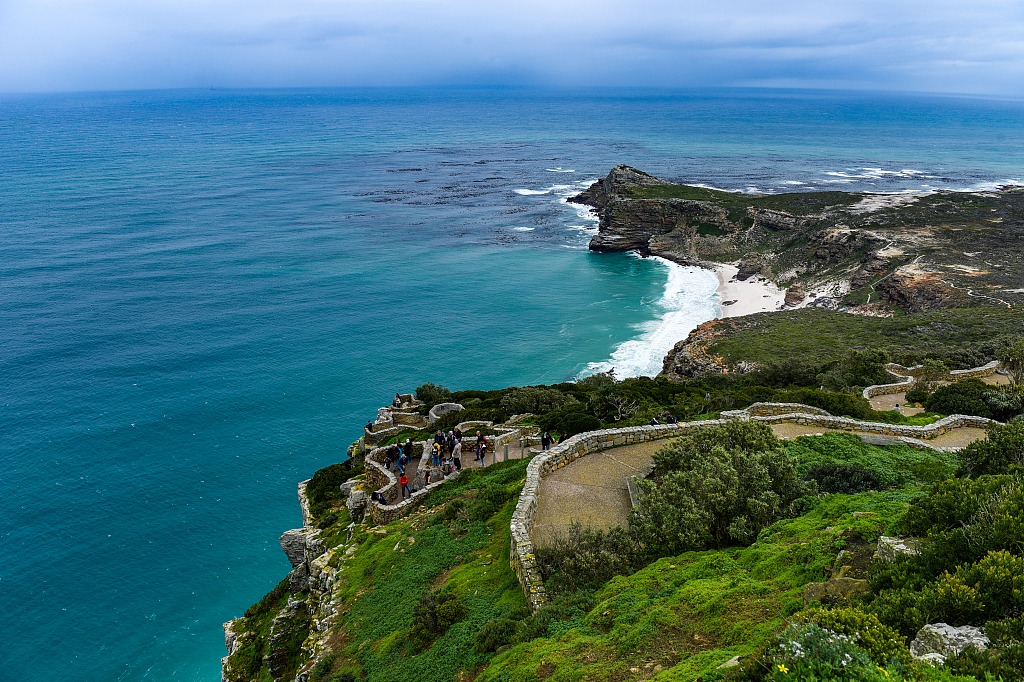
South Africa sets out stall for tourists from China
South Africa is actively enhancing its tourism strategy to attract more visitors from China, leveraging recent visa reforms to streamline the entry process. Patricia de Lille, the country’s Minister of Tourism, highlighted the introduction of the Electronic Travel Authorization (ETA) system, which simplifies visa applications by enabling online submissions, biometric data collection, and approvals within 70 hours. This digital initiative is expected to significantly benefit key markets, including China, India, Indonesia, and Mexico. De Lille also noted the positive impact of the recent G20 Summit in Soweto, where local hotels experienced full occupancy, underscoring the sector’s growth potential. The tourism industry, which created 1.6 million jobs in South Africa last year, remains a critical driver of economic development and employment. De Lille emphasized the broader untapped tourism potential across Africa, urging closer collaboration among African nations to promote the continent as a unified destination. She called for accelerated implementation of Agenda 2063’s tourism goals, which aim to position Africa as a global tourism hub driven by integration, prosperity, and peace. To achieve this, she stressed the need for coordinated efforts among tourism and transport ministers to eliminate barriers to intra-African travel.
-
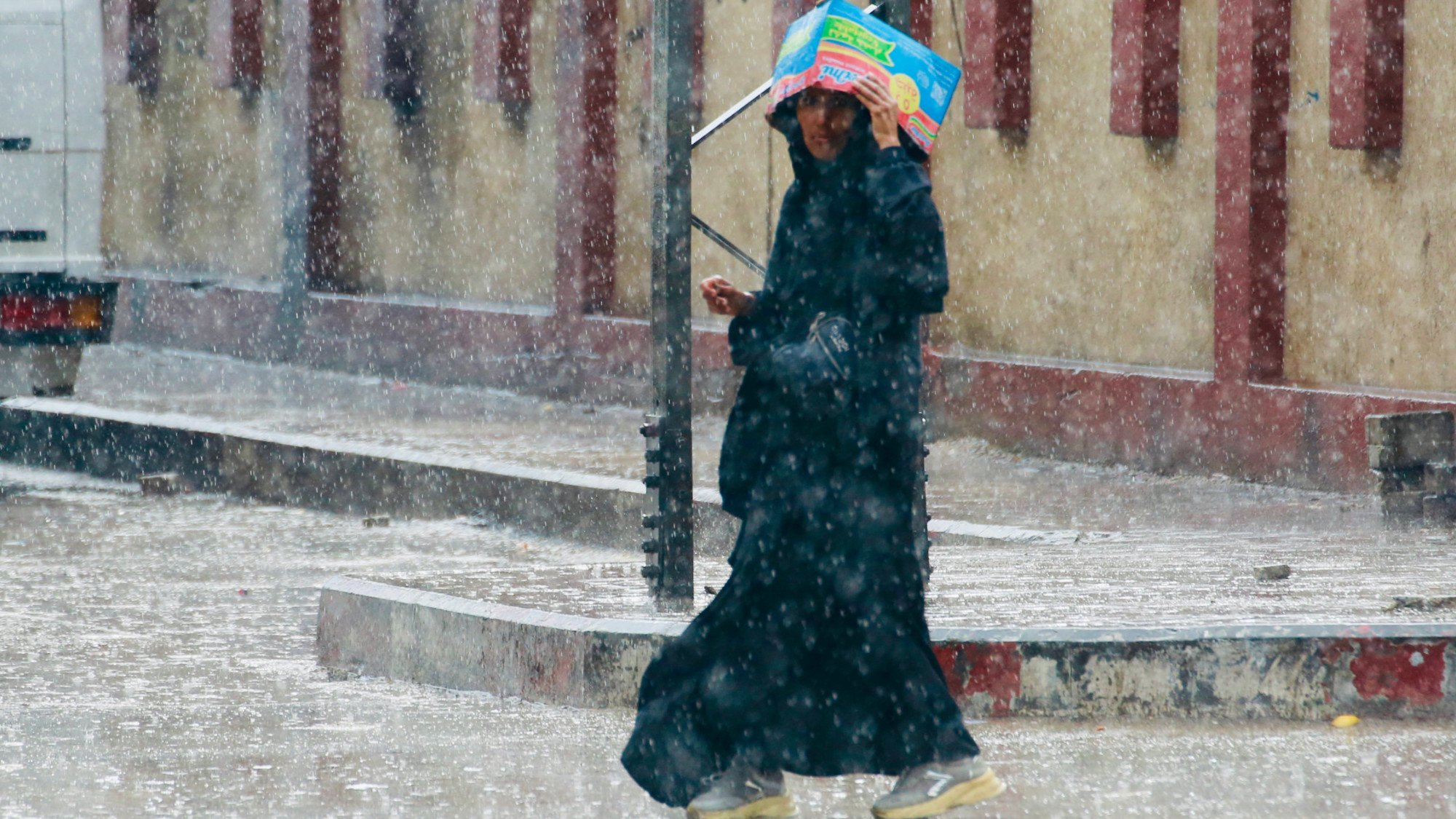
Gaza: Heavy rain floods camps as UN warns of ‘bleak’ situation
Torrential rains on Tuesday inundated displacement camps in the Gaza Strip, exacerbating the already dire living conditions of Palestinians displaced by Israel’s ongoing conflict. The al-Mawasi area in Khan Younis was particularly affected, with tents submerged in mud and water, rendering movement nearly impossible. Floodwaters infiltrated many shelters, threatening families and their meager possessions. The cold weather has further intensified the suffering, especially for children and the elderly, who face severe shortages of blankets, winter clothing, and heating supplies. This weather crisis compounds the humanitarian catastrophe for hundreds of thousands of displaced individuals. Israel’s two-year military campaign has destroyed nearly 300,000 homes, displacing almost the entire population of 2.3 million. Despite a ceasefire agreement last month that mandated the entry of 300,000 tents and mobile homes, Israel continues to block the majority of essential shelter materials. Ramiz Alakbarov, the UN deputy special coordinator for the Middle East peace process, described the situation as “bleak” and called for urgent international intervention to scale up humanitarian aid. Over 1.7 million people remain displaced, many living in overcrowded shelters with limited access to water, food, and medical care. Alakbarov emphasized the challenges in providing shelter materials and urged Israel to expedite the clearance of supplies, including UN aid. Gaza’s Government Media Office accused Israel of allowing only 200 aid trucks daily, far below the 600 agreed upon in the ceasefire, labeling it as a “deliberate starvation policy.”
-
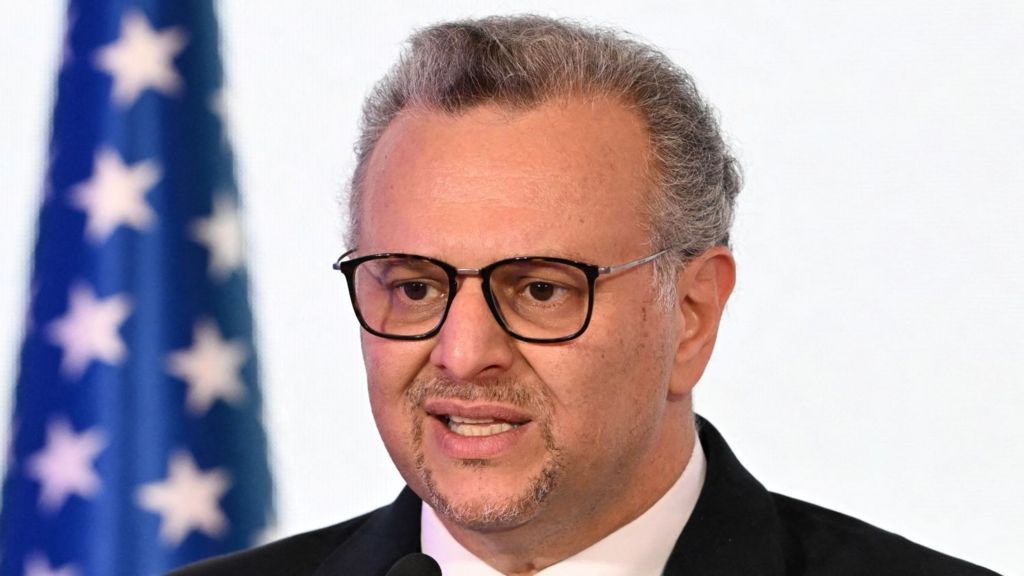
Trump envoy denies bias as he pushes for Sudan peace plan
Massad Boulos, the senior Africa envoy for former US President Donald Trump, has dismissed allegations that the US-led peace proposal to end Sudan’s civil war is biased. The proposal, backed by the US, Saudi Arabia, Egypt, and the United Arab Emirates (UAE), aims to mediate between Sudan’s army and the paramilitary Rapid Support Forces (RSF), who have been locked in a brutal conflict for over two years. On Sunday, Sudan’s army chief, Abdel Fattah al-Burhan, criticized the latest ceasefire proposal as ‘the worst ever,’ claiming it favored the RSF and sidelined the army. He also accused the UAE of supporting the RSF, a claim the Gulf state denies. Boulos, speaking at a media briefing in the UAE alongside presidential adviser Anwar Gargash, refuted Burhan’s accusations, stating, ‘He was making reference to something that does not exist, that has never been presented by us.’ The US-led ‘Quad’ proposed a three-month humanitarian truce in September, followed by a permanent ceasefire and a transition to civilian rule. However, the army rejected the plan, citing ‘foreign interference’ and equating the RSF to a ‘racist terrorist militia.’ The RSF announced a unilateral ceasefire on Monday, but the army accused them of attacking Babanusa, their last stronghold in West Kordofan state. Analysts suggest the RSF’s ceasefire declaration is a political maneuver to gain favor with the Quad. The conflict, which began in April 2023, has displaced 12 million people and caused what the UN calls the world’s worst humanitarian crisis. Both sides have been accused of war crimes, with recent reports of atrocities in el-Fasher sparking international condemnation.
-
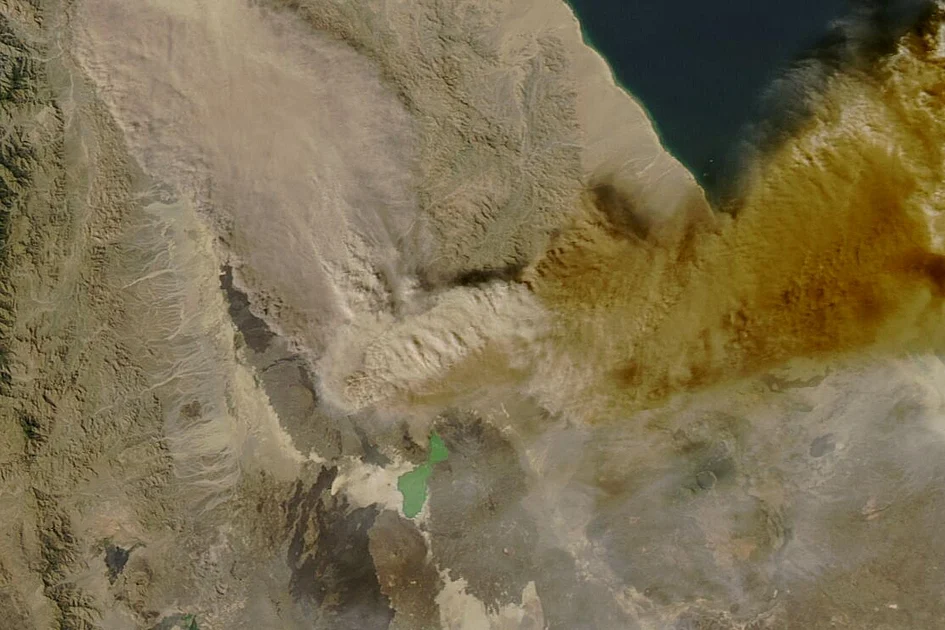
Ethiopia volcano: Is acid rain possible after latest eruption? Effects explained
The Hayli Gubbi volcano in Ethiopia erupted on November 23, 2025, marking its first activity in nearly 12,000 years. The eruption released significant amounts of sulphur dioxide gas, which spread across parts of the Middle East on November 23 and 24. This event has raised concerns about the potential formation of acid rain in the region. UAE experts, including Shawkat Odeh from the International Astronomical Centre, have shared satellite images showing the dispersion of the gas. Ibrahim Al Jarwan from the Emirates Astronomical Society noted that the sulphur dioxide could react with atmospheric moisture, potentially leading to light acid rain in Oman and Yemen. However, Omani authorities have reported no immediate public health impacts or increased air pollutant concentrations. Acid rain, which includes precipitation with acidic components, forms when pollutants like sulphur dioxide or nitrogen oxides react with water, oxygen, and other chemicals in the atmosphere. This phenomenon can harm ecosystems, aquatic life, and vegetation, and may also pose health risks to humans, such as respiratory issues and eye irritation. While the situation is being closely monitored, no significant acid rain effects have been observed so far.
-
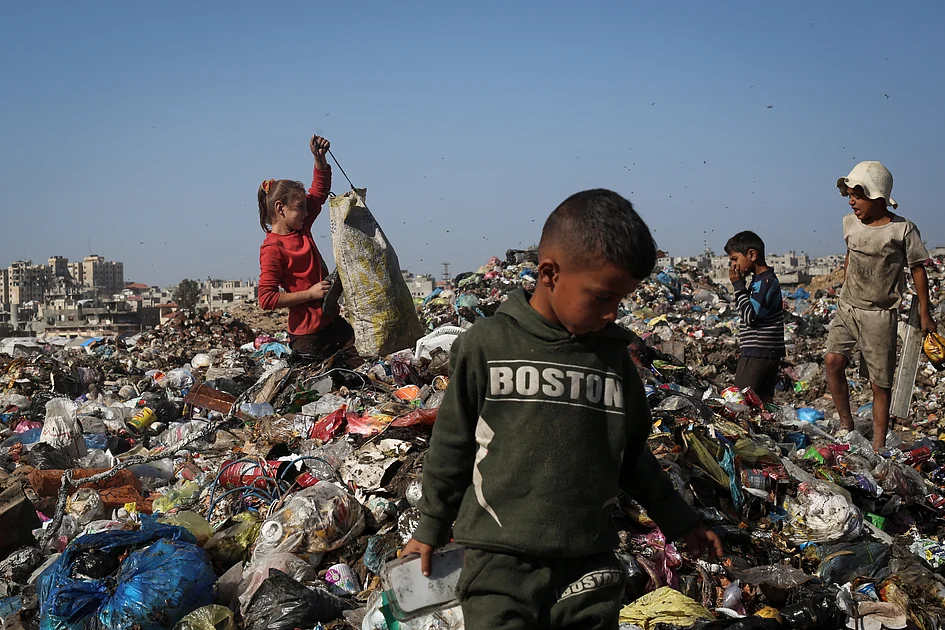
Rebuilding to cost $70b: Gaza ‘survival’ at stake, UN warns
The United Nations has issued a stark warning about the dire situation in Gaza, emphasizing that the territory’s survival is at risk following years of conflict and destruction. According to a new report by the UN Trade and Development agency (UNCTAD), rebuilding Gaza will require over $70 billion and could span several decades. The report highlights an ‘unprecedented collapse’ of the Palestinian economy, driven by sustained military operations and severe restrictions on movement and trade. The UN describes the devastation as a ‘human-made abyss,’ with critical pillars of survival—food, shelter, and healthcare—severely compromised. The conflict, which began after Hamas’s attack on southern Israel in October 2023, has resulted in over 69,000 deaths in Gaza, according to UN-verified figures. The report underscores the cascading crises—economic, humanitarian, environmental, and social—that have pushed Gaza from de-development to ‘utter ruin.’ Even with optimistic projections of double-digit growth and substantial foreign aid, it could take decades for Gaza to return to pre-2023 welfare levels. UNCTAD calls for a comprehensive recovery plan, including coordinated international assistance, fiscal restoration, and measures to ease trade and investment constraints. The agency also advocates for a universal emergency basic income to address extreme impoverishment. Gaza’s economy contracted by 87% between 2023 and 2024, reducing its GDP per capita to $161, one of the lowest globally. The West Bank has also suffered significant economic decline due to violence, settlement expansion, and mobility restrictions, marking its worst economic downturn since UNCTAD began record-keeping in 1972.
-
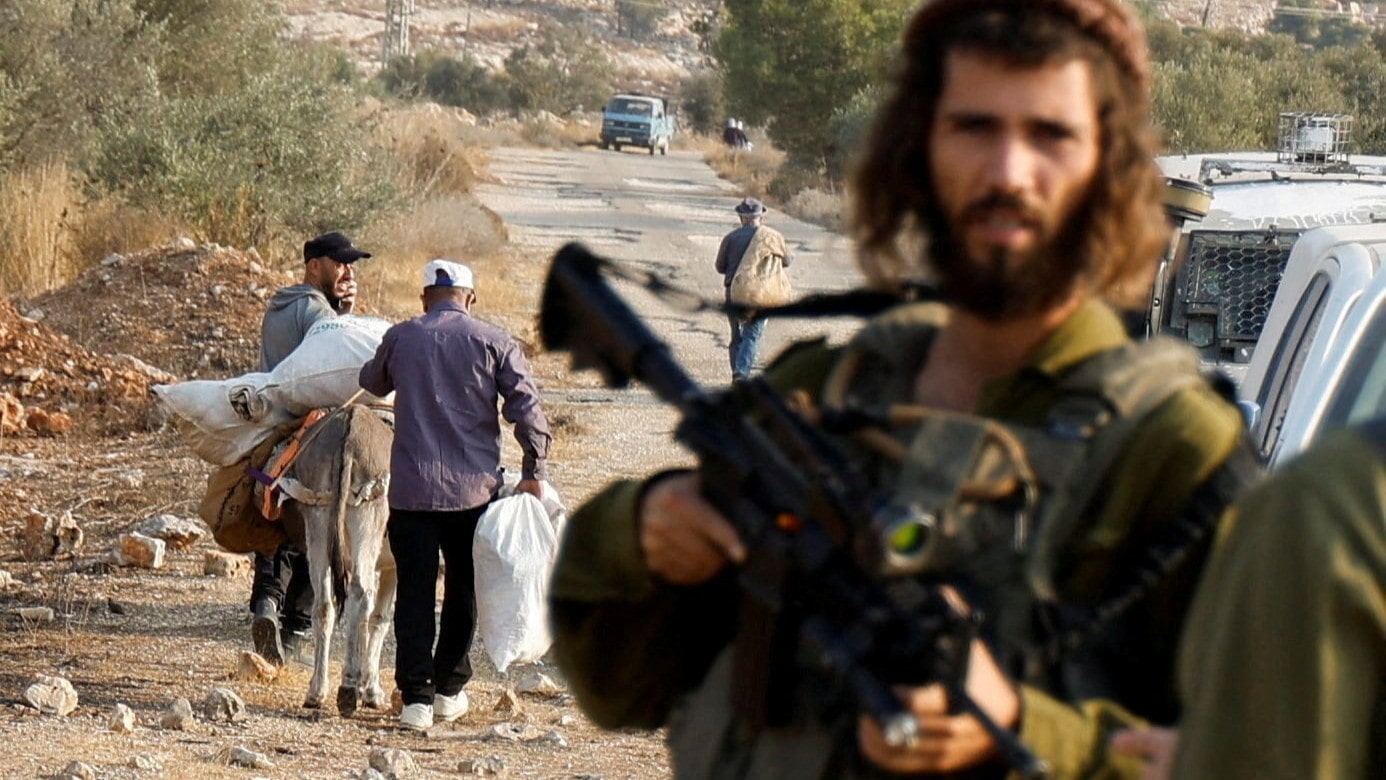
B’Tselem: Settlers unpunished for 21 killings in West Bank ‘ethnic cleansing’
In the occupied West Bank, a disturbing pattern of unchecked violence by Israeli settlers against Palestinians has escalated over the past two years, with 21 fatal cases remaining unpunished. Human rights organization B’Tselem has labeled this as part of a broader campaign of ‘ethnic cleansing,’ exacerbated by a permissive military policy and the arming of thousands of settlers. Since October 2023, Israeli forces and settlers have killed over 1,004 Palestinians, including 217 minors, while in Gaza, the death toll has reached approximately 70,000, with 20,000 children among the victims. B’Tselem’s executive director, Yuli Novak, has decried the international community’s inaction, warning that the situation is deteriorating rapidly with no mechanisms in place to restrain Israel. Recent incidents include the killing of Abdul Raouf Ishtayeh near Nablus and Bara Khairy Ali Maali in Deir Jarir, highlighting the daily violence faced by Palestinians. Settler attacks, often documented on video, rarely lead to investigations, fostering a culture of impunity. Residents of Tulkarm describe living in constant fear, with increased checkpoints, violent raids, and economic hardships due to delayed tax revenues. Ameer Dawood of the Colonization and Wall Resistance Commission warns that without accountability, the violence will intensify, further destabilizing the region. The international community’s failure to intervene has allowed this crisis to deepen, with dire humanitarian and political consequences.