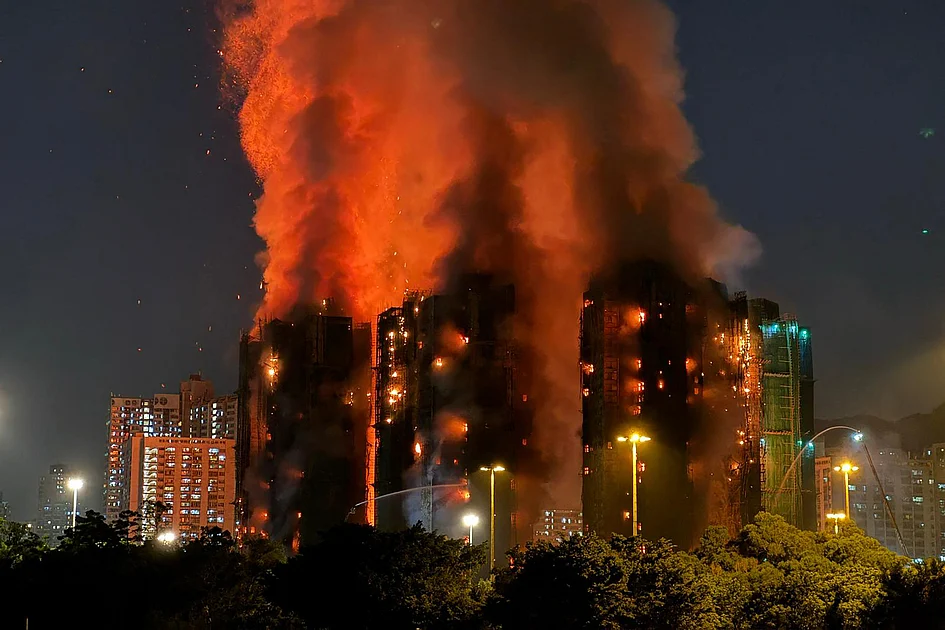
The United Arab Emirates has formally expressed its profound condolences to the People’s Republic of China in the wake of a severe residential fire in Hong Kong’s Tai Po district that resulted in extensive casualties. Through an official statement released by its Ministry of Foreign Affairs, the UAE government conveyed its deepest sympathies to the families who lost loved ones, as well as to the Chinese government and its citizens. The ministry further extended sincere wishes for a swift and complete recovery to all individuals injured in the tragic incident. This gesture underscores the UAE’s stance of international solidarity and compassion during times of crisis, reinforcing diplomatic bonds between the two nations. The fire, which is reported to have claimed at least 65 lives, marks one of the deadliest such incidents in Hong Kong’s recent history, drawing global attention and responses from various international communities.
分类: world
-
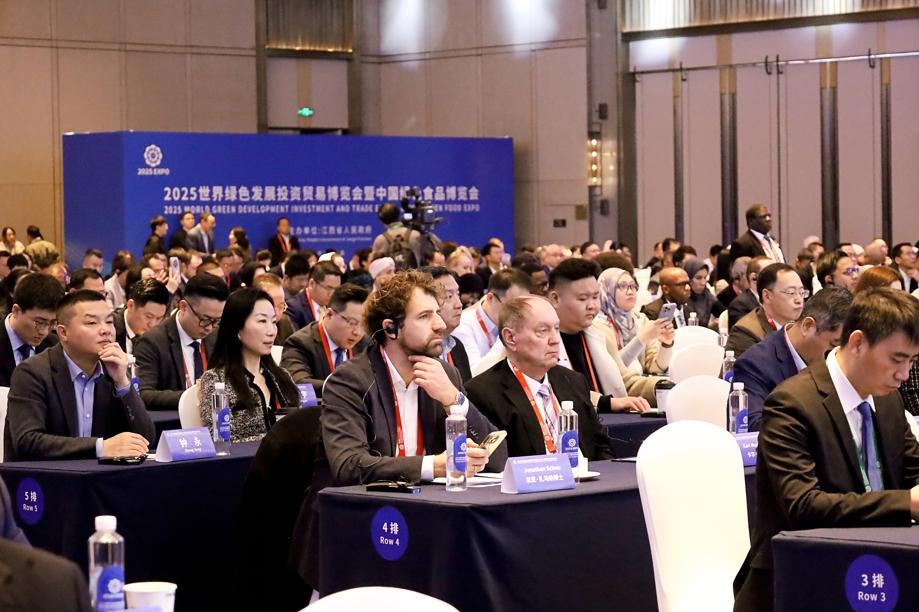
Deeper global cooperation key for green transition and climate resilience, global leaders say
International leaders convened at the 2025 World Green Development Investment and Trade Expo in Nanchang, Jiangxi Province, to underscore the critical importance of deeper global cooperation in accelerating the green transition and bolstering climate resilience. The four-day event, which also hosted the China Green Food Expo, attracted senior officials, ambassadors, business leaders, and experts to explore new opportunities in green industries and the emerging green-food economy. Zambia’s Vice-President Mutale Nalumango praised China’s significant role in global climate governance, noting the visible results of China’s green transition, which have led to a more livable ecological environment and tangible benefits for ordinary citizens. Nalumango expressed Africa’s readiness to deepen cooperation with China and other partners to expand green investment and low-carbon development. Allex Seah Shoo Chin, a member of the Malacca State Executive Council of Malaysia, highlighted the historical ties between China and Malaysia, emphasizing the strengthening cooperation in green development and technological innovation. He drew parallels to the voyages of Zheng He, which enhanced trade and cultural exchanges between China, Malaysia, and Southeast Asia during the Ming Dynasty. The expo, running until Sunday, serves as a platform for fostering international collaboration in sustainable development and climate resilience.
-
Saudi Arabia takes legal action against 6 for inciting public opinion online
Saudi Arabia’s General Authority for Media Regulation has taken decisive legal action against six individuals accused of publishing content aimed at inciting public opinion online. The accused have been detained, and regulatory procedures have been finalized to refer them to the competent court. This move underscores the Kingdom’s commitment to maintaining public order and enforcing media regulations. The charges fall under paragraph (1) of Article (6) of the Anti-Cyber Crime Law, which criminalizes the production, dissemination, or storage of content that threatens public order, religious values, public morals, or the sanctity of private life. Violators face penalties of up to five years in prison and fines not exceeding 3 million riyals. The General Authority for Media Regulation emphasized its zero-tolerance policy toward any media content that violates these laws, vowing to take all necessary measures against offenders. This case highlights Saudi Arabia’s stringent approach to regulating online discourse and safeguarding societal stability.
-
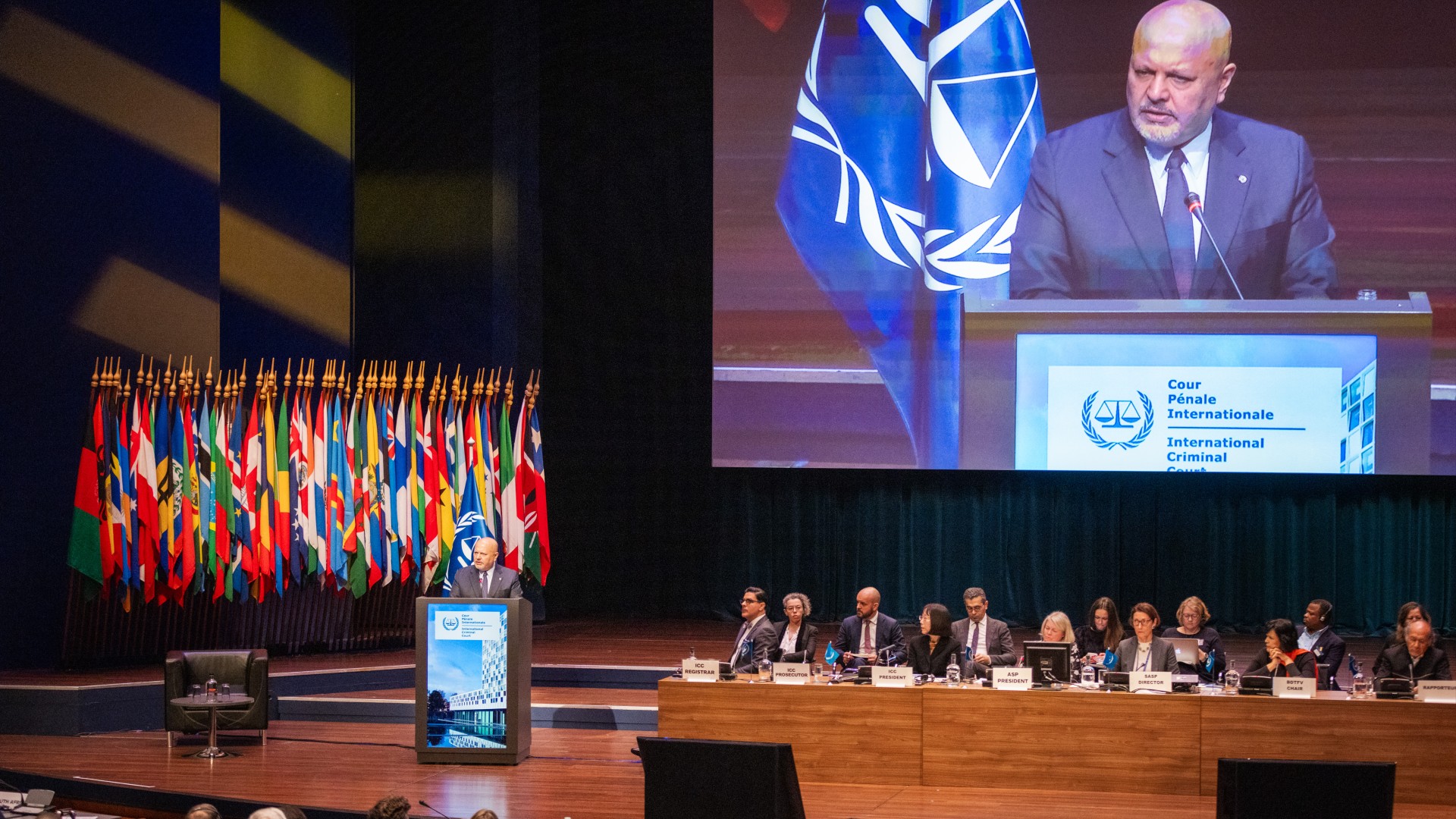
ICC ‘in limbo’ as chief prosecutor’s fate uncertain ahead of member states assembly
The International Criminal Court faces mounting institutional uncertainty as its Assembly of States Parties convenes in The Hague amid prolonged delays in an externally-managed investigation into Chief Prosecutor Karim Khan over alleged sexual misconduct claims. The unprecedented outsourcing of this probe to the UN’s Office of Internal Oversight Services (OIOS) has created legal ambiguities and operational paralysis within the world’s permanent war crimes tribunal.
Khan, who vehemently denies the allegations, has been on leave since May pending the investigation’s outcome, leaving deputy prosecutors to manage the Office’s docket. The ASP Bureau initially anticipated the OIOS report by October’s end, but complete silence from both the ASP and UN investigators has left the court in operational limbo with no updated timeline provided.
This leadership vacuum coincides with unprecedented external pressures on the ICC, particularly from the United States. The Trump administration imposed financial and visa sanctions against Khan, his deputies, and six judges in response to the court’s investigation into alleged Israeli war crimes in Gaza. These sanctions have reportedly caused significant case delays, including shelved arrest warrant applications for two Israeli ministers regarding apartheid charges.
Legal experts describe the situation as “uncharted territory” with profound implications for international justice. The decision to bypass the ICC’s own Independent Oversight Mechanism (IOM)—the body expressly mandated for such investigations—has raised serious procedural concerns. Although ASP President Paivi Kaukoranta cited “particular circumstances” and perception issues for outsourcing, no legal basis for this decision has been publicly provided, contradicting Article 46 of the Rome Statute and Rule 26 of the ICC’s Rules of Procedure.
The lack of transparency extends to the judicial panel that will eventually review OIOS findings. Their identities, terms of reference, and working methods remain confidential, with only vague assurances about geographical and gender representation. This opacity has drawn criticism from human rights organizations and legal scholars alike, who note the apparent contradiction between the court’s mandate for judicial transparency and its handling of this internal matter.
With multiple investigations—including those concerning Palestine, Ukraine, Darfur, Libya, DRC, and the Philippines—potentially affected by the leadership uncertainty, observers warn that the court’s ability to fulfill its mandate is increasingly compromised. The ongoing crisis highlights the fragile intersection of international justice, geopolitical pressures, and institutional governance at the world’s foremost permanent war crimes tribunal.
-
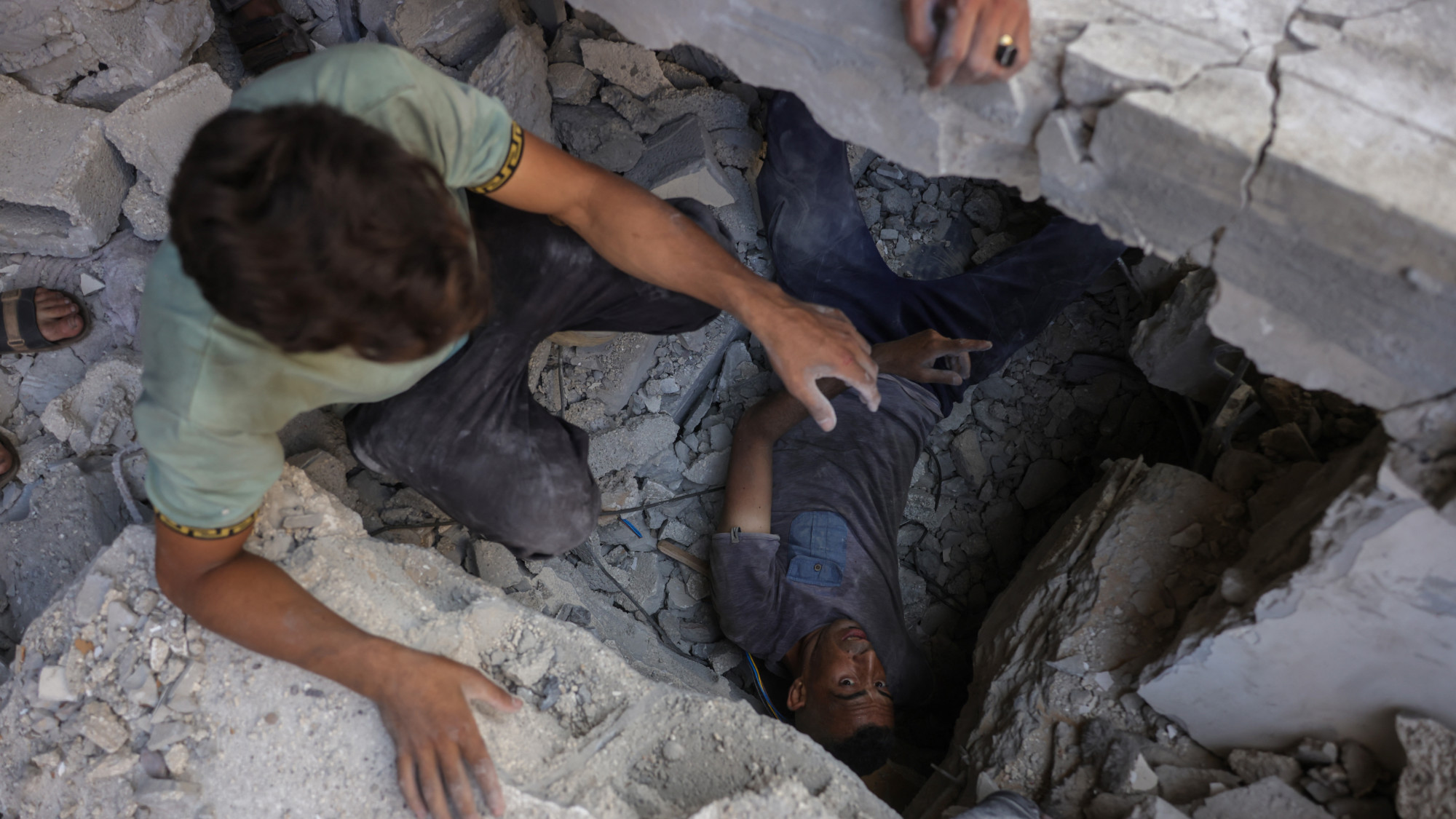
‘I searched for my father in the ruins’: The plight of thousands buried under Gaza’s rubble
In the aftermath of Israel’s military withdrawal from eastern Gaza City in early August, a deeply personal tragedy unfolded amidst the widespread devastation. Mohammed al-Banna, a 15-year-old Palestinian, embarked on a grim journey to locate his father, Jehad, who had disappeared weeks earlier after returning to check on their family home in the Shuja’iyya neighborhood—an area Israeli forces had designated as a dangerous zone and subjected to intensive bombardment.
The teenager’s search culminated in a heartbreaking discovery. After finding his family home completely destroyed, Mohammed eventually located his father’s remains in a neighboring property, where the force of an explosion had thrown the body. The decomposed remains, identifiable only by clothing, had lain unattended for over a month—a testament to the impossibility of recovery operations during active combat.
Mohammed’s experience reflects a broader humanitarian catastrophe in Gaza. Civil Defence authorities estimate approximately 10,000 people remain trapped beneath rubble across the territory. Despite a recent ceasefire, recovery efforts remain severely hampered by Israeli restrictions on heavy machinery and ongoing violations of the truce, leaving families to conduct desperate searches with primitive tools.
Mahmoud Basal, spokesman for Gaza’s Civil Defence, described the situation as ‘tragic and complex,’ noting that crews face ‘enormous obstacles’ including vast destruction, massive rubble quantities, and critically insufficient equipment. A United Nations Development Programme report estimates 61 million tonnes of debris now cover Gaza, creating unprecedented challenges for recovery operations.
The emotional toll on survivors is profound. Mohammed, who also lost his sister and her family in separate Israeli strikes, expressed the psychological weight of his experiences: ‘I am 15 years old, but I feel much older. I have been forced to bear and live through very difficult things alone.’ His story underscores the intergenerational trauma inflicted upon Gaza’s civilian population amid ongoing conflict.
-
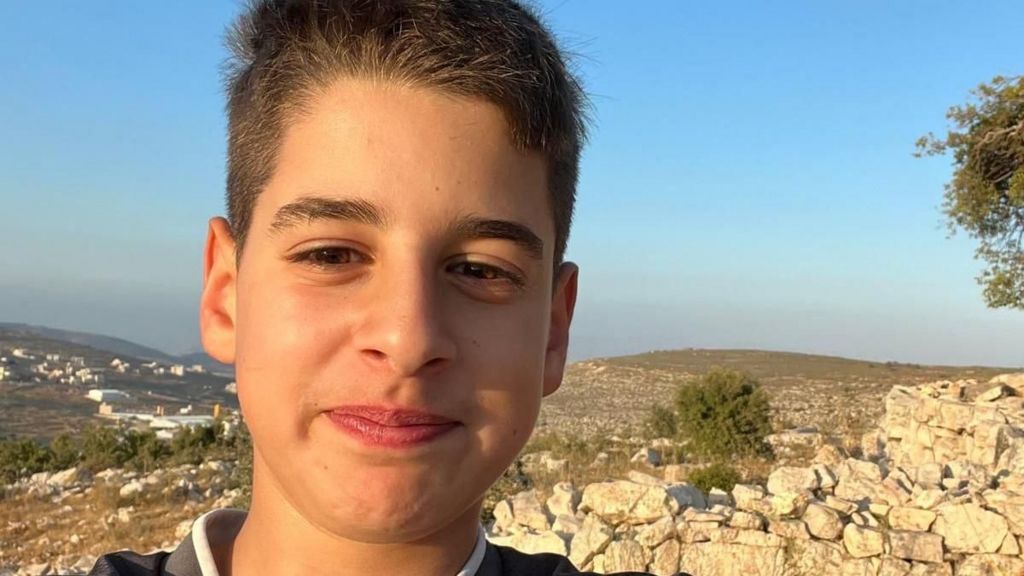
Palestinian-US teen freed after nine months in Israeli jail
A 16-year-old Palestinian-American boy has been reunited with his family following nine months of incarceration in Israeli detention facilities without formal charges. Mohammed Ibrahim, who was arrested at age 15 during a family visit to the Israeli-occupied West Bank, returned to his family in a deteriorated physical condition requiring immediate hospitalization.
The teenager’s detention stemmed from allegations of stone-throwing at Jewish settlers—accusations he consistently denied throughout his imprisonment. His release follows mounting pressure from U.S. lawmakers and diplomatic engagement from the State Department, though Israeli authorities remained silent when contacted for commentary.
Medical examination revealed significant health deterioration including pallor, substantial weight loss, and various illnesses contracted during confinement. Family members described the ordeal as a ‘horrific and endless nightmare,’ expressing outrage over what they characterize as abusive treatment and inhumane detention conditions.
The case has drawn attention to broader concerns regarding Israel’s treatment of Palestinian minors in its justice system. According to Israeli Prison Service data, approximately 350 Palestinian children remain in Israeli detention as security prisoners, many without formal charges. Human rights organizations and UN reports have documented patterns of abuse and torture within this system.
While celebrating Mohammed’s release, the family has simultaneously highlighted the unsolved killing of another relative—20-year-old dual US citizen Sayfollah Musallet—who was reportedly beaten to death by Israeli settlers in July. No charges have been filed in that case, prompting family demands for greater protection of US citizens abroad.
The State Department confirmed continued consular support while emphasizing the administration’s prioritization of citizen safety, though family members expressed frustration over perceived insufficient governmental intervention during the nine-month detention.
-
Earthquake of magnitude 5.3 strikes Indian Ocean at depth of 10km
A sequence of earthquakes has rattled the Indian Ocean, with the most recent being a magnitude 5.3 tremor recorded on November 27, 2025. The National Centre for Seismology (NCS) reported that the quake occurred at a shallow depth of 10 kilometers, making it particularly concerning due to the increased risk of stronger ground shaking and potential structural damage. Earlier that same day, a more intense earthquake measuring 6.4 on the Richter scale struck the same region, also at a depth of 10 kilometers. Additionally, a magnitude 4.8 quake was reported on November 26, further highlighting the seismic activity in the area. Shallow earthquakes, like these, are known to be more hazardous as the seismic waves have a shorter distance to travel to the surface, amplifying their impact. This recent activity has drawn comparisons to the devastating 2004 Sumatra-Andaman earthquake, a magnitude 9.2-9.3 event that triggered a catastrophic tsunami, claiming over 227,000 lives across 14 countries. While there have been no immediate reports of significant damage or casualties from the recent quakes, the shallow depth and proximity to populated coastal areas have raised alarms among seismologists and disaster preparedness experts.
-
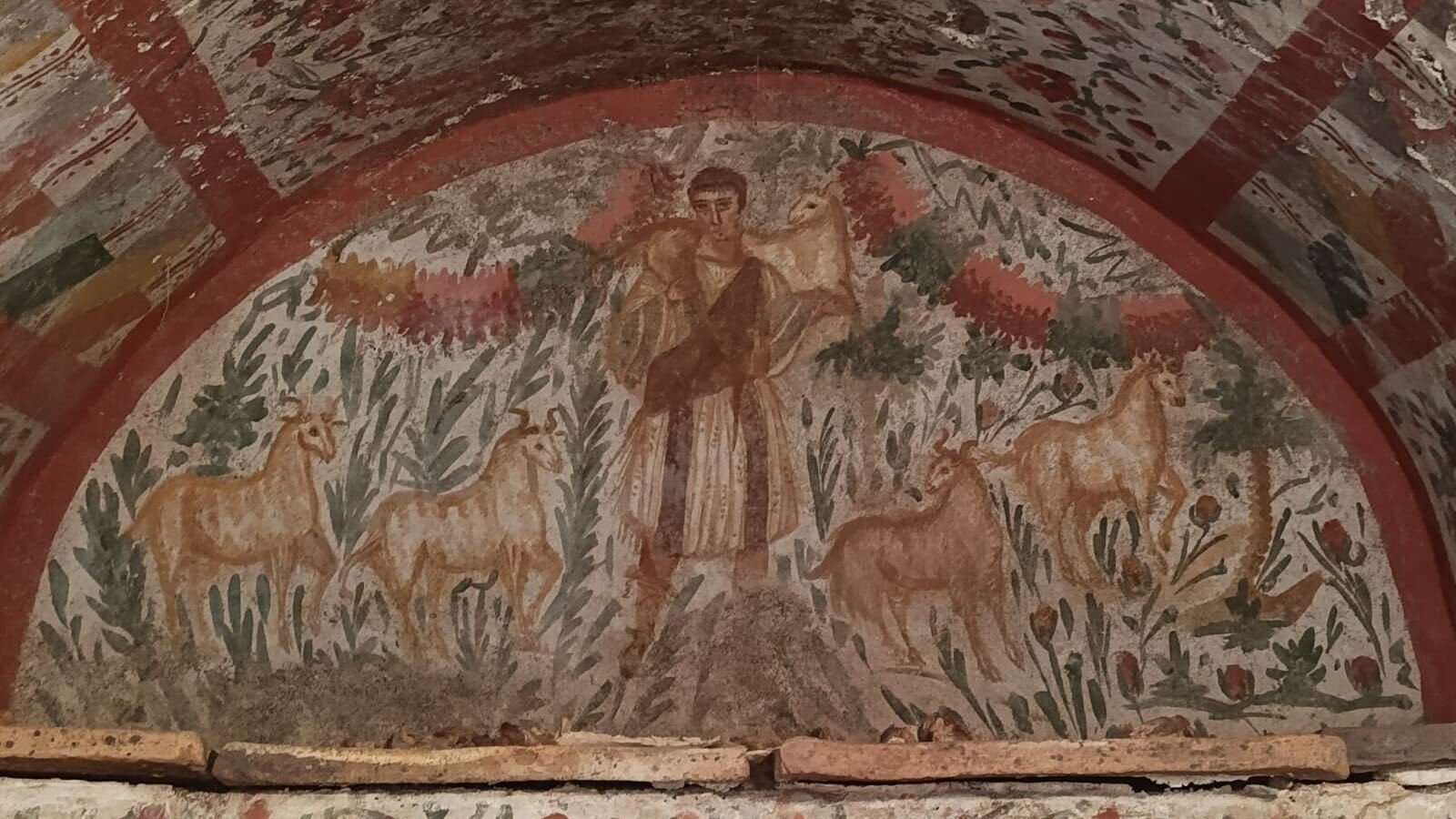
Turkey unveils rare and ancient Christian fresco during the pope’s visit
In a significant diplomatic gesture, Turkish President Recep Tayyip Erdogan unveiled a remarkable third-century Christian fresco to mark Pope Leo XIV’s inaugural foreign visit. The ancient artwork, discovered earlier this year in Iznik’s Hisardere Necropolis, represents one of the most exceptional early Christian archaeological finds in decades.
The fresco, dating to approximately 300 CE, depicts a beardless Christ as the Good Shepherd carrying a horned ram across his shoulders, flanked symmetrically by two goats. This portrayal represents a crucial transitional period between pagan and Christian artistic traditions. Turkish officials confirmed this specimen is the only known example of its kind outside Italy, with comparable depictions previously found only in Rome’s catacombs of Priscilla, Domitilla and Callixtus.
Archaeologists from the Iznik Museum and Turkish Ministry of Culture determined the burial chamber was actively used between the second and fifth centuries CE. Unlike other discovered painted tombs, this site features prominent human figures alongside traditional animal and vegetable motifs. The west wall portrays a married couple, likely the tomb’s occupants, depicted as aristocrats through their elaborate attire and adornments.
The papal visit coincides with the 1,700th anniversary of the First Council of Nicaea, which originally convened in what is now modern-day Iznik. This ecumenical council historically gathered bishops from across the Christian world to resolve foundational theological disputes. During his stay, Pope Leo will also tour the submerged remains of an ancient basilica in Lake Iznik, believed to be the actual site where the landmark council convened in 325 CE.
Experts note that Good Shepherd imagery was widely employed in Roman funerary art before becoming central to early Christian iconography. The symposium scene depicted within the tomb, while located in a Christian-era burial site, reflects persistent pagan funerary traditions symbolizing the afterlife as an eternal banquet.
Pope Leo and Ecumenical Patriarch Bartholomew of the Orthodox Church are expected to jointly commemorate the Nicaean Council anniversary in a demonstration of interfaith dialogue and historical recognition.
-
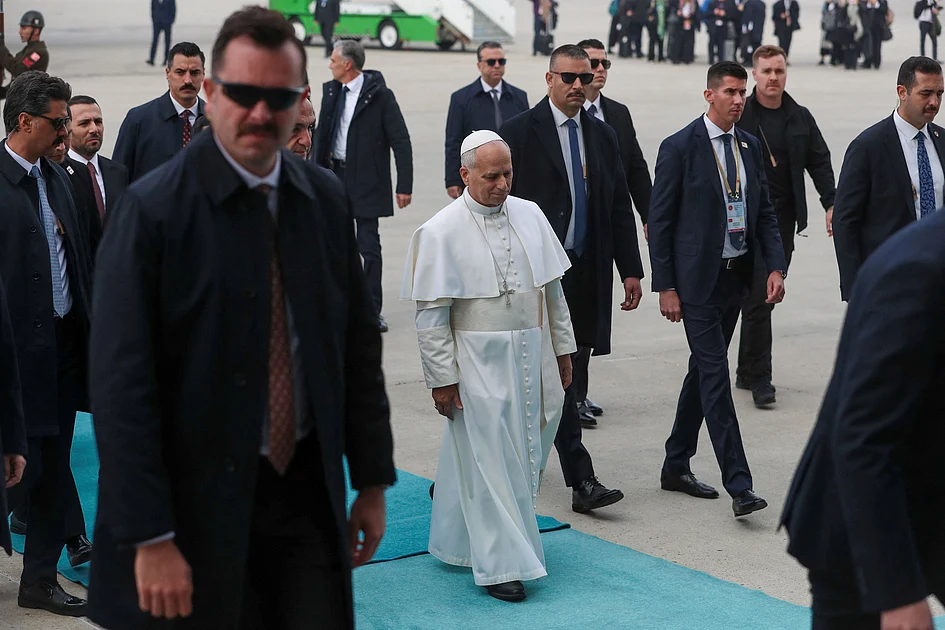
Pope lands in Turkey to meet Erdogan on first overseas trip
Pope Leo XIV commenced his inaugural international papal journey on Thursday, arriving in Turkey for a significant four-day diplomatic and religious mission. The first American pontiff landed in Ankara where he immediately expressed anticipation for this “historic moment” that carries profound significance for global interfaith relations.
The papal itinerary features high-level discussions with President Recep Tayyip Erdogan, recognized as a crucial mediator in regional conflicts. Following ceremonial respects at Mustafa Kemal Ataturk’s mausoleum, the Pope will engage in comprehensive talks addressing peace initiatives in the turbulent Middle East region before addressing Turkish authorities, civil society representatives, and diplomatic corps.
This visit marks a strategic media engagement for the new pontiff, with over 80 international journalists accompanying his delegation. Demonstrating his innovative approach to communication, Pope Leo will deliver all addresses in English—his native language—rather than traditional Italian, signaling his commitment to broader global accessibility.
The theological dimension of the journey culminates Friday with commemorations of the 1,700th anniversary of the First Council of Nicaea in Iznik. This ecumenical gathering, hosted by Orthodox Patriarch Bartholomew I, represents a significant step toward Christian unity amid ongoing divisions between Catholic and Orthodox traditions exacerbated by geopolitical tensions surrounding the Ukraine conflict.
Vatican officials acknowledge Turkey’s substantial humanitarian efforts in hosting over 2.5 million refugees, primarily from Syria. The Pope’s agenda reflects continuity with his predecessor’s advocacy for migrant rights, previously criticizing what he termed “extremely disrespectful” treatment of displaced populations.
Following the Turkish leg, Pope Leo will proceed to Lebanon on Sunday, entering a nation grappling with severe economic collapse and renewed regional violence despite recent ceasefire agreements.
-
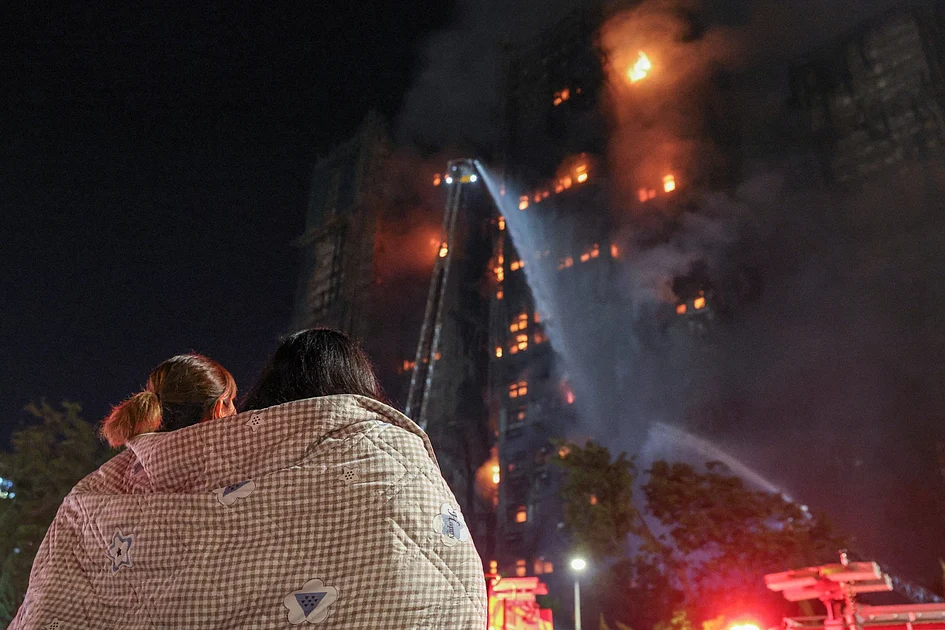
‘Couldn’t do anything’: Hong Kong fire survivors recall horror, still in shock
In one of Hong Kong’s most devastating fires in recent history, a blaze engulfed a 2,000-unit high-rise complex, claiming at least 55 lives and leaving hundreds unaccounted for. The fire, which began on Wednesday afternoon, sent shockwaves through the densely populated financial hub, known for its towering apartment blocks. Residents, still in shock, recounted the horror of watching the flames spread uncontrollably, with thick smoke billowing into the sky and the sound of burning bamboo scaffolding echoing through the area. Veezy Chan, a 25-year-old resident, described the scene as ‘terrifying,’ as the fire rapidly consumed multiple buildings. At a temporary shelter, anxious families awaited news of their loved ones, while social workers distributed blankets and pillows to the elderly. Shirley Chan, another local resident, expressed her heartbreak over the loss of homes and lives, calling the tragedy ‘indescribable.’ A 65-year-old resident, surnamed Yuen, highlighted the challenges faced by elderly residents, many of whom were unable to hear the fire alarm due to closed windows during ongoing maintenance. The fire also claimed the life of a firefighter, adding to the devastation. In the aftermath, volunteers like Logan Yeung stepped up to provide support, while citizens donated supplies to shelters. Hong Kong’s city leader, John Lee, announced the formation of a task force to investigate the incident, promising to provide the public with a thorough explanation. This tragic event has reignited concerns about fire safety in the city, despite significant improvements in recent decades.