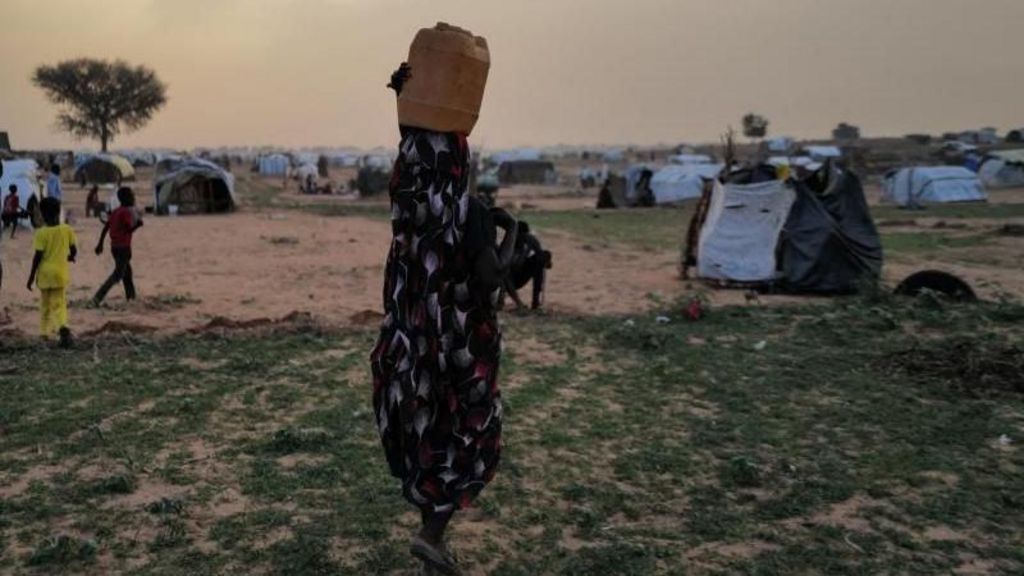
Three years into Sudan’s brutal civil conflict between the national army and the paramilitary Rapid Support Forces (RSF), the world is confronting staggering new evidence of human suffering and strategic escalation that has pushed the country into the worst humanitarian crisis on the globe today. A newly released report from the United Nations Human Rights Office has laid bare an alarming, widespread pattern of violence: sexual assault is being systematically deployed as a weapon of war to terrorize civilian populations, at a scale never before documented in the country’s recent history. The UN’s verified data records 546 confirmed incidents of conflict-related sexual violence, including gang rape and sexual slavery, affecting at least 838 people across Sudan – 539 women, 284 girls, 8 men and 7 boys. Senior UN officials emphasize these numbers represent only a fraction of the true harm, noting pervasive under-reporting driven by fear and restricted access to unsafe areas has obscured the full scope of the crisis. The report attributes the vast majority of verified cases to RSF fighters and their allied militias, though it also documents allegations of sexual violence committed by army personnel and their allies. “This is a war crime and, if committed as part of a widespread or systematic attack, a crime against humanity,” UN High Commissioner for Human Rights Volker Türk said of the systemic use of sexual violence. Neither the RSF nor the Sudanese army has issued a public response to the latest report, but both groups have consistently denied similar allegations of human rights abuses since the conflict began. Beyond the revelations of sexual violence, the international community is sounding urgent alarms over an imminent threat to the strategic city of el-Obeid, where intelligence indicates the RSF is preparing a full-scale ground offensive to seize control of the key hub. Seven Western nations – the United Kingdom, France, Germany, Ireland, Italy, the Netherlands and Norway – have issued a joint statement calling for an immediate end to hostilities in el-Obeid, warning the city of more than half a million residents (including 200,000 internally displaced people who fled violence elsewhere) is on the “precipice of atrocity”. UK Foreign Secretary Yvette Cooper outlined the escalating threats facing the city: the RSF has already launched drone strikes targeting civilian infrastructure, blocked critical supply routes, and cut off access to basic necessities including clean water, food and healthcare for hundreds of thousands of trapped civilians. “There are now credible signs of an imminent offensive. This is a critical moment, and the international community must act,” the joint statement read. The Western powers explicitly urged the global community to act to avoid a repeat of the mass atrocities committed last year when RSF forces captured the city of el-Fasher in northern Darfur. A February UN report documented that more than 6,000 people were killed in just three days of fighting after RSF seized control of el-Fasher, and international assessors have concluded the killings bear the “hallmarks of genocide”. For displaced residents trapped in el-Obeid, the impending threat has created a state of perpetual terror. “As displaced people we feel we have come here only to die. We are afraid,” one displaced woman told BBC Arabic’s Sudan Lifeline programme. “We arrived here and this has become our fate. We cannot eat. We cannot drink. Where can we go? Where do we go from here?” Another resident described constant fear of drone attacks, adding, “We are terrified and feel psychologically and physically insecure.” Geopolitically, el-Obeid holds enormous strategic importance for both warring parties: it sits at the boundary between RSF-held territories in western Sudan and army-held regions in the east, and lies within Sudan’s major oil-producing Kordofan region. Analysts widely agree that whichever faction controls el-Obeid and the broader Kordofan region will effectively control Sudan’s national oil supply and a large swathe of the country’s territory. The ongoing civil conflict, which erupted in 2023 after a bitter power-sharing collapse between the army and RSF, has already triggered a humanitarian catastrophe unmatched globally. International aid agencies confirm that more than 11 million Sudanese people have been forced to flee their homes, and 28 million – more than half the country’s population – face acute food insecurity and hunger.
分类: world
-
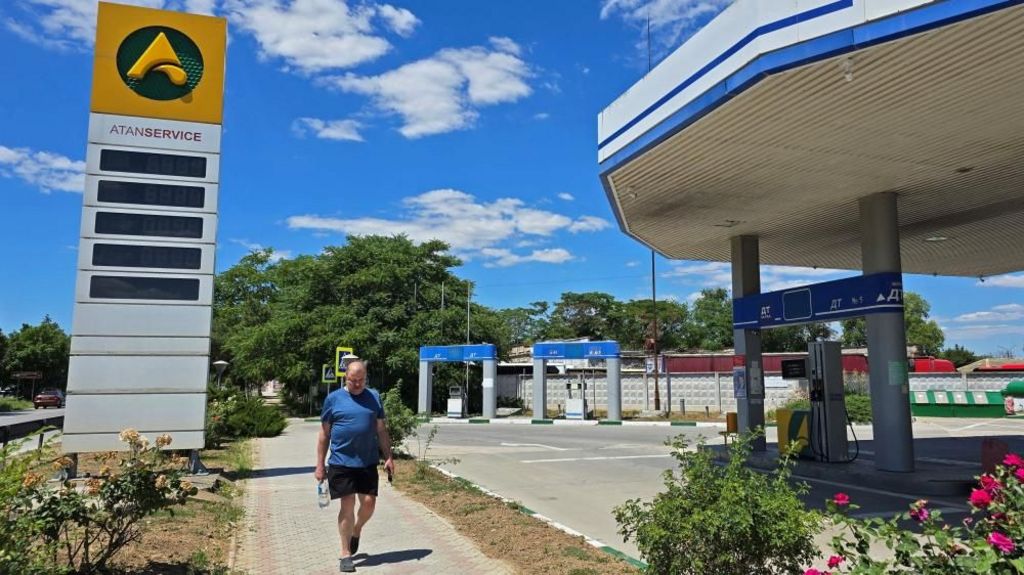
No fuel for sale as Ukraine’s blockade of Russian-occupied Crimea takes effect
As Ukraine ramps up its targeted campaign to cut off supply lines to the Russian-annexed Crimean Peninsula, the occupied region is sliding into a deepening crisis marked by full suspensions of public fuel sales and spreading power blackouts that have upended daily life for local residents. The peninsula, which Moscow illegally annexed from Ukraine in 2014 and remains internationally recognized as Ukrainian sovereign territory, has seen its critical transport and logistics links steadily degraded by Kyiv’s ongoing military operations.
Sergei Aksyonov, the Russian-appointed head of Crimea’s occupation administration, announced a sweeping suspension of all public petrol station sales on Sunday, reallocating the peninsula’s remaining fuel stockpiles exclusively for official government and military use. Local residents have already documented the harsh impact of the new restrictions: one local told reporters he has switched to bicycle travel for most trips, only using his car when completely unavoidable. He explained that while fresh fuel deliveries arrived overnight ahead of the order, all sales were immediately halted after Aksyonov’s decree went into effect.
In Sevastopol, Crimea’s largest city and a key strategic Black Sea port, one resident told the BBC he had purchased a backup generator to cope with rolling blackouts only to find himself without fuel to run it. Local authorities have expanded restrictions beyond fuel access to cut non-essential energy use: public transit, retail shops, and food service venues now only operate during daylight hours, and all street lighting has been turned off overnight to conserve power. Even before the full sales suspension went into effect, the Sevastopol resident noted fuel prices had skyrocketed, with filling a tank costing 50 percent more than the average price across mainland Russia.
“It’s unclear how long this will last, and as for getting to work, I honestly have no idea what I’m going to do,” he said. The growing uncertainty has also sparked panic buying across local grocery stores, with multiple residents confirming widespread shortages of staple goods including sugar.
The crisis in Crimea is part of a broader fuel shortage crisis that has spread across parts of Russia in recent weeks, driven by repeated Ukrainian drone strikes on Russian oil refineries in multiple regions, including the Moscow area. Russian President Vladimir Putin acknowledged the scope of the challenges facing his administration on Tuesday, while Deputy Prime Minister Alexander Novak framed the situation as challenging but manageable, adding that Moscow was prioritizing supplies to Crimea and occupied border regions. The Kremlin has already suspended exports of petrol and jet fuel, and is currently considering a full ban on diesel exports to shore up domestic stockpiles.
In Crimea, the acute fuel shortage has been severely exacerbated by Kyiv’s targeted campaign to destroy key bridges connecting the peninsula to occupied southern Ukraine, part of what Ukrainian Defense Minister Mykhailo Fedorov has dubbed a “logistics lockdown” that uses AI-enhanced drones to disrupt Russian military supply lines. Before the 2022 full-scale invasion, Crimea relied on two main connections to Russia: the 2018 Kerch Strait road-rail bridge, and a land corridor of road and rail links through occupied southern Ukraine. After Ukraine damaged the Kerch Strait bridge in a 2022 strike, the M14 highway through occupied southern Ukraine became the primary route for fuel deliveries to the peninsula.
BBC Verify has confirmed that at least six key bridges across the region have been targeted by Ukrainian strikes in June alone, most notably multiple attacks on the critical Chonhar road and rail bridges connecting northeastern Crimea to the mainland. Satellite imagery shows Russian forces rushed to install temporary pontoon bridges to restore crossings, but these temporary structures created massive truck bottlenecks that have since been targeted by follow-up Ukrainian strikes, verified drone footage confirms.
In the weeks leading up to the full fuel sales suspension, social media videos from Crimea showed massive queues of cars stretching for kilometers at filling stations, with residents complaining of repeated inability to top up their tanks. Some Russian tourists posted videos showing completely dry stations, with one visitor who traveled from mainland Russia recommending other tourists bring their own fuel supplies to avoid being stranded. The occupation administration has also taken the unusual step of shutting down all popular children’s summer camps across the peninsula, including the iconic Artek camp on Crimea’s southern coast. Multiple trains carrying children to the camps were halted mid-journey, with passengers reporting groups of children disembarking and leaving behind all their food and supplies.
Ukraine’s long-range “middle-strike” drones, capable of hitting targets up to 200 kilometers behind the front line, have successfully disrupted the M14 highway route and other key supply corridors. In recent months, Kyiv has expanded the logistics lockdown campaign to target additional transport links, including the highway running north from Mariupol to Donetsk and key routes in Luhansk Oblast. This expansion has spread the fuel crisis into Russian-occupied eastern Ukraine, a region already reeling from a two-year-long water shortage caused by the destruction of the Siverskyi Donets river water pipeline during the 2022 Russian offensive.
One resident of occupied Donetsk told the BBC that running water is only available once every three days, fuel is the most expensive in the entire country, and residents have to purchase bottled water for drinking. Most cars have disappeared from city streets, he added, and there has been no large new wave of displacement because “everyone who could and did want to leave has already done so.” He warned that the growing scarcity is creating a life-or-death situation for vulnerable groups: “A shrinking range of goods and rising prices are not such a serious problem for people who are mobile and economically active, but for the elderly, children, and people living in refugee accommodation centres it becomes a matter of life and death.”
While Russian supply routes into Crimea have become increasingly dangerous and costly to maintain, they have not yet been fully cut off. Military analysts note that Ukraine’s persistent targeting of key fixed bridges poses a greater long-term threat to Russian supply capabilities than strikes on roadway corridors, as permanent crossing replacements are far more difficult to execute than temporary repairs to damaged roads. -
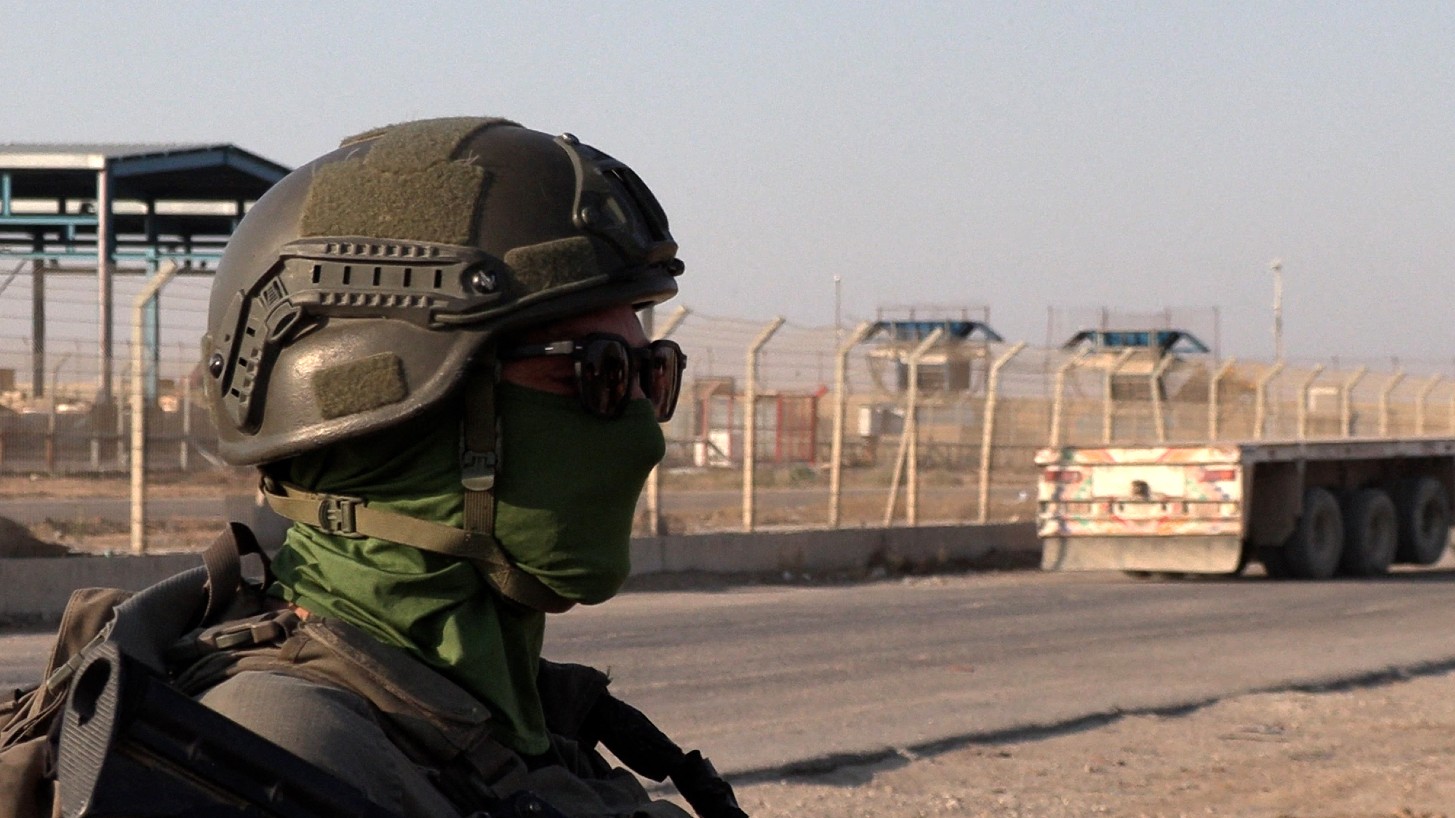
‘They spat in my face’: Palestinians describe abuse at Gaza crossings
For 38-year-old Palestinian academic Mahmoud al-Najjar, the Italian scholarship he had fought so hard to win was supposed to be a second chance at life. After losing his entire immediate family — his father, older brother, wife and all four of his children — in an Israeli bombardment of his Jabalia home in October 2024, al-Najjar had buried his grief to finish a master’s degree in international economics and publish research. Securing a place at Rome Tor Vergata University, with all the required applications, document certifications and interviews behind him, and official Israeli travel clearance already in hand, he saw the opportunity as the first step to rebuild after unspeakable loss.
That promise of a new beginning was shattered in early June at the Karem Abu Salem (Kerem Shalom) border crossing, where Israeli forces detained al-Najjar, interrogated him, and cut off all contact with the outside world. His traveling companions, part of a group trip coordinated by the Italian embassy, were eventually allowed to proceed, and later shared the news of his arrest with his family. For al-Najjar’s loved ones, the shock of the news was compounded by the unorthodox way they learned of his disappearance: through social media, with no official notification from Israeli authorities.
“After we said goodbye to Mahmoud and felt happiness that he was starting a new journey, we were shocked to read the news of his arrest across social media platforms,” Mahmoud’s 28-year-old youngest brother Attia al-Najjar told Middle East Eye. “It was very harsh to find out about his arrest and disappearance while browsing social media, without receiving any official notification.”
After days of outreach, Attia finally connected with the family of a fellow traveler who witnessed the detention. The witness, who was also interrogated before being released, confirmed he saw Israeli forces take Mahmoud into custody. The al-Najjar family has since been left in agonizing uncertainty: Israeli authorities have disclosed no information about Mahmoud’s whereabouts, health, or legal status. A single confirmation came from the Al Mezan Centre for Human Rights, which verified Mahmoud was being held in Ashkelon Prison with a ban on visitor access through June 15. But after that date passed, no human rights organization has been granted access to check on his condition.
The family’s anxiety has been amplified by existing trauma: Attia’s mother has suffered severe health complications from the ongoing stress, compounded by the 2024 bombardment that killed multiple family members, and the fact that two more of Attia’s brothers are already being held in Israeli prisons following an arrest during a military operation in the family’s displacement camp during the war. Attempts by Middle East Eye to contact the witness family were unsuccessful, as they declined interview requests out of fear for their safety and their son’s future abroad.
Mahmoud’s detention is far from an isolated incident, according to human rights advocates and testimonies collected from Gaza travelers. Since the partial reopening of the Rafah and Karem Abu Salem crossings under the October 2025 Gaza ceasefire agreement, hundreds of students have attempted to travel abroad to resume their studies or take up academic opportunities, but widespread accounts of arbitrary detention, prolonged interrogation, physical abuse and humiliation have gone largely unreported, silenced by fear of retaliation.
Mohammed Ahmed, a Gaza student who spoke to MEE under a pseudonym after successfully crossing to Europe to resume his studies, said that most students who have faced abuse refuse to speak out even anonymously. Ahmed himself had faced threats over his work as a journalist during the war, but passed security screening and received his travel permit, and ultimately crossed without incident. That luck did not extend to a colleague with a similar name who traveled shortly after him for the same scholarship program.
“I was shocked when my colleague told me that he was interrogated by the Israeli army and questioned about journalistic work that I had done while I was in Gaza,” Ahmed said. “Despite telling them that he does not work as a journalist and has a different specialism, they stripped him of his clothes, beat him, abused him and humiliated him, simply because of the similarity of our names, before allowing him to leave.”
Ahmed added, “Many students have gone through this humiliating experience, but fear for their lives and their families drives them to silence.”
Lina al-Tawil, director of the Palestinian Center for the Defence of Prisoners, told MEE her organization has collected dozens of similar reports from travelers leaving Gaza — including students, medical patients, and their companions — documenting hours of arbitrary detention, intrusive interrogation, and in some cases, complete denial of exit permission, even for travelers who had already received official clearance.
“We received direct testimonies from travelers or their families about being subjected to detention and security interrogations, which included questions about places of residence, relatives, movements inside the Strip, affiliations, and details with no direct relevance to travel or treatment,” al-Tawil said. While the organization cannot release a precise number of affected people due to limited access during ongoing conflict, al-Tawil confirmed that “the cases are recurrent and not isolated.”
Testimonies collected by the center align with longstanding human rights warnings that Israeli authorities are using border crossing approvals as a pretext to detain and abuse Palestinians. Common abuses documented include handcuffing, blindfolding, and public humiliation, with intrusive questions about family members’ whereabouts, political affiliations, and connections that have no connection to travel eligibility.
Abuse is not limited to Palestinians leaving Gaza: travelers returning to the Strip face identical mistreatment at Israeli checkpoints. Abdel Rahim Abu Toaima, a 39-year-old Gaza resident who traveled to Egypt in 2025 for his son’s open-heart surgery, spoke to MEE about his ordeal after being forced to undergo emergency knee surgery for a ruptured tendon before returning home.
When Abu Toaima’s bus arrived at the Rafah checkpoint, he was called in for interrogation. After he repeatedly denied knowing the individuals Israeli soldiers asked about, he was beaten and humiliated. Despite informing soldiers of his recent knee surgery, they forced him to stand for two hours in extreme heat without a seat, stripped him naked, forced him to remove his surgical bandage, spat on him, and called him degrading slurs. When he asked for water, his request was denied.
“After slapping and punching me, the army forced me to strip off all my clothes without respecting my privacy, especially in the presence of female soldiers,” Abu Toaima said. “They also forced me to unwrap the bandage from my knee, even though I could not bend my back. They spat in my face, called me the vilest names, and forced me to stand for two hours in intense heat. Whenever I told them I was tired and I could not stand, they insulted me more.”
After hours of abuse, soldiers finally allowed Abu Toaima to enter Gaza, but confiscated his phone and other electronics. When he opened his suitcase back at his displacement tent in western Khan Younis, he discovered his and his son’s medication and most of their clothing had been stolen. Left without a phone in a Gaza market where replacement devices cost exorbitant sums out of reach for most residents, Abu Toaima now suffers from persistent swelling and bruising to his knee that requires ongoing treatment at Nasser Medical Hospital.
“I left Gaza with my injured son, and I returned with a knee injury that has not yet healed, and a harsh, unexpected interrogation experience from whose pain I will never recover,” he said.
According to Gaza’s government media office, of the 19,600 people who applied to exit Gaza through Rafah after its partial reopening, only around 7,000 — most of them critically ill patients — have been allowed to travel through after security screening. No official data exists for the number of people exiting through Karem Abu Salem, and only around 1,500 people have been allowed to re-enter Gaza through Rafah amid strict movement restrictions. For the al-Najjar family, outreach to the Red Cross and prisoner rights organization Addameer has yielded no new information about Mahmoud’s fate, leaving them trapped in limbo after every other loss they have endured.
“We never expected this to happen, especially since he had obtained travel clearance from the Israeli side,” Attia al-Najjar said.
-
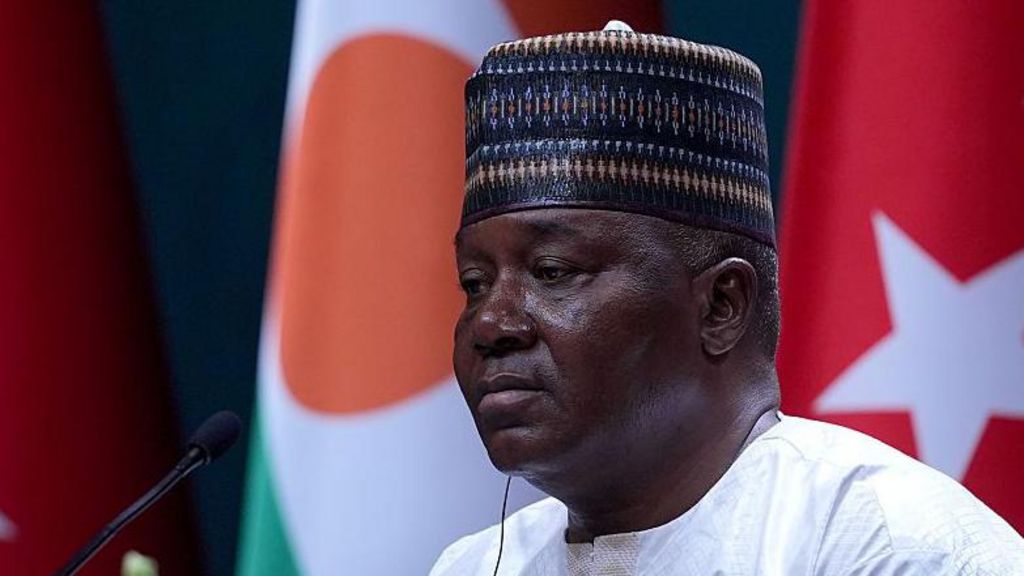
Niger pulls out of International Criminal Court after calling it neo-colonialist
Nine months after jointly announcing plans to abandon the International Criminal Court alongside two neighboring Sahel nations, Niger has formally submitted its official request to leave the permanent international tribunal, court officials have confirmed.
The Hague-based ICC confirmed in a statement accessed by Agence France-Presse that it received Niger’s formal “instrument of withdrawal” on June 18. Under the court’s governing rules, any withdrawal takes full effect exactly one year after the notification is submitted. The ICC also emphasized that Niger remains bound by all its existing obligations to the tribunal through the entire 12-month transition period.
Back in September 2025, Niger, Mali and Burkina Faso — all three currently ruled by military juntas that rose to power via coups earlier in the 2020s — released a joint declaration rejecting the ICC’s authority over their territories. The trio framed the court as a tool of “neo-colonialist repression” against sovereign states, and announced plans to develop what they called “indigenous mechanisms” to advance peace and deliver justice across the Sahel region. The ICC’s recent statement did not reference any formal withdrawal submissions from Mali or Burkina Faso, leaving Niger’s application as the only one currently processed by the tribunal.
Established in 2002, the ICC was created to investigate and prosecute the world’s most severe offenses: genocide, crimes against humanity, war crimes, and acts of aggression. It currently counts 125 member states around the globe, though major powers including the United States, China, Russia, and Israel have never joined the institution.
This latest move follows a broader regional realignment for the three Sahel nations. Last year, all three simultaneously withdrew from the Economic Community of West African States (ECOWAS), West Africa’s leading regional integration bloc, and launched their own new cooperative body, the Confederation of Sahel States. As former French colonies, the three nations have grown increasingly estranged from Western powers in recent years and have deepened political, economic, and military ties to Moscow.
Russia itself is not an ICC member, and the court has an active arrest warrant outstanding for Russian President Vladimir Putin over alleged war crimes connected to Russia’s full-scale invasion of Ukraine. Armed forces from all three Sahel juntas have faced repeated international accusations of committing human rights abuses against civilian populations amid a years-long escalating campaign against jihadi insurgents linked to al-Qaeda and the Islamic State.
If Niger’s withdrawal is finalized next year, it will become only the third country to formally exit the ICC, following the departures of Burundi in 2017 and the Philippines in 2019.
-

‘Killed pursuing her dream’: Gaza girl on her way to school dies in Israeli drone strike
In the heart of Gaza City, a 17-year-old Palestinian teenager with a single, unshakable dream – to complete her secondary education and secure a future through learning – would never reach the classroom that awaited her. Just days before her final exam preparatory classes were set to kick off, Raghad Ashour had already turned down a marriage proposal, choosing books over a walk down the aisle in a conflict zone where normal childhoods have long been erased by violence.
On a quiet Monday morning, Raghad stepped out of her family’s makeshift tent in a central Gaza displacement camp and set off toward a private learning center just a short walk away. She never crossed the center’s threshold. Mere meters from her destination, an Israeli drone strike in the Rimal neighborhood took her life instantly. The double-tap attack left at least five additional people wounded, their fates added to a growing toll of civilian casualties in the renewed hostilities.
Raghad’s story is far from an isolated tragedy in Gaza’s collapsing education system. For three consecutive years, more than 658,000 school-aged children across the enclave have been locked out of in-person learning. Israeli attacks have damaged or destroyed more than 97% of Gaza’s school infrastructure, and the few buildings left standing have been repurposed as emergency shelters for the tens of thousands of families displaced by bombing campaigns that began in October 2023.
To address the ongoing crisis, the Palestinian Ministry of Education rolled out limited remote learning options, prioritizing senior secondary students gearing up for critical exams. Lessons, study guides, and academic support are distributed via digital platforms, messaging apps, and pre-recorded or live online sessions where connectivity allows. But for the vast majority of Gaza’s student population, accessing these resources remains an insurmountable challenge. Widespread destruction of electricity and telecommunications networks has left most displacement camps and residential areas with little to no power or stable internet access.
To overcome these barriers, many desperate students travel to public spaces like cafes powered by solar panels or scarce fuel generators to download study materials, charge their devices, and sit for online exams. Others, like Raghad, turn to small private learning centers that offer in-person supplementary support to bridge gaps left by interrupted remote learning.
Speaking to Middle East Eye as he received mourners at Raghad’s funeral, her great-uncle Jamil Ashour recalled the teenager’s relentless determination to pursue her education against all odds. “Despite everything she had been through, she was determined to attend her classes,” he said. “She found a centre near the camp and went there every morning. She studied hard and would arrive early to secure a desk and make sure everything was ready before lessons began. But she never made it to the centre.”
Raghad faced constant setbacks: frequent blackouts that left her unable to charge her phone back at the tent, broken devices, and the constant uncertainty of life under bombardment. But nothing could sway her from her goal. Orphaned as a toddler when her father was killed in an Israeli attack when she was just three years old, Raghad saw education as her only path to stability and independence. “She grew up a single orphan and came to realise that nothing could support her like an education that would secure her a good job,” Jamil Ashour explained.
As the only daughter in a family of five children, Raghad was the heart of her displaced family’s tent. Her mother, who raised Raghad and her four brothers alone after her husband’s death, called the teenager not just a daughter, but a friend and companion through the darkest days of displacement and grief. “Just yesterday, I visited them in their tent and drank tea she had made with her own hands,” Ashour recalled. “She told me stories, and we laughed together. She was the flower of the house. Her brothers adored her.”
When a marriage proposal came for Raghad just days before her death, her mother was overjoyed – after decades of hardship, she had never imagined she would live to see her daughter reach marriageable age. But Raghad was unwavering in her refusal. She called her great-uncle to mediate, insisting she would first finish secondary school and go on to university. “But Raghad completely refused the idea. She didn’t want to get married, so she called me to come over and convince her mother. She wanted to finish her education and go to university,” Ashour said.
The shock of Raghad’s death was too much for her mother to bear; she fainted immediately after news of the strike reached the camp and was admitted to hospital, where she remained as of Tuesday. “Her heart simply couldn’t bear it; she fainted despite everyone trying to comfort her,” Ashour added.
Raghad is one of more than 1,011 Palestinians killed in Israeli military operations in Gaza since a ceasefire agreement ended a previous round of hostilities in October 2025. More than 3,000 additional people have been wounded in the renewed violence, a toll that continues to climb daily. Like many civilian casualties, Raghad was not a target of the strike – Jamil Ashour points to the common Israeli justification that strikes are aimed at specific militants, a claim that rings hollow for the families of innocent children caught in the crossfire.
“This is just a child. What does she have to do with all of this?” Ashour asked. “She insisted on continuing her education, despite being deprived of her father, her home, and any chance to live a normal childhood.”
Originally from Beit Hanoun in northern Gaza, Raghad and her family had been displaced multiple times after the 7 October 2023 outbreak of hostilities, their home reduced to rubble by an Israeli airstrike before they settled in the central Gaza camp. For the family, what little consolation exists comes from the knowledge that Raghad died chasing the future she fought so hard to build. “Our only consolation is that she was killed on her way to pursuing her dream,” Ashour said.
Official data from the Palestinian Ministry of Education underscores the scale of the catastrophe facing Gaza’s student population. Since October 2023, at least 19,100 Palestinian K-12 students and 1,379 university students have been killed in Israeli attacks, with another 28,419 K-12 students and 3,017 university students wounded. For the surviving students, the dream of education remains out of reach for most, trapped between collapsing infrastructure and ongoing violence that shows no sign of abating.
-
How a heat dome is formed and why experts blame one for Europe’s baking temperatures
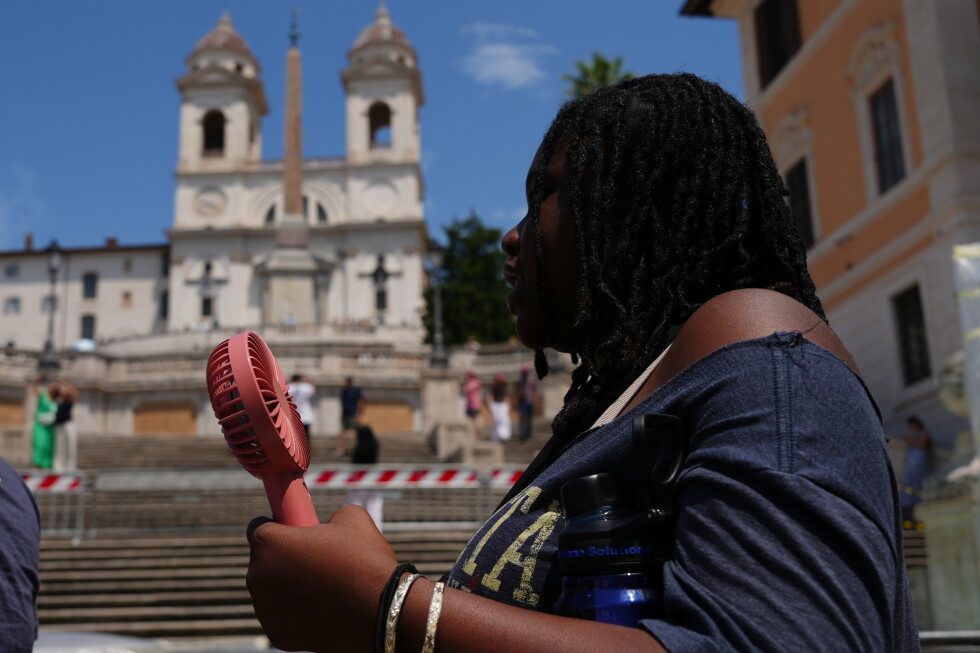
An unexpected early summer heat dome has sent temperatures soaring across Western Europe this week, forcing millions of residents to confront sweltering, dangerous conditions that have already broken preliminary temperature records and claimed dozens of lives. Climate experts confirm this extreme weather event is directly linked to a stationary high-pressure system, and warn that human-caused climate change is making such events more frequent, intense, and long-lasting than ever before.
To understand the phenomenon driving this heat wave, climate scientists explain that a heat dome originates from a distinct shift in the jet stream — the fast-flowing river of high-altitude wind that shapes global weather patterns. When the jet stream develops a large, persistent northward bulge, it traps a stable high-pressure system in the region below. Mireia Ginesta, a research associate at the Climate Litigation Lab hosted by the University of Oxford’s Smith School of Enterprise and the Environment, breaks down the physics at play: sinking air within the high-pressure system compresses as it moves toward lower altitudes, raising both atmospheric pressure and air temperature, effectively locking hot, humid conditions in place for days on end. As Woodwell Climate Research Center climate scientist Jennifer Francis puts it, the heat dome describes the jet stream’s atmospheric behavior, while the heat wave is the tangible, surface-level impact that communities experience.
This week’s event has hit major European nations particularly hard. France, Italy, Spain, and the United Kingdom are all recording far higher temperatures than average for mid-June, with forecasts calling for peaks as high as 40 degrees Celsius (104 degrees Fahrenheit) across swathes of the continent. France has faced the most severe impacts so far: nearly half the country is under the national weather service’s highest-level red heat alert, and a lack of widespread residential and public air conditioning — a common feature across much of the region that has not historically faced consistent extreme heat — has left many residents without reliable ways to cool down. Dozens of drowning deaths have already been recorded across France, as people flocked to open bodies of water to escape the heat. Liz Bentley, chief executive of the UK’s Royal Meteorological Society and a meteorology professor at the University of Reading, predicts that the event will not just break long-standing June temperature records across the continent, but will obliterate them entirely.
Francis notes that Europe is still adapting to a new normal of extreme summer heat, noting that these brutal, deadly heat waves have only become common across the region in the last 10 to 20 years. Many communities still lack the infrastructure and public health systems to protect vulnerable populations from sustained extreme heat. Experts are uniform in their conclusion that anthropogenic climate change is the core driver of increasing heat dome frequency and severity. “We are warming the globe, and that means we’re shifting the range of temperatures that any given place experiences,” Francis explained. “As you shift that range of temperature, you’re making extreme temperatures much more likely.” Bentley echoed this assessment, comparing rising global temperatures to turning up a home thermostat. “Climate change is definitely having an impact on the fact that [heat waves] are more frequent, they are more intense, and they are more persistent as well,” she said. “They hang around a lot longer than they used to do.”
Public authorities across the affected region have rolled out emergency measures to reduce heat-related risk. In France, scheduled passenger train services, outdoor concerts, and public sporting events have been canceled, and officials have implemented a temporary ban on public alcohol consumption to reduce risky behavior and dehydration. Climate and public health experts have issued clear guidance for residents to stay safe during the event: maintain consistent hydration, avoid strenuous outdoor activity during the hottest midday and afternoon hours, seek out shaded or cool indoor spaces whenever possible, and cool off safely in designated public water areas if available. Francis also emphasized the underrecognized risk of overnight heat, which prevents the human body from recovering after a hot day. “If you don’t give your body a chance to cool off at night, heat just starts to accumulate in your body and that can really start to affect your health,” she said. “Figuring out a way to stay cooler at night is very, very important.”
The extreme conditions are expected to persist across most affected regions for at least several more days, and public health officials are urging residents to remain vigilant, particularly for elderly and vulnerable community members who face the highest risk of heat-related illness and death.
-

From cool-down spots to chalk on windows – how Europeans are coping with the heat
A widespread, record-challenging heatwave has swept across Western Europe this June, pushing temperatures toward unprecedented highs for the month and forcing governments, local authorities and communities to roll out emergency adaptive measures to protect residents. With meteorologists predicting long-standing temperature records will be broken across multiple nations in the coming days, the BBC dispatched correspondents across the continent to document how communities are coping with the unseasonable extreme heat.
In the Netherlands, Amsterdam is anticipating a peak temperature of 38C later this week, and city officials have launched a targeted network of public cool-down hubs to help residents escape the swelter. These shaded, accessible spaces are hosted in a wide range of public and commercial venues, including libraries, urban community farms, theaters, churches, neighborhood community centers and even local supermarkets. Each hub provides free drinking water, public seating and restroom access, with many welcoming pets to accommodate owners who need to leave overheated homes. The 12 pilot hubs are concentrated in Nieuw-West, the district identified by city climate modeling as facing the highest heat risk, after officials assessed factors including existing tree cover, the share of vulnerable residents (young children and elderly people) and how quickly local housing retains heat. Local schools have also adjusted their schedules, adopting modified “tropical timetables” that shorten the school day, reduce lesson loads, add more frequent rest breaks, increase water access and boost classroom ventilation. Since there is no national legal maximum temperature for classrooms, each school sets its own adjustments, with the core guiding principle of keeping both students and staff working in safe, healthy conditions.
Across the border in France, authorities have rolled out a range of low-cost and innovative solutions to beat the heat. Paris’ 10th arrondissement town hall has partnered with three independent air-conditioned cinemas to offer free afternoon movie tickets for residents under 25 or over 65, encouraging vulnerable groups to escape the heat in cooled spaces. In Lyon, the city has temporarily dropped entry fees for all municipal museums, which are fully air-conditioned, to draw residents seeking relief from temperatures. A quirky homemade cooling hack has proven so popular that DIY stores across the country have reported a surge in demand for Meudon Whiting (Blanc de Meudon), a chalky powder that homeowners mix with water and paint onto window panes. The coating diffuses incoming sunlight to reduce indoor heating, and many residents report the low-cost trick delivers noticeable temperature drops inside homes. In Nantes, one local school has already applied this chalk coating to its classroom windows to protect students during lessons.
In Spain, the northeastern region of Aragón is recording some of the continent’s highest temperatures during this heatwave, and local officials across the country have adapted public services to help residents cool off. In Zaragoza and Huesca, authorities have cut entry prices for public swimming pools, while the northern city of Logroño, which expects highs of 40C, has made all public pool entry entirely free for the duration of the heat emergency. The city has also extended operating hours for ornamental public fountains until 11 p.m. and activated mobile water sprinklers in public spaces for residents to cool off. Extreme dry conditions have forced the cancellation of traditional San Juan festival celebrations across multiple northern communities: the city of León scrapped a scheduled public fireworks display, and many towns have called off the traditional ritual bonfire over elevated wildfire risk. Like many other European nations, Spain has established a network of air-conditioned public heat refuges that any resident can access to escape extreme heat, and a 2024 national heat safety law mandates that employers implement protective measures for outdoor workers, including banning strenuous manual outdoor labor during the hottest peak hours of the day.
Italy is also facing extreme June heat that is unusual even for the Mediterranean nation, with more than a dozen cities already under top-level red heat warnings, and that list is expected to expand on Wednesday. The most severe conditions are concentrated in central and northern regions of the country. The Italian government has reactivated emergency support measures for heat-exposed workers, including farmers, construction crews and staff in poorly ventilated indoor workplaces. Under the policy, businesses can suspend or reduce operations during temperature peaks and access state-funded furlough payments to compensate workers without laying off staff. For most residents, the solution has been to run air conditioning at full blast with closed shutters, while vulnerable residents without home cooling are advised to seek out air-conditioned public spaces. Tourist services have also adapted: in Palermo, horse-drawn carriage rides, a popular tourist attraction, are only offered after dusk or on cooler days, while some restaurants in Turin have closed outdoor dining terraces to avoid exposing guests to dangerous heat. Other venues across Rome and northern Italy have ramped up use of giant outdoor fans and mobile sprinklers to cool outdoor spaces. The Italian Ministry of Health has also issued public guidance for people dining out, recommending diners choose pasta over heavier meat dishes and swap dehydrating coffee or cold beer for still water to avoid dehydration.
In Belgium, the most extreme heat is still approaching, with a national orange heat alert set to go into effect as temperatures climb toward the high 30s. The national weather service’s 1947 all-time June temperature record of 36.8C is widely expected to be broken this week. The Belgian federal government held an emergency cabinet meeting on Tuesday to coordinate the national response. The heat has already disrupted rail travel: older commuter trains not fitted with air conditioning have been temporarily pulled from service, while additional rail services have been added to accommodate crowds traveling to the cooler northern Belgian coast to escape the heat. A viral story from Brussels has highlighted how communities are adapting: high school students in the Brussels suburb of Tervuren moved their final exams into a local church to take advantage of the building’s naturally cool stone interior. The local pastor joked on Facebook that “the kids are doing their best, and the Holy Spirit is doing the rest.”
In Germany, forecasters predict record-breaking June temperatures will arrive on Friday, with highs potentially reaching 40C in western and southwestern regions of the country. Employers have adapted workplace policies for outdoor staff: Deutsche Post has advised postal workers to wear long-sleeved protective shirts and sun hats, while parent company DHL Group has added Bermuda shorts to the corporate clothing catalogue to allow for cooler work attire. After multiple drowning incidents over the past weekend, the German Life Saving Association (DLRG) has issued urgent warnings to residents underestimating the hidden risks of swimming in overheated natural waterways. The German Forest Conservation Association has also warned that the prolonged heat has pushed wildfire risk to critically high levels across the country, reminding residents that open fires are only permitted in designated, maintained fire pits at the edge of forests. Private health insurer DAK has also launched a dedicated public hotline to provide guidance on heat safety and managing heat-related health issues.
-
Ukraine says it hit a railway bridge to Crimea, seeking to isolate the Russian-held peninsula
As the Russia-Ukraine conflict stretches into its fourth year, Ukrainian military forces have launched a new wave of coordinated drone strikes against critical infrastructure across Russia-occupied Crimea, part of Kyiv’s expanding campaign to cut off logistical access to the strategically vital peninsula.
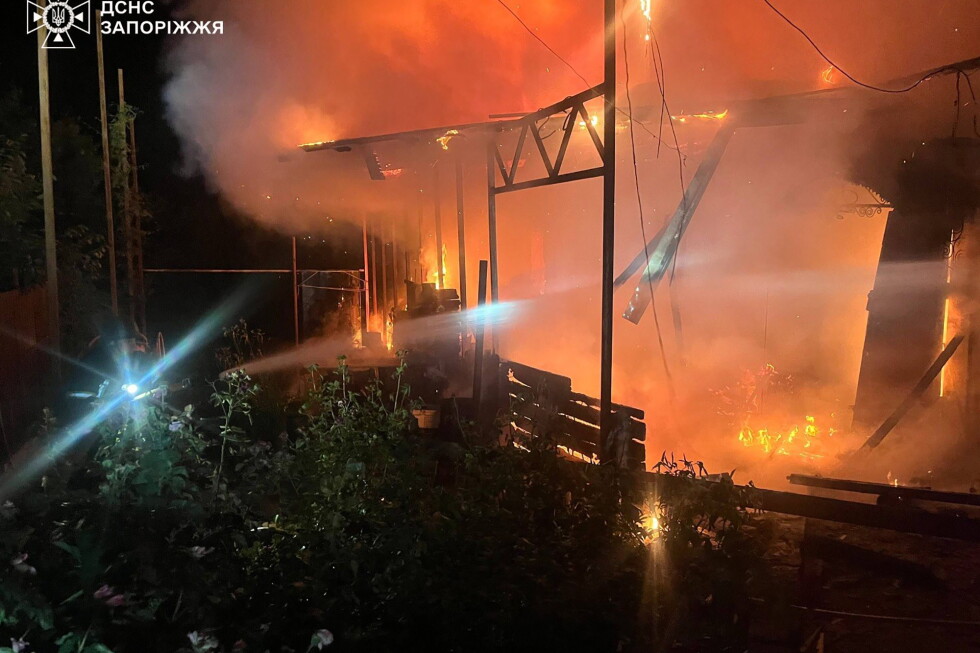
Announced by Ukrainian defense officials this week, the attacks hit a series of high-value targets: an oil storage facility at the Kerch thermal power plant in eastern Crimea, a western regional electrical substation, and a liquefied natural gas distribution hub in Simferopol, Crimea’s second-largest urban center. In a separate operation, Ukraine’s Special Operations Forces — working alongside local Crimean resistance groups — confirmed they destroyed a key railway bridge spanning the North Crimean Canal near the village of Rozdolne. Ukrainian military spokespersons said the bridge served as a core logistics route for supplying Russian troops deployed in southern Ukraine. Initial drone strikes between Sunday and Monday collapsed a section of the structure, while a follow-up attack early Tuesday targeted repair crews and the bridge’s remaining intact segments, according to a post on the military’s official Telegram channel.
Independent verification of Ukraine’s claims remains unavailable as of Tuesday. Still, local energy suppliers in Crimea confirmed widespread power outages across multiple regions of the peninsula, though the Russian-appointed administration attributed the blackouts to unspecified “technical malfunctions” and said full service would be restored within 24 hours. The strikes have already created acute civilian disruptions: Russian authorities in Crimea have suspended retail gasoline sales to local residents, a disruption that comes amid the peak summer tourist season, when demand for fuel and energy typically surges.
The targeting of Crimea’s infrastructure aligns with Kyiv’s publicly stated strategy to fully isolate the peninsula, which Russian forces illegally seized and annexed from Ukraine in 2014. In comments to a popular blogger’s YouTube channel last week, Ukrainian Defense Minister Mykhailo Fedorov framed the campaign in stark terms: “We are isolating Crimea with drones. It looks like in the nearest time, Crimea will become an island. This could lead to some very unexpected consequences for Russians.” This month alone, Ukraine has also expanded its long-range strike capacity to hit targets near the Kremlin in Moscow and across Russia’s second-largest city, St. Petersburg, demonstrating Kyiv’s growing ability to strike deep inside Russian territory.
Western military analysts and diplomatic officials note that Ukraine’s stepped-up long-range campaign comes at a moment when large-scale Russian ground advances across eastern Ukraine have slowed to a near standoff. The strikes not only inflict tangible damage on Russian military capabilities and critical revenue streams — they also ramp up political and military pressure on the Kremlin. On Tuesday, Ukrainian defense officials added that since the start of 2024, Ukrainian drones have struck more than 800,000 Russian targets, and 95% of all drones deployed by Ukraine’s armed forces are now manufactured domestically, highlighting the rapid growth of Ukraine’s domestic defense tech sector.
These tactical successes have lifted morale across Ukrainian front lines, where troops have used advanced drone technology to hold back Russian attrition assaults that have proven costly for both sides since Russia’s full-scale invasion in February 2022. Medium-range drones have consistently disrupted Russian frontline supply chains, while long-range strikes have repeatedly damaged Russian oil facilities — a core source of state revenue that funds Moscow’s war effort. President Volodymyr Zelenskyy has repeatedly reaffirmed that Ukraine remains committed to its defense, backed by sustained international support.
Addressing the U.N. Security Council on Monday, Ukrainian U.N. Ambassador Andrii Melnyk said Kyiv remains open to direct negotiations with Moscow to reach a “just and lasting peace” aligned with the U.N. Charter, but warned that Ukraine’s willingness to compromise has limits. “A ceasefire along the current front line already represents a major concession,” Melnyk said, adding that Russia must withdraw completely from all occupied Ukrainian territory. He also noted that recent Ukrainian strikes have shifted the overall dynamics of the conflict, stressing: “This is just the beginning.”
For its part, Moscow has moved to reinforce its alliance with neighboring Belarus. In comments Tuesday to Russian news agency Interfax, Russian Foreign Minister Sergey Lavrov said the Kremlin is prepared to “ensure the security” of its close ally, after Zelenskyy recently demanded that Minsk remove drone signal relay equipment from its territory that Kyiv says Russia uses to guide attacks on Ukrainian targets. Lavrov accused Kyiv of attempting to draw Belarus directly into the open conflict, a notable development given Russia originally launched its full-scale 2022 invasion from Belarusian territory.
-

Irish government to contribute £197m to cross-border rail services
In a landmark move to deepen cooperation and drive shared development across the island of Ireland, the Irish cabinet has approved a €377m (£325m) allocation from the government’s Shared Island Fund to deliver 12 new cross-border projects between 2027 and 2030. This latest round of investment pushes total commitments from the fund past the €1bn (£862m) mark, fulfilling the initiative’s core mission of backing infrastructure, environmental, cultural, and social projects that deliver tangible benefits to communities in both the Republic of Ireland and Northern Ireland.
The single largest slice of this new funding, €228m (£197m), is earmarked for upgrading intercity rail connections across the two jurisdictions. Of this total, €193m (£166m) will go toward modernizing critical infrastructure along the Londonderry-Belfast-Dublin corridor, while the remaining €35m (£30m) will secure hourly Dublin-Belfast passenger services through at least 2030. Working in partnership, the Irish and Northern Irish governments have also set a target of cutting transfer times between the Dublin-Belfast and Belfast-Derry lines to just 15 to 20 minutes, slashing travel friction and boosting seamless connectivity between the three major urban centers.
Beyond rail upgrades, the funding package supports a wide range of cross-border priorities spanning sports, infrastructure, environment, and education. A £3m contribution from the fund will go toward redeveloping cricket facilities at Belfast’s Stormont Estate, part of preparations for the 2030 Men’s T20 Cricket World Cup, which will be co-hosted by Ireland and the UK. Cricket Ireland and the Northern Ireland Civil Service Sports Association are each adding an extra £1m to the project, which will bring the Stormont grounds up to the international standard required to host World Cup matches. Expected to draw a global audience of hundreds of millions – the 2022 iteration of the tournament recorded 3.95 billion total viewing hours across all platforms – the 2030 event is set to be the largest broadcast sporting event in the island’s history.
A €40m (£34m) allocation has also been approved for an island-wide port development scheme, designed to expand cargo handling capacity at ports across Ireland to support growing trade and logistics demand. Another €30m (£26m) will fund the third phase of the Ulster Canal restoration project. This stage, which stretches 10km from Clonfad to Castle Saunderson, represents the flagship blueway segment of the wider restoration, creating new and refurbished navigable waterways that connect Clones to the existing Erne System and Shannon-Erne waterway. The project will also deliver a new 9km Ulster Canal Greenway for pedestrians and cyclists running from Clones to Gortnacarrow, boosting recreational tourism across the border region.
One of the most high-profile environmental projects to receive backing is a €33m (£28m) Lough Neagh Catchment Area Water Quality programme, aimed at addressing the severe blue-green algae outbreaks that have blighted the UK’s largest freshwater lake in recent years. The funding follows repeated cross-border discussions on the ecological crisis at the North South Ministerial Council, with Northern Ireland’s Agriculture, Environment and Rural Affairs Minister Andrew Muir describing the declining state of Lough Neagh as “one of the most distressing and visible environmental crises” Northern Ireland has faced in modern times. “This funding represents a joint commitment to our island’s largest freshwater lake and a substantial investment in its future,” Muir noted. The multi-faceted programme will combine on-the-ground infrastructure improvements with targeted resourcing, cross-border knowledge sharing, and collaborative governance to tackle the root causes of poor water quality and reverse ecological damage across the catchment area.
On the social development front, €13.5m (£12m) from the fund will expand professional development opportunities for early years educators across the island, creating 1,000 new upskilling places – 40% of which are reserved for educators based in Northern Ireland. The investment will also roll out a tailored training and capacity-building programme for more than 10,500 early learning and childcare providers, including registered childminders, with specialized resources to support the needs of all young children, including those with additional developmental requirements.
Announcing the approval of the new projects, Irish Taoiseach Micheál Martin emphasized the long-term vision guiding the Shared Island Fund investment. “This is a major investment for our shared future on the island of Ireland with €377m committed through the Shared Island Fund for 12 new programmes,” Martin said. “This brings total government allocations from the fund so far to over €1bn, building a more connected, sustainable and prosperous island for all communities.”
-
Stop pretending EU’s new border system is working, says airports chief
As the 2026 peak summer travel season approaches, Europe’s aviation sector is grappling with mounting disruption caused by the European Union’s newly launched digital Entry-Exit System (EES), with top industry leaders warning of escalating chaos that threatens to derail the region’s vital tourism economy.
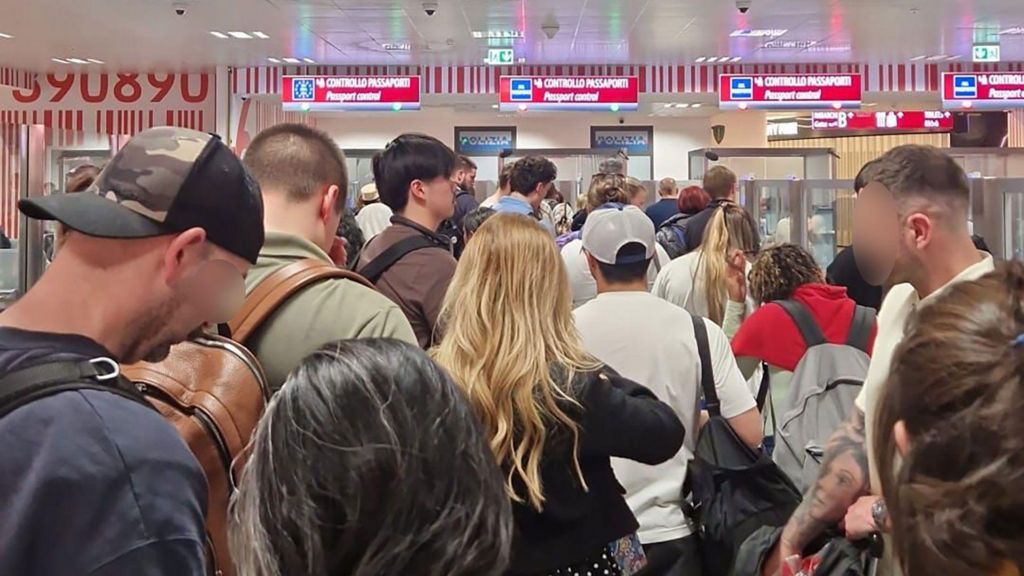
Completed its full rollout earlier this year, the EES mandates that all non-European Economic Area (EEA) travelers entering the Schengen Area submit biometric data—including facial scans and fingerprints—during entry checks, with a verification step required when they exit the bloc. While the system has functioned smoothly in a handful of member states, widespread reports of crippling processing delays have emerged at airports across the continent, leaving hundreds of passengers stranded and forcing airlines to revise travel guidance.
In stark comments delivered at an aviation industry conference in Prague, Stefan Schulte, president of Airports Council International (ACI) Europe and chief of Frankfurt Airport’s operating company, called out EU policymakers for downplaying the scale of the crisis. “Politicians should stop pretending that EES is working just fine. It is not,” Schulte stated, noting that passengers already face multi-hour waits during peak travel windows. With summer passenger volumes projected to jump sharply in the coming weeks, Schulte admitted industry leaders have no clear plan to absorb the added strain, calling the growing backlog a problem that “keeps me and other industry bosses awake at night.”
Multiple high-profile disruptions have already been linked to the new border rules. Earlier this month, dozens of Ryanair passengers bound for London Luton were left stranded in Athens after their flight departed without them. While neither the airline nor Athens airport explicitly named the EES as the cause, Ryanair cited widespread border delays, and the airport acknowledged congestion driven by “additional processing requirements.” This incident followed a similar disruption in April, when passengers flying from two Milan airports—Bergamo and Linate—to Manchester missed their flights after hours-long passport control queues. Low-cost carrier Wizz Air has already taken the step of urging British leisure travelers to arrive at European airports a full three hours before outbound departure to account for extended wait times.
Schulte has laid out urgent demands for EU regulators to address the crisis, calling for full authority for border control agencies to suspend EES processing during peak demand periods to prevent further disruption, alongside a complete overhaul of the system’s operating procedures. “This is about showing respect and decency for those who chose to travel to the EU, and safeguarding our reputation as a welcoming and efficient destination,” he explained.
The rollout has already sparked political friction between member states and EU institutions. Earlier this year, Greek Tourism Minister Olga Kefalogianni pledged that British travelers would be exempt from biometric EES checks this summer to avoid burdening visitors with unnecessary red tape. However, the Greek Foreign Ministry later walked back the commitment, confirming no formal exemption had been approved. Unconfirmed reports also suggested Portugal and Italy were exploring similar exemptions for British nationals, but the European Commission has denied any such plans are under consideration.
The BBC has reached out to the European Commission, the body responsible for overseeing the EES, for comment on the growing criticism and disruption, but has not yet received a response.