分类: world

  • Deep-sea search for Malaysia Airlines Flight 370 to resume Dec. 30

    Deep-sea search for Malaysia Airlines Flight 370 to resume Dec. 30

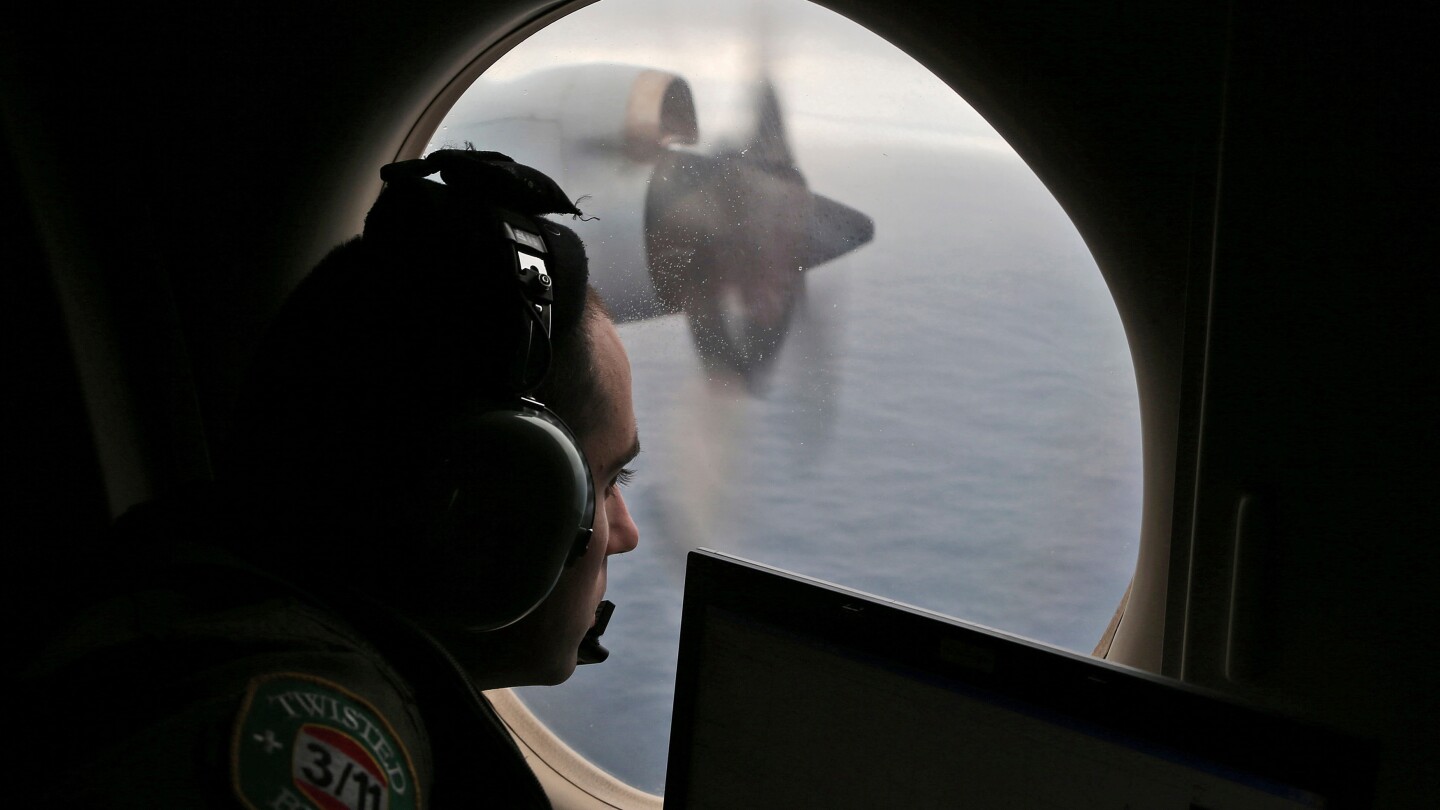
    KUALA LUMPUR, Malaysia — In a significant development to one of aviation’s most enduring mysteries, Malaysian authorities have announced the resumption of the deep-sea search for Malaysia Airlines Flight MH370. The renewed operation, scheduled to commence on December 30, represents the latest effort to locate the aircraft that disappeared without explanation over a decade ago.

    The Boeing 777 vanished from radar systems on March 8, 2014, during a routine flight from Kuala Lumpur to Beijing with 239 passengers and crew aboard, predominantly Chinese citizens. Satellite communications indicated the aircraft dramatically altered its intended flight path, diverting southward before presumably crashing in the remote southern Indian Ocean.

    According to an official statement from Malaysia’s Transport Ministry, Texas-based Ocean Infinity, a specialist in marine robotics, will conduct the search operation under a unique performance-based contract. The company will deploy advanced underwater technology across a targeted 15,000-square-kilometer (5,800-square-mile) zone identified through updated analysis as having the highest probability of containing wreckage.

    The search protocol involves intermittent operations over a 55-day period, with compensation of $70 million contingent exclusively upon successful discovery of aircraft debris. This “no-find, no-fee” arrangement, initially approved in March but delayed due to adverse weather conditions, demonstrates the government’s renewed determination to resolve the tragedy.

    Previous extensive multinational search efforts, including Ocean Infinity’s 2018 mission, yielded no definitive results despite recovering scattered debris along eastern African coastlines and Indian Ocean islands. The latest initiative reflects Malaysia’s ongoing commitment to providing closure for affected families while advancing technical understanding of deep-sea search capabilities.
  • Sudan war has created web of arms and mercenaries, report says

    Sudan war has created web of arms and mercenaries, report says

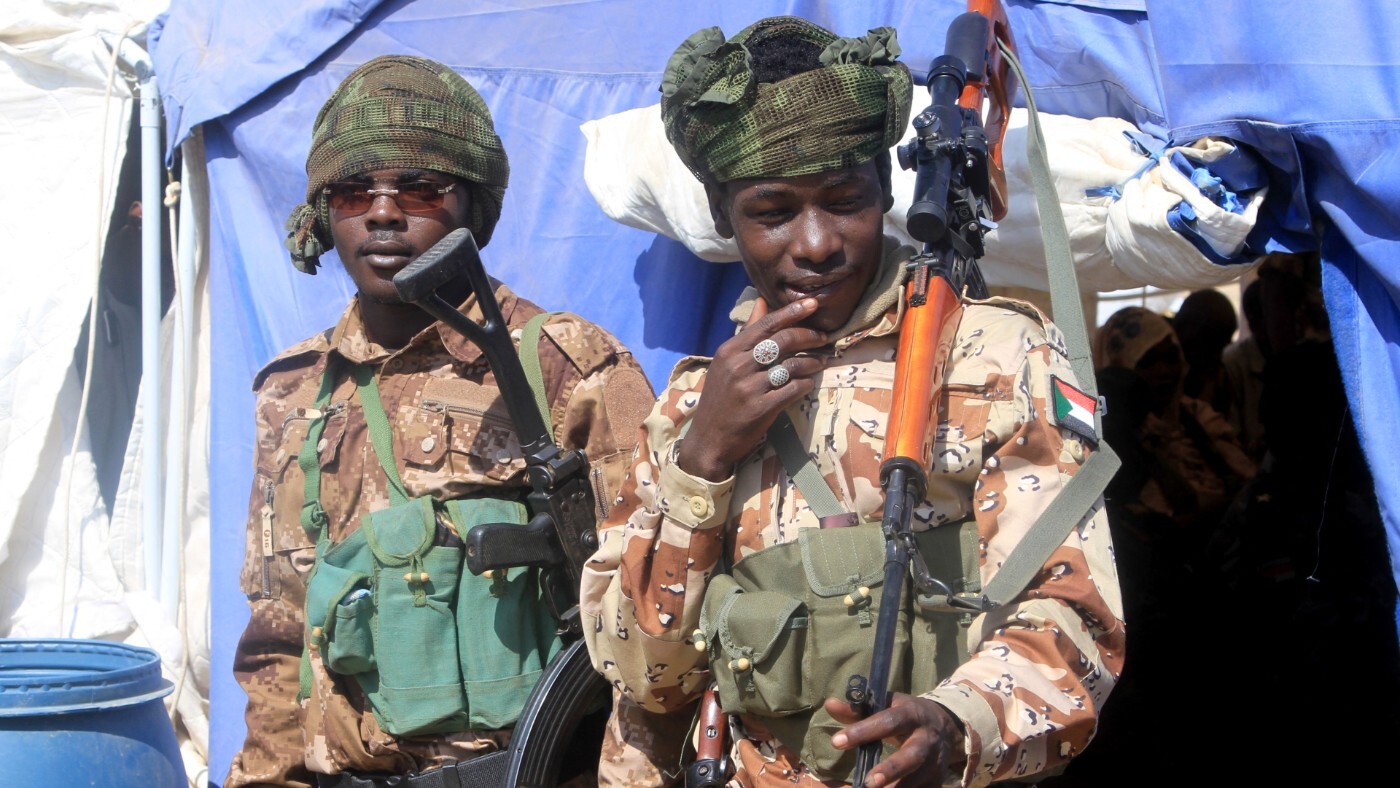
    A comprehensive study released by the Global Initiative Against Transnational Organized Crime reveals that Sudan’s ongoing civil war has catalyzed the development of extensive arms trafficking and mercenary networks spanning multiple African regions. The report, titled “Collateral Circuits: The impact of Sudan’s war on arms markets and mercenary networks in Chad and Libya,” documents how pre-existing smuggling routes were reactivated and expanded following the outbreak of hostilities between the Sudanese Armed Forces (SAF) and paramilitary Rapid Support Forces (RSF) in April 2023.

    The research demonstrates that the conflict’s repercussions have extended beyond Sudan’s borders, significantly affecting Chad and Libya while creating ripple effects across Niger, Mali, and neighboring territories. According to the findings, the United Arab Emirates has facilitated substantial support for the RSF through these channels, despite Abu Dhabi’s continued denial of such backing despite accumulating evidence.

    Emadeddin Badi, the report’s author and a senior fellow at Global Initiative, emphasized that mercenaries, arms trafficking, gold mining, and human smuggling have become fundamental components of a war economy engaging all of Sudan’s neighboring nations. This system provides financial benefits and employment opportunities for numerous individuals throughout the region.

    The investigation reveals that both the outflow and inflow of weapons and combat personnel have transformed regional security architectures. Photographic evidence shows DShKM machine guns, small arms, and other military equipment available for purchase in Chadian markets and on social media platforms, illustrating the widespread proliferation of arms from Sudanese stockpiles.

    Badi contends that the regional integration evident in arms and mercenary movements necessitates a holistic view of North Africa and the Sahel region rather than compartmentalized analysis. He notes that Emirati, Russian, and increasingly Turkish policies approach these theaters as interconnected landscapes, demonstrated through the continuity and complementarity of supply lines established for the RSF via Libya and Chad.

    The report details how supply line functionality directly influenced military developments, including the loss of Khartoum and the capture of el-Fasher in Darfur. Key logistical hubs shifted from eastern Libya’s Kufra to Chad’s Amdjarass, where the UAE established a purported field hospital in July 2023 that reportedly served as a facilitation point.

    Mercenaries have played central roles in sustaining supply pipelines, not as peripheral participants but as organizers and enablers who escort convoys, manage border access, and ensure continuous flow of materials across boundaries. The report concludes that the residual impact of this war economy will persist long after hostilities diminish, with weapons, mercenaries, and established infrastructure adapting to fulfill new functions in the region.

  • Houthis to release survivors of Red Sea sinking, says Philippines

    Houthis to release survivors of Red Sea sinking, says Philippines

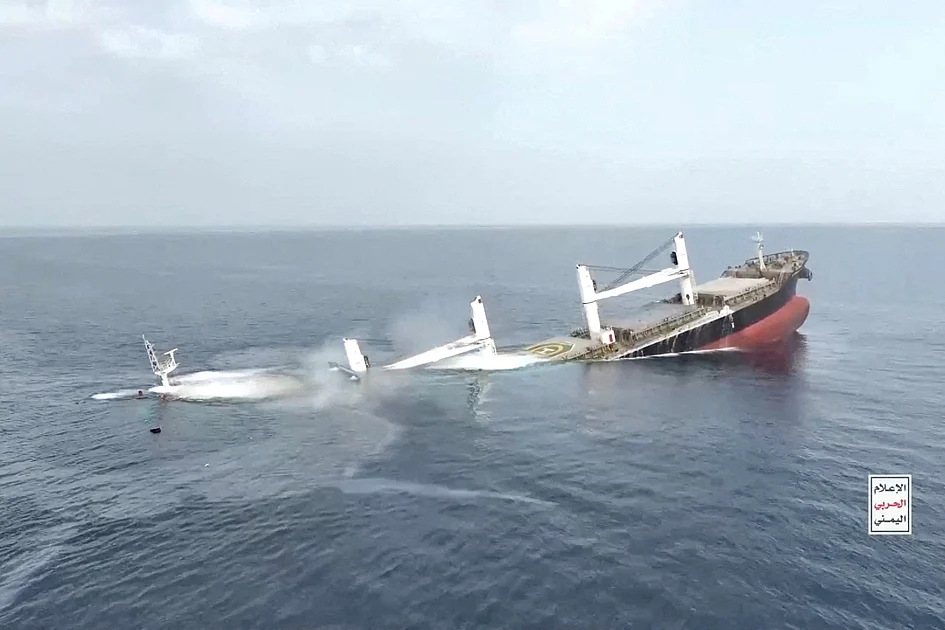
    Yemen’s Houthi rebel faction has announced the impending release of nine Filipino maritime crew members who survived the sinking of their commercial vessel in the Red Sea last July. The Philippine Department of Foreign Affairs confirmed on Tuesday that the seafarers would be transferred from the Houthi-controlled Yemeni capital of Sanaa to Oman before ultimately returning to their home country.

    The crew members were aboard the Liberian-flagged cargo ship M/V Eternity C when it was attacked and sunk by Houthi forces in July, breaking a months-long hiatus in the group’s maritime operations. The Iran-backed militants previously released footage claiming to have ‘rescued’ crew members following the attack.

    Philippine authorities acknowledged Oman’s diplomatic mediation in facilitating the release but declined to specify any conditions attached to the transfer or provide a precise timeline for the sailors’ repatriation. The July incident, which also involved the sinking of another vessel named Magic Seas, marked a significant escalation in maritime security concerns in the critical waterway.

    The Houthis have conducted numerous attacks on commercial shipping since October 2023, asserting these actions target Israel-linked vessels in solidarity with Palestinians in Gaza. These disruptions have forced many shipping companies to avoid the route that typically facilitates approximately 12% of global trade.

    The Philippines remains particularly affected by such incidents as Filipino nationals constitute nearly 30% of the global commercial shipping workforce. Their remittances, totaling nearly $7 billion in 2023, represent approximately one-fifth of the nation’s total remittance income.

  • Cyclone catastrophe in Sri Lanka awakens volunteer spirit

    Cyclone catastrophe in Sri Lanka awakens volunteer spirit

    Sri Lanka faces an unprecedented humanitarian crisis following Cyclone Ditwah’s devastating landfall last week, which submerged entire communities and triggered catastrophic landslides across the nation. The disaster has claimed over 400 lives, left hundreds missing, and rendered 20,000 households uninhabitable, affecting more than one million residents in what President Anura Kumara Dissanayake describes as the country’s ‘most challenging natural disaster’.

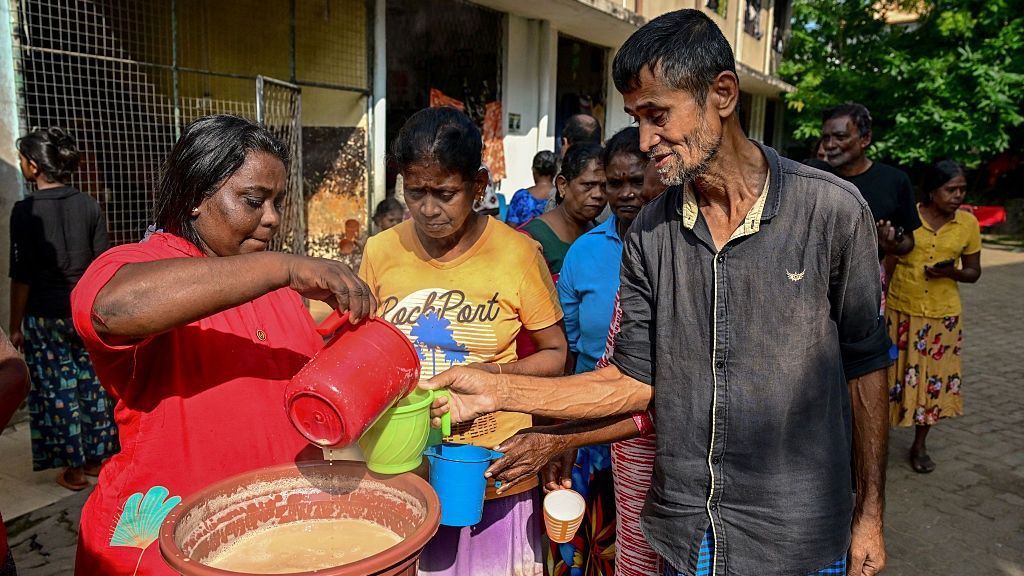
    Amidst widespread destruction, a remarkable grassroots mobilization has emerged. Citizens previously engaged in political activism during Sri Lanka’s 2022 economic crisis have repurposed their organizational skills for disaster relief. In Colombo’s Wijerama neighborhood, volunteers who once protested against former president Gotabaya Rajapaksa now operate community kitchens producing thousands of meals daily for flood victims.

    Celebrities like actor-musician GK Reginold have joined the effort, navigating submerged suburbs via motorized fishing boats to deliver essential supplies to isolated families. ‘The main reason I wanted to do this is to at least help them have one meal,’ Reginold told the BBC, expressing fulfillment in providing crucial assistance.

    The relief operation extends beyond physical spaces into digital realms. Social media activists have created public databases to coordinate donations and volunteer efforts, while volunteer-backed websites help donors identify specific needs across relief camps. Private companies and television channels have organized donation drives for food and basic necessities.

    Despite this civilian-led response, political tensions simmer. Opposition lawmakers accuse authorities of ignoring early weather warnings and staged a parliamentary walkout alleging government attempts to limit disaster debates. President Dissanayake has appealed for unity, urging Sri Lankans to ‘set aside all political differences’ in rebuilding efforts.

    Military helicopters continue rescue operations alongside incoming international aid, but the road to recovery remains long for a nation familiar with recent turmoil. As volunteer Sasindu Sahan Tharaka reflected after exhausting shifts at relief sites: ‘The empathy and capacity of our hearts is greater than the destruction that occurs during a disaster.’

  • Cyclone turns Sri Lanka’s tea mountains into death valley

    Cyclone turns Sri Lanka’s tea mountains into death valley

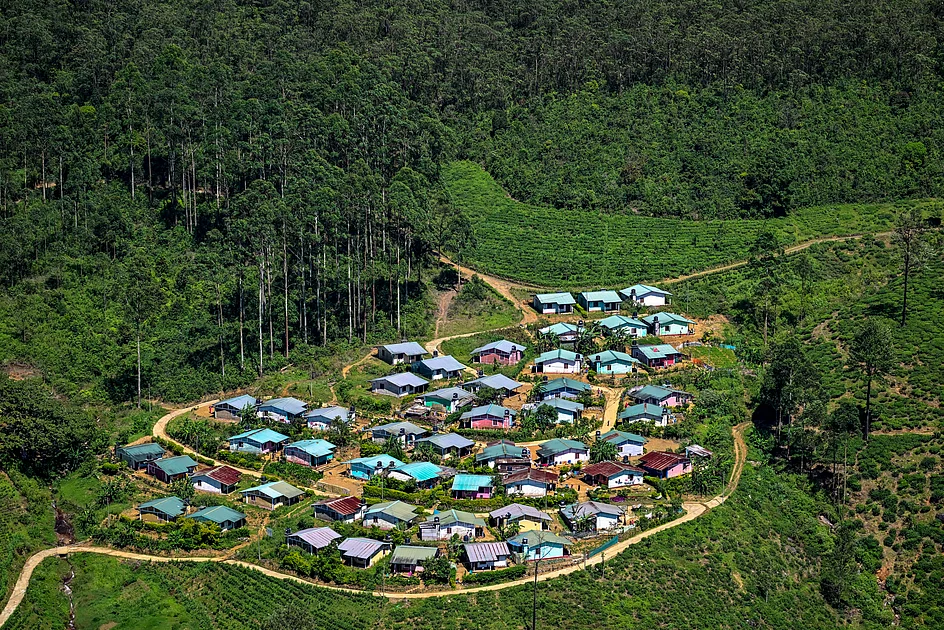
    In the wake of Cyclone Ditwah, Sri Lanka’s picturesque tea-growing highlands have transformed into a landscape of devastation and tragedy. Rescue teams continue their grim search through the mud-clogged mountainsides where at least 465 fatalities have been confirmed, with 366 individuals still unaccounted for following the island nation’s most severe natural disaster in decades.

    The aerial assessment reveals profound destruction across the central tea region, where entire slopes have sheared away, leaving ochre scars through the once-lush vegetation. Landslides have consumed road networks, infrastructure, and complete settlements, with only occasional roof peaks visible above the mud. The renowned tea plantations, vital to Sri Lanka’s economy, now appear as extensive channels of debris and uprooted vegetation.

    Military aircraft from Sri Lanka, India, and Pakistan have mobilized for relief operations, transporting essential supplies to isolated communities in the Nuwara Eliya district. Helicopters modified for cargo transport are delivering water and rations to areas that remain inaccessible by ground. The full impact on the tea industry—including plantations, processing facilities, and agricultural workers—has yet to be comprehensively assessed but is anticipated to be substantial.

    President Anura Kumara Dissanayake has declared a national state of emergency and issued an international appeal for assistance. Recovery efforts face significant challenges due to damaged infrastructure and persistent communication blackouts in remote zones. This catastrophe represents the most lethal natural event to strike Sri Lanka since the 2004 Indian Ocean tsunami, with both landslides and flooding affecting communities nationwide.

  • Severed fingers and incisions: Bodies returned by Israel shock Gaza families

    Severed fingers and incisions: Bodies returned by Israel shock Gaza families

    In a deeply disturbing development emerging from the Gaza Strip, Palestinian families are confronting new layers of trauma as they receive the bodies of their missing relatives returned by Israeli authorities under controversial circumstances. The remains, arriving frozen and marked only with identification numbers, have sparked grave concerns about potential organ harvesting and systematic mutilation while in custody.

    The process unfolds at Nasser Hospital in Khan Younis, where forensic teams struggle with inadequate equipment to properly examine the bodies. According to Dr. Khalil Hamada, Director General of Forensic Medicine in Gaza, the extreme freezing conditions and lack of diagnostic equipment prevent comprehensive examinations. ‘What we do is not a full forensic examination,’ Hamada confirmed to Middle East Eye. ‘The process is limited to documenting individual distinguishing features so families can identify their loved ones.’

    Heartbreaking identification procedures involve displaying photographs of the mutilated remains on large screens, with families desperately searching for recognizable features. Muhammad Ayesh Ramadan of Deir al-Balah spent four days searching before identifying his brother Ahmed through facial recognition with ’70 percent certainty.’ The body showed evidence of multiple gunshots, burning, and a vertically stitched incision running from chest downward—particularly disturbing as his brother had never undergone surgery.

    Medical authorities report that nearly all bodies show evidence of amputated digits, particularly thumbs and big toes, which Israeli authorities claim are removed for DNA testing. However, the complete absence of forensic reports, cause-of-death information, or any documentation from Israeli authorities has fueled suspicions among grieving families.

    The situation becomes more alarming with numerous bodies showing signs of torture, fractured bones, and evidence of being bound and blindfolded at time of death. Zeinab Ismail Shabat identified her brother Mahmoud through distinctive hair and eye features, only to discover his hands and feet bound with metal restraints, indicating he was ‘martyred while restrained.’

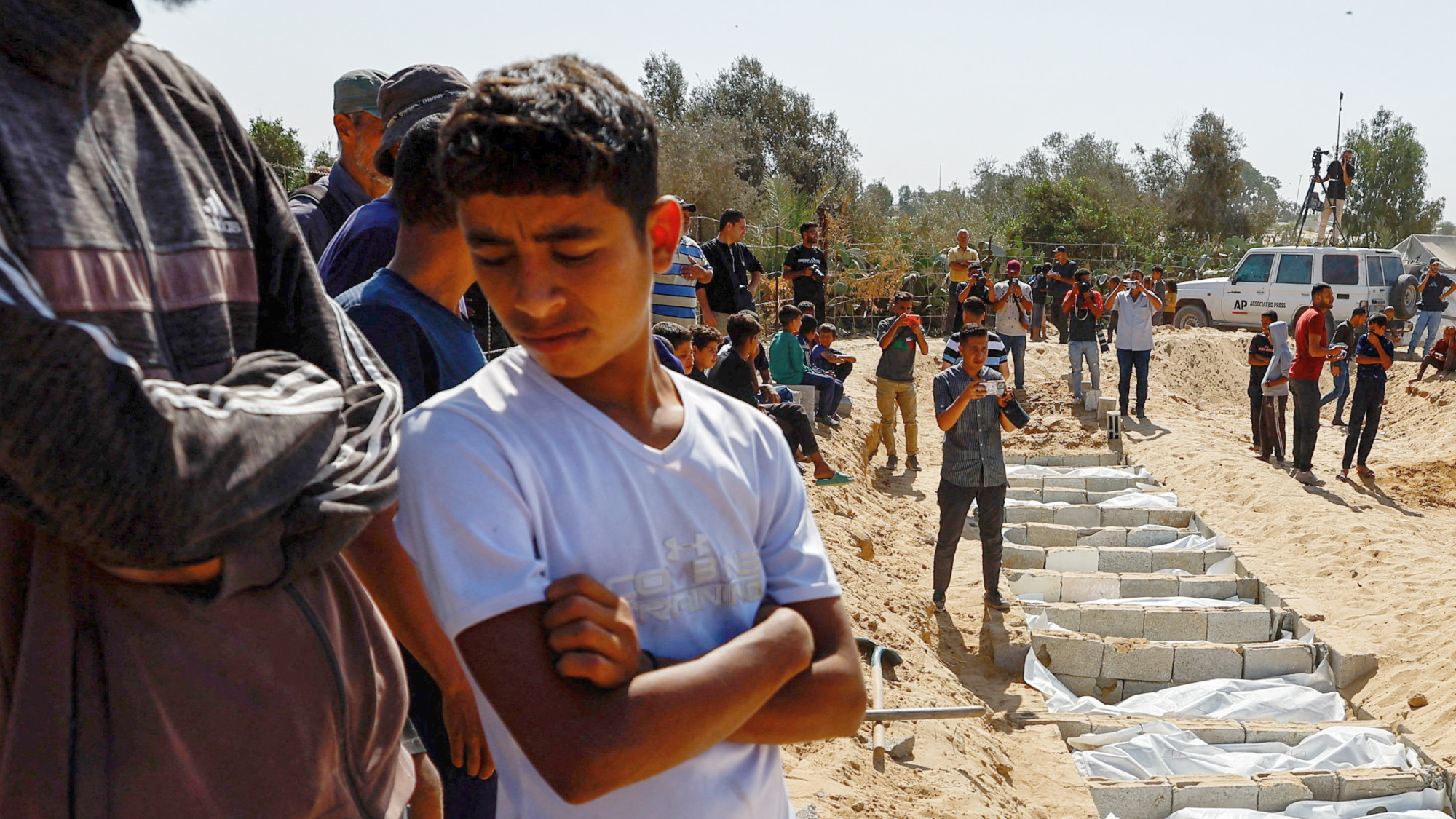
    Of the 345 bodies returned to date, only 99 have been positively identified. The remainder have been buried in mass graves without identification, creating a permanent legacy of uncertainty for hundreds of Gaza families. The combination of systematic mutilation, absence of transparency, and inadequate forensic capabilities has created a humanitarian crisis that extends beyond death itself, denying families both answers and the dignity of proper burial for their loved ones.

  • Death toll jumps to 700 in Indonesia floods and landslides

    Death toll jumps to 700 in Indonesia floods and landslides

    Indonesia’s Sumatra Island faces an unprecedented humanitarian crisis as catastrophic flooding and landslides have claimed at least 700 lives, according to the latest figures from the national disaster agency. The death toll, which authorities revised downward from an initial count of 753, continues to fluctuate as emergency teams battle challenging conditions to reach isolated communities.

    The disaster forms part of a broader regional tragedy that has claimed nearly 900 lives across Indonesia, Malaysia, and Thailand following months of extreme weather events throughout Southeast Asia. This devastating pattern includes successive typhoons that recently battered the Philippines and Vietnam, compounded by persistent flooding across the region.

    Environmental experts and local officials have identified widespread deforestation on Sumatra as a critical factor contributing to the disproportionately high death toll. The removal of natural vegetation has destabilized terrain and eliminated natural barriers that would typically mitigate flood impacts.

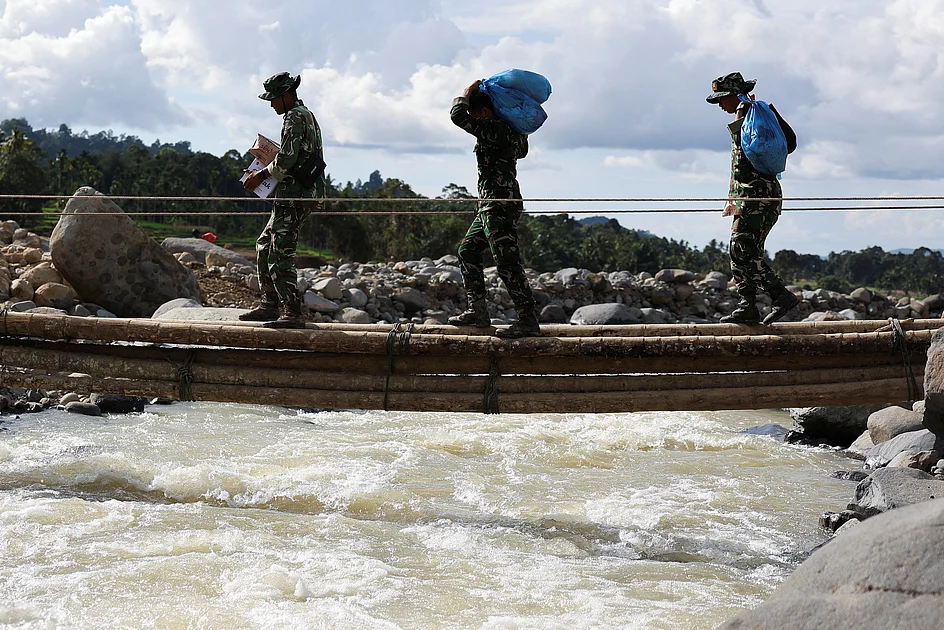
    Indonesian disaster response teams are implementing a multi-pronged approach to address the crisis, prioritizing aid distribution through land, sea, and air channels simultaneously. Emergency crews are working relentlessly to clear obstructed roadways and restore damaged infrastructure in affected areas.

    Abdul Muhari, spokesperson for the disaster agency, emphasized the urgency of logistics operations, stating: ‘We do hope that we can speed up the logistics distribution.’ The comprehensive response effort aims to reach thousands of displaced residents who have been cut off from essential supplies and medical assistance since the disasters began last week.

  • Pope Leo leads mass for 150,000 worshippers in Beirut

    Pope Leo leads mass for 150,000 worshippers in Beirut

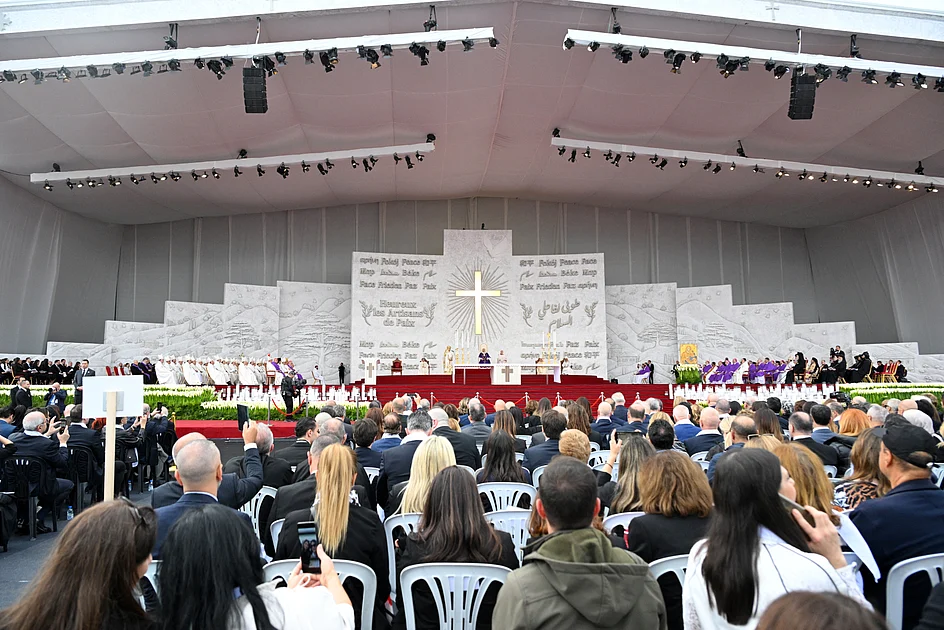
    BEIRUT – In a historic culmination of his first international pilgrimage, Pope Leo XIV delivered a stirring appeal for national reconciliation to Lebanon’s fractured communities during a massive waterfront mass attended by approximately 150,000 faithful.

    The pontiff’s three-day visit, which began in Turkey before concluding in Lebanon, transformed into a diplomatic mission addressing the nation’s profound political paralysis, economic collapse, and sectarian divisions. Speaking before a diverse audience comprising Lebanon’s highest officials, international visitors, and migrant workers, Leo emphasized that “armed struggle brings no benefit” while championing negotiation and dialogue as constructive alternatives.

    The emotional apex of the journey occurred earlier at Beirut’s port, where the Pope conducted a solemn memorial at the site of the catastrophic 2020 chemical explosion that killed 220 people. After laying a floral wreath and lighting a lamp amidst the haunting backdrop of ruined grain silos, he comforted 60 survivors and bereaved relatives, presenting each with a rosary while acknowledging their ongoing pursuit of justice.

    “I carry with me the pain, and the thirst for truth and justice, of so many families, of an entire country,” the pontiff reflected before departing.

    The visit produced striking moments of symbolic unity as Hezbollah’s al-Mahdi Scouts joined multireligious crowds in welcoming the Pope with Vatican flags alongside portraits of their slain leader Hassan Nasrallah. Despite the festive atmosphere in Beirut’s southern suburbs—heavily damaged during recent conflicts—Israeli military operations continued unabated in southern Lebanon, underscoring the urgent need for intervention that residents had hoped the papal visit might inspire.

    In his final address, Pope Leo specifically encouraged Levantine Christians to remain “artisans of peace” while calling upon the international community to intensify reconciliation efforts across the Middle East.

  • Look: Pope Leo visits site of Beirut port blast, holds mass

    Look: Pope Leo visits site of Beirut port blast, holds mass

    BEIRUT – In a profound gesture of solidarity, Pope Leo XIV concluded his inaugural international pilgrimage with a massive outdoor mass attended by approximately 150,000 congregants on Beirut’s waterfront Tuesday. The spiritual gathering marked the culmination of a three-day visit to Lebanon, a nation grappling with multifaceted crises.

    The pontiff’s itinerary included a solemn visit to the Beirut port explosion site, where he offered silent prayers and met with relatives of victims still seeking justice for the August 4, 2020 catastrophe that killed over 220 people. The disaster, one of history’s largest non-nuclear explosions, resulted from improperly stored ammonium nitrate that authorities had repeatedly warned about.

    Earlier in his visit, the Pope received an enthusiastic reception from thousands of Lebanese youth at Bkerke, headquarters of the Maronite Church. He implored the young generation to harness their enthusiasm to ‘change the course of history’ and build ‘a new future’ for their beleaguered nation.

    The visit provided a temporary respite for citizens like Yasmine Chidiac, who noted the papal visit ‘has brought a smile back to our faces.’ Many Lebanese remain traumatized by recent conflicts with Israel and fear renewed hostilities, making the spiritual leader’s message of hope particularly significant.

    Security measures intensified throughout the capital, with authorities establishing checkpoints and restricting access to central Beirut areas where papal events were held. The Pope also visited a psychiatric hospital operated by nuns and convened an interreligious meeting with Christian and Muslim leaders, urging collective action against intolerance and violence.

  • Israeli settlers uproot hundreds of trees belonging to Palestinian in West Bank

    Israeli settlers uproot hundreds of trees belonging to Palestinian in West Bank

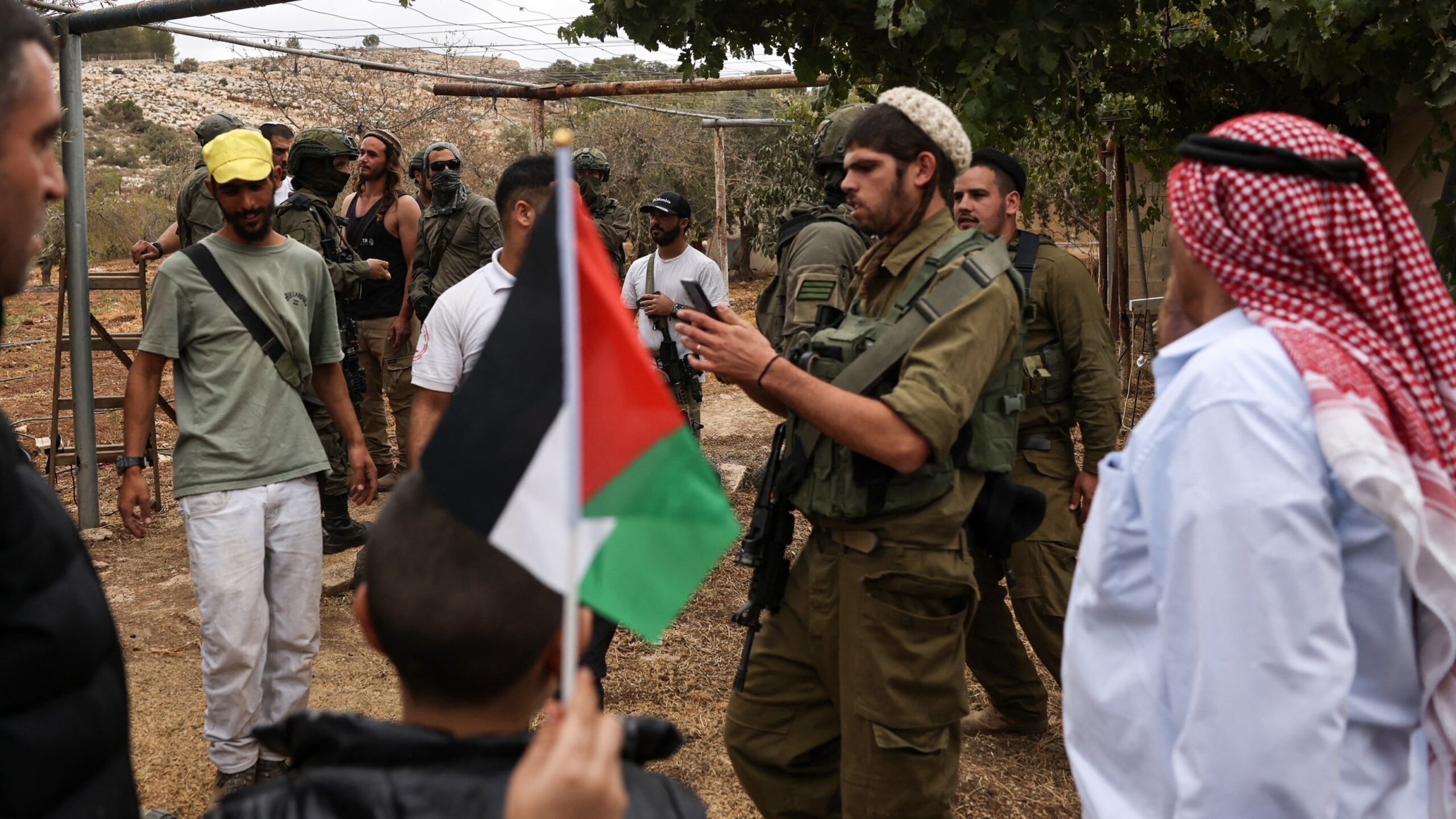
    A significant escalation of settler violence in the occupied West Bank has resulted in the systematic destruction of Palestinian agricultural assets, according to multiple local sources. On Monday, Israeli settlers from the Susya settlement conducted a coordinated assault on farmlands south of Hebron, specifically targeting the Khirbet Khallat al-Homs area southeast of Massafer Yatta.

    The attack involved the deliberate uprooting of approximately 850 olive and grape trees using bulldozers, alongside the vandalization of critical agricultural infrastructure. The targeted destruction specifically affected properties belonging to the Obeid al-Masri family, with reports indicating damage to 500 grapevines and 350 olive trees that constituted their primary livelihood.

    According to the Bedouin rights organization Al-Baydar, this incident represents part of a persistent pattern of violations in the Khallat al-Homs area, where settlers have repeatedly appropriated Palestinian land for grazing livestock. The organization emphasized that these attacks directly threaten agricultural sustainability and economic stability for local farmers.

    This event coincides with a documented surge in settler violence across multiple West Bank regions since October 2023. Recent days have witnessed parallel attacks reported in Hebron, Nablus, Jordan Valley, Jerusalem, and Jericho. In Burqa village northwest of Nablus, settlers incendiarized an agricultural tractor and defaced residential properties with racist graffiti. Simultaneously, settlers excavated land near Khirbet al-Deir in the Jordan Valley to access natural springs, while establishing new unauthorized outposts near Mikhmas northeast of Jerusalem.

    International legal frameworks, particularly the Rome Statute of the International Criminal Court, explicitly classify settlement construction in occupied territories as both illegal and constituting war crimes. Despite this clear legal standing, the Israeli government continues to authorize thousands of new settler homes annually. Unauthorized outposts constructed without governmental approval are additionally proliferating with minimal regulatory intervention.

    Ameer Dawood of the Colonization and Wall Resistance Commission characterized the recent violence as ‘alarming and unprecedented in both scale and intensity,’ noting a consistent pattern of escalation over the past two years that fundamentally undermines Palestinian agricultural communities.