分类: world

  • Palestinian prisoners face ‘hunger, overcrowding and violence’, Israeli report finds

    Palestinian prisoners face ‘hunger, overcrowding and violence’, Israeli report finds

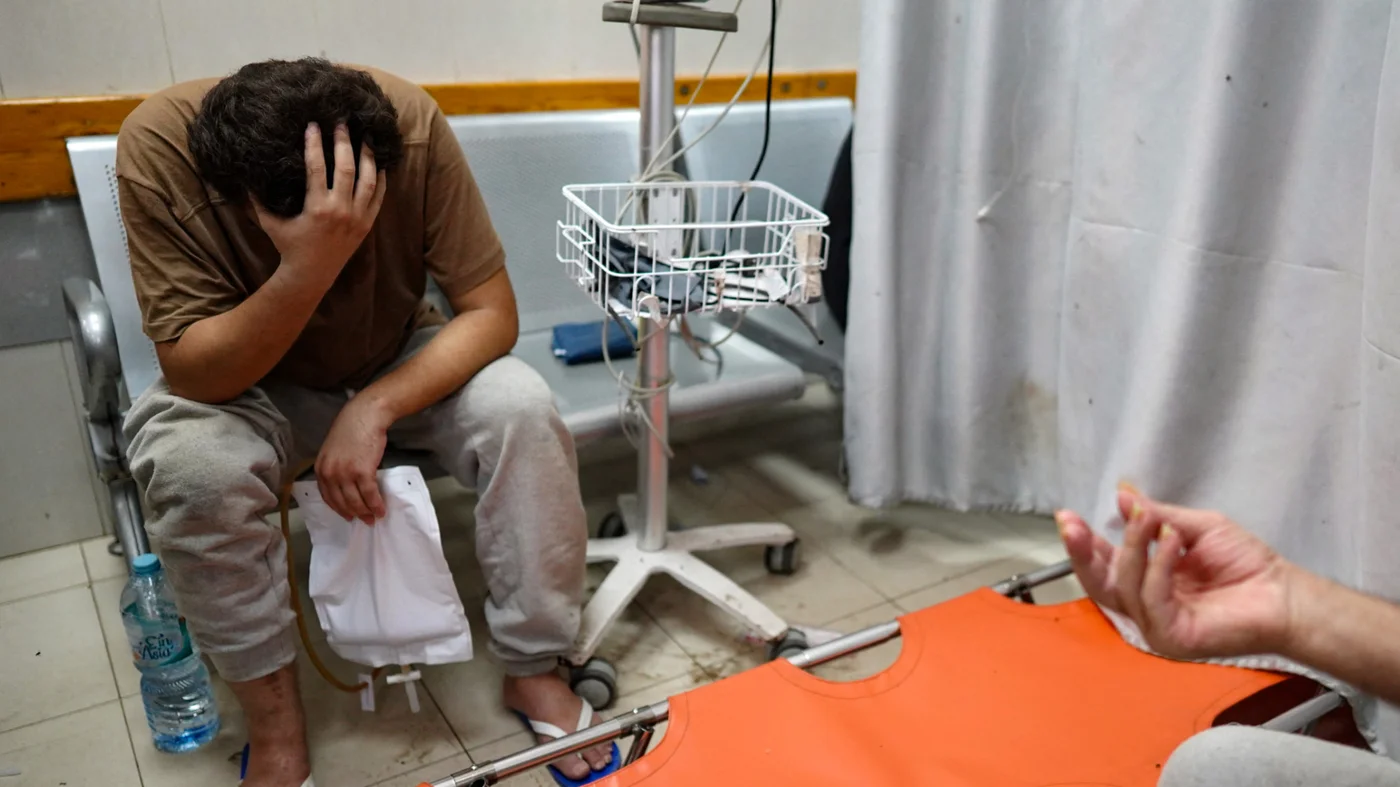
    A damning report from Israel’s own Public Defender’s Office has exposed a humanitarian crisis within the nation’s detention facilities, documenting systematic violence, extreme malnutrition, and severe overcrowding affecting Palestinian prisoners. The investigation, conducted through multiple facility visits in 2023 and 2024, reveals conditions that have drastically deteriorated since October 2023.

    The report details how the Israel Prison Service (IPS) implemented a separate, nutritionally inadequate menu specifically for ‘security prisoners’—a designation predominantly applied to Palestinians. This has resulted in widespread malnourishment, with released detainees describing meals consisting of minuscule portions of undercooked rice shared among several inmates for an entire day. The Public Defender’s Office documented severe hunger manifesting in dramatic weight loss, extreme weakness, and frequent fainting spells among the prison population.

    Despite a Supreme Court ruling in September mandating the provision of adequate food, the report indicates conditions have failed to improve, with some prisoners alleging further reductions in rations. Representatives observed clear signs of severe malnutrition and dehydration during visits, noting many inmates appeared dangerously emaciated.

    The investigation further uncovered widespread and systematic violence perpetrated by prison staff. Detainees reported frequent, unprovoked physical abuse during cell searches, beatings during transfers between wings, and assaults while being transported to court appearances. The Public Defender emphasized this violence was not precipitated by events requiring the use of force.

    These findings align with extensive documentation by media and human rights groups of systemic abuse and torture of Palestinians in Israeli custody, which has surged to unprecedented levels. Since October 2023, at least 100 prisoner deaths have been reported under these conditions, occurring amid widespread accounts of physical abuse, sexual assault, medical neglect, and starvation. Classified Israeli data indicates civilians constitute the majority of these fatalities. The circumstances surrounding these deaths remain largely concealed by prison authorities, and no legal proceedings or accountability measures have been initiated to date.

    The crisis has been exacerbated by a massive arrest campaign following the outbreak of the Gaza war in 2023, which pushed the prison system into extreme overcrowding. The IPS detainee population surged by 3,000 within just two months, reaching approximately 23,000 inmates by late 2024—far exceeding the system’s official capacity of 14,500. Approximately 90% of Palestinian prisoners were confined to living spaces smaller than three square meters, with thousands deprived of beds. Inmates were typically held for 23 hours daily in dark, poorly ventilated cells with inadequate sanitation, sleeping on mattresses on the floor.

    Basic hygiene has become nearly impossible to maintain due to critical shortages of toilet paper, soap, and towels. Cells were stripped of all personal belongings except for a Quran. The report also noted outbreaks of scabies in several Palestinian wings that reached near-epidemic proportions.

    According to Palestinian prisoner-monitoring groups, these deplorable conditions have persisted even after the recent Gaza ceasefire. While at least 9,250 Palestinians are currently held in Israeli jails, the actual figure is believed to be significantly higher, as Israel withholds information on hundreds abducted from Gaza. Nearly half of all Palestinian detainees are held without charge or trial under indefinitely renewable administrative detention orders.


  • Industry voices see growth opportunities as Putin’s India visit renews trade momentum

    Industry voices see growth opportunities as Putin’s India visit renews trade momentum

    Russian President Vladimir Putin’s landmark state visit to India has generated significant optimism among industry leaders, marking his first trip to the nation since the onset of the Ukraine conflict in 2022. The high-level discussions have centered on revitalizing bilateral trade relations, addressing existing imbalances, and identifying innovative sectors for economic collaboration.

    Trade analysis reveals a substantial imbalance in current economic exchanges. According to Ajay Sahai, Director General and CEO of the Federation of Indian Export Organisations (FIEO), India imported approximately $63 billion worth of Russian goods last year while exporting only $5 billion. “This trade is slightly skewed, so we need to balance it and diversify it,” Sahai noted, emphasizing the urgent need for structural trade reforms.

    Despite a sharp decline to $2 billion during the Ukraine conflict, Indian exports to Russia have rebounded to approximately $5 billion. Industry experts identify emerging opportunities in digital payments, fintech integration, and hospitality services as promising avenues for expansion. A substantial Indian business delegation is concurrently exploring opportunities in Russia’s new-age industries, signaling mutual interest in technological exchange.

    Russian industry representatives echo this enthusiasm, recognizing India’s substantial market potential. Stanislav Kislov, CEO of Science-and-Production Centre Mineral Coating Technologies LLC, expressed strong confidence in bilateral cooperation: “India presents remarkable growth potential. After twenty years of operation in Russia, we are now entering the Indian market which offers excellent prospects for our technological solutions.”

    The visit represents a significant diplomatic re-engagement between the two nations, with stakeholders from both countries expressing commitment to developing more balanced trade relationships through sectoral diversification and technological collaboration.

  • Weekly quiz: Where did shopkeepers find a drunk raccoon?

    Weekly quiz: Where did shopkeepers find a drunk raccoon?

    Amid a week of significant international developments, diplomatic efforts to resolve the Ukraine conflict reached another impasse as negotiations failed to produce a breakthrough. The ongoing war continues to dominate global security discussions while creating ripple effects across international markets and alliances.

    In parallel political developments, the United Kingdom witnessed a notable resignation as the head of the Office for Budget Responsibility (OBR) stepped down following a significant publishing error. This departure raises questions about accountability mechanisms within Britain’s fiscal oversight institutions during economically volatile times.

    Meanwhile, Buckingham Palace hosted elaborate diplomatic ceremonies as King Charles III welcomed the German president with a meticulously orchestrated state banquet. The event symbolized ongoing European cooperation efforts despite broader continental tensions, serving as a reminder of traditional diplomatic channels maintaining relationships beneath surface-level political challenges.

    These events occurred alongside numerous other global developments that typically receive less public attention despite their potential long-term significance. From environmental policy shifts to technological advancements and lesser-reported international agreements, the broader landscape of global affairs continues evolving rapidly beneath headline-grabbing events.

    Current affairs quizzes and knowledge assessments have emerged as popular tools for measuring public awareness of these multifaceted developments, highlighting the growing complexity of maintaining informed citizenship in an era of information saturation.

  • Israel ‘bulldozed bodies’ of Palestinian it killed at Gaza aid sites into unmarked graves

    Israel ‘bulldozed bodies’ of Palestinian it killed at Gaza aid sites into unmarked graves

    A comprehensive CNN investigation has uncovered disturbing evidence of Israeli soldiers using bulldozers to dispose of Palestinians killed while attempting to access humanitarian aid near the Zikim crossing into northern Gaza. The remains were reportedly pushed into shallow, unmarked graves or left exposed for extended periods in areas deemed too dangerous for recovery operations.

    The investigation, which analyzed hundreds of videos, photographs, satellite imagery, and eyewitness accounts, reveals a pattern of mishandling the dead that international legal experts indicate violates humanitarian law. Testimonies from aid truck drivers, civil defense workers, and former Israeli military personnel describe recurring scenes of decomposing bodies being bulldozed into sand with no effort toward identification or proper burial.

    Multiple videos geolocated to the Zikim area show the aftermath of shootings targeting Palestinian aid seekers. Footage from June depicts partially buried bodies surrounding an overturned aid truck, while September recordings capture Palestinians fleeing under heavy fire while carrying sacks of flour. Audio forensic analysis confirmed gunfire originating from approximately 340 meters away—corresponding to the distance of an identified Israeli military position.

    Eyewitness accounts describe horrific conditions, with one civil defense worker reporting: ‘The bodies we recovered were decomposed, they had clearly been there for a while, there were signs that dogs had eaten parts of them.’ Another aid driver characterized the area as ‘like the Bermuda Triangle – no one knows what’s happening in that area.’

    The investigation further reveals that this practice appears systemic across Gaza. An Israeli military whistleblower described how nine unarmed Palestinians’ bodies were left to rot near his outpost in early 2024, with commanders ordering bulldozers to cover them with sand. Another former officer confirmed receiving no protocols for handling casualties, leading to ad-hoc decisions to use bulldozers for makeshift burials.

    Satellite imagery shows persistent bulldozing activity around the crossing from mid-June until its closure on September 12, with some operations having no clear operational purpose beyond moving soil and debris. International humanitarian law explicitly requires conflict parties to protect the dignity of the dead, facilitate identification, and allow for proper burial—obligations that legal experts say are being violated by these practices.

  • Rain forecasts raise fears in flood-hit Indonesia, Sri Lanka

    Rain forecasts raise fears in flood-hit Indonesia, Sri Lanka

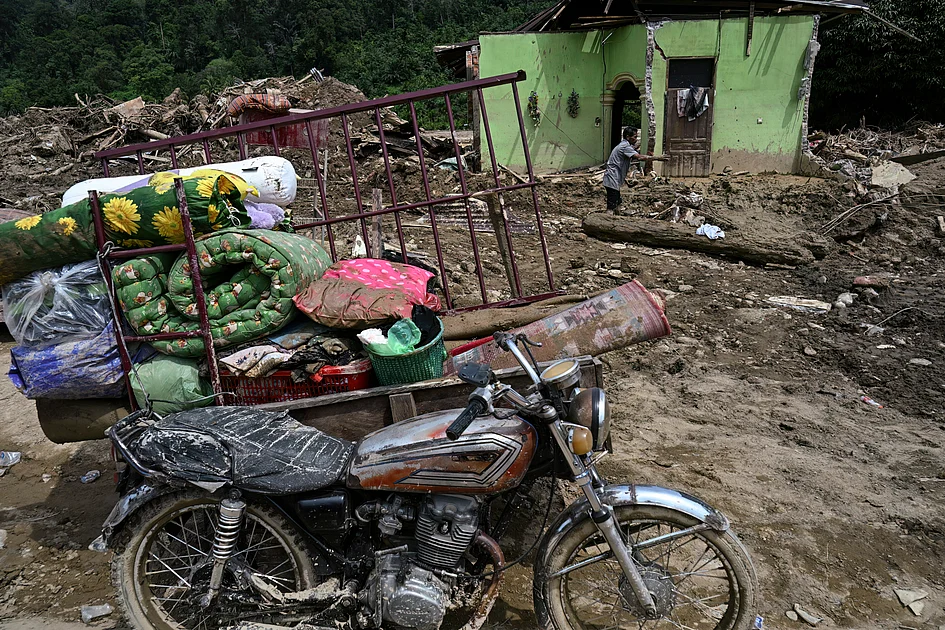
    Meteorological warnings of impending rainfall have triggered widespread alarm throughout flood-ravaged regions of Indonesia and Sri Lanka, where previous cataclysmic flooding has already claimed over 1,500 lives across four Southeast Asian nations. The Indonesian meteorological agency issued specific alerts for Sumatra’s most severely affected provinces, forecasting moderate to heavy precipitation between Thursday and Friday. Although current rainfall intensity remains below last week’s catastrophic levels, the psychological impact on survivors remains profound, with many expressing terror about potential repeat flooding.

    Current official figures place Indonesia’s death toll at 776, with more than 560 individuals still unaccounted for due to compromised communication infrastructure and electrical failures in remote areas. Survivor testimonies reveal harrowing accounts of endurance, including one woman’s experience of being stranded on her rooftop for 48 hours without sustenance. The scale of destruction has overwhelmed local response capabilities, with fuel shortages creating kilometers-long queues at distribution points and relief operations struggling to reach isolated communities.

    The broader meteorological context reveals a disturbing pattern: while seasonal monsoons traditionally provide essential irrigation for agricultural systems, climate change has dramatically altered their behavior, creating erratic and increasingly deadly weather phenomena. Last week’s catastrophic events simultaneously drenched Sri Lanka, Sumatra, southern Thailand, and northern Malaysia through two separate weather systems, creating a regional humanitarian crisis of unprecedented proportions.

    In Sri Lanka, authorities renewed landslide alerts for vulnerable areas and advised against returning to unstable homes. The national death toll has reached 479, with hundreds still missing and survivors reporting entire villages transformed into graveyards. The economic implications are staggering, with preliminary rebuilding estimates approaching $7 billion—a devastating financial burden for a nation still recovering from its worst economic crisis in decades.

  • Pakistan to allow UN humanitarian aid into Afghanistan

    Pakistan to allow UN humanitarian aid into Afghanistan

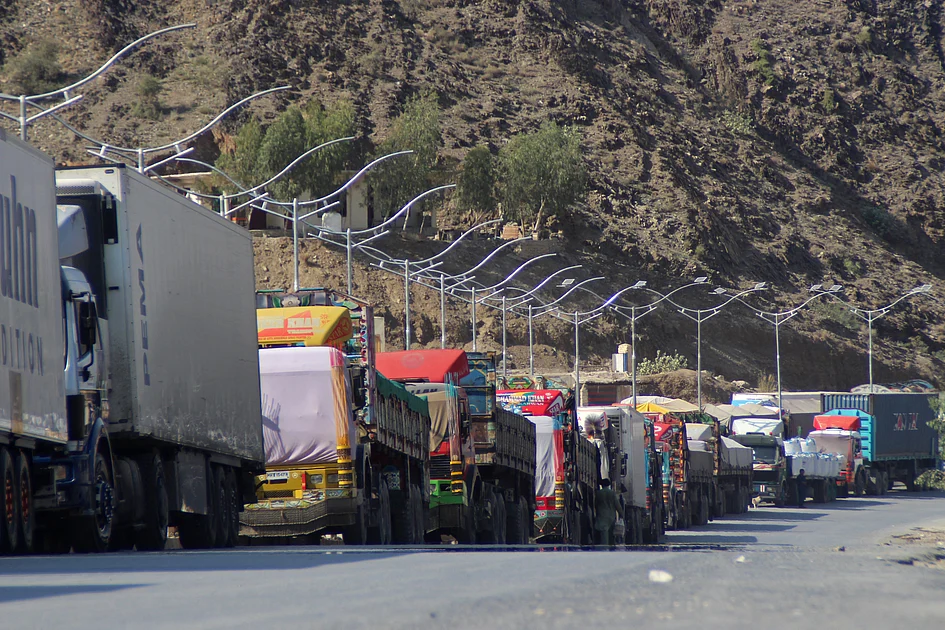
    In a significant humanitarian gesture, Pakistan has authorized the United Nations to transport essential supplies into Afghanistan through a temporary border opening. This marks the first partial reopening since October’s deadly cross-border clashes severely strained relations between the neighboring nations.

    The approval came through a formal exception to Pakistan’s border closure policy, specifically for UN humanitarian containers. According to anonymous government officials, this limited authorization covers critical supplies including food provisions, medicinal products, medical equipment, and other health and education-related essentials.

    The aid delivery will be implemented through a structured three-phase process, though specific timelines for the initial phase remain undisclosed. A United Nations representative confirmed the arrangement, indicating readiness to commence operations once logistical details are finalized.

    However, uncertainty persists on the Afghan side. Authorities in Spin Boldak, the Afghan border city near the crucial Chaman crossing, reported no official notification regarding the humanitarian corridor and confirmed the border gate remains closed.

    The border closure, initiated on October 12 following lethal cross-border exchanges and a subsequent fragile ceasefire, has created substantial economic hardship. The Pakistan-Afghanistan Joint Chamber of Commerce and Industry estimates losses exceeding $100 million on both sides, with approximately 25,000 border region workers affected by the trade suspension.

    Pakistan emphasized that this authorization constitutes a conditional humanitarian exception rather than a full border reopening. Official statements clarify that general trade, immigration, and Afghan Transit Trade arrangements remain suspended indefinitely. The decision reflects ongoing tensions stemming from Islamabad’s allegations that Taliban authorities harbor militants conducting cross-border attacks—claims consistently denied by Afghanistan’s government.

    As Afghanistan’s largest trading partner, Pakistan normally supplies crucial commodities including rice, pharmaceuticals, and raw materials while absorbing nearly half of Afghan exports, according to World Bank data. This humanitarian corridor represents a critical lifeline for a nation facing severe economic and humanitarian challenges.

  • Bomb threat forces IndiGo’s Madinah-Hyderabad flight to land in Ahmedabad

    Bomb threat forces IndiGo’s Madinah-Hyderabad flight to land in Ahmedabad

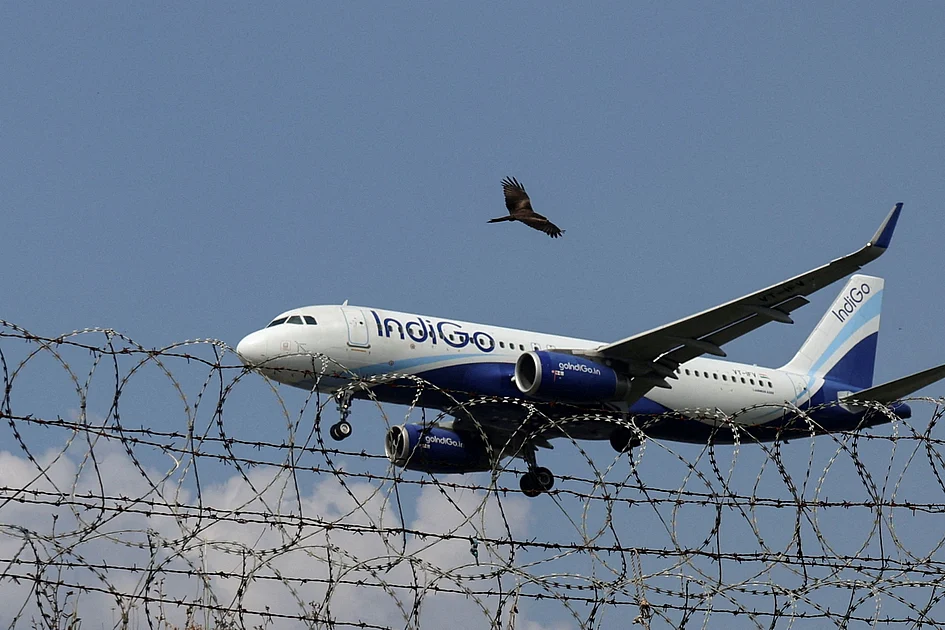
    An international IndiGo Airlines flight traveling from Madinah, Saudi Arabia to Hyderabad, India was urgently diverted to Ahmedabad on Thursday following a credible bomb threat received via email. The aircraft landed safely at Sardar Vallabhbhai Patel International Airport approximately at 12:30 PM local time, where all passengers and crew were immediately evacuated as a standard security precaution.

    According to Deputy Commissioner of Police Atul Bansal, the flight diversion occurred mid-route after the airline received specific threat information indicating explosive devices had been planted aboard the aircraft. Ahmedabad was selected as the emergency landing site as it represented the nearest available airport at the time of the threat assessment.

    Indian authorities initiated comprehensive security protocols upon landing, including a thorough sweep of the aircraft by specialized bomb detection and disposal teams. The incident comes amid operational challenges for IndiGo, which has recently experienced significant flight disruptions due to crew rostering issues, though authorities confirm this security incident is unrelated to those internal logistical matters.

    Aviation security experts emphasize that such threats, whether hoax or credible, trigger immediate response protocols under international aviation security conventions. The incident highlights continuing security challenges facing commercial aviation and the sophisticated response mechanisms now standard across international airports.

  • Visa chaos, match relocation threats: How Trump disrupted World Cup plans

    Visa chaos, match relocation threats: How Trump disrupted World Cup plans

    The upcoming 2026 FIFA World Cup, historically significant as the first tournament co-hosted by three nations, faces extraordinary organizational challenges stemming from Trump administration policies. With just six months remaining until the global soccer spectacle, the United States—set to host 82 of the 104 matches—finds itself at the center of escalating controversies that threaten to undermine the event’s operational stability.

    Visa restrictions represent perhaps the most immediate concern. Hundreds of thousands of international fans planning to attend the tournament must navigate stringent immigration policies that have become a cornerstone of Trump’s second term. The administration recently imposed travel restrictions on nineteen nations, including World Cup participants Haiti and Iran, while simultaneously implementing a special fast-track visa process for ticket holders. However, Secretary of State Marco Rubio emphasized that match tickets don’t guarantee entry, stating all applicants must undergo identical vetting procedures regardless of expedited appointments.

    Beyond immigration concerns, the tournament faces potential venue disruptions. President Trump has repeatedly threatened to relocate matches from several Democratic-led cities—including Boston, San Francisco, Seattle, and Los Angeles—citing unspecified security reasons. Such moves would create logistical nightmares for FIFA and fans who have already made travel arrangements, though host city contracts generally permit venue changes only for catastrophic circumstances like natural disasters or civil unrest.

    Adding to the climate of uncertainty, National Guard troops have been deployed to many potential host cities, while aggressive immigration raids targeting undocumented migrants have created palpable tension within Latino communities. These security measures may continue throughout the tournament period.

    The geopolitical landscape further complicates matters. Despite co-hosting responsibilities, Canada and Mexico have faced aggressive trade policies including steep tariffs and even territorial threats. Trump’s suggestion of potential airstrikes against Mexican drug cartels and remarks about annexing Canadian territory have strained diplomatic relations critical for seamless tournament coordination.

    This confluence of immigration policies, security deployments, and international tensions creates unprecedented challenges for the expanded 48-team tournament, testing FIFA’s organizational capacity and potentially affecting the experience for players and fans alike.

  • Israeli strikes kill five Palestinians sheltering in Gaza makeshift camp

    Israeli strikes kill five Palestinians sheltering in Gaza makeshift camp

    Israeli military forces conducted a series of drone strikes late Wednesday targeting a displaced persons camp west of Khan Younis in southern Gaza, resulting in five Palestinian fatalities including two children. The attack occurred within an area previously designated as a humanitarian safe zone, marking another significant breach of the ongoing ceasefire agreement.

    The Israeli Defense Forces (IDF) justified the operation as a response to earlier exchanges of fire between its troops and Hamas fighters allegedly trapped in tunnels within Rafah. Military officials claimed the strikes targeted a ‘Hamas operative’ and resulted in five soldier casualties, though no evidence was provided to substantiate these claims.

    Gaza Civil Defence spokesperson Mahmoud Basal vehemently contradicted Israel’s account, stating the victims were sheltering in a camp considered secure and were not in a combat zone. ‘How many more massacres must be committed before everyone understands that what is happening in Gaza is not a response to an incident but systematic targeting of civilians?’ Basal questioned.

    The incident sparked diplomatic repercussions as Hamas condemned the attack as a ‘blatant war crime’ and accused Israel of demonstrating ‘flagrant disregard’ for the ceasefire agreement. The group urged international mediators to pressure Israel to halt civilian attacks and honor its obligations.

    Meanwhile, the body of Thai national Sudthisak Rinthalak was returned to Israel through the Red Cross, with ongoing efforts to locate police officer Ran Gvili, the remaining captive buried in Gaza. This development increases pressure on both parties to advance to the next phase of the ceasefire agreement.

    US President Donald Trump indicated the next phase would ‘happen pretty soon,’ though negotiations face challenges. Middle East Eye reported the US is struggling to establish an international stabilization force for Gaza due to disagreements over Turkey’s participation, despite UN Security Council approval and support from multiple nations.

    The Wednesday strikes represent the latest in approximately 600 reported ceasefire violations since October, resulting in over 360 fatalities and 900 injuries. Israel continues to restrict movement through the Rafah crossing and limit aid deliveries to approximately 200 trucks daily, significantly below the agreed 600-truck threshold.

  • Magnitude 6 earthquake strikes China’s Xinjiang region

    Magnitude 6 earthquake strikes China’s Xinjiang region

    A substantial earthquake measuring 6.0 on the Richter scale struck northwestern China’s Xinjiang region on Thursday afternoon, according to official reports from the China Earthquake Networks Center (CENC). The seismic event occurred at precisely 3:44 PM local time near Akqi county, an area adjacent to the mountainous border between China and Kyrgyzstan.

    Seismological data indicates the tremor originated at a relatively shallow depth of approximately 10 kilometers (6.2 miles), potentially amplifying ground shaking and surface impact across the affected region. The epicenter’s proximity to international borders suggests possible felt effects in neighboring Central Asian territories.

    The timing of the quake during daylight hours likely facilitated immediate emergency response coordination, though the remote, mountainous terrain presents significant challenges for damage assessment and potential rescue operations. Earthquake preparedness in this seismically active region has been a priority for Chinese authorities, who maintain extensive monitoring systems across Xinjiang’s vast territory.

    Historical seismic activity in this border region between the Tien Shan and Pamir mountain ranges indicates moderate to strong earthquakes occur with some frequency, though events exceeding magnitude 6 remain relatively uncommon. The area’s sparse population density may help mitigate potential casualties and structural damage.

    Chinese seismic authorities continue to monitor aftershock potential while coordinating with local emergency management teams to assess possible impacts on infrastructure and communities throughout the affected area.