分类: world

  • ‘Doomsday Clock’ moves closer to midnight, a year into Trump term

    ‘Doomsday Clock’ moves closer to midnight, a year into Trump term

    In a sobering announcement marking heightened global instability, the symbolic Doomsday Clock has been adjusted to 85 seconds before midnight—the closest it has ever been to representing total planetary catastrophe. The Bulletin of the Atomic Scientists, the organization behind the clock, cited escalating nuclear threats, climate inaction, and the corrosive spread of disinformation as primary drivers of this alarming shift.

    The decision, made following consultations with experts including eight Nobel laureates, reflects a world where major powers like Russia, China, and the United States have grown increasingly adversarial and nationalistic. A statement released with the update warned that ‘hard-won global understandings are collapsing,’ accelerating great-power competition and undermining international cooperation on critical risks including nuclear war, climate change, and the misuse of emerging technologies.

    Key factors influencing the move include the impending expiration of the New START nuclear arms treaty between the U.S. and Russia, alongside the Trump administration’s push for a space-based missile defense system dubbed ‘Golden Dome.’ The board also highlighted record-breaking carbon emissions following a sharp reversal of U.S. climate policy and backtracking by other nations.

    Adding to the crisis, the bulletin pointed to an ‘information Armageddon’—a collapse of public trust fueled by predatory technology that spreads falsehoods and profits from societal division, as noted by Nobel Prize-winning journalist Maria Ressa.

    Founded in 1947 by Albert Einstein and J. Robert Oppenheimer, the Doomsday Clock began at seven minutes to midnight. This year’s four-second advance follows a one-second move last year, erasing earlier guarded optimism about diplomatic engagement under Trump’s second term.

  • Israel kills TV presenter, two others in Lebanon

    Israel kills TV presenter, two others in Lebanon

    A targeted Israeli drone strike has resulted in the death of Ali Nour al-Din, a television presenter for Lebanon’s Hezbollah-affiliated Al-Manar TV station, in the southern city of Tyre. The attack has drawn sharp condemnation from Lebanese officials and raised concerns about escalating violence against media personnel in the region.

    Hezbollah immediately characterized the killing as indicative of Israel’s expanding escalation strategy targeting Lebanon’s media community. Lebanese Information Minister Paul Morcos publicly denounced the strike on social media platform X, labeling it a clear war crime and violation of international laws protecting journalists.

    In a separate incident, an Israeli drone strike in Kfar Rumman claimed the lives of Egyptian national Abdul Nabi Ramadan Ameen Al Sayed and Lebanese citizen Samer Hteit when their vehicle was hit, according to reports from the Quds news network.

    These developments occur amid Lebanon’s formal submission of a complaint to the United Nations documenting 2,036 Israeli ceasefire violations between October and December 2025. The Lebanese government asserts these actions constitute clear breaches of UN Security Council Resolution 1701, which ended the 2006 conflict between Israel and Hezbollah.

    The current tensions follow a November 2024 ceasefire that halted months of intensified clashes that had escalated into full-scale warfare the previous September. During that conflict, Israel eliminated several key Hezbollah leaders including long-time chief Hassan Nasrallah, significantly degrading the group’s operational capabilities. Hezbollah has maintained restraint for nearly a year without launching retaliatory operations.

  • Tens of thousands flee northwest Pakistan over fears of military operation

    Tens of thousands flee northwest Pakistan over fears of military operation

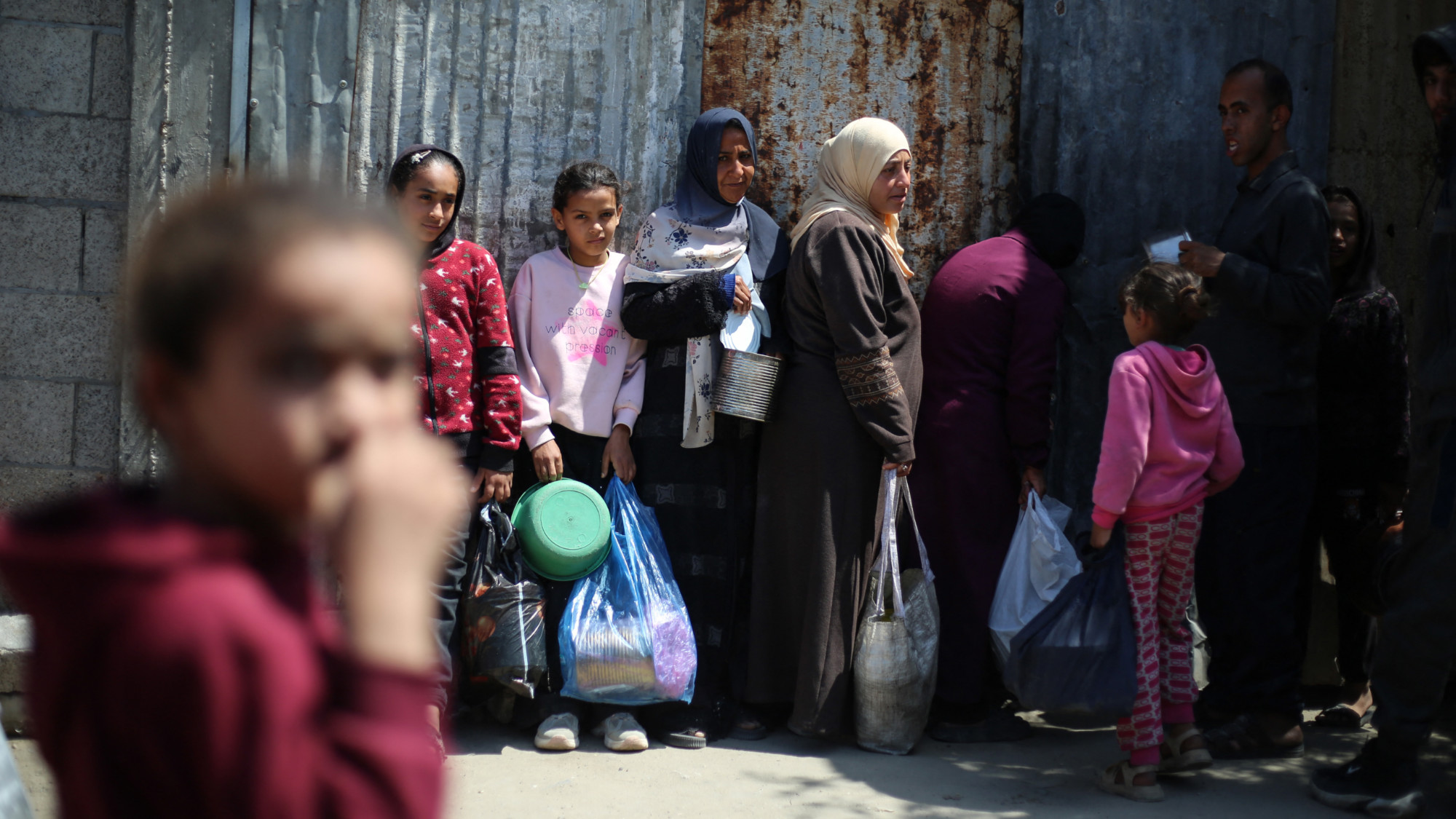
    A significant humanitarian crisis is unfolding in northwestern Pakistan’s Khyber Pakhtunkhwa province, where over 70,000 predominantly female and child evacuees have abandoned their homes in the Tirah region bordering Afghanistan. The mass displacement follows mounting uncertainty regarding potential military operations against Tehrik-e-Taliban Pakistan (TTP) militants in the area.

    Contradictory narratives have emerged between provincial and federal authorities regarding the exodus. Khyber Pakhtunkhwa provincial government spokesman Shafi Jan has publicly attributed the displacement to federal government policies, asserting that Islamabad has reversed its earlier stance on military operations. Meanwhile, Defense Minister Khawaja Mohammad Asif has categorically denied any ongoing or planned military action in Tirah, instead attributing the migration patterns to severe winter conditions.

    The displacement wave began approximately one month after mosque announcements urged residents to evacuate by January 23rd to avoid potential combat situations. This follows similar operations in August within Bajaur district that displaced hundreds of thousands. Local administrator Talha Rafiq Alam confirmed the registration of approximately 10,000 families (estimated 70,000 individuals) from Tirah’s total population of 150,000, with registration deadlines extended to February 5th.

    Eyewitness accounts contradict official statements, with 35-year-old evacuee Zar Badshah reporting mortar shell explosions in villages that allegedly killed one woman and injured four children. Minority communities including Sikh residents have also fled, citing severe food shortages exacerbated by heavy snowfall and security concerns.

    The political dimension intensifies as Khyber Pakhtunkhwa Chief Minister Suhail Afridi, representing imprisoned former Prime Minister Imran Khan’s party, has criticized military intentions and vowed to prevent full-scale operations in Tirah. Meanwhile, the military maintains its commitment to intelligence-based operations against TTP militants, who authorities claim have established sanctuaries in Afghanistan and frequently use local residents as human shields during raids.

    The situation remains particularly volatile since the Afghan Taliban’s 2021 return to power, which has emboldened TTP operations despite being a separate entity. The region previously gained national attention in September following a compound explosion that killed at least 24 people, with conflicting accounts between authorities claiming militant casualties and locals reporting civilian deaths.

  • Dutch court sentences Eritrean man to 20 years for cruel people smuggling

    Dutch court sentences Eritrean man to 20 years for cruel people smuggling

    THE HAGUE, Netherlands — In a landmark ruling addressing transnational human trafficking, an Eritrean national has received the maximum 20-year prison sentence from a Dutch court for orchestrating a brutal smuggling network that preyed on vulnerable migrants. Tewelde Goitom, operating under the alias Amanuel Walid, was convicted on multiple counts of people smuggling and extortion by the Overijssel District Court.

    The court established that Goitom led a criminal enterprise that subjected migrants to what Presiding Judge René Melaard described as “cruel, violent, and degrading treatment” throughout their Mediterranean crossing attempts. Migrants were held captive in Libyan camps under horrific conditions while their families in the Netherlands were systematically extorted for payment.

    Judge Melaard characterized the case as “exceptionally serious” due to both the scale of operations and the particularly brutal methods employed. “You and your accomplices were merciless, unscrupulous, and devoid of regard for human dignity,” Melaard stated during sentencing, emphasizing that the crimes represented “gross undermining of Dutch and European immigration policy.”

    The prosecution demonstrated that Goitom’s network operated a sophisticated extortion scheme where migrants were forced to contact relatives under duress, with payments processed through multiple jurisdictions including the United Arab Emirates. Only upon full payment were migrants permitted to continue their perilous journeys toward Europe.

    Goitom, who was extradited from Ethiopia in 2022 where he faced similar convictions, maintained throughout the trial that he was a victim of mistaken identity. The court rejected this defense along with jurisdictional challenges from his legal team, though acquitted him on two specific migrant cases due to insufficient evidence.

    In addition to the prison term, Goitom was ordered to pay over €30,000 ($35,000) in victim compensation. The ruling comes as Dutch authorities pursue another high-profile trafficker, Kidane Zekarias Habtemariam, recently extradited from the UAE after escaping custody during his Ethiopian trial.

  • Iran official says businesses’ internet access may be restored in coming days

    Iran official says businesses’ internet access may be restored in coming days

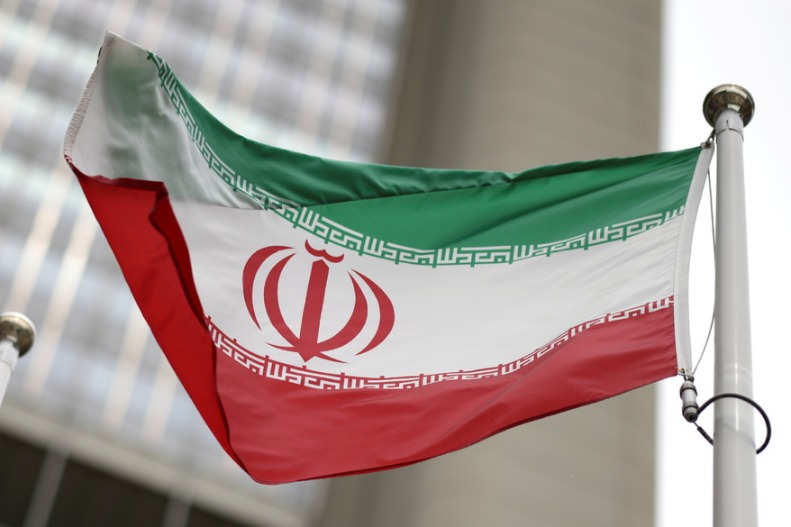
    Iranian authorities have indicated that international internet access for businesses might be restored within days, following an 18-day nationwide blackout imposed during widespread anti-government protests. Hossein Rafieian, a senior digital economy official, stated through the Mehr news agency that corporate internet connectivity could return within “the next day or two,” though he acknowledged the final decision rests beyond his direct authority.

    The internet shutdown, which monitoring group Netblocks confirms has persisted for over two weeks, has drawn international condemnation as rights organizations report it has enabled a violent crackdown on demonstrators. According to the US-based Human Rights Activists News Agency (HRANA), the confirmed death toll has reached 5,848 individuals, including 209 security personnel, with an additional 17,091 potential fatalities under investigation. The organization estimates at least 41,283 arrests have occurred.

    Iranian officials provided their first official casualty figures last week, claiming 3,117 deaths—mostly security forces and civilians allegedly killed by protesters described as “rioters.” The protests initially emerged in late December over economic concerns but rapidly evolved into a broad movement challenging the Islamic Republic’s leadership, culminating in massive demonstrations beginning January 8.

    The economic impact of the digital blackout remains contested. Iran’s deputy telecommunications minister estimated daily losses between $3-4 million, while NetBlocks calculated a significantly higher economic damage exceeding $37 million daily. The internet monitor also noted authorities were intensifying filtering measures to limit circumvention while promoting state-approved narratives through whitelisted accounts.

  • Last remaining twin giant pandas in Japan depart for China

    Last remaining twin giant pandas in Japan depart for China

    Japan’s panda chapter closed on Tuesday as the nation’s final remaining giant pandas, twin siblings Xiao Xiao and Lei Lei, departed from Tokyo’s Ueno Zoological Gardens en route to China. This historic departure marks the first absence of giant pandas in Japan since 1972, when the iconic bears first arrived as symbols of normalized diplomatic relations between the two nations.

    The beloved twins, born in 2021 to parents Shin Shin and Ri Ri (who returned to China in September 2024), were transported via specialized truck convoy to Narita International Airport for their scheduled flight to China. Their departure fulfills a bilateral agreement between China and Japan that stipulated the pandas’ return by February 2026, with Japanese authorities coordinating an earlier transfer date through diplomatic channels.

    In their final days at Ueno zoo, the pandas attracted unprecedented public attention. The institution implemented a combined reservation-and-lottery system to manage overwhelming visitor demand, offering approximately 4,400 daily viewing slots. Mainichi Shimbun reported extraordinary public engagement, with 311,500 applications submitted and final-day reservations exceeding capacity by 24.6 times. Even those unsuccessful in the lottery gathered at the zoo to bid emotional farewells to the departing celebrities.

    Mikako Kaneko, deputy director of Ueno zoo, expressed profound gratitude to the countless supporters who had followed and nurtured the pandas’ development throughout their residence. This departure follows the June 2025 return of four giant pandas from Wakayama Prefecture, completing the gradual repatriation of China’s loaned pandas across Japanese institutions.

    The panda diplomacy program, initiated five decades ago, has served as both a conservation effort and diplomatic bridge between China and Japan. The current absence represents a significant moment in Sino-Japanese cultural exchange, though future panda loans remain possible through ongoing bilateral agreements.

  • Philippines grounds ferry operator’s fleet after deadly sinking

    Philippines grounds ferry operator’s fleet after deadly sinking

    Philippine authorities have imposed an immediate suspension on all passenger vessels operated by Aleson Shipping Lines following the catastrophic sinking of MV Trisha Kerstin 3 that claimed 18 lives. The dramatic maritime disaster occurred during early morning hours on Monday off the southwestern coast of Mindanao, with 344 passengers and crew aboard the ill-fated ferry.

    Transportation Secretary Giovanni Lopez announced the comprehensive grounding order on Tuesday, revealing that the maritime regulator and coast guard would conduct an intensive safety audit over the next ten days. The decisive action comes as President Ferdinand Marcos Jr. ordered a full-scale investigation into the tragedy. “If it turns out the shipowners were deficient, they will expect the full force of the law,” Lopez stated during a press briefing, emphasizing the government’s zero-tolerance approach to maritime safety violations.

    The sunken vessel now rests approximately 76 meters (249 feet) beneath the ocean surface, creating challenging conditions for recovery operations. Coast Guard Commandant Ronnie Gavan confirmed that 10 individuals remain missing, including the ship’s captain, eight crew members, and a safety marshall. Search-and-rescue missions continue as priority, with 16 technical divers and remotely operated vehicles being deployed from Manila to assist in both recovery efforts and the forthcoming investigation.

    Disturbingly, this incident marks the second tragedy on nearly identical routes within three years. In 2023, the Lady Mary Joy 3 ferry fire resulted in 31 fatalities—another vessel owned by the same shipping company. Lopez disclosed that Aleson Shipping Lines has experienced 32 recorded safety “incidents” at sea, though specific details were not immediately provided.

    Survivor accounts paint a troubling picture of potential negligence. Aquino Sajili, a 53-year-old lawyer who survived the sinking, recounted to AFP that crew members failed to alert passengers as the vessel began tilting dangerously. “No one from the crew alerted us,” Sajili described, noting how passengers rushed to one side in a desperate attempt to counterbalance the listing ship before hearing a “loud snap” that preceded rapid submersion. Survivors spent hours floating in life jackets awaiting rescue, with Sajili indicating that legal action against the shipping company appears inevitable.

    The Philippines continues to grapple with maritime safety challenges in its extensive archipelago nation, where inter-island ferries serve as vital transportation links between more than 7,000 islands. This latest incident recalls previous tragedies including the 2015 Leyte Island capsizing (60+ fatalities) and the 1987 Dona Paz collision with an oil tanker—the world’s worst peacetime maritime disaster claiming over 4,000 lives.

  • Watch: Huge landslide in Sicily after Storm Harry

    Watch: Huge landslide in Sicily after Storm Harry

    A catastrophic landslide has struck the eastern coastline of Sicily, prompting the emergency evacuation of over a thousand residents. The disaster occurred in the wake of Storm Harry, which unleashed torrential rains that destabilized the terrain in the Catania province.

    Dramatic footage captured the moment vast sections of earth and vegetation cascaded down hillsides, threatening residential areas and critical infrastructure. Italian civil protection authorities and emergency services executed a rapid response operation, relocating citizens to temporary shelters as a precautionary measure against further geological activity.

    Meteorological experts attribute the landslide’s severity to a combination of saturated soil conditions from prolonged precipitation and potentially vulnerable geological formations characteristic of the region. This event highlights growing concerns about extreme weather patterns and their impact on Mediterranean communities, particularly in areas with significant coastal development.

    The regional government has declared a state of emergency in affected municipalities, initiating damage assessment procedures and requesting federal support for reconstruction efforts. Geotechnical teams are currently evaluating slope stability across adjacent areas to determine additional evacuation needs.

  • Ukrainians battle harsh winter after Russia targets energy infrastructure

    Ukrainians battle harsh winter after Russia targets energy infrastructure

    Millions of Ukrainian civilians are confronting a severe humanitarian crisis as a brutal winter sets in, following a sustained campaign of targeted strikes on the nation’s critical energy infrastructure. With thermometers consistently registering at approximately -15°C (5°F), the destruction of power generation and distribution facilities has precipitated widespread blackouts, depriving entire cities of essential heating and electricity.

    The strategic offensive against Ukraine’s energy grid has resulted in a catastrophic degradation of basic services. Urban centers, including the capital Kyiv, are experiencing rolling blackouts, compelling residents to seek refuge in emergency shelters and rely on communal heating points established by local authorities. The systematic nature of the attacks has hampered repair efforts, leaving utility crews struggling to restore even minimal functionality against the backdrop of ongoing security threats.

    This energy warfare has profound implications beyond immediate discomfort. The disruption affects vital medical services, water supply systems, and telecommunications, creating a cascading effect on public health and safety. International aid organizations are ramping up efforts to deliver generators, warm clothing, and essential supplies, yet the scale of the need vastly outstrips the current response. The situation exemplifies a new dimension of modern conflict, where civilian comfort and survival are directly targeted to apply strategic pressure during winter months.

  • 10 still missing after ferry carrying 344 sinks in S Philippines

    10 still missing after ferry carrying 344 sinks in S Philippines

    Rescue operations continue in the southern Philippines as authorities search for ten missing individuals following the sinking of the inter-island ferry M/V Trisha Kerstin 3. The vessel, which capsized early Monday in waters off Basilan province, was carrying 344 passengers and crew according to revised figures released by the Philippine Coast Guard on Tuesday.

    The maritime disaster has claimed 18 confirmed lives while rescue teams have successfully recovered 316 survivors from the treacherous waters. The Coast Guard adjusted initial passenger counts downward from 359 after verification revealed 15 individuals listed on boarding manifests never actually embarked on the ill-fated voyage.

    Coast guard personnel were photographed attending to survivors in the aftermath of the tragedy, providing emergency medical care and transportation to safety. The incident represents one of the most significant maritime accidents in the region in recent years, raising questions about safety protocols for inter-island transportation in the Philippine archipelago.

    The sinking occurred in a region known for challenging maritime conditions, though the exact cause of the disaster remains under investigation. Search and recovery operations continue with coast guard assets deployed across the affected area, working against time and weather conditions to locate the remaining missing persons.