分类: world

  • Alleged Bondi shooter charged with 59 offenses by Australian police

    Alleged Bondi shooter charged with 59 offenses by Australian police

    Australian authorities have formally pressed 59 criminal charges against Naveed Akram, the 24-year-old individual allegedly responsible for the devastating mass shooting at Bondi Beach. The New South Wales police confirmed on Wednesday that Akram faces multiple severe charges, including 15 counts of murder and one count of committing a terrorist act.

    The tragic incident occurred during a Hanukkah celebration on Sunday, targeting the Jewish community’s festival gathering. Akram, who had been in a medically induced coma following the attack, regained consciousness on Tuesday and remains hospitalized under strict police supervision.

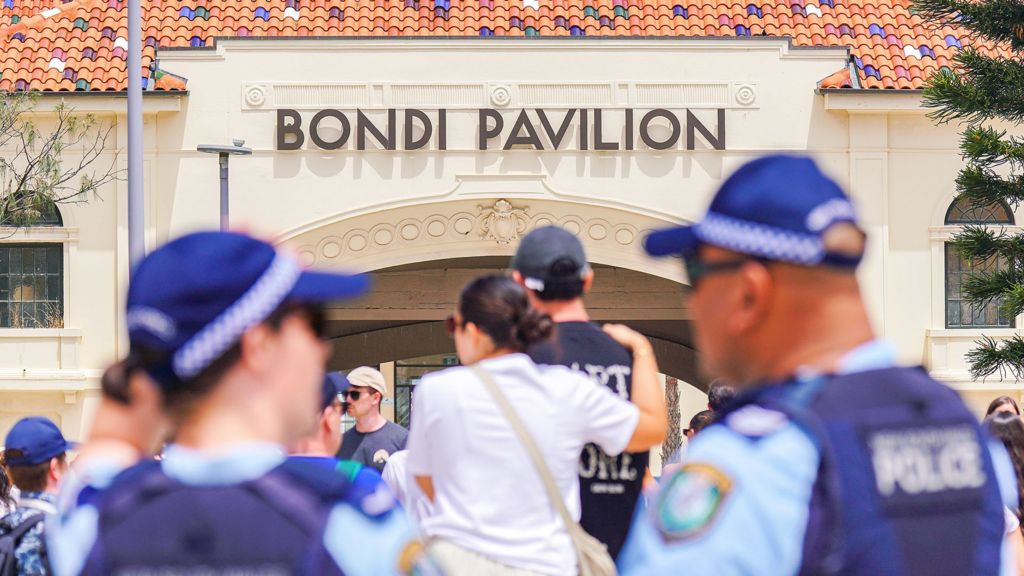
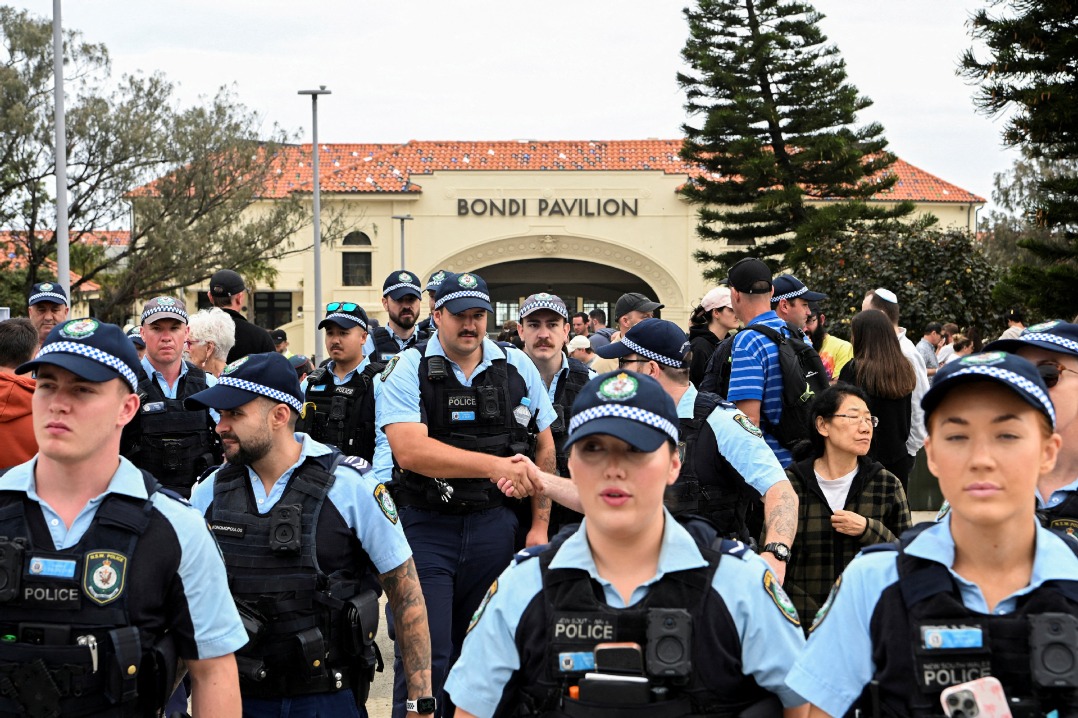
    Law enforcement officials continue their comprehensive investigation into the massacre that shocked the nation. The Bondi Beach area, typically known for its vibrant atmosphere and tourist attractions, has transformed into a solemn memorial site with countless floral tributes honoring the victims. Community members and officials have gathered at the beachfront pavilion to pay respects to those who lost their lives in what authorities are treating as a religiously-motivated terrorist attack.

    The extensive list of charges reflects the gravity of the offense and the thoroughness of the ongoing criminal investigation. Australian counterterrorism units are working closely with international partners to establish potential connections and motivations behind the attack. This case represents one of the most significant mass shooting incidents in Australia’s recent history, prompting nationwide discussions about public safety and religious tolerance.
  • Iran, Russia vow to speed up implementing int’l transport route

    Iran, Russia vow to speed up implementing int’l transport route

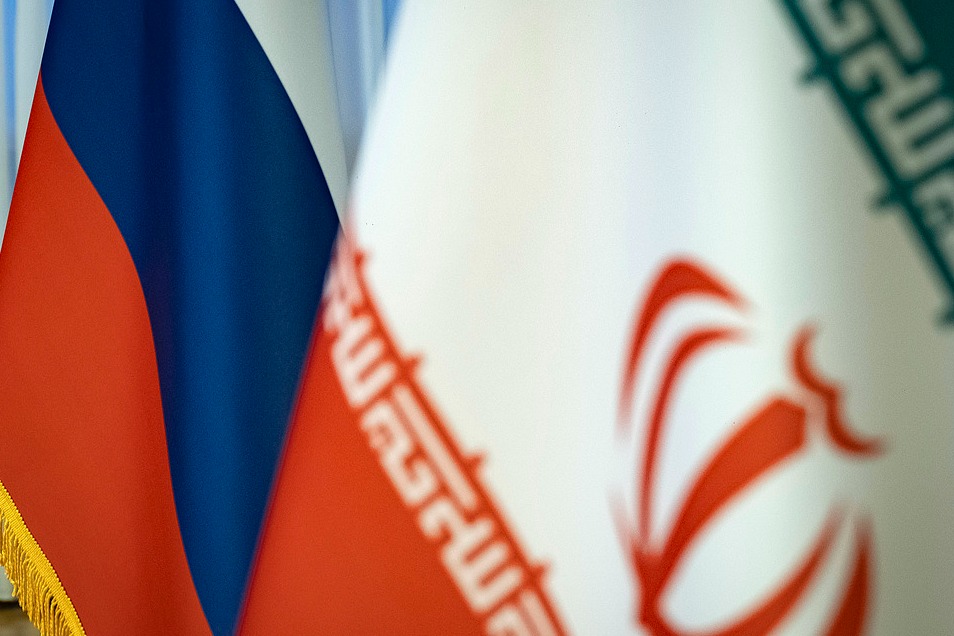
    TEHRAN – In a significant development for Eurasian connectivity, Iran and Russia have pledged to expedite the implementation of a major international transport corridor designed to link South Asia with Northern Europe. The commitment was solidified during high-level talks held in Tehran on Tuesday between Ali Larijani, Secretary of Iran’s Supreme National Security Council, and Vitaly Savelyev, Russia’s Deputy Prime Minister for Transport.

    The discussions centered on the International North-South Transport Corridor (INSTC), a multi-modal network of ship, rail, and road routes. Mr. Larijani emphasized Iran’s full preparedness to advance the project, declaring the nation’s intention to promptly eliminate existing executive and institutional hurdles. He confirmed that Iran would enact all necessary agreements to provide a robust legal and administrative foundation for the corridor’s construction and operation.

    Echoing this determination, Deputy Prime Minister Savelyev welcomed Iran’s decisive stance and affirmed Moscow’s readiness to transition the ambitious initiative into its operational phase. Both officials underscored that the INSTC represents a cornerstone of their joint strategic objective to fortify sustainable bilateral cooperation and establish independent regional supply chains, reducing reliance on traditional routes.

    The project gained substantial momentum in July 2023 when the two nations signed an executory contract for a critical 162-kilometer railway segment within Iran. This rail link, upon completion, will connect the northern Iranian cities of Rasht and Astara, forming a vital segment of the broader corridor and significantly enhancing freight capacity across the region.

  • Video: Couple in their 60s shot dead while trying to stop Bondi Beach attackers

    Video: Couple in their 60s shot dead while trying to stop Bondi Beach attackers

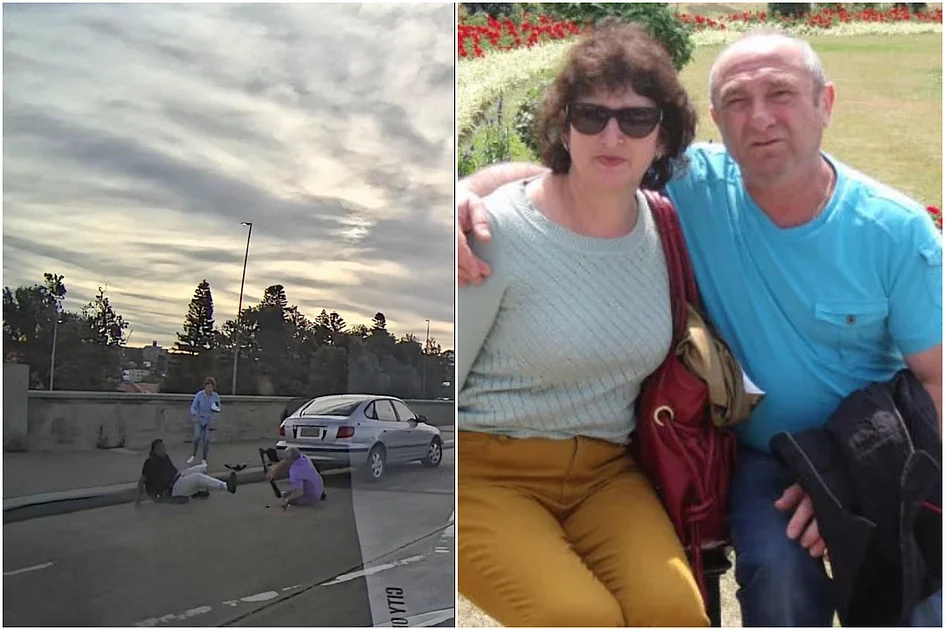
    In a devastating terrorist attack at Sydney’s Bondi Beach that claimed 15 lives, three civilians are being recognized for their extraordinary bravery in confronting armed assailants during Australia’s deadliest mass shooting in nearly three decades. Boris and Sofia Gurman, a Russian-Jewish couple in their sixties, were captured on dashcam footage physically engaging one gunman as he exited his vehicle, ultimately sacrificing their lives while attempting to disarm the attacker.

    The verified footage shows Mr. Gurman, wearing a lavender shirt and shorts, wrestling for control of a long-barrelled weapon with one assailant before both collapse behind a silver hatchback. Subsequent drone imagery reveals the couple lying motionless near the pedestrian bridge where police later neutralized the attackers. The couple’s family expressed overwhelming pride in their ‘bravery and selflessness’ despite the profound grief of their loss.

    Prime Minister Anthony Albanese identified the Gurmans among the victims of what authorities describe as an Islamic State-inspired terrorism act targeting the Jewish community. Officials allege a father-son duo perpetrated the attack during a Jewish holiday event.

    In a parallel act of courage, 62-year-old Reuven Morrison also lost his life after confronting the attackers. His daughter reported that Morrison immediately began throwing bricks and shouting at the assailant to protect his community. Social media footage corroborates his attempts to disrupt the violence before being fatally shot.

    The attack also produced another hero: Ahmed al Ahmed, a 43-year-old Muslim father of two, who successfully disarmed one gunman from behind despite sustaining gunshot wounds. His actions sparked an outpouring of public support, with donations for his medical recovery exceeding A$2.4 million. Ahmed remains hospitalized while the nation processes this tragedy that has united Australians across religious and ethnic divides.

  • Magnitude 4.3 earthquake hits Saudi Arabia; was it felt in UAE?

    Magnitude 4.3 earthquake hits Saudi Arabia; was it felt in UAE?

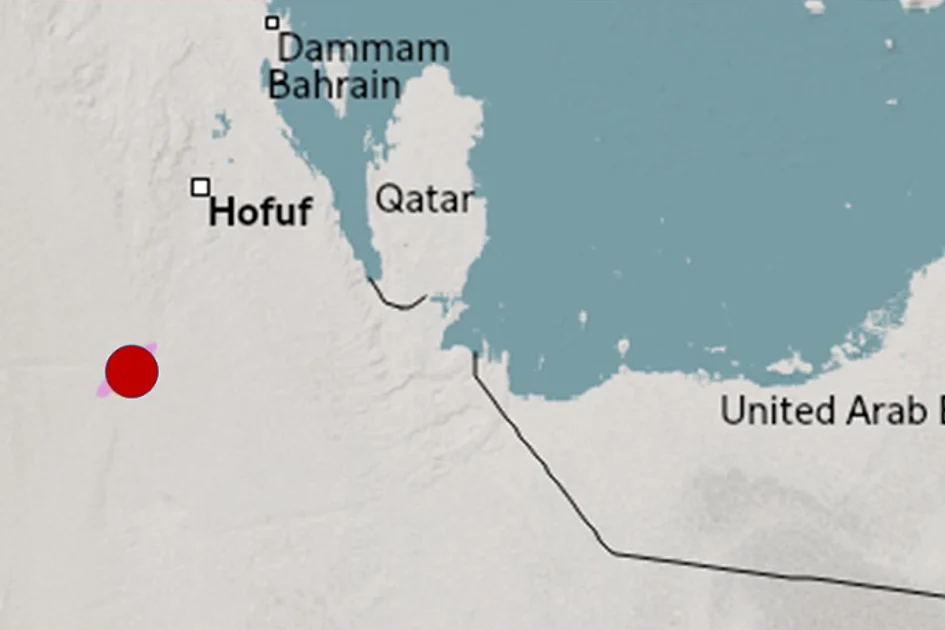
    A seismic event measuring 4.3 magnitude occurred in Saudi Arabia’s Eastern Province at 2:11 AM local time on Wednesday, December 17, 2025. According to meteorological authorities, the earthquake originated at a depth of 50 kilometers beneath the Earth’s surface.

    The National Centre of Meteorology (NCM) confirmed that the tremors were confined to Saudi territory and did not extend to the United Arab Emirates. Seismic monitoring stations across the Emirates reported no detectable ground movement, and residents experienced no disruption from the geological event.

    This incident follows a pattern of similar seismic activity in the region. Earlier in April 2025, both nations recorded a comparable magnitude earthquake in the Arabian Sea near Saudi borders. Seismologists attribute these periodic events to tectonic stresses along ancient fault lines caused by the constant movement of the Arabian Plate against the Eurasian Plate.

    Despite the UAE’s location outside major seismic zones, the country occasionally experiences minor tremors due to its proximity to the seismically active Zagros mountain range. This geological formation, spanning Iran and Iraq, ranks among the world’s most dynamically unstable regions. Recent months have witnessed several regional seismic events, including a 4.6 magnitude quake south of Musandam in November and a 3.3 magnitude event in Bahrain during December, none of which impacted the Emirates.

    Seismic experts note that while the Northern Emirates might occasionally perceive distant tremors, the country’s infrastructure remains well-protected against significant seismic risks. The NCM maintains continuous monitoring through its advanced National Seismic Network, providing real-time data on geological activity throughout the region.

  • What are the ‘ghost ships’ Venezuela is using to evade oil sanctions?

    What are the ‘ghost ships’ Venezuela is using to evade oil sanctions?

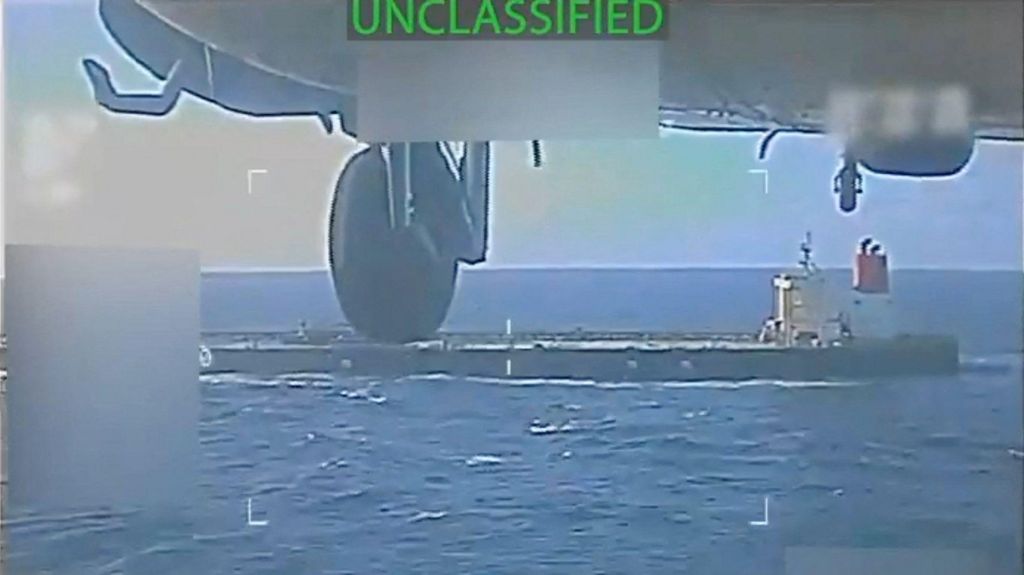
    In a significant escalation of geopolitical tensions, former President Donald Trump has declared a comprehensive naval blockade against Venezuela, specifically targeting sanctioned oil tankers attempting to enter or exit the country. This decisive move follows the recent seizure of The Skipper, a vessel intercepted off Venezuela’s coast on December 10th, which exemplifies the sophisticated “ghost fleet” operations enabling Caracas to circumvent international sanctions.

    Venezuela, despite possessing the world’s largest proven oil reserves, has faced crippling US sanctions against its state-run oil company PDVSA since 2019. These measures initially caused crude exports to plummet by over 50%, from approximately 1.1 million barrels per day to 495,000 by year-end 2019. However, through innovative evasion tactics, Venezuela has remarkably restored exports to around 920,000 barrels daily as of November—a substantial recovery though still far below its 1998 peak of 3 million barrels.

    The ghost fleet phenomenon, utilized by Venezuela alongside other sanctioned oil producers Russia and Iran, represents a growing challenge to global sanctions regimes. Financial intelligence firm S&P Global estimates that one-fifth of global oil tankers now transport sanctioned crude, with 10% exclusively dedicated to Venezuelan oil.

    These vessels employ multiple deception strategies: frequently changing names and flags (The Skipper previously operated as Adisa and Toyo), disabling Automatic Identification Systems to conceal locations, and even assuming identities of scrapped vessels—so-called “zombie ships.” Additional tactics include ship-to-ship transfers in international waters to obscure oil origins and flying flags from jurisdictions with lax oversight, such as Panama, Comoros, and Malta.

    According to Transparencia Venezuela’s October report, 71 foreign tankers were observed at PDVSA ports, with 15 under sanctions and 9 linked to ghost fleets. Notably, 24 vessels operated with deactivated location signals, while many lingered for over 20 days without docking—unlike authorized vessels that typically complete operations within six days.

    The deployment of the USS Gerald Ford aircraft carrier, the world’s largest, to conduct the recent seizure demonstrates heightened US military presence in Caribbean waters. This development suggests President Nicolás Maduro’s reliance on ghost fleet operations may face substantial constraints moving forward, potentially altering the dynamics of Venezuela’s oil export capabilities and the effectiveness of international sanctions.

  • Actions urged for ceasefire in border clashes

    Actions urged for ceasefire in border clashes

    The escalating military conflict along the Thailand-Cambodia border has entered a critical phase, with diplomatic efforts intensifying to halt hostilities that have resulted in significant civilian casualties and displacement.

    Artillery exchanges continued through Monday night into Tuesday morning, with Cambodian authorities reporting sustained attacks against Military Regions 4 and 5, particularly impacting Preah Vihear, Oddar Meanchey, Pursat, and Banteay Meanchey provinces. The human cost has been substantial, with Cambodian officials confirming 15 civilian fatalities and 76 injuries since the conflict reignited on December 7. The fighting has displaced approximately 126,508 families, equivalent to over 422,000 individuals.

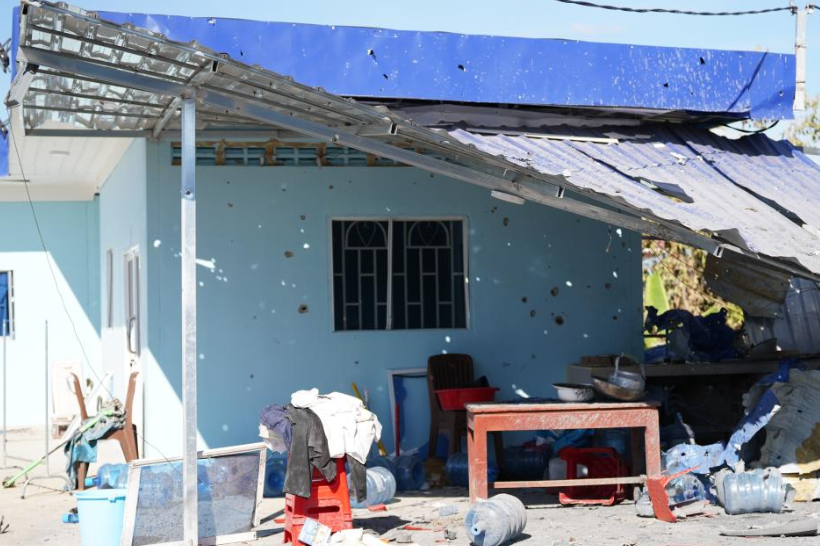
    Education has been severely disrupted, with 1,039 schools across six provinces forced to close, affecting nearly 10,000 teachers and over 242,000 students. In a particularly alarming incident, Thai artillery shells reportedly struck a primary school in Banteay Meanchey Province’s O’Beichoan commune, destroying buildings and food stalls within the school compound.

    Diplomatic channels have activated at multiple levels. Cambodian UN representative Keo Chhea addressed the UN Peacebuilding Commission in New York, emphasizing that peaceful resolution requires mutual trust and respect, while noting that dialogue becomes impossible when one nation “rejects dialogue, turns to the use of military force and ignores peace mechanisms.”

    Thailand’s Foreign Ministry, through deputy spokeswoman Maratee Nalita Andamo, maintained that ceasefire implementation “must be demonstrated through concrete actions” while reaffirming Thailand’s commitment to international law. “Thailand has no intention of escalating the situation. Our focus is on protecting national sovereignty, reducing potential threats and ensuring freedom of navigation,” she stated.

    China has emerged as a key diplomatic voice, with Foreign Ministry spokesman Guo Jiakun expressing profound sadness over casualties and offering heartfelt sympathies. Beijing emphasized that the immediate priorities remain ensuring ceasefire, ending hostilities, and protecting civilians. China supports direct bilateral dialogue and ASEAN-led mediation efforts within the regional framework.

    Meanwhile, Thailand’s National Security Council approved stricter maritime measures to prevent fuel and strategic supplies from reaching Cambodia, following discoveries of abnormally high fuel exports through the Chong Mek border checkpoint. Defense Minister Nattaphon Narkphanit characterized these measures as nonviolent, expressing confidence in a near-term resolution.

  • China’s modernization plan lauded

    China’s modernization plan lauded

    African scholars and policy experts are applauding China’s newly unveiled 15th Five-Year Plan (2026-2030) as a strategic framework that aligns with Africa’s developmental aspirations. The economic blueprint, approved during the fourth plenary session of the 20th Communist Party of China Central Committee in October, emphasizes high-standard opening-up, technological self-reliance, and green transformation—principles that resonate deeply with Africa’s industrialization goals.

    Melha Rout Biel, founder of South Sudan’s Institute for Strategic and Policy Studies, characterized the plan as “a road map that reaffirms China’s commitment to working closely with the Global South.” He noted that China’s focus on high-quality engagement challenges African nations to elevate their production standards and modernize industries to participate effectively in this partnership.

    The evolution from infrastructure-focused cooperation to value-added collaboration marks a significant shift in China-Africa relations. Amina Toure, a Cambridge University researcher specializing in Africa-China relations, observed that the plan’s language signals a transition toward “regulated, sustainability-oriented, and higher-value cooperation” that could benefit Africa if integrated with national industrial strategies.

    Professor Carlos Lopes of the University of Cape Town highlighted that Africa’s priority has shifted from infrastructure quantity to value retention within the continent. He described China’s emphasis on “high-standard opening-up” as a “good and necessary evolution” that responds to Africa’s longstanding developmental needs, particularly regarding regional value chains and AfCFTA implementation.

    International relations scholar Cavince Adhere noted that China’s consistent long-term planning provides stability amid global geopolitical uncertainties. The success of this partnership, he suggested, will depend on African governments’ ability to adapt China’s development model to their specific national contexts and populations.

  • What to know about a Philippines region with militant history visited by Bondi Beach suspects

    What to know about a Philippines region with militant history visited by Bondi Beach suspects

    MANILA, Philippines — A joint Australian-Filipino investigation is scrutinizing a November 2023 trip to Mindanao by the father and son accused of perpetrating Sydney’s Bondi Beach massacre that left 15 dead. Australian authorities confirmed the attackers were inspired by the Islamic State group, citing seized evidence including IS flags from their vehicle.

    The Philippine Bureau of Immigration records show the suspects entered the country on November 1 and departed November 28, with Davao City in southern Mindanao as their final destination. Despite this travel history, Philippine National Security Adviser Eduardo Ano stated Wednesday that no evidence has emerged indicating the suspects received militant training during their stay. “There is no indicator or any information that they underwent training in Mindanao,” Ano told The Associated Press.

    This investigation revisits Mindanao’s complex history with Islamic militancy. Centuries of colonial rule and settlement transformed Muslims into a minority in the resource-rich region, sparking decades of intermittent conflict that claimed approximately 150,000 lives since the 1970s. The area once attracted foreign extremists including Umar Patek, the Indonesian Jemaah Islamiyah operative convicted for the 2002 Bali bombings that killed 202 people.

    Significant transformations occurred through peace processes: the 1996 accord allowed rebels to reintegrate into communities, while the 2014 agreement established broader Muslim autonomy in the Bangsamoro region, turning former rebel commanders into administrators and guardians against IS influence. Despite these developments, violent offshoots emerged including the U.S.-blacklisted Abu Sayyaf group, known for kidnappings, beheadings, and bombings before being largely neutralized by military operations.

    According to confidential Philippine security assessments viewed by AP, no foreign militant presence has been detected since 2023 following the neutralization of remaining groups. Sidney Jones, a prominent Southeast Asia security analyst, questioned why modern extremists would seek training in Mindanao given current conditions: “The level of violence in Mindanao is high, but for the last three years, it’s almost all been linked to elections, clan feuds, or other sources. If I were a would-be ISIS fighter, the Philippines would not have been my top destination.”

  • Naveed Akram charged with 15 counts of murder over Bondi shooting

    Naveed Akram charged with 15 counts of murder over Bondi shooting

    Australian authorities have formally brought 59 criminal charges against Naveed Akram, the surviving perpetrator of Sunday’s mass shooting at Sydney’s Bondi Beach. The charges include 15 counts of murder and one count of committing a terrorist act, according to New South Wales Police documentation.

    Akram’s father and co-attacker, 50-year-old Sajid Akram, was fatally shot during an armed confrontation with responding police officers at the crime scene. The assault targeted a Hanukkah celebration event, predominantly attended by members of Australia’s Jewish community, resulting in 15 fatalities and numerous injuries. This incident represents the nation’s deadliest mass shooting event since 1996.

    Additional charges against Naveed Akram encompass 40 counts of causing grievous bodily harm with intent to murder, plus one count of publicly displaying a prohibited terrorist organization symbol. The accused remains hospitalized with critical injuries, necessitating his first court hearing to be conducted from his bedside. The New South Wales judicial system has scheduled subsequent proceedings for April 2026.

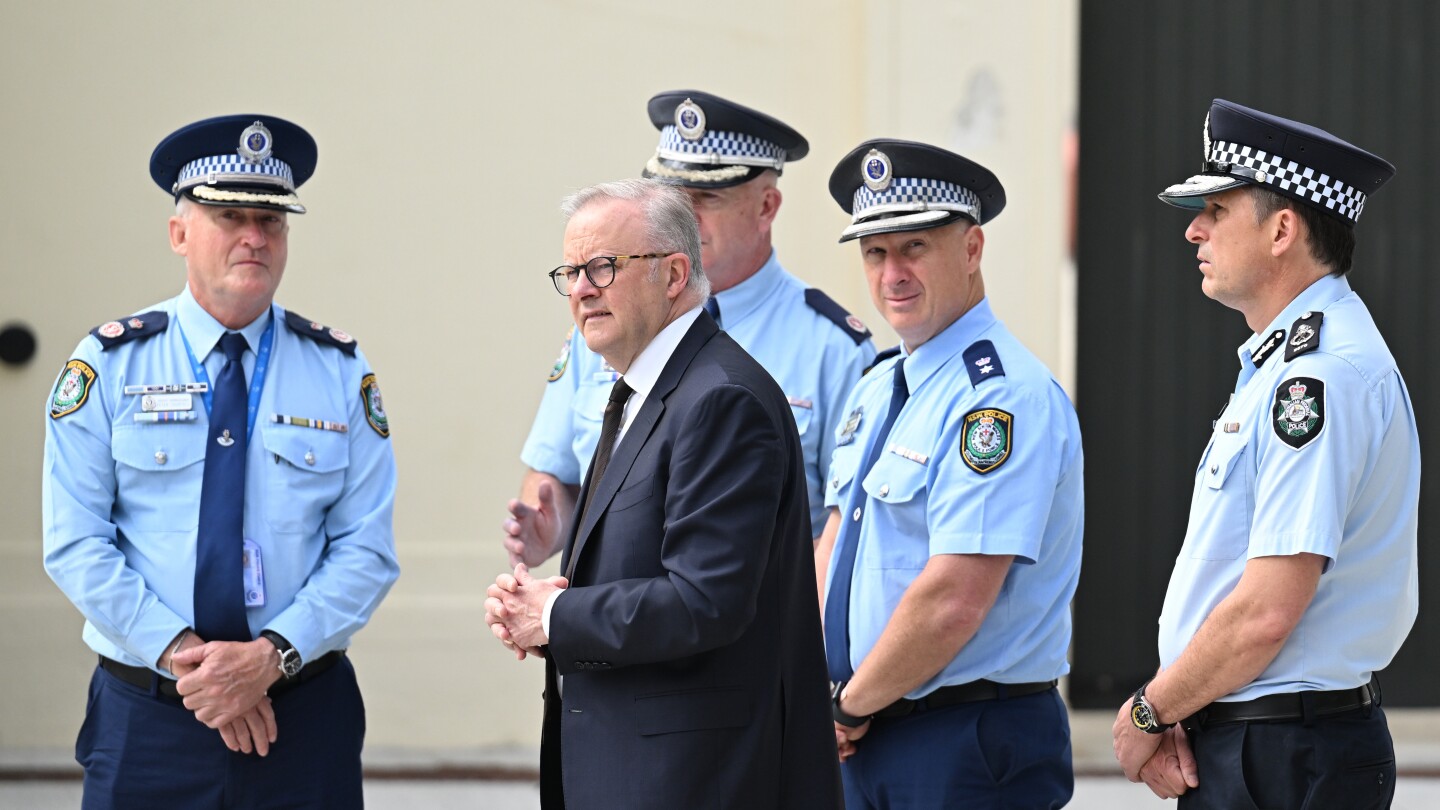
    Police Commissioner Mal Lanyon indicated investigators are awaiting reduced medication effects before initiating formal interrogation procedures. “To ensure procedural fairness, we require the suspect to fully comprehend the judicial process,” Commissioner Lanyon stated during a Wednesday press briefing.

    Medical facilities across Sydney continue to treat twenty attack survivors, with one patient maintaining critical condition. Federal authorities have officially classified the violence as a terrorist incident, with Prime Minister Anthony Albanese confirming apparent motivational links to Islamic State group ideology.

    Evidence recovery operations revealed homemade IS flags and improvised explosive devices within the perpetrators’ vehicle. Investigation updates disclosed that both attackers traveled to the Philippines during November, with final destination records indicating the southern city of Davao. Border authorities confirmed Naveed Akram traveled using an Australian passport, while his father utilized Indian documentation.

    Background checks established Sajid Akram’s origins in Hyderabad, India, though Telangana state police officials noted his “limited contact” with remaining family members in recent years.

  • Takeaways from the AP’s report on the impact of aid cuts on Rohingya children in Bangladesh

    Takeaways from the AP’s report on the impact of aid cuts on Rohingya children in Bangladesh

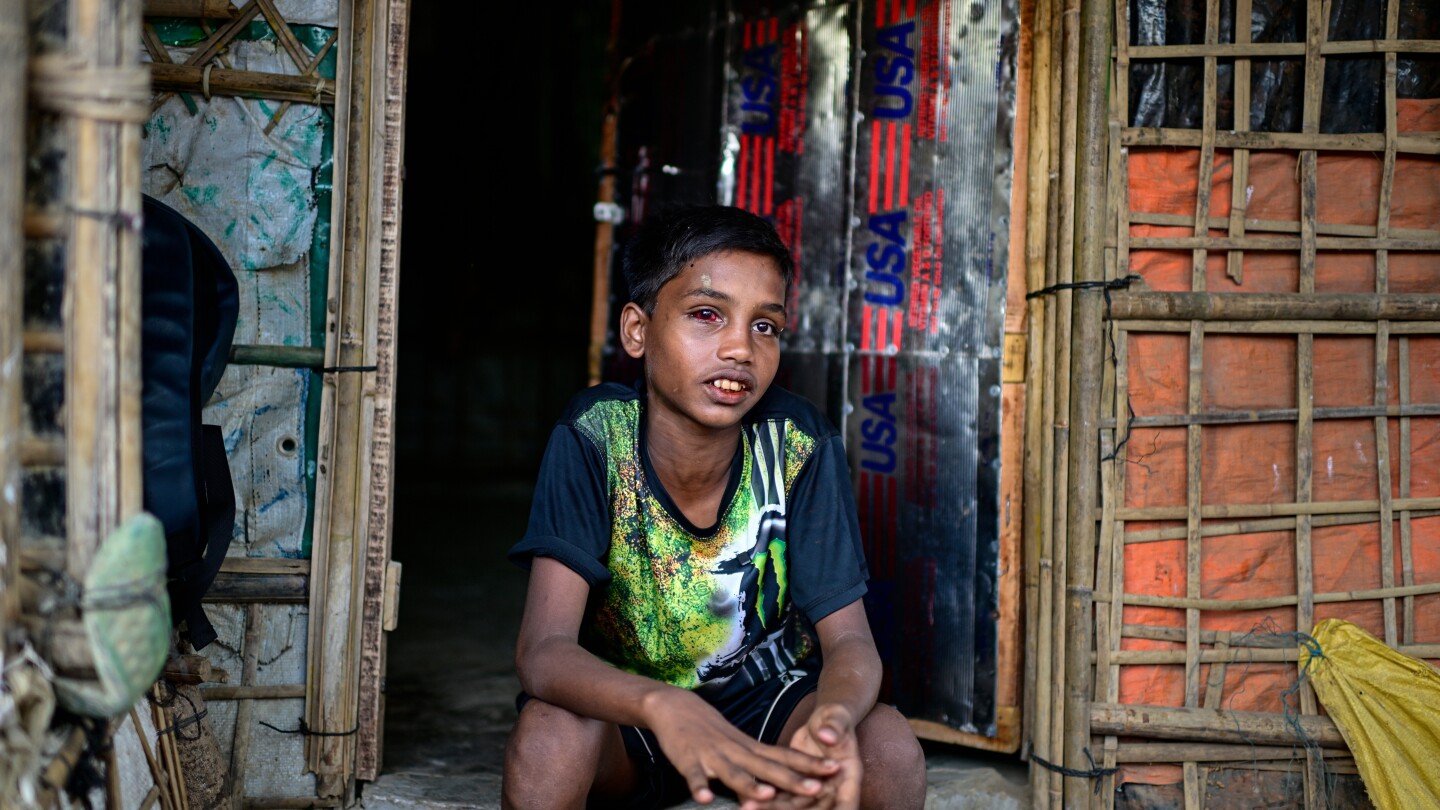
    A devastating humanitarian crisis is unfolding within Bangladesh’s Rohingya refugee camps, where systematic reductions in United States foreign assistance have precipitated alarming increases in child exploitation. According to an extensive Associated Press investigation, the January dissolution of the U.S. Agency for International Development under President Donald Trump has directly correlated with surging incidents of child marriage, labor exploitation, abduction, and recruitment by armed factions.

    With over half of the 1.2 million camp inhabitants being minors, the Rohingya face severe restrictions on employment in Bangladesh while remaining unable to safely return to Myanmar—where military forces previously perpetrated genocide against them. This leaves international aid as their sole lifeline. The U.S., historically the largest humanitarian donor, slashed its 2025 contributions by nearly 50%, causing the overall Rohingya emergency response to be only half-funded.

    The consequences have been catastrophic. UNICEF was forced to close 2,800 educational facilities after losing 27% of its funding, eliminating safe spaces for children. Subsequently, documented abductions quadrupled to 560 cases while child recruitment by militant groups surged eightfold to 817 cases. Verified child marriages increased by 21% and labor exploitation cases rose 17%, though officials acknowledge significant underreporting.

    In response to AP’s findings, the State Department cited $168 million in assistance since Trump’s inauguration and claimed success in “burden sharing” that prompted 11 nations to increase contributions. However, they provided no evidence supporting causation between U.S. diplomacy and these funding decisions.

    The human impact is embodied by Hasina (pseudonym), a 16-year-old former student whose school closure led to forced marriage. Now enduring physical and sexual abuse, she mourns her lost education and aspirations: “I dreamed of being something, of working for the community. My life is destroyed.”