分类: world

  • Sudanese paramilitary group RSF killed more than 1,000 civilians in Zamzam camp in April, UN says

    Sudanese paramilitary group RSF killed more than 1,000 civilians in Zamzam camp in April, UN says

    A comprehensive United Nations human rights investigation has revealed horrific atrocities committed during a three-day assault on Zamzam displacement camp in western Sudan earlier this year. The report, released Thursday by the UN Human Rights Office, documents systematic violations by the Rapid Support Forces (RSF) paramilitary group that resulted in the deaths of more than 1,000 civilians during their April offensive.

    The attack formed part of the RSF’s broader siege strategy against el-Fasher, the provincial capital of North Darfur. According to the UN findings, hundreds of victims were summarily executed through methodical house-to-house raids, with additional massacres occurring at the main market, educational institutions, and medical facilities. The report further details patterns of sexual violence encompassing rape, gang rape, and sexual slavery practices.

    UN High Commissioner for Human Rights Volker Türk characterized these actions as “a consistent pattern of serious violations of international humanitarian law and gross abuses of international human rights law.” The findings emerge weeks after Amnesty International independently accused the RSF of committing war crimes during the same operation.

    Zamzam camp, established in 2004 to accommodate those displaced by Janjaweed militia attacks, had swelled to become Sudan’s largest displacement settlement with over 500,000 residents prior to the assault. The UN report notes that the RSF had systematically blocked food and essential supplies from reaching the camp for months preceding the violence.

    The broader conflict between the RSF and Sudanese military, ongoing since April 2023, has created the world’s most severe humanitarian crisis according to international observers. The war has claimed approximately 40,000 lives—though rights organizations suggest significantly higher casualties—while displacing over 14 million people. Famine conditions have emerged across multiple regions, including Zamzam camp.

    Türk warned that the documented patterns of violence are now being replicated in el-Fasher following the RSF’s takeover of the city in late October. “These horrific patterns of violations—committed with impunity—are consistent with what my office has repeatedly documented,” he stated.

    Diplomatic efforts to address the crisis intensified as Sudan’s top general met with Egyptian President Abdel-Fattah el-Sissi in Cairo. This followed discussions between Sudanese officials and Saudi authorities in Riyadh, where US envoy Massad Boulos concurrently engaged with Saudi officials. Boulos subsequently announced on social media platform X that practical steps had been agreed upon “toward a humanitarian truce, durable stability, and expanded humanitarian access.”

    The Quad mediation group—comprising the United States, Saudi Arabia, Egypt, and the United Arab Emirates—faces challenges in negotiations. Sudanese military leadership had previously rejected a November ceasefire proposal as “unacceptable and the worst yet,” while accusing mediators of bias. Egypt’s presidency subsequently affirmed its support for Sudan’s territorial integrity, explicitly rejecting “the establishment of any parallel entities or their recognition” in reference to the RSF’s announced parallel government in July.

  • More international maritime disputes turn to China’s courts

    More international maritime disputes turn to China’s courts

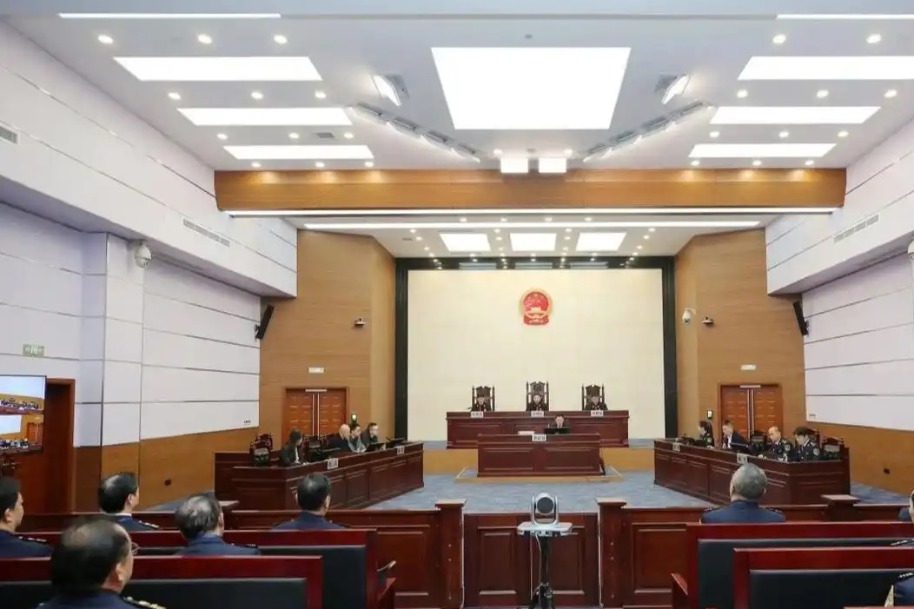
    China’s judicial system is gaining unprecedented international recognition in maritime law, with its courts becoming an increasingly preferred venue for resolving complex international shipping disputes. According to data released by China’s Supreme People’s Court, the nation’s specialized maritime courts accepted over 6,800 foreign-related cases between 2022 and 2024, involving parties from 143 different countries and regions.

    This growing international confidence in China’s judicial system represents a significant shift in global maritime dispute resolution trends. Remarkably, many foreign entities are now voluntarily submitting to Chinese jurisdiction even when their disputes have no substantive connection to China, indicating trust in the professionalism and fairness of the Chinese maritime court system.

    Established in 1984, China’s maritime judiciary has built substantial expertise over four decades, processing approximately 88,000 foreign-related cases throughout its history. The recent three-year period also saw Chinese courts handle 1,226 cases involving parties from Hong Kong, Macao, and Taiwan, with 1,134 of these cases successfully concluded.

    The comprehensive data reveals the sheer volume of maritime legal work processed by China’s judicial system, with maritime courts nationwide handling 98,726 total cases during the 2022-2024 period, including 185 maritime criminal cases. The courts demonstrated efficient case resolution, concluding 193 maritime criminal matters within the same timeframe.

    This trend underscores China’s expanding influence in international maritime affairs and reflects the global shipping industry’s growing confidence in Chinese judicial proceedings. The development positions China as an increasingly important player in shaping international maritime law and commercial dispute resolution mechanisms.

  • India: Jeddah to Kozhikode AI Express flight makes emergency landing at Kochi

    India: Jeddah to Kozhikode AI Express flight makes emergency landing at Kochi

    An Air India Express aircraft operating as flight IX 398 from Jeddah, Saudi Arabia to Kozhikode, India was compelled to execute an emergency landing at Kochi International Airport on Thursday following critical technical malfunctions. The incident, which occurred on December 18, 2025, involved a failure of the right main landing gear and subsequent tire bursts upon approach.

    According to official statements from Cochin International Airport Limited (CIAL), airport emergency protocols were immediately activated upon receiving notification of the aircraft’s distress. The airport authority confirmed the successful execution of the emergency landing procedure, with all operational systems functioning as designed to ensure passenger safety.

    Air India Express representatives attributed the technical complication to suspected foreign object debris on the runway at Jeddah’s King Abdulaziz International Airport, which may have caused initial damage to the aircraft’s tires during takeoff. The flight crew opted for a precautionary diversion to Kochi—approximately 200 kilometers from the intended destination—after identifying potential landing gear abnormalities during flight.

    The Boeing 737-800 aircraft carried 160 passengers, all of whom were reported safe following the incident. Emergency services were deployed as a standard precautionary measure, though no medical attention was required. Aviation authorities have initiated a comprehensive investigation into the precise sequence of events and contributing factors.

    The incident highlights the critical importance of runway maintenance protocols and emergency preparedness within aviation infrastructure. Both Saudi and Indian aviation authorities are coordinating their investigations to determine whether additional safety measures might be necessary to prevent similar occurrences.

  • Thailand bombs near Cambodia’s Poipet border crossing

    Thailand bombs near Cambodia’s Poipet border crossing

    Thai military forces have conducted an airstrike on what they describe as a logistical facility near Poipet, Cambodia’s prominent casino district and primary land border crossing with Thailand. The operation marks the first aerial bombardment of this strategically significant zone since border hostilities resumed.

    According to Cambodian defense officials, Thai aircraft deployed two explosives in the Poipet municipal area approximately at 11:00 AM local time (0400 GMT) on Thursday. Thailand’s Air Force spokesperson Air Marshal Jackkrit Thammavichai subsequently confirmed the offensive, characterizing the target as a storage depot for BM-21 rocket systems. He emphasized that the precision strike avoided civilian casualties.

    The BM-21 rocket systems referenced are multiple launch weapons typically deployed in salvos from armored vehicles. This military action occurs amidst intensifying border conflicts that have reportedly claimed 21 lives in Thailand and 17 in Cambodia this month alone, while displacing approximately 800,000 people according to official estimates.

    The border region has witnessed mounting tensions since July 24th, when Cambodian rocket attacks into Thailand triggered retaliatory airstrikes and five days of intense combat. Although a ceasefire brokered by Malaysian Prime Minister Anwar Ibrahim and former US President Donald Trump temporarily halted hostilities, fighting resumed last week with both nations accusing the other of violating the peace agreement.

    Compounding the humanitarian crisis, Cambodia has sealed land border crossings, stranding an estimated 5,000-6,000 Thai nationals in Poipet. Cambodian authorities have characterized the border closure as a “necessary measure” to protect civilians while noting that air travel remains available for evacuation purposes.

    The conflict represents the latest escalation in a century-old territorial dispute between the Southeast Asian neighbors. Recent days have seen additional allegations from Cambodia claiming Thai forces bombed Siem Reap province, home to the iconic Angkor temple complex and Cambodia’s premier tourist destination.

  • Briton who fought in Ukraine jailed for 13 years by Russia

    Briton who fought in Ukraine jailed for 13 years by Russia

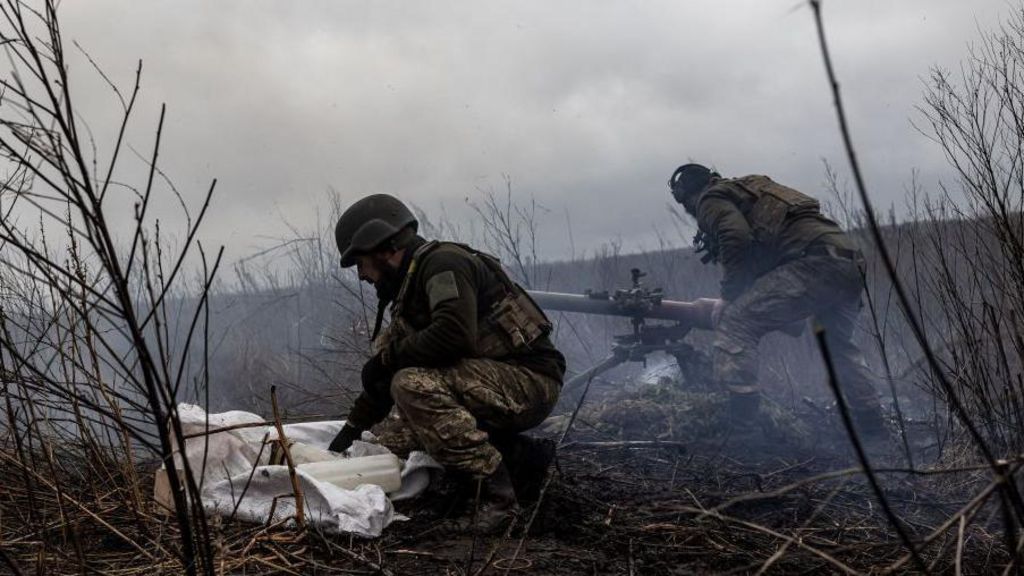
    A Russian-controlled court in occupied Donetsk has sentenced former British soldier Hayden Davies to 13 years in a maximum-security prison on charges of mercenary activity. The sentencing marks the latest development in Russia’s judicial proceedings against foreign fighters captured in Ukraine.

    Davies, reportedly captured in Ukraine’s Donbas region during late 2024 or early 2025 while serving with Ukraine’s international legion, faced trial in what Russian authorities describe as a counter-terrorism proceeding. Prosecutors alleged the British national joined the Ukrainian army in August 2024 and participated in military operations against Russian forces in Donetsk Region.

    Court footage released by Russian officials shows a man with a British accent speaking through a translator from within a barred cage, standard procedure in many Russian judicial hearings. The individual identified as Davies stated he traveled to Ukraine via Poland by bus and received a monthly salary of $400-500 for his service. When questioned about his plea, the man acknowledged guilt with a verbal affirmation and nod, though the circumstances under which this admission was made remain unclear.

    The UK Foreign, Commonwealth & Development Office has previously rejected similar charges against British nationals captured in Ukraine as baseless, maintaining that such individuals qualify as legitimate prisoners of war under the Geneva Conventions. The FCDO had specifically condemned the detention of both Davies and another Briton, James Anderson, emphasizing their official status as members of the Ukrainian Armed Forces rather than mercenaries.

    This case follows the March sentencing of Anderson to 19 years imprisonment on comparable charges of terrorism and mercenary activity. The 22-year-old previously held the distinction of being the first British national convicted by Russia during the ongoing conflict.

    The Russian Prosecutor-General’s office announced the verdict, continuing a pattern of judicial actions against foreign fighters that international observers have questioned for their adherence to international humanitarian standards.

  • Indonesian court sentences an Australian to 12 years in prison for smuggling cocaine to Bali

    Indonesian court sentences an Australian to 12 years in prison for smuggling cocaine to Bali

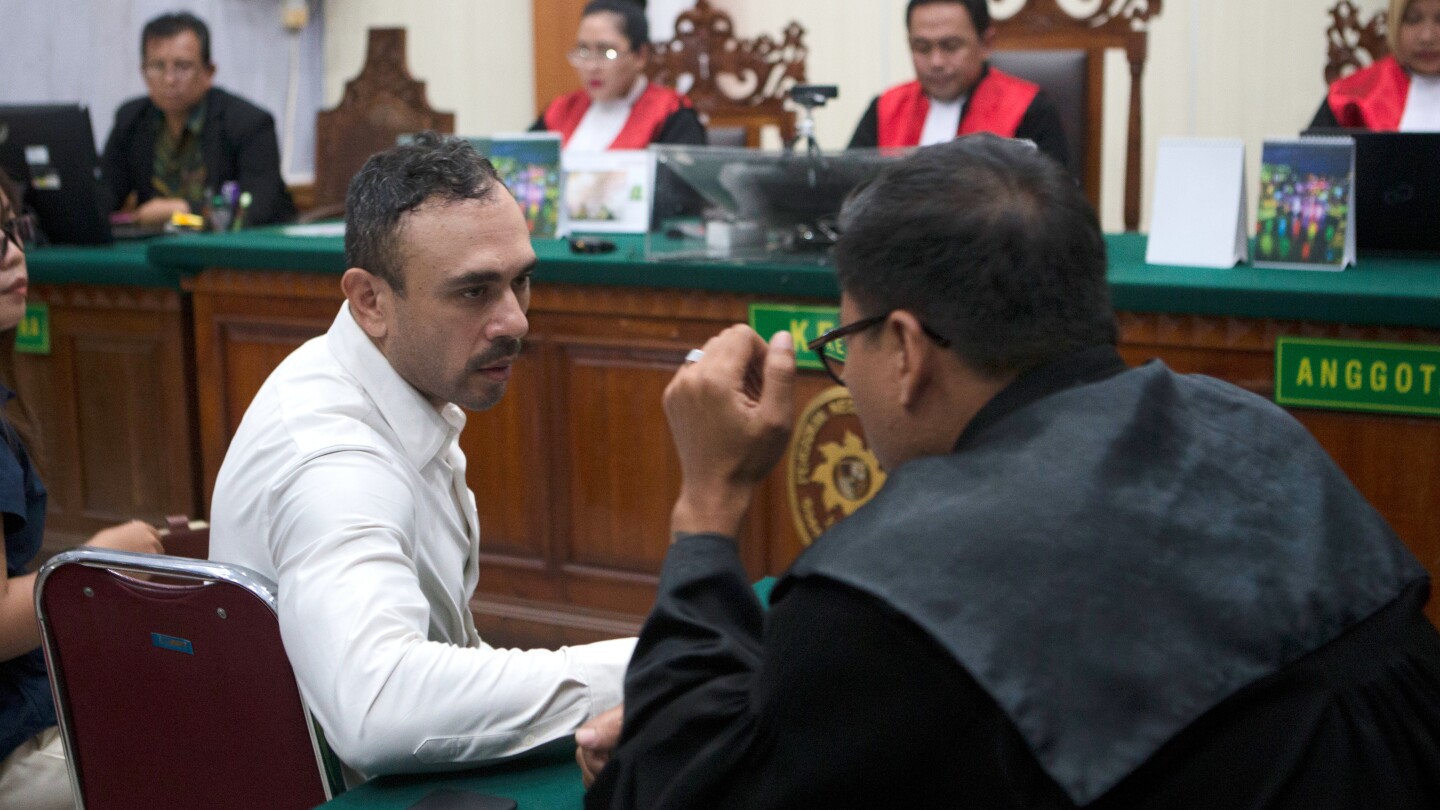
    In a significant judicial ruling from Denpasar, Indonesia, an Australian citizen has been handed a substantial prison term for narcotics offenses. Lamar Aaron Ahchee, a 43-year-old from Cairns, Queensland, received a 12-year sentence from a Indonesian court panel on Thursday, surpassing the prosecution’s initial request for a nine-year term. The court also imposed a financial penalty of 2 billion rupiah (approximately $119,583).

    The case originated from a police operation in May when authorities conducted a raid on Ahchee’s rented residence near the popular Kuta Beach tourist area. The operation resulted in the seizure of substantial evidence, including 1.7 kilograms of cocaine distributed across 206 clip-sealed plastic bags, along with a digital scale and mobile communication device.

    According to official statements, the investigation was initiated following intelligence gathered by Bali’s specialized anti-drug surveillance units. Police reported that Ahchee had received two suspicious packages mailed from England, leading to allegations of narcotics importation and distribution.

    Presiding Judge Tjokorda Putra Budi Pastima outlined the judicial panel’s reasoning for the enhanced sentence. The verdict considered multiple aggravating factors, including the substantial quantity of cocaine involved, the potential harm to public health, and the negative impact on Bali’s tourism safety and quality. The court also noted the defendant’s lack of transparency during proceedings, characterizing his responses as evasive and obstructive to factual clarification.

    This case occurs within Indonesia’s stringent anti-drug legal framework, which ranks among the world’s most severe narcotics enforcement regimes. According to United Nations data, the archipelago nation remains a significant trafficking hub despite these strict measures, with international syndicates specifically targeting its substantial youth population.

    Current immigration and corrections data indicates approximately 530 individuals, including 96 foreign nationals, currently await execution in Indonesia, primarily for drug-related convictions. The country’s most recent executions, involving one Indonesian and three foreign citizens, were conducted in July 2016.

  • China records 40.6m foreign arrivals in first year of 240-hour visa-free transit policy

    China records 40.6m foreign arrivals in first year of 240-hour visa-free transit policy

    China’s landmark 240-hour visa-free transit policy has demonstrated remarkable success in its inaugural year, catalyzing a substantial 27.2% year-on-year increase in foreign arrivals. Official data reveals the nation welcomed 40.6 million international visitors under this streamlined transit framework, signaling a robust recovery in global mobility and cross-border travel.

  • Burkina Faso releases Nigerian air force crew detained after emergency landing

    Burkina Faso releases Nigerian air force crew detained after emergency landing

    ABUJA, Nigeria — In a significant diplomatic resolution, Burkina Faso’s military government has released all 11 Nigerian Air Force personnel who had been detained since December 8th following an emergency landing of their aircraft. The release concludes weeks of tension between the West African nations and demonstrates the power of diplomatic engagement in regional conflicts.

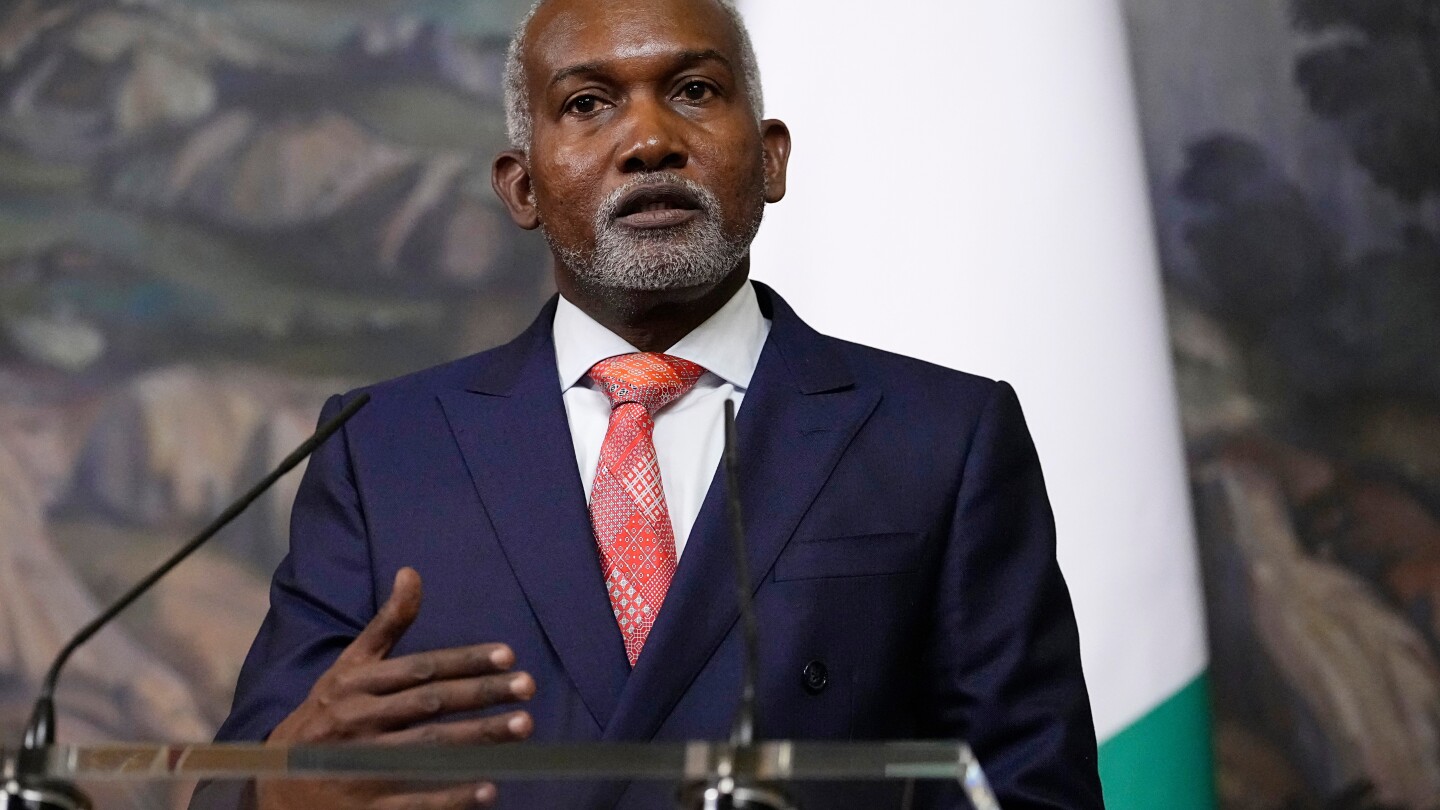
    Nigeria’s Foreign Affairs Minister Yusuf Tuggar announced the breakthrough on Thursday, crediting “sustained dialogue” between the two nations for resolving the sensitive matter. The personnel, comprising two flight crew members and nine passengers, were freed following high-level meetings between a Nigerian delegation led by Minister Tuggar and officials from Burkina Faso’s military regime under Captain Ibrahim Traoré.

    The incident began when a Nigerian Air Force aircraft bound for Portugal for scheduled maintenance was forced to make an emergency landing in western Burkina Faso. Nigerian officials emphasized that the landing was conducted in full compliance with international aviation guidelines and standard safety procedures.

    The emergency landing triggered immediate security concerns within the Alliance of Sahel States—a regional security bloc comprising Burkina Faso, Mali, and Niger. The alliance responded by placing its air and anti-aircraft defenses on maximum alert, with authorization “to neutralize any aircraft that violates the confederation’s airspace,” according to a statement from Mali’s military junta leader General Assimi Goita.

    The resolution comes amid increasingly fractured relations between the Alliance of Sahel States and Nigeria, which remains a key member of the Economic Community of West African States (ECOWAS). The three Sahel nations recently withdrew from ECOWAS, accusing the regional bloc of imposing inhumane sanctions and working against their citizens’ interests.

    Adding to regional tensions, Nigeria recently participated in intervention efforts that helped reverse a short-lived coup in Benin, where Nigerian Air Force conducted airstrikes targeting coup plotters. Burkina Faso shares a northwestern border with Benin, while Nigeria borders Benin to the east.

    Following the successful diplomatic negotiations, both nations have agreed to establish regular consultation mechanisms and pursue concrete steps to deepen bilateral cooperation and regional integration. The released personnel are now proceeding with their original mission to Portugal for the scheduled aircraft maintenance.

  • UN chief condemns continued detention of UN personnel by Houthis in Yemen

    UN chief condemns continued detention of UN personnel by Houthis in Yemen

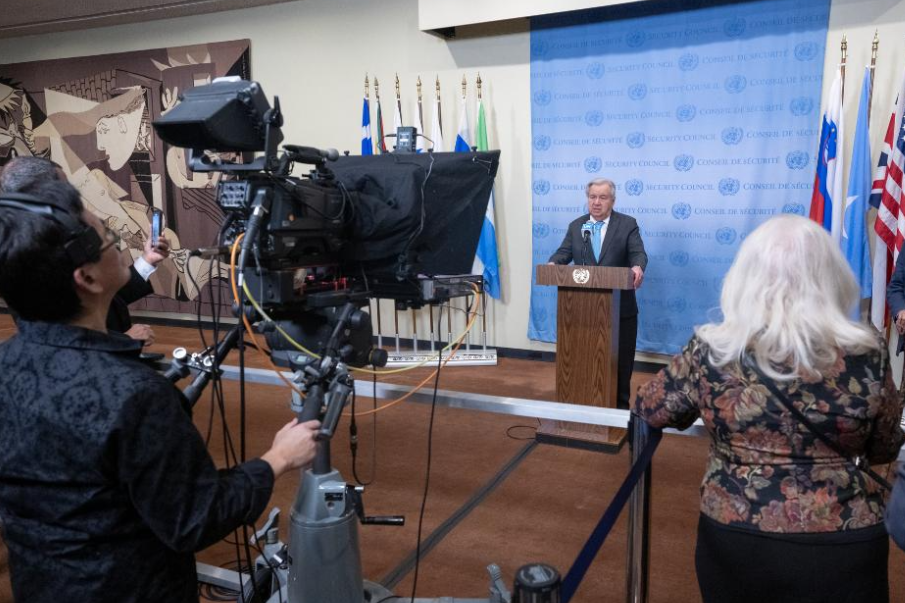
    United Nations Secretary-General Antonio Guterres has issued a forceful condemnation of Yemen’s Houthi authorities for their ongoing arbitrary detention of United Nations personnel and humanitarian workers. The stark declaration came during a press briefing at UN headquarters in New York on December 17, 2025, following closed-door consultations with the Security Council regarding the deteriorating situation in Yemen.

    Guterres revealed that 59 UN staff members, partner organization personnel, NGO workers, civil society representatives, and diplomatic mission employees remain unlawfully detained. The Secretary-General emphasized that recent developments—including the referral of three UN personnel to a special criminal court by Houthi authorities—represent particularly alarming escalations. These individuals face charges directly related to their performance of official UN duties, which Guterres characterized as completely unacceptable under international law.

    ‘The continued detention of our colleagues constitutes a profound injustice to all those who have dedicated their lives to assisting the Yemeni people,’ Guterres stated. ‘United Nations personnel and its partners must never be targeted, arrested, or detained in connection with their official duties. We must be permitted to conduct our vital work without interference.’

    Beyond the detention crisis, Guterres expressed deep concern about escalating tensions throughout Yemen, particularly noting dramatic new developments in the eastern governorates. He warned that a full resumption of hostilities could have serious regional consequences, affecting stability in the Red Sea, Gulf of Aden, and Horn of Africa regions.

    The UN chief urged all parties to exercise maximum restraint, de-escalate tensions, and resolve differences through diplomatic dialogue. He emphasized that only a sustainable, negotiated political settlement embracing the aspirations of all Yemenis can ultimately bring the devastating conflict to an end, noting that until such resolution is achieved, the Yemeni people will continue to bear a terrible humanitarian cost.

  • US military says it hit a vessel in Eastern Pacific, killing 4

    US military says it hit a vessel in Eastern Pacific, killing 4

    The United States military has confirmed conducting a targeted operation in the Eastern Pacific Ocean that resulted in the destruction of a maritime vessel and four casualties. The incident occurred on December 18, 2025, though precise coordinates and additional operational details remain classified.

    According to military officials, the engagement was conducted under specific rules of engagement following intelligence assessments. The nature of the vessel and the identities of those aboard have not been officially disclosed, pending notification of next of kin and further investigation.

    The Eastern Pacific region has seen increased naval activity in recent months due to various security concerns. Pentagon representatives emphasized that the action was taken in accordance with international maritime law and represented a necessary response to a perceived threat. An internal review of the operation has been initiated to evaluate both the intelligence leading to the strike and its execution.

    Regional authorities and international maritime organizations have been notified of the incident. The operation has drawn attention to the complex security challenges present in international waters and raises questions about the protocols governing military engagements in such environments.