分类: world

  • Western intelligence suspects Russia is developing new weapon to target Musk’s Starlink satellites

    Western intelligence suspects Russia is developing new weapon to target Musk’s Starlink satellites

    According to intelligence assessments from two NATO-member agencies, Russia is reportedly advancing development of a revolutionary anti-satellite weapon system designed to counter Elon Musk’s Starlink constellation. The alleged system would deploy expansive clouds of high-density metallic pellets in orbital pathways, potentially incapacitating multiple satellites simultaneously through destructive shrapnel impacts.

    This unconventional approach differs fundamentally from Russia’s 2021 missile test that destroyed a single defunct satellite. The new weapon concept aims to create orbital denial zones by saturating specific altitudes with hundreds of thousands of millimeter-scale projectiles. Intelligence officials, who shared findings with The Associated Press under condition of anonymity, indicate this development represents Moscow’s attempt to counter Western space capabilities that have provided critical advantages to Ukrainian forces.

    However, space security experts express significant skepticism regarding both the technical feasibility and strategic rationale of such a system. Victoria Samson of the Secure World Foundation questioned the plausibility of deployment, noting the catastrophic collateral damage that would affect all spacefaring nations, including Russia and its ally China. The weapon’s indiscriminate nature could render entire orbital regimes unusable for decades, potentially damaging Russia’s own satellite infrastructure and the International Space Station.

    Brigadier General Christopher Horner, commander of Canada’s Space Division, acknowledged that while he hasn’t been briefed on such a system, previous reports of Russian space-based nuclear weapons development make the concept “not implausible.” The Kremlin has previously denied developing orbital weapons and has called for UN measures to prevent weaponization of space.

    The intelligence findings suggest the pellet-based approach offers plausible deniability advantages, as the small projectiles might evade detection systems. Yet analysts note that attribution would likely occur once satellites began failing simultaneously. The system remains in developmental stages according to intelligence assessments, with deployment timelines considered too sensitive to disclose.

    Strategic analysts suggest the weapon concept might serve dual purposes: as an experimental capability and as psychological deterrence. The mere threat of orbital chaos could potentially constrain Western space operations without actual deployment. However, most experts conclude that Russia’s substantial investments in space capabilities make deliberate creation of uncontrollable orbital debris fields strategically counterproductive.
  • Alleged Bondi gunmen threw ‘tennis ball bomb’, new documents allege

    Alleged Bondi gunmen threw ‘tennis ball bomb’, new documents allege

    Newly unsealed court documents have exposed the meticulous preparation and extremist motivations behind the deadly terrorist attack at a Hanukkah celebration on Bondi Beach. The alleged perpetrators, 24-year-old Naveed Akram and his father Sajid Akram, who was killed during the incident, reportedly recorded a video manifesto in October featuring Islamic State group imagery and detailed explanations of their intent.

    Police evidence indicates the attackers employed four undetonated explosive devices during their assault on December 14, including an improvised ‘tennis ball bomb.’ Surveillance footage captured the pair conducting reconnaissance missions at the beach two days prior to the attack, with additional CCTV showing them transporting ‘long and bulky items wrapped in blankets’ from their rented accommodation in Campsie hours before the violence unfolded.

    According to investigative reports, these concealed items included three firearms, multiple homemade explosive devices, and two Islamic State flags. The attackers allegedly positioned these flags on their vehicle’s interior windows before proceeding to a footbridge where they initiated their assault. Despite throwing three pipe bombs and the tennis ball device during their approach, none of the explosives detonated, though authorities confirmed they were functionally viable.

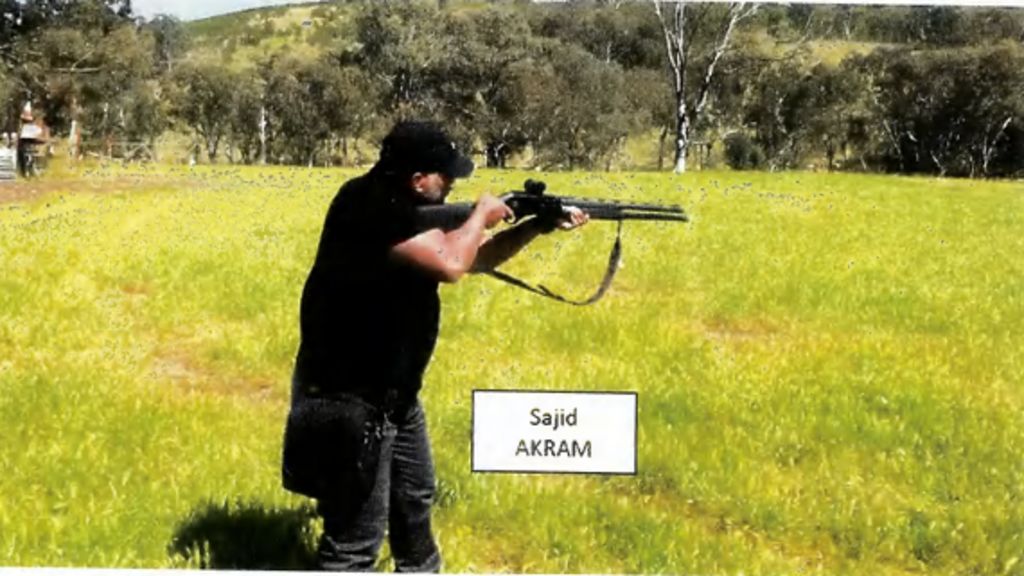
    Digital evidence recovered from Naveed Akram’s mobile device contained footage showing both individuals engaged in tactical firearms training in rural New South Wales, further demonstrating their extensive preparation. The accused, currently hospitalized with abdominal gunshot wounds inflicted by responding officers, faces fifteen murder charges among numerous other offenses. A temporary suppression order protecting survivor identities was partially lifted Monday following media petitions, though most names remain redacted from public documents.

  • South East Asian bloc to seek end to Thailand-Cambodia fighting

    South East Asian bloc to seek end to Thailand-Cambodia fighting

    Southeast Asian diplomats are gathering in Kuala Lumpur for urgent negotiations on Monday aimed at de-escalating violent border clashes between Thailand and Cambodia that have resulted in significant casualties and mass displacement. The emergency meeting marks the first direct dialogue between the conflicting nations since hostilities resumed on December 8th, with both countries mutually accusing each other of initiating the renewed combat.

    The border conflict, with historical roots tracing back over a century to the French colonial demarcation of Indochina, has recently intensified through artillery exchanges across the 800-kilometer frontier and Thai airstrikes targeting Cambodian positions. Current estimates indicate at least 41 fatalities and approximately 900,000 displaced persons from both nations, creating a severe humanitarian crisis.

    Malaysian Prime Minister Anwar Ibrahim, who previously mediated the July ceasefire alongside U.S. President Donald Trump, expressed cautious optimism regarding the diplomatic initiative. “Our duty is to present the facts, but more importantly, to press upon them that it is imperative for them to secure peace,” Ibrahim stated last week.

    Cambodia has articulated its commitment to restoring “peace, stability and good neighbourly relations” through peaceful resolution mechanisms. Conversely, Thailand has established preconditions for substantive negotiations, demanding Cambodia first declare a ceasefire and demonstrate “genuine and sustained” cessation of hostilities.

    The international community has intensified diplomatic engagement, with both United States and Chinese officials actively mediating. U.S. Secretary of State Marco Rubio held discussions with Thai counterparts, expressing hope for a new ceasefire agreement within days. Simultaneously, China’s Special Envoy for Asian Affairs Deng Xijun visited Phnom Penh, reaffirming Beijing’s commitment to facilitating constructive dialogue between the neighboring nations.

  • ‘The water came from nowhere’: Settlements, hotels and farms flooded in Kenya’s Rift Valley

    ‘The water came from nowhere’: Settlements, hotels and farms flooded in Kenya’s Rift Valley

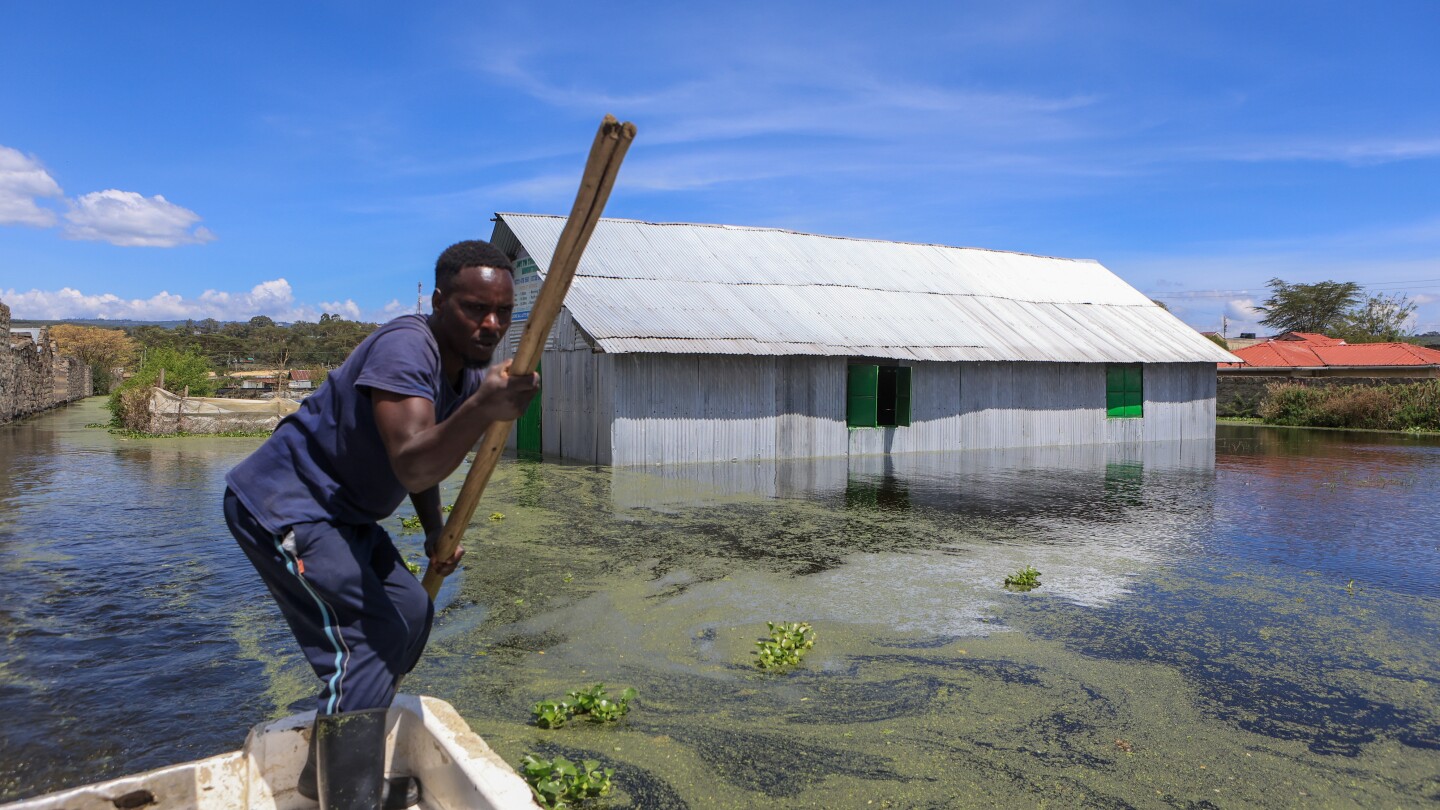
    NAIVASHA, Kenya — Dickson Ngome’s agricultural livelihood has been literally swallowed by water. When he first leased his 1.5-acre farm near Lake Naivasha in 2008, the shoreline stood approximately 2 kilometers away. Today, his property lies completely submerged beneath the expanding waters of Kenya’s Rift Valley lake system.

    The dramatic transformation occurred with startling speed. After early rains began in September and continued relentlessly for months, Ngome and his family awoke one October morning to find their home and farmland inundated with approximately a foot of water. “It seemed as if the lake was far from our homes,” recounted Rose Wafula, Ngome’s wife. “And then one night we were shocked to find our houses flooded. The water came from nowhere.”

    This personal tragedy reflects a broader regional crisis. Lake Naivasha’s expansion has displaced approximately 5,000 residents this year alone, part of a concerning pattern affecting multiple Rift Valley lakes including Baringo, Nakuru, and Turkana. According to scientific analysis, these water bodies have been experiencing steady increases over the past 15 years, with some reaching their highest recorded levels.

    Simon Onywere, an environmental planning expert at Kenyatta University, confirms the unprecedented scale: “The lakes have risen almost beyond the highest level they have ever reached.” Research published in the Journal of Hydrology documents that East African lake areas expanded by 71,822 square kilometers between 2011 and 2023, resulting in the displacement of over 75,000 households across the Rift Valley region by 2021.

    The economic repercussions are substantial. Lake Naivasha’s surrounding horticulture industry, which generates over $1 billion annually and supplies 40% of the EU’s rose market, has suffered significant losses with three-quarters of some flower farms now underwater.

    Scientific consensus points to climate change as a primary driver. Richard Muita, acting assistant director of the Kenya Meteorological Department, explains: “The Kenya Meteorological Department found that the water level rises are associated with rainfall patterns and temperature changes.” Additional factors include sedimentation from agricultural runoff, which compounds the problem by reducing lake capacity.

    Complicating the situation are historical land management issues. The Ngome family’s community of Kihoto sits on riparian land that legally cannot be privately owned. Silas Wanjala of the Lake Naivasha Riparian Association traces this problem to “a mess established by the government” in the late 1960s when temporary agricultural leases were improperly converted into permanent settlements.

    Local authorities are responding to the immediate humanitarian crisis. “We are tackling this as an emergency,” stated Joyce Ncece, chief officer for disaster management in Nakuru County. “The county government has provided trucks to help families relocate. We have been helping to pay rent for those who lack the finances.”

    Meanwhile, scientists advocate for long-term strategies including climate change mitigation, improved forecasting, and nature-based solutions incorporating indigenous knowledge. For displaced families like the Ngomes, currently sheltering in an abandoned school, the future remains uncertain as Lake Naivasha continues its relentless expansion with no signs of reversal.

  • Another 130 abducted schoolchildren released in Nigeria

    Another 130 abducted schoolchildren released in Nigeria

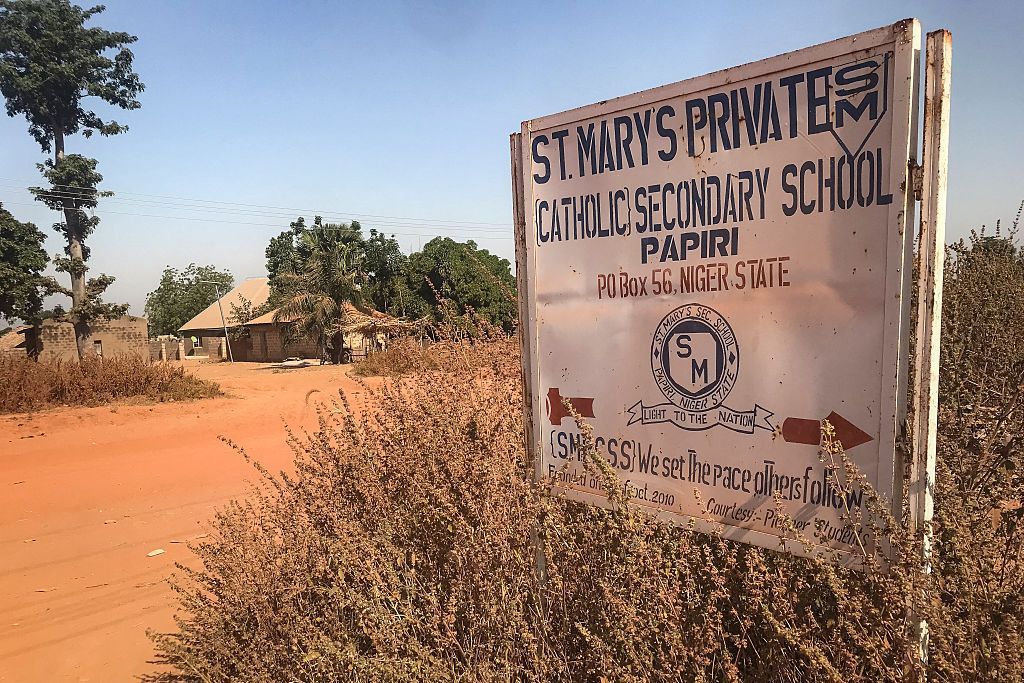
    Nigerian authorities have successfully secured the liberation of the remaining 130 students and staff members who were abducted during a mass kidnapping at St Mary’s Catholic boarding school in Papiri, central Nigeria. The federal government heralded this development as a “moment of triumph and relief” following one of the country’s most severe school abduction crises.

    The incident began on November 21st when armed assailants stormed the educational facility, initially seizing more than 250 children and staff members. Earlier this month, approximately 100 children were released in a preliminary breakthrough, though confusion persisted regarding the exact number of captives remaining.

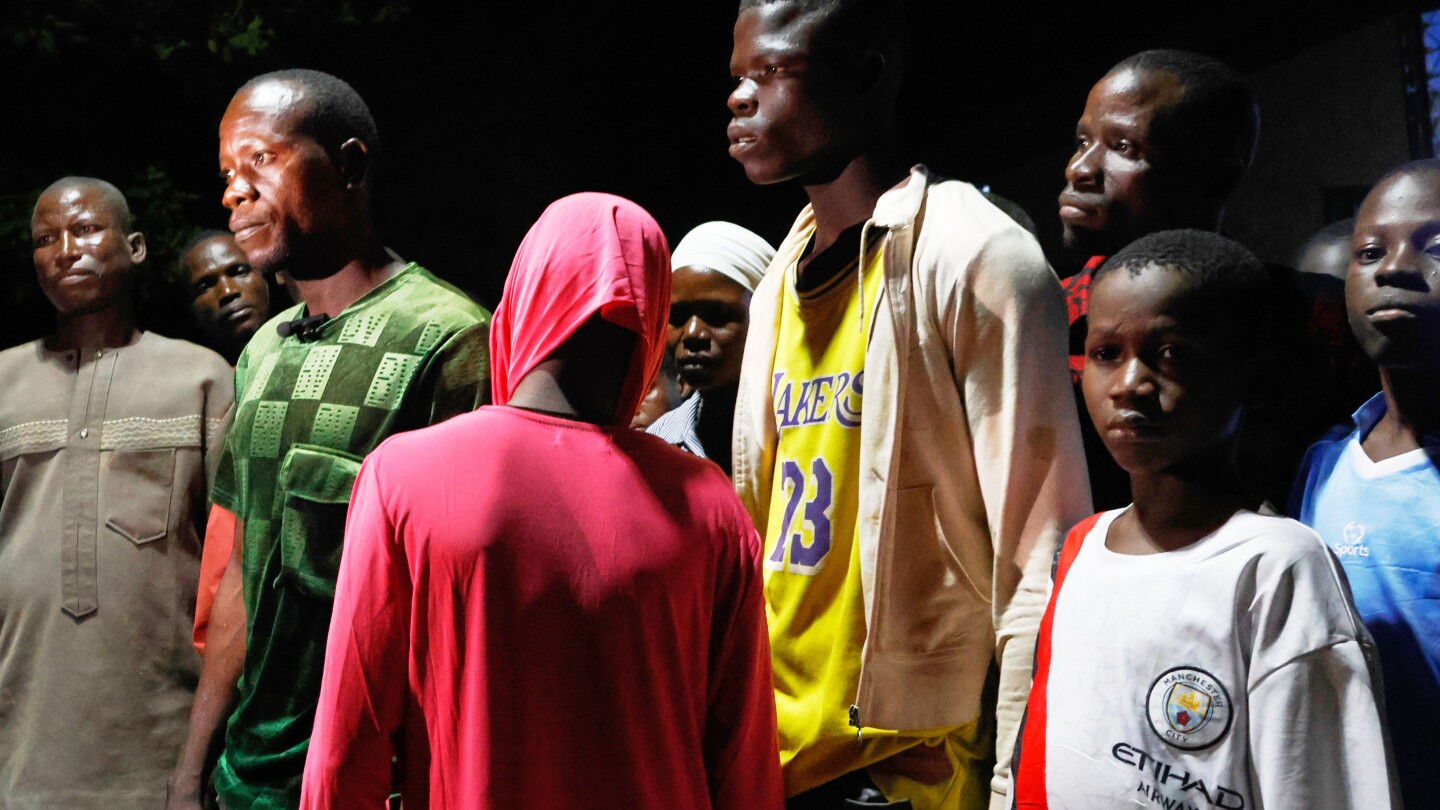
    Presidential spokesperson Bayo Onanuga confirmed Sunday that the total number of freed students has reached 230. Official communications posted on government social media channels emphasized that “not a single pupil is left in captivity” from the November incident.

    The resolution of this crisis comes amidst growing security concerns across northern and central Nigeria, where educational institutions and religious centers have increasingly become targets for criminal elements. Just days before the St Mary’s abduction, similar attacks occurred at Christ Apostolic Church in Kwara state (resulting in 38 kidnappings) and Government Girls’ Secondary School in Kebbi state (where 25 Muslim students were taken). All victims from those prior incidents have since been freed.

    While government officials have not disclosed operational details regarding the rescue methodology or potential ransom payments, neighboring Nasarawa state governor Abdullahi Sule previously acknowledged the federal government’s crucial involvement in these sensitive negotiations, citing security reasons for the confidentiality.

    The Christian Association of Nigeria reported that approximately 50 students managed to escape during the initial abduction event. The recently freed students are expected to arrive in Minna, the capital of Niger state, on Monday, with official photographs already showing children smiling and waving following their release.

    President Bola Ahmed Tinubu reiterated on December 9th that his administration remains committed to collaborating with state governments to enhance school security and create safer learning environments throughout Nigeria.

  • Australia falls silent, lights candles for Bondi Beach shooting victims

    Australia falls silent, lights candles for Bondi Beach shooting victims

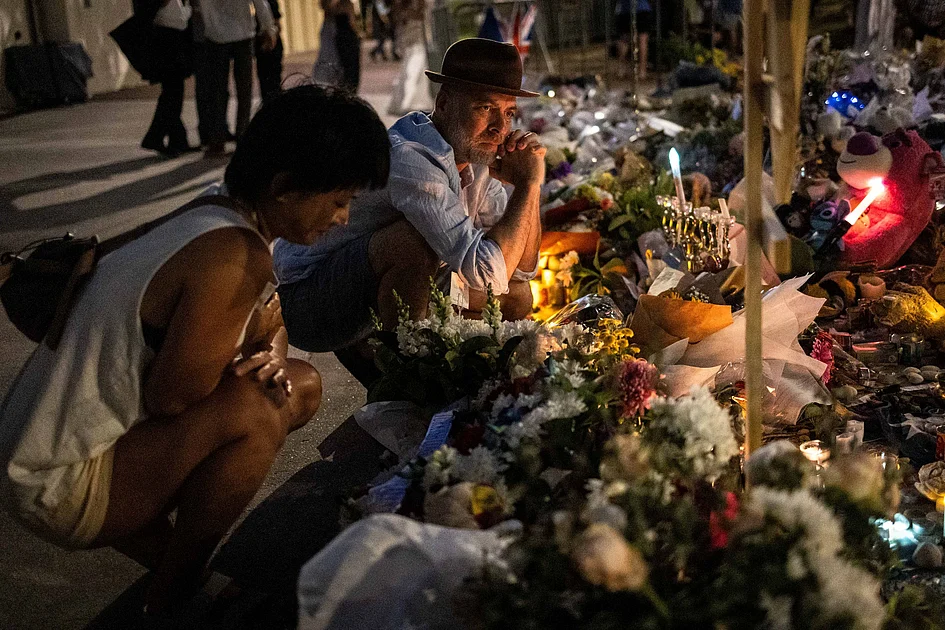
    Australia stood united in solemn remembrance on Sunday as citizens nationwide observed a moment of silence and illuminated candles to honor the fifteen lives lost in the devastating Bondi Beach shooting. The tragic incident, which occurred exactly one week prior during a Hanukkah celebration, represents the deadliest mass shooting the nation has witnessed in nearly three decades.

    At precisely 6:47 PM local time, the country fell silent—from vibrant urban centers to tranquil rural communities—marking the exact moment gunfire first erupted at the beachside festival. The nationwide gesture was accompanied by a powerful visual symbol as countless households placed candles on windowsills, embodying the Hanukkah theme of ‘light over darkness.’

    Approximately 20,000 mourners gathered along the Bondi foreshore as dusk descended, participating in an emotionally charged vigil where Rabbi Yehoram Ulman solemnly read the names of each victim. Among those memorialized were Matilda, a ten-year-old girl who became the youngest victim, and 87-year-old Holocaust survivor Alex Kleytman, who reportedly perished while shielding his wife from bullets.

    The alleged perpetrators—identified as Sajid Akram, an Indian national who entered Australia in 1998 and was subsequently killed by police, and Naveed, an Australian-born citizen currently hospitalized under police guard—face multiple charges including terrorism and fifteen counts of murder.

    While the ceremony emphasized unity and remembrance, underlying tensions surfaced regarding the government’s response to rising antisemitic incidents. Prime Minister Anthony Albanese faced audible dissent from portions of the crowd, with one individual shouting ‘Blood on your hands’ as he arrived at the vigil.

    Amid the tragedy, stories of extraordinary courage have emerged, including shopkeeper Ahmed al Ahmed, a Syrian immigrant and father of two, who successfully wrested a firearm from one attacker after maneuvering between vehicles. Additional accounts describe beachgoers confronting the heavily armed assailants, shielding strangers, and rushing through active gunfire to administer aid to the wounded.

  • 130 schoolchildren and staff abducted in Nigeria last month have been released, police say

    130 schoolchildren and staff abducted in Nigeria last month have been released, police say

    ABUJA, Nigeria — In a significant development following weeks of uncertainty, Nigerian authorities have confirmed the successful liberation of the remaining 130 students and staff members who were held captive since their abduction from St. Mary’s Catholic School last month. The November 21st raid by armed gunmen in Niger state’s Papiri community had initially resulted in the capture of 303 students and 12 teachers.

    The resolution came through what presidential spokesperson Bayo Onanuga described as a “military intelligence driven operation” that culminated in the hostages’ release on Sunday. According to official statements from both police and government representatives, all formerly captive individuals are scheduled to reunite with their families in Minna, the state capital, ahead of Christmas celebrations.

    This incident represents one of the most severe mass abductions in Nigeria’s ongoing security crisis, though it follows a pattern of similar attacks targeting educational institutions and houses of worship. While no group has formally claimed responsibility, local communities attribute such kidnappings to armed gangs operating predominantly in Nigeria’s northern regions, where ransom-driven abductions have become increasingly prevalent.

    The coordinated response involved multiple government agencies, with Niger State police spokesperson Wasiu Abiodun verifying the release of “the remaining batch of abducted students.” Concurrently, Sunday Dare, another presidential spokesperson, asserted that no children remain in captivity following this operation.

    This successful resolution occurs against a backdrop of international scrutiny regarding Nigeria’s handling of security challenges, particularly those affecting religious communities and educational institutions.

  • In rebel-held Myanmar, civilians face devastating air strikes and a sham election

    In rebel-held Myanmar, civilians face devastating air strikes and a sham election

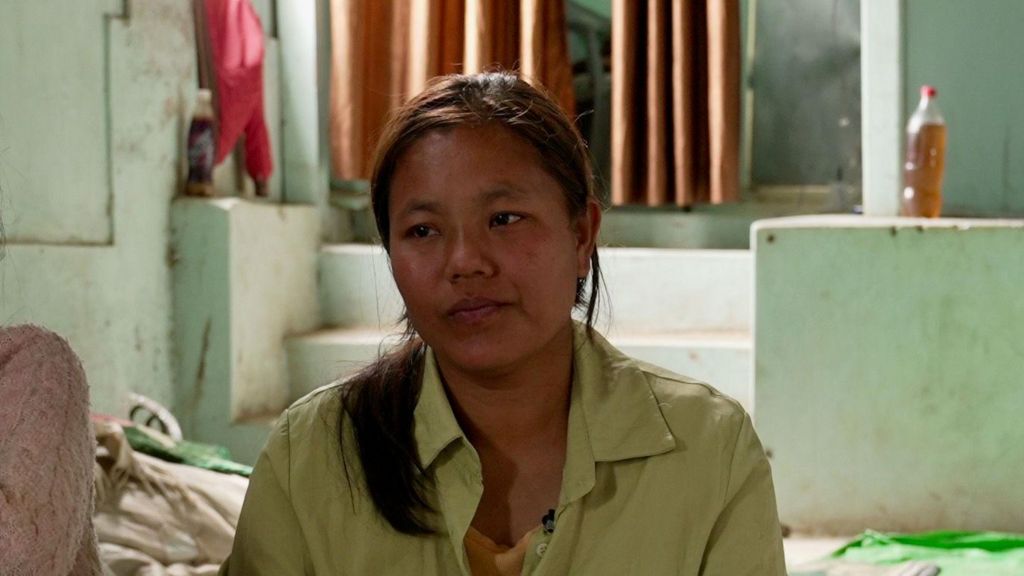
    In Myanmar’s western Chin State, a humanitarian catastrophe unfolds as thousands of civilians flee intensified military operations ahead of scheduled elections. Iang Za Kim, among those displaced, describes the terror of November 26 when airstrikes targeted her village of K-Haimual. ‘We thought the junta’s planes would bomb us too,’ she recounts, her voice trembling. ‘We grabbed what we could and ran into the jungles.’

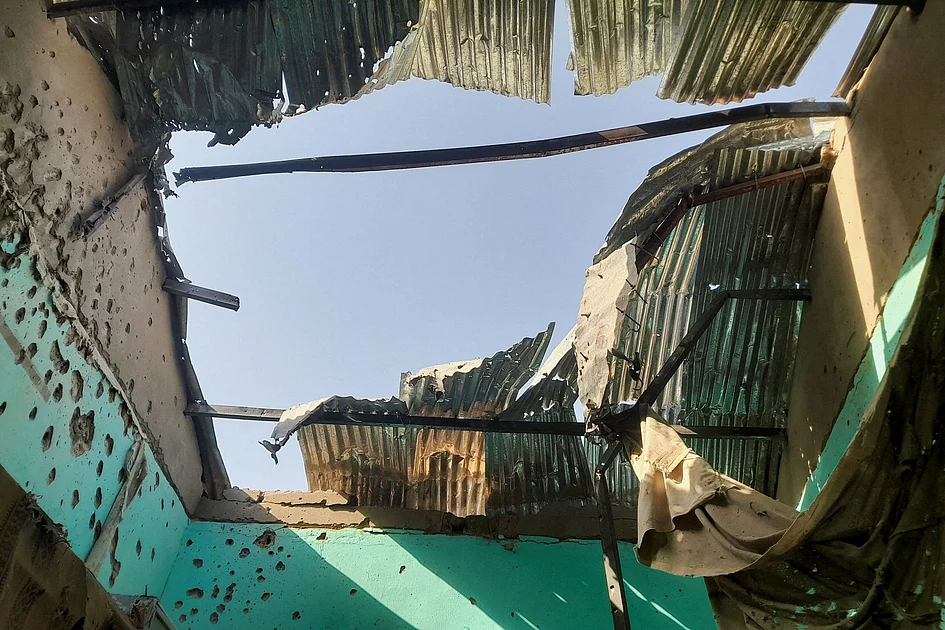
    The military junta, which seized power in February 2021, has launched its most aggressive campaign in over three years to recapture rebel-held territories. The offensive combines aerial bombardments with ground operations, disproportionately affecting civilian infrastructure. According to the Chin Human Rights Organisation, at least three schools and six churches have been targeted since mid-September, resulting in 12 fatalities including six children.

    Verified evidence confirms the October 13 bombing of Vanha village school that killed two students—seven-year-old Johan Phun Lian Cung and twelve-year-old Zing Cer Mawi—during lessons. The military government has not responded to BBC’s inquiries regarding these allegations.

    Many displaced persons have crossed into India’s Mizoram state, finding temporary shelter in makeshift facilities like a repurposed badminton court in Vaphai village. Indian locals have provided basic sustenance, but conditions remain dire. Eighty-year-old Ral Uk Thang, having endured days in jungle shelters, states: ‘We’re afraid of our own government. They are extremely cruel.’

    The upcoming elections, scheduled to begin December 28, are widely condemned as illegitimate. With Aung San Suu Kyi’s National League for Democracy barred from participation and most senior leaders imprisoned, civilians fear forced voting under threat of imprisonment and torture. ‘If we voted for a party not allied with the military, I believe they will steal our votes,’ Iang Za Kim asserts.

    Rebel groups characterize the electoral process as a sham designed to perpetuate military dictatorship. Sui Khar, Vice Chairman of the Chin National Front, notes the contradiction: ‘In Chin State, they hardly control much area, so how can they hold an election?’

    The human cost extends to combatants as well. At a rebel base hospital, eighteen-year-old Abel lies incapacitated after losing his right leg and sustaining severe hand injuries during recent fighting. Nearby, nineteen-year-old Si Si Maung, also amputated, declares: ‘I’ve lost a leg, but even if I’ve to give up my life I’m happy to make the sacrifice so that future generations have a better life.’

    Despite the overwhelming military advantage—with hundreds of soldiers supported by airstrikes, artillery, and drone units—the resistance continues its advance. Yet for elderly civilians like Ral Uk Thang, hope diminishes: ‘I don’t think I will live to see democracy restored in Myanmar. I hope my children and grandchildren can witness it some day.’

  • Sudan drone attack on Darfur market kills 10, say rescuers

    Sudan drone attack on Darfur market kills 10, say rescuers

    A deadly drone strike targeted a bustling marketplace in Sudan’s North Darfur state over the weekend, resulting in at least 10 fatalities according to local emergency responders. The attack struck Al-Harra market in the paramilitary-controlled town of Malha on Saturday, igniting fires that consumed multiple shops and caused substantial property damage.

    The North Darfur Emergency Rooms Council, part of Sudan’s extensive network of volunteer aid organizations, confirmed the incident while refraining from attributing responsibility to any specific faction. Neither the Sudanese army nor the Rapid Support Forces (RSF) paramilitary group have issued statements regarding the attack.

    This violence occurs amid intensified fighting across multiple regions of Sudan, particularly in South Kordofan where the conflict’s current epicenter has emerged. The strategic city of Kadugli, already grappling with famine conditions, witnessed the complete evacuation of humanitarian workers on Sunday due to deteriorating security. This evacuation followed the United Nations’ decision to relocate its logistical hub from the besieged city.

    The ongoing civil war, which erupted in April 2023 between the national army and RSF forces, has created one of the world’s most severe humanitarian crises. The conflict has claimed tens of thousands of lives while displacing nearly 12 million people—the largest displacement crisis globally. Recent RSF advancements have shifted the battlefield toward resource-rich Kordofan, a critical junction connecting army-controlled northern territories with RSF-dominated western regions.

    Communications blackouts and widespread famine have compounded the suffering, with Kadugli residents reportedly foraging in nearby forests for sustenance. The conflict has effectively partitioned Sudan into separate zones of control, with the army maintaining authority over northern, eastern, and central areas while the RSF commands all five state capitals in Darfur and significant southern territories.

  • Israeli forces kill Palestinian teenager near Jenin

    Israeli forces kill Palestinian teenager near Jenin

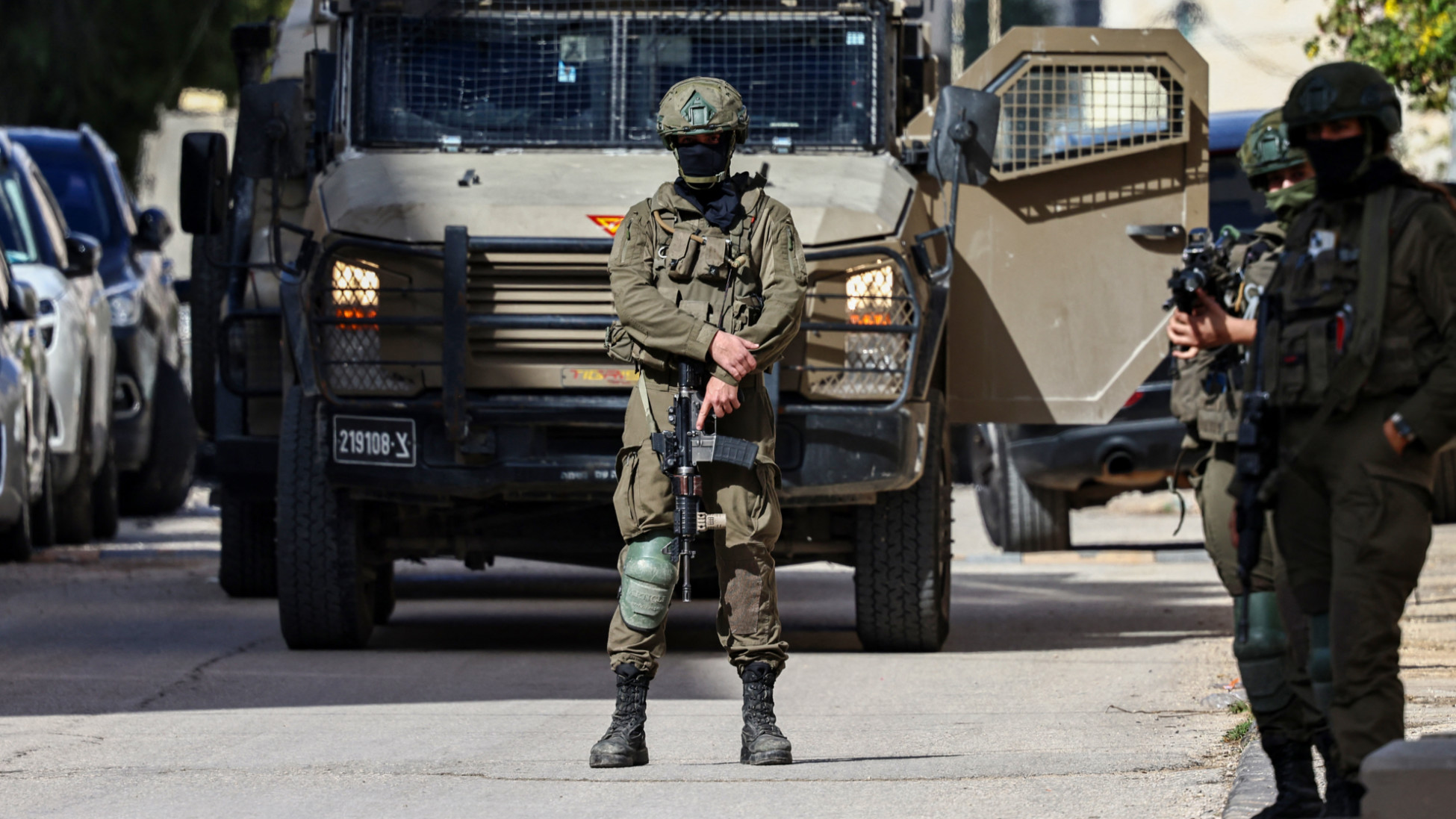
    Israeli military operations in the occupied West Bank resulted in the deaths of two Palestinian youths on Saturday, marking continued violence in the region despite the ongoing ceasefire in Gaza. The incidents occurred near the city of Jenin, with both fatalities involving controversial circumstances that have drawn international scrutiny.

    In the first incident, 16-year-old Rayyan Abu Mualla was fatally shot by Israeli soldiers in Qabatiya, south of Jenin. Palestinian authorities reported that the teenager was killed at close range after allegedly throwing a stone toward military personnel. Circulating video footage appears to show the moment of the shooting as Abu Mualla approached the soldiers. The Israeli military stated in an official communiqué that their forces responded after the youth “threw a brick” in their direction.

    Medical response teams faced significant obstacles during the aftermath, with Palestinian news agency Wafa reporting that Israeli soldiers blocked ambulance crews from reaching the wounded teenager, effectively leaving him to bleed to death. In a further controversial move, Israeli forces subsequently withheld the victim’s body from being returned to his family.

    Separately, in the town of Silat al-Harithiya west of Jenin, Israeli forces conducted a raid that resulted in the death of 22-year-old Ahmad Zyoud. Military officials claimed Zyoud was shot after “hurling an explosive device” toward security personnel during the operation.

    These latest fatalities occur within a broader context of escalating violence across the West Bank since the commencement of Israel’s military campaign in Gaza two years ago. According to statistics compiled from Palestinian health ministry figures by AFP, Israeli troops or settlers have killed more than 1,000 Palestinians in the West Bank since the start of the Gaza conflict.

    Disturbingly, the Palestinian health ministry has documented that 51 Palestinian minors have lost their lives to Israeli forces in the West Bank since January alone. November witnessed particularly severe violence, with the Colonisation and Wall Resistance Commission reporting approximately 2,144 attacks by Israeli forces and settlers against Palestinian civilians and their property—1,523 perpetrated by soldiers and 621 by settlers.