分类: world

  • Beijing role in Africa’s green shift draws praise

    Beijing role in Africa’s green shift draws praise

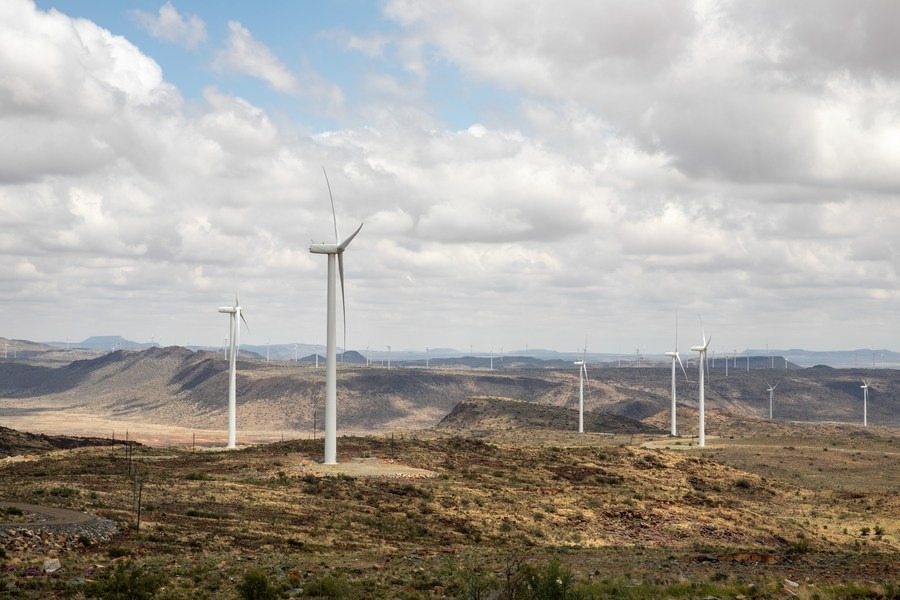
    Two comprehensive studies released by the Africa-China Centre for Policy and Advisory in collaboration with the African Climate Foundation reveal China’s increasingly significant role in advancing sustainable development across Africa. The research, focusing specifically on Ghana and Ethiopia, demonstrates how Chinese partnerships have evolved beyond traditional infrastructure projects to become crucial enablers of green industrialization.

    Through the Forum on China-Africa Cooperation (FOCAC), China has established innovative financing mechanisms that African nations find more adaptable than Western alternatives. These arrangements include concessional loans, grants, and technical assistance packages specifically designed to make renewable energy projects more financially accessible. The $60 billion commitment China made to African investments has already supported notable initiatives such as Ghana’s Hydro-Solar Hybrid plant and numerous industrial zone upgrades promoting eco-friendly manufacturing.

    In Ethiopia, Chinese engagement has been particularly transformative, with $850 million invested in green energy between 2011-2024—making China the nation’s second-largest renewable energy donor after the World Bank Group. Chinese enterprises have contributed to over 2,000 projects valued at approximately $5 billion, generating nearly 600,000 employment opportunities while developing critical infrastructure including railways, telecommunications networks, and power generation facilities.

    The reports acknowledge certain challenges, noting that Ghana’s manufacturing sector receives only a limited portion of green financing and that domestic financial institutions have been slow to adopt climate-conscious lending practices. Ethiopia requires better alignment between FOCAC initiatives and its specific green industrial priorities.

    Despite these hurdles, researchers emphasize the substantial opportunities emerging from Sino-African cooperation. Paul Frimpong, Executive Director of the Africa-China Centre, highlighted the growing urgency among African nations to shape their climate agendas through international partnerships. Sahele T. Fekede of the African Climate Foundation pointed to the potential for African institutions to enhance regulatory frameworks and build technical capacity through collaboration with Chinese partners.

    The assessment concludes that China’s flexible financing models and technological expertise are helping bridge critical funding gaps in Africa’s green transition, which could potentially create 1.2 million new jobs in Ghana alone by 2030 while reducing industrial emissions by 35 percent.
  • Blast at mosque in Nigeria kills 5 and injures more than 30 in apparent suicide attack

    Blast at mosque in Nigeria kills 5 and injures more than 30 in apparent suicide attack

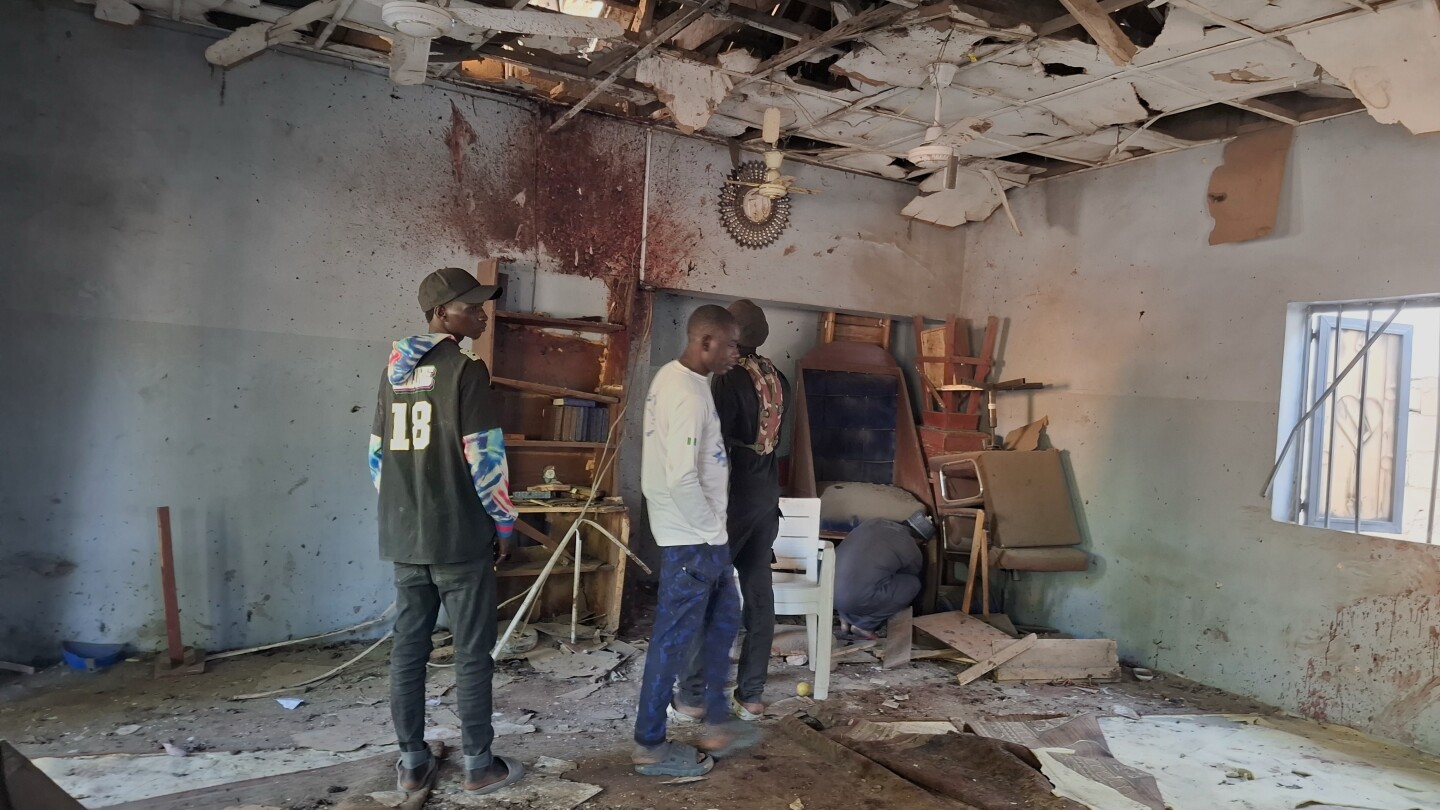
    MAIDUGURI, Nigeria — A devastating suicide bombing targeted worshippers at a mosque in northeastern Nigeria on Wednesday evening, resulting in five fatalities and 35 injuries according to police reports. The attack occurred during nightly prayers in Maiduguri, the capital of Borno State, a region long plagued by Islamist insurgencies.

    Police spokesperson Nahum Daso confirmed in an official statement that forensic examination of the blast site revealed remnants of what appeared to be a suicide vest, indicating the deliberate nature of the assault. This incident represents the latest in a protracted series of violent attacks destabilizing Nigeria’s northern territories, where government forces continue to combat multiple armed factions including Boko Haram and its offshoot, Islamic State West Africa Province (ISWAP).

    The United Nations estimates the conflict has claimed several thousand lives and displaced millions of civilians since 2009, creating one of Africa’s most severe humanitarian crises. While no militant organization has formally claimed responsibility for Wednesday’s bombing, the operational methodology strongly suggests Boko Haram’s involvement. The group has historically employed suicide bombers as a primary tactic in its campaign to establish an Islamic state in the region.

    Security analysts note that while the frequency of suicide attacks has diminished in recent years, the capability remains intact among militant factions. The July 2024 triple suicide bombing at a Borno wedding ceremony had already signaled potential resurgence of this tactic, with Wednesday’s mosque attack reinforcing concerns about renewed operational patterns. The continued violence underscores the persistent security challenges facing Nigerian authorities despite sustained counterinsurgency efforts.

  • UAE conveys condolences over Libya army chief’s plane crash

    UAE conveys condolences over Libya army chief’s plane crash

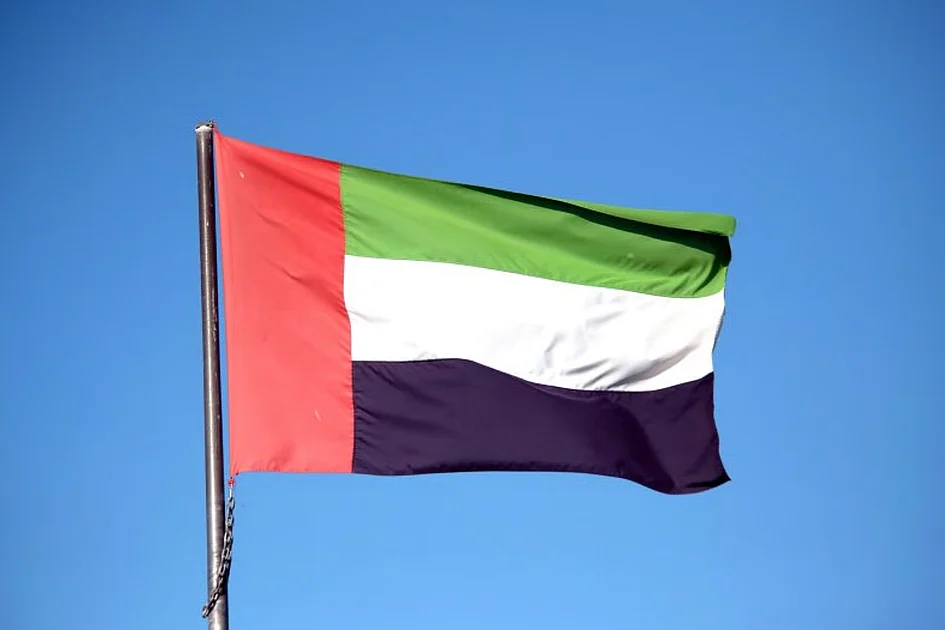
    The United Arab Emirates has formally expressed profound condolences and solidarity with the Libyan government following a devastating aviation tragedy that claimed the life of the nation’s top military commander. Lieutenant General Mohammed Al-Haddad, Chief of Staff of the Libyan Army, perished alongside seven other senior military officials when their private jet crashed near Ankara’s airport on Tuesday evening.

    In an official statement released by its Ministry of Foreign Affairs (MoFA), the UAE conveyed its heartfelt sympathies to the families of all victims, the Libyan government, and the nation’s citizens, characterizing the incident as a profound national tragedy.

    According to Turkish aviation authorities, the ill-fated Dassault Falcon 50 executive jet had departed from Ankara Esenboga Airport at 1717 GMT bound for Tripoli. Approximately sixteen minutes into the flight, at 1733 GMT, the aircraft reported a critical electrical system failure and urgently requested clearance for an emergency landing. Contact with the aircraft was lost shortly after this transmission.

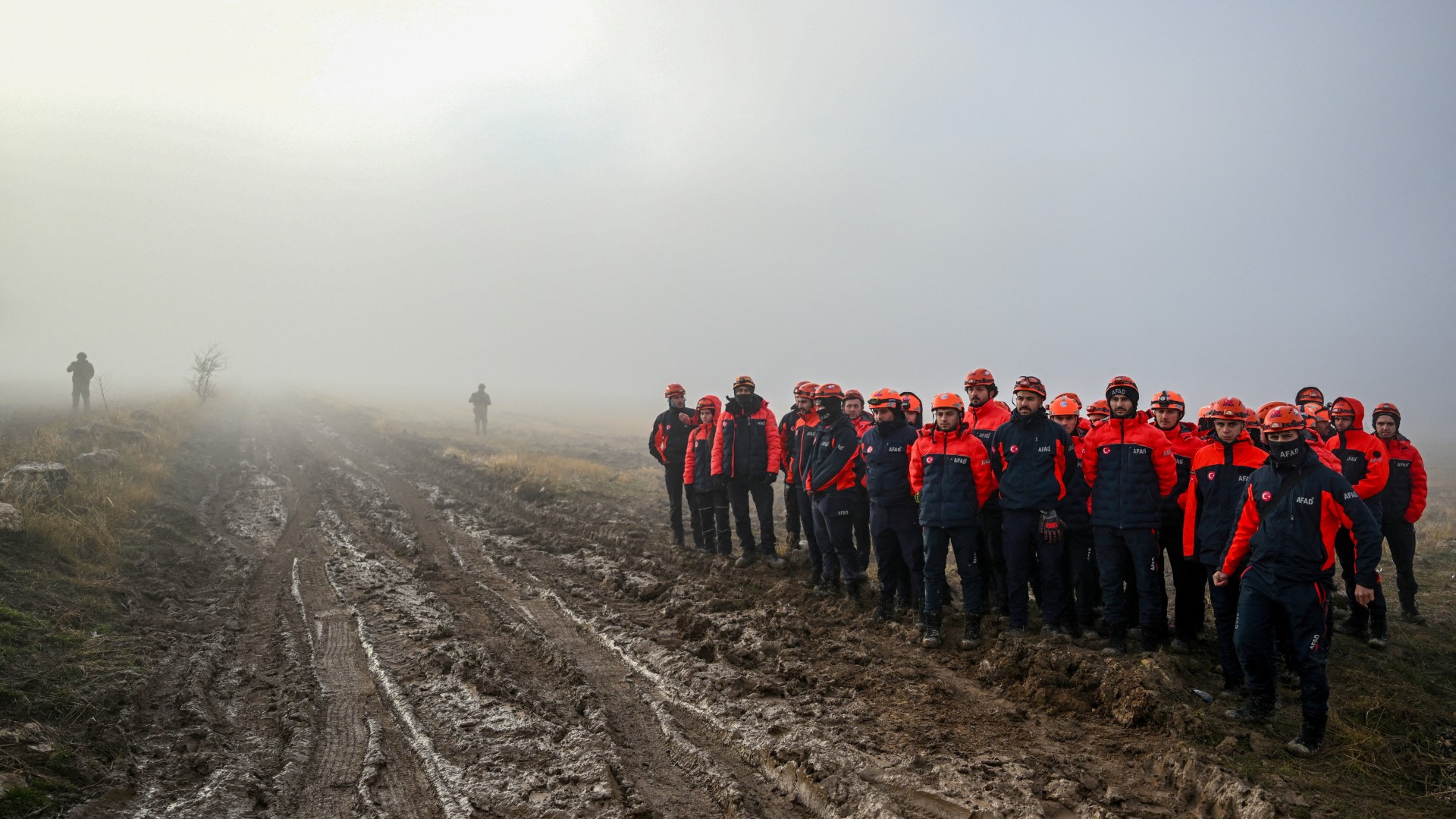
    Burhanettin Duran, head of Turkey’s communications directorate, confirmed these technical details surrounding the accident. Turkish Interior Ministry officials subsequently reported that search and recovery teams successfully located the aircraft’s black box flight recorder early Wednesday morning, which may provide crucial evidence for determining the exact cause of the catastrophic failure. The crash represents a significant blow to Libya’s military leadership structure amid the country’s ongoing political stabilization efforts.

  • Al-Shabab extremists are greatest threat to peace in Somalia and the region, UN experts say

    Al-Shabab extremists are greatest threat to peace in Somalia and the region, UN experts say

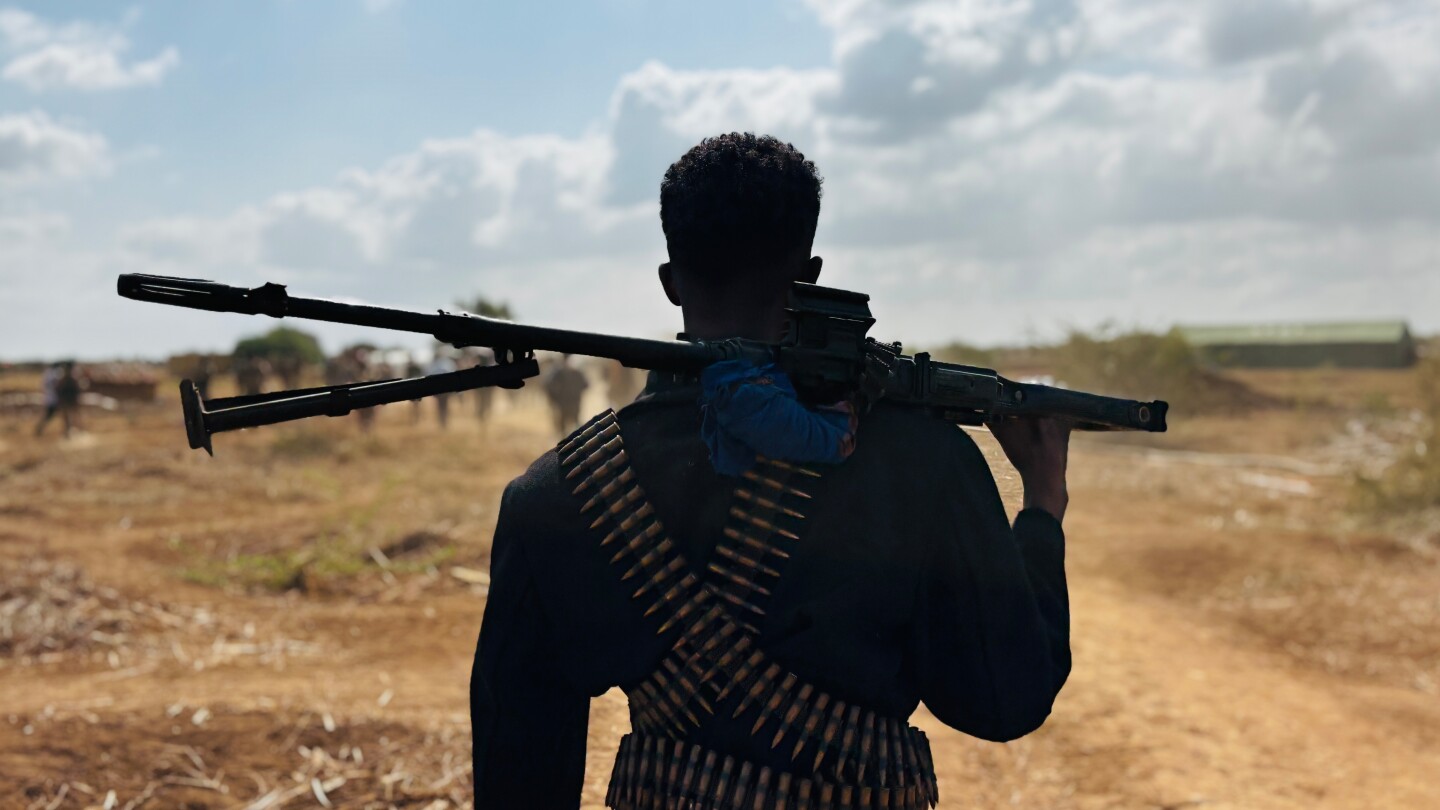
    United Nations security experts have issued a stark warning that the Al-Shabab extremist organization continues to represent the most severe immediate danger to regional stability in Somalia and neighboring nations, particularly Kenya. According to a comprehensive report released Wednesday by UN monitoring specialists, the Al-Qaeda-affiliated militant group persists in executing sophisticated asymmetric operations despite concerted counterterrorism efforts by Somali authorities and international forces.

    The expert assessment reveals that Al-Shabab’s threat profile extends beyond high-profile attack capabilities to include sophisticated extortion networks, systematic forced recruitment campaigns, and a highly effective propaganda apparatus. The group demonstrated its operational reach within the Somali capital on March 18 by attempting to assassinate the nation’s president in Mogadishu.

    In response to the persistent security challenges, the UN Security Council unanimously voted Tuesday to extend the African Union’s stabilization mandate in Somalia through December 31, 2026. The approved peacekeeping contingent will maintain 11,826 uniformed personnel, including 680 police officers.

    The report documents that Al-Shabab has conducted approximately six attacks monthly within Kenyan territory during 2024, primarily targeting border regions of Mandera and Lamu counties. These operations employ improvised explosive devices against security forces, infrastructure sabotage, kidnappings, residential raids, and livestock theft.

    UN analysts confirm that Al-Shabab’s strategic objectives remain unchanged: overthrow the Somali government, expel international forces, and establish a Greater Somalia under strict Islamic governance that would unite ethnic Somali populations across East Africa.

    Additionally, the monitoring panel investigated Islamic State operations in Somalia, reporting that ISIL-Somalia has recruited fighters globally with approximately 60% of its 1,000+ combatants originating from outside Somalia. Despite operating with significantly fewer resources than Al-Shabab, the Islamic State faction constitutes an emerging threat to regional security.

  • Tokyo exhibition tells story of Japan’s invasion of China

    Tokyo exhibition tells story of Japan’s invasion of China

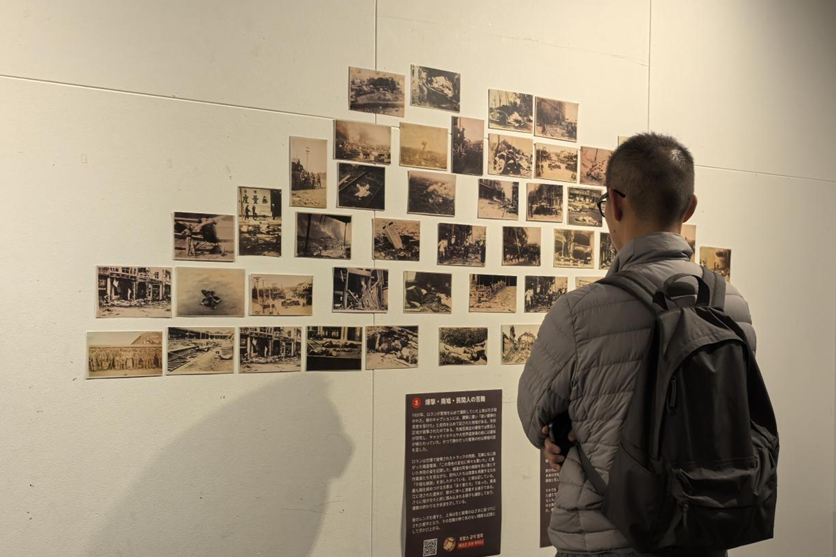
    A powerful photographic exhibition titled ‘Who Has Been Deceived? Face the Truth, Japanese’ opened in Tokyo on December 19, presenting compelling visual evidence of Japan’s wartime aggression in China during World War II. The exhibition, organized by three international donors, aims to educate Japanese citizens about historical truths often omitted from mainstream narratives.

    French national Marcus Detrez, alongside collaborators Bastien Ratat and Zhong Haosong, curated the display featuring 618 historical photographs primarily documenting the Battle of Songhu in 1937 and the Nanjing Massacre. The collection originated from Detrez’s grandfather, Roger-Pierre Laurens, who resided in Shanghai during the 1930s and captured devastating scenes of Japanese bombings and civilian massacres.

    Detrez discovered the historically significant collection in his grandfather’s garage in 2021 while working as an English language teacher in France. In August 2025, he donated the entire archive to the Shanghai Songhu Memorial Hall for permanent preservation and academic research regarding the Chinese People’s War of Resistance against Japanese Aggression (1931-45) and the World Anti-Fascist War.

    The Tokyo exhibition represents part of an international awareness campaign that previously included events in Seoul and attendance at the National Memorial Day for the Victims of the Nanjing Massacre on December 13. The organizers produced Japanese-language educational materials and videos to enhance local understanding of the documented atrocities.

    Ratat emphasized the exhibition’s critical timing, noting concerning statements from Japan’s new prime minister regarding Taiwan that potentially threaten regional stability. The organizers faced criticism from Western media outlets and encountered obstructions within Japan but remained committed to presenting factual historical accounts.

    The exhibition series will continue its global tour throughout 2026 with planned events in Europe and the United States, continuing its mission of promoting historical accuracy and international peace through documented evidence.

  • Bombed churches and air strikes: Celebrating Christmas in south Lebanon

    Bombed churches and air strikes: Celebrating Christmas in south Lebanon

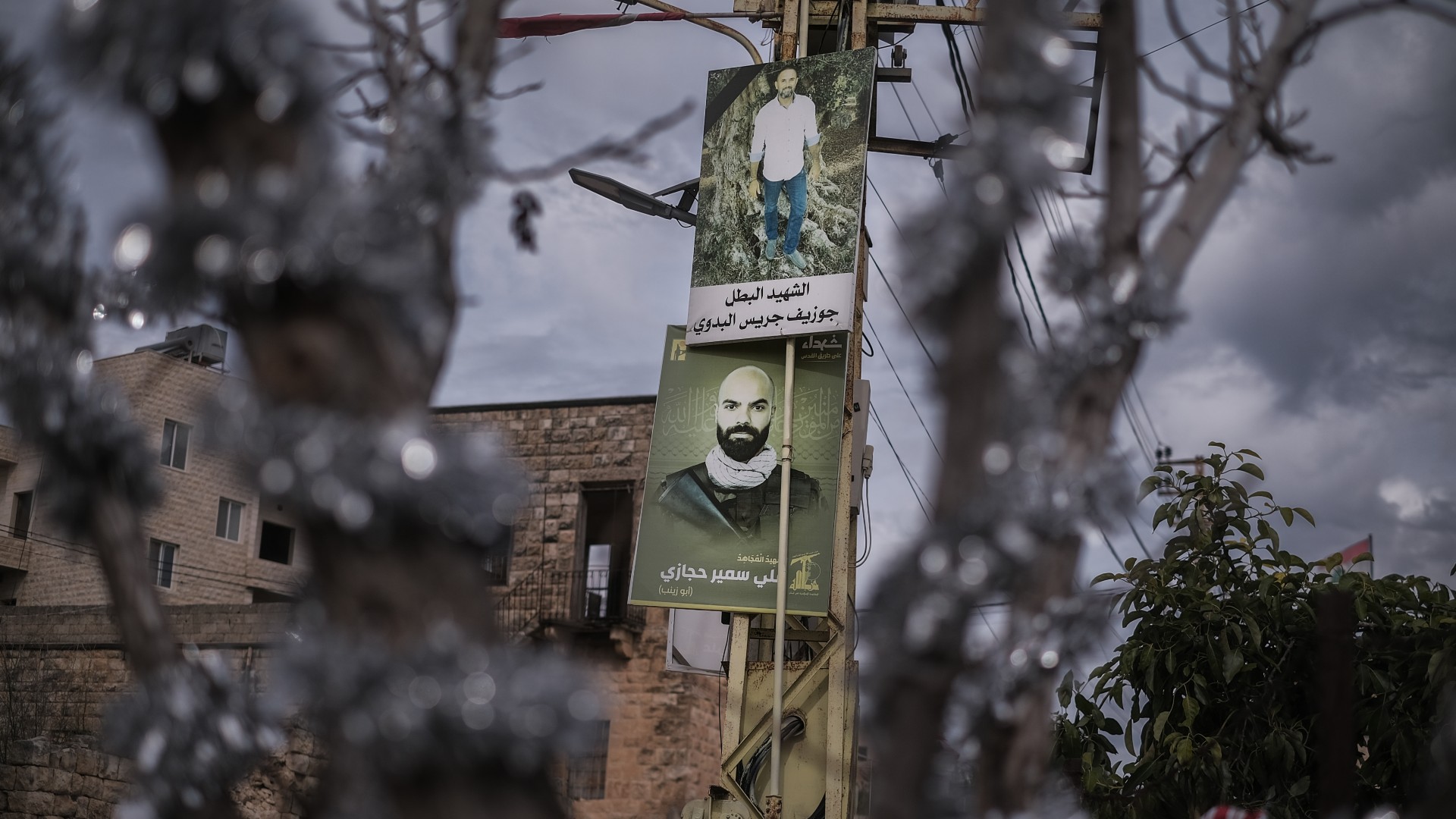
    On a windswept December morning in the southern Lebanese village of Derdghaya, a small congregation of approximately thirty worshippers gathered for Mass. Mostly elderly residents—the last remaining inhabitants of this predominantly Christian community—filed into a makeshift chapel set within their priest’s residence. Their historic Melkite Greek Catholic St. George Church, reduced to rubble by an Israeli bombing in 2023, lay just steps away as a stark reminder of ongoing conflict.

    The service proceeded against a backdrop of howling winds that congregants sometimes mistook for Israeli warplanes—a haunting sound that has become tragically familiar over two years of violence. The conflict escalated significantly in September 2024 when Israel initiated a devastating bombing campaign that forced approximately one million Lebanese from their homes and killed over 4,000 people. While a November 2024 ceasefire agreement reduced large-scale hostilities, Israeli strikes continue almost daily in southern Lebanon, claiming more than 330 lives since the truce began.

    Despite this atmosphere of destruction and uncertainty, Christmas preparations continue across southern Lebanon’s diverse religious communities. In Derdghaya, construction workers in bright red hats sorted through church debris during Sunday’s service, attempting to stabilize the structure with scaffolding. Plastic candy canes and Santa figurines swayed precariously in the wind, symbolic of both celebration and fragility.

    Georges Elia, a local social activist and son of the village mukhtar, has spearheaded Christmas celebrations despite personal challenges. Recently injured in a serious road accident that nearly cost him both legs, Elia dressed as Santa and visited schools in neighboring Muslim villages on a motorcycle decorated as a sleigh.

    The situation is particularly dire in border villages like Deir Mimas, where resident Rami (a pseudonym for security reasons) described adapting to near-daily bombings. “We’ve gotten used to it,” the 26-year-old university student remarked with ironic laughter. His medieval monastery village, which suffered Israeli military incursions including tank and bulldozer damage to its cemetery, has seen many residents flee despite the ceasefire.

    Displacement statistics remain incomplete due to Lebanon’s registration system that ties citizens to ancestral villages regardless of actual residence. Pierre Atallah, mayor of the border village Rachaya al-Fukhar, estimates his community lost approximately 20 of its 120 households since the conflict began. Yet he plans to bring his family to the village for Christmas, where a public tree awaits amidst ongoing concerns about regional stability.

    The lingering threat of escalation shadows holiday preparations. Lebanon approaches an end-of-year deadline to disarm Hezbollah south of the Litani River per the ceasefire agreement—a task Prime Minister Nawaf Salam stated on Saturday is nearing completion. For now, southern Lebanon’s Christians maintain their traditions with resilient determination, celebrating Christmas in damaged villages where wind howls mimic warplanes and church services occur amidst rubble.

  • Allianz and Aviva drop Elbit Systems insurance after pro-Palestine protests

    Allianz and Aviva drop Elbit Systems insurance after pro-Palestine protests

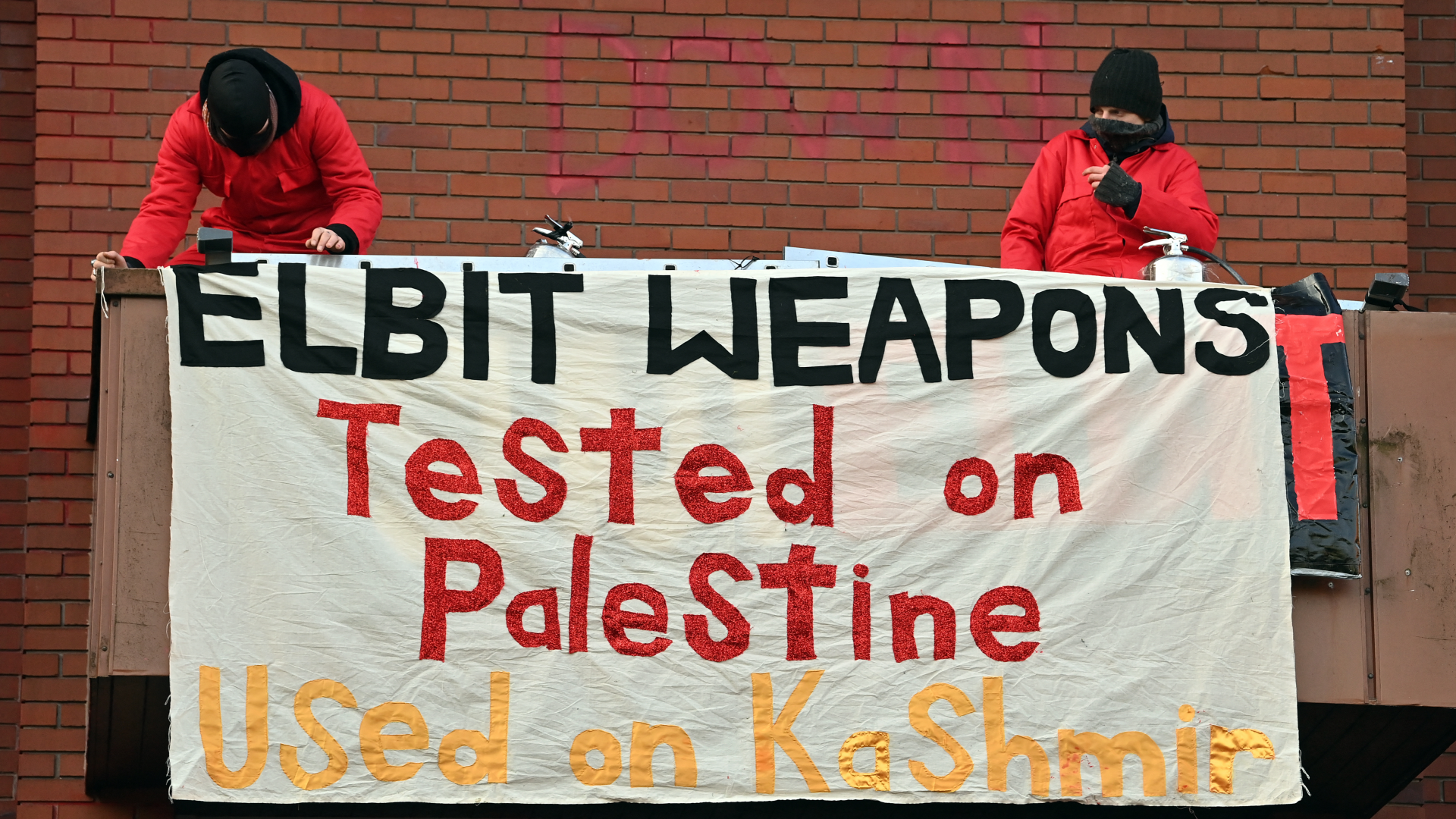
    In a significant development for the Boycott, Divestment, and Sanctions (BDS) movement, global insurance giants Allianz and Aviva have terminated their insurance policies with Israeli defense contractor Elbit Systems. This decision follows sustained pressure from pro-Palestine activists, including direct actions and protests targeting the companies’ operations.

    According to campaign groups, Allianz ceased its coverage of Elbit Systems on November 1st, while Aviva ended its employment liability insurance for UAV Engines Ltd, an Elbit subsidiary, on September 7th. The campaign was spearheaded by Palestine Action, an organization that was subsequently proscribed as a terrorist group by the UK government in July.

    Huda Ammori, co-founder of Palestine Action, characterized the insurers’ withdrawal as a victory for direct action tactics, stating this outcome demonstrates why the government moved to ban their organization. The development highlights the growing financial pressure on companies with ties to Israel’s military industry.

    Elbit Systems maintains a dominant position in supplying Israel’s military, providing approximately 80% of weapons and equipment for land forces and 85% of combat drones used by the air force. The company has faced persistent allegations of complicity in Israeli military actions against Palestinians.

    The activist campaign involved coordinated demonstrations at multiple Allianz offices, including an occupation of their City of London branch in March where premises were spray-painted. Aviva’s Bristol center was similarly targeted in January over its insurance of drone engines linked to an April 2024 attack that killed seven aid workers, including three British veterans.

    In response to the insurance withdrawals, Elbit has secured alternative coverage through Aspen Insurance for its UK operations, while Chubb now provides insurance for UAV Engines. This transition has not gone uncontested, as Aspen’s London offices were recently blockaded by activists from Prisoners for Palestine, who sprayed red paint on the entrance.

    The situation gained international attention when Swedish climate activist Greta Thunberg was arrested outside Aspen’s offices for displaying a placard supporting Palestine Action prisoners. She was subsequently released on bail, with police citing violation of anti-terrorism legislation prohibiting support for proscribed organizations.

    Neither Allianz nor Aviva provided official comments regarding their policy changes when contacted by media outlets. The developments underscore the ongoing tension between activist movements targeting military supply chains and government counter-terrorism measures.

  • Eleven arrested over mass shooting in South Africa tavern

    Eleven arrested over mass shooting in South Africa tavern

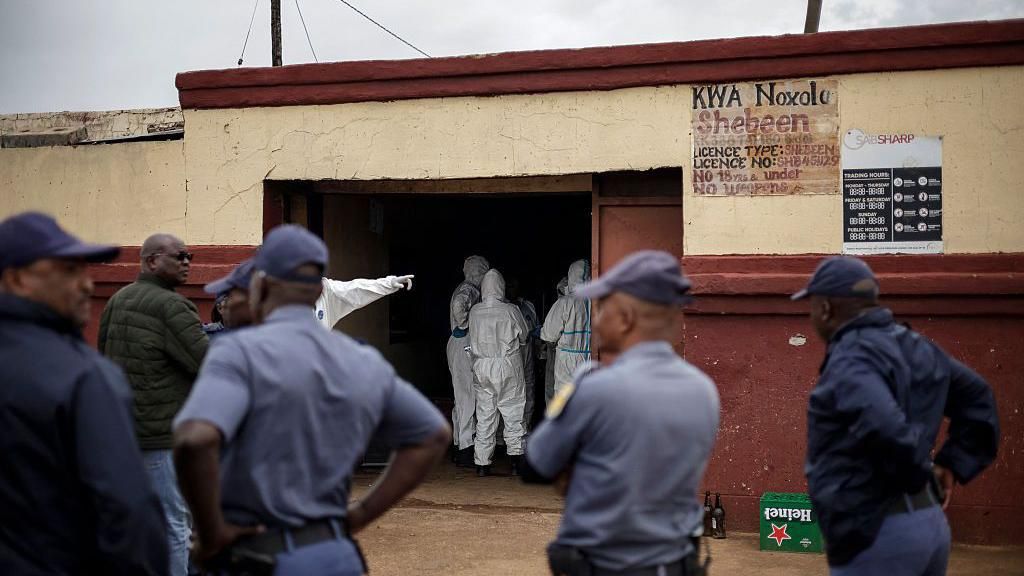
    South African authorities have made significant breakthroughs in the investigation of Sunday’s deadly tavern shooting that claimed nine lives in Bekkersdal, near Johannesburg. Police have apprehended eleven individuals connected to the massacre, revealing a complex international dimension to the case.

    Provincial deputy police commissioner Major General Fred Kekana confirmed that nine of those detained are nationals of Lesotho, while one suspect originates from Mozambique. An additional South African mineworker has also been taken into custody in relation to the attack.

    The shooting occurred around 01:00 local time when approximately twelve unidentified gunmen opened fire on patrons at the licensed drinking establishment. Preliminary investigations now indicate the violence may be connected to territorial disputes within illegal mining operations, contradicting initial assessments that the attack was unprovoked.

    During the assault, gunmen continued firing as victims attempted to flee, resulting in the deaths of two individuals inside the tavern and a taxi driver who had just dropped off a passenger nearby. The suspects were found in possession of several unlicensed firearms, including an AK-47 rifle.

    This incident highlights South Africa’s ongoing struggle with gun violence, where murders frequently stem from arguments, robberies, and gang conflicts. According to statistics cited by Gideon Joubert of the South African Gunowners’ Association, the country has approximately 3 million legally held firearms and at least an equivalent number of unlicensed weapons.

    While 2025 has seen a decline in reported mass shootings, researcher Claire Taylor from Gun Free South Africa notes a concerning increase in incidents where four or more people are killed or injured since 2020. Licensed taverns and informal drinking establishments known as shebeens remain common locations for such attacks.

    The Bekkersdal tragedy occurred merely two weeks after another mass shooting at Saulsville Hostel in Pretoria that left eleven people dead, including a three-year-old child, underscoring the persistent challenge of gun violence in South African communities.

  • Turkey questions series of air incidents after Libyan jet crash

    Turkey questions series of air incidents after Libyan jet crash

    A private Dassault Falcon 50 jet carrying Libya’s military chief of staff, General Mohammed Ali Ahmed al-Haddad, and seven others crashed near Ankara on Tuesday following an emergency landing request due to electrical failure. The aircraft, which had departed from Ankara Esenboga Airport, went down near Haymana district shortly after reporting technical malfunctions to aviation authorities.

    The tragic incident occurred during General al-Haddad’s official visit to Turkey, where he had just concluded meetings with his Turkish counterpart, General Selcuk Bayraktaroglu. The delegation’s demise has sent shockwaves through diplomatic circles, particularly given its timing one day after Turkey’s parliament approved a two-year extension of its military deployment mandate in Libya.

    This accident unfolds against a backdrop of escalating regional tensions. Turkey has maintained substantial military and political support for Libya’s internationally recognized government since 2020, including troop deployments and a controversial maritime demarcation accord opposed by Egypt and Greece. The crash marks the latest in a series of security incidents affecting Turkey, including last month’s military cargo plane crash in Georgia that killed 20 personnel, and multiple maritime attacks on Turkish commercial vessels in the Black Sea allegedly involving Russian ‘kamikaze’ drones.

    Turkish nationalist leader Devlet Bahceli characterized the timing as ‘thought-provoking,’ suggesting possible connections to deepening Turkey-Libya cooperation. While no evidence of sabotage has emerged, some analysts have speculated about potential foreign involvement, citing recent trilateral talks between Israel, Cyprus, and Greece that media outlets described as forming a ‘new front against Turkey.’

    Turkish media reports have attempted to draw connections to Greece through the aircraft’s flight attendant reportedly being a Greek citizen, and the plane’s alleged previous route between Athens and Tripoli. However, aviation experts emphasize that technical investigation remains crucial. Prominent analyst Ugur Cebeci noted that pilot communications before the crash suggest possible mechanical failure rather than sabotage, though comprehensive analysis of the aircraft’s black boxes in collaboration with French manufacturer Dassault Falcon will be necessary for definitive conclusions.

  • 6.0-magnitude earthquake rocks Taiwan, says US Geological Survey

    6.0-magnitude earthquake rocks Taiwan, says US Geological Survey

    A significant seismic event measuring 6.0 on the Richter scale rattled southeastern Taiwan on Wednesday evening, according to the United States Geological Survey. The tremor occurred at 5:47 PM local time (0947 GMT) with a shallow depth of approximately 10 kilometers in the Taitung county region.

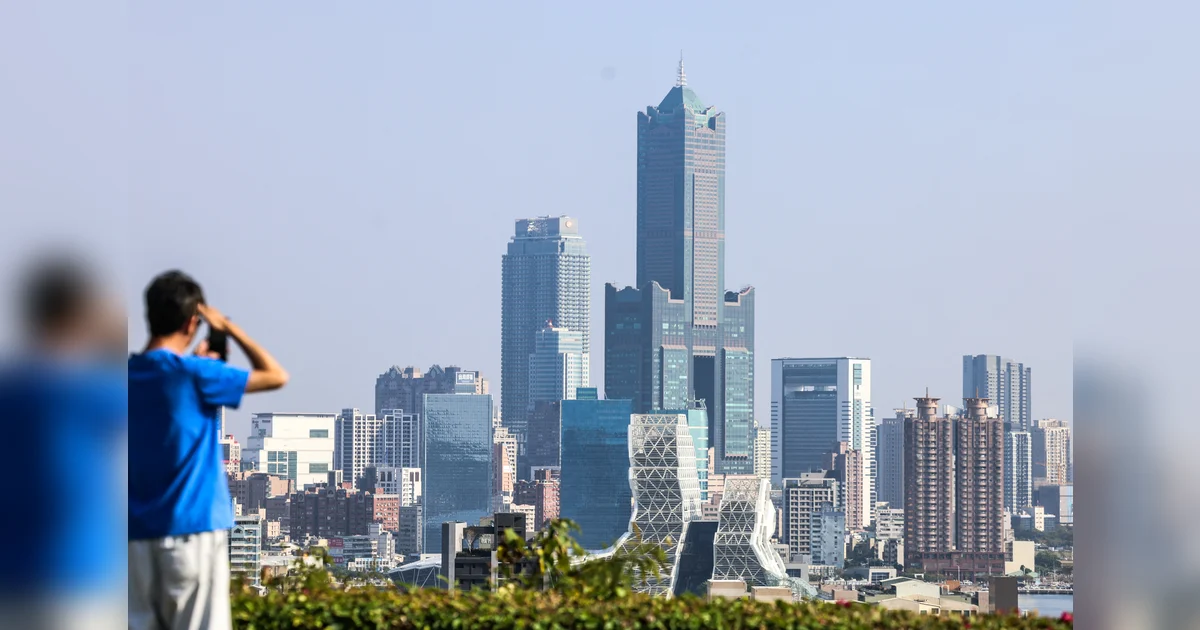
    Despite the substantial magnitude, initial assessments from Taiwan’s National Fire Agency indicated no immediate reports of structural damage or disruptions to the island’s critical transportation infrastructure. The seismic activity was perceptible across considerable distances, reaching as far north as the capital city Taipei, where multiple high-rise buildings experienced noticeable swaying.

    Local media broadcasts captured dramatic footage from affected areas, showing merchandise toppling from retail shelves and shattering on the ground in Taitung. Taiwan’s Central Weather Administration provided a slightly divergent magnitude assessment of 6.1, though both monitoring agencies confirmed the earthquake’s significant intensity.

    This seismic event occurs against the backdrop of Taiwan’s heightened geological vulnerability, situated precariously along the convergence boundary of two major tectonic plates within the Pacific Ring of Fire. This geographical positioning renders the island particularly susceptible to frequent seismic activity, with the USGS identifying this zone as the world’s most seismically active region.

    The recent tremor inevitably evokes memories of April 2024’s catastrophic 7.4-magnitude earthquake that claimed 17 lives and caused extensive damage to buildings in the Hualien region. That disaster represented the most severe seismic event since the devastating 1999 earthquake that remains the deadliest natural catastrophe in Taiwan’s recorded history.