分类: world

  • Trump says US military struck Islamic State militants in Nigeria

    Trump says US military struck Islamic State militants in Nigeria

    In a significant military operation, the United States executed targeted airstrikes against Islamic State group militants in Nigeria’s northwestern Sokoto State on Thursday night. The action was conducted in close coordination with Nigerian authorities through established security cooperation channels.

    Former President Donald Trump publicly claimed responsibility for authorizing the operation via his Truth Social platform, characterizing the intervention as a decisive response to escalating violence against Christian communities. “Tonight, at my direction as Commander in Chief, the United States launched a powerful and deadly strike against ISIS Terrorist Scum in Northwest Nigeria,” Trump stated, emphasizing that the militants had been “targeting and viciously killing, primarily, innocent Christians, at levels not seen for many years.”

    The operation targeted elements of Islamic State Sahel Province (ISSP), also known as Lakurawa, which maintains operational bases in forested border regions between northern Nigeria and Niger. These groups have been implicated in both terrorist activities and widespread banditry across the region.

    Nigeria’s Foreign Ministry confirmed the collaborative nature of the operation, noting that intelligence sharing between the two nations facilitated “precision hits on terrorist targets in Nigeria by air strikes in the North West.” This confirmation came despite the unusual involvement of a former president in announcing current military operations.

    The strikes occurred against a complex backdrop of intercommunal violence. While religious tensions have drawn international attention, particularly from American conservative groups concerned about Christian persecution, Nigerian officials and analysts emphasize that the conflict involves multiple dimensions including competition over natural resources, ethnic tensions, and criminal banditry affecting both Muslim and Christian communities.

    The timing followed a recent Christmas Eve suicide bombing at a mosque in northeast Nigeria’s Borno State that killed five people and wounded thirty others—an attack attributed to Boko Haram militants who have operated in the region for nearly two decades.

    Despite the complex dynamics underlying regional violence, both Nigerian and US authorities have demonstrated continued commitment to security cooperation targeting militant groups operating within Nigeria’s borders.
  • Bombing in Alawi mosque in Syrian city of Homs kills at least eight

    Bombing in Alawi mosque in Syrian city of Homs kills at least eight

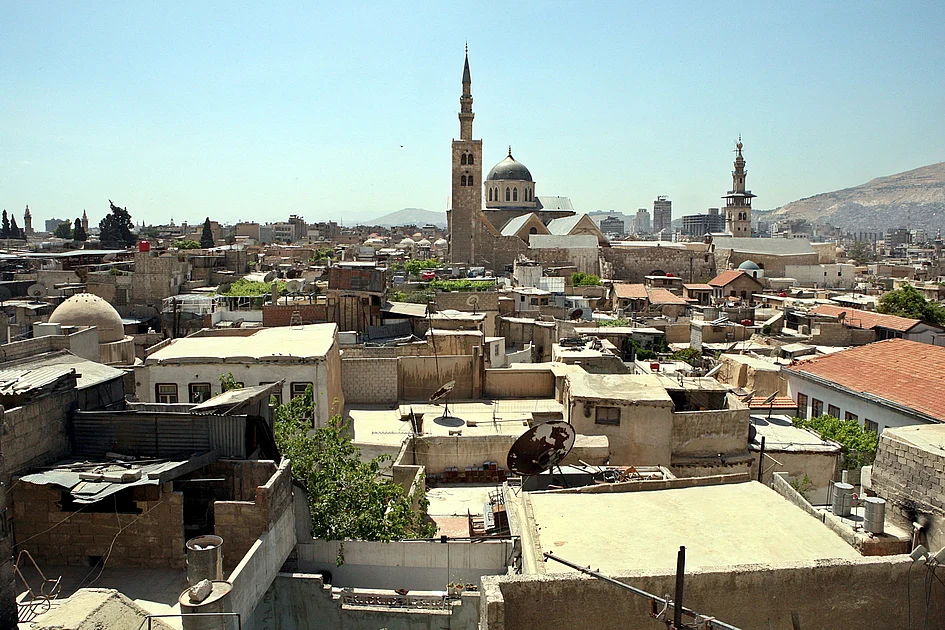
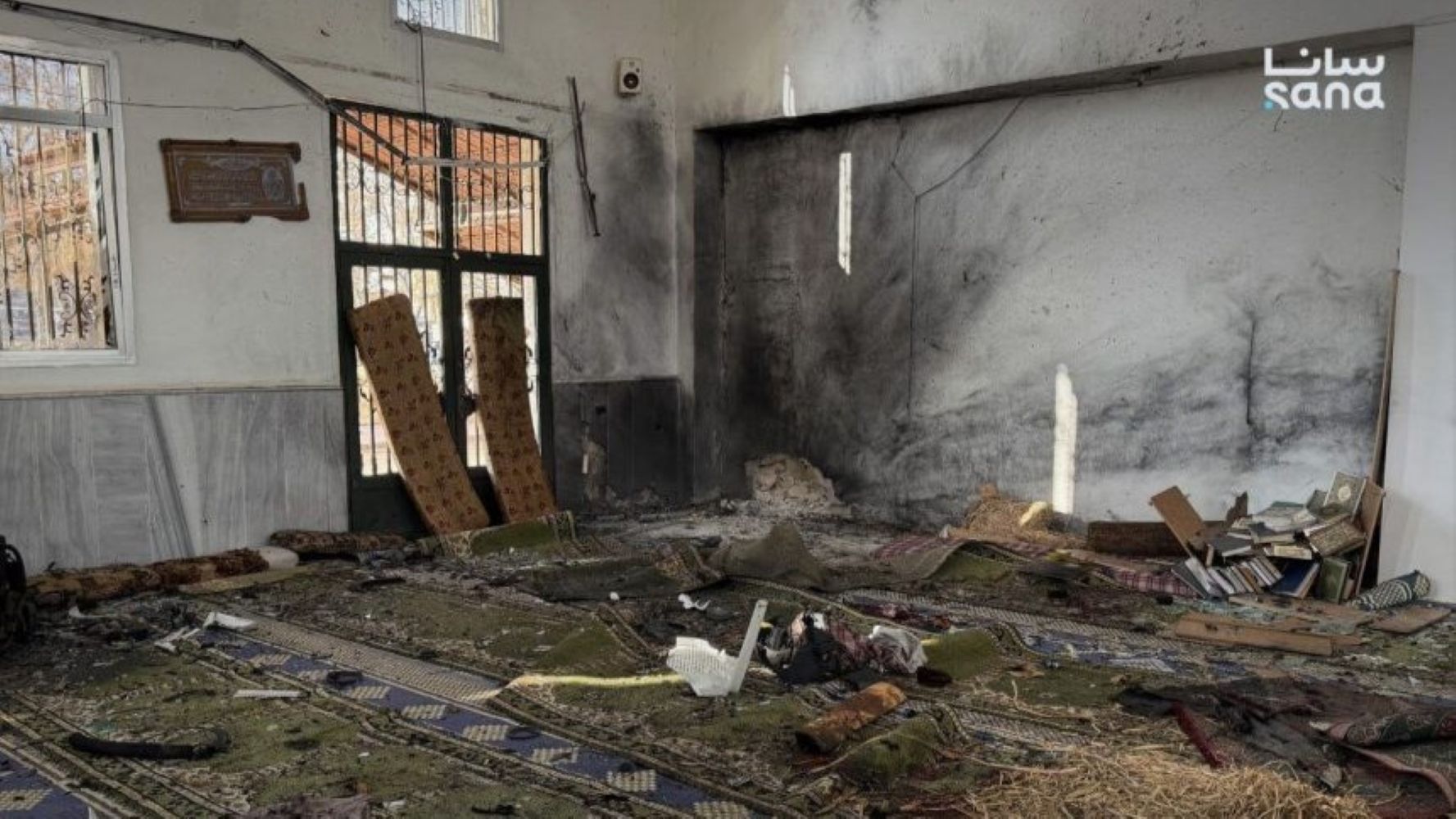
    A devastating bomb explosion struck the Imam Ali ibn Abi Talib Mosque in Homs, Syria, on Friday, resulting in a significant loss of life and injuries. Syrian state media confirmed that the blast killed at least eight worshippers and left eighteen others wounded. The mosque, affiliated with the Alawi Islamic sect, was targeted by an explosive device strategically planted within its premises.

    Security forces have launched a comprehensive investigation into the attack, aiming to identify and apprehend the perpetrators. This incident occurs against a complex geopolitical backdrop, marking one year since the fall of Damascus to rebel forces under current President Ahmed al-Sharaa. The ousted leader Bashar al-Assad, himself an Alawite, sought refuge in Russia following his government’s collapse.

    The attack highlights ongoing vulnerabilities within Syrian society, where Alawi communities and other minorities face persistent threats from extremist elements. Although the Islamic State group suffered decisive defeat in 2017 after attempting to establish a caliphate, residual factions have reorganized and continue operational activities. These remnants have specifically targeted minority groups to destabilize the current administration.

    Syria’s devastating civil war, ignited in 2011 by government suppression of popular protests, has created one of the century’s most severe humanitarian crises. The conflict has displaced approximately half of Syria’s population, forcing millions to seek refuge in Turkey, Europe, and neighboring Arab nations. While exact figures remain unverified, estimates suggest the death toll has surpassed 500,000 people over thirteen years of continuous warfare.

  • Yemen secessionists accuse Saudi Arabia of striking their forces in south

    Yemen secessionists accuse Saudi Arabia of striking their forces in south

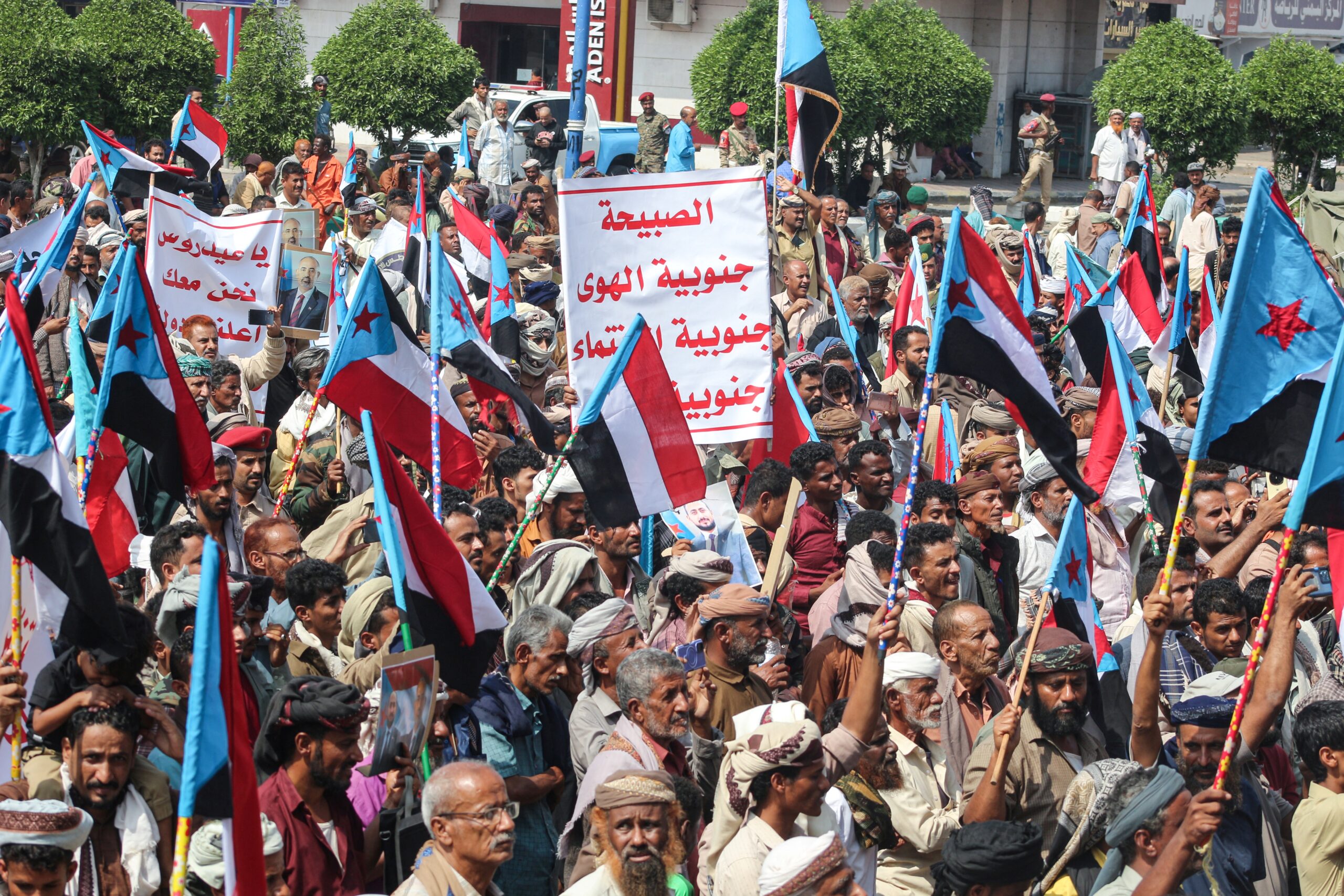
    Tensions escalated dramatically in Yemen’s strategic Hadhramaut governorate as the Southern Transition Council (STC) reported coming under aerial bombardment from Saudi Arabian forces on Friday. The alleged strikes represent a significant deterioration in the complex alliance dynamics within the Yemeni conflict.

    The Saudi government maintained official silence regarding the military action, though the attacks followed a stern diplomatic demand from Riyadh. Just one day prior, Saudi Arabia’s Foreign Ministry had publicly called for the UAE-supported separatist faction to immediately withdraw its forces from both Hadhramaut and al-Mahrah provinces.

    Amr al Bidh, the STC’s special representative for foreign affairs, provided detailed accounts of the engagement to press agencies. According to his testimony, STC personnel in eastern Hadhramaut first encountered coordinated ground assaults by unidentified gunmen, resulting in two fatalities and twelve casualties. These initial skirmishes were subsequently followed by the reported aerial strikes.

    This confrontation occurs against the backdrop of the STC’s successful military campaign earlier this month, during which the group established control over Yemen’s easternmost territories. Their advance prompted the unexpected retreat of Saudi-backed governmental forces from the region, fundamentally altering the balance of power.

    The strategic significance of Hadhramaut cannot be overstated—while sparsely populated, the province contains approximately 80% of Yemen’s light crude oil reserves. Previously, this vital territory remained under the joint control of the internationally recognized Yemeni government (supported by Saudi Arabia) and local Hadrami tribal forces who likewise enjoyed Saudi patronage.

    These developments constitute the latest chapter in Yemen’s devastating civil war, which commenced in 2014 when Houthi rebels captured the capital Sanaa and forced the Saudi-backed administration into exile. The STC emerged as a significant political entity in 2017, initially joining the UN-recognized government following negotiation efforts in 2022. Recently, however, the council has revived its campaign for an independent southern state, creating renewed friction within the anti-Houthi coalition.

    The Emirati government has consistently provided military and political support to the STC and its affiliated groups, establishing multiple coastal military bases administered by the separatists. The recent expansion of STC control in Hadhramaut has exposed growing tensions between the UAE and Saudi Arabia, traditional Gulf allies who now back opposing factions within the same governorate.

    Despite this emerging rift, the UAE government issued an official statement on Friday expressing support for Saudi efforts to promote regional stability. This diplomatic gesture, relayed through Saudi media channels, suggests ongoing attempts to manage disagreements behind closed doors.

    Concurrently, the STC continues its efforts to consolidate territorial control while pursuing international legitimacy. The council has engaged in diplomatic outreach including reported discussions about normalizing relations with Israel, signaling its aspirations for broader international recognition beyond its current patronage relationships.

  • Three killed in explosion at mosque in Syria’s Homs, says local official

    Three killed in explosion at mosque in Syria’s Homs, says local official

    A deadly explosion ripped through a mosque in Syria’s Homs province on Friday, resulting in three fatalities and leaving five individuals wounded, according to local authorities. The incident occurred within an Alawite neighborhood, prompting immediate security lockdowns and investigative operations.

    Syrian state media confirmed that security forces swiftly established a perimeter around the blast site as part of standard investigative protocols. While no group has claimed responsibility for the attack, preliminary reports from officials suggest two possible scenarios: either a suicide bomber detonated explosives within the mosque, or concealed devices were strategically placed beforehand.

    The timing and location of the explosion carry significant implications, given Homs province’s strategic importance in Syria’s prolonged conflict. The targeting of a religious site in an Alawite community raises concerns about renewed sectarian tensions in the region.

    International observers are monitoring the situation closely, as this attack could represent either an isolated incident or the beginning of a new wave of violence in the relatively stabilized area. The Syrian government has intensified security measures nationwide while investigations continue to determine the precise nature and perpetrators of the attack.

  • Israel attacks Khan Younis by air and sea in latest Gaza ceasefire violations

    Israel attacks Khan Younis by air and sea in latest Gaza ceasefire violations

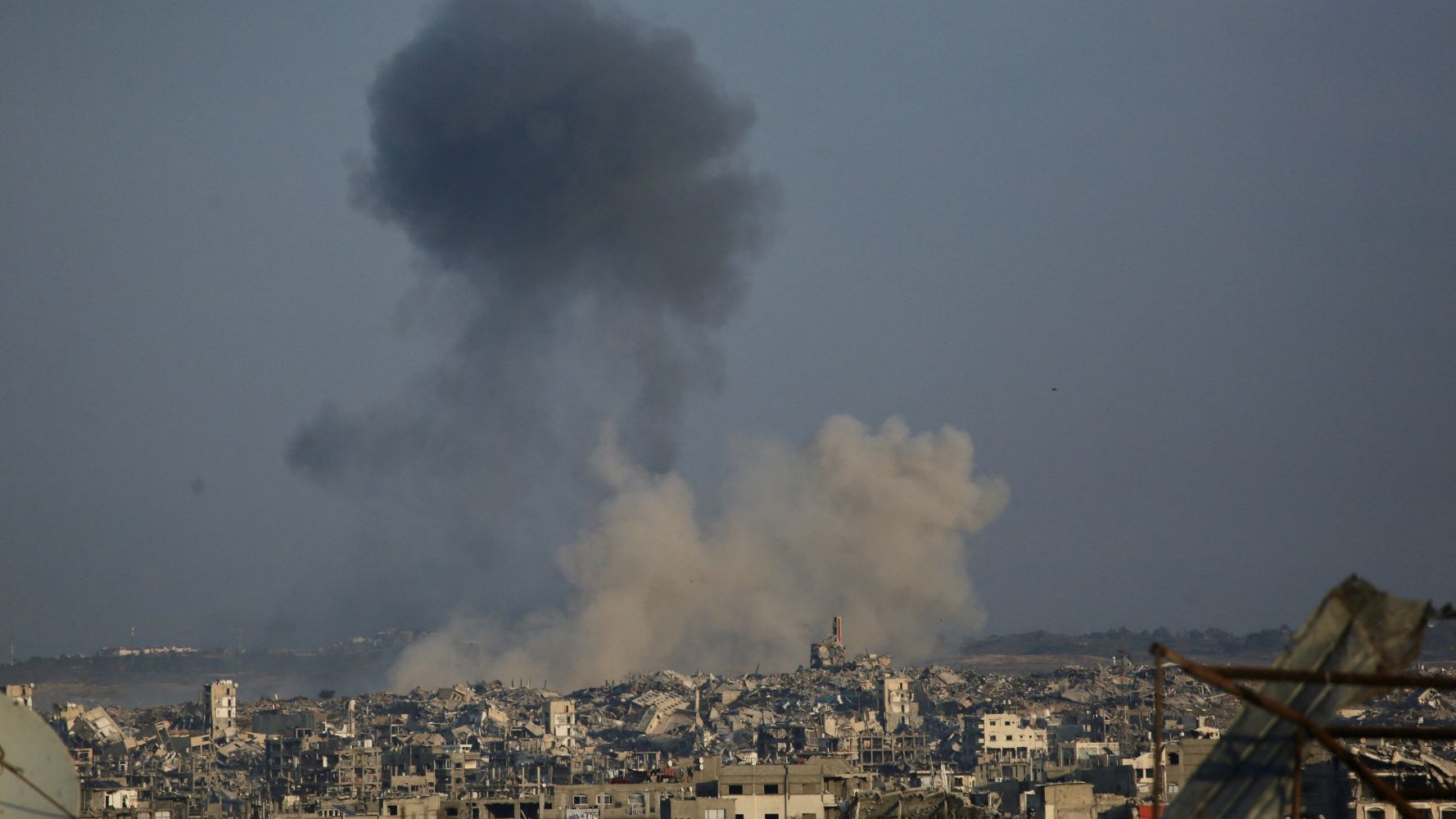
    Israeli military operations escalated dramatically in southern Gaza on Friday as warplanes conducted intensive aerial bombardments east of Khan Younis. According to Palestinian media reports, the assault included multiple coordinated attack modalities across the region.

    Palestinian news agency Wafa documented sustained artillery shelling and systematic demolition operations throughout eastern Gaza territories. Military observers reported at least four distinct airstrike events targeting Khan Younis districts, accompanied by concentrated helicopter gunship fire and heavy weapons deployment from Israeli armored vehicles encircling the urban center.

    The offensive included large-scale engineering operations that resulted in the destruction of residential structures, with warplanes providing aerial support during demolition activities. Simultaneously, Israeli naval vessels stationed offshore commenced sustained bombardment of Khan Younis coastal areas while helicopter units targeted residential neighborhoods in Rafah.

    This escalation occurs despite an internationally brokered ceasefire agreement that initially took effect in early October. Palestinian health authorities report that Israeli operations have resulted in 406 Palestinian fatalities since the ceasefire implementation through Tuesday, with total casualties reaching 70,942 killed and 171,195 wounded since hostilities began on October 7, 2023.

    Independent demographic research institutions, including Germany’s Max Planck Institute for Demographic Research, suggest the actual death toll may substantially exceed official figures, potentially reaching 100,000 casualties when accounting for thousands missing and presumed buried beneath rubble. Palestinian civil authorities acknowledge severe challenges in maintaining accurate casualty records due to targeted attacks on administrative offices and staff.

  • Armed Israeli settler runs over praying Palestinian in Ramallah

    Armed Israeli settler runs over praying Palestinian in Ramallah

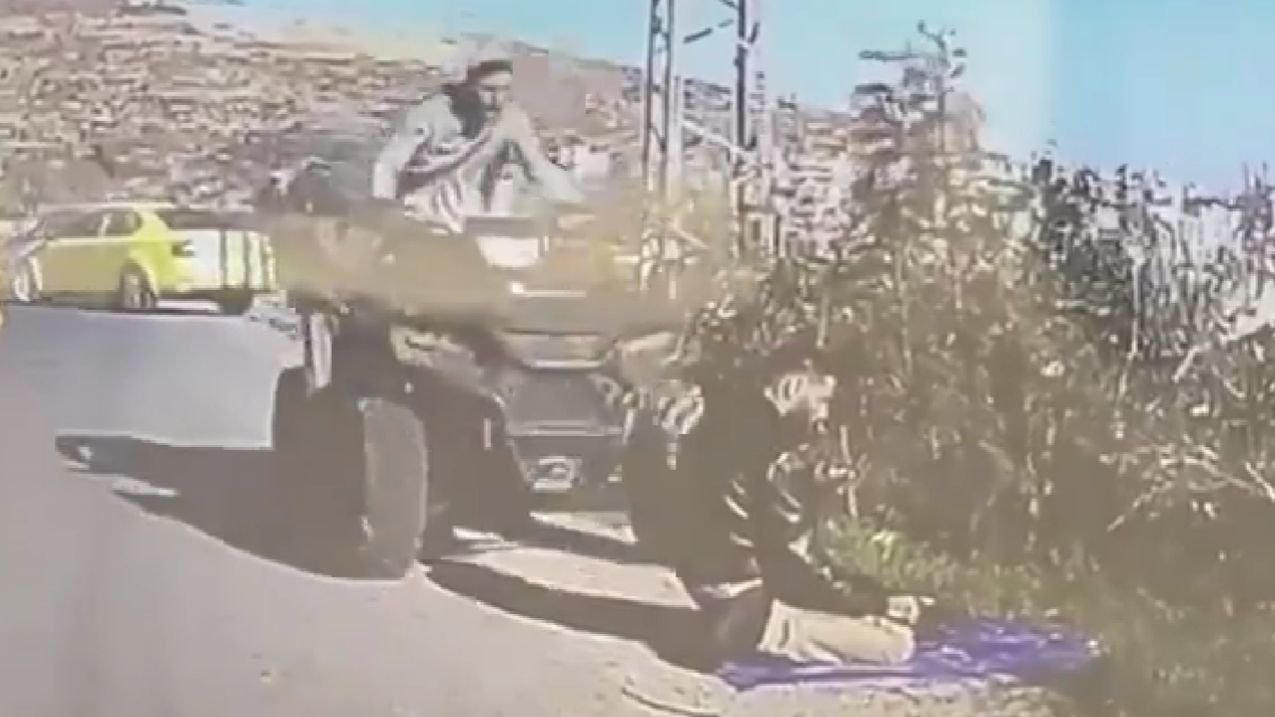
    A disturbing incident of violence unfolded in the occupied West Bank on Thursday when an armed Israeli settler, who also serves as a reserve soldier in the Israeli military, intentionally drove a vehicle over a Palestinian man engaged in prayer. The attack occurred on the roadside in the village of Deir Jarir, near Ramallah, and was captured in video footage that subsequently circulated online.

    Medical sources confirmed to Al Jazeera that the unnamed Palestinian victim sustained significant injuries and bruising, necessitating immediate hospitalization. In a separate but related development, the Israeli army issued a statement acknowledging it had received a report concerning a shooting incident perpetrated by an Israeli citizen—identified as the same reserve soldier involved in the vehicular assault. The soldier was reportedly dressed in civilian attire during these events.

    The army’s investigation concluded that the shooting, which Israeli Army Radio reported targeted two Palestinians, represented a ‘gross violation of his authority.’ Consequently, the soldier’s weapon was confiscated, and his military service was terminated due to the extreme severity of his actions. This case is not isolated. On the same day, further acts of violence were reported across the West Bank.

    In Masafer Yatta, south of Hebron, activist Osama Makhamra reported that armed settlers wearing military uniforms detained and abused several residents before handing two brothers, Ibrahim and Abd Mahmoud al-Adra, over to the military, who subsequently arrested them. Simultaneously, during a military raid in Beit Furik, near Nablus, a 17-year-old boy was shot with live ammunition, and numerous other Palestinians suffered tear gas-induced suffocation.

    This pattern of settler-led violence against Palestinians, often occurring with impunity and under the protection of Israeli forces, has persisted for years. However, observers note a significant escalation since the onset of the war in Gaza, with a particular intensity during the ongoing olive harvest season. The Palestinian Ministry of Agriculture recently quantified this aggression, reporting the destruction of 8,000 trees in the past week alone, causing an estimated $7 million in material losses. The devastation extended to critical agricultural infrastructure, including 13 demolished water wells, sabotaged irrigation networks, stolen pumps, and 82 destroyed beehives, alongside cases of livestock abuse. Over the past two years, such violence has claimed the lives of more than 1,000 Palestinians, including 217 minors.

  • Top DPRK leader stresses need to expand missile production capacity

    Top DPRK leader stresses need to expand missile production capacity

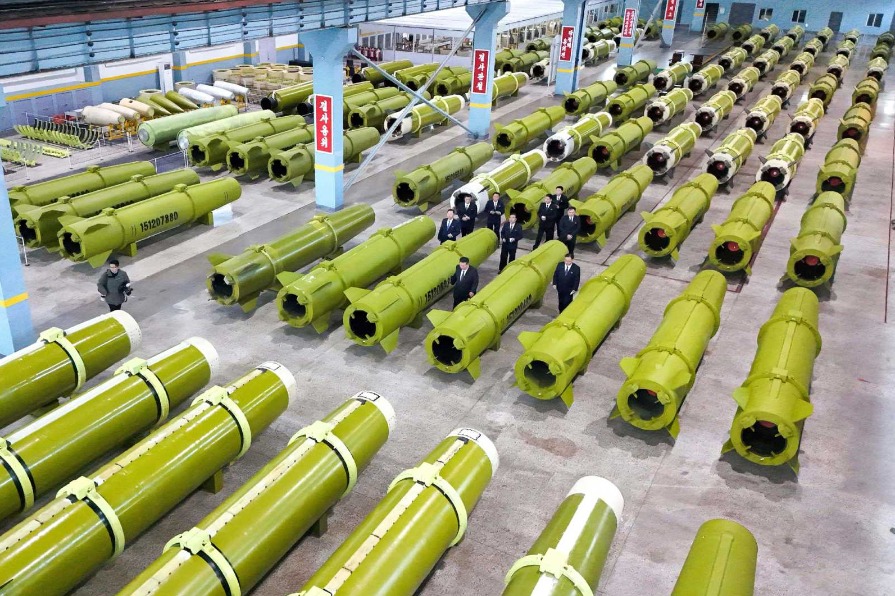
    North Korean leader Kim Jong Un has issued directives for a significant expansion of the country’s missile manufacturing capabilities during inspections of major defense industry facilities, according to state media reports. The visit, documented by the Korean Central News Agency (KCNA), emphasized the urgent need to enhance production capacity to meet future operational requirements of Pyongyang’s missile and artillery forces.

    Kim, who serves as both General Secretary of the Workers’ Party of Korea and President of State Affairs, emphasized the necessity for development-oriented production planning for 2026. He specifically called for reinforcing technical foundations at production enterprises ‘in a balanced way’ to achieve comprehensive production expansion. The leader characterized the missile and artillery production sector as critically important for strengthening the country’s war deterrent capabilities.

    The inspection included detailed technical and economic assessments aimed at modernizing North Korea’s defense industrial base. Kim instructed the country’s missile administration and relevant departments of the Second Economy Commission to prepare thoroughly for implementing new modernization and production plans. These initiatives are expected to be formally presented at the upcoming 9th Congress of the Workers’ Party of Korea.

    During the visit, Kim personally reviewed and approved draft documents concerning the modernization of major munitions industry enterprises, which will be submitted to the party congress for formal consideration. The move signals Pyongyang’s continued prioritization of military modernization amid ongoing international tensions and sanctions regarding its weapons programs.

  • Nigerian villagers are rattled by US airstrikes that made their homes shake and the sky glow red

    Nigerian villagers are rattled by US airstrikes that made their homes shake and the sky glow red

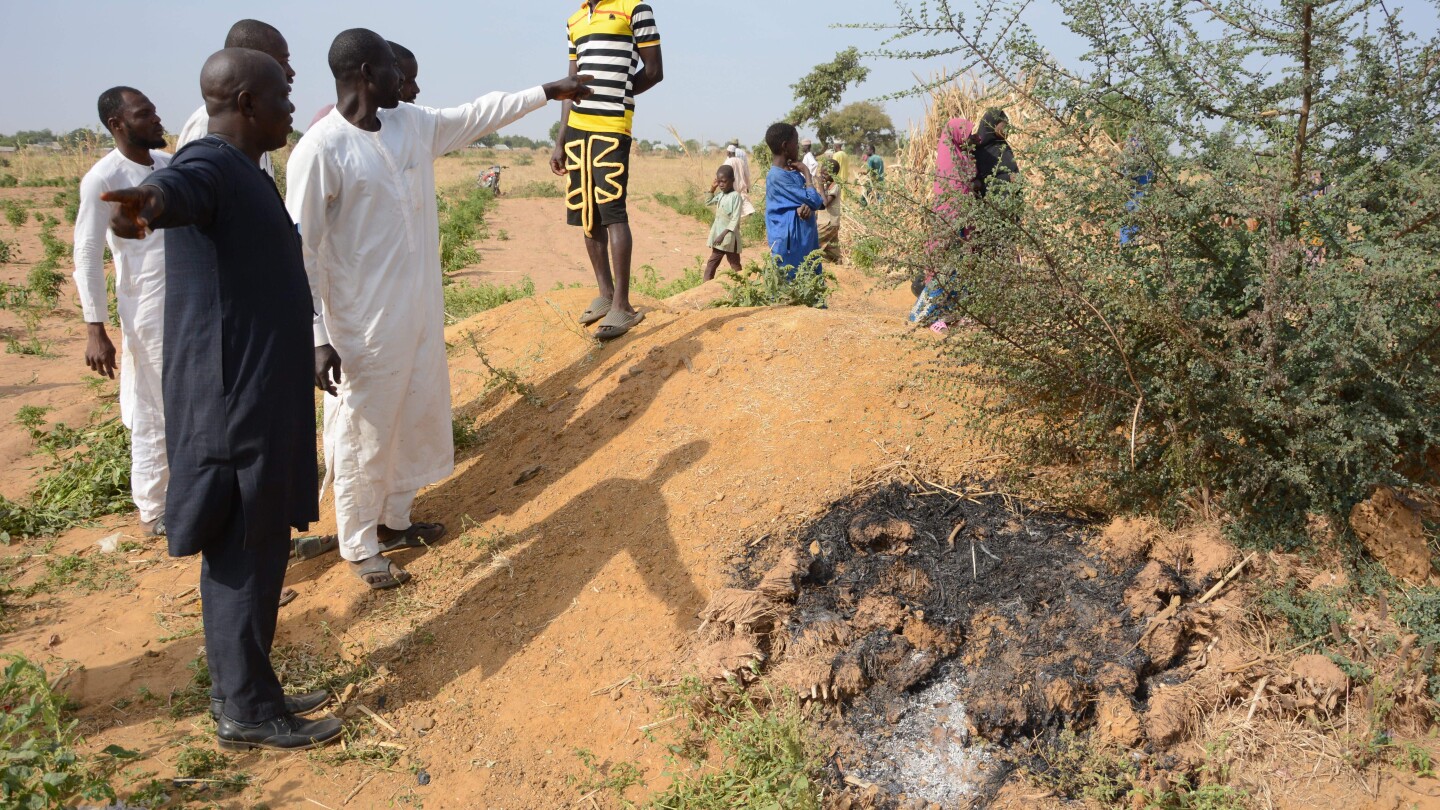
    A nocturnal military operation in northwestern Nigeria has left residents of the remote village of Jabo in a state of fear and bewilderment. What began as an ordinary Thursday night transformed into a scene of terror when villagers witnessed what they initially perceived as a catastrophic plane crash, only to learn they had become unintended witnesses to a multinational counterterrorism strike.

    Sanusi Madabo, a 40-year-old local farmer, described being startled by a deafening explosion while preparing for bed. “The sky turned bright red, creating an artificial daylight that persisted for hours,” he recounted. The source of this disruption was subsequently revealed to be a coordinated military action between the United States and Nigerian governments targeting an alleged Islamic State stronghold.

    President Donald Trump characterized the operation as a “powerful and deadly strike” against “ISIS Terrorist Scum,” while Nigeria’s Foreign Ministry confirmed the joint nature of the mission. This collaboration marks a significant development in bilateral relations, which had recently been strained by American allegations of Christian genocide in Nigeria—claims firmly rejected by the Nigerian government.

    Security analysts identify the likely target as the Lakurawa group, a relatively new insurgent organization composed primarily of foreign fighters from Africa’s Sahel region. Though its connection to Islamic State remains unverified, the group has established operational presence in Nigeria’s northwestern region since approximately 2018.

    The immediate aftermath has generated profound anxiety among villagers who report no prior experience with terrorism despite regional instability. Abubakar Sani, residing near the impact site, described intense heat and structural shaking followed by outbreaks of fire. Local traditional leader Aliyu Garba expressed concern about villagers scavenging potentially dangerous debris from the strike site.

    The human impact extends beyond immediate security concerns. Balira Sa’idu, a 17-year-old bride-to-be, revealed how the attack has disrupted wedding preparations: “My family is afraid, and I don’t even know if it’s safe to continue with our plans in Jabo.”

    Security analyst Bulama Burkati emphasized the critical need for transparency: “The opacity surrounding operational details and casualties exacerbates civilian panic. Clear communication about targets and outcomes is essential for de-escalating tension.” Nigerian Foreign Minister Yusuf Tuggar characterized the operation as a “new phase of an old conflict,” indicating potential future actions while acknowledging the longstanding nature of violence affecting both Christian and Muslim communities across Nigeria.

  • Thailand bombs a village in Cambodia even as both nations hold border talks to end armed clashes

    Thailand bombs a village in Cambodia even as both nations hold border talks to end armed clashes

    BANGKOK (AP) — A severe escalation of military conflict unfolded along the Thailand-Cambodia border on Friday, casting a shadow over concurrent diplomatic negotiations aimed at halting hostilities that reignited in early December. This recent outbreak of violence shattered a fragile five-month ceasefire previously brokered by regional leaders.

    Cambodia’s Defense Ministry reported a significant aerial assault by Thai forces, alleging that F-16 fighter jets conducted bombing operations targeting a village within the northwestern Banteay Meanchey province. The ministry confirmed substantial damage to civilian infrastructure and residential areas, though immediate casualty figures remained unverified.

    Thai military authorities acknowledged the offensive, characterizing it as a necessary joint army-air force operation to protect Thailand’s territorial integrity in the adjacent Sa Kaeo province. This region represents one of several areas where the neighboring nations maintain overlapping territorial claims, a historical point of contention that initially sparked armed conflict in late July.

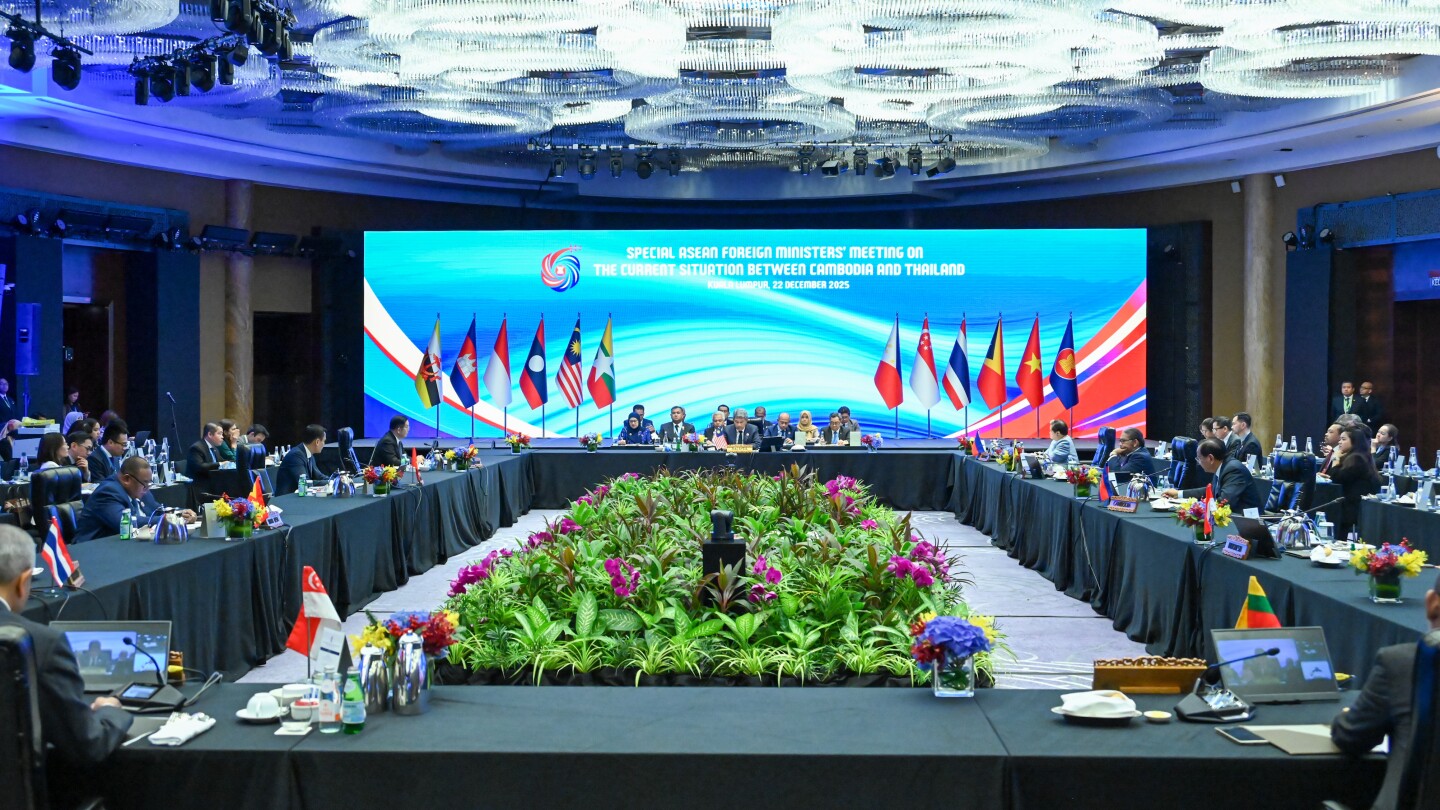
    The current military engagement occurs alongside continued diplomatic efforts. Military representatives from both nations conducted their third day of working-level talks through the established General Border Committee framework. These discussions, occurring at a checkpoint between Cambodia’s Pailin province and Thailand’s Chanthaburi province, are anticipated to conclude Saturday with the anticipated participation of both countries’ defense ministers.

    Thai Prime Minister Anutin Charnvirakul outlined a potential path to de-escalation, indicating Thailand’s expectation for a 72-hour ceasefire from Cambodia. He suggested that successful implementation could lead to the repatriation of Cambodian prisoners of war.

    The human cost of the conflict continues to mount. Thai officials report 26 military personnel and one civilian killed directly in combat since December 7th, with an additional 44 civilian deaths attributed to collateral effects. Cambodia acknowledges 30 civilian fatalities and 90 injuries but has not released official military casualty figures. The violence has prompted the evacuation of hundreds of thousands of residents from border regions.

    International mediation efforts persist despite challenges. Former U.S. President Donald Trump previously claimed successful ceasefire negotiation during December 12th calls with both leaders, though Thai authorities denied such an agreement. Current U.S. Secretary of State Marco Rubio reaffirmed Washington’s readiness to facilitate peace discussions during recent communications with Cambodian leadership.

    In a remarkable sidelight to the military conflict, Thai authorities reported the rescue of five malnourished wild animals—including two lions, a sun bear, and two Asiatic black bears—from a casino compound allegedly serving as a Cambodian military stronghold. The animals, transported to Thai wildlife breeding centers, arrived in time for Christmas, with the lioness named “Merry” and the lion “Christmas” to commemorate their liberation.

  • Xinjiang opens world’s longest expressway tunnel

    Xinjiang opens world’s longest expressway tunnel

    China’s Xinjiang Uygur Autonomous Region has achieved a monumental engineering milestone with the inauguration of the world’s longest expressway tunnel on December 26, 2025. The Tianshan Shengli Tunnel, stretching an impressive 22.13 kilometers through the formidable Tianshan mountain range, now serves as the centerpiece of a newly opened expressway that dramatically transforms transportation connectivity across the region.

    This engineering marvel effectively bridges northern and southern Xinjiang, creating a direct highway link between the regional capital Urumqi and Yuli County in the Bayingolin Mongolian Autonomous Prefecture. The tunnel’s completion has effectively halved travel time between Urumqi and Korla, marking a significant advancement in the region’s infrastructure development.

    While the route immediately opened to most public vehicles upon its December 26 debut, medium and heavy-duty trucks will gain access when the expressway formally begins trial operations on January 1, 2026. The project represents one of China’s most ambitious infrastructure undertakings in recent years, overcoming extreme geographical challenges to create this unprecedented transportation corridor through one of Asia’s most formidable mountain ranges.

    The tunnel’s completion not only sets a new global benchmark for engineering achievements but also promises substantial economic and social benefits for Xinjiang by facilitating smoother movement of goods, people, and services across the previously divided region.