分类: sports

  • South Africa World Cup midfielder Adams dies aged 25

    South Africa World Cup midfielder Adams dies aged 25

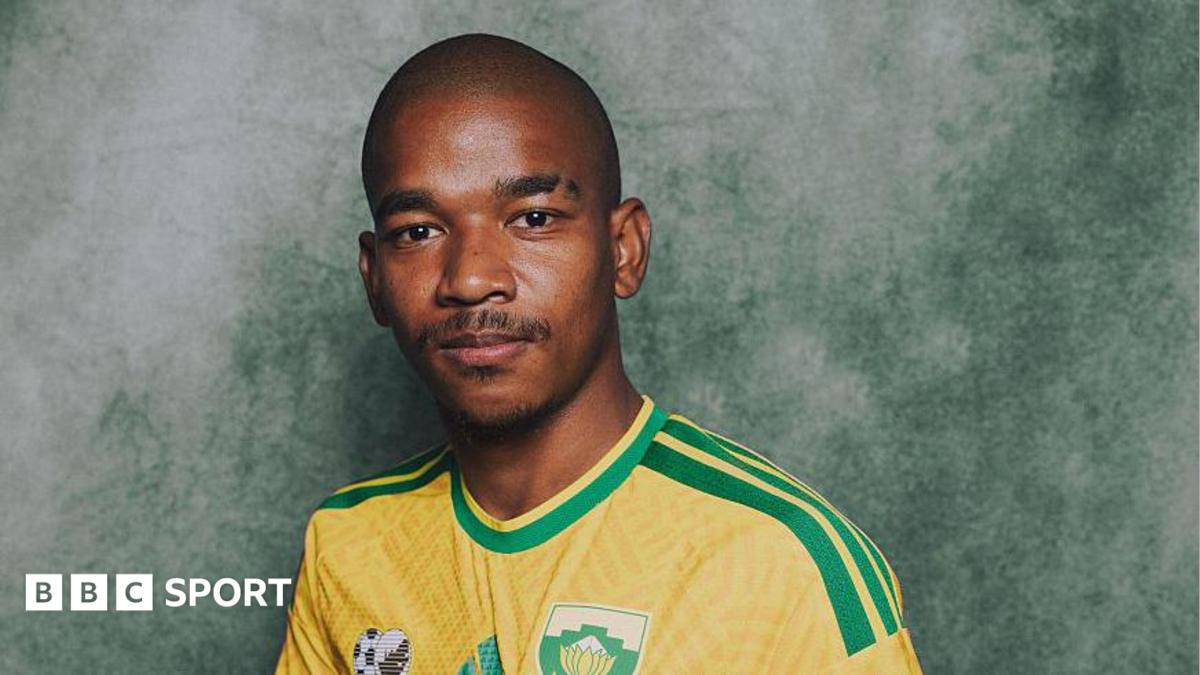
    The global football community is in mourning after the sudden passing of 25-year-old South African international midfielder Jayden Adams, who just weeks ago represented his nation at the 2026 FIFA World Cup. A rising talent who had already earned major club and international honors, Adams’ death has prompted an outpouring of grief from players, officials and fans across the country.

    Adams was a core part of South Africa’s 2026 World Cup squad, starting in all three of the nation’s group stage matches as Bafana Bafana made history by reaching the knockout rounds for the first time in tournament history. Their World Cup run came to an end in the round of 32 with a defeat to co-hosts Canada, but Adams’ performances on the global stage cemented his reputation as one of South African football’s most exciting young prospects.

    In a statement confirming the loss, South Africa’s Minister of Sport, Arts and Culture Gayton McKenzie expressed the nation’s collective shock and sorrow. “It is with profound shock and a heavy heart that I have learnt of the passing of Jayden Adams,” McKenzie said. “South African football has lost one of its brightest young talents, and our nation mourns alongside his family, his team-mates and the millions of supporters who watched him grow from a promising academy prospect into a full Bafana Bafana international.”

    Local law enforcement confirmed that a homicide investigation has been launched after Adams’ body was discovered at a residential property in Schotschekloof, a central Cape Town suburb, on Saturday morning. As officials have not yet confirmed the exact cause of his death, McKenzie has called for patience and respect for the privacy of Adams’ loved ones amid overwhelming public interest.

    “The cause of Jayden’s passing has not yet been confirmed, and I wish to appeal to members of the media and the public to exercise restraint and compassion, and to refrain from speculation, while his family and Mamelodi Sundowns are given the space and privacy they need at this incredibly difficult time,” the minister added. “Any official information will be communicated by the appropriate parties in due course.”

    Adams’ remarkable mental toughness was on full display during the World Cup, when he started in South Africa’s 1-1 group stage draw with the Czech Republic just hours after receiving news that his grandmother had passed away. That display of resilience endeared him even further to football fans across the country, who had followed his rapid rise through the domestic and international game.

    Adams earned his first senior cap for South Africa in 2022, and quickly became a regular fixture in the national side. The South African Football Players Union shared its devastation over his untimely death in an official statement this week. “Jayden had only recently represented South Africa at the 2026 World Cup, carrying the hopes of the nation with pride, courage and distinction,” the union said. “His passing is an immeasurable loss to his family, team-mates, clubs, the football fraternity and the country at large. South African football has lost a gifted player, a proud servant of the game and a young life that still had so much to offer.”

    Adams launched his professional career at Stellenbosch FC, before securing a transfer to top-tier side Mamelodi Sundowns in January 2025. In just over a year with the club, he claimed both the South African Premier Division title and the African Champions League trophy, cementing his status as a key player for one of the continent’s strongest club sides. He was also part of the South Africa squad that reached the semi-finals of the 2024 Africa Cup of Nations, earning his place in Hugo Broos’ World Cup squad off the back of consistent, high-level performances.

    The news of Adams’ death broke on 8 June, with tributes continuing to pour in from across the global football community for the young player cut down in the prime of his career.
  • Ireland grinds out a 36-20 win over Japan in Nations Championship

    Ireland grinds out a 36-20 win over Japan in Nations Championship

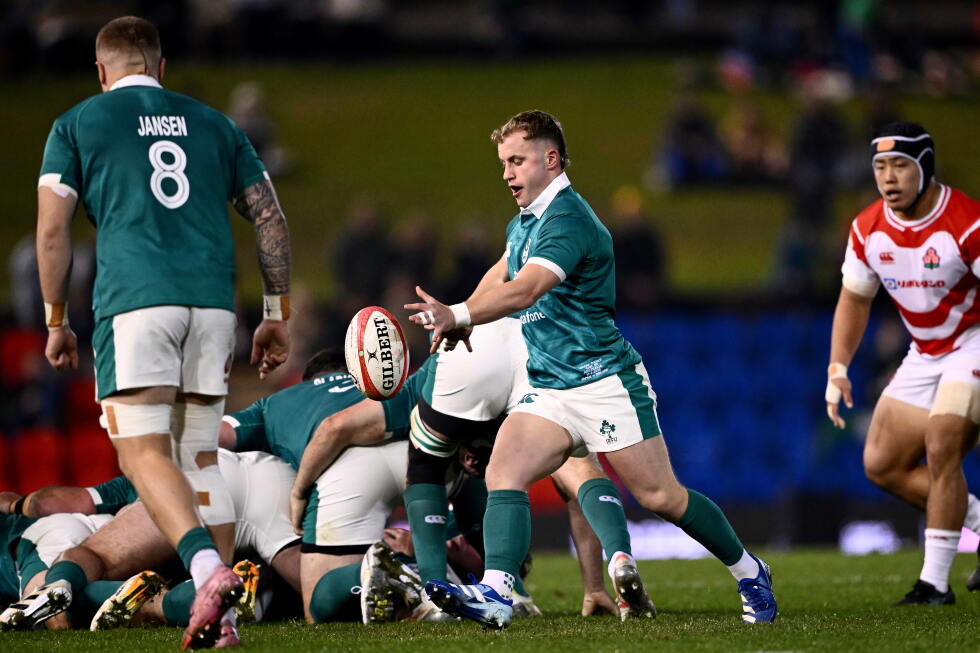
    NEWCASTLE, Australia – Ireland has maintained its perfect start to the newly-launched Nations Championship, grinding out a hard-fought 36-20 victory over Japan on Saturday to secure back-to-back wins following its dramatic 33-31 come-from-behind win against Australia a week prior. The result sets up a highly-anticipated clash against the unbeaten New Zealand All Blacks next weekend at Auckland’s iconic Eden Park, after the All Blacks notched their second consecutive win with a 47-17 rout of Italy on Saturday, following their narrow 34-32 opening-round win over France.

    Following their opening win against Australia, Irish head coach Andy Farrell made the rare call to reshuffle his side, turning over nine starting positions and handing test debuts to four young players on the neutral ground of Newcastle, located north of Sydney. The extensive roster changes showed on the pitch at times, as Ireland struggled for early cohesion against a motivated Japanese side that entered the match off a confident 27-10 win over Italy the previous week and put Ireland under pressure from the opening whistle.

    Japan struck first just three minutes into the contest, as winger Taira Main crossed the try line, with fullback Takuro Matsunaga adding the conversion to jump out to an early 7-0 lead. Ireland responded quickly, however, with flanker Nick Timoney crashing over for a try that flyhalf Ciaran Frawley converted to level the scores at 7-7. Matsunaga slotted a penalty three minutes later to put Japan back ahead 10-7, but Irish prop Tom O’Toole responded with his first career international try to put Ireland into a 14-10 lead.

    Matsunaga notched his second penalty of the half to retake the lead for Japan at 13-12, but Irish center Robbie Henshaw broke through the Japanese defense for a try after a sustained period of forward pressure from Ireland. Frawley’s conversion sent Ireland into halftime with a 19-13 advantage.

    The second half opened with a milestone moment for Irish debutant Sean Jansen, who scored a try in the 51st minute to secure the four-try bonus point for Ireland and push the lead out to 26-13. Japan did not wilt, though, hitting back shortly after the hour mark when replacement forward Hayate Era barged over for a try that Matsunaga converted to cut the deficit to just six points, keeping the upset bid alive.

    The narrow margin forced Ireland to respond, and replacement back Harry Byrne slotted a penalty in the 71st minute to push the lead back out to nine points, putting Ireland beyond the reach of a single converted Japanese try. Replacement hooker Tom Stewart, another of Ireland’s debutants, put the final stamp on the result with a try after the final siren, stretching the final score to 36-20.

    Following the final whistle, Irish captain Tadhg Beirne emphasized the toughness of the win against a persistent Japanese side, noting that the scoreline did not fully reflect how close the contest was. “Very happy with two from two,” Beirne told reporters. “The target is three from three, so we have a big challenge ahead of us in New Zealand next week at Eden Park. We’re going to have to step up our performance for sure.”

    “We had to fight hard for that one, we had to stick in it. Japan kept coming at us, coming at us but we held on well. We got a nice try at the end there to make the score look a little bit more comfortable than it was,” Beirne added. “We’re going to have to build on that and be better again next week.”

    In the next round of Nations Championship matches, Japan will return to Tokyo to face France, who pulled off a second-half comeback to beat Australia 42-26 in Brisbane earlier on Saturday.

  • France storm back with 30 straight points to beat Australia 42-26

    France storm back with 30 straight points to beat Australia 42-26

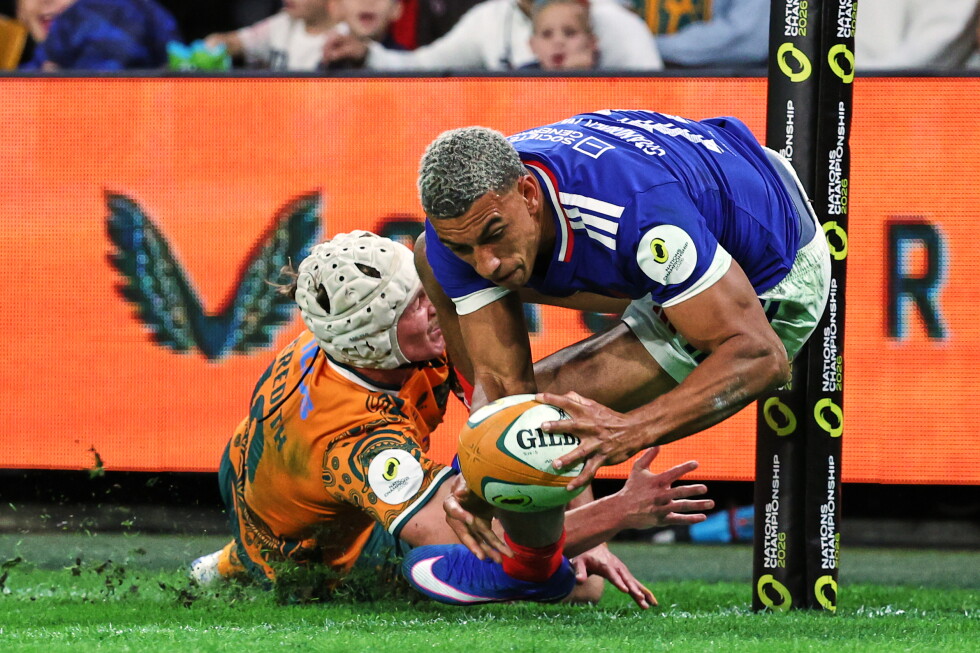
    BRISBANE, Australia – The second round of the newly launched Rugby Nations Championship delivered one of the tournament’s most dramatic turnarounds on Saturday, as back-to-back Six Nations title holders France roared back from a nine-point halftime deficit to secure a commanding 42-26 victory over host Australia at Suncorp Stadium.

    The opening 40 minutes was a back-and-forth affair marked by disciplinary swings that shaped the scoreboard. Australia-born French forward Emmanuel Meafou, who left his home country to pursue a professional rugby career in France, set an early tone for Les Bleus, crossing for the opening try just three minutes after kickoff. France jumped out to an early lead, only for the Wallabies to respond six minutes later via a clever set-piece trick: hooker Brandon Paenga-Amosa threw a lineout to scrumhalf Ryan Lonergan at the front of the pack, received a quick return pass, and finished the coordinated movement to level the score at 7-7.

    France reclaimed the lead in the 18th minute, when playmaker Romain Ntamack delivered a perfectly weighted 30-meter grubber kick into the left corner. Winger Aaron Grandidier-Nkanang outpaced rookie Australian flyhalf Duncan Meredith to the ball to dot down, putting Les Bleus up 12-7. The momentum shifted sharply 10 minutes before halftime, when Meafou was issued a 10-minute yellow card for dangerous head-on-head contact with Australian backrower Rob Valentini. The one-man advantage opened up space for the Wallabies to capitalize, and flanker Fraser McReight scored two close-range tries before the break. McReight also produced a match-saving defensive play right before halftime, outrunning France’s Matthieu Jalibert in a sprint for a loose ball in the in-goal to snuff out a potential try. When the half-time whistle blew, the Wallabies held a 21-12 lead, putting the hosts on track for their first win in six consecutive test matches.

    That trajectory shifted completely in the second half, however, as France turned on a clinical attacking performance that left the Wallabies unable to respond. The turning point began in the 49th minute, when France spread the ball wide to the unmarked Grandidier-Nkanang, who crossed for his second try. Three minutes later, Australian fullback Tom Wright was sent to the sin bin for a disciplinary infringement, and France wasted no time exploiting the extra space. Ntamack scored a spectacular solo try in the 52nd minute, breaking from 22 meters out on the short side, selling a dummy to a defender, fending off a tackle, and crashing over the line to put France back in the lead. Skipper Maxime Lucu slotted the conversion to extend the advantage.

    In a blistering seven-minute scoring spree, France crossed for three tries to blow the game open. Tries from Florian Verhaeghe and Theo Attissogbe followed Ntamack’s score, capping a run of 30 unanswered second-half points for Les Bleus, who bounced back from a narrow 34-32 opening-round defeat to New Zealand. Australia managed a late consolation try in the 76th minute, but it did nothing to alter the final result.

    Looking ahead, France will travel to Tokyo next week to face Japan in their third tournament match. For the Wallabies, who fell 33-31 to Ireland in the opening round and now face a second consecutive defeat, the team heads to Perth, Western Australia, for their next matchup against Italy, still chasing an end to their current six-test losing streak.

  • Jordan achieves a try-scoring record as New Zealand beats Italy 47-17 in the Nations Championship

    Jordan achieves a try-scoring record as New Zealand beats Italy 47-17 in the Nations Championship

    WELLINGTON, New Zealand — New Zealand’s national rugby union team, the legendary All Blacks, secured their second consecutive victory at the inaugural Nations Championship on Saturday, grinding out a 47-17 win over Italy after a shaky opening half that exposed persistent flaws in their game plan. Though the final scoreline was lopsided, the match highlighted a growing gap between the team’s high offensive ambitions and their inconsistent on-field execution, leaving questions ahead of their much-anticipated next matchup against Ireland in Auckland.

    From the opening whistle, repeated errors from the All Blacks handed Italy an early advantage. Just days after a narrow 34-32 win over France that was also marred by unforced mistakes in handling, aerial defense, and discipline, the All Blacks gifted Italy the opening try. Italian center Tommaso Menoncello crossed the line after capitalizing on an All Blacks turnover, putting the visitors out to an early lead.

    The All Blacks responded within five minutes to narrow the score, with lock Sam Darry touching down for his first try of the match. But Italy’s tight defense denied New Zealand both space and possession, holding the All Blacks to a 14-10 lead at the halftime break.

    The turning point of the first half came in the 30th minute, when Will Jordan scored his first try of the match against the run of play. The try, set up by a perfectly placed chip kick from Jordie Barrett and a deft offload from Leroy Carter, gave the All Blacks their first lead of the game. More importantly, it marked the first of three tries that would cement Jordan’s place in All Blacks history.

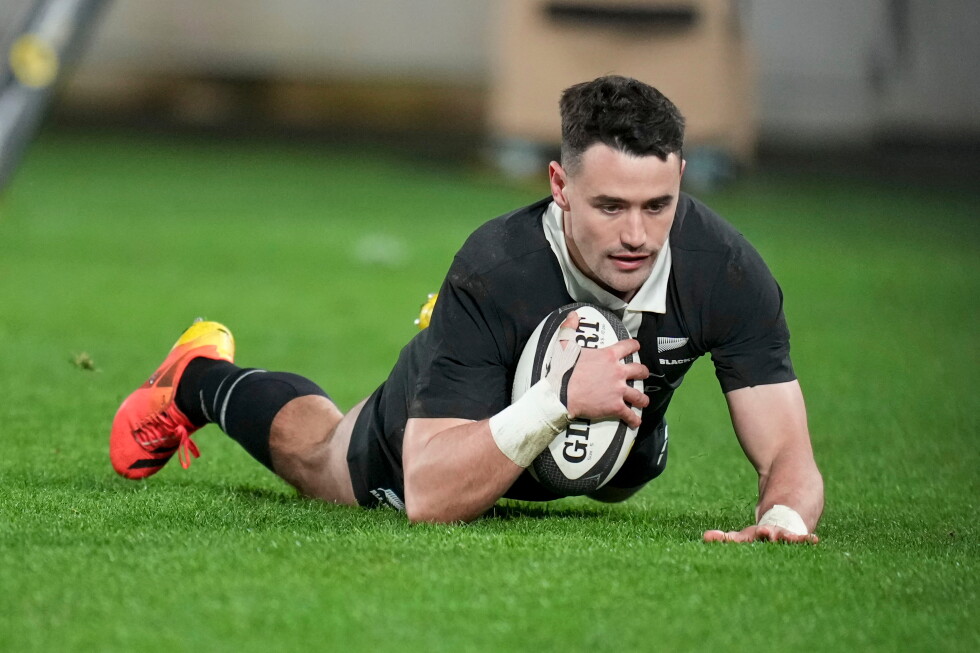
    Two debutants made the most of their opportunities after coming off the bench to turn the tide of the match in the second half. Winger Josh Moorby made his first test appearance on his 26th birthday, entering the game in the 31st minute before lighting up the pitch after halftime. Backrower Anton Segner, the first Germany-born player ever selected for the All Blacks, also made his debut coming off the bench at the start of the second half, with his parents flying in from Frankfurt to witness the historic moment.

    Moorby was the star of the second half, playing a key role in three of the All Blacks’ five second-half tries that turned a narrow deficit into a comfortable win. Just two minutes after the resumption of play, he broke down the left wing and combined with his Hurricanes teammate Cam Roigard to score. He then won an intercept that nearly put him over the line before prop Ethan de Groot crashed over for a try in his 42nd test. Finally, he outpaced Italy’s cover defense to set up Jordan’s second try of the match, which equaled the All Blacks’ all-time test try record of 49 set by Doug Howlett.

    Just 10 minutes later, Jordan claimed the record outright when he scored his third try, created by a quick-tapped penalty from Jordie Barrett. Jordan finished the match with 50 career test tries from just 56 appearances, a new milestone for New Zealand rugby. Reflecting on the record after the match, Jordan called the achievement humbling. “I think back to when I was a kid practicing my chip and chase in the back yard. To think I’d be here today, it’s hugely humbling,” he said. “I guess as a winger on the end of the chain I’ve been part of some great teams over the last seven years.”

    Italy captain Michele Lamaro acknowledged that his side could not match the All Blacks’ second-half intensity, after a strong opening 40 minutes put the world-famous side on the back foot. “I think we started really well and we were putting them under pressure,” Lamaro said. “They were trying to compete around the breakdown and we were really strong in that area. They came back on the field after halftime with another gear and we couldn’t hold them.”

    Italy was forced to play most of the final quarter with 14 men, after a yellow card given to Niccolo Cannone for an attempted head butt on Roigard was upgraded to a red card. Despite being a man down, Italy still crossed for a second try through Leonardo Marin in the 57th minute. The All Blacks were also reduced to 14 men late in the match, when flyhalf Ruben Love was sin-binned for a deliberate knock-on in the 71st minute, his second yellow card in two matches.

    Italy entered the match still reeling from an opening-round loss to Japan in Tokyo, leaving them winless after two rounds of the new tournament. For the All Blacks, while the win keeps their tournament record unbeaten at 2-0, head coach Dave Rennie will likely have plenty to address ahead of next weekend’s clash with world number one ranked Ireland. Persistent unforced errors at both ends of the pitch throughout the match have emerged as a worrying pattern for the side after similar problems plagued their opening win over France.

  • One runner gored in the face at Spain’s San Fermin bull run festival

    One runner gored in the face at Spain’s San Fermin bull run festival

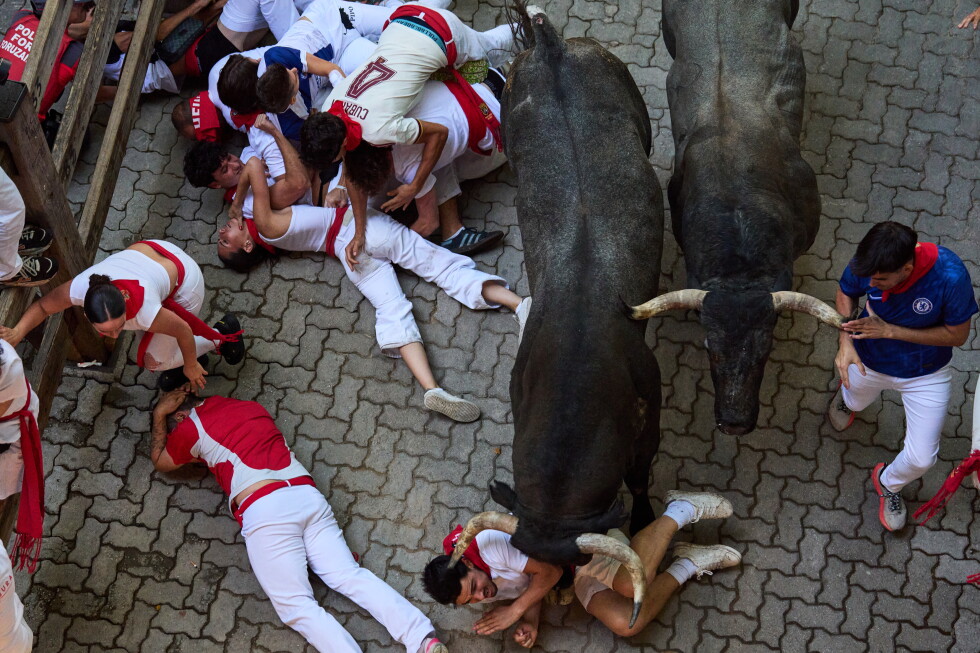
    PAMPLONA, Spain – The iconic yet dangerous annual San Fermin festival saw a chaotic fifth morning bull run on Saturday, leaving one thrill-seeking runner with a severe facial goring and a dozen more needing emergency medical care for injuries sustained during the 875-meter dash through Pamplona’s historic narrow streets. This year’s event carries a special milestone, marking a full century since the release of Ernest Hemingway’s *The Sun Also Rises* — the novel that catapulted this regional Spanish celebration to global notoriety, drawing thousands of first-time participants and international tourists every year.

    During the two-and-a-half-minute run, six fighting bulls and their guiding steers charged through tightly packed crowds that lined the cobblestone course from the holding pen to the city’s bullring, where the animals will be killed by professional bullfighters later the same day. The confined space and panicked movement of participants created multiple dangerous pileups, with dozens of runners knocked off balance as the massive animals surged through. What made the incident even more unpredictable was an early breakaway: a black bull separated from the main pack just moments into the run and charged directly into a clustered group of runners, striking one participant in the side of the face with its horn. While officials have not confirmed this breakaway charge was the exact moment the facial goring occurred, it was the most high-risk incident of the day.

    Officials from the University of Navarra Hospital confirmed that one runner suffered a horn penetration to the face, while 12 additional people sought treatment for minor bruises, scrapes, and other impact injuries from the rush. Witness accounts note that many inexperienced participants failed to notice how close the bulls were until the animals were mere feet behind them; surprisingly, several bulls did not attempt to gore runners and instead simply pushed people out of their path to continue along the course.

    This year’s eight-day festival has drawn extra attention for its centennial connection to Hemingway’s work, which introduced the adrenaline-fueled tradition to audiences across the globe. While the sport carries inherent risk, major fatalities have been rare: the last death recorded during a San Fermin bull run dates back to 2009. Even so, non-fatal injuries including gorings and broken bones remain a regular occurrence, a trend experts attribute to the growing mix of novice runners and international tourists with little experience navigating the high-stakes course alongside more practiced local participants.

  • England battle Norway as Argentina face Swiss in World Cup last eight

    England battle Norway as Argentina face Swiss in World Cup last eight

    The final stretch of the men’s World Cup has reached its most anticipated phase, with four teams set to lock horns this weekend in the last-eight ties that will determine which sides advance to the tournament’s semi-finals. Friday’s build-up has centered on the explosive quarter-final between England and Norway, a matchup that brings two of the world’s deadliest attackers together on soccer’s biggest stage, as 2026 World Cup action continues across the United States.

    At Hard Rock Stadium in Miami on Saturday, England captain Harry Kane will go head-to-head with Norway’s superstar center-forward Erling Haaland in what fans have dubbed a battle for the title of the world’s best striker. Both forwards have carried their nations’ deep runs into the knockout stage: Kane, 32-year-old Bayern Munich star, has notched six tournament goals so far, and delivered a heroic performance in England’s draining 3-2 last-16 win over Mexico at the iconic Estadio Azteca. That win came despite England having a player sent off early, forcing Kane to drag his side through 80 minutes of attritional play to secure the quarter-final spot.

    For Norway, Haaland has been equally unstoppable, scoring seven goals to push his country to the furthest stage in World Cup history – a run that already includes a massive upset win to eliminate pre-tournament favorites Brazil. Off the pitch, the Norwegian’s laidback, confident energy has endeared him to fans across the U.S., while the team’s supporters have turned every venue into a raucous celebration, with their viral rowing celebration transforming crowd stands into giant human Viking ships.

    Ahead of kickoff, Kane praised his rival, calling 25-year-old Manchester City star Haaland “a beast” while noting the two strikers have distinct playing styles. “I see myself as a different player, although I score the same goals,” Kane told reporters on Friday. “I like to maybe touch the ball a little bit more, be involved with the play a little bit more, but also can play as maybe the out-and-out number nine. I don’t think it’s one to compare ourselves. I respect him a lot as a player and as a professional. Obviously, I’m hoping he has a quiet day tomorrow, but I think his overall performance is very good.”

    England received a major boost ahead of the tie, with key trio Declan Rice, Marc Guehi and Reece James returning to full training on Friday after recovering from minor injury and illness issues. England manager Thomas Tuchel called their return “the best news” for the side, adding that the team remains focused on the task ahead: “We took a big step in our last match, but it was only a step. The next step is to win a quarter-final. The important thing is to look up at what is ahead of us.”

    One wild card for the Miami matchup is the extreme late-spring heat, with forecasts predicting game-day temperatures will climb above 40 degrees Celsius (104 degrees Fahrenheit), which could force players to manage fatigue over the full 90 minutes.

    The winner of the England-Norway clash will advance to the semi-finals to face the winner of the second quarter-final, which sees defending champions Argentina take on surprise underdogs Switzerland at Kansas City’s Arrowhead Stadium on Saturday.

    Argentina is bidding to make history as the first national team to win back-to-back World Cup titles since Brazil in 1962, but the side has already been pushed to the brink in the knockout stage, after hard-fought narrow wins over debutants Cape Verde and then Egypt. Questions have grown around whether age and fatigue will catch up to the defending champions, especially talisman Lionel Messi, who turned 39 during the group phase. Despite his age, Messi has once again been Argentina’s match-winner, pulling the side out of multiple tight spots en route to the quarter-finals, and he will enter Saturday’s tie having already set a new all-time record of 21 World Cup goals across six tournament appearances.

    For Switzerland, the well-organized side led by defensive anchor Granit Xhaka has flown under the radar to reach the last eight, and many analysts believe the European side is well-positioned to exploit any Argentine fatigue to pull off an upset. Speaking to reporters on Friday, Argentina manager Lionel Scaloni acknowledged the challenge his side faces: “They have very experienced players. They are strong. So it will be a tough opponent, that is for sure.”

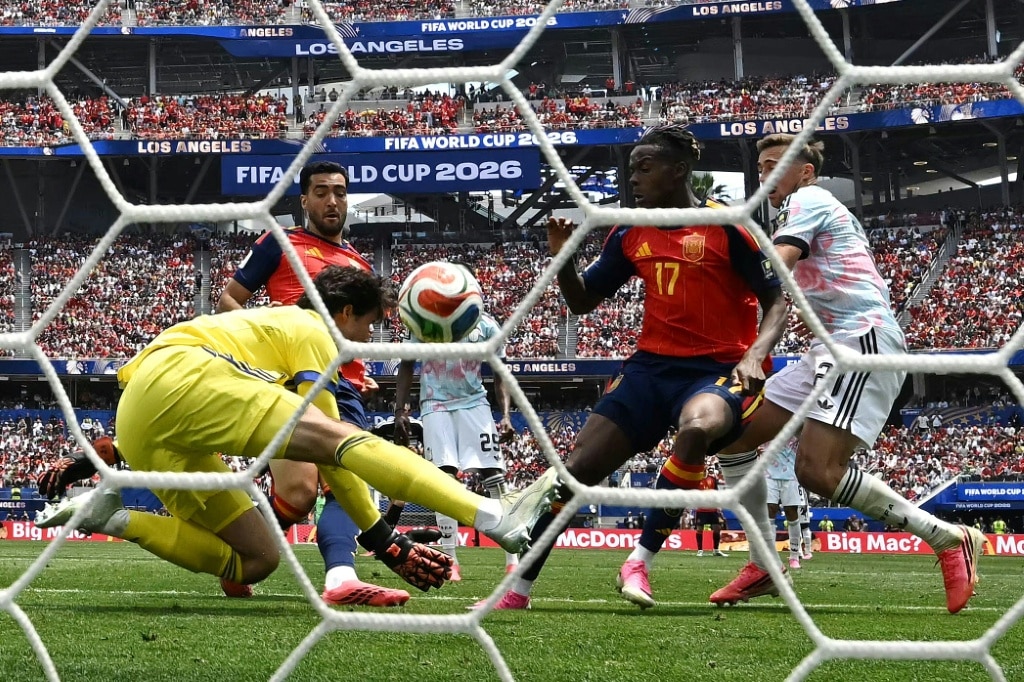
    On Friday, the first quarter-final was completed, when Spain scored a late 88th-minute winner to beat Belgium 2-1 in Los Angeles, booking their spot in a blockbuster semi-final against France. The winning goal came from an uncharacteristic mistake from Belgian goalkeeper Senne Lammens, who spilled a long-range shot into the path of Spain’s Mikel Merino, who converted from close range to secure the win. The result means European champions Spain – who conceded their first goal of the entire tournament in the match against Belgium – will face France in Arlington, Texas next Tuesday. Spanish manager Luis de la Fuente described the upcoming matchup as “a final before the final”, a nod to the elite quality of both sides that will compete for a spot in the World Cup final.

  • Erling Haaland is Norway’s World Cup machine — and the internet’s babygirl

    Erling Haaland is Norway’s World Cup machine — and the internet’s babygirl

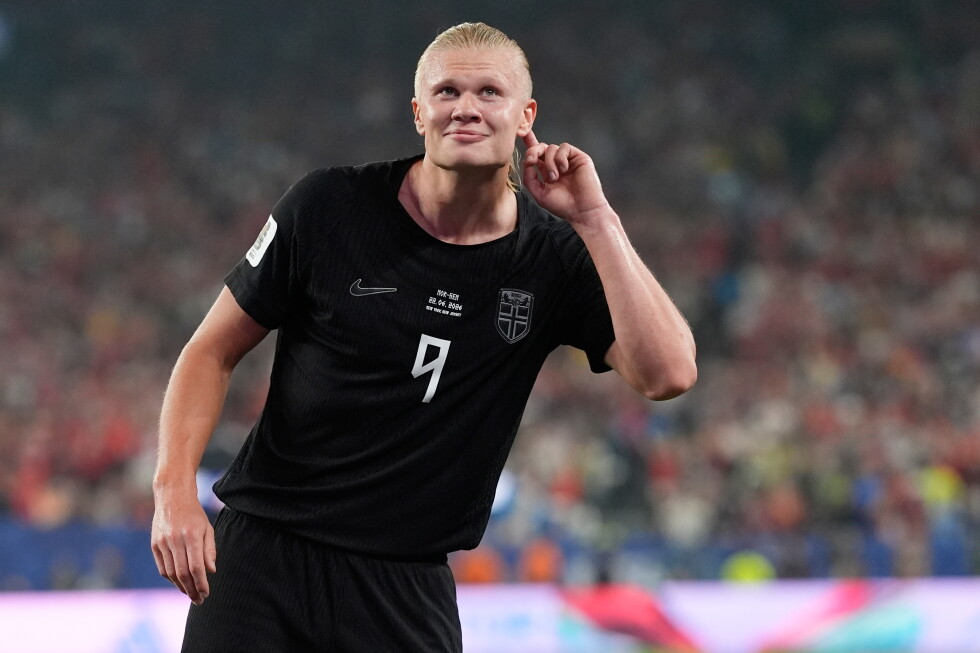
    Standing 6 foot 5 inches tall and boasting elite scoring prowess that has outmatched every defender he has faced at the 2026 FIFA World Cup, Erling Haaland has long been known as a seemingly unstoppable on-pitch machine. But to a rapidly growing legion of new, loyal fans across social media, the Norwegian star is far more than just a top striker — he is their beloved “babygirl” and “pretty Norwegian princess.” Haaland’s unprecedented cross-over fame, which has turned casual sports observers and even soccer newcomers into diehard fans, is reshaping how modern athletes connect with global audiences, proving that personality off the pitch can amplify stardom as much as skill on it.

    Haaland’s viral appeal stems from a striking contrast that fans cannot get enough of: his imposing physical dominance and clinical finishing as the Premier League’s all-time top scorer collide with an unexpectedly goofy, unfiltered online persona that feels deeply relatable to young audiences. From his signature flowing blond mane and matching color-coordinated hair ties to playful, off-the-cuff social media content, Haaland has leaned into internet culture in a way few elite athletes have before. One of his most famous posts is a Snapchat-filtered selfie where he dubbed animated character Shrek his “twin,” a moment that quickly spread across TikTok, Instagram, and X. This contrast between fierce on-pitch competitiveness and a softer, playful off-pitch presence is what has earned Haaland the internet’s “babygirl” label — a fan slang term used for endearing male public figures who read as warm, approachable, and even unexpectedly vulnerable.

    As Haaland leads Norway into a World Cup quarterfinal match against England, his fame has reached a fever pitch that extends far beyond traditional soccer circles. Sarah Wilson, a 31-year-old baseball content creator based in New York, is one of the many new fans who caught “Haaland fever” in recent weeks. Her viral TikTok declaring her love for the star, where she called him both a stunning “pretty Norwegian princess” and one of the best strikers in the world, racked up millions of views and resonated with thousands of new fans like herself. Wilson told the Associated Press that Haaland’s mass appeal boils down to two core pillars: unmatched talent and unapologetically Gen Z energy. “Him being really, really talented — that’s the first pillar of it all. And then you find out that he’s 25 years old and he’s probably the most Gen Z athlete in the World Cup,” she explained, pointing to his regular use of playful Snapchat filters, casual self-posted content, and willingness to joke about himself.

    Haaland has actively leaned into his viral fame rather than shying away from it, constantly interacting with fans and leaning into the meme culture that has grown up around him. After scoring two goals to knock Brazil out of the tournament, he posted a cheeky, smug locker room selfie to Instagram with the simple caption: “Well well well.” When an Instagram video with nearly 100 million views joked that his silhouette and hair made him look like a green onion, Haaland commented on the post with a viral side-eyeing dog GIF, playing along with the joke. When Google added an interactive Viking row animation to Haaland’s search results (a nod to a popular Norwegian team tradition), he shared the discovery on X with a winking emoji, encouraging his followers to check it out. In a press conference ahead of the quarterfinal, Haaland said he has enjoyed the overwhelming warm reception he has received in the United States during the tournament. “I think it’s a good thing because I like the Americans. I think they are kind of hilarious as well. They are funny. I like the way they are,” he said. “I think it’s just good and honestly, on every single thing, the World Cup so far here has been amazing.”

    Scholars who study athlete-fan dynamics say Haaland’s cross-over success reflects a larger shift in how sports and pop culture intersect in the social media era. Jeffrey Kassing, an Arizona State University professor who researches athlete social media use, noted that sports have long functioned as a powerful cultural force on par with politics and religion, making it natural for top athletes to break into mainstream pop culture. What makes Haaland’s moment unique, he explained, is how much control modern athletes have over their own public image, a stark change from decades past when athletes only interacted with the public through formal press conferences and managed media interviews. “There used to be a whole lot of gatekeeping that would happen with athletes; you would only ever hear from athletes maybe in an interview or in a press conference,” Kassing said. Haaland, he added, is clear evidence of how much more autonomy players have to shape their own public image today.

    This increased access to athletes has fostered what academics call parasocial relationships, where fans feel a deep, personal connection to public figures even though the connection is one-way. Gayle Stever, a professor at Empire State University who has studied celebrity-fan dynamics for decades, noted that the vast majority of these relationships are positive, healthy, and normal, with only a small share of fans taking interactions to an unhealthy extreme. Skyla Clarke, a 19-year-old sports management student in Brisbane, Australia and lifelong soccer fan, says she has seen the darker side of modern fan culture: unprompted harassment of players after poor performances, and even targeted abuse of athletes’ family members, is an all-too-common occurrence. Haaland himself has spoken out about the risks of unregulated AI-generated deepfake content targeting players, calling it “bit scary.” But he also framed the widespread viral attention around his team and their traditions as a net positive, noting that widespread interest is usually a sign that a team and a country are succeeding on the global stage.

    Haaland is not the only top player to receive this affectionate, playful rebranding from internet fans. Croatian star Luka Modrić, who is widely expected to play his final World Cup match this tournament, has also been dubbed a “babygirl” by fans, who often describe feeling a protective, maternal pull toward him. Modrić’s well-documented difficult childhood growing up amid the dissolution of Yugoslavia has deepened this fan connection, with creators like Clarke sharing childhood photos of the star to help new fans connect with his story. One of Clarke’s TikTok videos about Modrić’s potential retirement gained hundreds of thousands of views in just a few days. Even with Modrić’s much more reserved social media presence, Kassing notes that fans often take it upon themselves to shape the public perception of athletes they feel connected to, often adding playful edits like bows and heart emojis to their photos.\n\nAhead of Haaland’s quarterfinal match against England, fans have also latched onto his longstanding friendship with former teammate Jude Bellingham, the English star, with many fans “shipping” the pair and creating viral fan edits of the two celebrating together. Fans have even dubbed the pairing “heated Haalandry,” a playful reference to the popular romantic drama *Heated Rivalry*, which centers on a relationship between two opposing pro hockey players. For fans like Nulara Ratwatté, a 19-year-old art student at the University of Melbourne, the affection for Haaland transcends soccer skill — even for fans who do not follow the sport regularly. Ratwatté, who went viral for her own videos gushing about the Norwegian star, says she once considered herself outside of soccer culture, but has fully embraced Haaland fandom. She describes him as a “big, friendly giant,” and now tunes into every Norway match to cheer him on. “Truly, from the bottom of my heart,” she said, “I love him.”

  • Cameron Munster ruled out of Storm’s must-win match against Titans

    Cameron Munster ruled out of Storm’s must-win match against Titans

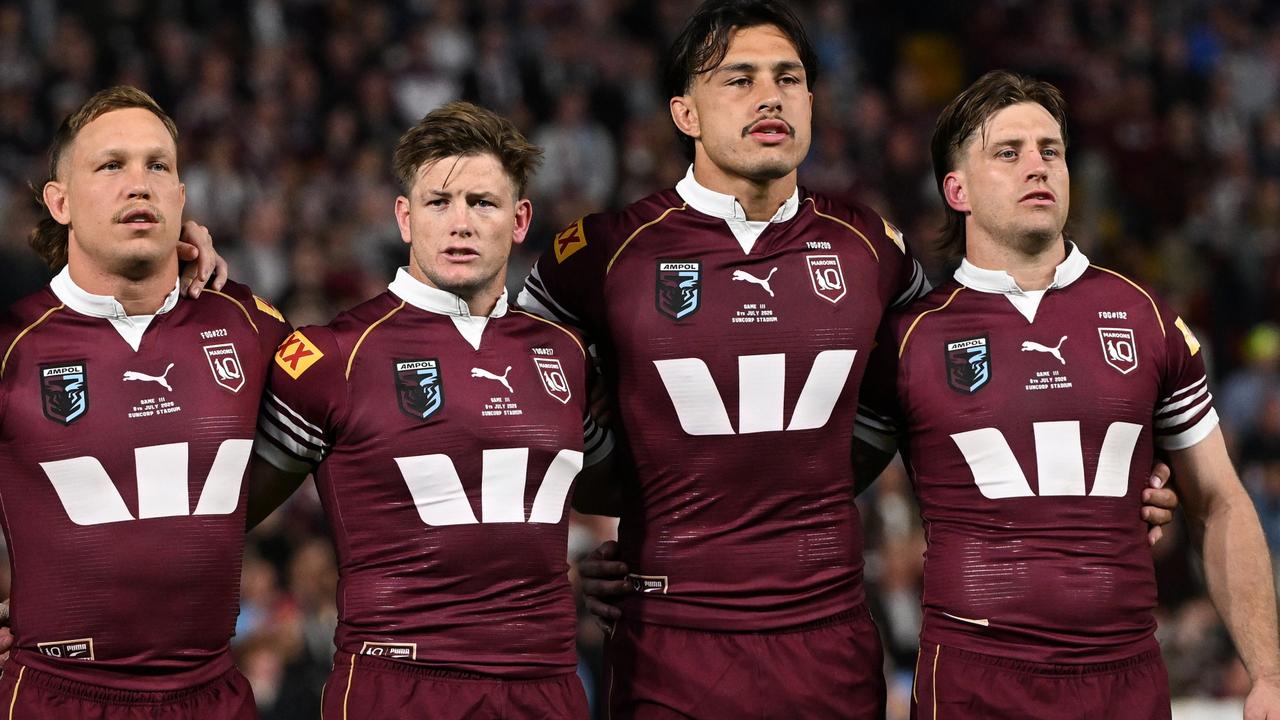
    As the Melbourne Storm cling to their slim hopes of qualifying for the NRL finals, a devastating last-minute injury setback has thrown their immediate campaign into uncertainty. The club confirmed Wednesday that star five-eighth and Queensland State of Origin captain Cameron Munster will definitely miss Sunday’s high-stakes match-up against the Gold Coast Titans, forcing head coach Craig Bellamy to reshuffle his starting lineup at the eleventh hour.

    The Origin representative period has piled immense fixture pressure on the Storm, who face a brutal turnaround after their most recent outing just days before the Titans clash, with another tough match against the Sydney Roosters scheduled only five days after Sunday’s game. This packed schedule means the club is forced to balance the urgent need for wins against the physical wellbeing of their star Origin players, who are already carrying heavy workloads from the representative series.

    While Munster gets an enforced weekend rest, two other key Origin players – hooker Harry Grant and back-rower Trent Loiero – are still in contention to back up for the match, despite their heavy minutes just days earlier. Grant turned in an exceptional 51-tackle performance on Wednesday, leading coaching staff to consider starting him on the bench to manage his fatigue. That possible change has opened up spots in the starting 13 for Tyran Wishart and Trent Toelau, who are currently in contention for promotion.

    Speaking to reporters ahead of the weekend’s clash, Bellamy confirmed Munster’s absence and outlined the club’s ongoing assessment of his fatigued teammates. “Munster is definitely out,” Bellamy said. “We’ll check the other two – Trent and Harry – and there are also a couple of others with some minor niggles. We just need to check them and make sure they get through today’s session. If they do then they’ll play. If they don’t then we’ll have to make a couple of changes.”

    The Storm head coach also pulled back the curtain on the toll that the tight fixture turnaround takes on squads across the league, questioning whether the packed schedule benefits either players or teams. “It is tough to have the last game on Sunday and then expect players to back-up five days later,” he explained. “I’m not quite sure if that’s in the best interests of any NRL players and teams. It is what it is and that’s the hand we’ve been dealt.”

    Amid the last-minute reshuffle, an exciting opportunity has opened up for mid-season recruit Oryn Keeley, who joined the club from the Dolphins recently. Keeley, who was originally signed to join the Storm for the 2025 season, was released early by the Dolphins to help cover a wave of injuries to the Storm’s edge forwards, which includes Eli Katoa, Shawn Blore and Ativalu Lisati out of action currently.

    Despite only spending a week with his new side, Bellamy says the young forward has already made a strong positive impression on the coaching and playing group. “We signed him up for next year but we were lucky enough that the Dolphins were willing to let him come down for the rest of the year,” Bellamy said. “He’s only been here a week, but he’s made a really good impression. He hasn’t sat back and waited to learn our systems – he’s got in there and got to work straight away. I’m pretty sure he’ll add something valuable to the squad this weekend.” The club expects Keeley to get meaningful game time against the Titans, with a possible debut on the cards.

    Beyond this weekend’s match, the Storm also made major off-season news this week, confirming that Canterbury Bulldogs centre Bronson Xerri has signed a three-year deal to join the club starting in 2027. The signing is a strategic one for Melbourne, as the club will lose starting outside backs Will Warbrick and Nick Meaney at the end of next season, with Xerri and recent recruit Jamayne Isaako set to step into their roles.

    Bellamy said he has been impressed with what he has seen of Xerri both on and off the pitch so far. “I don’t know Bronson too well. I’ve met him two or three times now, but he comes across as a really good guy,” Bellamy said. “I know he’s a really good footy player because I’ve watched him playing for the Bulldogs so he’ll be a very welcome addition to the team when he joins. I’m sure he’ll fit in here really well.”

    For the Storm, every remaining match of the regular season is a must-win if they are to climb into the top eight and lock in a finals spot. The loss of their playmaking superstar Munster will test the depth of Bellamy’s squad, as they look to overcome the latest setback to keep their finals dream alive.

  • Lamine Yamal says France should fear Spain in their much-anticipated World Cup semifinal

    Lamine Yamal says France should fear Spain in their much-anticipated World Cup semifinal

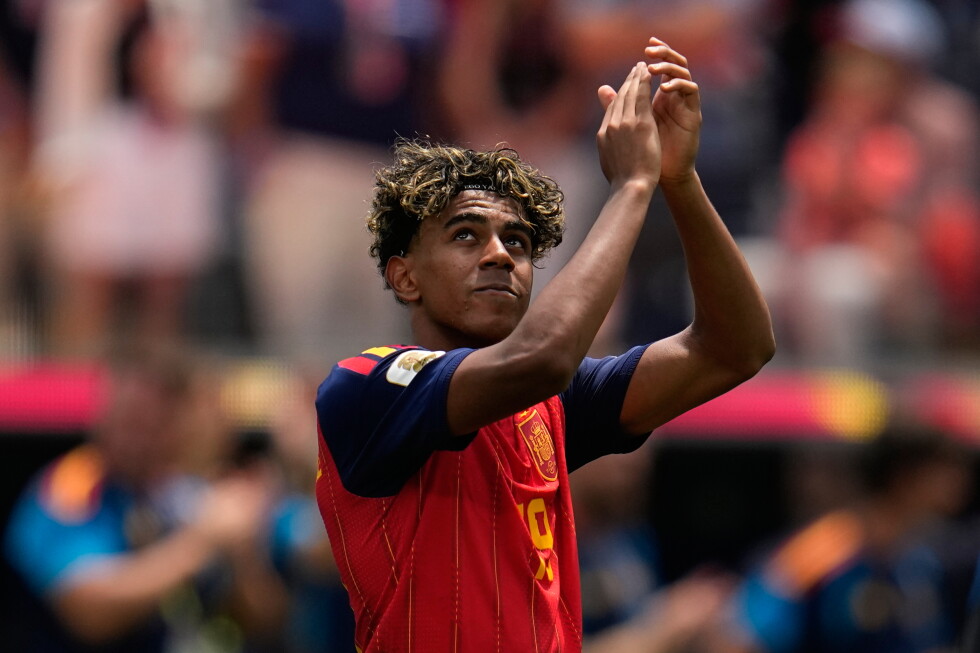
    INGLEWOOD, California – Fresh off Spain’s tense 2-1 quarterfinal victory over Belgium that booked the nation’s first World Cup semifinal spot since 2010, 18-year-old Spanish breakout star Lamine Yamal has issued a bold warning to defending champions France: the European powerhouse should be wary of his side when the two global football giants face off for a place in the World Cup final next week.

    Speaking to reporters immediately after Friday’s quarterfinal win at SoFi Stadium, the teenage sensation made his stance clear: “I believe if France has to fear anyone, it should be us, in my opinion. We were the ones who knocked them out before.”
    Yamal’s confidence is rooted in recent head-to-head history: Spain eliminated France in the 2024 European Championship semifinals, and the two sides have also faced off in Nations League competition in 2023, with Spain coming out on top once again. The young winger, who made history as the youngest goal scorer at the 2024 Euros, earned man of the match honors for his impactful performance against Belgium, and says his side enters the matchup with no intimidation.

    “We don’t fear anyone,” Yamal said. “It’s clear that we are two great teams, world-class national teams, and for me they are one of the best. We’ll see what happens.”
    The highly anticipated semifinal will take place at the home stadium of the NFL’s Dallas Cowboys, marking another high-stakes chapter between two of men’s football’s most talented national squads. France, the 2018 World Cup champions and 2022 runners-up, have been the tournament’s most prolific attacking side so far, notching 16 goals across six matches en route to the semifinal round. For Spain, Friday’s quarterfinal win was secured by a dramatic 88th-minute match-winner from substitute Mikel Merino, with Belgium’s late first-half strike marking the first goal La Roja has conceded throughout the entire 2026 World Cup.
    Spain’s current squad carries an unprecedented recent record: the team has gone 37 consecutive competitive matches without a loss dating back to March 2023, with the only blemish in that run coming via a penalty shootout defeat to Portugal in the 2023 Nations League final. It is just the second time Spain has reached a World Cup semifinal in the nation’s history, after their victorious 2010 campaign where they lifted the trophy.
    Though Yamal has only found the back of the net once in his debut World Cup, his dynamic playmaking and relentless energy down Spain’s right attacking flank has been a standout feature of the team’s run. He set the game’s first goal in motion against Belgium, combining in a quick one-two with right-back Pedro Porro to open space for the attack, ultimately leading to Fabián Ruiz’s rebound finish after Dani Olmo’s initial shot was saved. It was the second consecutive match Spain secured victory with a late match-winner, a trend that has tested the side’s resilience ahead of their biggest match of the tournament.
    Even with the tight wins, Yamal says his side has proven they are prepared to face France, the tournament’s most dominant attacking unit. He argued that Spain’s attractive, possession-based style has forced every opponent this tournament to abandon open play and sit deep in defense, making results harder to come by than they might appear.
    “I think we were much better (than Belgium),” Yamal said. “It seems like we’re playing very beautiful football, but in reality, there isn’t a team that plays against us on equal footing. Everyone drops back, and that makes it more difficult. Nobody has gone toe-to-toe with us. But in the end, we secured the win.”
    Yamal will turn 19 years old on Monday, the day before the two sides kick off their semifinal battle for a spot in the World Cup final.

  • FIFA selling the field to be used for the World Cup final in $450 pieces

    FIFA selling the field to be used for the World Cup final in $450 pieces

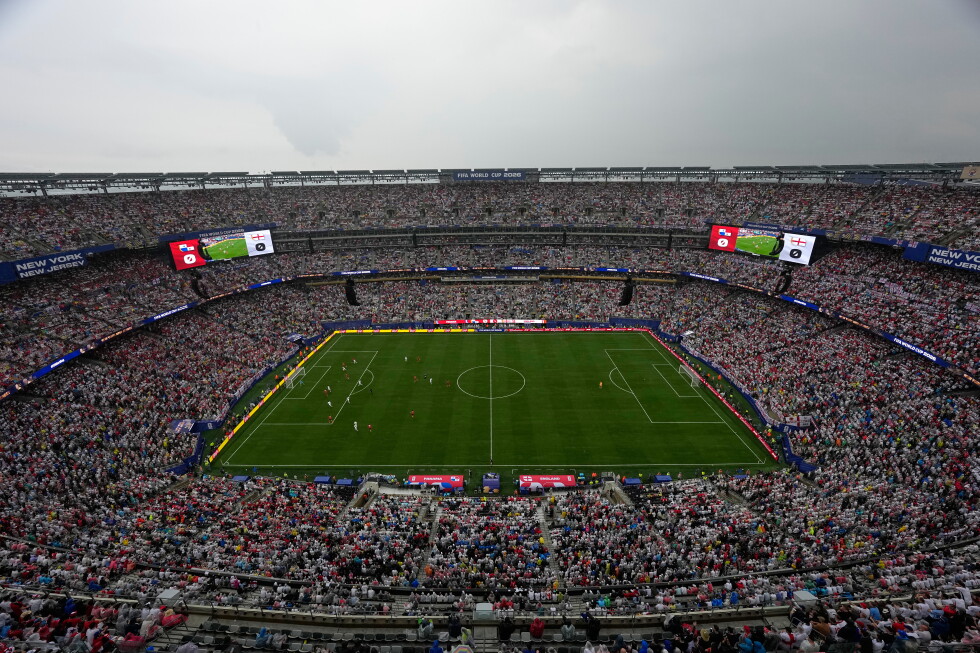
    Global soccer governing body FIFA has ignited public debate over its latest monetization move for the upcoming 2026 FIFA World Cup, announcing it will sell segmented pieces of the natural grass pitch used for the tournament’s July 19 final at New Jersey’s MetLife Stadium for $450 per collectible.

    The commemorative items, marketed as a one-of-a-kind piece of soccer history for die-hard fans and collectors, each contain an original fragment of the final’s playing surface. The turf pieces are preserved in high-quality acrylic casing paired with a USB keepsake marked with an official authenticity film. Packaged in a premium rigid gift box with detailed UV finishing, FIFA positions the product as an exclusive memento for enthusiasts of the world’s biggest sporting event. However, the organization has left key details ambiguous: while FIFA’s official store lists the dimensions of each turf segment as 17.5 by 17.5 by 17.5, it fails to specify whether the measurement unit is inches, centimeters or millimeters. The Associated Press reported that FIFA did not immediately respond to requests for clarification on the product’s specifications as of press time. Shipping is also restricted, with the collectibles only available to customers with delivery addresses in the United States and Europe, and all orders will be fulfilled only after the final match concludes.

    This new commercial offering comes as FIFA already faces widespread criticism for exorbitant pricing for the 2026 World Cup held across North America, including the United States. Ticket prices for the final currently top out at $32,970 for standard seating, while premium hospitality packages that include food and beverage service are being sold for $32,500 to $34,500. The MetLife Stadium pitch itself has also been a point of contention: the venue normally hosts NFL games for the New York Giants and New York Jets on artificial turf, and players and coaches have already raised public concerns about the quality of the temporary natural grass surface installed for the World Cup final.

    The move to sell pieces of the final pitch marks one of the most high-profile examples of FIFA’s aggressive commercialization of the 2026 tournament, drawing attention to the growing gap between premium, high-priced World Cup experiences and average soccer fans seeking affordable access to the event.