分类: sports

  • Egypt receive a warm welcome home

    Egypt receive a warm welcome home

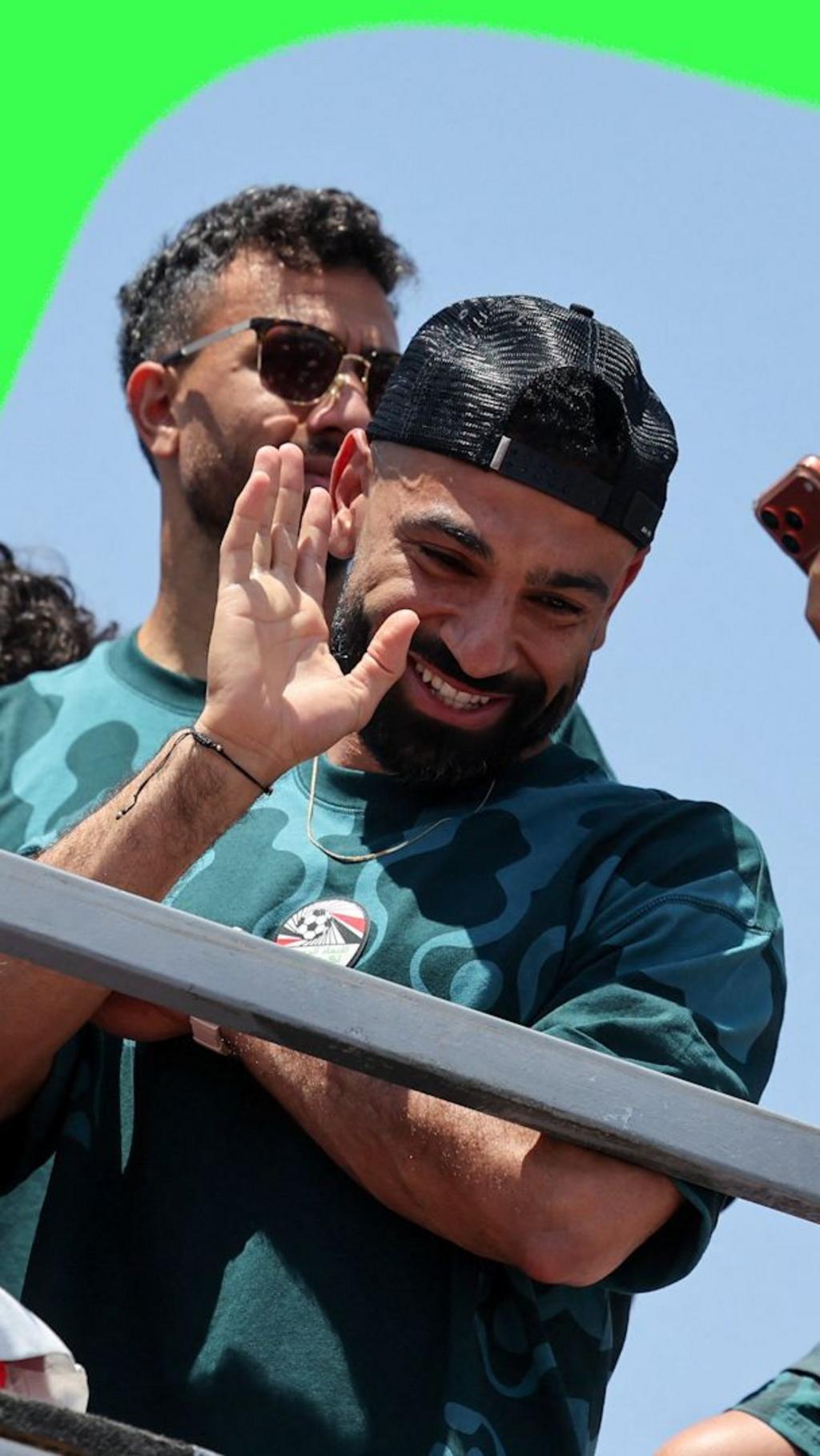
    After an eventful 2022 FIFA World Cup campaign that ended earlier than many fans had hoped, the Egyptian men’s national football team touched back down on home soil to a jubilant, crowded hero’s welcome from thousands of adoring supporters.

    Footage captured from the team’s arrival shows crowds of cheering fans lining airport corridors and gathering outside the national team facility, waving Egyptian flags, chanting player names, and holding up signs of support for the squad, turning a routine post-tournament return into a massive public celebration of the team’s efforts on the global stage.

    The warm reception comes amid ongoing off-pitch controversy stirred by the team’s World Cup exit: Egyptian football authorities have publicly called for the removal of top international match officials over controversial refereeing decisions that impacted the team’s qualifying results for the tournament. Even with that unresolved dispute hanging over the squad’s return, domestic fans have put the controversy aside to turn out in force and honor their players for their hard work and representation of the country on football’s biggest global platform.

    The welcome event, which took place just four hours prior to this report, has been shared widely across Egyptian social media, with supporters praising the team’s grit and commitment throughout their World Cup run.

  • Fery’s Wimbledon run ended by Zverev in semi-finals

    Fery’s Wimbledon run ended by Zverev in semi-finals

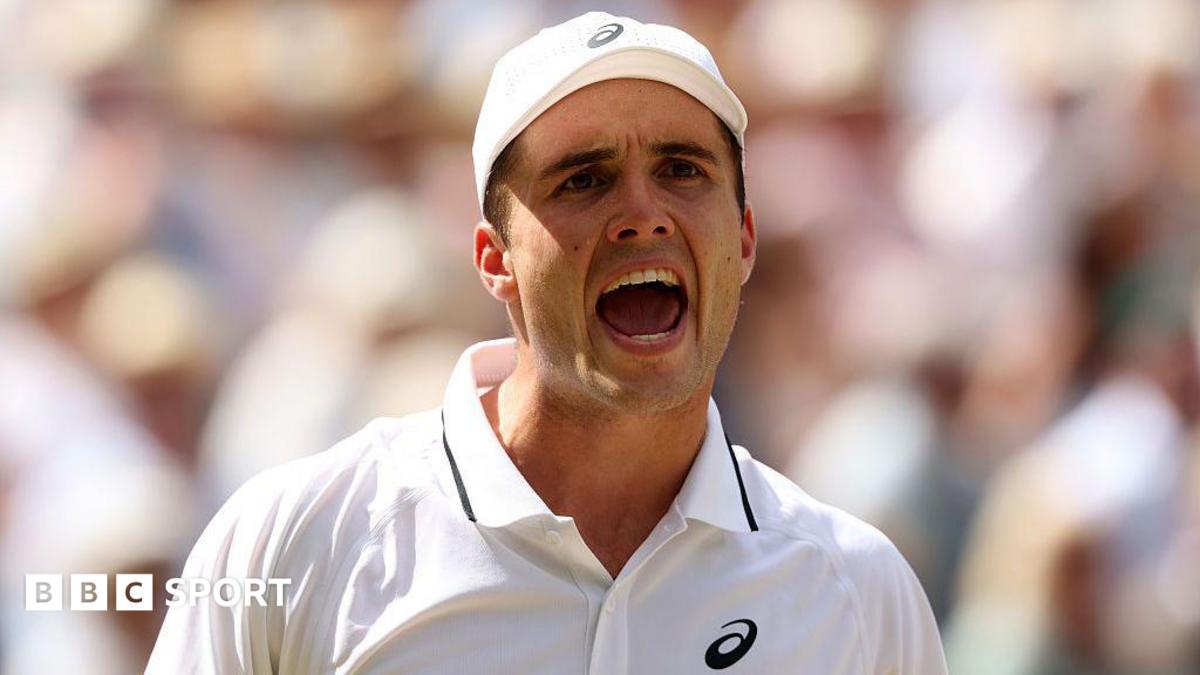
    For British wildcard Arthur Fery, the dream run at this year’s Wimbledon has come to a close, but the 24-year-old (who celebrates his birthday in just two days) leaves the All England Club with his head held high, a massive career breakthrough, and no regrets about skipping a Greek vacation with friends to chase glory on home soil.

    Coming into the Championships ranked world No. 114, with never a Grand Slam third-round appearance to his name, Fery defied every pre-tournament prediction to march all the way to the men’s singles semi-finals, becoming the first men’s wildcard to reach this stage of Wimbledon since legendary champion Goran Ivanisevic’s iconic title run in 2001. His run captivated the British crowd after a brutal opening week that saw 15 of his fellow British players crash out in the first round, leaving Fery to carry the home nation’s singles hopes far further than any pundit had dared to imagine.

    Fery’s path to the semi-final was nothing short of dramatic. The French-born Brit, who grew up just a short walk from the Wimbledon grounds, clawed back from a set down to win his first three matches, stunned former world No. 3 Grigor Dimitrov in a marathon five-set thriller on his Centre Court debut, and blew past French Open runner-up and ninth seed Flavio Cobolli in the quarter-finals to cement his place in tournament history. His relentless never-say-die attitude and unshakable self-belief won over fans across the grounds, from Centre Court to the crowds packed on Henman Hill.

    Looking back on the choice that changed his career trajectory, Fery laughed off the near-miss of his planned holiday: “I was meant to be going to Greece with some friends. One of my friends went ahead early, hoping I would lose so I could join him. He ended up coming back two days later to cheer me on. I’m so glad I stuck with this tournament and kept fighting.” It would have been easy to fold in his third-round clash against Zizou Bergs, when Bergs claimed two breaks in the fourth set, but Fery refused to let the moment slip. “I just kept fighting, came back to the court every time and gave my best. I was mentally locked in the whole way,” he said.

    That mental grit ran out just one step short of the final on Friday, as second seed Alexander Zverev of Germany – the recently-crowned French Open champion – proved too strong in a straight-sets 7-6(7-0), 6-2, 6-4 win. Though Fery matched Zverev stroke for stroke through the opening set, the German shifted into another gear in the tie-break, reeling off seven consecutive points to take the set without dropping a single point. From there, Zverev never looked back, dominating his service game through the final two sets to secure his place in his first ever Wimbledon final.

    After the final point, the 14,979 fans packed into Centre Court rose as one for a standing ovation for Fery, who shared a warm post-match embrace with Zverev at the net. Fery admitted after the match that the run had caught up with him, and that he lacked his usual sharp energy against a top-tier opponent. “It might have been just a step too far. The opponent was a step up again,” he acknowledged. “I lacked a bit of that fight I had through the rest of the tournament today.”

    Even in defeat, Fery leaves Wimbledon with a career-changing haul. On Monday, he will be crowned the new British No. 1 and jump to world No. 36 in the ATP rankings – an astronomical rise for a player who had never cracked the top 100 before the tournament. He also takes home £900,000 in prize money, a sum £240,000 larger than his entire career earnings before this Championships. The new ranking guarantees him direct entry into all future Grand Slams for the foreseeable future, a massive boost for his young career.

    Speaking about the changes ahead, Fery said: “It’s going to change things, for sure. It will be interesting to see how I handle this new chapter, and the new expectations from myself and the public.”

    For Zverev, the win marks a historic milestone of his own. The 29-year-old, who had never advanced past the fourth round at Wimbledon in his career before this year, will face defending champion Jannik Sinner in Sunday’s final, and will rise to world No. 2 in the rankings after the tournament, overtaking Carlos Alcaraz. Fresh off claiming his first ever Grand Slam title at the French Open last month, Zverev will now chase a second major trophy at SW19.

    Heaping praise on his young opponent after the match, Zverev said: “I have to give all the credit to Arthur. He’s an unbelievable player, and this is just the beginning of his career. I think he will be a staple on our tour for the next 15-plus years.” Zverev added of his own breakthrough: “This Grand Slam has always been the one that I struggled with the most, and all of a sudden I am in the final, so I am incredibly happy.”

  • ‘Honoured and grateful’ – Morocco fan reflects on World Cup

    ‘Honoured and grateful’ – Morocco fan reflects on World Cup

    After Morocco’s memorable 2022 FIFA World Cup campaign came to a close with a narrow quarter-final defeat to eventual champion France, one dedicated fan has opened up about what the underdog team’s historic run meant to him and the entire African continent. Raja Aderdor, a lifelong supporter of the Moroccan men’s national team, shared that he feels overwhelmingly honoured and grateful to have witnessed his country’s unprecedented journey on football’s biggest global stage.

    Morocco’s performance at that tournament made history as the first African nation to ever reach the World Cup quarter-finals, breaking decades of barriers and capturing the hearts of football fans across the world. Even as their run ended against France, the team’s defensive grit, tactical discipline, and unbreakable team spirit turned them into global fan favourites, uniting communities across Africa and the Arab world behind their underdog story. In his reflection, Aderdor emphasized that the team’s achievements go far beyond wins and losses, marking a cultural milestone that has inspired a new generation of young football talent across the continent.

    This reflection comes as football continues to build toward the 2026 FIFA World Cup, set to be co-hosted by the United States, Mexico, and Canada, with new content and highlights from past and upcoming tournaments rolling out to fans globally. For Morocco and its supporters, the 2022 run remains a source of national pride that has reshaped global perceptions of African football, proving that underdog sides can compete with and even beat the world’s top-ranked teams.

  • How do England stop Norway – and Haaland?

    How do England stop Norway – and Haaland?

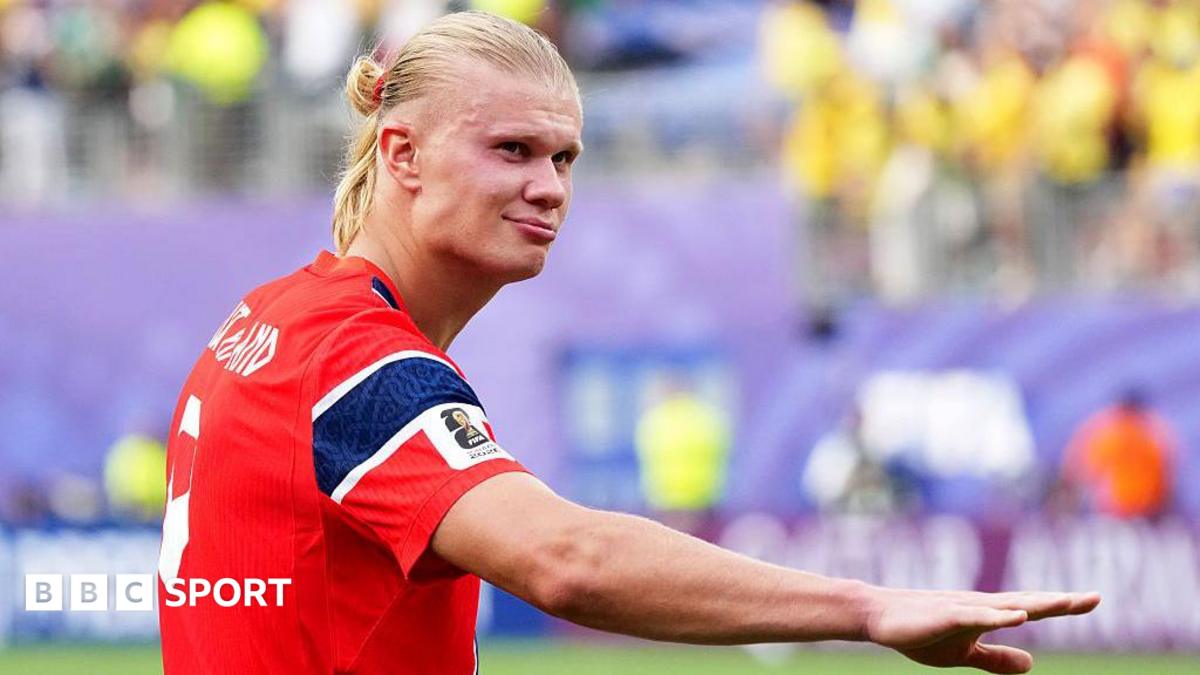
    Ahead of one of the most anticipated quarterfinal matches of the 2026 FIFA World Cup, European dark horse Norway has defied pre-tournament expectations to reach the final eight, and all eyes are now on how Thomas Tuchel’s England side can shut down Stale Solbakken’s in-form attacking unit led by lethal striker Erling Haaland.

    Few predicted Norway would advance this far, even with their status as an early dark horse pick. After finishing second in Group I ahead of Senegal, the Scandinavian side has knocked out both Ivory Coast and Brazil, netting 12 goals across five matches with Haaland already notching seven tournament goals to his name. Their success stems from a flexible, multi-faceted attacking system built around intelligent build-up play and dynamic off-ball movement that has confounded every opponent they’ve faced so far.

    At the root of Norway’s offensive efficiency is their varied approach to playing out from the back. Starting with goalkeeper Orjan Nyland, who has turned in elite distribution throughout the tournament, Norway typically opens with a short build-up: Nyland joins a wide four-man backline to create a numerical overload in the defensive third, while two holding midfielders drop into central spaces to offer passing options. When short passing lanes are closed off, Nyland has a reliable backup: playing long diagonal balls to 6ft 5in target man Alexander Sorloth, who lines up on the right wing to win aerial duels and bring the ball under control. This puts England’s left-back Nico O’Reilly, a 6ft 4in physical defender, in a far more evenly matched aerial battle than Sorloth has enjoyed in previous rounds.

    To disrupt this well-oiled build-up structure, Tuchel has two primary tactical options, each carrying distinct trade-offs. The most straightforward approach is a full-pitch man-to-man press, which eliminates Norway’s numerical advantage and puts O’Reilly in position to win physical battles against Sorloth. The major risk of this approach, however, is that it leaves Haaland one-on-one with a single center-back in open central space, a matchup nearly any striker in the world would favor. Most coaches would opt to leave an extra defender near Haaland to crowd him out, but that leaves England outnumbered in the press against Norway’s three-man central build-up.

    The second option is a dropped defensive block that prioritizes cutting off passing lanes and limiting space. This approach also carries downsides: it runs counter to Tuchel’s preferred front-foot, aggressive identity, and it allows Norway to control possession, slow the match tempo, and frustrate opponents with patient circulation—something they executed masterfully against Brazil, with playmaker Martin Odegaard dropping deep to dictate play and make it nearly impossible for opponents to win the ball back. This intelligent game management has become a hallmark of Norway’s tournament run.

    Drawing lessons from Brazil’s largely successful tactical approach against Norway could give England an edge. The Seleção successfully forced Nyland onto his weaker left foot by cutting off passing options on the right half of the pitch, positioning wingers to pressure Norway’s full-backs and central attackers to mark holding midfielders and free center-backs. Even with Nyland reliably finding Sorloth from long left-footed passes, forcing this pass and committing players to win the second ball around Sorloth could disrupt Norway’s rhythm. For England, which typically lines up with a front two of Harry Kane and Jude Bellingham, pushing holding midfielder Declan Rice higher up the pitch to add extra pressing numbers can create chaotic, high-turnover situations that play to England’s strengths.

    While disrupting build-up is important, the biggest challenge remains stopping Haaland, who has already proven unmarkable for most defenses this tournament. The most effective strategy to mute Haaland is cutting off his service rather than trying to mark him one-on-one, and Norway creates most of his chances through intelligent wide movement and overlapping runs. Left-back David Moller Wolfe makes regular underlapping runs that pull opposition midfielders deep, opening up space for left wingers Antonio Nusa and Andreas Schjelderup to cut inside and deliver deep in-swinging crosses to the back post—one of Haaland’s favorite goal-scoring scenarios, alongside runs onto through balls on the left and attacking cut-backs against retreating defenses.

    Crowding Haaland out with multiple defenders is one of the only proven ways to limit his influence, as West Ham demonstrated in a 1-1 draw against Haaland’s Manchester City last season, when they used three center-backs and a holding midfielder to man-mark him closely. For England, the challenge is that doubling up on wide players to stop crosses leaves Moller Wolfe free to receive the ball and deliver his own cross into the box—a tricky tactical puzzle that Tuchel must solve.

    It would not be surprising to see Bellingham drop deeper into a five-man midfield when England is out of possession to add extra defensive cover, matching the dynamic attacking structure that Norway uses. Beyond defense, one of England’s best tools to neutralize Norway is sustained possession: keeping the ball pins Norway back and allows England to create their own chances using similar wide attacking dynamics that Norway relies on. Just as Moller Wolfe’s underlaps open space for Norway’s wingers, England’s Nico O’Reilly can use the same runs to create 2v1 opportunities against Norway’s full-backs, with pacy wingers drawing defenders deep and cutting the ball back for late arriving attackers— a tactic that has worked for Anthony Gordon throughout the tournament.

    Finally, Norway’s commitment to attacking possession often leaves them short of defenders when they turn the ball over. Brazil created multiple high-quality chances on the counter-attack after winning the ball back against Norway, and England’s pacey attacking options including Gordon, Bellingham, Rice and Noni Madueke are well-suited to exploit the open spaces left by Norway’s high pushing defense.

    With a spot in the World Cup semifinals on the line, both sides will look to impose their tactical identity, with England tasked with solving a complex puzzle to neutralize one of the most dangerous attacking sides in this year’s tournament.

  • ‘What old-timers can do’ – the evolution of Belgium’s golden generation

    ‘What old-timers can do’ – the evolution of Belgium’s golden generation

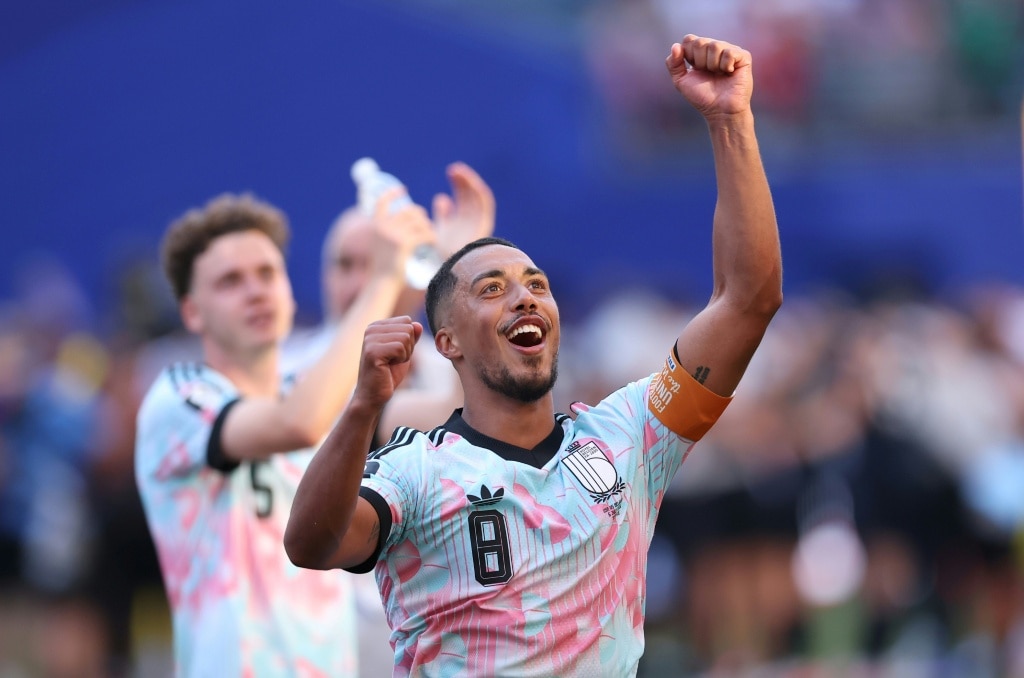
    When the 2026 FIFA World Cup kicked off 30 days ago, barely any football pundits or fans counted Belgium among the tournament’s potential contenders. Many of the star names that anchored the Red Devils’ campaigns in past iterations of the competition had retired or moved on from international football, and few expected the current squad to advance deep into the knockout stage. That scepticism only grew deeper when Belgium found themselves trailing Senegal 2-0 with just five minutes of regulation time left to play in their Round of 32 clash. What has followed since that dire opening, however, has been one of the most remarkable turnaround stories of this World Cup: a legendary comeback to eliminate Senegal, followed by a dominant 4-1 victory over the United States on American soil that has carried Belgium into the tournament’s quarter-finals.

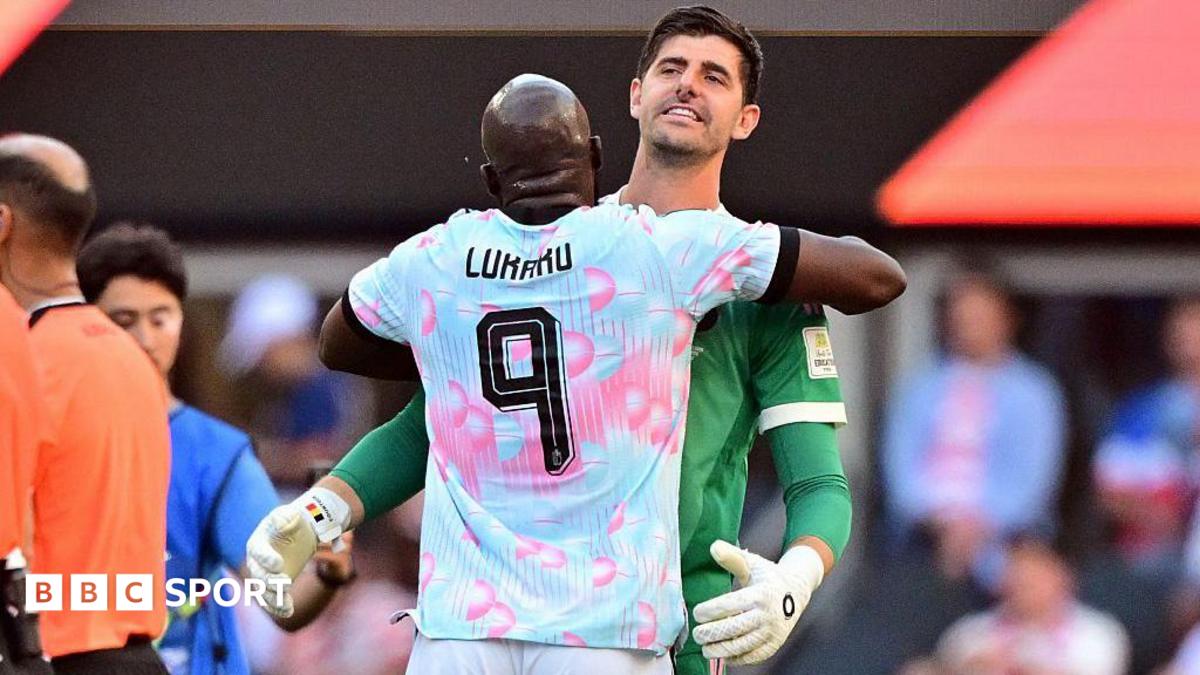
    Gone are iconic Belgian figures like Eden Hazard, Mousa Dembele, Marouane Fellaini, and Vincent Kompany, who led the side to quarter-final finishes in 2014 and a historic semi-final run at the 2018 Russia World Cup – widely considered the peak of the country’s so-called golden generation. After a dismal 2022 Qatar World Cup campaign that saw Belgium crash out in the group stage, many wrote this veteran core off entirely. But the remaining veterans of that golden era – goalkeeper Thibaut Courtois, forward Romelu Lukaku, midfielder Kevin de Bruyne, and midfielder Axel Witsel – have helped transform a shaky start into a legitimate shot at World Cup glory. Now, as Belgium prepares to face Spain for a semi-final spot on Friday at 20:00 BST, the question looms: was the Belgian golden generation written off too soon, or has manager Rudi Garcia unlocked a new way to harness their veteran experience alongside emerging young talent?

    Courtois, the Real Madrid shot-stopper competing in his fourth World Cup, framed this squad as a new chapter for Belgian football ahead of the USA match. “It is true that there are some players from the golden era, but the World Cup in Qatar for us was not that good,” he explained. “Now we have another generation with younger people, new people, willing to do great things and writing in the history pages for Belgium.”

    Courtois’ assessment holds up under scrutiny. Of the four remaining veterans from the 2014 and 2018 squads, only 34-year-old Courtois has played every minute of the 2026 tournament. De Bruyne, 35, suffered an injury early in the Senegal clash, while 37-year-old Witsel has seen limited minutes off the bench. Thirty-three-year-old Lukaku has racked up an impressive three goals, but has played fewer than 50% of the team’s total minutes, mostly coming off the bench to exploit tired defences stretched thin by the high pressing of 25-year-old Atalanta forward Charles de Ketelaere. Full-back Thomas Meunier, another 2018 World Cup veteran, has also seen his playing time decrease as the tournament has progressed.

    This does not mean the veteran core has not been integral to Belgium’s run. Courtois remains one of the top goalkeepers in the world, Lukaku’s clutch goals have swung critical matches, and De Bruyne delivered some of the squad’s best performances before his injury. But their role has shifted: rather than carrying the full weight of the team’s performance over 90 minutes, they now step up to make the difference in high-stakes key moments. So far, Garcia and Belgium have navigated this generational transition far more smoothly than most international sides manage when their golden generation begins to age.

    For Garcia, the constant focus on the veterans’ age misses the point entirely, and downplays the quality he has in his squad. “I really can’t stand it when my four leaders are called ‘veterans’,” he said earlier in the tournament. “It is ugly. It is awful. If you are lucky enough as a country to have players of this calibre, then encourage them. This is what Belgium’s ‘old-timers’ can do.”

    The veterans’ leadership has been complemented by standout performances from a new cohort of players who did not experience the pressure of the 2014 and 2018 runs, but already hold extensive experience at top European clubs. Arsenal winger Leandro Trossard has been particularly outstanding: he has created more chances (17) than any other player in the tournament so far, and notched two goals and two assists to put him 15th in the tournament for total goal contributions. De Ketelaere, while not a prolific goalscorer, has contributed two goals and one assist while creating critical space for wide attackers to operate inside the penalty area. Club Brugge midfielder Hans Vanaken, 33, who has spent his entire domestic career in Belgium, has added one goal and two assists, while captain Youri Tielemans scored both the equalizer and match-winner to pull off the incredible comeback against Senegal.

    Of the 13 squad members aged 25 or younger, only Manchester City winger Jeremy Doku is already considered an elite talent at this stage, though fellow wingers Diego Moreira and Matias Fernandez-Pardo have shown clear potential, and Aston Villa midfielder Amadou Onana turned in strong performances before suffering an ACL injury against the USA.

    The squad was further galvanized by controversy surrounding FIFA’s last-minute decision to uphold a one-match suspension for USA striker Folarin Balogun ahead of the Round of 16 clash. In a show of unity and defiance, Belgian players mocked former US President Donald Trump by mimicking his signature campaign trail dance on the pitch after scoring. After the match, Garcia praised the squad’s tight chemistry: “The group is very mature. We have leaders to help us.”

    Beyond on-pitch chemistry, Belgium’s dressing room has a unique quirk that has shaped its leadership dynamic: linguistic diversity rooted in the country’s history and position at the heart of the European Union. The Belgian squad includes players with heritage from across the globe, including DR Congo, Ghana, Guinea-Bissau, Senegal, France, Italy, Portugal, and Spain. Lukaku alone speaks six languages fluently. With native Dutch speakers from northern Flanders and native French speakers from southern Wallonia, the team has intentionally adopted English as its primary shared language to avoid the political and identity tensions that can surround language use in Belgian public life.

    “It’s a very strategic thing to do,” explained Dr. Jim Ureel, senior lecturer in applied linguistics at the University of Antwerp. “Language is a very sensitive topic in Belgium – it’s heavily linked to identity and politics. Dutch-speaking people don’t necessarily want to adapt for the French, and vice-versa. If the players were choosing one or the other, it could become a problem. English therefore becomes very useful – you can avoid those issues and it all becomes neutral, especially because young footballers almost always speak good English and lots play in English-speaking countries. When things become more personal, in smaller groups, they might switch into what they’re most comfortable with. I think it’s very clever how they do it.”

    As Belgium prepares for their quarter-final showdown with Spain, the team’s veteran leaders will need to draw on all their experience to inspire the young squad to another upset. This run is not just the last hurrah for Belgium’s golden generation; it is a transition: a core of seasoned veterans stepping into new leadership roles, guiding the young players who will soon take over the future of Belgian football.
  • AFL star Josh Worrell involved in accidental collision with pedestrian

    AFL star Josh Worrell involved in accidental collision with pedestrian

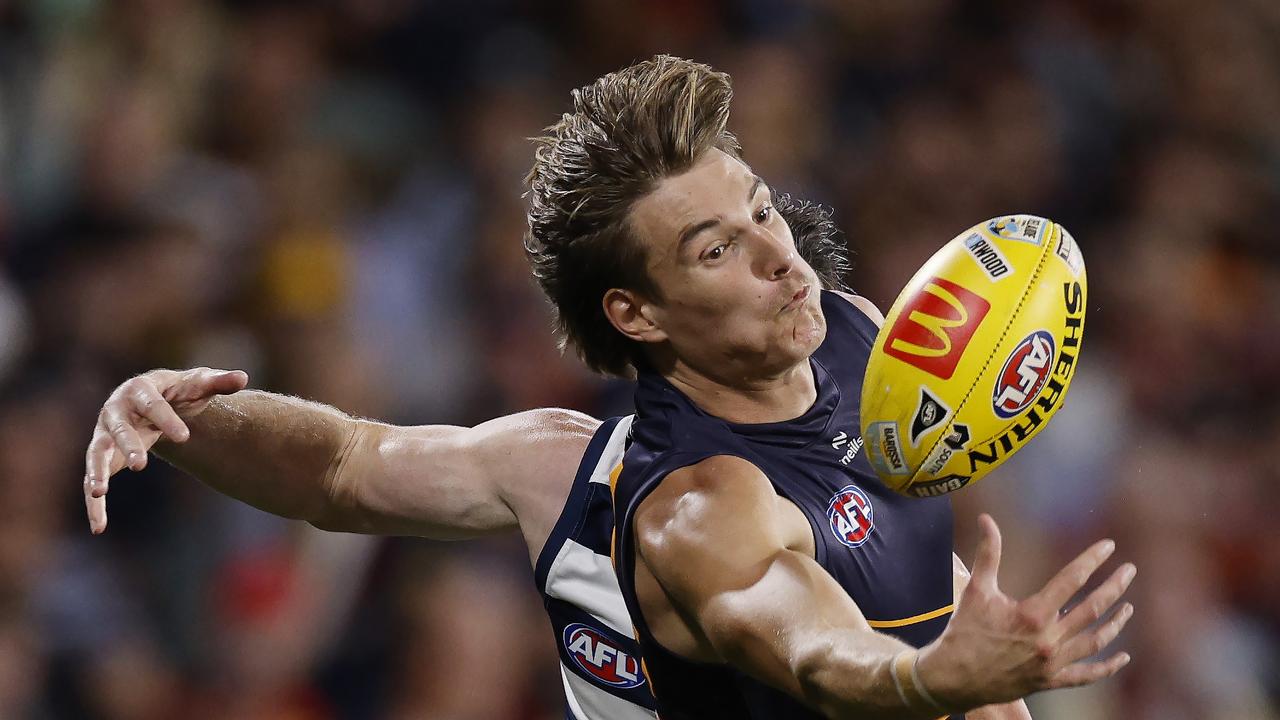
    A top-ranked Australian Football League (AFL) player has been confirmed involved in an accidental collision between his vehicle and a pedestrian, an incident that unfolded just one day before his team’s critical upcoming match. Josh Worrell, a key defender for the Adelaide Crows, voluntarily reported to a local police station Friday following the crash on Port Road in the suburban Adelaide area of Woodville. According to local reports, the accident occurred as Worrell was making his daily commute to team training, ahead of Saturday’s highly anticipated match against Gold Coast at the Adelaide Oval.

    Multiple official sources have confirmed that the collision was accidental, with no immediate indication of foul play or dangerous driving on the part of the player. South Australia Police (SA Police) launched an official investigation into the incident shortly after it was reported. In an official statement to media outlets, SA Police confirmed: “Police can confirm they are investigating a collision involving a car and pedestrian on Port Road, Woodville, this morning. Both parties attended police stations this afternoon to report the collision. Police did not attend the scene and are investigating.”

    The Adelaide Football Club also publicly acknowledged the incident in a statement posted to its official website, noting that it would not release further details while the police probe is ongoing. “The Adelaide Football Club can confirm one of its players was in a vehicle accident involving a pedestrian this morning,” the club’s statement reads. “The matter has been reported to South Australia Police and at this stage, the club is not in a position to provide any further comment.”

    As a result of the incident and subsequent reporting requirements, Worrell missed his scheduled training session on Friday. Despite the disruption, club insiders confirm he remains on track to suit up for the Crows in their Saturday clash at Adelaide Oval. The male pedestrian who was involved in the collision has declined all requests for comment from local media, including *The Advertiser*, which first broke details of the incident. To date, no charges have been filed against any party connected to the collision, and the investigation remains in its early stages.

  • How football has helped immigrants make a home in the US

    How football has helped immigrants make a home in the US

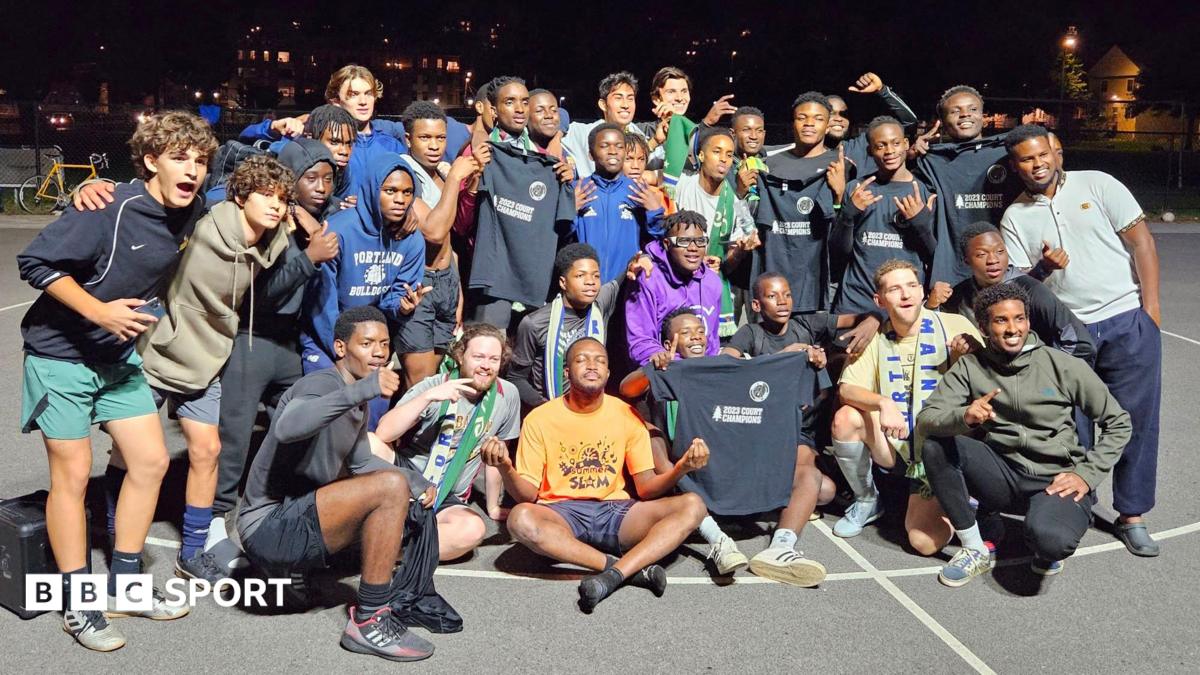
    Far from the packed stadiums and global spotlight of the 2026 FIFA World Cup being hosted across North America, a rough asphalt pitch in Portland, Maine’s Kennedy Park is demonstrating just how transformative football’s unifying power can be for vulnerable communities. For hundreds of immigrants and refugees who gather here for informal pick-up matches, the beautiful game has become far more than a pastime: it is a lifeline, a common language, and the foundation of a tight-knit support network that has sustained its members through one of the strictest immigration crackdowns in recent U.S. history.

    What began as a casual weekly gathering in 2021 has grown into a diverse community connecting players from more than 40 countries, all bound by their shared love of football and experiences of building new lives in a foreign country. For teenagers like George Lusolo, who arrived in the U.S. from the Democratic Republic of Congo in 2018 with his mother to seek asylum, the Kennedy Park pitch offered a sense of belonging when everything else felt unfamiliar. After being held in immigration detention in Texas and staying at a New York shelter before resettling in Portland, Lusolo stumbled on a social media post about the pick-up games and immediately found his people.

    “I really didn’t know the language. I didn’t know anyone here,” Lusolo, now 19, recalled. “Everything was so hard for me and my mom when we first arrived. But when I got to the pitch, I saw people who had gone through the same struggles as me. Soccer has always been my therapy – I’ve played since I was a little kid growing up in Kinshasa. Playing alongside people who understand what you’ve been through? It feels like home.”

    Fellow Congolese immigrant Deji Kuribanza, who resettled in the U.S. after passing through Angola, echoed that sentiment, noting that football acts as a universal bridge that eliminates language barriers. “You don’t need to speak the same language to play,” the 18-year-old explained. “Just point to your feet, gesture for the ball, and you’re connected. It’s such a simple, beautiful thing.”

    That tight bond has been put to the test in recent months, as the second Trump administration has ramped up enforcement actions by U.S. Immigration and Customs Enforcement (ICE). The independent Migration Policy Institute estimates that ICE has arrested at least 400,000 people nationwide since January 2025. While the federal government maintains that only people who threaten public safety and national security are targeted, and says legal residents face no risk, immigrant communities across Maine have been thrown into panic by widespread raids that rights groups say have swept up dozens of innocent people with no criminal records.

    For the Kennedy Park community, the fear hit close to home last year, when 17-year-old regular player Joel Andre and his entire family were detained by ICE. After their initial asylum application from DR Congo was denied, the family tried to cross into Canada to file a new claim, unaware of a bilateral agreement that forces asylum seekers to file their claim in the first safe country they enter. That technicality led to their detention when they returned to the U.S.

    In the wake of the raids, many players and their families were too afraid to leave their homes, with several immigrant students missing weeks of school, said Anthony Fiori, the local photographer and community organizer who coordinates the Kennedy Park pick-up games. But rather than fracture the community, the crisis brought its members closer together. Organizers arranged more than 70 grocery deliveries to housebound families, and the entire community rallied behind a public campaign to secure Andre’s release from detention. After four months of advocacy, they won the teenager’s release, though he still carries lasting psychological trauma from his time in custody.

    “The conditions in those detention facilities are terrible – the food is inadequate, and some holding cells are kept freezing,” said Todd Pomerleau, the attorney who represented Andre’s family. “Joel is a talented young footballer, a bright kid with so much going for him. But this experience changed him. Anyone who goes through that never comes out the same – he and his family need ongoing support to heal.” Andre and his family are now continuing to fight their asylum case in U.S. federal court.

    Despite the fear and uncertainty that hang over the community, many players see their regular matches on the Kennedy Park asphalt as a way to challenge negative stereotypes about immigrants and build acceptance in their new home. “A lot of people here only see immigrants as stereotypes, that we come here and take things and don’t contribute,” Kuribanza said. “But when locals walk past the park and see us laughing, playing, enjoying the game together, it changes how they see us. It shows we’re just people who want the same things everyone else wants.”

    Fiori, whose own family has lived in Maine for nine generations, notes that the community fills a unique gap in a state that remains one of the least demographically diverse in the country. “To have a space where people from every background, every country, every generation can come together, play, and become friends? That’s really special,” he said.

    With the 2026 FIFA World Cup taking place just a few states away, the community has been swept up in tournament excitement, especially after DR Congo – the home country of many Kennedy Park players – reached the last 16 of the competition, its first World Cup knockout stage appearance in more than 50 years. For many of the young players, the tournament has stoked big dreams for their own futures. Kuribanza says he harbors a dream of one day playing on the World Cup stage himself, while Lusolo hopes to turn his love of football into a professional career representing DR Congo internationally.

    Whether they make it to the global stage or not, the players of Kennedy Park already embody the core message of the World Cup: football transcends borders, backgrounds, and hardship to bring people together. For these immigrants and refugees, a simple asphalt pitch in a small Maine park has become a place to call home.

  • Spain aim for World Cup date with France by beating Belgium

    Spain aim for World Cup date with France by beating Belgium

    As the 2026 FIFA World Cup enters its knockout final stretch, European champions Spain will square off against a resurgent Belgium side at Los Angeles’ iconic SoFi Stadium this Friday, with the winner earning a highly anticipated semi-final showdown against defending champions France. This match has set the stage for a clash of contrasting narratives, with Spain aiming to continue their unbroken defensive streak and unlock their full attacking potential, while Belgium’s veteran Golden Generation chases one last shot at global glory as tournament underdogs.

  • Big Bash League to play historic first overseas match in India

    Big Bash League to play historic first overseas match in India

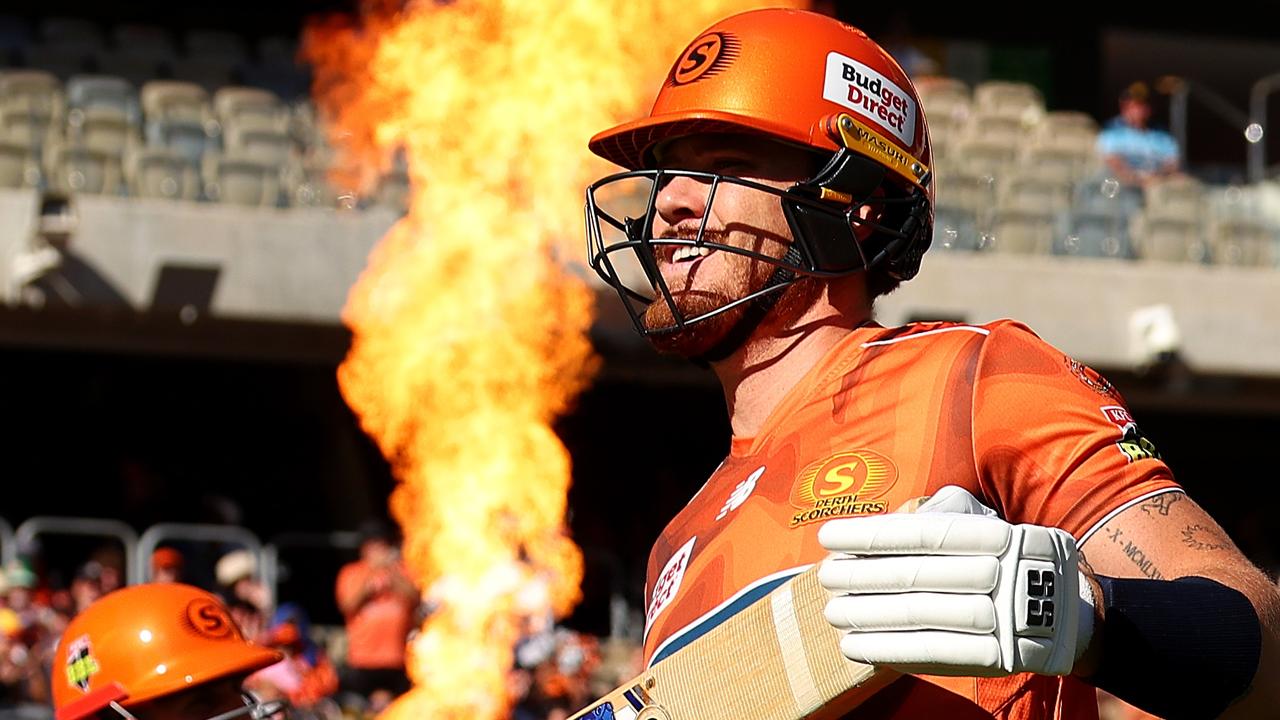
    Cricket fans around the world are set to witness a groundbreaking milestone for Australia’s premier domestic T20 competition, the Big Bash League (BBL), after organisers officially confirmed that the 2025-26 season will open with a historic first-ever overseas match between two of the league’s most storied sides, the Perth Scorchers and Melbourne Renegades. The fixture, scheduled for December 12 at Chennai’s iconic MA Chidambaram Stadium, marks the first time a BBL game will be hosted outside of Australia, and league executives are already projecting it could break viewership records for Australian domestic sport.

    The landmark fixture was formally announced on Friday during a high-profile appearance by Australian Prime Minister Anthony Albanese and Indian Prime Minister Narendra Modi at the Melbourne Cricket Ground, underscoring the deep cultural and sporting ties between the two cricket-mad nations. Alistair Dobson, Big Bash League’s executive general manager, framed the event as a transformative moment for the competition, noting that India’s massive, passionate cricket fanbase combined with a prime-time broadcast slot for domestic audiences in Australia will deliver an unprecedented global audience.

    “With India’s massive cricket audience added to our prime-time viewership back home in Australia, we project this will be the most-watched Australian domestic sporting event in history,” Dobson said. “We all know just how massive cricket is in India, and that reach makes this fixture absolutely enormous.”

    All eight men’s BBL franchises submitted expressions of interest to participate in the historic Indian match, but organisers ultimately selected the Scorchers and Renegades after evaluating a range of factors, including scheduling flexibility and Perth’s geographic proximity to India that reduces travel burdens for the squad. Dobson added that the selection of the reigning BBL champion Perth Scorchers was also a natural fit given the franchise’s unparalleled on-field success and global recognition among cricket followers.

    “The Scorchers’ track record of success has made them a household name in cricket globally — in terms of consistent on-field results, they’re arguably the best domestic cricket team in the world,” Dobson noted. He added that both franchises will need to adjust their player contracting arrangements to accommodate the overseas opening fixture.

    The match will be broadcast nationally in India by leading media network JioStar, bringing Australia’s dynamic domestic T20 competition to hundreds of millions of cricket fans across the subcontinent. Chennai’s Northeast Monsoon season, which runs from October through December, was noted in organisers’ announcements, though no specific concerns about weather impacts on the fixture were raised.

    Australian cricket legend Steve Waugh, who first toured India with the national side in 1986, said he never imagined a milestone like an Australian domestic match hosted in India would come to fruition during his early career. Waugh, who has developed a deep affection for India over four decades of visiting the country, called the fixture a game-changing opportunity for the BBL to grow its global profile.

    “It gives the Big Bash world exposure, so it’s a fantastic opportunity for the competition,” Waugh said. Reflecting on his first tour of India in the 1980s, he noted that much has changed for Australian cricketers traveling to the subcontinent: “Back then, we were a bit apprehensive, had a bit of a siege mentality, because we didn’t understand the culture. Now, players are far more comfortable here — they play in the IPL every year, they understand the people and how everything works, so it’s a much smoother experience.”

    Waugh, an avid amateur photographer, added that India feels like a second home to him after 40 years of visits, saying he is excited to see the historic match come to the country he loves. The announcement of the Chennai fixture comes amid a recent shift in Indian sports policy, which saw New Delhi relax entry restrictions for Pakistani athletes earlier this May following cross-border military skirmishes earlier in 2025. Under the revised rules, individual Pakistani athletes can enter India to compete, though full Pakistani national teams are only permitted to participate in multi-nation tournaments.

  • ‘I might start to think about it now’: Jason Ryles responds to massive Jarome Luai rumour as Eels make huge call on Mitch Moses

    ‘I might start to think about it now’: Jason Ryles responds to massive Jarome Luai rumour as Eels make huge call on Mitch Moses

    The NRL world has been thrown into a frenzy by a blockbuster transfer twist, and Parramatta Eels head coach Jason Ryles has finally offered his first public comments on the looming move of star playmaker Jarome Luai, who is currently listed as the leading target for the club ahead of the 2026 season.

    In the wake of the State of Origin series wrapping up, Luai’s future has become the most discussed talking point in Australian rugby league after Wests Tigers, his current club, made a shock announcement that they would grant their co-captain an early release from his contract at the end of the 2025 season. Luai is already contracted to join the expansion PNG Chiefs when the side enters the NRL competition in 2028, and remains on a $1.2 million deal with the Tigers for the 2026 season. That leaves the four-time premiership winner needing a new club for just one single season, with a move to the Western Derby side Perth Dolphins widely ruled out – a relocation would require Luai to uproot his family across Australia twice in 12 months, first to Perth and then to Papua New Guinea.

    The Parramatta Eels have emerged as the clear frontrunners to secure Luai’s signature for 2026, where he would form a high-profile halves combination alongside current Eels star Mitchell Moses. But Ryles remained guarded when pressed about the potential deal during a media availability on Friday, stopping short of confirming or denying active negotiations.

    “Right now, there’s a lot of noise around Jarome, and he’s undoubtedly an elite talent,” Ryles told reporters. “Our club is always in the market for elite talent to strengthen our roster, but all of this is still very new. I honestly don’t have a lot of details at this stage. It’s definitely a conversation worth having, and we’ll just wait and see if anything comes of it.”

    Luai and Moses already have a proven track record of success together, having paired regularly for the New South Wales Blues in State of Origin matches, a history that many rugby league analysts point to as a core reason the Eels make sense for Luai. Parramatta has prior experience with short-term playmaker signings, most recently Jonah Pezet, who joined the club on a one-year deal from Melbourne Storm ahead of his scheduled move to the Brisbane Broncos in 2027. That arrangement has struggled to deliver results so far, with Pezet battling through recurring form and fitness problems that kept him sidelined for nearly three months before he made his return to first grade last week.

    When asked if the Eels would be taking a similar risk with Luai, Ryles noted there is a key distinction between the two players: Pezet is a natural halfback, while Luai is a specialist five-eighth, eliminating any potential positional friction with Moses. Ryles added that he has been laser-focused on preparing for this weekend’s match against the Sydney Roosters and had not yet dived deep into planning for a potential Luai signing.

    “Jarome is a four-time premiership winner, that resume speaks for itself,” Ryles said. “He’s a world-class quality player, and his reputation in this game is entirely earned through consistent elite performances on the field. I haven’t spent any time thinking through the details of a move, so I haven’t gotten to that point yet. I’ve been completely focused on our game against the Roosters tomorrow; we just wrapped up our final preparations, so maybe I’ll start turning my attention to it now.”

    In related team news ahead of Saturday’s clash, Ryles confirmed that Moses would miss the Roosters match after picking up a corked leg in the decider match of this year’s State of Origin series. The Blues playmaker carried the injury through the full 80 minutes of Wednesday’s match, but pulled up sore after the game, and the club has opted to rest him to avoid aggravating the issue.

    Moses is now expected to return to the starting lineup after the Eels’ bye next weekend, in a high-stakes western Sydney derby against Penrith Panthers led by Luai’s fellow Blues teammate Nathan Cleary on July 23. Ryles confirmed that Pezet, who was already named to step back into first grade last week, will take Moses’ spot in the lineup against the Roosters, adding that the club has full confidence in his ability to perform.

    “Mitchell got a knock early in the Origin decider that he finished the game with, but he’s too sore to go this week, so he’ll sit this one out and be ready to go after the bye,” Ryles explained. “Jonah has prepared all week for this, he played well last week coming back from injury, and we’re really confident he’ll do a great job for us this weekend.”