分类: sports

  • The biggest takeaways from the 2026 World Cup

    The biggest takeaways from the 2026 World Cup

    ATLANTA – As Spain and defending World Cup champion Argentina prepare to step onto the pitch in New Jersey for the tournament’s 2026 final, the curtain is set to fall on the biggest edition of global soccer’s flagship event in history. Over nearly six weeks of competition co-hosted by the United States, Mexico and Canada, a record-breaking 104 matches have been played, capping off an expanded tournament that delivered electrifying on-pitch action alongside a wave of lingering controversies. From underdog breakthroughs to political tensions and widespread criticism of new rules and technology, the first 48-team World Cup has been one of the most unpredictable and debated tournaments in modern memory. Below are the defining takeaways from the 2026 event.

    ### More Teams, More Underdog Drama
    When FIFA approved the expansion from 32 to 48 teams, critics immediately warned the new format would produce lopsided group-stage matches and dilute the competitive stakes of the opening round. But several unheralded underdog nations proved the skeptics wrong, writing their own chapters in World Cup history and winning legions of new global fans.

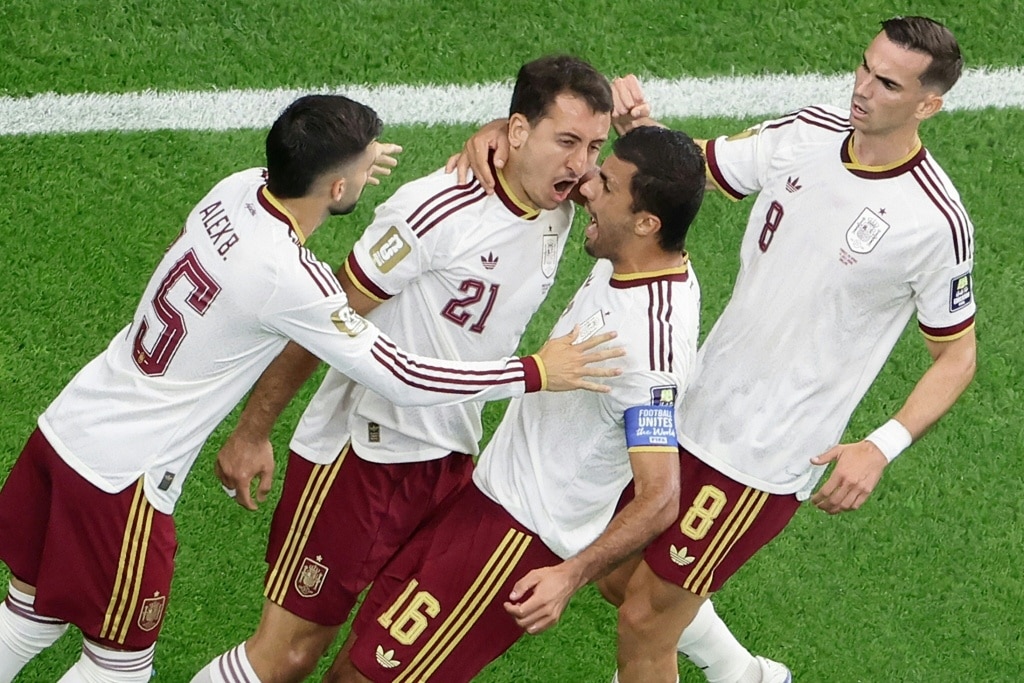
    Cape Verde, making its historic tournament debut, defied all expectations to hold powerhouse Spain to a draw in its opening match, advance to the round of 32, and push defending champion Argentina to the brink before falling 3-2 in extra time in an instant classic. The nation’s 40-year-old goalkeeper Vozinha emerged as an unexpected breakout star, amassing millions of new followers across social media platforms for his series of game-saving performances. Fellow debutants Congo also advanced past the group stage and pushed European powerhouse England to a tight match before elimination, while Curaçao remained in contention for a knockout spot heading into its final group fixture.

    FIFA’s gamble to open the World Cup to more nations was partially vindicated: smaller sides proved they can compete with the sport’s traditional powerhouses on the biggest stage. Even so, it was the sport’s elite former champions — Argentina, Spain, France and England — that claimed the four semifinal spots, reinforcing the hierarchy of global soccer.

    ### The World’s Top Stars Deliver on the Big Stage
    The race for the tournament’s Golden Boot became a showcase for the planet’s best players, with Lionel Messi, Kylian Mbappé, Erling Haaland, Harry Kane and Jude Bellingham all producing consistent, high-scoring performances throughout the knockout stages.

    Heading into Sunday’s final, Mbappé holds the tournament lead with 10 goals, and has already broken the all-time career World Cup scoring record with 22 total goals across his tournament appearances. Messi trails Mbappé by two goals at this tournament, sitting on 21 total career World Cup goals with a chance to equal or surpass the record in the final, and is still in contention for a third career Ballon d’Or if Argentina claims the trophy. While Cristiano Ronaldo could not lead Portugal to a deep run in what he has confirmed is his final World Cup, Spanish teenage sensation Lamine Yamal — who emerged as a star at the 2024 Euros — worked his way back into form after overcoming a pre-tournament injury to play a key role in Spain’s run to the final.

    ### New Technology Sparks Backlash Over Controversial Calls
    The tournament’s embrace of cutting-edge officiating technology put VAR (Video Assistant Review) at the center of multiple contentious decisions that saw goals disallowed for Germany, Croatia and Egypt, sparking fury from coaches and fans alike.
    After Argentina pulled off a dramatic comeback from a 2-0 deficit to beat Egypt 3-2 in the round of 16, Egypt head coach Hossam Hassan launched a scathing attack on officials after a potential opening goal for his side was overturned by VAR review. “We have suffered injustice,” Hassan said after the elimination.

    The tournament’s sensor-equipped official match ball also changed the outcome of a knockout fixture: Croatia had a dramatic late equalizer ruled out against Portugal in the round of 32, when the ball’s sensors detected the slightest touch offside by Igor Matanović before Josko Gvardiol scored. “All these decisions take the joy out of football,” said Croatia head coach Zlatko Dalić, who announced his resignation shortly after the elimination.

    ### Exorbitant Ticket Prices Didn’t Deter Record Fan Turnout
    Leading up to the tournament, critics warned that FIFA’s adoption of dynamic pricing would put match tickets out of reach for average soccer fans, with some describing the policy as a “monumental betrayal” of supporters. Official general sale prices for group-stage matches ranged from $140 to $2,735, with final tickets reaching as high as $8,680 — far above the price point for the 2022 Qatar World Cup. After sustained backlash, FIFA added a batch of $60 tickets for every match allocated to each of the 48 participating national federations, but the controversy extended to FIFA’s official resale platform, which allowed sellers to list tickets for well above face value. One final ticket was listed for nearly $2.3 million on the platform; while FIFA did not regulate resale prices, it took a cut of every secondary sale.

    For all the criticism around pricing, fans still turned out in record numbers across the three host nations, even for matches featuring no elite global teams. After an opening weekend with scattered empty seats for the South Korea-Czech Republic match in Guadalajara, nearly every subsequent match reported sold-out stadiums. Many international visitors also praised the warm hospitality they received during their time in the United States.

    ### Hydration Breeds Draw Major Fan and Critic Pushback
    One of the tournament’s most unpopular innovations was the mandatory hydration break added to the middle of each half of play, introduced to help players cope with summer heat across North American venues. The rule drew loud jeers from fans inside stadiums, and drew criticism from former players as well. “We’re in America, right? So, it is like it is a timeout,” former Ireland international Roy Keane said on The Overlap podcast, echoing widespread complaints that the breaks disrupted the flow of matches.

    FIFA mandated the breaks regardless of match-day temperature, venue or location, and the rule quickly became a tactical loophole: coaches used the pauses to deliver tactical instructions to their players, while broadcasters used the extra time for additional commercial breaks. It remains unclear whether FIFA will retain the rule for future World Cups, and organizers for the 2028 European Championship — co-hosted by the British Isles — have already signaled they will not adopt the policy.

    ### Political Tensions Overshadow Iran’s Participation
    As is often the case at major international tournaments, politics and soccer intersected at the 2026 World Cup, with the highest tensions surrounding Iran’s participation. Amid ongoing conflict in the Middle East, there were widespread doubts that Iran would even send its team to the tournament. The side ultimately competed, but was forced to relocate its pre-tournament base camp from Arizona to Mexico amid security and political concerns.

    Iran’s participation was marked by ongoing barriers: U.S. officials refused to issue visas to multiple members of the Iranian delegation, and the team complained of strict travel restrictions that forced players and staff to leave the United States immediately after every match. When Iran was eliminated in the group stage, U.S. Homeland Security Secretary Markwayne Mullin made his position clear: “I’m just glad they’re done and they’re not coming back,” he said.

    The 2026 tournament also put the relationship between former U.S. President Donald Trump and FIFA president Gianni Infantino under the microscope, after a one-game suspension for U.S. striker Folarin Balogun was overturned ahead of the team’s round of 16 match against Belgium. Trump confirmed he had called Infantino to request a review of the red card decision before Balogun was cleared to play. While FIFA insists its independent disciplinary bodies made the final call, the incident sparked widespread questions about political interference in soccer governance. The controversy ultimately did not benefit the United States, which lost the match 4-1 to Belgium.
  • The flight hours and miles of World Cup travels of FIFA’s Infantino in numbers

    The flight hours and miles of World Cup travels of FIFA’s Infantino in numbers

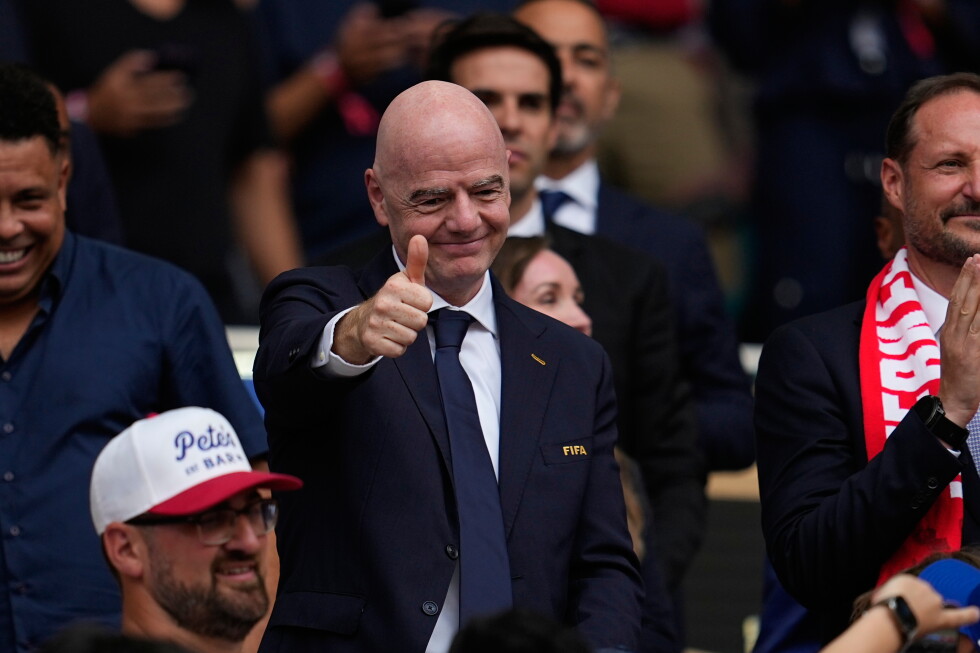
    The 2026 FIFA World Cup, the most geographically dispersed edition in the tournament’s 96-year history, has required a staggering level of travel from the body’s top leader — a new analysis from the Associated Press finds that FIFA President Gianni Infantino has accumulated nearly 60,000 miles of flight time across more than 100 hours aloft during the tournament, a distance large enough to circle the Earth two and a half times.

    Hosted across 16 cities, three North American countries and four separate time zones, the 2026 tournament will wrap up Sunday with the final match in New Jersey, where either Argentina or Spain will claim the world championship. To map the full scope of Infantino’s travel during the tournament, AP reporters cross-referenced private flight logs for the jet he has used in recent years, on-the-ground photos from AP photojournalists, and public social media posts shared by both FIFA and Infantino himself on Instagram.

    The Gulfstream G650 jet used for all of Infantino’s tournament travel is owned by the Qatari government and operated by the private charter division of Qatar Airways, which is an official sponsor of the 2026 World Cup. According to data from flight tracking service FlightAware, the aircraft has averaged more than one flight per day since Infantino’s pre-tournament journey from Los Angeles to Mexico City on June 9, with multiple days seeing three or more separate takeoffs and landings.

    Infantino’s itinerary stretched far beyond match attendance, too. He made stops in New York for a live interview on Fox & Friends, traveled to Miami for a global FIFA summit that brought together representatives from the governing body’s 211 member associations, and even made a round-trip detour to Doha to attend the funeral of Qatar’s former emir, returning to North America in time for the tournament’s semifinal round. FIFA declined multiple requests for comment from the AP regarding Infantino’s travel schedule and private jet arrangements.

    A breakdown of the travel numbers reveals the unprecedented scope of the journey. By the eve of Sunday’s final, Infantino had already attended 43 of the tournament’s record 104 matches, and he has visited all 16 host stadiums at least once — with Miami’s Hard Rock Stadium, where he attended five games, topping his list of most-visited venues. Thirteen days during the tournament saw Infantino attend two matches, often held at venues hundreds of miles apart. The jet has used 21 different airports across North America, leaning on major international airports in host cities most of the time, but occasionally using smaller general aviation airports for quicker access, including Atlanta’s Fulton County Executive Airport and Miami’s Opa Locka Executive Airport. Through the semifinal round, the jet had already made 23 international border crossings between the U.S., Canada and Mexico.

    Excluding the 29 hours of travel for the Doha funeral detour and empty repositioning flights, the Gulfstream has logged 115 total flight hours during the tournament — the equivalent of five full straight days in the air, or enough for a commercial airliner to fly from New York to Los Angeles 20 times. The longest single flight (excluding the Doha trip) clocked in at 5 hours and 44 minutes, a journey from Miami to Seattle for the June 15 Belgium-Egypt match — a duration equal to three full World Cup matches from kickoff to final whistle. The shortest flight was just 28 minutes, a quick hop from Seattle to Vancouver on July 6, about the length of a commercial broadcast episode of a sitcom like *Friends* including advertisements. That day, Infantino attended the U.S.-Belgium match in Seattle before moving on to watch Switzerland face Colombia in Vancouver the next morning.

    By the AP’s calculation, the jet traveled 59,281 miles during the core tournament, excluding the Doha funeral trip. That total is greater than the combined distance of a round-trip flight from New York to Singapore, a round-trip from Los Angeles to Doha, and a round-trip from London to Perth, Australia. The busiest single day for travel was June 26, when the jet covered 5,772 miles: it began with an early morning flight from Miami to Dallas, flew on to Seattle for Infantino to attend the Egypt-Iran match, then departed Seattle late that night for an overnight flight back to Miami, where Infantino watched Colombia take on Portugal the next morning. The only scheduled match Infantino missed was the third-place match between England and France, when thunderstorms across the New York City region grounded all outbound flights from the area Saturday, per Federal Aviation Administration records.

    The massive travel footprint comes amid growing scrutiny of the 2026 World Cup’s carbon footprint. FIFA has publicly committed to cutting carbon emissions from World Cup operations and related activities by 50% by 2030, and aims to reach net-zero emissions by 2040, pledges that are laid out in the organization’s 2026 World Cup sustainability and human rights strategy. However, climate researchers and environmental advocacy groups have warned that the expanded three-nation format, which requires extensive air travel for teams, fans, officials and other event staff, will likely produce more greenhouse gas emissions than any previous World Cup in history, making it the most carbon-intensive tournament to date.

    Associated Press journalist Graham Dunbar in Geneva, Switzerland contributed reporting to this analysis.

  • Trump celebrates the World Cup as a US victory as he prepares to present trophy to the winning team

    Trump celebrates the World Cup as a US victory as he prepares to present trophy to the winning team

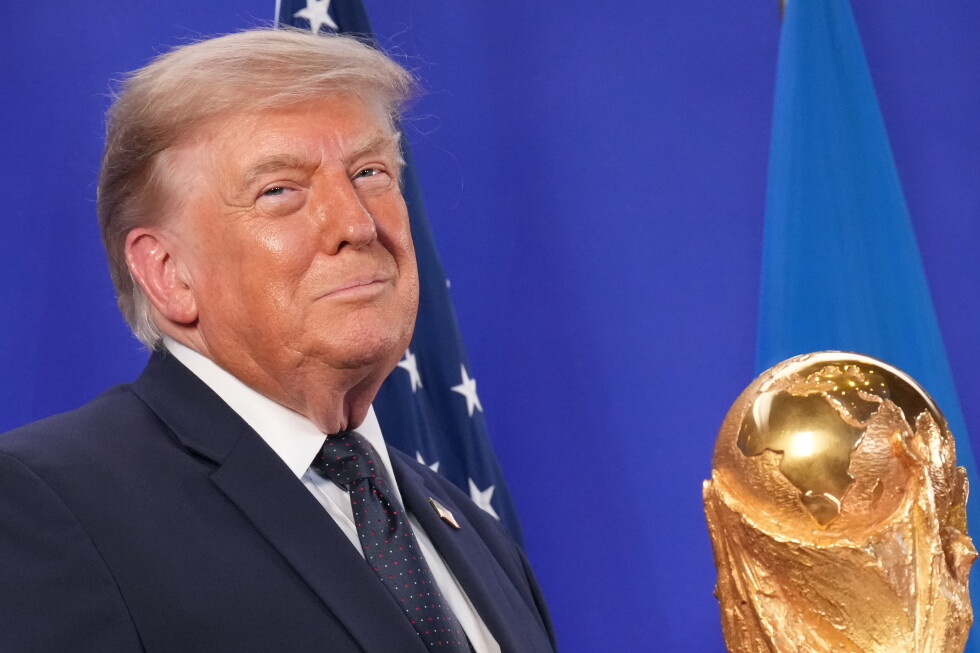
    As tens of millions of soccer fans around the globe prepare to watch the 2026 FIFA World Cup final between Argentina and Spain this Sunday, all eyes will also be on U.S. President Donald Trump, who is set to step onto the pitch to present the iconic tournament trophy to the winning side. For the sitting president, however, the real victory of this month-long event is not on the line between the two competing nations — he argues it has already been claimed by the United States.

    Speaking Friday at a FIFA-hosted reception held at his Manhattan Trump Tower property, Trump emphasized that the 2026 tournament has cemented the U.S. status as a global soccer powerhouse. “It turned out we were a soccer country, and I think it’s going to remain,” he told attendees. “This has really brought the world together.”

    Sunday’s final marks the end of more than 18 months of high-stakes logistical and political navigation for the White House, which has overseen preparations for the largest World Cup in history alongside co-hosts Canada and Mexico. The planning process was fraught with challenges from the start: the Trump administration’s hardline immigration policies barred entry to fans from several countries that participated in World Cup qualifying, drawing sharp criticism from human rights organizations. Fans across the globe also pushed back against exorbitant official ticket prices. For months, Trump openly floated the idea of relocating matches from cities that refused to cooperate with federal immigration enforcement, and just weeks before the tournament kicked off, local officials clashed with FIFA over inflated transit costs, further escalating pre-tournament tensions.

    Even as teams arrived for their opening matches, the administration remained under intense global scrutiny over controversial visa decisions. Most notably, a highly decorated Somali referee was denied entry to the country ahead of the tournament. Tensions rose further after the Trump administration launched a military conflict with Iran, which forced the entire Iranian national team to base itself across the U.S. border in Tijuana, Mexico, after most of its support staff and fans were barred from entering the U.S.

    But in the end, the narrative of the tournament shifted dramatically away from political friction. Social media platforms have been flooded with viral content showing fans from every corner of the world embracing American food and cultural traditions, from craft beer to the ubiquitous ranch dressing. Many of the most widely circulated pre-tournament fears, including rumors that federal immigration authorities would conduct targeted raids near match venues, never came to fruition.

    Andrew Giuliani, executive director of the White House FIFA Task Force, told the Associated Press that the tournament has exceeded expectations. “One of the things that we talked about beforehand was, if we’re talking about what happened on the pitch, then we’ve done our job,” Giuliani explained. “But I think it’s even better than that. We’re not just talking about only the incredible, athletic feats on the pitch, but we’re talking about all these incredible, incredible cultural moments.”

    The tournament has not been without its share of political controversy, however. Earlier this month, Trump sparked outcry after placing a phone call to FIFA President Gianni Infantino to request a review of a controversial red card issued to U.S. star forward Folarin Balogun during a group stage match against Bosnia and Herzegovina. The original ruling would have sidelined Balogun for the team’s subsequent match against Belgium. Infantino, who has already faced widespread backlash for his close ties to Trump, ultimately reversed the call. At Friday’s reception, Trump praised Infantino for the decision, saying “you made another great decision, if you think about it” — even with the U.S. falling to Belgium 4-1 in the match.

    Giuliani defended the administration’s intervention, saying the White House had a “duty” to raise concerns about officiating, which had come under scrutiny after the red card was issued following a slow-motion video review. He noted that the Trump administration had allocated billions in federal funding to ensure the World Cup was “not just a safe and secure event, not just where we welcomed the world, but an event that was filled with integrity.”

    The administration faced particularly high pressure to deliver a successful tournament, as the U.S. is already scheduled to host the 2028 Summer Olympics in Los Angeles and the 2034 Winter Olympics in Salt Lake City. The country is also widely expected to be awarded hosting rights for the 2031 FIFA Women’s World Cup. Giuliani made clear in his interview that the administration’s stance on transgender participation in women’s sports would shape that bid, noting that securing hosting duties requires “ensuring that, in fact, women and only women will play in that 2031 Women’s World Cup.”

    Democratic Sen. Andy Kim of New Jersey, whose home state is hosting Sunday’s final and describes himself as a lifelong World Cup superfan, acknowledged that minor logistical hiccups — most notably around transit to match venues — popped up over the course of the tournament. Still, he said the overall positive energy of the event has far outweighed any setbacks. “Overall, just the joy that people have, the excitement that they have, has dramatically outweighed” any downsides, Kim said, adding he has enjoyed watching matches over the past month with his two young sons.

    Bilateral tensions have also simmered between the U.S. and its co-hosts throughout the tournament. Shortly after returning to the White House, Trump implemented steep new tariffs on both Canada and Mexico and declined to renew the tri-national trade agreement between the three countries, launching a period of tense new negotiations. Just this Friday, Trump threatened additional tariffs on Canada over wildfire smoke that has worsened air quality in parts of the U.S., including northern New Jersey, where Sunday’s final will take place. He even joked during the reception that the U.S. should host the World Cup again soon, adding “this time, we’ll leave Mexico and Canada out.”

    Despite the friction, both Mexican President Claudia Sheinbaum and Canadian Prime Minister Mark Carney have accepted Trump’s invitation to attend Sunday’s final, a powerful sign that global soccer diplomacy can cut through geopolitical gridlock. “I received an invitation from President Trump to attend the World Cup final on Sunday, and I decided to go because it’s a direct invitation from the President of the United States,” Sheinbaum confirmed to reporters. “Prime Minister Carney will also be there.”

    While Trump will fulfill the traditional duty of the host nation’s head of state by handing the trophy to the winning captain, he has not publicly revealed which side he is rooting for. That said, his administration’s geopolitical stances have made his preferences clear: Spain has long been a point of friction for Trump, due to its failure to meet NATO defense spending targets and its refusal to allow the U.S. to launch strikes against Iran from Spanish military bases. Conversely, Argentine President Javier Milei is a staunch ally of the Trump administration, with Trump even threatening to cut U.S. aid to Argentina if Milei’s coalition did not win recent legislative elections. Spanish Prime Minister Pedro Sanchez will attend Sunday’s match in person, while Milei will stay home in Argentina, citing soccer superstition around watching national team matches in person.

  • Spain and Argentina brace for World Cup final

    Spain and Argentina brace for World Cup final

    The historic first 48-team FIFA World Cup, co-hosted by the United States, Mexico, and Canada, is set to reach its thrilling climax this Sunday, with two global football powerhouses — Lionel Messi’s Argentina and Spain — set to clash in the hotly anticipated final at MetLife Stadium in New Jersey. For Argentina, Sunday’s match carries a unique chance to make football history: the South American side is vying to become the first men’s national team to win consecutive World Cup titles since Brazil’s legendary 1962 squad. Spain, meanwhile, enters the final hunting its second ever World Cup crown, 16 years after the nation claimed its maiden title in 2010.

    Beyond the race for the trophy, the final is widely expected to mark the last World Cup appearance for Messi, the 39-year-old Argentine icon universally regarded as the greatest player to ever step onto a football pitch. Argentina head coach Lionel Scaloni has urged fans traveling to the stadium to savor every moment of seeing the generational talent lead his nation out onto the pitch. “He has made history. He is a legend,” Scaloni said of the former Barcelona star, who steered Argentina to World Cup glory in Qatar four years prior. Throughout the 2026 tournament, Argentina has earned a reputation for its relentless, never-say-die fighting spirit: the side pulled off a dramatic comeback from a 2-0 deficit late in its round of 16 match against Egypt, before notching another last-gasp victory over England in the semi-finals to secure its spot in the final.

    In stark contrast to Argentina’s dramatic path to the final, Spain’s campaign has been near-perfect. La Roja has conceded just one single goal across seven matches heading into Sunday, and earned a dominant semi-final win over France to book its place in the title decider. Spanish captain Rodri has warned his side to prepare for a physically intense battle, saying the team is ready to adapt its style of play to whatever challenges the match brings. “It will be a more physical one, and we must be prepared,” the midfielder noted. “But I believe that if we are known for something in this national team, it is that we know how to play different games based on the moment.”

    A day before the final, the tournament’s bronze medal match delivered its own blockbuster entertainment, with England edging out France 6-4 in a high-scoring thriller to claim third place — England’s best finish at the World Cup since the side won the tournament on home soil in 1966. The match also saw Kylian Mbappe of France claim the record for most all-time goals in World Cup history, notching his 22nd goal to move one ahead of Messi. Mbappe currently leads the 2026 tournament’s Golden Boot race with 10 goals, two ahead of Messi, who can retake both the all-time scoring record and the top scorer title with a strong performance on Sunday. Despite the personal milestone, Mbappe made clear he would have traded the record for a spot in the final: “I would have preferred not to be the all-time top scorer and to be playing tomorrow’s match,” he said.

    As the two finalists put the finishing touches on their preparations, an ongoing environmental disruption has made its presence felt across the eastern United States: thick, acrid smoke from rampant wildfires in Canada has drifted across the border, creating choking smog that has pushed air quality to dangerous levels across the Northeast, Mid-Atlantic and Midwest. On Saturday, New York City briefly ranked as the most polluted major city on Earth, though meteorologists expect air quality conditions to improve significantly by the time the final kicks off.

    Sunday’s final will draw a high-profile crowd of attendees, with US President Donald Trump set to be among the 80,000 fans packed into MetLife Stadium, marking his first match attendance of the entire tournament. He will be joined by Mexican President Claudia Sheinbaum and Canadian Prime Minister Mark Carney, meaning the leaders of all three co-hosting nations will be present for the historic occasion. The match will also feature a star-studded entertainment lineup unprecedented in World Cup history: Tom Cruise will feature in the pre-game closing ceremony, while global music superstars Madonna and Shakira will headline the first official halftime show in World Cup history.

    In remarks ahead of the match, Trump hailed the 2026 tournament as an unprecedented success during a New York reception with FIFA President Gianni Infantino, calling it “the most successful sporting event, maybe in the history of the world.” Infantino echoed the praise, leaning into hyperbole to describe the expanded 48-team tournament, saying the event had “exceeded all expectations.” “This has not just been and is not just the greatest World Cup of all times,” Infantino said. “It is the greatest human, social, and cultural event that mankind has ever witnessed.”

  • FIFA toasts World Cup triumph as tournament draws to close

    FIFA toasts World Cup triumph as tournament draws to close

    When the 2026 FIFA World Cup was awarded to the United States, Mexico and Canada, critics and observers braced for a tournament plagued by chaos. Pre-tournament warnings painted a grim picture: exorbitant ticket prices, simmering geopolitical tensions, the shadow of global conflict, and dangerous extreme summer heat across the three host nations. On top of that, FIFA’s landmark decision to expand the field from 32 to 48 teams sparked fierce debate, with many arguing the change would dilute the quality of play at football’s most prestigious global event.

    Nearly a month later, as only the final between defending champion Argentina and Spain remains to be played, the verdict is clear: the largest and most logistically complex World Cup in history has defied every low expectation, emerging as an unexpected triumph for the sport. What fans will remember is not the pre-tournament doom-mongering, but a relentless stream of thrilling matches and a joyful, unifying atmosphere that swept across all three host nations.

    Fears that adding 16 new teams — including several tiny, first-time qualifying nations — would produce lopsided, low-quality football have been thoroughly debunked. Instead, the expanded format delivered exactly the kind of high-drama, giant-killing upsets that make the World Cup a global cultural phenomenon. Cape Verde, a small Atlantic island nation, held eventual finalist Spain to a stunning goalless draw in their tournament opener, then pushed Lionel Messi’s Argentina to extra time in the Round of 16 before falling 3-2. Caribbean nation Curacao, with a total population of just 185,000, earned a credible 0-0 draw against South American powerhouse Ecuador. Egypt, which reached the knockout stage for the first time in its World Cup history, came within 11 minutes of a massive upset over Argentina, holding a 2-0 lead before Messi’s individual brilliance turned the game around for the defending champions.

    These underdog success stories are part of a larger shift: a record nine African nations advanced to the knockout round, marking a clear signal of the continent’s growing prominence in global men’s football.

    The tournament’s biggest established stars have also delivered career-defining performances, living up to the global spotlight. Messi, playing in a record sixth World Cup, kicked off Argentina’s campaign with a mesmerizing hat-trick against Algeria. Entering Sunday’s final, Messi has scored eight goals, just two behind tournament leader Kylian Mbappe of France, who has notched 10 goals. Mbappe’s total pushes his career World Cup goal tally to 22, making him the all-time leading scorer in tournament history. Norway’s Erling Haaland quickly became a global fan favorite, scoring seven times including two goals in a Round of 16 upset over Brazil. England’s Jude Bellingham also scored seven goals, with captain Harry Kane adding six, as the Three Lions secured a third-place finish. All three host nations — Canada, Mexico and the United States — advanced to the Round of 16 before exiting the tournament.

    Through 103 matches, the 2026 tournament has produced 307 goals, for an average of 2.98 goals per game. That makes it the highest-scoring World Cup since the 1958 finals in Sweden, which averaged 3.6 goals per match.

    Off the pitch, the event has drawn record crowds despite steep ticket prices. FIFA’s controversial “dynamic pricing” model, which adjusts prices based on demand, was condemned by fan groups as a “monumental betrayal” before the tournament even began. But even with some tickets costing thousands of dollars, fans turned out in record numbers. Before Saturday’s third-place match, FIFA released figures showing total attendance had reached 6,665,825 — more than the combined total attendance of the 2018 Russia World Cup and 2022 Qatar World Cup. Average attendance per match sits at 65,351, with stadiums hitting a 99.7% occupancy rate.

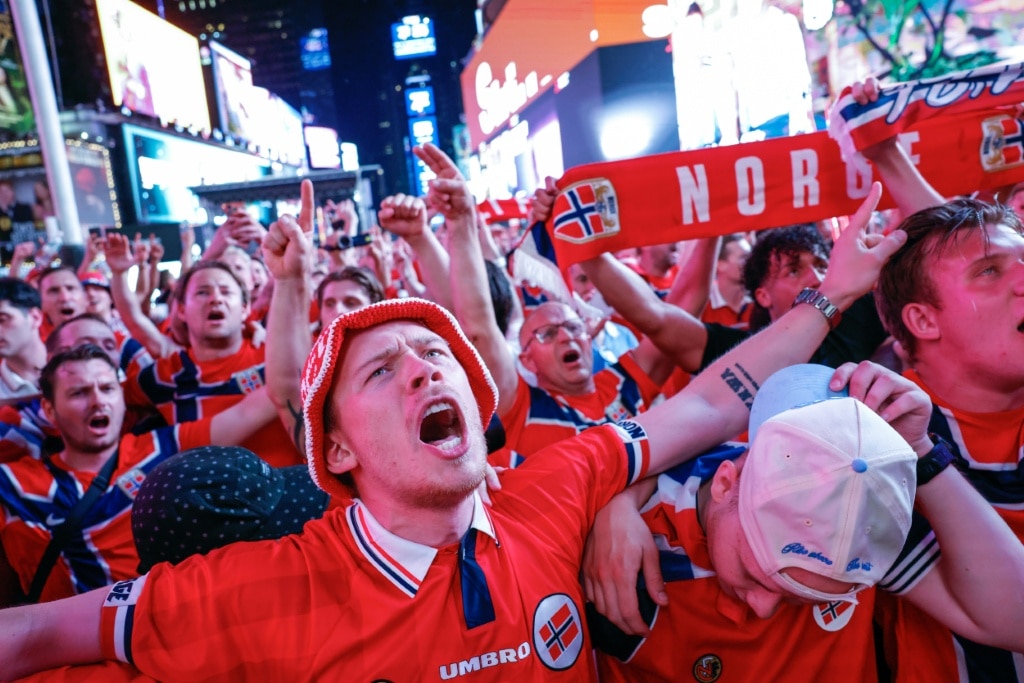
    The celebration extended far beyond stadium walls. Host cities were transformed into global carnival grounds: Scotland’s famous Tartan Army packed Boston bars dry, while thousands of Norwegian fans performed their iconic collective “Viking row” in New York’s Times Square. With the majority of matches held across the United States, international visitors took to social media to gush about quintessentially American experiences, from oversized grocery stores to massive BBQ ribs and creamy ranch dressing. One U.S. commentator noted the surprising turnaround: “The 2026 World Cup has become a global love fest for the US — at a time when the rest of the world has plenty of reasons to dislike us.”

    For all its successes, the tournament has not been without controversy, much of it tied to U.S. government policies and former president Donald Trump. Somali referee Omar Artan was barred from entering the United States due to the Trump administration’s hardline immigration restrictions, with U.S. officials citing “vetting concerns” for the denial. Iran’s team was also forced to navigate crippling visa restrictions: after relocating their training camp from Arizona to Mexico, players and staff were required to leave the U.S. within hours of finishing each match. “I think we are the most oppressed team in the World Cup,” Iran head coach Amir Ghalenoei said bitterly after his side’s opening match.

    The biggest scandal erupted when news broke that Trump had personally intervened with FIFA president Gianni Infantino to delay a one-game suspension for U.S. striker Folarin Balogun ahead of the team’s knockout round match against Belgium. The improper intervention sparked widespread outrage across the global football community, and neutral fans widely celebrated when Belgium defeated the U.S. 4-1.

    While the controversy has been an embarrassment for Infantino, it is not expected to threaten his bid for re-election as FIFA president in 2027. The powerful confederations of Asia, Africa and South America have already pledged their support for his next term. And the overwhelming success of the 2026 expanded tournament is expected to give Infantino political capital to push for even further expansion, with a proposal to expand the 2030 World Cup to 64 teams already set to be discussed in coming years.

  • ‘It didn’t hurt’: Jaeman Salmon responds to Alex Twal incident as two Wests Tigers players face bans following ugly loss

    ‘It didn’t hurt’: Jaeman Salmon responds to Alex Twal incident as two Wests Tigers players face bans following ugly loss

    The 2024 National Rugby League (NRL) season has delivered another devastating blow to the Wests Tigers, whose 13-year wait for a return to the finals now looks all but impossible after three of their first-grade players were hit with disciplinary charges following a lopsided 0-point loss to the Canterbury-Bankstown Bulldogs on Saturday. The result and subsequent disciplinary action have compounded a brutal five-game losing streak for the club, which has been reeling from off-field and on-field turbulence in recent weeks.

    The most high-profile charges landed on young gun Latu Fainu and key playmaker Adam Doueihi, both of whom accepted early guilty plea offers that will see them sidelined for upcoming matches. Fainu received a Grade 3 dangerous contact charge stemming from a dangerous tackle that earned him a 10-minute sin bin during the clash, carrying an automatic two-match suspension if he takes the proposed deal. Doueihi, meanwhile, was handed a one-match ban for a high tackle on Bulldogs player Harry Hayes, and is set to miss the Tigers’ upcoming away fixture against Canberra. If either player chooses to challenge the charges at the NRL Judiciary and lose their appeal, they will face an additional one-week suspension on top of the proposed bans. With Doueihi out, five-eighth Jarome Luai — playing his first match for the Tigers since confirming his 2025 transfer to the Parramatta Eels — will be forced to carry a larger playmaking load for the depleted side.

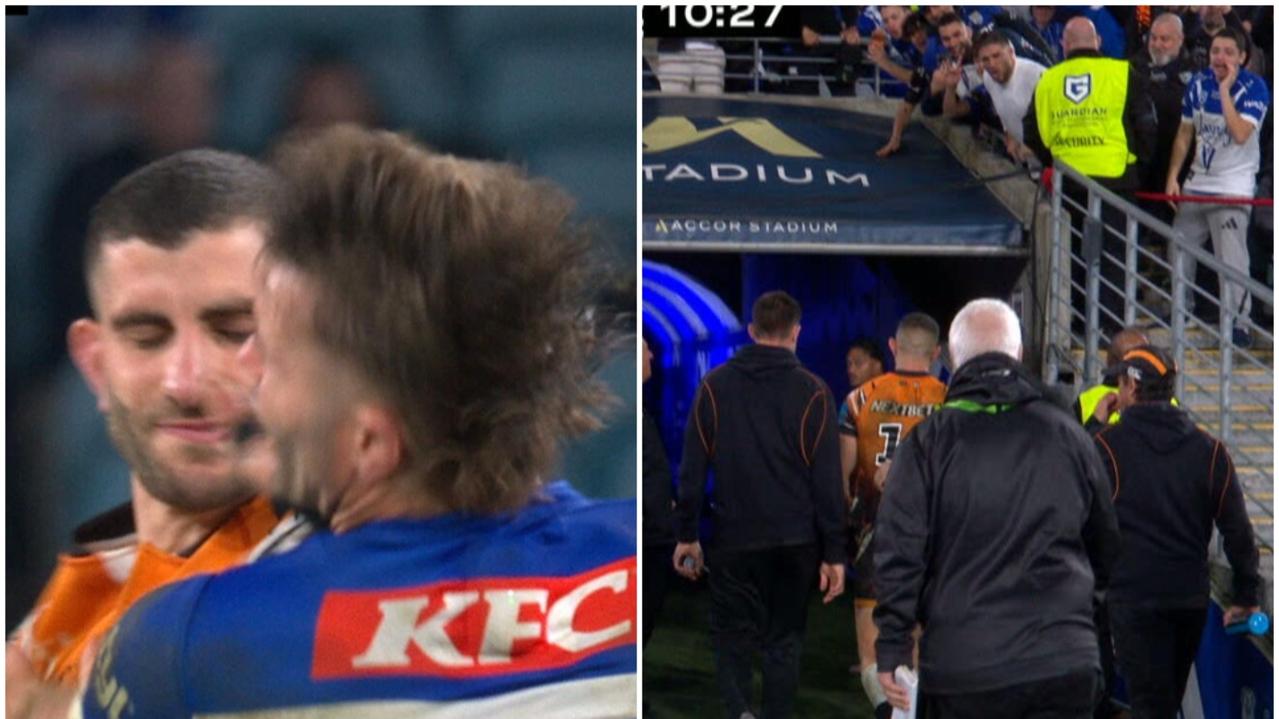
    The most shocking moment of the match came from veteran Tigers prop Alex Twal, a player widely known for his calm on-field demeanor, who lost his composure in two separate incidents. Twal was sent to the sin bin in the 69th minute for striking Bulldogs utility Jaeman Salmon in the face, with the Tigers already down to 12 men due to Fainu’s earlier sin binning. While he avoided a suspension, Twal will be required to pay a $1800 fine for contrary conduct if he accepts the early guilty plea. Just before full time, when Twal returned to the field, he clashed again with Bulldogs forward Josh Curran as the final siren sounded — an altercation that match officials opted not to penalize with a second sin bin.

    Speaking to reporters in the Bulldogs’ changing rooms after the match, Salmon downplayed the incident, confirming the two shook hands post-game and noting that the physical exchange was nothing out of the ordinary for rugby league. “It didn’t hurt that much,” Salmon said. “It was a bit of theatrics with it I guess, but what happens on the field stays on the field and I’m sure Twal is a good fella. It was just a bit of push and shove. I might have got under his skin a bit, but it’s all good. It was rugby league.” Salmon also revealed he had played the entire match through significant pain, having undergone two finger surgeries in as many weeks after a tendon injury flared up. He had to get a local anaesthetic injection just to take the field, adding that he entered the match with a real chance of needing a third surgery if his stitches split again.

    For the Bulldogs, the shutout win has kept their own 2024 finals hopes very much alive. Saturday’s result leaves Cameron Ciraldo’s side just two points outside the NRL’s top eight, with star captain Stephen Crichton expected to make his return from injury for their upcoming blockbuster against the in-form New Zealand Warriors. Ciraldo kept a long-held team tradition alive after the win, confirming the side will get free coffee at all team training sessions next week as a reward for holding the Tigers scoreless. Salmon said the shutout performance marked a return to the aggressive, disciplined identity the Bulldogs have been working to rebuild this season. “A couple of performances haven’t gone our way this year, but I can’t knock the way we’ve been training,” he said. “If we can put a couple more performances like that together, we’ll give ourselves a good shot to make the finals. We had to get back to our 2025 selves and I think tonight was a good step.”

    The disciplinary announcements from the NRL also included charges for two other players across the league: Canberra Raiders forward Owen Pattie and South Sydney Rabbitohs veteran David Fifita, both of whom have been offered one-match bans for their own dangerous contact offences from Round X.

  • England finish third as Spain and Argentina brace for World Cup final

    England finish third as Spain and Argentina brace for World Cup final

    As the 2026 FIFA World Cup enters its final stretch, England secured a third-place finish Saturday with a dramatic 6-4 victory over France in Miami, while finalists Argentina and Spain made their final preparations for Sunday’s championship match at MetLife Stadium in New Jersey, with wildfire smoke from Canada casting a temporary shadow over the host region.

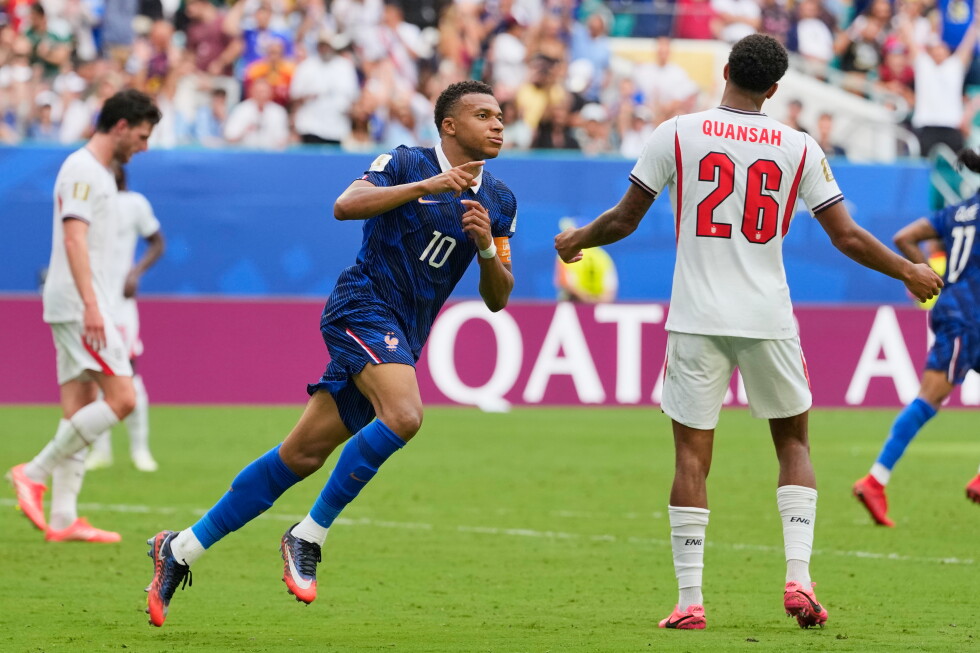
    The bronze medal match delivered all the entertainment fans expected, ending with a stunning individual milestone for France’s Kylian Mbappe. The 27-year-old striker netted two goals in the second half to surpass Lionel Messi’s career World Cup goal total, finishing the contest with 22 career tournament goals to claim the all-time top scorer record – a mark Messi can retake as early as Sunday.

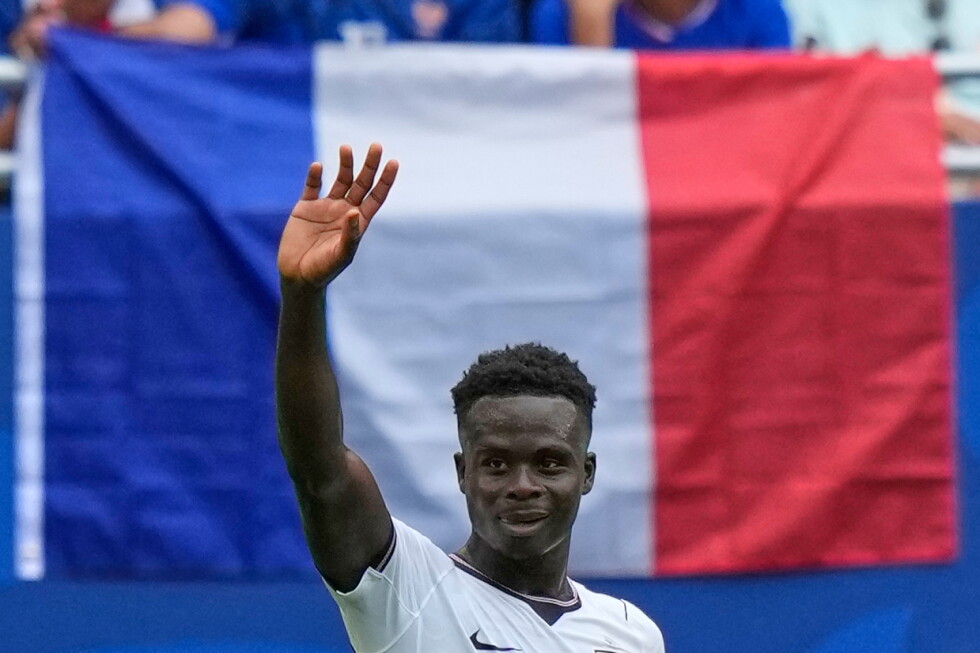
    France, playing with a heavily rotated lineup after their semi-final defeat to Spain, suffered a catastrophic first-half collapse that head coach Didier Deschamps, in his final match leading Les Bleus, openly criticized. England’s Declan Rice opened the scoring with a blistering long-range strike, before defender Ezri Konsa doubled the lead with a header. Bukayo Saka scored twice before halftime to put England up 4-0, leaving France with a massive mountain to climb.

    Deschamps threw on his first-choice starters at the break, and the change sparked an immediate second-half comeback. Within three minutes of the restart, Mbappe notched his ninth goal of the 2026 tournament, and winger Bradley Barcola added a second to cut the deficit. Mbappe’s landmark goal soon followed, pushing him past Messi’s previous record of 21 career World Cup goals. Saka completed his hat-trick from the penalty spot to extend England’s lead again, but Ousmane Dembele’s stoppage-time strike gave France a faint chance of an unlikely draw. That hope was dashed by Jude Bellingham, who capped off a standout tournament by dribbling past France’s reshuffled defense to score England’s sixth goal – making him the first English player ever to net seven goals in a single World Cup.

    After the match, Mbappe put his milestone in perspective, saying, “I would have preferred not to be the all-time top scorer and to be playing tomorrow’s match.”

    Across the northeastern United States, the build-up to Sunday’s final was overshadowed by hazardous air quality caused by thick, acrid smoke drifting south from ongoing wildfires in Canada. On Saturday, New York City briefly ranked as the most polluted major city in the world, with the iconic Manhattan skyline completely obscured from view across the Hudson River at MetLife Stadium. Residents across New York, Washington D.C. and the Midwest were urged to stay indoors to avoid health risks from the poor air quality. A torrential Saturday storm brought limited relief, however, and forecasters predict clear, sunny conditions for match day on Sunday.

    The final will draw an 80,000-person crowd, including a high-profile roster of global leaders. Former U.S. President Donald Trump will attend, marking his first match appearance of the tournament, and he will be joined by Mexican President Claudia Sheinbaum and Canadian Prime Minister Mark Carney – meaning the leaders of all three 2026 co-host nations will be in attendance. On Friday, Trump hosted FIFA President Gianni Infantino at a New York reception, where he praised the 2026 World Cup as “the most successful sporting event, maybe in the history of the world.” Infantino echoed the praise, using extreme language to frame the tournament as a historic global occasion. “This has not just been and is not just the greatest World Cup of all times,” he said. “It is the greatest human, social, and cultural event that mankind has ever witnessed.”

    Sunday’s final will be one of the most historic in the tournament’s history. Argentina, the defending 2022 champions, are seeking to become the first men’s national team to win back-to-back World Cup titles since Brazil in 1962. For Spain, the match marks a chance to claim a second World Cup crown, 16 years after their maiden victory in 2010.

    The match is also widely expected to be the final World Cup appearance for 39-year-old Lionel Messi, the Argentine icon widely regarded as the greatest men’s footballer of all time, who led his nation to glory in Qatar four years ago. Argentina head coach Lionel Scaloni urged fans to savor what could be Messi’s final tournament bow. “He has made history. He is a legend,” Scaloni said of the former Barcelona star. Argentina have cemented their reputation as a resilient side throughout the 2026 tournament, pulling off a dramatic late semi-final comeback against England to reach the final. By contrast, Spain have delivered a near-perfect run to the championship, conceding only one goal across seven matches and outclassing France in their semi-final win.

  • Kylian Mbappé passes Lionel Messi for career World Cup scoring record with 22 goals

    Kylian Mbappé passes Lionel Messi for career World Cup scoring record with 22 goals

    MIAMI GARDENS, Florida — The 2024 FIFA World Cup third-place match between France and England entered the history books on Saturday, as Kylian Mbappé cemented his status as the greatest goalscorer in World Cup history by overtaking legendary Argentine forward Lionel Messi on the all-time tournament scoring chart.

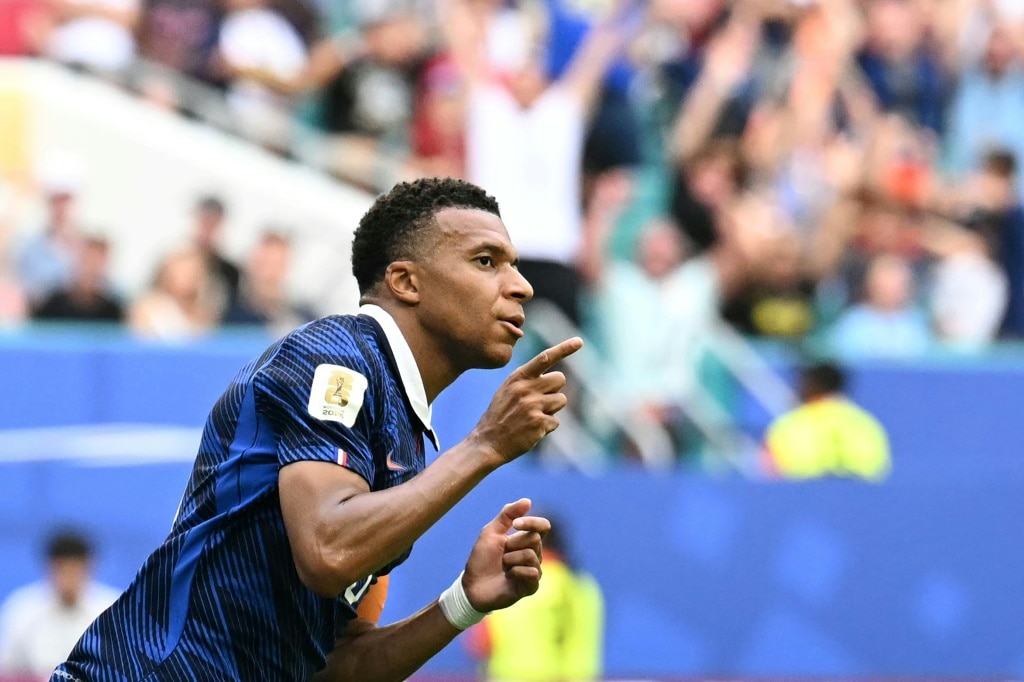
    Mbappé’s two goals against England pushed his career World Cup goal tally to 22, one clear of Messi’s previous record of 21. The outpouring of goals also keeps him firmly on track to claim a second Golden Boot, the individual honor awarded to the tournament’s top goalscorer. He currently holds 10 goals at this year’s competition, holding a two-goal advantage over Messi, who is competing for Spain in Sunday’s World Cup final.

    The match unfolded with England taking a dominant 4-0 lead heading into halftime, putting France in a difficult position to climb back for the win. Mbappé opened his account in the 48th minute, flicking a clever shot past England backup goalkeeper Dean Henderson to put France on the board. Eighteen minutes later, he netted his second of the match and record-breaking 22nd career World Cup goal with a powerful left-footed strike from 14 yards out, beating Henderson once again to find the back of the net.

    Mbappé’s second strike pulled France within one goal of England at 3-4, though Les Bleus could not find the late equalizer needed to force extra time or turn the tie around. France’s run to the third-place match marked a near repeat of their consecutive final appearances in 2018 and 2022, but their bid for a third straight final spot fell short against Spain in a tightly contested semifinal defeat.

    This is not the first time Mbappé has challenged Messi for World Cup honors. Four years ago at the 2022 Qatar World Cup, Mbappé scored eight goals to claim the Golden Boot, even as France fell to Messi’s Argentina in a dramatic final that was decided by a penalty shootout.

    Unlike the high-stakes pressure of the semifinal and final rounds, the third-place match is often seen as a contest that offers little more than a moral victory for eliminated teams. For Mbappé, however, it provided the perfect stage to etch his name deeper into World Cup history, with the Golden Boot also still within reach. England, meanwhile, fielded a weakened starting lineup for the match, with star forwards Harry Kane and midfield playmaker Jude Bellingham held out of the starting XI and never entering the match even after halftime.

  • England holds on with 13 men to beat Argentina 31-26 in a match of 7 yellow cards

    England holds on with 13 men to beat Argentina 31-26 in a match of 7 yellow cards

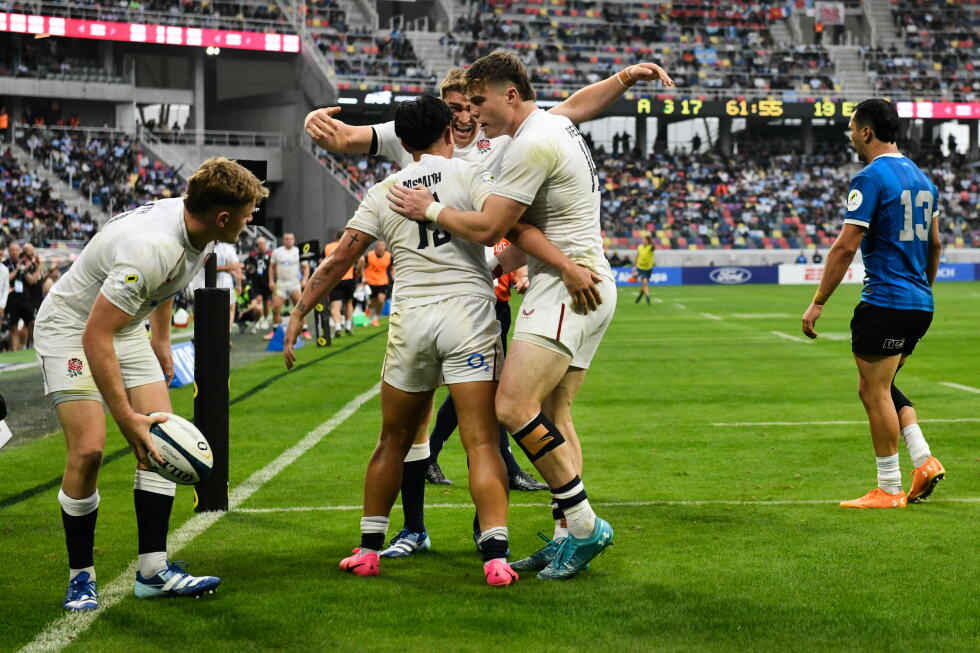
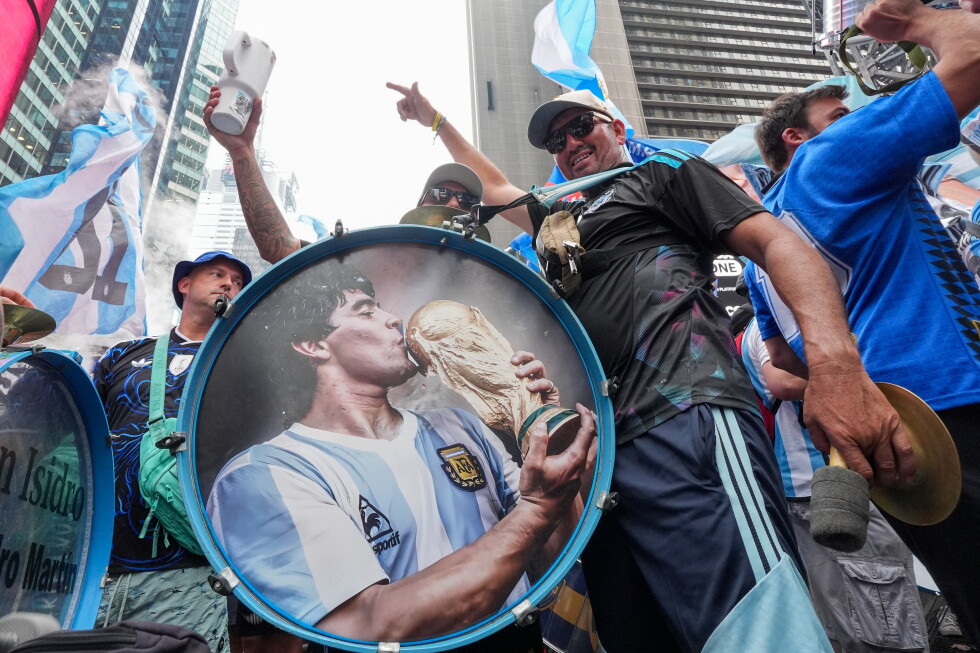
    In a rugby test match that will go down as one of the most dramatic and unconventional in recent memory, England clung to a narrow 31-24 victory over Argentina on Saturday in Santiago del Estero, walking away with a critical bonus point despite being reduced to 13 players twice during a tense, card-marred contest.\n\nThe game was framed by pre-existing tension between the two nations, stoked by Argentina’s upset semifinal win over England at the 2023 Rugby World Cup. The host side amplified the emotional stakes ahead of kickoff: Argentina players wept as their national anthem played, and the team donned special dark blue jerseys to honor Diego Maradona — the legendary Argentine soccer star whose 1986 \”Hand of God\” goal eliminated England from the soccer World Cup, a moment that remains a source of friction between the two countries. A statue of Maradona stands just outside Saturday’s match venue, making the tribute an evocative nod to that historic rivalry.\n\nEngland defused the early hostile energy with a blistering opening, crossing for a try through winger Tommy Freeman just four minutes into the match, followed by two more tries from backrower Ben Earl that put the side up 19-3 by halftime. England captain Jamie George had publicly threatened to pull his team off the pitch if players faced racial abuse, but while there was occasional pushing and shoving after tries, the match stayed largely free of off-field controversy through 80 minutes.\n\nThe complexion of the game flipped dramatically in the opening 15 minutes of the second half, as Argentina mounted a fierce comeback. After gaining their first meaningful possession of the half, the Pumas worked the ball out to their backs, and Mateo Carreras powered through a tackle to score a try, cutting England’s lead to nine points. England quickly lost a player to the sin bin, when Jack van Poortvliet received a yellow card for a deliberate knock-on. Alex Coles followed just minutes later, after he conceded a penalty try while stopping a breakaway that would have resulted in an Argentina try, leaving England with only 13 players on the pitch.\n\nArgentina’s momentum turned the match into a back-and-forth thriller that saw a total of seven yellow cards handed out. Both sides were reduced to 13 men at one point, after Joaquin Oviedo and Santiago Carreras of Argentina were carded for a neck roll and professional foul, followed later by yellows for England’s Henry Pollock (for repeated team infringements) and debutant Emmanuel Iyogun (for cynical play).\n\nDown to 13 men and clinging to a two-point lead, England mounted a legendary defensive stand, repelling wave after wave of Argentina attacks. As sin bin terms expired and England slowly restored their full complement of players, the side shifted back into attack, scoring late tries through Marcus Smith and Manny Feyi-Waboso to push their lead out to 31-19 and seemingly put the game out of reach.\n\nThe drama was far from over, however. Justo Piccardo scored for Argentina in the 79th minute, narrowing the margin to seven points. Three minutes after the final siren sounded, winger Bautista Delguy crossed in the corner for what looked like a match-tying try. Australian on-field referee Angus Gardiner initially awarded the score, but after a lengthy review with the television match official, the try was overturned, and the match was called to a close, denying Argentina the draw they had fought hard to secure.\n\nArgentina captain Julian Montoya expressed quiet frustration after the late call, but accepted the outcome. “We always respect the ref. It’s part of our values,” he said. “We respect the decision. Of course I’m a bit frustrated but it is what it is.”\n\nFor England, the win capped a tumultuous, underwhelming season with a much-needed statement of grit. Jamie George hailed his side’s resilience after holding off Argentina’s surge through two stints down to 13 men. “The way that we rallied, the way we got around each other, the way that we fought when we got down to 13 men, twice, was brilliant. That’s a big win,” George said. “We made life so hard for ourselves, dropping down to 13 again but a lot of it goes down to the amount of pressure Argentina put us under.”

  • England takes 4-0 lead over France at halftime of World Cup third-place match

    England takes 4-0 lead over France at halftime of World Cup third-place match

    MIAMI GARDENS, Fla. – In a shocking turn of events at the Hard Rock Stadium, England produced a dominant first-half performance to secure a 4-0 lead over 2022 runner-up France in Saturday’s World Cup third-place playoff, leaving Kylian Mbappé’s race for the tournament’s Golden Boot hanging in the balance.

    Mbappé, who claimed the Golden Boot at the 2022 Qatar World Cup, retained his spot in France’s starting lineup for the high-stakes consolation match, still locked in a close top-scorer battle with Argentina’s Lionel Messi. Entering the game, both superstars sat level on eight goals apiece, though Messi holds the tiebreaker advantage with a 4-3 lead in assists.

    What was expected to be a tightly contested encounter turned into a one-sided rout inside the opening 45 minutes. England manager opted to rest key stars Jude Bellingham and Harry Kane on the bench, but the decision paid off far faster than most observers predicted. Arsenal midfielder Declan Rice broke the deadlock just three minutes into the match, curling a precise finish beyond France goalkeeper Mike Maignan to put England ahead.

    Aston Villa defender Ezri Konsa doubled England’s lead in the 18th minute, nodding home from a corner kick. Arsenal winger Bukayo Saka put the game out of reach for France with a third goal in the 37th minute, before adding a fourth in first-half stoppage time. The blowout was particularly staggering for France: entering Saturday’s match, Deschamps’ side had conceded only four goals across the entire tournament.

    Both nations entered the third-place playoff acknowledging they would have rather been competing in Sunday’s title decider. France fell to Spain in a tight semi-final clash, ending their bid to reach a third consecutive World Cup final. This match also marked the final international game in charge for long-serving France manager Didier Deschamps, with Mbappé and his squad having arrived in Florida aiming to send their departing coach out with a win. That goal now looks all but out of reach heading into the second half.

    For England, a third-place finish would mark their best performance at a men’s World Cup since the Three Lions lifted their only global title in 1966.

    In the tournament’s upcoming final, defending champion Argentina – who came from behind to defeat England in the semi-finals – will face Spain on Sunday, with Messi already guaranteed a chance to claim the Golden Boot and the World Cup trophy in what is widely expected to be his final World Cup appearance.