分类: sports

  • India–Pakistan T20 World Cup match could still happen after cricket officials meet

    India–Pakistan T20 World Cup match could still happen after cricket officials meet

    A potential resolution is emerging for the high-stakes impasse surrounding the scheduled India-Pakistan T20 World Cup match, offering hope to millions of cricket fans anticipating the February 15 showdown in Colombo. The deadlock, initiated by the Pakistani government’s boycott declaration in solidarity with Bangladesh, prompted a critical high-level meeting in Lahore on Sunday night. Attendees included representatives from the International Cricket Council (ICC), the Pakistan Cricket Board (PCB), and the Bangladesh Cricket Board.

    While official details from the meeting remain confidential, media outlets from both nations report significant progress by the ICC in reinstating this marquee sporting event. The path to resolution, however, is paved with complex conditions. Pakistani officials have reportedly tabled specific demands for the ICC’s consideration. A central condition involves securing financial compensation for Bangladesh, which was excluded from the tournament after withdrawing over security concerns for its team in India.

    Additional PCB requests, as cited by Indian media, include the resumption of direct bilateral cricket series with India and the establishment of a new tri-nation tournament featuring India, Pakistan, and Bangladesh. The ICC has ostensibly rejected these broader demands, focusing negotiations solely on the immediate World Cup context.

    Veteran Pakistani journalist Hamid Mir contested these reports, characterizing the narrative as ‘disinformation.’ On social media platform X, Mir stated that the ICC President is actively sending envoys to the PCB, appealing for a reconsideration of the boycott. He emphasized that Pakistan’s position is contingent on achieving ‘compensation and relief for Bangladesh,’ asserting this as the sole prerequisite for the match to proceed.

    The financial magnitude of an India-Pakistan World Cup match underscores the urgency for a resolution, with estimated global revenues nearing $400 million. A cancellation would wreak havoc on broadcasting agreements and advertising investments, representing one of the most lucrative events in international sports.

    The final decision now rests with Pakistani Prime Minister Shehbaz Sharif. Should the ICC agree to provide compensation for Bangladesh’s exclusion, the path would be cleared for the two arch-rivals to compete on the world stage, transforming a diplomatic standoff into a celebrated sporting spectacle.
  • ‘No regrets’ – Vonn sustains ‘complex tibia fracture’

    ‘No regrets’ – Vonn sustains ‘complex tibia fracture’

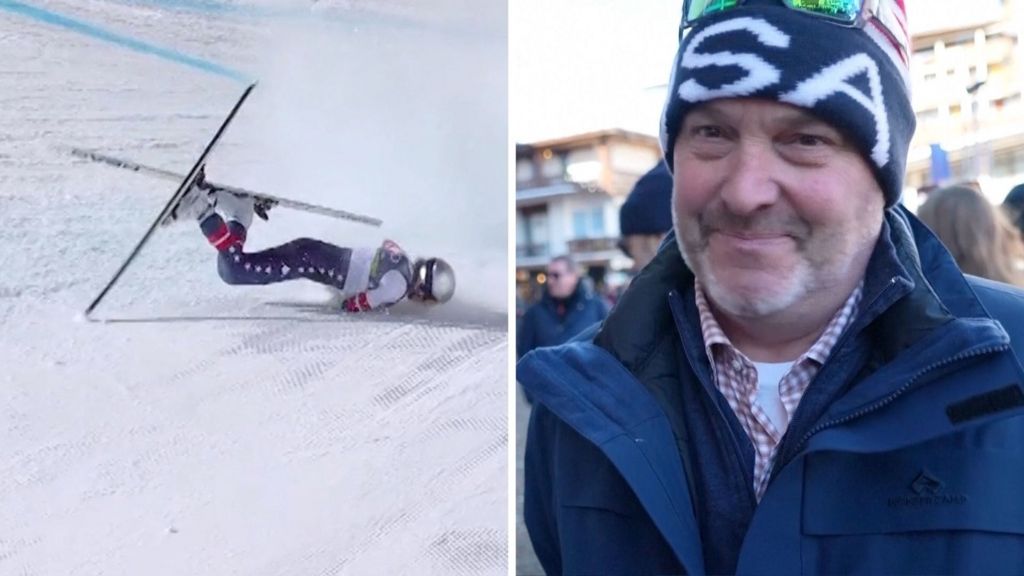
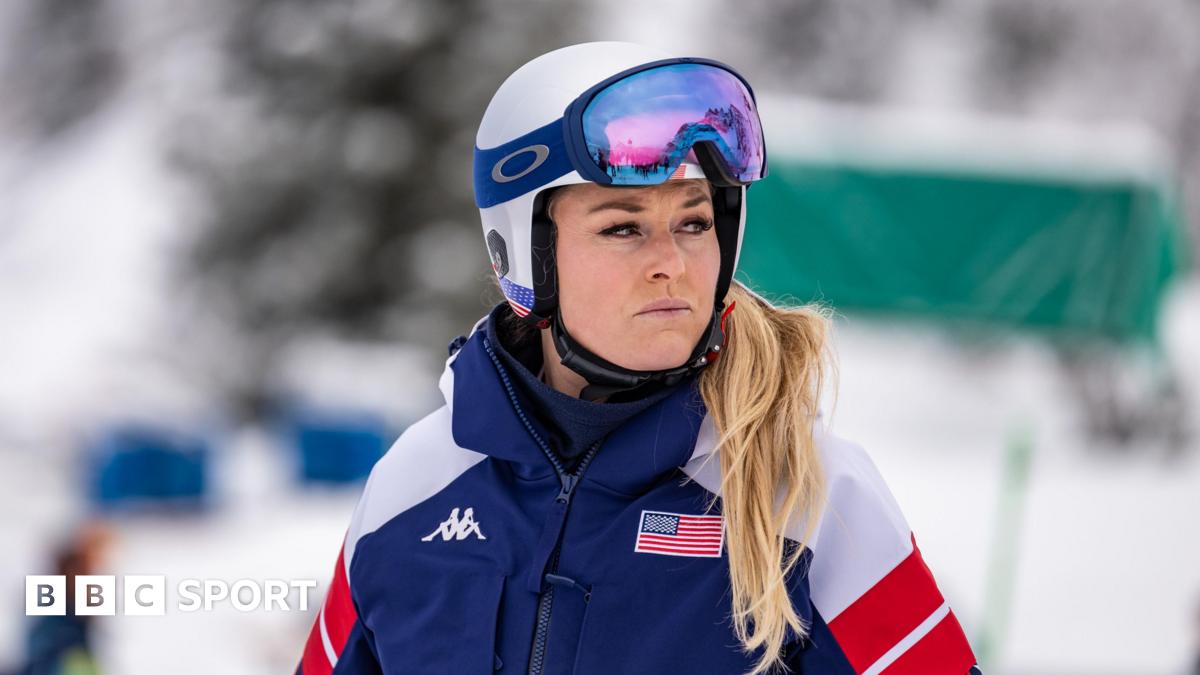
    Olympic champion Lindsey Vonn has expressed zero remorse about her final competitive run at the Cortina Winter Olympics, despite suffering a catastrophic leg fracture that ended her career in a dramatic crash. The 41-year-old skiing icon, competing just nine days after tearing her anterior cruciate ligament, lost control when her arm caught a gate merely 13 seconds into Sunday’s downhill event.

    Medical teams provided extensive on-slope treatment before airlifting Vonn to Ca Foncello Hospital in Treviso, where surgeons addressed her complex tibia fracture. The 2010 downhill gold medalist had previously disclosed her ACL injury during a Wednesday press conference but remained determined to compete in her fifth and final Olympic appearance.

    In a heartfelt Instagram statement, Vonn reflected: ‘My Olympic conclusion differed from my dreams—no storybook ending, just reality. Yet standing in that starting gate, knowing victory remained possible, represented triumph itself.’ She explicitly denied that her pre-existing knee conditions, including a partial right knee replacement, contributed to the accident.

    The skiing legend’s decision has sparked dual reactions across the sports community: widespread admiration for her courage alongside concerns about extreme athletic risks. Vonn philosophically addressed the controversy: ‘Ski racing mirrors life’s dangers. We dream, we leap, and sometimes we fall. The true failure lies in never attempting.’

    The American champion concluded with an inspirational message: ‘I hope my journey demonstrates the courage to dare greatly. Life proves too brief not to gamble on oneself.’ Vonn’s crash occurred at the same venue where she previously crashed during pre-Olympic preparations in Switzerland.

  • Zimbabwe dominate Oman on return to ICC T20 World Cup

    Zimbabwe dominate Oman on return to ICC T20 World Cup

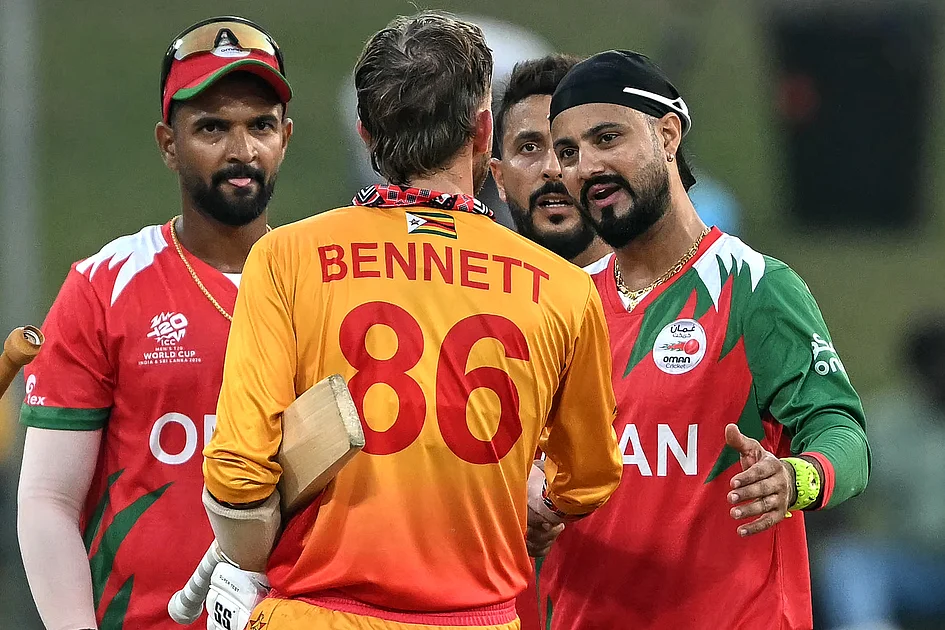
    Zimbabwe marked their triumphant return to the ICC T20 World Cup stage with a dominant performance against Oman on Monday, securing a comprehensive eight-wicket victory at Colombo’s Sinhalese Sports Club. Playing their first T20 World Cup match since 2022, the African nation demonstrated exceptional bowling prowess before comfortably chasing down their target with 39 deliveries remaining.

    The match witnessed an extraordinary bowling display from Zimbabwe’s pace attack, with Richard Ngarava (3-17) and Blessing Muzarabani (3-16) unleashing devastation upon Oman’s batting lineup. The bowling duo reduced their opponents to a precarious 27-5 within the powerplay, with none of Oman’s top-order batsmen reaching double figures. Brad Evans provided excellent support as first-change bowler, claiming 3-18 with consistent line and length.

    Oman’s innings found temporary stability through a 42-run sixth-wicket partnership between Sufyan Mehmood (25) and Vinayak Shukla (28), who managed to push their team to a modest total of 103 runs. However, the recovery proved insufficient against Zimbabwe’s determined batting response.

    During the chase, Brian Bennett’s unbeaten 48 runs and Brendan Taylor’s 31 provided the foundation for Zimbabwe’s comfortable victory. The experienced Taylor, who participated in the inaugural T20 World Cup in 2007, retired hurt just four runs short of victory, allowing captain Sikandar Raza to seal the win with a boundary.

    Muzarabani, awarded Player of the Match, commented on his strategic approach: ‘Coming from a back injury, I intentionally shortened my run-up to avoid excessive strain. The pitch offered favorable bounce, and we effectively capitalized on these conditions.’ The fast bowler emphasized the team’s focused mentality, stating they intend to approach the tournament ‘game by game.’

  • Malinin made history with his Olympic backflip, but some say that glory was owed to Bonaly

    Malinin made history with his Olympic backflip, but some say that glory was owed to Bonaly

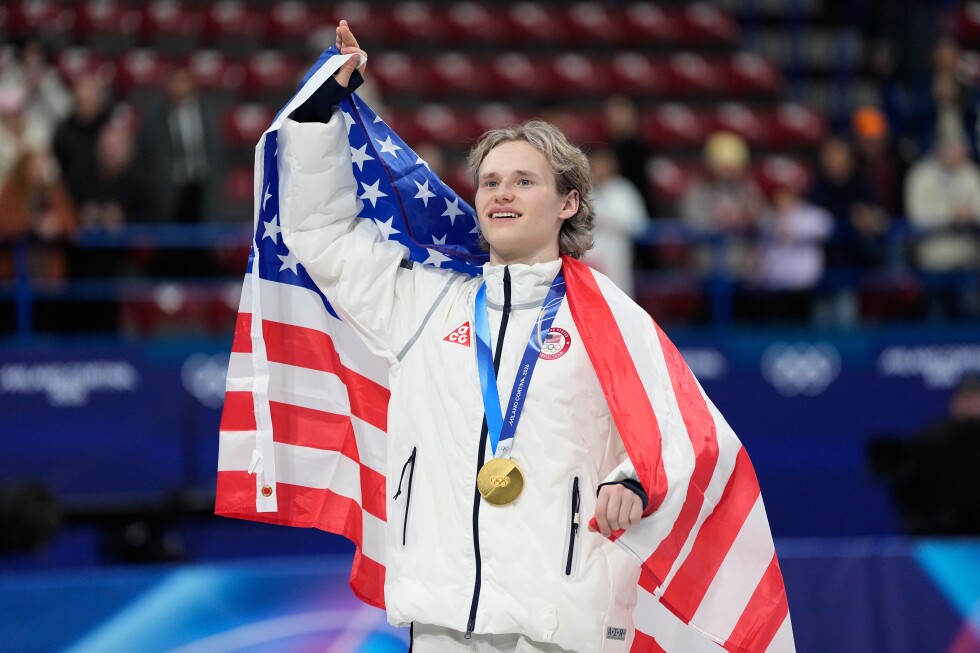
    At the Milan Cortina Winter Olympics, American figure skater Ilia Malinin made history by becoming the first athlete to legally execute a one-blade backflip in Olympic competition—a move immediately recognized as a pivotal moment in figure skating. The 21-year-old Virginian, celebrated as the ‘Quad God,’ incorporated this daring element into his gold medal-clinching free skate performance for the U.S. team, earning widespread acclaim for his technical mastery.

    However, this athletic breakthrough has ignited complex conversations about recognition, race, and historical credit in the sport. The move Malinin performed is formally known as ‘the Bonaly flip’—named after French skater Surya Bonaly, who first landed the single-blade backflip at the 1998 Nagano Games in deliberate defiance of then-existing bans. While Malinin receives contemporary praise, many observers note that Bonaly—a Black athlete who competed during a less accepting era—faced criticism and point deductions for the identical element.

    In an exclusive interview with The Associated Press, Bonaly reflected on the contrasting receptions: ‘I broke ice for other skaters. Now everything is different. People welcome anyone as long as they are good.’ The pioneering skater, now 50, suggested she was ‘born too early’ for her innovations to be properly appreciated during her competitive career.

    The historical context reveals deeper layers to this technical achievement. The first Olympic backflip was performed by American Terry Kubicka in 1976 (landed on two blades), prompting an immediate ban by the International Skating Union (ISU) over safety concerns. Bonaly’s rebellious 1998 performance—executed knowing it would cost her points—became an iconic conclusion to her professional journey and cemented her legacy as a barrier-breaking Black athlete in a sport with limited diversity.

    The rule change that enabled Malinin’s legal backflip occurred just two years ago when the ISU reversed its long-standing prohibition to increase the sport’s appeal to younger audiences. This regulatory shift allowed Malinin to incorporate the element into competitive routines, culminating in his Olympic triumph.

    Social media commentary, particularly from Black observers like TikTok creator Ari Lu, highlights perceived racial double standards: ‘Something a Black person used to be derided for is now celebrated when done by a white person.’ Lu and others argue the skating community owes Bonaly formal recognition and apology for past treatment they view as racially biased.

    The ongoing diversity challenges in figure skating provide context to these discussions. While the current U.S. team includes Asian-American representation and LGBTQ+ advocate Amber Glenn, no Black skaters qualified for this year’s Olympic roster—notable given that Starr Andrews, a popular Black skater, placed seventh at nationals. This absence echoes historical barriers faced by pioneers like Mabel Fairbanks (blocked by racist policies in the 1930s) and Debi Thomas (first African American Winter Olympic medalist).

    Recent ISU and IOC social media posts have celebrated Bonaly’s legacy, calling her backflip ‘a topic of discussion, awe, and admiration for over two decades.’ However, critics like Lu consider these gestures insufficient without formal acknowledgment of past inequities. Meanwhile, current skaters like Glenn express admiration but caution regarding the element’s difficulty: ‘The thought of practicing it… just scares me.’

    The Malinin-Bonaly narrative ultimately transcends a single move, reflecting broader conversations about innovation, recognition, and evolving standards of acceptance in elite sports.

  • Kokomo Murase wins gold in women’s big air, extending Japan’s snowboarding success at the Olympics

    Kokomo Murase wins gold in women’s big air, extending Japan’s snowboarding success at the Olympics

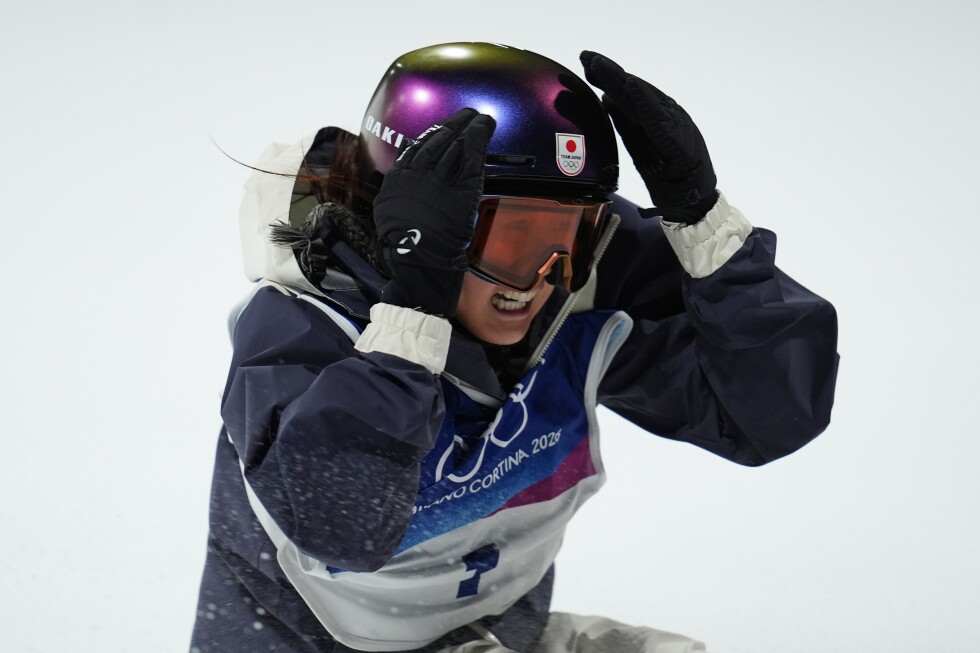
    LIVIGNO, Italy — Japanese snowboarder Kokomo Murase captured Olympic gold in a spectacular women’s big air final on Monday, demonstrating Japan’s growing dominance in snowboarding sports. The victory came just two days after Japanese athletes secured gold and silver in the men’s event.

    Murase had already guaranteed herself at least a bronze medal at the Milan Cortina Games when she executed a daring final jump that propelled her to the top of the standings. This gold medal adds to her bronze from the same event at the 2022 Beijing Olympics, marking significant career progression for the young athlete.

    New Zealand’s Zoi Sadowski-Synnott claimed silver, repeating her performance from the previous Winter Games. She had been positioned to take gold until Murase’s impressive penultimate jump shifted the competition dynamics. South Korea’s eighteen-year-old Seung-eun Yu secured bronze despite falling on her final landing attempt.

    Japan’s snowboarding prowess was further highlighted by their qualification of four riders in both the men’s and women’s 12-person finals—more than any other nation. Additional medals may be forthcoming for Japan with Murase set to compete in snowboarding slopestyle and Ayumu Hirano defending his men’s halfpipe gold.

    The competition also marked the end of an era as two-time defending champion Anna Gasser of Austria finished eighth, failing in her bid to become the first snowboarder to win three consecutive Olympic gold medals. The 34-year-old acknowledged the sport’s rapid progression, noting that tricks which earned gold in 2022 would now barely qualify for finals.

    The event showcased extraordinary athletic advancement with Murase, Sadowski-Synnott, and Yu all performing jumps featuring 1440 degrees of rotation. Gasser reflected on the sport’s evolution, stating: ‘Women’s snowboarding has been progressing every year. If you stop progressing, you’re gone.’

    Following the awards ceremony, Sadowski-Synnott received a traditional haka tribute from her New Zealand team. The silver medal represents her third Olympic medal in big air, adding to her historic achievement as New Zealand’s first Winter Games gold medalist in 2022.

  • Serena Williams can return from 22 February – but will she?

    Serena Williams can return from 22 February – but will she?

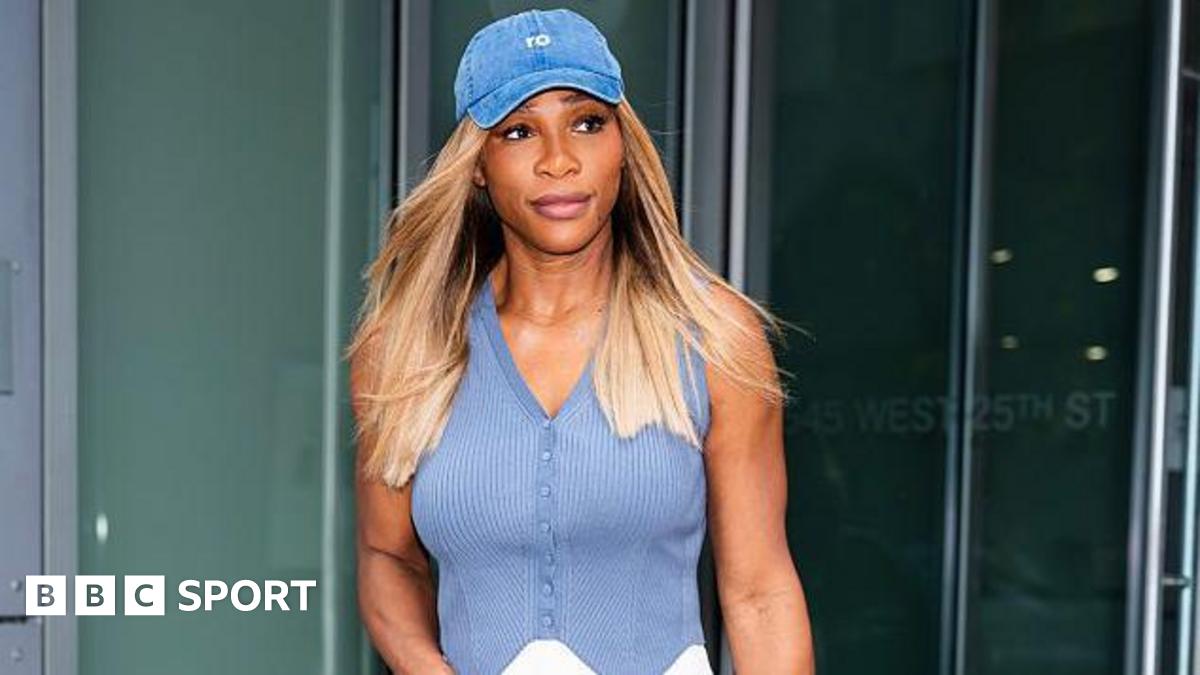
    Tennis legend Serena Williams has officially been granted eligibility to return to professional competition starting Sunday, 22 February, according to the International Tennis Integrity Agency (ITIA). The agency confirmed to BBC Sport that Williams’ name appeared on its Monday reinstatements list, formally clearing the path for tournament participation.

    The development follows standard protocol requiring retired athletes to undergo at least six months of out-of-competition drug testing before returning to sanctioned events. The ITIA had previously confirmed in December that the 44-year-old had re-entered the registered testing pool, which mandates daily one-hour location availability for testers.

    Despite this administrative clearance, the 23-time Grand Slam singles champion remains noncommittal about an actual competitive return. Williams abruptly ended her storied career at the 2022 US Open, carefully avoiding the term ‘retirement’ in favor of ‘evolving away’ from tennis.

    The ambiguity surrounding her intentions has fueled persistent speculation. In a recent social media post, Williams explicitly stated ‘I’m NOT coming back,’ while subsequently offering contradictory comments during a January television appearance. When pressed by Today Show interviewer Savannah Guthrie about a potential comeback, Williams responded cryptically: ‘I don’t know, I’m just going to see what happens.’

    Williams’ recent public profile has included discussions about weight-loss medications, including a commercial appearance during Sunday’s Super Bowl broadcast. Her legendary career includes seven Wimbledon titles, seven Australian Opens, three French Opens, and six US Open victories – the most major singles titles by any woman in the Open era. She and sister Venus also collected 14 Grand Slam doubles titles and three Olympic gold medals during their remarkable partnership.

  • US reaches first Olympic curling mixed doubles final, will face Swedish siblings for gold

    US reaches first Olympic curling mixed doubles final, will face Swedish siblings for gold

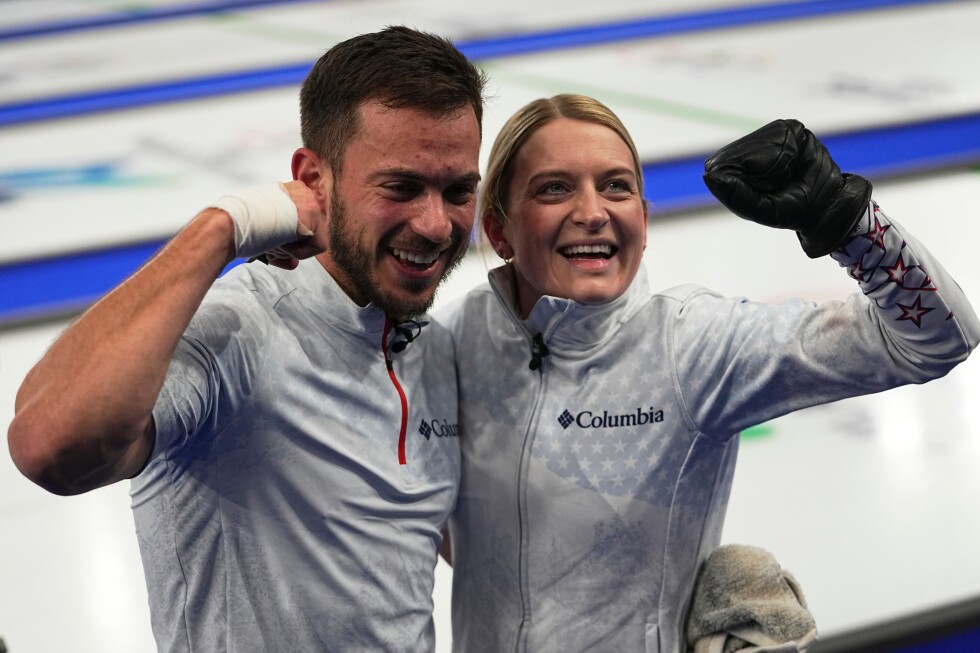
    CORTINA D’AMPEZZO, Italy — In a dramatic semifinal clash at the Milan Cortina Winter Olympics, American curlers Korey Dropkin and Cory Thiesse secured both a historic medal and a championship berth with a thrilling 9-8 victory over host nation Italy on Monday.

    The emotionally charged match saw Dropkin’s exuberant celebrations contrast with Thiesse’s composed demeanor, creating a compelling dynamic that captivated spectators. Dropkin’s vocal enthusiasm echoed through the arena as he engaged with chanting American supporters, while Thiesse maintained her focused intensity throughout the critical moments.

    This victory guarantees the United States its first Olympic medal in mixed doubles curling and simultaneously eliminates Italy’s gold medal aspirations. The Italian pair of Stefania Constantini and Amos Mosaner, who had enjoyed overwhelming home crowd support throughout the competition, saw their championship hopes dashed in the narrow defeat.

    Thiesse, hailing from Duluth, Minnesota—a renowned curling hub—now becomes the first American woman to secure an Olympic medal in this discipline. The first-time Olympians shared an emotional embrace following their decisive final stone that sealed the victory.

    In Tuesday’s championship final, the American duo will face Sweden’s sibling team of Isabella and Rasmus Wrana, who delivered a stunning 9-3 upset over favored British contenders Jennifer Dodds and Bruce Mouat. The Swedish pair completed their victory in just seven ends, demonstrating exceptional precision and strategy.

    The brother-sister Swedish combination, who initially competed as childhood rivals, now stand poised to claim Olympic gold together. Meanwhile, Italy will face Great Britain in the bronze medal match preceding the championship final.

    Mixed doubles curling, featuring one male and one female athlete per team, continues to showcase unpredictable outcomes and intense competition at the Olympic level, as demonstrated by these semifinal matches.

  • Pakistan ends boycott and will face India at T20 World Cup

    Pakistan ends boycott and will face India at T20 World Cup

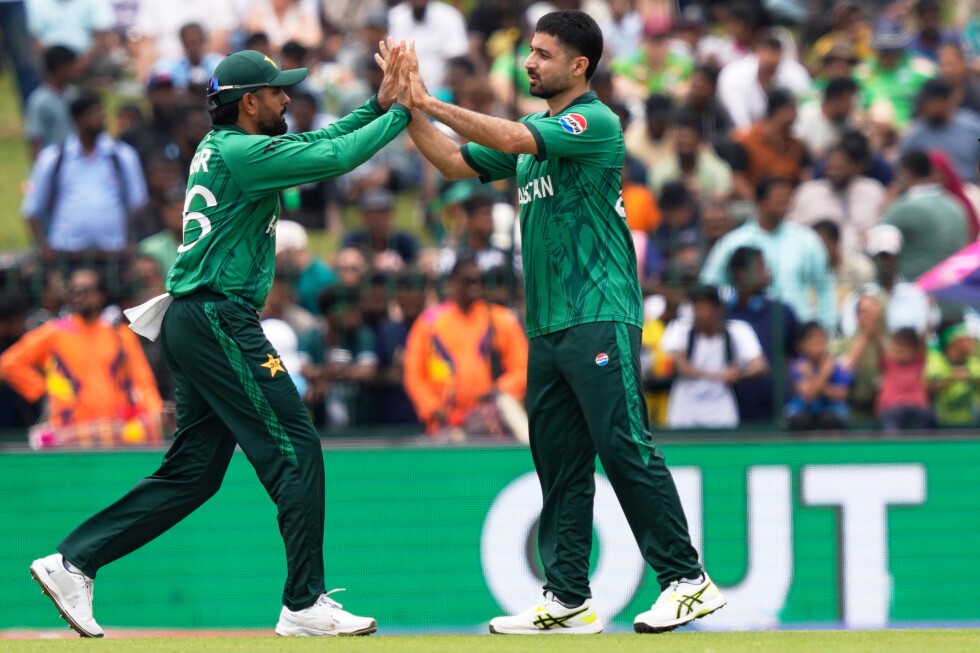
    In a significant diplomatic and sporting development, the Pakistani government has officially rescinded its boycott of the upcoming T20 World Cup match against its longstanding rival, India. The decision, announced via an official post on the social media platform X (formerly Twitter) on Monday, mandates the Pakistan National Cricket Team to participate in the highly anticipated fixture.

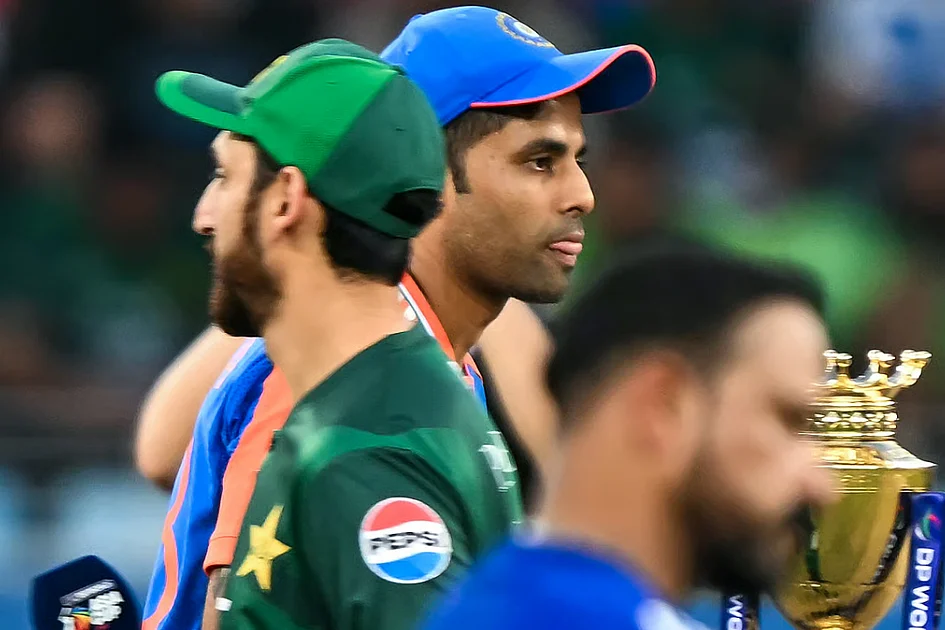
    The two cricketing powerhouses are now confirmed to face each other on February 15, 2026, in Colombo, Sri Lanka. The city is serving as a co-host for the prestigious international tournament alongside India. This reversal ends a period of uncertainty and paves the way for one of the most watched sporting events globally to proceed as originally scheduled by the International Cricket Council (ICC).

    The context of this decision is deeply rooted in the complex political and historical relations between the two neighboring nations, where cricket matches often transcend sport, carrying significant national pride and diplomatic weight. The government’s directive, which uses the formal phrasing “hereby directs,” indicates a top-down resolution to prioritize the tournament’s commitments and the spirit of international sportsmanship. This move is being closely analyzed by sports analysts and political commentators alike for its potential implications on bilateral relations.

  • Resolution expected after ICC, PCB, BCB meeting on India-Pakistan T20 World Cup match in Lahore

    Resolution expected after ICC, PCB, BCB meeting on India-Pakistan T20 World Cup match in Lahore

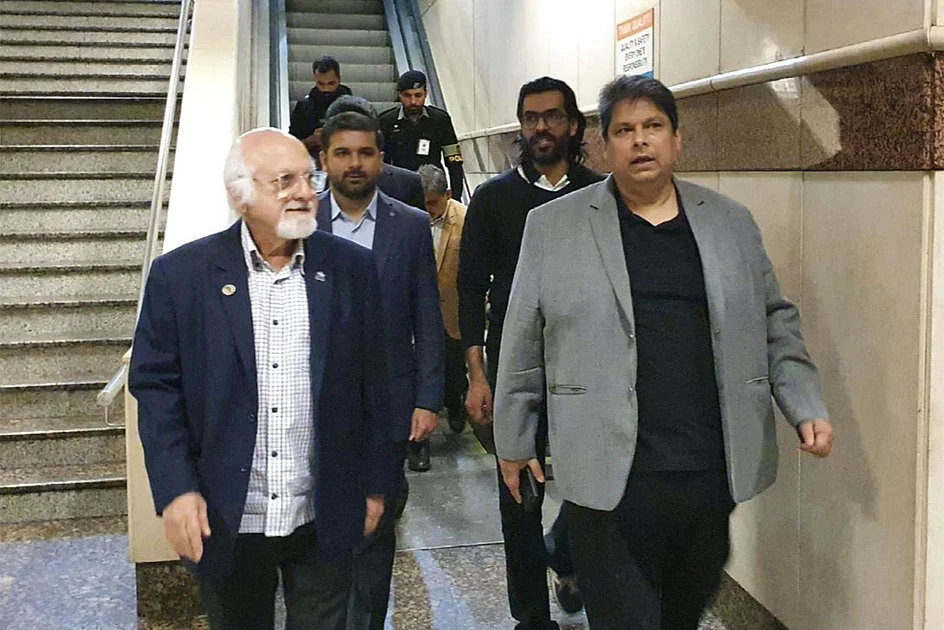
    A significant breakthrough appears imminent in the high-stakes cricketing standoff between India and Pakistan following crucial diplomatic negotiations in Lahore. High-ranking officials from the International Cricket Council (ICC), Pakistan Cricket Board (PCB), and Bangladesh Cricket Board (BCB) convened an emergency meeting Sunday to address Pakistan’s threatened boycott of their scheduled February 15 match against India in Colombo.

    The high-level delegation, comprising ICC Deputy Chairman Imran Khwaja, PCB Chairman Mohsin Naqvi, and BCB President Aminul Islam, engaged in extensive discussions regarding the political and sporting implications of Pakistan’s proposed withdrawal. According to multiple Pakistani media outlets, the lengthy negotiations have concluded with a positive framework for resolution established between the parties.

    Geo TV reported that the PCB will now seek final guidance from the Pakistani government before making an official announcement. The media consensus suggests the dispute will be fully resolved through mutual consultation within the next 24 hours, potentially preserving one of cricket’s most anticipated rivalries.

    The scheduled Group B encounter represents a critical fixture in the ICC Men’s T20 World Cup 2026, with both teams having qualified for the tournament’s second round. The match carries significant commercial and sporting importance for global cricket authorities, given the massive television audiences and sponsorship revenues traditionally associated with India-Pakistan encounters.

    The involvement of Bangladesh Cricket Board officials suggests regional cricket diplomacy playing a crucial role in mediating the high-tension situation. The outcome of these negotiations could set important precedents for handling political tensions within international sporting events moving forward.

  • Watch: Fans react in real-time to Lindsey Vonn’s crash

    Watch: Fans react in real-time to Lindsey Vonn’s crash

    Olympic champion Lindsey Vonn has sustained a serious fracture to her left leg following a dramatic crash during the women’s downhill competition. This devastating injury comes just over a week after the American skiing superstar ruptured her ACL in a previous accident, compounding what has become a traumatic period for the celebrated athlete.

    Spectators at the event captured visceral reactions as Vonn lost control during her high-speed descent, with gasps and concerned shouts echoing through the crowd as medical personnel rushed to her aid. The incident occurred during a critical moment in the competition, casting a somber atmosphere over the event.

    This represents the latest in a series of significant setbacks for one of alpine skiing’s most decorated competitors. Vonn, who has previously overcome multiple injuries throughout her storied career, now faces another challenging rehabilitation process. The consecutive accidents within such a short timeframe have raised questions about athlete recovery protocols and the intense physical demands of elite skiing.

    The skiing community has expressed widespread support for Vonn across social media platforms, with fellow athletes and fans sharing messages of encouragement for her recovery. Medical experts suggest the combination injuries could require extensive treatment and rehabilitation, potentially impacting her future competitive timeline.