分类: sports

  • Italy takes bronze in mixed doubles curling as the US and Sweden battle for gold

    Italy takes bronze in mixed doubles curling as the US and Sweden battle for gold

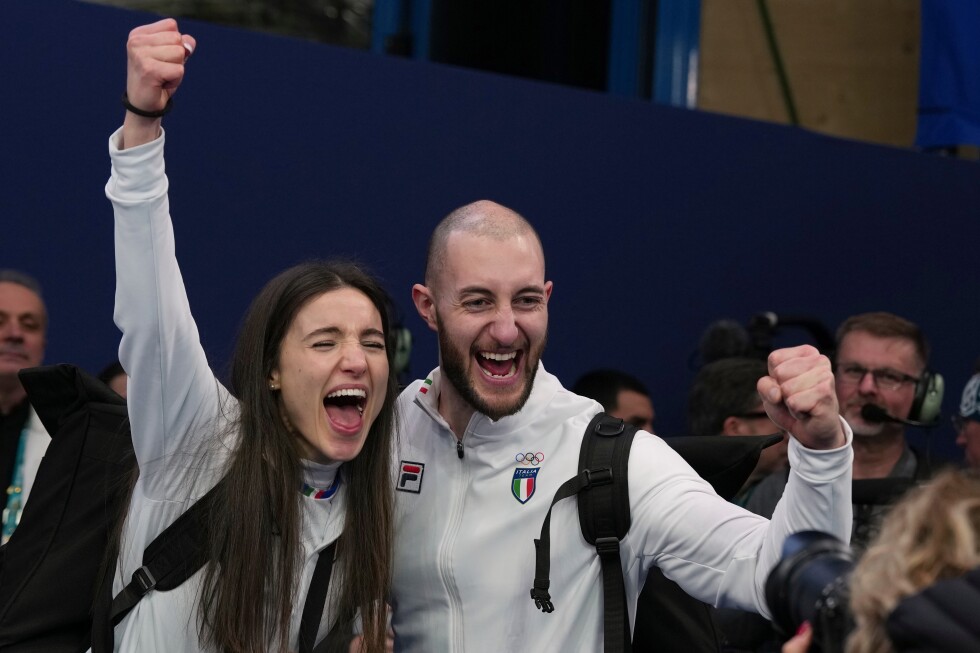
    CORTINA D’AMPEZZO, Italy — In a dramatic conclusion to the mixed doubles curling competition, Italian athletes Stefania Constantini and Amos Mosaner captured the bronze medal with a decisive 5-3 victory over Great Britain on Tuesday. The match, held before a passionate home crowd, delivered an emotional outcome for both teams involved.

    The Italian pair, who entered the tournament as defending Olympic champions, demonstrated exceptional precision with their throws, ultimately thwarting the British duo’s strategy. For Constantini, a native of Cortina d’Ampezzo, the victory held special significance as she solidified her status as a local hero, celebrated by supporters who filled the stadium throughout the competition.

    Conversely, the British team of Jennifer Dodds and Bruce Mouat faced profound disappointment. Having concluded the round-robin stage with the highest number of wins, they were widely anticipated to advance to the gold medal match. Their departure from the ice was visibly dejected following the unexpected defeat.

    The stage is now set for an unprecedented championship final between the United States and Sweden. The American pair, Cory Thiesse and Korey Dropkin—popularly known as ‘Cory and Korey’—have already secured a historic achievement by becoming the first US athletes to medal in Olympic mixed doubles curling. Thiesse additionally earns the distinction of being the first American woman to claim an Olympic medal in the discipline.

    They will compete for the gold medal against Sweden’s sibling duo, Isabella and Rasmus Wranå, ensuring a thrilling conclusion to the mixed doubles curling event at the Winter Games.

  • Klaebo’s Olympic evolution leaves ski competitors in awe of Norwegian star

    Klaebo’s Olympic evolution leaves ski competitors in awe of Norwegian star

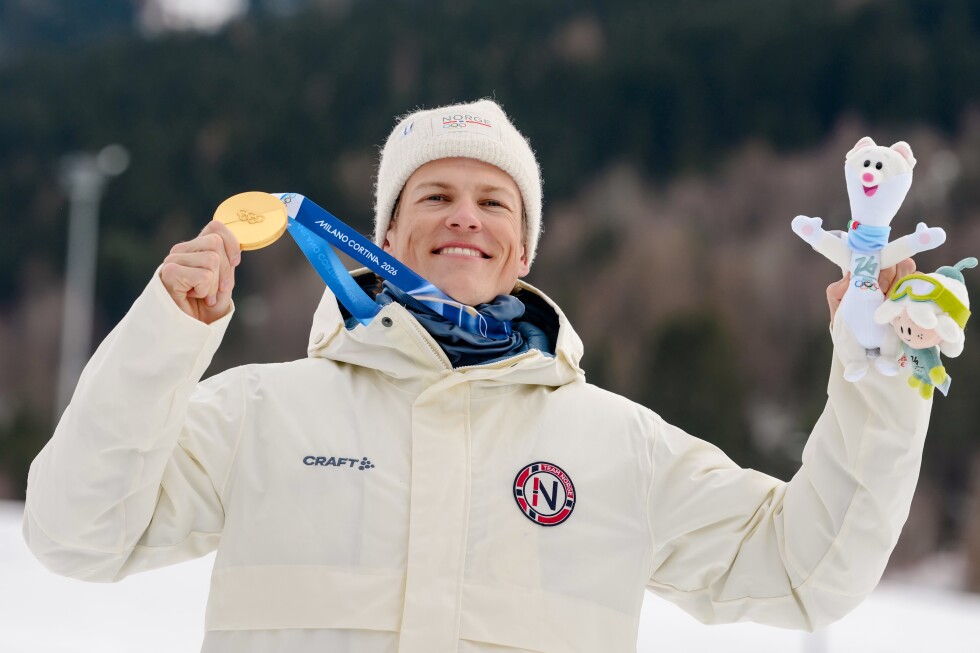
    TESERO, Italy — Norwegian cross-country skiing sensation Johannes Hoesflot Klaebo delivered another masterclass performance on Tuesday, securing his second Olympic gold medal at the Milan Cortina Winter Games with a commanding victory in the classic sprint event. The 29-year-old champion demonstrated unparalleled technical prowess and strategic brilliance throughout both preliminary rounds and the final race.

    Klaebo now stands just one medal shy of the Winter Olympics all-time record of eight gold medals, currently shared by three retired Norwegian legends from cross-country skiing and biathlon. With an existing collection of five golds, one silver, and one bronze from previous Winter Olympics in Beijing and Pyeongchang, Klaebo has evolved from a specialist sprinter into a complete cross-country dominator, recently claiming his first distance race victory in Sunday’s skiathlon.

    What distinguishes Klaebo from his competitors is a unique combination of explosive finishing power and breathtaking hill-climbing speed. During Tuesday’s race in northern Italy’s Tesero region, his brutal ascent on the final hill created an insurmountable gap that left other elite athletes struggling in his wake.

    Norwegian coach Ole Haldor Ensrud, currently working with South Africa’s Olympic team, explained to AP: ‘He has elevated the technical aspects of the sport to unprecedented levels while maintaining exceptional endurance fitness. His remarkable flexibility allows constant technique adaptation to varying terrains—a critical advantage in skiing that doesn’t exist in sports like running.’

    Fellow competitors acknowledge racing against Klaebo often means competing for second place. U.S. silver medalist Ben Ogden stated: ‘I approach every race believing victory is possible, but currently, many events become competitions for silver. I take pride in securing second place against such phenomenal talent.’

    Klaebo’s comprehensive skillset resulted from relentless training and meticulous race preparation. His summer training regimen included intensive roller-ski sessions in Park City, Utah, developing the technical versatility that now allows him to maintain speed across varying conditions while offering opponents few opportunities to challenge his dominance.

    The Norwegian champion admitted: ‘I maintain high personal expectations. Competing on familiar tracks where I understand my capabilities provides confidence. We’ve prepared thoroughly, and it’s rewarding to see that preparation translate to success.’

    After establishing an unbeatable lead on Tuesday’s final climb, Klaebo comfortably coasted to the finish, smiling and waving to spectators that included family members. Back in Norway, where cross-country skiing commands prime-time attention, Prime Minister Jonas Gahr Stoere immediately celebrated online: ‘What an athlete! Johannes Hoesflot Klaebo remains virtually unbeatable in sprint events. Congratulations!’

    A national sporting icon featured on billboards and television commercials throughout Norway, Klaebo recently became the subject of a feature documentary released in Norwegian cinemas last December. Despite approaching historic Olympic milestones, the champion remains focused on appreciating his current success: ‘I’m genuinely enjoying this experience. These are amazing moments to cherish.’

  • Pebble Beach hosts first signature event on PGA Tour. LIV returns to Australia

    Pebble Beach hosts first signature event on PGA Tour. LIV returns to Australia

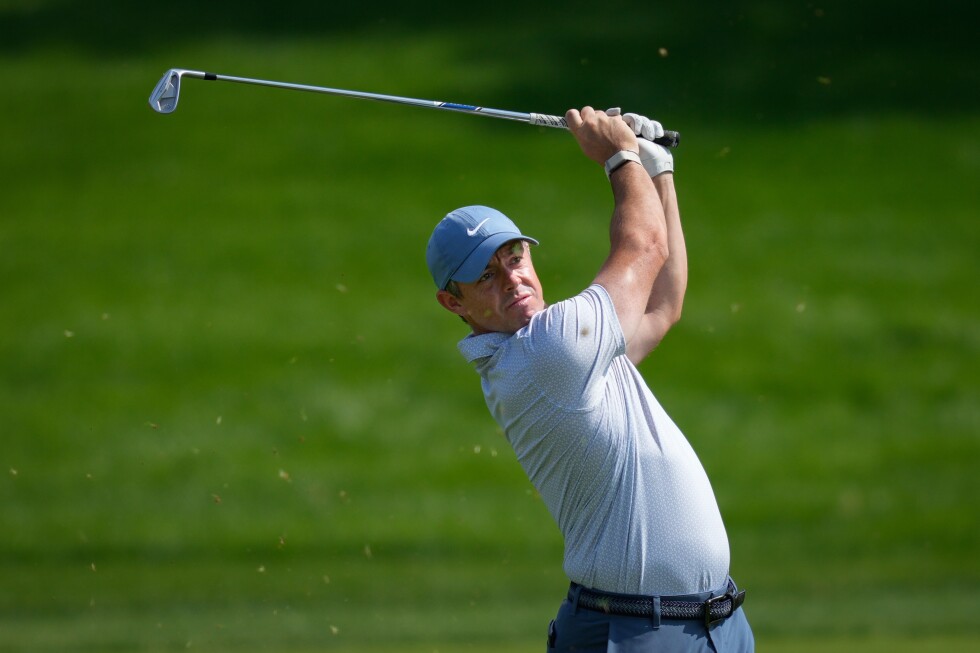
    The world of professional golf enters a pivotal week with simultaneous high-stakes tournaments across multiple tours, headlined by the PGA Tour’s inaugural $20 million signature event at the iconic Pebble Beach. This prestigious tournament marks the season debut of defending champion Rory McIlroy, who returns to the famed California coastline following two appearances in Dubai. The field features 80 competitors, including FedEx Cup leader Chris Gotterup, who carries formidable momentum with three victories in his last ten starts dating to July.

    Meanwhile, the LIV Golf League stages its Australian debut in Adelaide, where record-breaking attendance of approximately 100,000 spectators is anticipated. Fresh from his stunning victory in Riyadh, debutant Elvis Smylie leads the field after his dramatic 57-place leap in the world rankings. The tournament proceeds without veterans Phil Mickelson and Lee Westwood, both absent for the second consecutive week due to personal and medical reasons respectively.

    The PGA Tour Champions circuit launches its Florida swing with the Chubb Classic in Naples, featuring defending champion Justin Leonard and current points leader Stewart Cink, who seeks his third consecutive victory. The LPGA Tour enjoys a brief hiatus before resuming competition in Thailand, with Nelly Korda maintaining her position atop the Race to CME Globe standings.

    Complementing these events, the European Tour’s Patrick Reed continues to lead the Race to Dubai following his Qatar Masters triumph, while the Korn Ferry Tour prepares for its upcoming Argentina Open. Additional competitions include the Challenge Tour and Sunshine Tour’s co-sanctioned event in South Africa, the Ladies European Tour’s Saudi Ladies International, and the Women’s Amateur Asia-Pacific championship in New Zealand.

  • Fontana extends medal record as Italy wins Olympic short track mixed team relay

    Fontana extends medal record as Italy wins Olympic short track mixed team relay

    MILAN — Italian short track legend Arianna Fontana has further cemented her status as the sport’s most decorated Olympian by securing her third gold medal at the Milan Cortina Winter Games. The 33-year-old champion led Italy to a commanding victory in the mixed team relay final, delivering a spectacular performance before an ecstatic home crowd.

    Fontana’s latest triumph marks her 12th Olympic medal across six consecutive Winter Games, extending her unprecedented record in short track speedskating. The Italian team demonstrated exceptional coordination and strategy throughout the relay, ultimately finishing ahead of Canada and Belgium who claimed silver and bronze respectively.

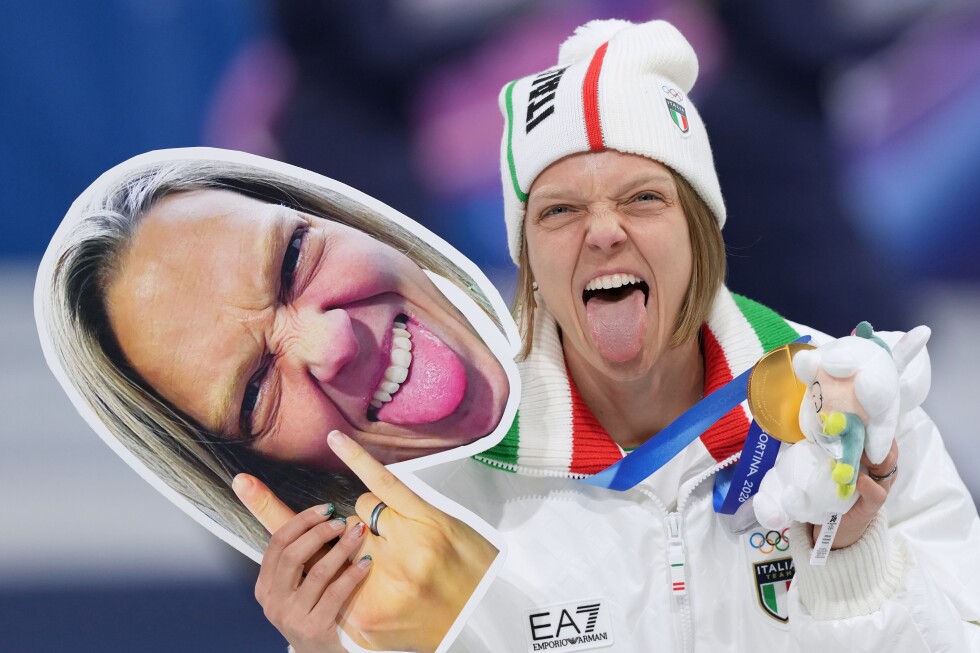
    The victory celebration captured the emotional magnitude of the moment, with teammate Pietro Sighel creating an iconic image by spinning backward across the finish line before cupping his hand to his ear to absorb the crowd’s roaring approval. Fontana herself celebrated by holding up her gold medal alongside a cardboard cutout of her own face, playfully mimicking the expression.

    ‘This is our home. We’re here to protect it,’ Fontana stated, referencing the team’s motto for the competition. ‘We tried to show the home crowd that we’re here on a mission, and that’s exactly what we delivered.’

    Fontana’s remarkable Olympic journey began at just 15 years old when she won relay bronze during Italy’s last hosting of the Games in 2006. Reflecting on her longevity in the sport, she remarked that her teenage self ‘wouldn’t believe that I’m still here’ but would ultimately ‘be proud’ of her continued achievements.

    Meanwhile, the competition witnessed challenging conditions as several skaters reported concerns about soft ice at the Milano Ice Skating Arena. Dutch competitor Jens van ‘t Wout described the surface as ‘really tricky,’ noting unusual falls and athletes ‘slipping around’ throughout the events.

    The United States team experienced particular difficulties, with Corinne Stoddard suffering falls in both the mixed relay and women’s 500 meters events. Despite these setbacks, Stoddard remains optimistic about her recovery from a swollen ankle injury.

    Fontana now looks ahead to further medal opportunities in the women’s 500 meters, an event she has won in both the 2018 and 2022 Winter Olympics, having successfully qualified through earlier heats.

  • Japan’s surge on the Olympic halfpipe leaves the U.S. with some catching up to do

    Japan’s surge on the Olympic halfpipe leaves the U.S. with some catching up to do

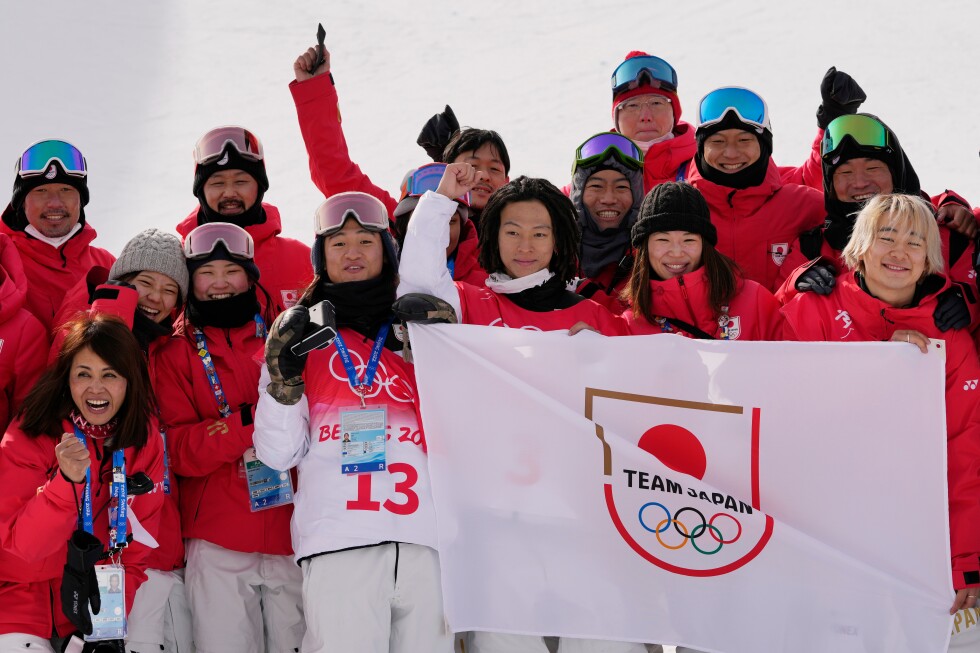
    LIVIGNO, Italy (AP) — A dramatic power shift is unfolding in Olympic snowboarding as American dominance in the halfpipe gives way to Japanese supremacy. Where U.S. athletes once routinely claimed podium positions in the sport they pioneered, only defending champion Chloe Kim now remains as a legitimate medal contender for Team USA in current Winter Games competitions.

    This tectonic change stems from contrasting national approaches to sporting infrastructure and athlete development. While Japan has aggressively invested in training facilities—including dry-slope complexes, expensive safety airbags, and year-round training programs—the United States has witnessed an alarming disappearance of halfpipes across its resorts. Industry experts estimate fewer than six operational halfpipes remain nationwide.

    The consequences are starkly visible in Olympic results. Between 2002 and 2010, American riders captured 12 of 18 available halfpipe medals while Japan won none. In the subsequent three Olympics, the U.S. secured just six medals with only one (Shaun White’s 2018 gold) coming from the men’s competition, while Japan collected five medals, four by male athletes.

    Olympic champion Kelly Clark, who emerged from Vermont’s now-diminished halfpipe scene, expresses concern about the sport’s accessibility. ‘If I were looking 15 years down the road at halfpipe and how common that will be at a resort, that I would say could be a little concerning,’ Clark noted. ‘Will it be that relatable sport that everyone can kind of watch, and participate in?’

    The infrastructure challenge is compounded by economic realities. Resort operators increasingly favor slopestyle courses—added to the Olympics in 2014—which require less expensive construction and maintenance while appealing to broader audiences. Constructing a competition-grade 22-foot halfpipe demands specialized engineering skills and significant ongoing upkeep.

    Shannon Dunn-Downing, 1998 bronze medalist, posed the existential question in a recent Slush Magazine editorial: ‘Is Halfpipe Dead?’ She observed that poorly maintained pipes go unused, creating a vicious cycle where resorts see little value in investing in quality facilities.

    Meanwhile, Japan has built what Rick Bower, director of the U.S. Ski & Snowboard program, describes as an ‘army’ of developmental athletes. Decades of systematically sending large teams overseas for training have evolved into comprehensive training camps in Switzerland with dozens of riders and multiple coaches.

    This systematic approach extends beyond the halfpipe. In big air events at the current Games, Japan has claimed three of six medals while the United States produced just one finalist and no podium finishes.

    Zach Nigro, Burton’s senior sports marketing director, suggests cultural factors may contribute to Japan’s success: ‘Their thought might be, it’s a difficult discipline, but if you’re going to be the best, then master the most difficult discipline.’

    American officials acknowledge the challenge and are implementing corrective measures, including a potential $65 million endowment aimed at reclaiming dominance when the Olympics return to Salt Lake City in 2034. As Bower conceded: ‘Because of [past complacency], we’re now in a position where we’re behind and we need to do some catch-up.’
  • Milan Cortina Olympics apologizes for podium surface damaging skaters’ blades

    Milan Cortina Olympics apologizes for podium surface damaging skaters’ blades

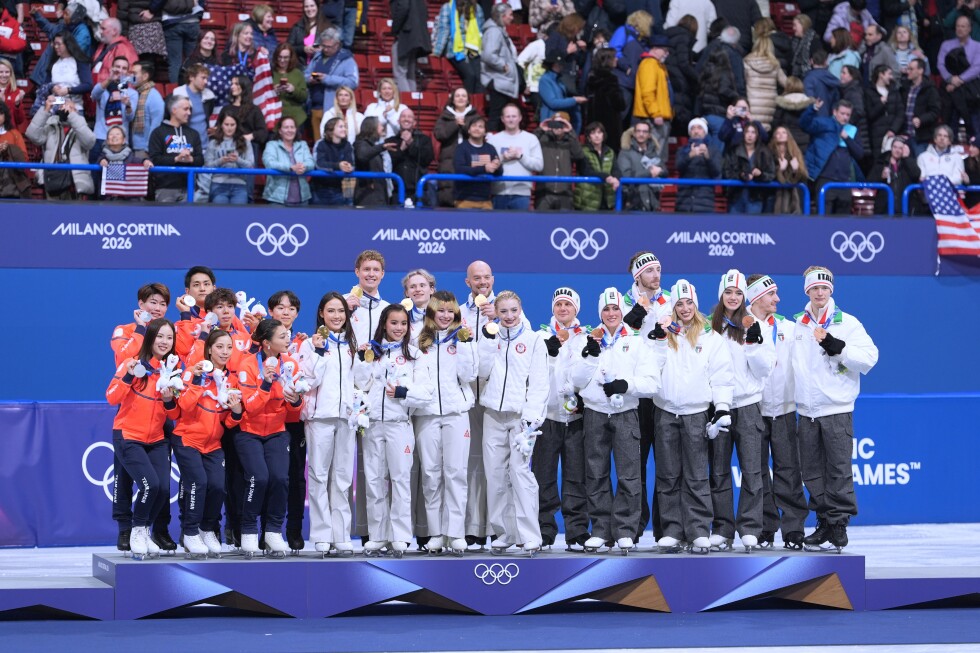
    MILAN — Olympic organizers have issued a formal apology after the medal podium at the Milano Ice Skating Arena caused unexpected damage to figure skaters’ blades during team medal celebrations. The abrasive anti-slip surface resulted in nicks and blemishes on the precision equipment of multiple athletes, prompting concerns about competitive impact.

    Among those affected were American gold medalists Madison Chock and Evan Bates, along with Japanese silver medalist Kaori Sakamoto, who immediately inspected her blades while celebrating. The Japanese Olympic Committee subsequently filed an official complaint regarding the podium’s problematic surface.

    In response to the incident, the Milan Cortina organizing committee announced immediate corrective measures. “We are taking steps to replace the surface to prevent a reoccurrence,” stated officials, while also arranging for complimentary blade-sharpening services and additional training sessions for the impacted teams from the United States, Japan, and Italy.

    The committee praised the Olympic spirit demonstrated by National Olympic Committees offering assistance to affected athletes from other countries. “We apologize for the inconvenience caused and reiterate our commitment to ensuring the best possible conditions for all athletes,” the statement concluded.

    The timing raised competitive concerns as some speculated whether blade damage might have contributed to Chock and Bates’ narrow defeat to French competitors Laurence Fournier Beaudry and Guillaume Cizeron in Monday’s rhythm dance event. However, Bates dismissed such theories, stating, “I think the skates are fine. The blades are good. We skated great. We felt like it was really strong.”

    Organizers have scheduled the next medal ceremony for Tuesday afternoon following the mixed team relay in short-track speedskating, with the next figure skating medal presentation set for Wednesday night. All future podium events will feature a resurfaced platform to prevent further equipment damage.

  • UAE bats first against New Zealand at T20 World Cup. Pakistan faces US

    UAE bats first against New Zealand at T20 World Cup. Pakistan faces US

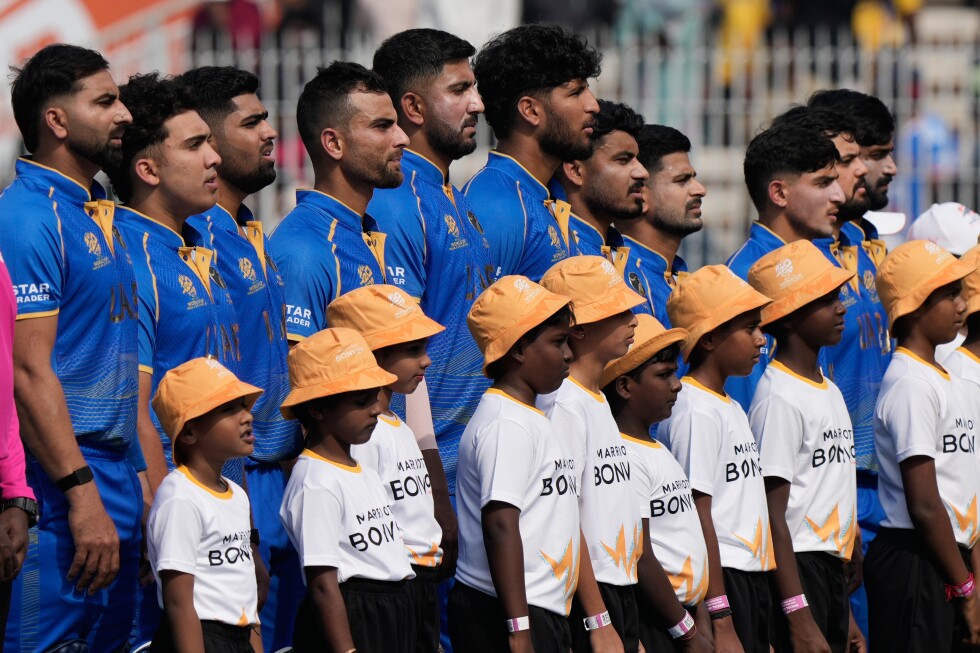
    In a crucial Group D encounter at cricket’s T20 World Cup in Chennai, the United Arab Emirates won the toss and elected to bat first against a formidable New Zealand side. The match represents a significant challenge for UAE, who face disciplinary issues with batter Muhammad Zohaib being sent home on the eve of the game for unspecified reasons.

    New Zealand enters the contest with confidence after securing an opening victory against Afghanistan at the same venue. Captain Mitchell Santner expressed optimism about the pitch conditions, noting the red-soiled wicket appeared to have good bounce that would suit his three fast bowlers.

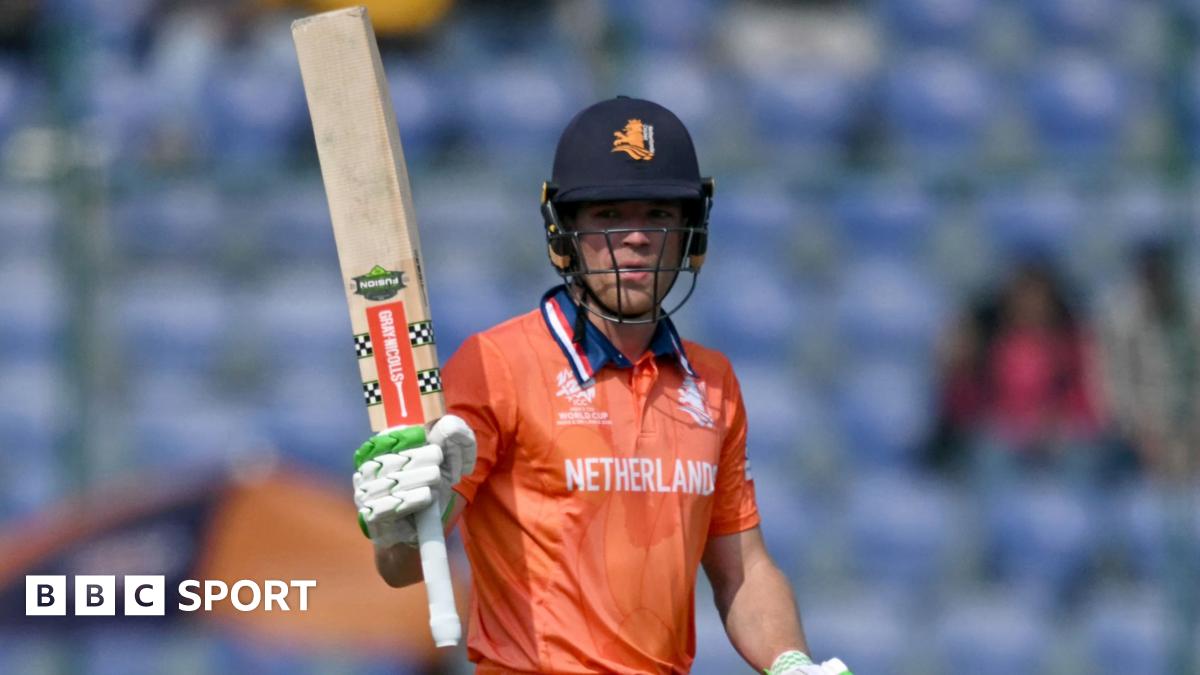
    Meanwhile, in Group A action at New Delhi, the Netherlands celebrated their first tournament victory with a commanding seven-wicket win over Namibia. The triumph was spearheaded by Bas de Leede’s exceptional all-round performance, claiming 2-20 with the ball before smashing an unbeaten 72 off just 48 deliveries, including four sixes and five boundaries.

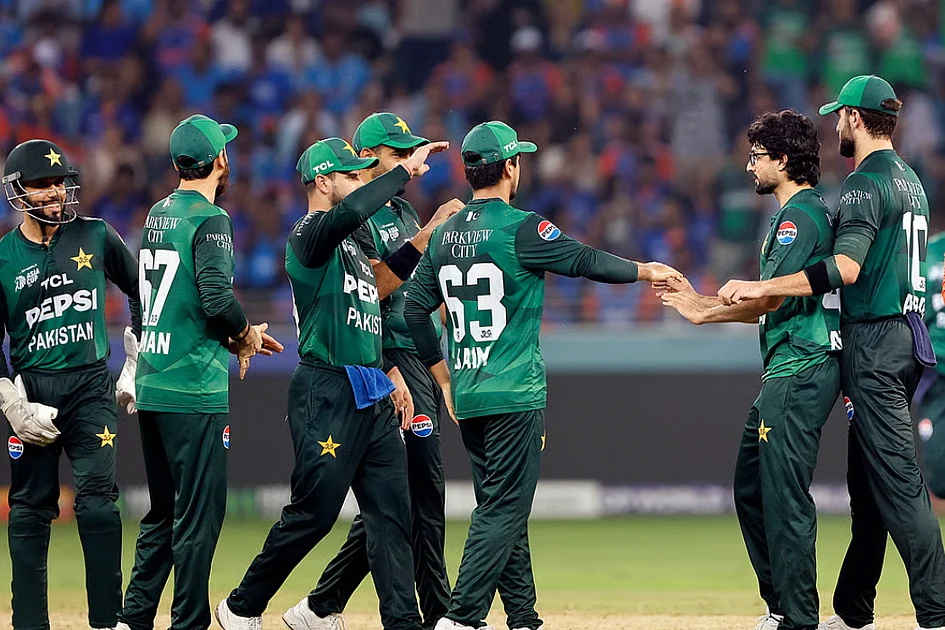
    The tournament drama continues with Tuesday’s night fixture featuring Pakistan against the United States in Group A. Pakistan narrowly escaped with a three-wicket victory over the Netherlands in their opening match, while the US team carries psychological advantage from their sensational Super Over victory against Pakistan in the 2024 tournament.

    In a significant development, Pakistan has reversed its decision to boycott the highly anticipated match against India and will now take the field as scheduled in Colombo on Sunday.

  • De Leede helps Netherlands to win over Namibia

    De Leede helps Netherlands to win over Namibia

    In a spectacular display of cricketing prowess, the Netherlands national cricket team secured a decisive seven-wicket triumph against Namibia during their Group A encounter at the Men’s T20 World Cup in Delhi. The match will be remembered for Bas de Leede’s extraordinary all-round performance that dominated both batting and bowling departments.

    The victory marks a significant rebound for the Dutch squad, who narrowly missed a stunning upset against Pakistan in their tournament opener just days earlier in Colombo. This convincing win against Namibia represents the largest margin of victory in Netherlands’ T20 World Cup history.

    Namibia, batting first in their inaugural tournament match, established a competitive position at 60-1 after nine overs. However, their momentum was disrupted by the bowling attack led by Logan van Beek (2-13) and De Leede, who claimed crucial wickets including Namibian captain Gerhard Erasmus and JJ Smit. Despite Nicol Loftie-Eaton’s solid 42 from 38 deliveries, Namibia concluded their innings at 156-8 after 20 overs.

    Chasing 157 for victory, the Netherlands faced an early setback with opener Max O’Dowd’s dismissal. The match turned decisively when De Leede partnered with Colin Ackermann for a stabilizing 70-run third-wicket stand. Ackermann contributed 32 before departing, but De Leede remained unstoppable, finishing with an unbeaten 72 from just 48 balls, including five boundaries and four sixes.

    De Leede’s performance etched his name in cricket history as the first Netherlands player to achieve both a half-century and take two wickets in a single T20 World Cup match. The Dutch team sealed their victory with two full overs to spare, demonstrating commanding form as they look ahead to their Friday encounter against the United States. Namibia will face defending champions India on Thursday in their next tournament fixture.

  • ‘Magic Man’ Moreira casts his spell as Japan claims $1m Abu Dhabi Gold Cup

    ‘Magic Man’ Moreira casts his spell as Japan claims $1m Abu Dhabi Gold Cup

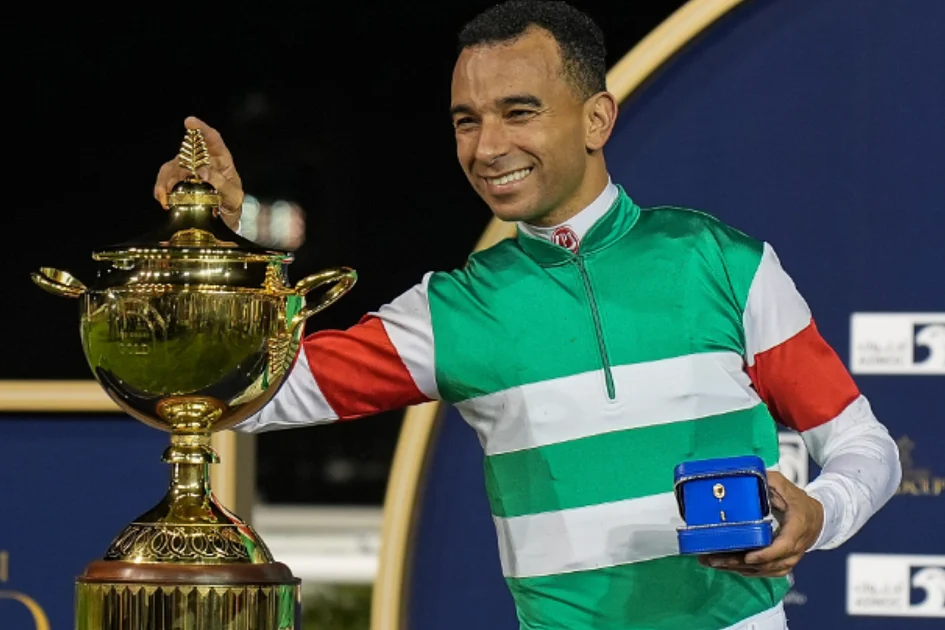
    In a landmark display of international racing prowess, Japanese-bred thoroughbred Strauss delivered a commanding victory in the inaugural $1 million Abu Dhabi Gold Cup, marking Japan’s first-ever competitive appearance and triumph in the Emirate. The five-year-old bay, expertly piloted by Brazilian jockey Joel ‘Magic Man’ Moreira in his Abu Dhabi debut, demonstrated exceptional timing and acceleration to secure the prestigious title.

    Trained by Ryo Takei, representing Japan’s new generation of internationally-focused trainers, Strauss executed a perfectly timed run to defeat a field of elite competitors. The victory becomes particularly significant as it precedes the arrival of Japan’s formidable racing contingent, led by Saudi Cup and Breeders’ Cup Classic champion Forever Young, for the upcoming 30th Dubai World Cup meeting in six weeks.

    Wathnan Racing’s Dark Trooper mounted a strong challenge to finish second, while Comanche Brave secured third position under Irish trainer Donnacha O’Brien. The pre-race favorite Quddwah could only manage fourth place for the Simon & Ed Crisford stable.

    Moreira, celebrated for his exceptional race-riding abilities, praised both the horse’s quality and the training preparation that brought Strauss to peak condition. ‘Once I angled him into daylight, he went whoosh,’ the jockey remarked, emphasizing the horse’s explosive acceleration. Trainer Takei highlighted the strategic importance of securing Moreira’s services, noting his unique ability to elevate performance on racing’s grandest stages.

    Beyond the immediate triumph, Strauss’s victory carries substantial implications, automatically qualifying the horse for the Grade 1 Turf Classic Stakes at Churchill Downs. This achievement further solidifies Japan’s growing reputation as a global racing superpower capable of delivering winning performances on international soil.

  • Pakistan agrees to play India match on Feb 15 in ICC T20 World Cup

    Pakistan agrees to play India match on Feb 15 in ICC T20 World Cup

    In a significant diplomatic reversal, Pakistan’s government announced on Monday its decision to participate in the highly anticipated Twenty20 cricket World Cup match against India scheduled for February 15 in Sri Lanka. This resolution follows extensive multilateral consultations involving cricket governing bodies and regional nations.

    The Pakistani government issued an official statement explaining that the Pakistan Cricket Board (PCB) thoroughly evaluated formal requests from the Bangladesh Cricket Board (BCB), accompanied by supportive communications from the United Arab Emirates, Sri Lanka, and other cricket-playing nations. The statement emphasized that the decision was made “with the aim of protecting the spirit of cricket, and to support the continuity of this global sport in all participating nations.”

    The diplomatic breakthrough culminated after a high-stakes meeting between the International Cricket Council (ICC), PCB, and BCB officials. Pakistan explicitly acknowledged standing “shoulder to shoulder with Bangladesh” and recognized the gratitude expressed by BCB President Amin Ul Islam. The resolution gained further momentum through direct diplomatic engagement, with Sri Lankan President Anura Kumara Dissanayake personally urging Pakistani Prime Minister Shehbaz Sharif to find an amicable solution to the impasse.

    The government statement concluded with confident expectations for the national team: “We remain confident that the ‘Men in Green’ will carry the spirit of sportsmanship and national pride onto the field as they compete for global glory.”

    The timeline leading to this reversal began on February 1 when Pakistan initially announced its boycott citing geopolitical tensions, prompting the ICC to express concern that selective participation “undermines the spirit and sanctity of the competitions.” Subsequent days saw intensive negotiations, including a crucial February 8 meeting in Lahore addressing matters concerning both Pakistan and Bangladesh. The final resolution coincided with the ICC’s announcement that Bangladesh would host an ICC event before 2031 without facing sanctions for its absence from the current T20 World Cup.