分类: sports

  • Lorena Wiebes sprints to second straight win at Women’s Tour de France

    Lorena Wiebes sprints to second straight win at Women’s Tour de France

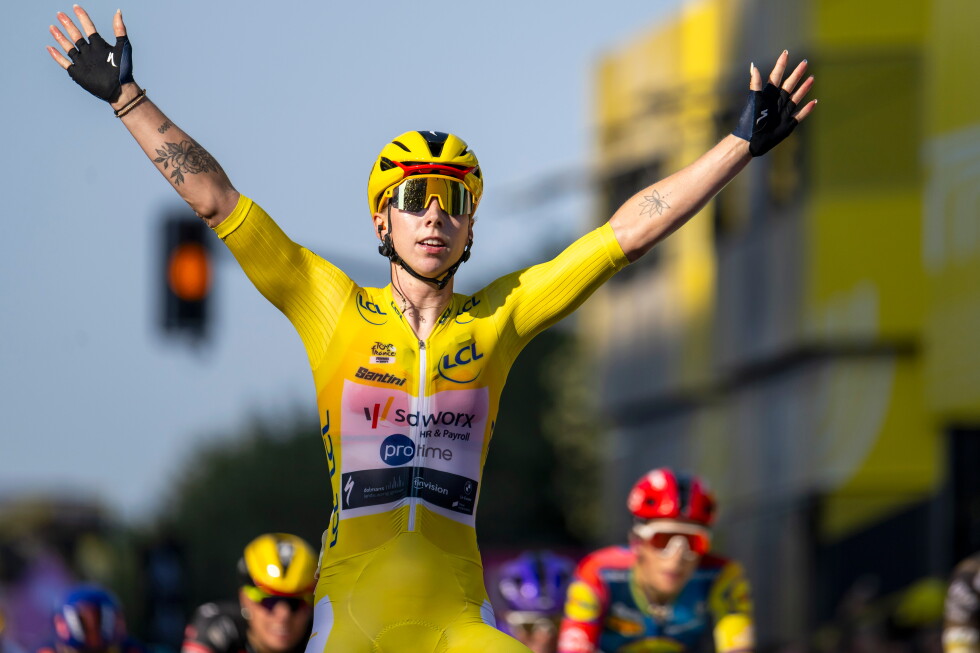
    GENEVA, Switzerland – Dutch cycling star Lorena Wiebes delivered another masterclass in sprinting on Sunday, claiming her second consecutive victory at the 2024 Women’s Tour de France on the event’s second stage. The win marked Wiebes’ seventh overall Tour de France victory, extending her legacy as one of the race’s most dominant sprinters.

    The second stage of this year’s edition unfolded across a flat 147.9-kilometer route, stretching from the Swiss town of Aigle to the finish line in Geneva – the second consecutive stage held entirely on Swiss soil. Wiebes crossed the line in a total time of 3 hours, 42 minutes and 8 seconds, launching her decisive attack with just 250 meters remaining in the stage to outpace the peloton.

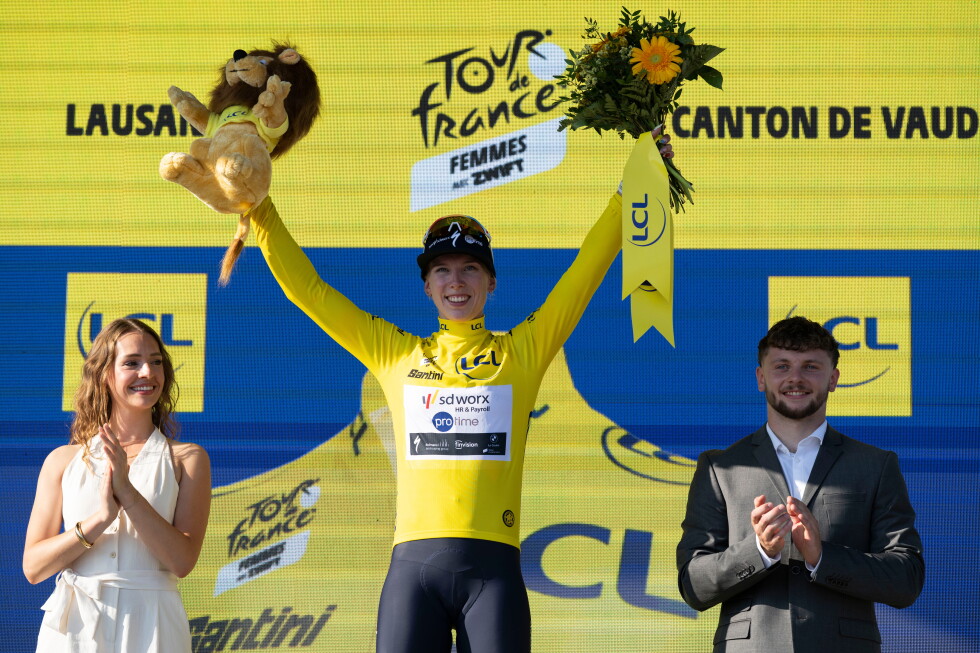
    This dominant performance came just one day after Wiebes claimed victory in the Tour’s opening stage, delivering back-to-back wins in equally commanding fashion. Speaking after her victory, Wiebes credited her SD Worx-Protime team for the strategic support that made the win possible. “It’s special to win in the yellow jersey, but also because again, my team worked really hard for this,” she said. “The girls were chasing full gas in the final to bring back Riejanne Markus. That makes it even more beautiful to finish it off.”

    Markus, who had held a solo breakaway for nearly 40 kilometers across the latter half of the stage, was caught by the chasing peloton just 500 meters short of the finish line, ending her bid for a stage win. Following Wiebes across the finish line, Lidl-Trek’s Elisa Balsamo secured second place, while Marianne Vos of Team Visma-Lease a Bike rounded out the top three.

    With two stages complete, Wiebes holds a 14-second overall lead over second-place rider Kim Le Court Pienaar. 2023 Tour champion Demi Vollering sits two seconds further back in third place, keeping her within striking distance of the overall lead as the race moves into its third day.

    On Monday, the peloton will face a 156.5-kilometer hilly stage, kicking off in Geneva before crossing the French border to finish in the town of Poligny. This year’s edition, the fifth running of the modern Women’s Tour de France, covers a total distance of 1,175 kilometers over nine days of racing. The Women’s Tour comes just one week after Tadej Pogacar claimed his fifth overall title at the men’s Tour de France.
  • Body of famed international climber Nirmal Purja and 3 more found after Pakistan avalanche

    Body of famed international climber Nirmal Purja and 3 more found after Pakistan avalanche

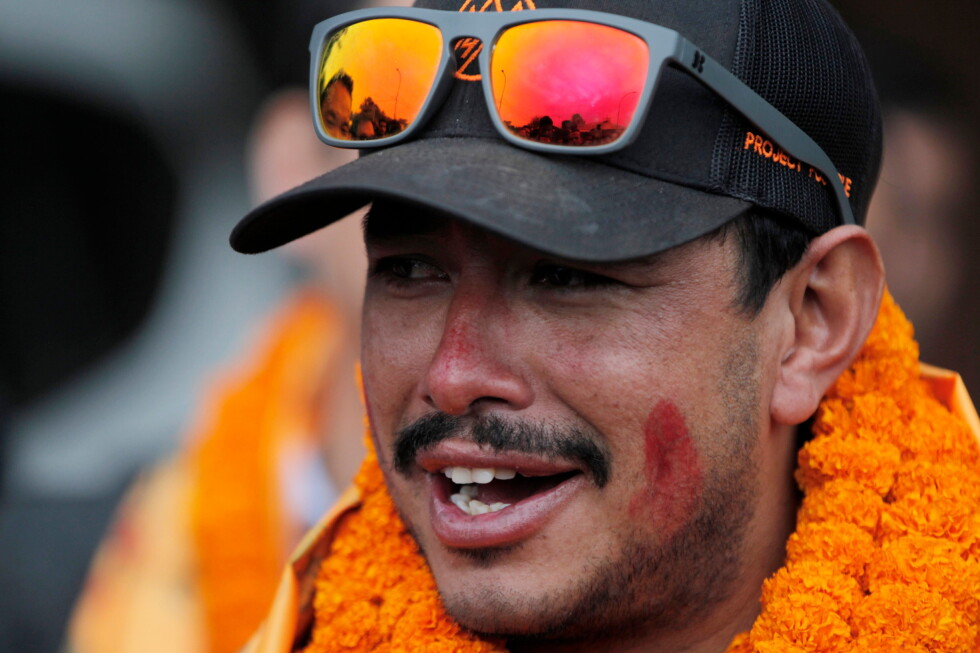
    A devastating avalanche that struck an international climbing expedition on Pakistan’s Broad Peak — one of the world’s tallest 8,000-meter mountains — has left at least eight mountaineers dead, with rescue teams still searching for two remaining missing climbers as of Sunday, Pakistani officials confirmed. Search and recovery teams operating on foot have located the bodies of celebrated British-Nepali climber Nirmal Purja, alongside three other members of the 10-person expedition: Chinese climber Wang Zhong, and Nepali guides Nima Sherpa and Kili Pemba Sherpa.

    The avalanche hit the expedition on the upper slopes of Broad Peak earlier last week, triggering a large-scale multinational rescue operation coordinated by Pakistani authorities and mountaineering organizations. Two days before the recovery of Purja’s remains, rescuers first spotted four other bodies trapped in snow and debris, but dangerous wind and snow conditions forced helicopter operations to ground, allowing only three of those bodies to be evacuated. The three recovered earlier have been identified as Omani climber Nathira Ahmed, American climber Mallory Geis, and Nepali climber Bahadur Gurung.

    As of Sunday, military-supported search teams had restarted operations to locate the two still-unaccounted-for climbers: Pakistani guide and photographer Sohail Sakhi, who was set to retire after this expedition, and one additional team member. Crews are also working to extract the newly recovered remains of Purja and his three teammates from the high-altitude disaster zone, a slow and dangerous process given the harsh mountain conditions.

    Purja, a former British Army soldier born in Nepal who was affectionately known to the global mountaineering community as Nims Dai, earned worldwide fame for his groundbreaking 2019 achievement: climbing all 14 of the planet’s peaks over 8,000 meters in just 189 days, a world record at the time that was later broken in 2023. His feat was chronicled in the popular Netflix documentary *14 Peaks: Nothing Is Impossible*, which introduced his story to millions of non-climbers and inspired a new generation of outdoor adventurers.

    In a statement released Saturday, Purja’s own expedition company paid tribute to the legendary climber, saying “the world has lost one of mountaineering’s greats.” The statement called Purja “a leader who inspired millions through his courage, humility and unwavering belief that human potential is far greater than we often imagine.”

    Irfan Arshad Khan, president of the Alpine Club of Pakistan, which led the coordination of recovery efforts, echoed that sentiment, calling the disaster “an immeasurable loss to the global mountaineering fraternity.” He also extended the organization’s gratitude to military and civilian rescuers, local Sherpa guides, and volunteer teams that risked their own safety to carry out the search in lethal high-altitude conditions.

    Family of the fallen American climber Geis also released a statement honoring their loved one: “Mallory was a bright light who was loved deeply by her family and friends. She will be profoundly missed.”

    Sakhi, the still-missing Pakistani guide, worked for Moving Mountains, a Pakistan-based adventure travel operator. Beyond guiding expeditions, he was an accomplished geographer and high-altitude photographer who had already summited many of the world’s most famous major peaks, and this expedition was planned to be his last before retirement.

    Mountaineering accidents are a persistent risk in the mountain ranges of northern Pakistan, where unpredictable weather, high altitude, falling rock and ice, and frequent avalanches create constant danger for even the most experienced climbers.

  • 2,000km, eight countries, 29 days – the fastest runner to cross the Alps

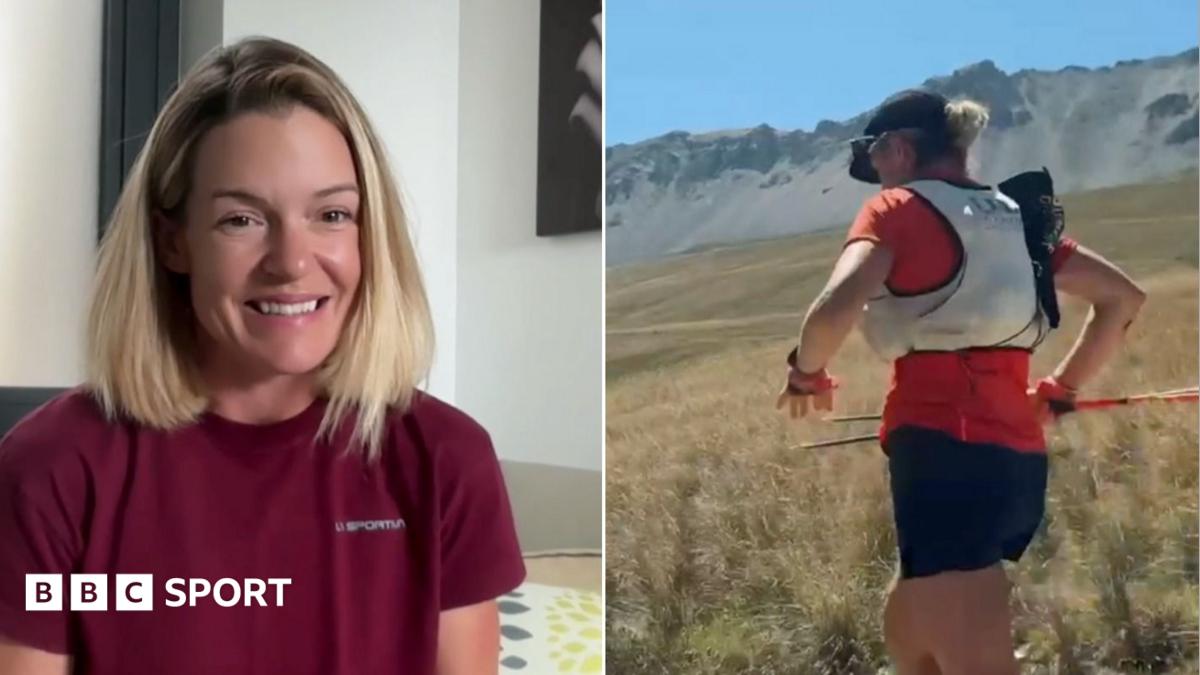
    2,000km, eight countries, 29 days – the fastest runner to cross the Alps

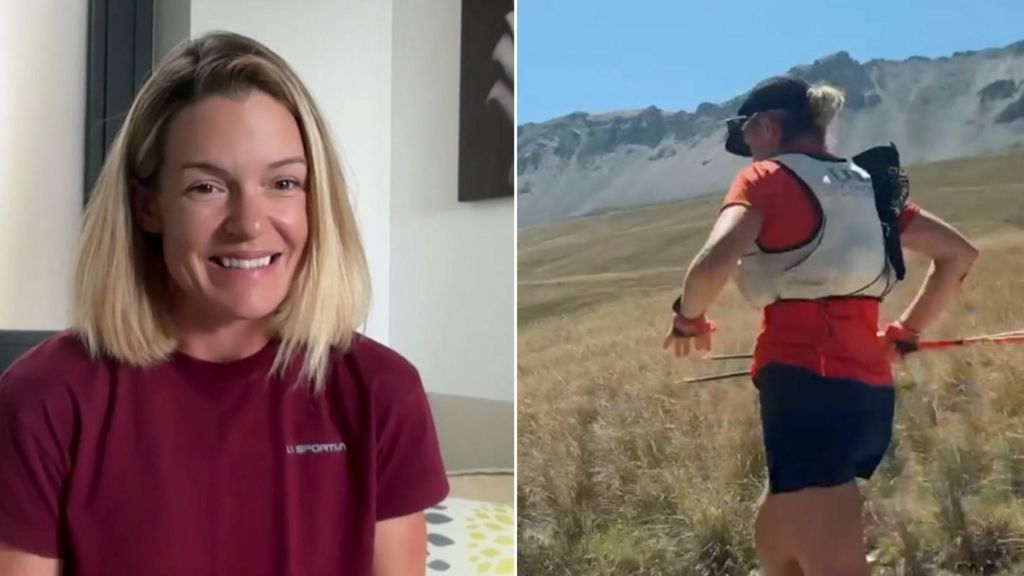
    One of the world’s most punishing endurance challenges has a new record holder: New Zealand ultra-runner Sophie Woods has conquered the 2,000-kilometer Via Alpina route across eight European countries in just 29 days, cutting six full days off the previous fastest mark set earlier this year.

    The iconic trail stretches the entire length of the Alps, starting in Italy and winding through Slovenia, Austria, Germany, Liechtenstein, Switzerland and France before reaching the finish line on Monaco’s Mediterranean coast. For context, the total elevation gain along the route equals climbing Mount Everest 12 times over. Only a small handful of runners have ever attempted the route under formal timing, given its extreme technical difficulty and physical demand.

    Woods launched her attempt on July 4, but from the start, her journey was beset by unforeseen challenges. This summer, a series of record-breaking heatwaves and extreme weather have swept across southern Europe, sparking widespread wildfires that have forced hundreds of thousands of evacuations across France, Spain and Portugal. On Italy’s hottest weekend, nearly all major cities were placed on the highest red heat alert. These conditions forced Woods and her support crew to detour around active fire zones, adding an extra 5 kilometers and 200 meters of dangerous, unplanned climbing to her already grueling route. On top of wildfires and extreme heat, the team also fought through severe storms, a biting horsefly swarm, and constant physical discomfort.

    The 42-year-old runner shared that the first two weeks of the attempt were brutal. “The first week was horrendous – everything was swollen, everything was sore. I was sure I was going to pull 15 million muscles,” she told BBC Sport in a post-run interview. By the third week, however, her body adapted, and she found a steady rhythm. “It was like I was eating mountains for breakfast,” she joked.

    To sustain 15 to 18 hours of nonstop running each day, Woods relied on a practical diet of McDonald’s meals, pasta, and energy gels, with constant support from her husband George, friend Zoe, and their dog Nila along the route. In the final push to the finish, she pushed through on just 90 minutes to two and a half hours of sleep per night to secure the sub-30 day completion she had targeted from the start.

    The previous record for the fastest Via Alpina crossing was set by British runner Jake Catterall, who finished the route in 35 days in 2024. Reflecting on her achievement after crossing the finish line Saturday night, Woods said she was both overjoyed and completely exhausted. “I am ecstatic but knackered,” she said. “There were a few points where I felt like I don’t know how I’m going to get to the finish of this. I never wanted to stop but the enormity of the task was overwhelming at times.”

    Woods added that her grit for long, punishing mountain efforts is what set her apart, even if she is not the fastest sprinter on the ultra circuit. “I might not be the fastest person out there but I know how to do big, long days in the mountains and just keep moving when everything hurts,” she said.

    Woods’ record-breaking run caps a standout year for women in ultra-running, coming just months after Rachel Entrekin set a new course record at the grueling Cocodona 250 race back in May. For Woods personally, the challenge came after a difficult multi-year fertility journey that included IVF treatment. She explained that after that experience, she wanted to push her boundaries and build a life that felt fully her own, setting her sights on the Via Alpina record from the moment she signed up for the attempt. “I didn’t want to be running for more than 30 days – 30 days is enough,” she said. “I knew that I was strong and capable. But this has taken it over and beyond that.”

    She summed up the core of ultra-endurance running as equal parts preparation and mental toughness: “Ultra-running is about preparation, mental strength and being able to continue to persevere when things go wrong. I think women are really good at adapting and continuing.”

    Now that she has secured her place in endurance running history, Woods says she is ready for a much-deserved break. “I intend to spend quite a lot of time on the couch and watch Netflix – and eat some vegetables,” she joked.

  • Runner on smashing Alps ultramarathon record by 6 days

    Runner on smashing Alps ultramarathon record by 6 days

    In an extraordinary display of human endurance and mental fortitude, British ultra-runner Sophie Woods has etched her name into the history books of long-distance trail running by obliterating the existing record for the iconic Via Alpina ultramarathon by a staggering six days.

    Stretching across more than 2,600 kilometers through the heart of the European Alps, the route cuts through eight different countries, presenting runners with some of the most punishing and unpredictable terrain on the planet. Over the course of her journey, Woods faced a relentless barrage of extreme weather challenges that would have stopped most athletes in their tracks. Severe storm systems rolled through mountain passes, bringing lashing rain, high winds, and reduced visibility that turned narrow alpine trails into dangerous slippery tracks. When the skies cleared, she was forced to confront sweltering heat that pushed temperatures as high as 37 degrees Celsius, testing her body’s ability to regulate temperature and maintain hydration over thousands of meters of elevation gain.

    Beyond temperature extremes, Woods also had to navigate rapidly changing environmental hazards, dodging widespread flood zones in low-lying valleys and shifting wildfire smoke and burn areas that emerged across parts of the alpine region during her run. The multi-country route exposed her to a wide range of trail conditions and regional climate variations, requiring constant adaptability and quick decision-making to stay on course and safe.

    Her achievement has sent shockwaves through the global ultra-running community, where the Via Alpina record is widely regarded as one of the most challenging markers of elite long-distance performance. The six-day margin of improvement over the previous record is far larger than most experts predicted possible, highlighting both Woods’ exceptional preparation and her extraordinary resilience in the face of unforeseen challenges.

  • Oshoala revives Nigeria’s Wafcon and World Cup bid

    Oshoala revives Nigeria’s Wafcon and World Cup bid

    The 2026 Women’s Africa Cup of Nations (WAFCON) in Morocco delivered a tense, pivotal Group C clash on Saturday, as defending champions Nigeria pulled off a hard-fought 1-0 victory over Zambia to reignite their campaign to qualify for the 2027 FIFA Women’s World Cup. This edition of continental women’s football’s premier tournament doubles as a World Cup qualification pathway: all four semi-finalists earn automatic spots in next year’s global competition in Brazil, while beaten quarter-finalists get a second chance via inter-confederation play-offs.

    Nigeria entered the match against Zambia, nicknamed the Copper Queens, on the brink of an unexpected early exit. A stunning 3-2 opening defeat to tournament debutants Malawi just four days prior left the Super Falcons facing elimination before they could hit their stride, putting immense pressure on the side to deliver a result.

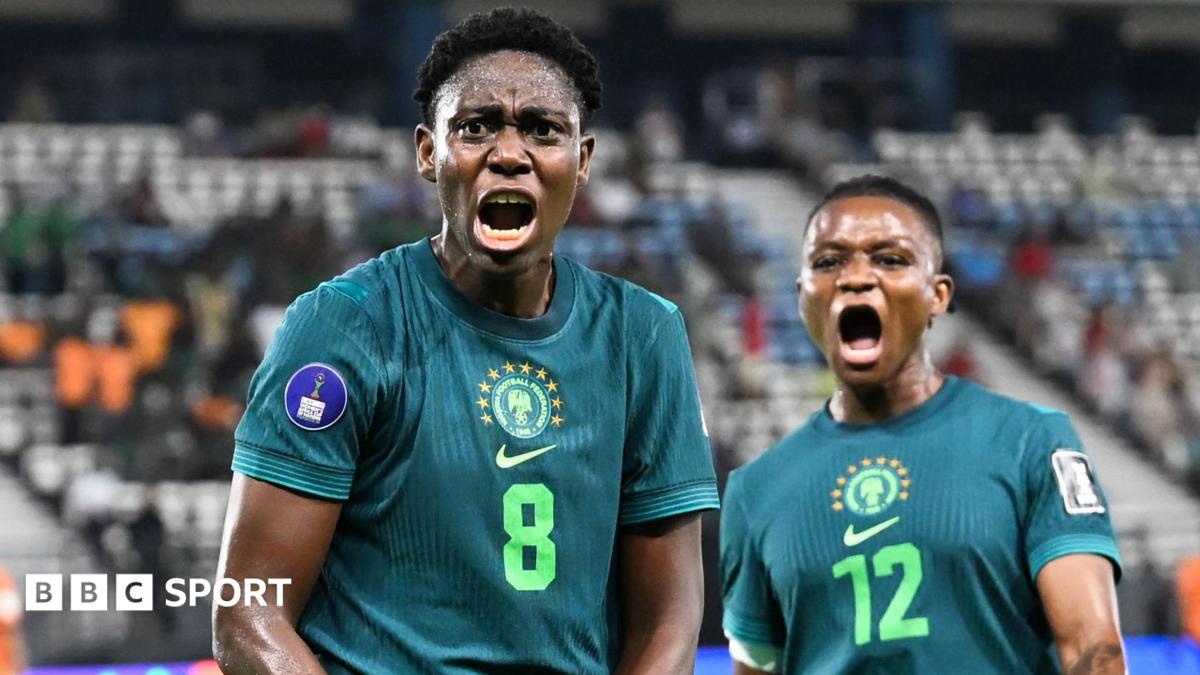
    The West African side got off to a dream start, with six-time African Women’s Player of the Year Asisat Oshoala breaking the deadlock in just the eighth minute. After Zambia goalkeeper Hazel Nali saved Oshoala’s first shot on goal, the ball ricocheted off the former Liverpool, Arsenal and Barcelona forward’s right thigh and looped into the net, putting Nigeria ahead early.

    The game shifted dramatically five minutes before halftime at Rabat’s Al Medina Stadium, however, when Nigeria centre-back Oluwatosin Demehin was shown a red card following a Video Assistant Referee (VAR) review. Demehin had dragged down Zambia star striker Barbra Banda, and referee Josphine Wanjiku upgraded her initial yellow card to a red after ruling Demehin was the last defender between Banda and the goal. Replays cast doubt on the call, showing Nigeria teammate Rofiat Imuran appeared to be in a covering position behind Demehin.

    Down to 10 players for the entire second half, Nigeria withstood wave after wave of Zambia pressure, but the Copper Queens failed to convert their numerical advantage into an equalizer. Zambia’s best chance came in stoppage time, when Grace Chanda fired a volley over the crossbar from close range, letting Nigeria off the hook. Earlier in the half, a long-range free kick from Racheal Kundananji was pushed around the post by Nigeria goalkeeper Chiamaka Nnadozie to keep the clean sheet intact. Banda, once the most expensive female player in African football, was largely held in check by the depleted Super Falcons defense after halftime.

    For Nigeria, a side that has qualified for every edition of the Women’s World Cup in history – reaching the quarter-finals in 1999 and the round of 16 at the past two tournaments – Oshoala once again proved to be their match-winner when it mattered most.

    Following the result, Nigeria and Zambia both sit level on three points in Group C, trailing surprise early leaders Malawi, who notched a second consecutive win with a 3-1 defeat of Egypt earlier on Saturday to hold a maximum six points from two matches. The final round of group stage matches will take place next Wednesday, with Nigeria facing Egypt and Zambia taking on Malawi to decide which sides advance.

    In other WAFCON 2026 action, host nation Morocco has already secured its place in the quarter-finals with one group match remaining. But 2022 tournament champions South Africa are in serious danger of missing out on World Cup qualification, having picked up just one point from their opening two Group B matches. The two-time World Cup participants must beat Burkina Faso in their final group match on Tuesday, and hope Ivory Coast defeats Tanzania to advance.

  • Brentford sign Sangare for club record fee

    Brentford sign Sangare for club record fee

    English Premier League side Brentford has officially announced the acquisition of highly-rated Malian central midfielder Mamadou Sangare from French club Lens, in a deal that breaks the club’s previous transfer record. The 24-year-old rising star has put pen to paper on a five-year contract with the west London club, which includes an optional 12-month extension that could extend his stay until 2031.

    Brentford has not publicly disclosed the exact transfer fee, but confirmed that the sum paid for Sangare exceeds the previous club record of £42.5 million spent to sign Dango Ouattara from Bournemouth in the summer of 2024.

    Speaking after the transfer was finalized, Brentford interim head coach Keith Andrews explained that the club had scouted Sangare for an extended period, and had prioritized adding him to the squad ahead of the new season. “Mamadou has been on our radar for quite some time, and he was a player we were really eager to bring to this club,” Andrews said.

    After a series of loan spells that allowed him to develop his game and build consistency, Sangare delivered a breakthrough 2024-2025 campaign with Lens. He was a key contributor to the French side’s outstanding season, which saw them finish second in Ligue 1 and lift the Coupe de France for the first time in the club’s 120-plus year history. Across all competitions, the midfielder made 33 appearances for Lens during his single season with the club after moving there from Austria’s Rapid Vienna.

    Beyond his club form, Sangare has also emerged as a core player for the Mali men’s national team. He has earned 16 senior caps for his country to date, and started all of Mali’s matches at the 2025 Africa Cup of Nations, where his defensive work rate and distribution drew widespread praise from football analysts across the continent.

    Sangare’s journey to the Premier League began in the youth system of Austrian powerhouse Red Bull Salzburg, where he first caught the attention of European scouts after rising through the club’s development ranks. He gained early first-team experience through multiple loan spells, and a standout stint at Austrian side Hartberg earned him a permanent move to Rapid Vienna in 2023, which set up his transfer to Lens one year later.

    Andrews noted that Sangare’s attitude and ambition aligned perfectly with Brentford’s squad culture, adding: “From all the conversations we’ve had with him, it’s clear he is extremely motivated to succeed here at Brentford. He’s a humble, hard-working young man, but he has the hunger and determination to build something special in his career. He checks every box we look for in a Brentford player, both on the pitch and in the dressing room. I have no doubt he will quickly become a fan favourite among our supporters.”

  • Lorena Wiebes wins opening stage of Women’s Tour de France

    Lorena Wiebes wins opening stage of Women’s Tour de France

    The fifth edition of the prestigious Women’s Tour de France kicked off in dramatic fashion on Saturday, with Dutch cycling star Lorena Wiebes of the SD Worx-Protime squad claiming the opening stage win on the roads surrounding Switzerland’s Lausanne.

    The opening 137-kilometer route, which started and finished in the heart of Lausanne, treated spectators and competitors alike to stunning Alpine scenery, with the peloton winding past two glacial lakes set against the backdrop of the snow-dusted Swiss Alps. By the final sprint to the line, Wiebes outmatched the field to take the first yellow jersey of this year’s race, with Luxembourg’s Kim Le Court crossing just behind in second place.

    Third place went to pre-race favorite Demi Vollering, who has already notched multiple major victories this season, including an overall win at the women’s Giro d’Italia. Vollering’s late attack forced Wiebes to make a tough chase, setting up one of the most dramatic opening stage sprints in recent race history.

    In a post-race interview, an elated Wiebes shared her surprise at the result: “I can’t believe it. The entire SD Worx-Protime team worked incredibly hard to put me in this position. When Demi attacked, I immediately knew I had to stick with her. That sprint felt like it went on forever, but I’m so proud we pulled this off.”

    Notable finishers in the opening stage include last year’s overall winner, French rider Pauline Ferrand-Prévôt, who crossed the line in eighth place, while Vuelta champion Paula Blasi claimed 12th position overall.

    Over the next eight days, riders will compete across a total 1,175-kilometer route that travels from Switzerland into southern France. The race’s most challenging test comes on Friday, when competitors will tackle the iconic climb of Mont Ventoux, before the overall winner is crowned in Nice on the French Riviera on the final Sunday. The opening of the women’s race comes one week after Slovenian cycling great Tadej Pogačar secured his fifth overall title at the men’s Tour de France, wrapping up the men’s competition last weekend.

  • UEFA target Infantino after FIFA shelve World Cup private investment plan

    UEFA target Infantino after FIFA shelve World Cup private investment plan

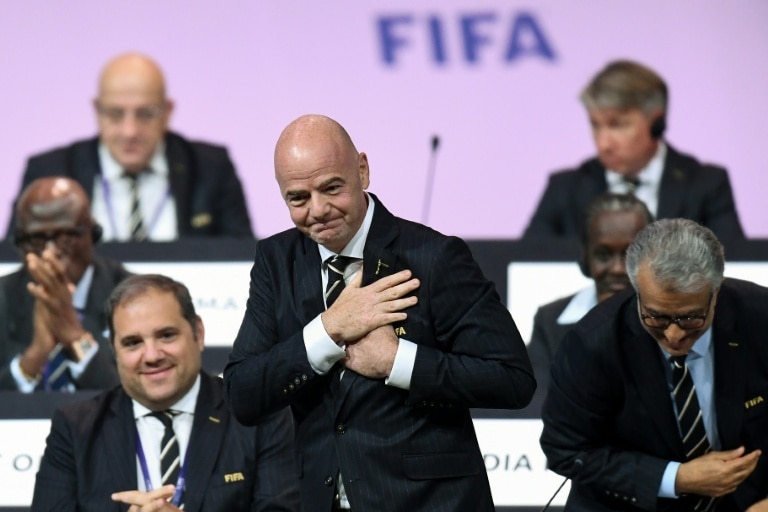
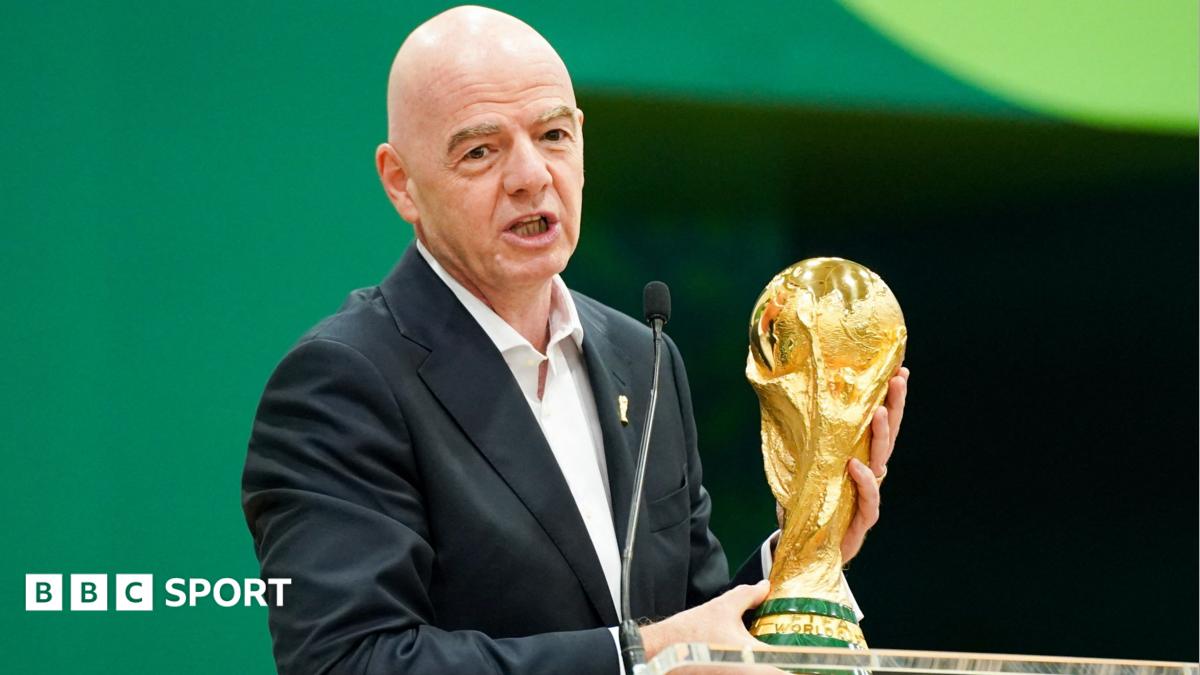
    Gianni Infantino, the embattled president of global football governing body FIFA, has failed to defuse rising tensions over his leadership despite announcing the withdrawal of a deeply divisive plan to bring private investment into World Cup operations on Saturday. The controversial proposal, which sparked widespread backlash across international football’s governing bodies, was first unveiled to stakeholders earlier that week, and the decision to scrap it marks a humiliating reversal for the FIFA leader just 12 months before he was expected to cruise to an unopposed final third term.

    FIFA’s original initiative would have established a new commercial subsidiary, FIFA Forward Enterprise (FFE), to manage flagship competitions including the men’s World Cup and Club World Cup. The governing body framed the plan as a transformative funding play, projecting that a private investment stake could unlock as much as $4.2 billion in new capital based on a $20 billion valuation of the new entity. If approved, the windfall would have delivered a one-off $20 million payment to each of FIFA’s 211 member associations by early 2027, and nearly tripled core funding allocations for the 2027-2030 cycle from $8 million to $20 million per member.

    But the proposal drew immediate and fierce pushback from European football’s governing body UEFA, which had threatened to boycott all FIFA competitions if the plan moved forward. Even after Infantino backed down, UEFA doubled down on its criticism, issuing a blistering statement that the 56-year-old Swiss executive had lost the confidence of UEFA and a wide swath of the global football family over what it called a “shabby, back room, opaque deal.”

    The rebuke comes less than two weeks after Infantino celebrated the widely praised 2026 World Cup, the first edition of the tournament expanded to 48 teams and co-hosted by the United States, Canada and Mexico. UEFA argued that Infantino has broken core commitments he made when he was first elected FIFA president in 2016: to run the organization with full transparency, and to uphold the principle that FIFA’s financial assets belong to its member associations, not the sitting president.

    “On both these promises, he has failed to deliver,” UEFA said in its statement. “The shabby, back room, opaque deal he hatched and tried to force through were anything but transparent. And with reserves standing at over $5bn, he has also failed to use associations’ money for the benefit of the game.”

    Other continental confederations echoed the criticism, albeit in more measured terms. The Asian Football Confederation (AFC), which represents 47 member nations across Asia and Oceania, said any major change affecting global football must be “presented and discussed with the Confederations, the FIFA Council, Member Associations and other stakeholders in a timely, transparent and meaningful manner.” The confederation of North American, Central American and Caribbean football (CONCACAF) — which counts the 2026 World Cup co-hosts the U.S., Canada and Mexico among its members — also joined the condemnation of the original plan.

    UEFA’s sharp opening salvo was followed by equally blunt statements from two of Europe’s most powerful national football associations. England’s Football Association called for “a full and robust review of FIFA’s leadership and governance to ensure that the global game is run transparently.” The German Football Association (DFB) pushed for sweeping cultural reform at FIFA’s highest levels. “Together with UEFA and other confederations, we must ensure that a fundamentally different culture takes hold at FIFA — a culture where, above all, decisions are once again discussed and made by members within the governing bodies,” the DFB said.

    In his official statement announcing the plan’s cancellation, Infantino framed the proposal as a well-intentioned effort to deliver greater resources to member associations, noting that it was never intended to proceed without majority support from stakeholders. “Having listened carefully to all the views, it has become clear that the project has created divisions of a nature that, regardless of the level of support, are no longer in the interest of the objective set out in the first place,” he said.

    The beleaguered FIFA president added that he would now prioritize repairing rifts within the global football community and continuing efforts to grow the sport worldwide. “Moving forward, my intent is to bring all interested parties back together in the coming days and weeks in the spirit of shared interest in our game, and with the objective to continue growing football everywhere, particularly in those countries that mostly need our support,” he said.

  • Infantino has lost UEFA’s ‘confidence’ despite withdrawal of ‘shabby deal’

    Infantino has lost UEFA’s ‘confidence’ despite withdrawal of ‘shabby deal’

    The long-simmering tensions between global football’s two most powerful governing bodies have erupted into open confrontation after UEFA formally declared that FIFA President Gianni Infantino has lost the confidence of European football and a large swathe of the wider global football community. The break in trust follows the high-profile collapse of a controversial plan to allow private investment in FIFA’s flagship events, including the men’s World Cup and Club World Cup, which was scrapped only after widespread international backlash from confederations across the globe.

    Infantino’s proposal, which had been drafted behind closed doors, centered on the creation of a new commercial subsidiary called FIFA Forward Enterprise (FFE). Valued at an estimated $20 billion, the subsidiary was projected to raise up to $4.2 billion in private capital, with FIFA promising a $20 million one-time payout to each of its 211 member associations by early 2027, alongside increasing core funding for the 2027–2030 cycle from $8 million to $20 million per member. But the plan faced immediate and fierce opposition from UEFA, which derided the proposal as a “shabby, back room, opaque deal” and threatened a full boycott of all FIFA competitions if Infantino attempted to force the proposal through. Facing overwhelming opposition, Infantino and FIFA were forced to withdraw the plan entirely.

    In a hard-hitting official statement released after the withdrawal, UEFA made clear that the damage to trust could not be undone by the plan’s cancellation. The European governing body noted that the controversy comes just weeks after FIFA and Infantino celebrated what was widely deemed a successful expanded 48-team World Cup hosted across three North American countries, a high that has now been completely overshadowed by the private investment fiasco.

    UEFA’s statement argued that the 56-year-old Swiss Football administrator has broken core promises he made when he was first elected FIFA president in 2016. At the time of his initial election, Infantino pledged to bring full transparency to FIFA’s governance and emphasized that all FIFA funds belonged to its member associations, not to the FIFA president personally. “On both these promises, he has failed to deliver,” UEFA said. “The shabby, back room, opaque deal he hatched and tried to force through were anything but transparent. And with reserves standing at over $5 billion, he has also failed to use associations’ money for the benefit of the game.”

    The governing body added that secret, fast-tracked policy proposals have no place in global football governance, and it is time for a full reckoning to prevent similar oversteps from occurring in the future. “We cannot keep going on like this with secret schemes on fast track timescales,” the statement read. “In the coming days and weeks, UEFA will work with its member associations and in close cooperation with other confederations to reflect on how this happened and devise a plan to make sure that it cannot occur again. That review should be thorough and fundamental. No option should be off the table.”

    The collapse of the plan and the public loss of confidence marks a major turning point for Infantino, who was widely expected to win re-election unopposed for a third and final term as FIFA president next year. Political analysts of global football now expect the public rebuke could clear a path for a challenger to emerge and contest the election. This confrontation is the latest escalation of long-running tensions between UEFA and FIFA: UEFA president Aleksander Ceferin already boycotted the 2026 World Cup final in protest of FIFA’s policies earlier this year.

    While UEFA framed the withdrawal of the controversial proposal as a victory for the integrity of global football, the organization stressed that the fight to repair governance at FIFA is only just beginning. “This is a victory for the whole game. But it must not be the end of the story,” the statement concluded. “The proposal has gone. The task of rebuilding trust in FIFA has only just begun.”

  • Uefa has ‘lost confidence’ in Infantino’s Fifa leadership

    Uefa has ‘lost confidence’ in Infantino’s Fifa leadership

    The rift at the top of global football has deepened dramatically after European football’s governing body Uefa announced it has lost all confidence in Fifa president Gianni Infantino, in the wake of the abrupt scrapping of a controversial private investment plan for the body’s top competitions.

    Infantino, who has held the role of Fifa president since February 2016 and is currently seeking a fourth term in office ahead of the Fifa Congress scheduled for next March, confirmed on Saturday that the governing body would no longer move forward with the proposal to sell minority stakes in a new commercial subsidiary that would manage Fifa’s flagship tournaments including the men’s World Cup. The plan, which was first leaked to media earlier the same week, would have created Fifa Forward Enterprise (FFE), allowing external private investors to acquire non-controlling shares in the entity.

    Behind the proposal, developed with analysis from investment bank JP Morgan, was the argument that the World Cup – the world’s most widely viewed global sporting event – was currently under-monetized by Fifa. The plan projected that expanded tournaments would deliver an increased payout of up to €24 million (£20.5 million) per member association by the 2035-2039 cycle. Critics quickly pointed out that the proposal made no mention of investment or development for the women’s game, and the lead investor group was set to be led by Thrive Eternal, an American venture capital firm founded by Joshua Kushner, brother of former US President Donald Trump’s son-in-law Jared Kushner. The New York Post, which first broke the news of the plan’s withdrawal, reported that the entire ordeal had become a “brand nightmare” for Kushner.

    Opposition to the proposal spread rapidly across global football confederations within days. Uefa held a vote on Thursday, announcing it would boycott all future World Cups if the plan moved forward, stating that the World Cup “cannot be treated as an investment product”. Concacaf, the governing body for North, Central American and Caribbean football which hosted the 2024 men’s World Cup this summer, confirmed its members rejected the plan, with anonymous sources adding that the vast majority of regional associations had already lost confidence in Infantino. The Asian Football Confederation also joined the opposition, voicing solidarity with Uefa and Concacaf.

    Internal opposition also grew inside Fifa itself. Chief operating officer Kevin Lamour admitted that the governing body’s own administration had been “deceived” about the project. Carlos Cordeiro, Infantino’s senior adviser on global strategy and governance, resigned in protest, calling the proposal “a bad deal for football” that would “mortgage football’s future”.

    Shortly after Fifa confirmed the plan’s withdrawal, Uefa released a scathing, lengthy statement that marked one of the most severe public attacks ever launched against a sitting Fifa president. While the body welcomed the scrapping of the plan as “a victory for the whole game”, it went on to withdraw its confidence from Infantino’s entire leadership, noting that the move reflected the views of many other members of the global football family beyond Europe.

    Uefa directly called out Infantino for breaking 2016 campaign promises he made when first running for Fifa president, when he pledged that Fifa would operate with full transparency, and that Fifa’s funds belonged to member associations and must only be used for the development of global football. “On both these promises, he has failed to deliver. The shabby, back room, opaque deal he hatched and tried to force through were anything but transparent,” the statement read.

    The European body added that it would not tolerate “secret schemes of fast-track timescales cooked up by faceless individuals and of dubious benefit to the game”, calling for all individuals responsible for the proposal to be identified and held accountable. Uefa also announced it would work with member associations and other confederations to implement new safeguards to prevent similar attempted deals from moving forward in the future, and will propose reforms to Fifa’s existing Forward resource distribution programme to unlock idle funds held in Fifa’s bank accounts for grassroots football development. “We don’t need to sell off the family silver to pay for it,” the statement noted. “This is a victory for the whole game. But it must not be the end of the story. The proposal has gone. The task of rebuilding trust in Fifa has only just begun.”

    Chief football reporter Simon Stone notes that any hope Infantino held of limiting reputational damage from the failed plan has been entirely destroyed by Uefa’s open attack. While the Asian Football Confederation framed its criticism in more diplomatic terms, Uefa’s rebuke was unvarnished and harsh, using language like “shabby” and “opaque” to condemn the process. As of Monday morning, Fifa and Infantino have not issued any public response to Uefa’s statement. With the 2026 presidential election just months away, Infantino is now facing unprecedented pressure, with no visible public support rising to counter the widespread opposition across the sport’s leading governing bodies.