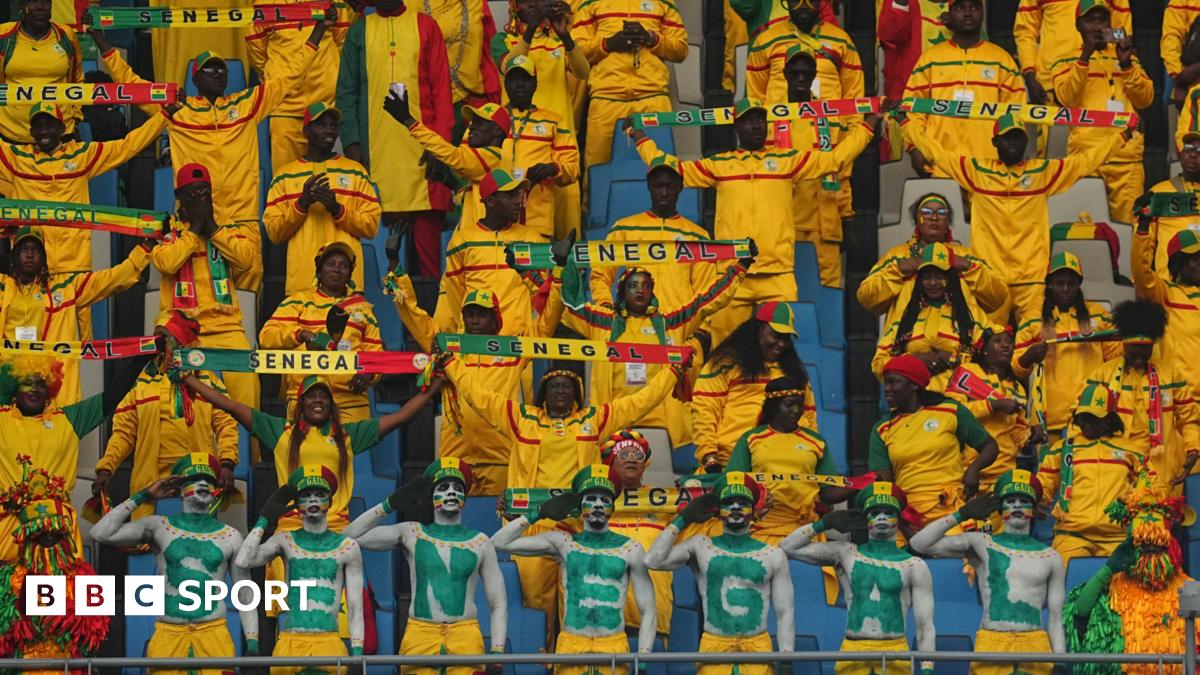
As the 2026 FIFA World Cup prepares to welcome a historic 10 African national teams to the tri-nation tournament co-hosted by the United States, Canada and Mexico, a last-minute policy adjustment from the Trump administration has offered only limited relief to traveling supporters, leaving a host of costly and bureaucratic barriers still in place for fans from the continent.
In a confirmation issued late Wednesday, the White House announced it would waive the mandatory visa bond requirement for ticket-holding fans from five African countries – Algeria, Cape Verde, Ivory Coast, Senegal and Tunisia – that were included in a broader 2025 immigration rule. The policy, which imposes bonds ranging from $5,000 to $15,000 on visitors from 50 nations, was crafted to curb visa overstays as part of the administration’s wider immigration crackdown. For fans who meet the exemption criteria, the change eliminates a potential $15,000 financial burden ahead of their trip.
“We are waiving visa bonds for qualified fans who bought World Cup tickets,” U.S. Assistant Secretary of State for Consular Affairs Mora Namdar confirmed in a statement shared with BBC Sport Africa. However, the exemption comes with a critical caveat: only supporters who registered their valid match tickets through FIFA’s online FIFA Pass system by the 15 April cutoff date qualify for the waived bond. The FIFA Pass system, launched last November, was originally designed to help ticket holders secure expedited visa appointment processing.
FIFA welcomed the policy shift in an official statement, framing it as proof of the governing body’s productive collaboration with the Trump administration “to deliver a successful, record-breaking and unforgettable global event.” But for thousands of African fans hoping to attend the tournament, the announcement has come too late to remove obstacles to their travel.
It remains unclear whether fans from the five affected countries who purchase last-minute match tickets after the registration deadline will still be required to pay the full visa bond. Worse, persistent travel restrictions remain in place for supporters from Ivory Coast and Senegal under the administration’s ongoing entry ban: any fan from these two nations who did not secure a valid U.S. visitor visa before December 2025 will be automatically barred from entering the country for the tournament.
The partial exemption also does nothing to resolve widespread visa challenges for fans from other African qualified nations. BBC Sport Africa has confirmed that multiple Ghanaian supporters, whose team will play group stage matches in Boston and Philadelphia, have already been denied U.S. entry visas, despite not being subject to the visa bond requirement.
Beyond visa hurdles, African fans face a cascade of additional financial and logistical challenges that put in-person attendance out of reach for many. The 2026 tournament is spread across three North American countries, requiring most fans to cross multiple international borders just to attend their team’s group stage matches. Only Algeria, Cape Verde and Morocco will play all their group stage games exclusively on U.S. soil. Egypt, Ghana, Ivory Coast and Senegal all have group stage fixtures in Canada, requiring additional Canadian entry visas, while DR Congo, South Africa and Tunisia will play at least one match in Mexico, bringing another set of entry requirements.
Ticket costs have also reached prohibitive levels for most casual supporters from the continent. As of mid-January, the only tickets available under $1,170 for any of the first 10 matches featuring African teams were $600 seats for Egypt’s group stage fixture against Belgium, listed on FIFA’s official ticketing portal. Remaining tickets for the tournament’s opening match between Mexico and South Africa are listed for $3,840 apiece on the primary market, while FIFA’s official resale platform has seen even more extreme inflation: two category three upper-tier seats for the Mexico City opener are being resold for a staggering $34,500 per ticket.
On top of steep ticket prices, transcontinental flights, cross-border transit and accommodation across North America carry far higher price tags than most African fans can afford. Adding another layer of uncertainty, the U.S. government late last year expanded entry requirements to demand five years of social media history from most tourists applying for visitor visas, a policy change that rights groups warn opens the door to racial profiling, arbitrary entry denials, heightened surveillance and increased risk of arrest for traveling supporters.
With 78 of the tournament’s 104 total matches set to be held on U.S. soil, the Trump administration’s partial climb-down on visa bonds marks a small win for African fans, but it does little to address the sweeping barriers that will keep most supporters from the continent from cheering on their nations in person this summer.