分类: sports

  • World Cup transport prices cut after fan backlash

    World Cup transport prices cut after fan backlash

    As the 2026 FIFA World Cup approaches, widespread public outcry from football fans has forced officials to roll back exorbitant public transport prices for matches at the New York/New Jersey-hosted venue, one of the tournament’s most high-profile match sites. The venue, commercially known as MetLife Stadium, will operate under the neutral name New York/New Jersey Stadium for the duration of the World Cup per FIFA’s rules banning corporate sponsored venue names during the event. It is set to host eight matches, including the tournament final and a Group C fixture for the England men’s national team.

    Before the price adjustment, a single round-trip train ticket from Manhattan’s Penn Station to the stadium, located roughly 18 miles outside midtown, was set at $150 — a staggering markup from the standard off-event return fare of just $12.90. Shuttle bus fares were originally priced at $80 per passenger. Following sustained criticism from fan groups and elected officials, train prices have been reduced to $98, while shuttle bus fares have dropped 75% to $20.

    Thomas Concannon, head of the Football Supporters’ Association, an England-based fan advocacy group, had earlier slammed the original pricing as “astronomical” and far outside standard event pricing norms, warning that the exorbitant costs would have a “chilling effect” on fan attendance. New Jersey Governor Mikie Sherrill had also publicly criticized FIFA for declining to subsidize match-day transport, stressing that local taxpayers should not be forced to cover the cost of the tournament’s travel expenses.

    The issue carries extra weight because the 2018 host agreement signed by the United States originally committed to providing free fan transport for World Cup attendees, a perk that was extended to fans at the 2018 Russia World Cup and 2022 Qatar World Cup. A 2023 revision to the agreement adjusted the commitment to only require transport offered at cost, rather than fully free.

    In a social media statement released Tuesday, Governor Sherrill confirmed that commercial sponsorship funding allowed for the ticket price cut without drawing from New Jersey taxpayer funds. “Good news: Ahead of NJ Transit World Cup train tickets going on sale, NJ Transit is lowering ticket prices to $98 without New Jersey taxpayer money,” she wrote, adding gratitude to private sector partners who made the adjustment possible.

    New York Governor Kathy Hochul echoed the announcement of the bus fare reduction, noting that getting to World Cup matches should be as accessible as possible for all attendees. She also added that 20% of match tickets will be reserved exclusively for New York residents in recognition of the region’s role as tournament hosts.

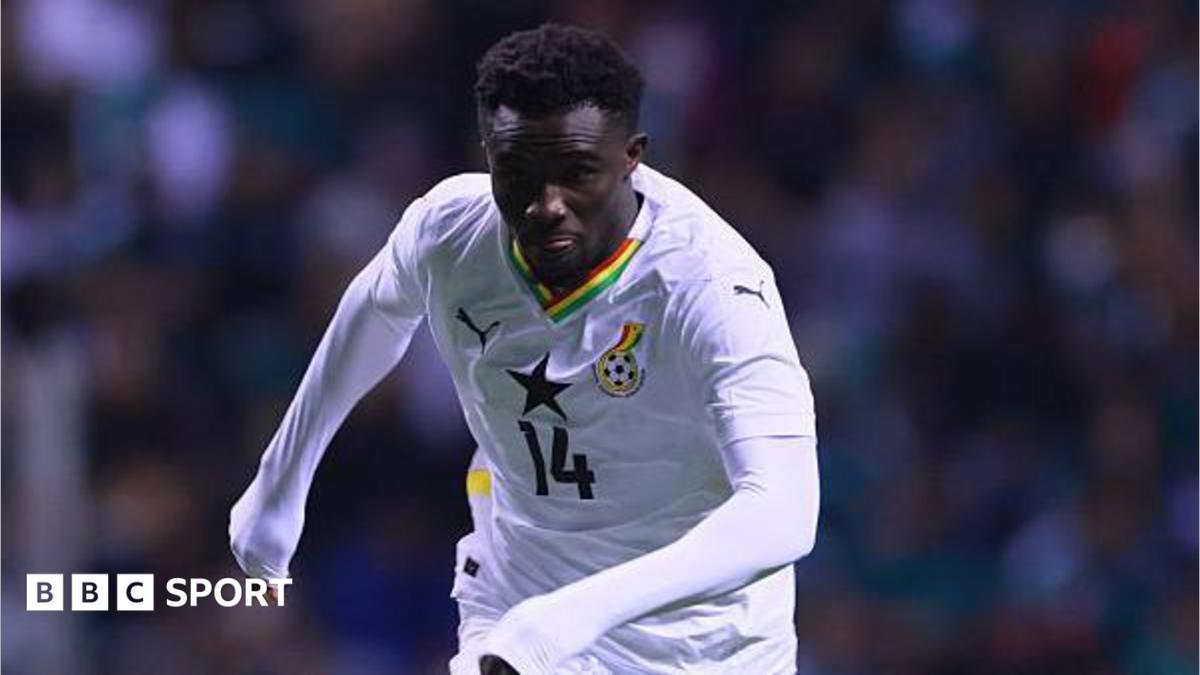
    While the price cut in New Jersey marks a win for fans, other host locations are still facing dramatic transport price markups. In Foxborough, Massachusetts, which will host matches for both England and Scotland, round-trip train fares from Boston’s South Station to the venue have jumped more than 300% from the standard $20 fare to $80 for the tournament. England will face Ghana in Foxborough on June 23 before moving to New York/New Jersey Stadium for a June 27 match against Panama, while Scotland will play two group stage fixtures in Foxborough against Haiti and Morocco.

    Not all host cities have imposed inflated pricing, however: Kansas City will charge just $15 for round-trip shuttle bus service to its match venue, while Philadelphia will retain its standard $2.90 public transport fare for the duration of the tournament.

    FIFA has previously pushed back against criticism, claiming there is no precedent for restricting transport price increases during major events held at MetLife Stadium.

  • Cristiano Ronaldo enters sixth World Cup looking to show he can still thrive despite Saudi move

    Cristiano Ronaldo enters sixth World Cup looking to show he can still thrive despite Saudi move

    MADRID — When Cristiano Ronaldo shocked global football by leaving Europe for a high-profile move to Saudi Arabia’s Al Nassr in late 2022, the decision was met with widespread skepticism. Critics argued that a drop in competition level would erode the 41-year-old’s form, leaving him ill-prepared for what he confirms will be his sixth and final appearance at the FIFA World Cup — his first World Cup campaign after relocating to the Middle East. Now, three years into his time in the Saudi Pro League, Ronaldo and his camp have put those doubts to rest, with consistent goalscoring form for both club and country proving his enduring quality.

  • ‘Don’t understand it, but it looks fun’: cricket bowls Japan over

    ‘Don’t understand it, but it looks fun’: cricket bowls Japan over

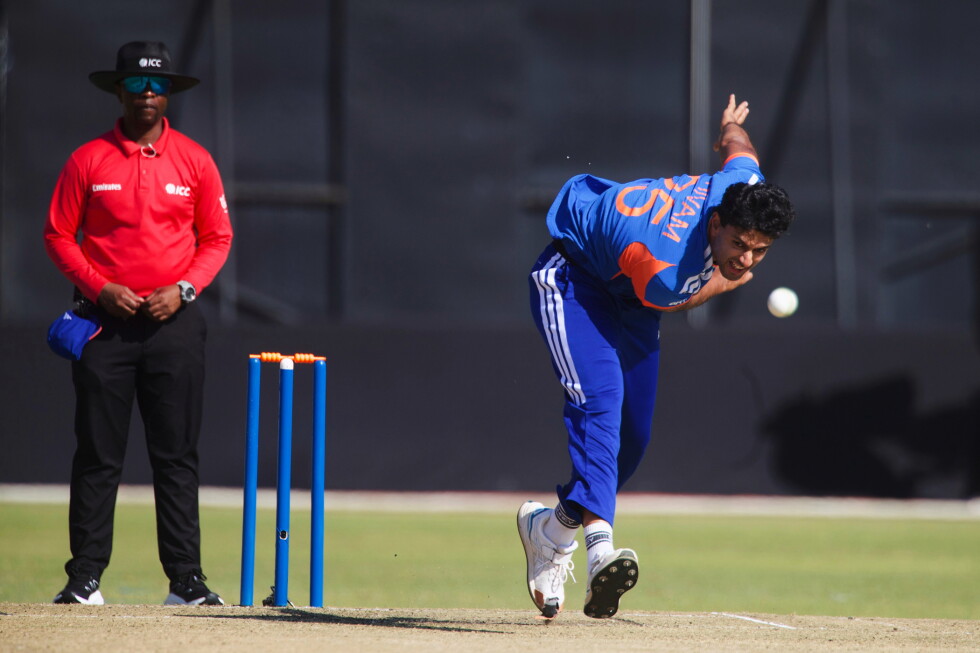
    Four months before the Asian Games kick off in Nagoya, a quiet but energetic buzz is growing around a converted baseball field turned brand-new cricket ground, where a sport largely unfamiliar to most Japanese is starting to win over casual spectators.

    When the continental multi-sport event runs from September 19 to October 4, most competitions on the program will feel familiar to Japanese sports fans. Cricket, however, remains a complete mystery to the majority of the population – but that has not stopped locals from leaning into curiosity and showing up to watch the action.

    Located 40 minutes by train from central Nagoya, Korogi Sports Park retains faint traces of its former life as a baseball diamond, with an old pitcher’s mound still sitting just beyond the playing boundary. Right now, the venue is cutting its teeth ahead of the Asian Games by hosting the first major international cricket event ever held at the site: the East Asia-Pacific qualifiers for the 2028 Men’s T20 World Cup. The tournament brings together eight emerging cricket nations alongside host Japan: Vanuatu, Fiji, Samoa, Indonesia, the Philippines, Papua New Guinea, the Cook Islands and South Korea.

    For many local attendees, the match is their first ever live experience with the sport. Yuya Okimasu, a 34-year-old local resident who brought his wife and two children to watch Japan face off against Vanuatu, said his family only first encountered cricket through his daughter’s favorite Australian children’s cartoon *Bluey*. “I’m looking at the rules as I’m watching the game because I don’t understand it, but it looks fun,” Okimasu told reporters, echoing the sentiment of many first-time spectators.

    On a windy opening weekend, roughly 300 fans turned out for Japan’s first qualifying match. Most relaxed on deck chairs, listening to a commentator walk through the basic rules of play to help new fans follow along. Temporary stands will be installed before the Asian Games to boost capacity to around 2,000 spectators. While top-ranked international teams are accustomed to far larger, more lavish venues, the quality of the venue’s playing pitch is not expected to disappoint.

    The pitch is overseen by Asitha Wijayasinghe, the same curator who manages the playing surface at Sri Lanka’s 35,000-seat Pallekele International Cricket Stadium. Adam Birss, operations manager for the Asian Games at Korogi Sports Park, noted the pitch is expected to play with extra bounce, even with the approach of Japan’s annual September typhoon season. “I would say that it should act like the pitches in Pakistan, which are bouncy but also take spin,” Birss explained. “It’s got a grippy surface, so if you put spin on the ball, it will spin off.”

    This new venue is a key piece of an ambitious long-term plan to grow cricket in Japan, a nation where baseball has long reigned as the dominant bat-and-ball sport. The International Cricket Council (ICC) has identified Japan as one of its global priority markets for expansion, and grassroots participation numbers have slowly climbed in recent years. The Japan Cricket Association (JCA) has already built a small but stable foothold for the sport in the Tokyo area.

    Cricket’s inclusion in the 2026 Nagoya Asian Games was only confirmed in April 2024, leaving organizers with just 15 months of preparation time. The JCA had previously pushed unsuccessfully to host matches in Sano, a city north of Tokyo that is already a domestic cricket hotbed. JCA CEO Naoki Alex Miyaji acknowledged that Nagoya remains “a huge vacuum area for cricket”, and he has raised concerns that the tight timeline leaves too little time to build widespread public interest ahead of the tournament. “Creating something here with the Asian Games is an ideal situation, but not when you’re talking with 15 months’ preparation,” Miyaji said.

    Long-term questions about the venue also remain unresolved. After the Asian Games conclude, the park will be shared between cricket and local baseball teams, and it is still unclear which governing body will take responsibility for maintaining the specialized cricket pitch. Even so, Miyaji says he holds out hope that the venue will become “one of the key ingredients of the growth of cricket in Japan”.

    Local leadership has already gotten behind the project, with Nagoya’s mayor emerging as an enthusiastic early supporter. That early public curiosity among attendees who turned out for the qualifying match suggests there is potential for broader interest. In the opening qualifier, the Japanese men’s team picked up a confidence-boosting 30-run win over Vanuatu, adding to the growing momentum.

    With just four months remaining until the Asian Games begin, Japanese players say they are ready to embrace the moment and help grow the sport they love. “The ground looks in incredible condition given that they only started building it a few months ago,” said Japan captain Kendel Kadowaki-Fleming. “Excitement is the overwhelming emotion that we’re feeling about it.”

  • Hosting World Cup evokes powerful memories for Mexico, and raises expectations

    Hosting World Cup evokes powerful memories for Mexico, and raises expectations

    As the 2026 FIFA World Cup co-host, Mexico steps into the global spotlight carrying a century of football heritage, even as it takes a supporting role to lead co-host the United States. While the tournament’s final will be held at a NFL venue in New Jersey, the opening match on June 11 will kick off at one of the most iconic grounds in world football: Mexico City’s refurbished Estadio Azteca, where the two greatest players in the history of the sport lifted football’s most coveted trophy.

    Pele’s Brazil and Diego Maradona’s Argentina both claimed World Cup crowns at Azteca, cementing the stadium’s place in football folklore. This 2026 tournament marks a historic milestone for Mexico, making it the first nation ever to host World Cup matches across three separate editions, after previous stagings in 1970 and 1986. Only 13 of the tournament’s 104 total matches will take place across Mexican venues, with five in Mexico City, four in Guadalajara, and four in Monterrey, but the nation’s deep connection to the game makes its role far more than symbolic.

    The 1970 World Cup, won by Pele’s unforgettable Brazil side, is still widely regarded as one of the greatest tournaments in football history. As the first World Cup held outside of Europe and South America, it broke new ground for the global game, introducing innovations that remain standard today: substitutes for injured players, the yellow and red card disciplinary system, the iconic Adidas Telstar match ball, and the first live color television broadcast that brought the drama of the tournament to living rooms across the world. “It was a World Cup of modernity, as football took its first tentative steps into a new era,” Andrew Downie wrote in *The Greatest Show on Earth*, his book chronicling the 1970 tournament. When Brazil dismantled Italy 4-1 in the Azteca final to claim the trophy, it was clear the tournament would forever be remembered as Pele’s. Former England captain Bobby Moore later reflected, “In the end it was almost as though the World Cup in Mexico had been staged for his benefit.”

    Sixteen years later, Mexico stepped in again at short notice after Colombia was forced to withdraw as host. The 1986 tournament expanded the field from 16 to 24 teams, and it became forever linked to Diego Maradona’s magical run. His controversial “Hand of God” goal and a breathtaking solo strike against England in the quarter-finals remain two of the most iconic moments in World Cup history, before Maradona led Argentina to a late 3-2 final victory over West Germany. Argentina star Jorge Valdano said of Maradona ahead of the final: “Really, he is extraordinary. Having Maradona is like having a miracle that repeats itself in every game.”

    To prepare for its 2026 role, the Azteca has undergone a major two-year renovation, reducing its seating capacity from more than 100,000 to 83,000 before reopening in late March. Mexico head coach Javier Aguirre, who represented El Tri at the 1986 World Cup and returned for a third stint as head coach in 2024, praised the revamped venue after a 0-0 friendly draw with Portugal marked its reopening: “It is beautiful. The pitch is exquisite.”

    Mexico’s national side, nicknamed El Tri, will open their Group stage campaign against South Africa at Azteca on June 11, before facing Czech Republic at the same venue and South Korea in Guadalajara. If Mexico tops its group, it will secure a Round of 32 tie at Azteca, with a potential Round of 16 match against England also possible at the iconic ground if they advance again.

    Hosting has brought challenges alongside celebration: ongoing concerns over gang violence have prompted the Mexican government to deploy 100,000 security personnel across venues throughout the tournament. But unlike co-hosts Canada and the United States, Mexico is a nation universally defined by its obsession with football. El Tri has a long-held record of performing best on home soil, reaching the quarter-finals in both of its previous host tournaments, after a disappointing group-stage exit at the 2022 Qatar World Cup. Led by Fulham striker Raul Jimenez, the current side is hungry to exceed expectations and draw on the energy of home crowds. Aguirre summed up the nation’s fighting spirit: “I played in a World Cup in Mexico so I know what it is like. People know I am going to give everything, and we will have a team which is a reflection of its coach – a team that will fight and leave its soul on the pitch.”

  • AFL 2026: Ken Hinkley delivers unclear stance on vacant Carlton coaching role

    AFL 2026: Ken Hinkley delivers unclear stance on vacant Carlton coaching role

    The race to fill Carlton Football Club’s vacant senior head coaching position is officially underway, with a mix of experienced and first-time candidates emerging as potential contenders for the role. The opening came earlier this week when incumbent coach Michael Voss stepped down from his post following the conclusion of the league’s ninth round, triggering immediate speculation around who will take over the Blues’ program.

    One of the most high-profile names linked to the vacancy is 59-year-old Ken Hinkley, the recently departed Port Adelaide senior coach who brings more than a decade of top-tier AFL head coaching experience to the table. When asked directly about his interest in taking over Carlton, Hinkley declined to give a definitive yes or no answer, saying he needs more context about the role and the club’s expectations before committing to any position.

    “I’m not prepared to go black or white on this,” Hinkley told sports broadcaster SEN, echoing his earlier remarks. “Any coach would jump at the chance to lead a club like Carlton, but there’s a lot more work to do before I could make a decision. You have to align with the views of the people in charge, understand the selection criteria, and make sure it’s the right fit for both sides.”

    Hinkley, who already has personal connections to Carlton through assistant coach Travis Boak and general manager Chris Davies, also shifted focus to another seasoned candidate: former Sydney Swans head coach John Longmire. Noting that most industry pundits expect Carlton to appoint a first-time head coach for a long-term rebuild, Hinkley argued that Longmire would be an exceptional fit to steady the club’s culture.

    “I’d be shocked if Carlton doesn’t have deep, serious conversations with John Longmire,” Hinkley said. “He’s built that kind of stable, winning culture at Sydney for years, and that’s exactly what he would bring here.”

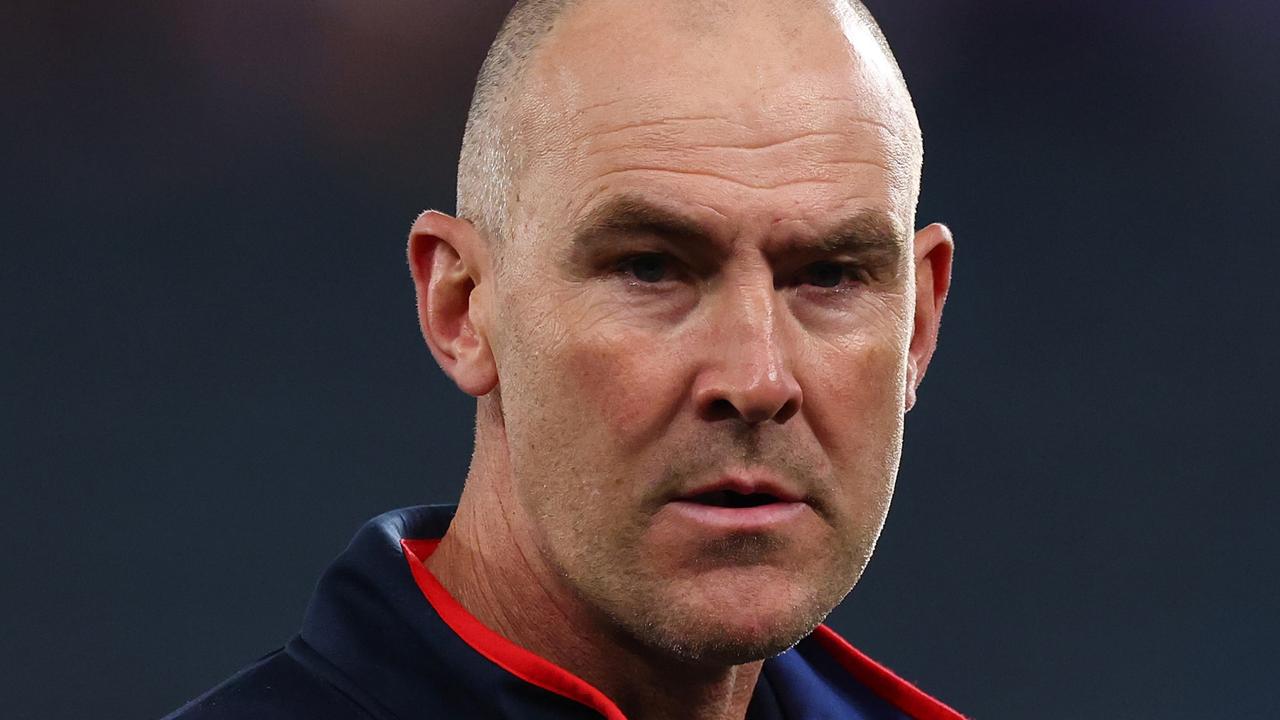
    Hinkley and Longmire are not the only experienced candidates in the running, with former Collingwood coach Nathan Buckley and ex-West Coast coach Adam Simpson also named as potential contenders. Alongside the established coaches, a group of first-time candidates who currently serve as assistant coaches at top clubs are also in contention for the role.

    These untried candidates include Carlton’s own interim coach Josh Fraser, Carlton assistant Ashley Hansen, Hawthorn assistant Daniel Giansiracusa, and Collingwood assistant Hayden Skipworth. On Wednesday, Collingwood senior head coach Craig McRae publicly threw his support behind Skipworth, arguing that the long-time assistant is as prepared as any first-time candidate could be for the top job.

    “Hayden’s strategic mind is elite, his people management is outstanding, he commands a room naturally, and he’s incredibly organized and always hungry to improve,” McRae said. “He’s constantly seeking out better methods, even traveling to learn new approaches to the game. Of course you can never be 100% ready for a senior head coaching role until you’ve done it, but based on everything I’ve seen, Hayden is as ready as he could possibly be.”

    As Carlton’s selection panel begins its search for Voss’s replacement, the club is weighing the choice between bringing on a proven, experienced mentor to steady the program or handing the reins to a fresh, first-time coach to lead a long-term rebuild. The process is expected to unfold over the coming weeks as candidates are interviewed and the club narrows down its shortlist.

  • With Healy retired, Molineux to captain Australia at the T20 Women’s World Cup

    With Healy retired, Molineux to captain Australia at the T20 Women’s World Cup

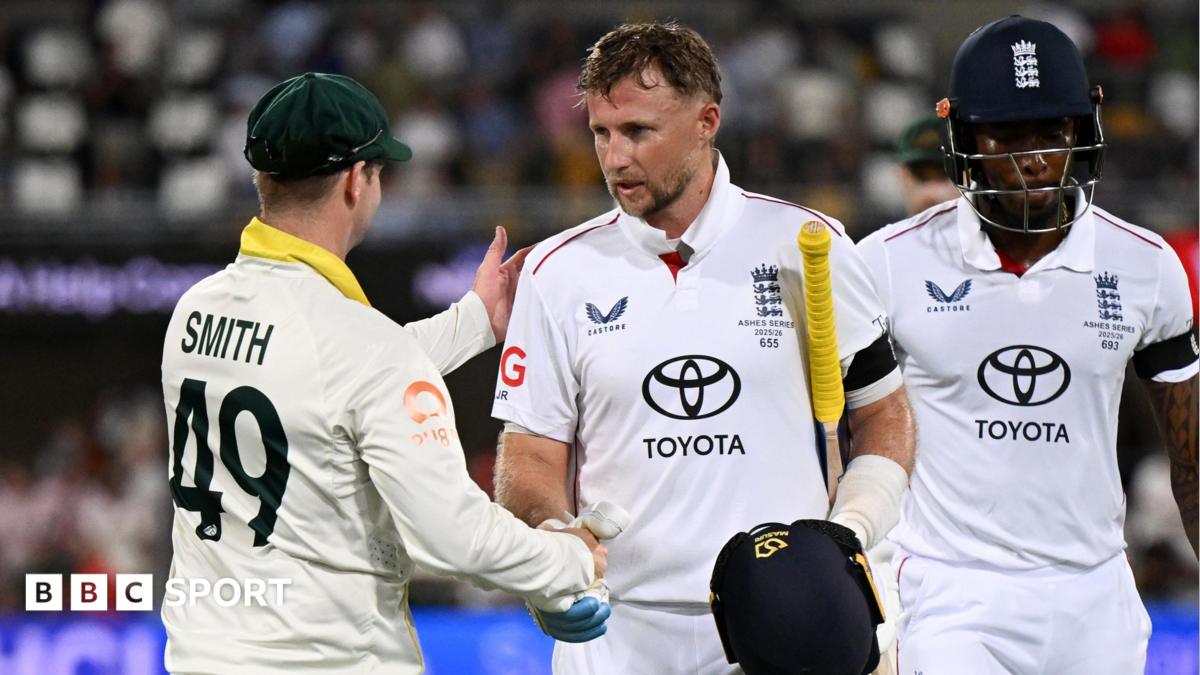
    MELBOURNE, Australia – Cricket Australia has pulled back the curtain on its first women’s World Cup squad following the retirement of legendary wicketkeeper-batter Alyssa Healy, marking a new era for the world’s top-ranked women’s T20 side heading into the 2025 ICC Women’s T20 World Cup hosted by England and Wales.

    The announcement, made Wednesday, confirmed long-serving spin all-rounder Sophie Molineux will step into the captaincy role, the first permanent skipper to take the reins after Healy stepped away from international cricket earlier this year. Healy, one of the most influential players in Australian women’s cricket history, first signaled her retirement plans in January, confirming she would end her career after Australia’s home ODI series against India. She wrapped up her 14-year ODI tenure in March with a career-defining 158 runs, leading the Aussies to a comfortable victory over India in her final outing.

    Joining Molineux in the leadership group are vice-captains Ashleigh Gardner and Tahlia McGrath. Gardner’s appointment comes after she was passed over for the top captaincy role earlier this year, ending speculation about her position in the squad’s leadership hierarchy ahead of the global tournament.

    The 12-team T20 World Cup is set to run from June 12 to July 5, with 33 matches to be contested across seven host venues, culminating in a title decider at cricket’s iconic Lord’s Cricket Ground in London. Australia will kick off its title defense campaign on June 13 against South Africa at Manchester’s Old Trafford. Australia enters the tournament as one of the clear favorites, having claimed three consecutive T20 World Cup titles and six overall trophies, most recently beating South Africa by 19 runs on home soil for the 2023 crown. Current defending champions New Zealand, who upset South Africa by 32 runs in the 2024 tournament held in the United Arab Emirates, will also be among the top contenders for the trophy.

    One of the most eye-catching selection calls was the inclusion of left-arm fast bowler Lucy Hamilton, who earned a spot in the 15-player squad at the expense of established right-arm quick Darcie Brown. Brown, a key contributor to Australia’s recent success, has claimed 34 wickets across 41 T20 international matches, making her omission a surprise to many cricket observers. Two other familiar faces, power-hitter Grace Harris and all-rounder Annabel Sutherland, marked their return to the national squad after periods out of selection consideration. Tahlia Wilson has been named as the travelling reserve for the tour.

    Shawn Flegler, chair of Australia’s national selection panel, defended the selection decisions in comments after the squad announcement, noting that Molineux has stepped seamlessly into the leadership role following Healy’s retirement.

    “Putting together a World Cup squad is never a straightforward process, but we are extremely confident in the balance and stability we have built across this group,” Flegler said. “This is an experienced core of players, and we firmly believe this group has what it takes to bring the World Cup trophy home.”

    Flegler acknowledged that Brown was “unlucky to miss out” on selection, explaining that the call came down to the expected playing conditions in England and Wales. “With at least six right-arm fast bowling options already in the mix, and our assessment that raw pace will be less of an advantage on these surfaces, we opted to bring in Lucy Hamilton, who offers a unique point of difference as a left-arm quick,” Flegler added.

    Full 2025 Australia Women’s T20 World Cup squad: Nicola Carey, Ashleigh Gardner (vice-captain), Kim Garth, Lucy Hamilton, Grace Harris, Alana King, Phoebe Litchfield, Tahlia McGrath (vice-captain), Sophie Molineux (captain), Beth Mooney, Ellyse Perry, Megan Schutt, Annabel Sutherland, Georgia Voll, Georgia Wareham; Tahlia Wilson (travelling reserve)

  • Messi still highest-paid player in MLS

    Messi still highest-paid player in MLS

    Major League Soccer continues to see Lionel Messi stand alone atop its salary rankings, with the Inter Miami Argentine superstar holding onto the position of the league’s highest-earning player, the MLS Players Association confirmed in an official announcement released Tuesday. Per the union’s latest public salary disclosure, Messi commands an annual base salary of $25 million, more than double the base pay of the second-highest paid player in the league, Son Heung-min of Los Angeles FC.

    The updated salary figures reflect the multi-year contract extension Messi signed with the Florida-based club back in October, which locks him in at Inter Miami through the 2028 MLS season. Under the terms of the new deal, Messi’s base salary has doubled from his original 2023 contract, pushing his total guaranteed annual compensation to $28.3 million.

    Claiming the second spot on the salary rankings is South Korean international Son Heung-min, the former Tottenham Hotspur captain who joined LAFC last August for a reported league-record $26 million transfer fee. Son’s base salary checks in at $10.36 million, with his total guaranteed compensation coming out to $11.2 million for the 2025 campaign.

    It is important to note that the published salary data does not account for additional off-field income from player endorsement deals. For Messi specifically, the reported compensation also excludes the value of his option to purchase an ownership stake in Inter Miami, a franchise co-founded by English football legend David Beckham that the 8-time Ballon d’Or winner first joined in 2023.

    At 38 years old, Messi remains one of the most productive players in MLS on the pitch, even as he prepares to lead Argentina’s defense of their FIFA World Cup title in the 2026 tournament kicking off next month. Across 64 MLS regular-season matches with Inter Miami, Messi has scored 59 goals. He led the entire league in goals with 29 strikes last season, and earned the league’s Most Valuable Player award for the second consecutive year.

    Rounding out the top five highest-paid players in MLS are Messi’s Inter Miami and Argentina teammate Rodrigo De Paul, Mexico star Hirving “Chucky” Lozano, and Atlanta United playmaker Miguel Almiron. De Paul ranks third with $9.7 million in total guaranteed compensation, while Lozano takes fourth with $9.3 million despite not appearing for his club San Diego FC since November. Almiron closes out the top five with $7.9 million in guaranteed pay.

    Across the entire league, total player compensation hit $631 million in the latest reporting period. The average guaranteed compensation per MLS player now sits at $688,816, representing an 8.9% increase from the salary figures published by the players association last October.

  • Jason Collins, NBA’s first openly gay player, dies aged 47

    Jason Collins, NBA’s first openly gay player, dies aged 47

    Jason Collins, the former NBA center who made history as the first active male athlete from one of the United States’ four major professional team sports to publicly come out as gay, has passed away at the age of 47 following a courageous fight against glioblastoma, an aggressive and deadly form of brain cancer.

    The news of his death was confirmed in a family statement shared publicly by the National Basketball Association, the league where Collins built a 13-year professional career. Collins first opened up about his diagnosis a year ago, revealing that the inoperable tumor had been detected after he began experiencing persistent difficulty concentrating. In a public update in December 2025, he described the growth as “a monster with tentacles spreading across the underside of my brain the width of a baseball.” Medical professionals told him at the time that without targeted treatment, he would not survive more than three months.

    To slow the tumor’s progression, Collins underwent treatment with the drug Avastin, and made repeated trips to Singapore to receive specialized targeted chemotherapy. Throughout his treatment, he maintained the same radical honesty that defined his 2013 coming out, framing his cancer battle as another chapter of living authentically. “Your life is so much better when you just show up as your true self, unafraid to be your true self, in public or private. This is me. This is what I’m dealing with,” he said at the time, drawing a parallel between his decision to share his cancer diagnosis and his choice to come out 12 years prior. He added that the years after coming out had been “the best of my life.”

    Born and raised in California, Collins launched his NBA career in 2001 with the New Jersey Nets, and went on to play for six different franchises across his 13 seasons in the league, retiring from professional basketball in 2014. Long recognized for his outsized impact beyond the court, he was named one of Time Magazine’s 100 most influential people in the world in the years following his coming out.

    When Collins published his iconic coming out essay as the front-page cover story for Sports Illustrated in 2013, he opened the groundbreaking piece with a simple, unflinching declaration: “I’m a 34-year-old N.B.A. center. I’m Black and I’m gay.” At the time of publication, Collins was a free agent, and many wondered whether his decision to come out would force an early end to his NBA career. Though the LGBTQ+ rights movement had made notable gains by 2013, same-sex marriage would not be legalized across the entire United States until two years later.

    Collins went on to re-sign with the Nets, who had by that time relocated to Brooklyn, officially becoming the first openly gay active athlete to compete in any of the four major U.S. professional sports leagues. His barrier-breaking move paved the way for greater LGBTQ+ inclusion across all levels of organized sports, a legacy that league leaders and loved ones emphasized in tributes following his death.

    “Jason Collins’ impact and influence extended far beyond basketball as he helped make the NBA, WNBA and larger sports community more inclusive and welcoming for future generations,” NBA Commissioner Adam Silver said in a statement Tuesday. “Jason will be remembered not only for breaking barriers, but also for the kindness and humanity that defined his life and touched so many others.”

    In their own statement released Tuesday, Collins’ family echoed that sentiment, noting his far-reaching impact beyond the hardwood. “Jason changed lives in unexpected ways and was an inspiration to all who knew him and to those who admired him from afar,” the family said.

  • Molineux fit to lead Australia World Cup squad

    Molineux fit to lead Australia World Cup squad

    As the countdown to the 2025 ICC Women’s T20 World Cup, hosted in England, accelerates, six-time tournament champions Australia have locked in their 15-player squad, headlined by the fitness clearance of newly appointed captain Sophie Molineux. The 28-year-old all-rounder, who took over the national captaincy in January following Alyssa Healy’s retirement, has been given the green light to compete despite a persistent back injury that disrupted her early leadership tenure, and will lead the side with support from vice-captains Ash Gardner and Tahlia McGrath.

    The squad announcement brings with it a pair of returns and a breakthrough first selection for fast bowler Lucy Hamilton, who will compete at her maiden senior international tournament. Molineux’s path to the World Cup was far from certain: she suffered a back injury in the lead-up to Australia’s March tour of the West Indies, her first away series as skipper, where she was restricted to batting duties only. Prior to her fitness clearance, national selector Shawn Flegler had publicly stated that Molineux would not be considered for a non-bowling role at the global tournament, making her full inclusion a significant milestone for both the player and the team.

    Two familiar all-rounding talents also earn their places back in the setup: Annabel Sutherland, who was rested for the Caribbean tour, and Grace Harris, who was dropped for that series, are both back in the squad for the World Cup. The selection leaves fast bowler Darcie Brown out of the final 15, a decision Flegler framed as a strategic choice tailored to the expected conditions in England. “Darcie Brown was unlucky to miss out but the decision was based on the conditions we’re expecting and the make-up of the side,” Flegler explained in comments following the squad announcement. “With at least six right-arm pace options in the mix and raw pace expected to be less effective, we opted to go with Lucy Hamilton who offers something different as a left-arm quick.”

    Flegler also voiced confidence in Molineux’s leadership, which has already begun to shape the team across her first two series in charge: “Sophie has already made her mark as captain and built a strong connection with the group over the last couple of tours, so we’re looking forward to seeing what this side can achieve under her leadership.” Since making her international debut in 2018, Molineux has built a career marked by consistent performance despite repeated injury setbacks, with 3 Test matches, 19 One Day Internationals and 44 T20Is caps to her name ahead of the World Cup.

    Australia, who are aiming to reclaim the T20 World Cup title after a semi-final exit at the 2024 tournament, will ramp up their preparations with three warm-up matches against South Africa, hosts England and the West Indies before their official tournament opener. They will kick off their 2025 campaign against South Africa on 13 June at Manchester’s iconic Old Trafford ground. Alongside Molineux, Gardner and McGrath, the full squad includes Nicola Carey, Kim Garth, Lucy Hamilton, Grace Harris, Alana King, Phoebe Litchfield, Beth Mooney, Ellyse Perry, Megan Schutt, Annabel Sutherland, Georgia Voll, and Georgia Wareham. Batter Tahlia Wilson has been named as the squad’s travelling reserve.

  • Lamine Yamal waves Palestine flag during Barcelona title celebrations

    Lamine Yamal waves Palestine flag during Barcelona title celebrations

    Barcelona’s 2024-2025 La Liga title celebrations took an unexpectedly political turn on Monday, when 18-year-old football phenom Lamine Yamal brought a large Palestinian flag onto the team’s open-top victory parade, drawing widespread acclaim across social media platforms for the high-profile act of solidarity. The moment came just 24 hours after Barcelona sealed their latest domestic championship with a decisive 2-0 win over bitter El Clasico rivals Real Madrid, drawing tens of thousands of jubilant fans into the streets of the Catalan capital to celebrate with the squad.

    Yamal, one of the sport’s most globally recognized young talents, is no stranger to using his massive public platform to speak out against injustice. Last month, he openly condemned anti-Muslim chanting from Spanish supporters during a national team friendly match against Egypt. In a candid public statement released after the match, Yamal, who is Muslim, said the chant “Whoever doesn’t jump is a Muslim” was unacceptable. “I know it was aimed at the opposing team and wasn’t something personal against me, but as a Muslim, this still counts as disrespectful and unacceptable behaviour,” he said at the time. “Football was created for enjoyment and cheering, not for insulting people because of who they are or what they believe in.”

    Yamal’s gesture also is not unique among Spanish footballers in recent weeks. Just seven days prior, former Barcelona winger Ilias Akhomach unfurled a Palestinian flag during title celebrations for his current club Rayo Vallecano, after the side secured a spot in the UEFA Conference League final with a semi-final win over France’s Strasbourg.

    Catalonia, and Barcelona in particular, has long been a hub for pro-Palestine activism in Spain. The city has served as the departure point for international aid flotillas organized to break the Israeli military blockade of the Gaza Strip, a role that has cemented the region’s reputation as a center of pro-Palestine organizing in Europe.

    The act of solidarity from Yamal also aligns with the Spanish federal government’s longstanding, high-profile stance on the Israeli-Palestinian conflict, which has put Madrid at odds with both Israel and the United States in recent months. Spain is one of the only European governments to have repeatedly and openly condemned Israel’s military campaign in Gaza, officially labeling the actions a genocide. In 2024, Madrid became one of the first Western governments to formally recognize Palestinian statehood, a decision that prompted Israel to immediately recall its ambassador from Madrid. By 2025, the government expanded its actions, banning all Israeli ships and aircraft carrying weapons bound for Israel from accessing Spanish ports and airspace, as part of a nine-part package of restrictive measures against Israel.

    Diplomatic relations between the two nations have been frozen since late 2024, when Spain recalled its ambassador to Israel for consultations amid the escalating row. Israel has not had an ambassador posted to Madrid since 2024, leaving bilateral ties at their lowest point in decades. More recently, tensions have flared again over the joint US-Israeli military campaign against Iran. Spanish Prime Minister Pedro Sanchez has publicly labeled the military strikes illegal under international law, and refused the United States’ request to access jointly operated Spanish military bases in southern Spain for operations linked to the Iran campaign.

    That decision triggered an angry public response from US President Donald Trump, who accused Spain of acting in an “unfriendly” manner and threatened to impose sweeping trade restrictions on the country in retaliation. Despite the pressure, Sanchez has stood firm on his position, maintaining Spain’s commitment to upholding international law across the Middle East.