分类: sports

  • Australia women and South Africa men win rugby sevens world series

    Australia women and South Africa men win rugby sevens world series

    The final leg of the World Rugby Sevens Series delivered a weekend of dramatic upsets, standout individual performances and historic triumphs at Stade Atlantique in Bordeaux, France, over the weekend.

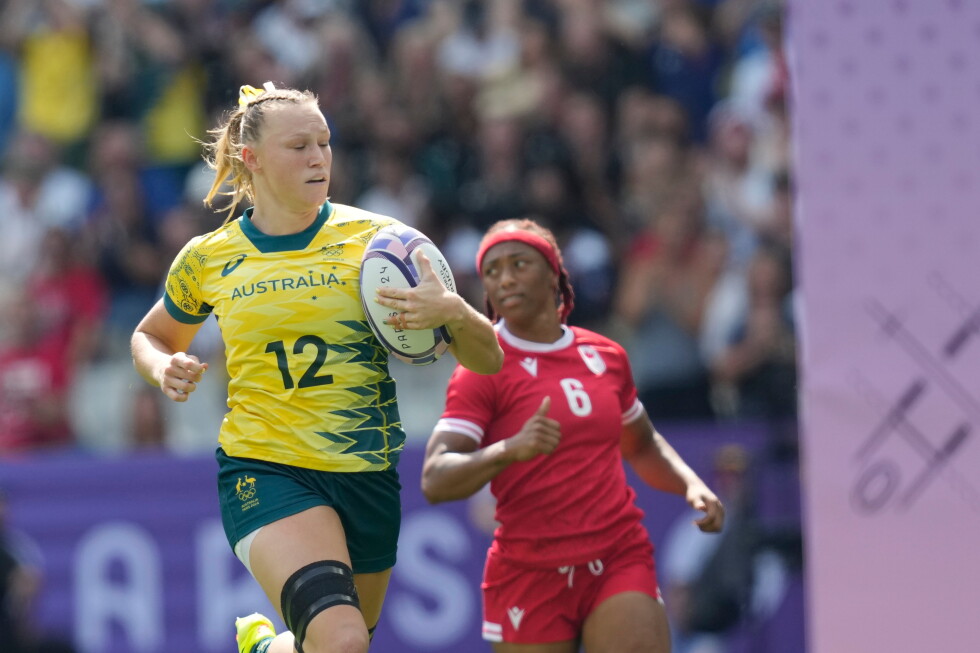
    In the women’s overall title decider, Australia produced a last-gasp turnaround to secure the crown, outlasting the season-long leading New Zealand Black Ferns 26-19 in a high-stakes final. Australian star winger Maddison Levi, who only returned to the pitch for the semifinals after sustaining a left knee injury the previous week in Valladolid, emerged as the match-winner. Levi crossed for two tries to push her season-leading try tally to 64, and delivered two game-changing try-saving tackles from behind on New Zealand’s Katelyn Vaha’akolo to defuse late Black Ferns momentum.

    Levi’s opening first-half try gave Australia a 14-7 halftime advantage. After Vaha’akolo cut Australia’s lead to just two points, tries from Faith Nathan and Levi sealed the victory for Australia, securing the side its fifth women’s World Rugby Sevens Series title across the 13 editions of the competition. New Zealand had dominated the entire regular season, but Australia won the final two legs of the three-stage championship decider to edge out the Black Ferns by four points in the overall standings.

    “It’s been our most consistent season,” Levi said after the match. “We’ve been in every single final. Even win or lose, we’re building as a program, we’re creating depth and trust. Going out there and beating a pretty amazing New Zealand side, they’re always tough, so it’s pretty awesome to help the girls.”

    In the men’s competition, South Africa’s Blitzboks retained their overall men’s World Rugby Sevens Series crown by reaching the semifinal stage, even though they failed to progress to the Bordeaux tournament final after falling to host nation France. France capitalized on their home advantage to make history, claiming their first home World Rugby Sevens tournament title in 21 years with a 14-5 final victory over New Zealand.

    The French side had fallen 21-26 to New Zealand in the pool stage two days earlier, but pulled off a stunning upset in front of a home crowd, with Celian Pouzelgues scoring the match-winning try with just 31 seconds left on the clock. Rayan Rebbadj kicked the conversion after France’s opening try, and the match remained tight through the second half: after Pouzelgues was sin-binned for a high tackle, New Zealand’s Jayden Keelan scored to pull the Kiwis ahead 7-5. A second Pouzelgues try was ruled out early in the second half, but France kept pressing, and when New Zealand playmaker Akuila Rokolisoa was yellow-carded for deliberately kicking the ball away after the final whistle, the host side broke through, with Pouzelgues slipping a tackle near the posts to score the decisive try.

    In the overall men’s standings, South Africa finished first, with New Zealand in second and Spain clinching a best-ever third place finish. Host France ended the tournament seventh overall. To cap off the weekend, World Rugby named South Africa’s Tristan Leyds the men’s World Rugby Sevens Player of the Year, while New Zealand’s Jorja Miller claimed the women’s award for the second consecutive season.

  • Last-minute visas and moving training camp: Iran’s road to the World Cup

    Last-minute visas and moving training camp: Iran’s road to the World Cup

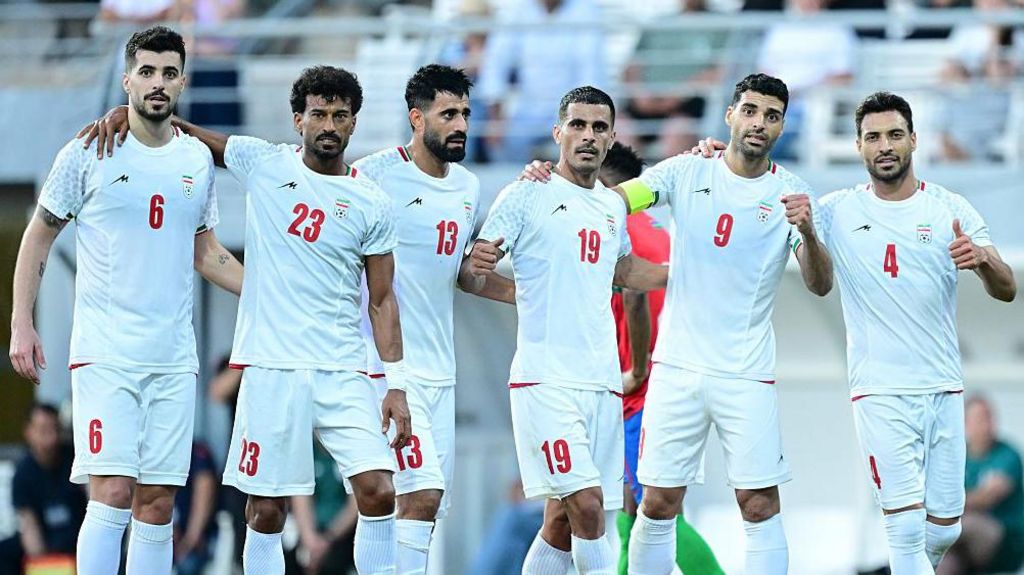
    When Iran secured its spot in the 2026 FIFA World Cup back in March 2025, few could have predicted the unprecedented set of obstacles that would confront the national squad ahead of the tournament. More than 12 months on, Iran’s participation has emerged as one of the most politically charged and complex narratives of this year’s competition, coming amid ongoing conflict triggered by joint US-Israeli military strikes that killed Iran’s supreme leader. Against this backdrop of active regional war, the Iranian team has navigated a cascade of crises, from securing entry to tournament host territory to finalizing a safe training base ahead of their opening group-stage fixture.

    After weeks of diplomatic delay, US authorities finally approved travel visas for all Iranian players this past Friday. However, multiple senior members of the team’s support staff, including Mehdi Taj, the head of the Iranian Football Federation, have been denied entry clearance. The US State Department confirmed to the BBC that visas had been issued for all players and essential non-playing personnel required to compete, but added that the country would not permit Iran to “abuse this system to sneak terrorists into the United States under false pretences.”

    Complicating logistics further, Iranian ambassador to Mexico Abolfazl Pasandideh confirmed that the visa terms imposed on players require them to enter and exit US territory on the same day as each of their matches. In response to these restrictions and the escalating regional conflict, FIFA approved a request from Iran to relocate its pre-tournament base camp from the originally planned site in Tucson, Arizona to Tijuana, Mexico. The Iranian squad’s plane touched down at Tijuana International Airport on June 7, marking the team’s official arrival in North America for the competition. All three of Iran’s group-stage matches are still scheduled to take place across the US: fixtures against New Zealand and Belgium will be held in Los Angeles, while their matchup against Egypt is set for Seattle.

    The current strained dynamic between Iran and the US is rooted in more than 40 years of hostile relations, dating back to the 1979 seizure of the US embassy in Tehran and the subsequent hostage crisis that ended formal diplomatic ties between the two nations. For decades, elite football has stood as one of the only rare platforms for direct, public engagement between the two countries. The most iconic of these encounters came at the 1998 World Cup in France, where Iran claimed a historic 2-1 victory over the US in a match loaded with global political symbolism. Dubbed the “Mother of All Games” by observers due to the charged geopolitical backdrop, the fixture drew worldwide attention and remains one of the most memorable matches in World Cup history. Before kickoff, Iranian players presented their US counterparts with white roses as a gesture of peace, a moment widely celebrated as a rare instance of sport transcending bitter political division. The two sides met again at the 2022 Qatar World Cup, where the US secured a 1-0 win to advance to the knockout round. This year, the expanded 48-team tournament format has left open the possibility of a third matchup between the two nations in the knockout stage, a prospect that would carry stakes far beyond athletic competition amid the ongoing conflict.

    Beyond external diplomatic and logistical hurdles, the Iranian squad also faces unprecedented internal division back home, with national consensus around the team fractured in a way unseen at previous tournaments. Historically, the national side has been one of the only unifying national institutions, capable of drawing widespread support across Iran’s deep political and social divides. During the 2014 and 2018 World Cups, the team enjoyed broad backing from Iranians of all political leanings, both inside the country and in the global diaspora. That dynamic shifted dramatically ahead of the 2022 Qatar World Cup, held in the wake of the death of Mahsa Amini in morality police custody and the nationwide anti-government protests that followed, met with a violent crackdown by Iranian authorities. The team found itself caught in the middle of intense domestic political debate: many Iranians expected players to publicly express solidarity with protesters, while others argued that football should remain separate from political conflict.

    The 2026 tournament comes just six months after another widespread crackdown on anti-government protests, where human rights organizations estimate thousands of demonstrators were killed by state forces. Today, public opinion toward the team remains deeply split: some Iranian supporters still view the squad as a unifying symbol of national pride that stands apart from political division, while an increasing number of critics argue that the team is too closely aligned with the ruling political establishment to be separated from state power. Even so, support for Team Melli has by no means disappeared. Football remains overwhelmingly the most popular sport in Iran, and millions of Iranians both at home and abroad are expected to follow the team’s progress throughout the tournament.

    On the pitch, Iran is chasing an unprecedented milestone in this 2026 World Cup. The squad has qualified for seven men’s World Cups throughout its history, but has never advanced past the group stage. With the tournament’s new expanded format creating more pathways to knockout stage progression, Iranian players and fans believe this could finally be the year they break their historic duck. The big question hanging over the team’s campaign, however, is whether football will remain the central focus. World Cups have always mirrored the geopolitical realities of their era, but it is hard to recall any other national side arriving at a major tournament facing such a toxic convergence of diplomatic isolation, active cross-border military conflict, persistent visa uncertainty, and deep domestic political division among its own fanbase.

  • DR Congo friendly to be played behind closed doors

    DR Congo friendly to be played behind closed doors

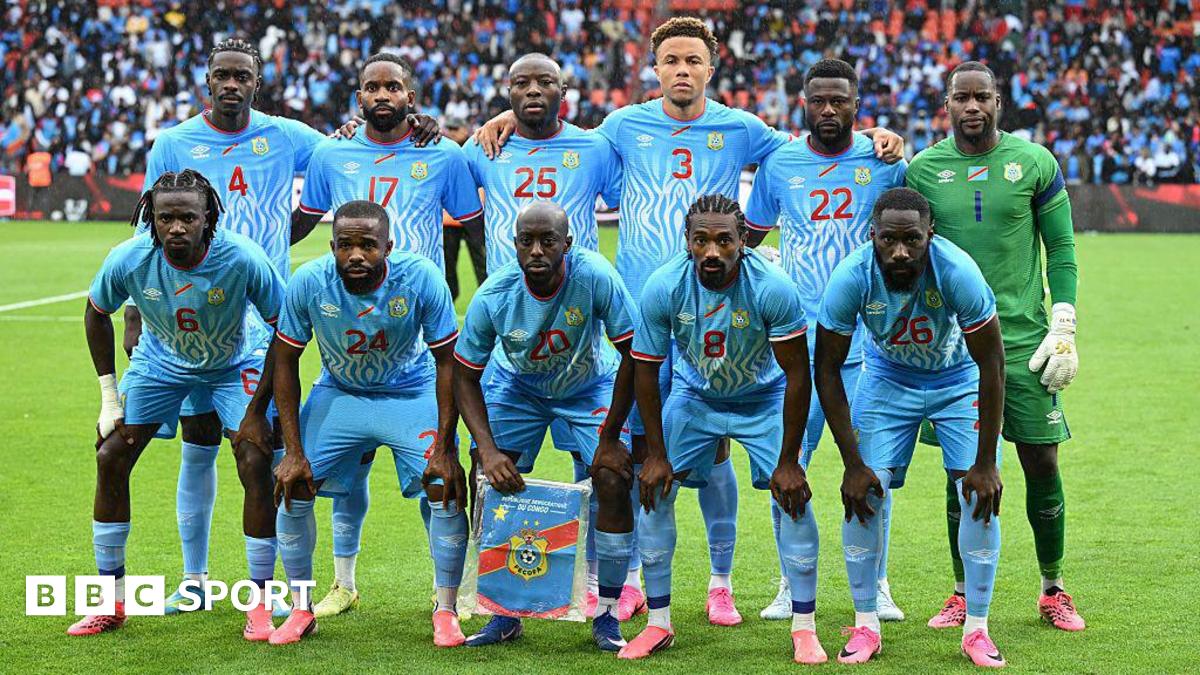
    As the 2026 FIFA World Cup approaches, DR Congo’s final pre-tournament warm-up fixture against Chile has undergone a last-minute reshuffle, shifting to a closed-door setup in the French city of Orleans following widespread public health concerns tied to an ongoing Ebola outbreak in the central African nation. The match, set to kick off at 16:00 BST this Tuesday, was originally slated to be held in La Linea de la Concepcion, a Spanish border town. However, local authorities ultimately blocked the match from proceeding at that venue, with the mayor issuing an official decree framing the cancellation as a necessary precautionary measure to protect public health.

    The 2026 World Cup, co-hosted by the United States, Mexico and Canada, has put in place strict entry requirements for all delegates coming from DR Congo: all squad members and team officials must complete a 21-day stay outside the country and remain completely free of Ebola symptoms before they are granted entry to the U.S. for the tournament. According to reporting from BBC Sport, none of DR Congo’s senior players – every one of whom currently plies their trade for club teams outside of DR Congo – have traveled back to their home country in recent weeks. However, a number of the national team’s non-playing support staff and traveling fan contingent have made the journey from DR Congo to join the squad ahead of the World Cup, which has triggered the ongoing public health precautions.

    Currently, the DR Congo squad is wrapping up their final preparations at a training base in Marbella, Spain. This follows a 10-day pre-camp in Belgium, where the side earned a credible 0-0 draw in a friendly test against Denmark ahead of their first World Cup appearance in half a century. This tournament marks a historic milestone for DR Congo: it is the first time the nation has qualified for the World Cup since 1974, when it competed under the former name Zaire and finished at the bottom of its group after three opening-round losses to Scotland, Brazil and Yugoslavia.

    For the 2026 tournament, DR Congo has based its pre-tournament operations in Houston, Texas, where it will kick off its Group K campaign against Portugal on June 17. After the opening match, the team will travel to Guadalajara, Mexico, for their second group-stage fixture against Colombia, before returning to U.S. soil to play their final group game against Uzbekistan in Atlanta.

    The Ebola outbreak that has sparked these precautions is centered in eastern DR Congo, and is caused by the rare Bundibugyo strain of the virus. As of the latest public health updates, no licensed vaccine currently exists for this specific Ebola variant, and the World Health Organization has confirmed that it could take as long as nine months to develop and approve an effective vaccine for public use.

  • Stokes delivers warning for test cricket after England’s historically quick win over New Zealand

    Stokes delivers warning for test cricket after England’s historically quick win over New Zealand

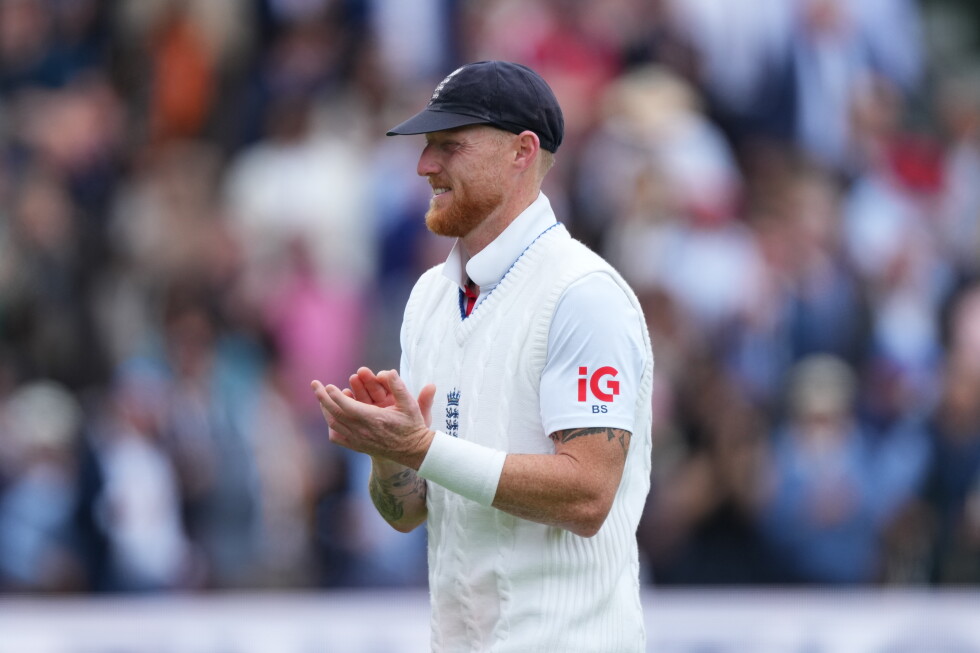
    England men’s cricket captain Ben Stokes has issued a stark public warning about the future of Test cricket, arguing that the subpar pitch prepared for the opening match of his side’s series against New Zealand at Lord’s has done no favors for a format already fighting to retain relevance amid the global boom of short-form Twenty20 cricket. England secured an 115-run victory over the Black Caps in the opening Test, but the match itself raised far more questions than it answered about the long-term health of the five-day game.

    By the conclusion of the contest, only 166 overs had been completed across four days of play, marking the second shortest Test ever held in the 150-year history of Test matches at the iconic Lord’s ground, widely known as the home of cricket. The two sides combined for a total of just 617 runs, a meager total that reflected how unfriendly the surface was for batting. On this unpredictable, erratic pitch that caused constant chaos for batters, a wicket fell approximately every 25 balls. BBC statistics confirm this is the lowest overs-per-wicket ratio recorded in any Test held in England since 1907.

    To put the lopsided nature of the pitch in perspective: 24 of the 40 batsmen dismissed in the match were either bowled or out leg before wicket, a new record for a Test played in English conditions. Stokes, one of the most vocal high-profile advocates for preserving the popularity and relevance of Test cricket in the modern era, said the spectacle served up at Lord’s did nothing to help the long-term standing of the format, which many critics argue is declining toward irrelevance.

    “I get asked constantly about the future of Test cricket, what we need to do to keep it growing, and how we can protect its standing as a top-tier format for future generations,” Stokes told reporters in his post-match press conference, ending his lengthy remarks with a clear warning for cricket governing bodies.

    “As someone who loves Test cricket with all my heart, I have to ask: did this pitch help Test cricket moving forward? I don’t think it did at all.” While the match dragged into a fourth day, that timeline came only after an entire day’s worth of play on the third day was lost to heavy rain. Without that weather interruption, Stokes argued the match would have finished even earlier, leaving thousands of ticket-holding fans shortchanged on the full experience they paid to see.

    “If you bought tickets for Day 1, you might well have enjoyed the chaos – wickets falling everywhere, balls flying to all parts of the ground, because that forced batters to adopt an aggressive approach to score any runs at all,” Stokes explained. “But the flip side of that is that without rain, the whole match would be over before most fans get a chance to see multiple days of cricket. That isn’t what we want. We need to find that middle ground between bowler-friendly and batter-friendly pitches that produce a compelling, full contest.”

    Despite his criticism of the playing surface, Stokes was quick to praise his own side’s ability to adapt to the challenging conditions, noting that many batsmen could only laugh in bemusement as they walked back to the dressing room after baffling dismissals caused by erratic seam movement. Stokes himself fell victim to the unpredictable surface in the second innings, recording a three-ball duck after a delivery from New Zealand seamer Nathan Smith straightened unexpectedly to clip the top of off-stump, leaving the captain shaking his head in disbelief.

    Stokes added that the result still stands as a credit to his side’s ability to adjust, saying: “This result doesn’t take anything away from what we had to do to win this week. We turned up, played our brand of cricket, and found a way to come out on top even in these really difficult conditions. Next week at The Oval will be completely different, and we’ll adapt again when we get there.”

    That pragmatic assessment was echoed by New Zealand captain Tom Latham, ahead of the second Test of the series kicking off at The Oval on June 17. “I don’t think we need to over-analyze what happened here,” Latham said. “We know we’re going to The Oval next, and everyone expects the conditions there will be far better than what we encountered here at Lord’s.”

  • England’s Bazball reset begins with 115-run win over New Zealand early on Day 4 at Lord’s

    England’s Bazball reset begins with 115-run win over New Zealand early on Day 4 at Lord’s

    LONDON – In a stunning early finish to the opening Test of England’s summer cricket series against New Zealand at Lord’s, the host side sealed a commanding 115-run victory before lunch on the fourth day, delivering a confident first statement for its revamped “Bazball” approach after last winter’s humiliating Ashes defeat in Australia.

    Resuming the final day of play at 55 wickets for five while chasing an improbable 254 runs to claim victory, New Zealand’s batting lineup collapsed completely within the opening two hours of play. The Black Caps were all out for a total of 138, leaving the visitors with little to celebrate beyond Glenn Phillips’ unbeaten 44, the highest individual score for the side across an underwhelming match for the tourists.

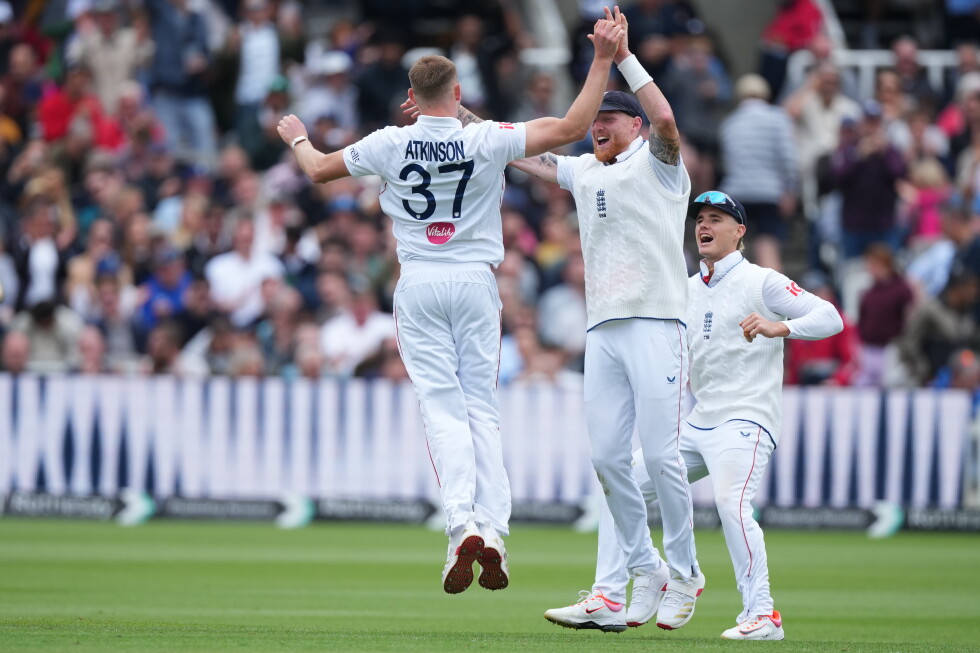
    English pace bowler Gus Atkinson turned in a standout performance on a pitch heavily favorable to bowlers, finishing with match-best figures of five wickets for just 30 runs. Across the entire match, 24 batsmen were dismissed either bowled or leg before wicket, with no spin bowlers delivering a single ball, highlighting the surface’s early assistance for fast bowling.

    This opening series marks a critical fresh start for England and its leadership, which faced intense scrutiny after a 4-1 Ashes series loss to Australia earlier this year. That tour was marred by public reports of excessive off-field drinking, alongside widespread criticism of underprepared players and misaligned tactical strategy that derailed England’s campaign. The result at Lord’s comes as the first major test of the second iteration of Bazball, the aggressive, high-tempo batting approach developed under coach Brendon McCullum and captain Ben Stokes.

    The pair’s early selection calls heading into the match paid major dividends. Opening batsman Emilio Gay, earning his first Test cap, notched the highest individual score from either team across the match with a second-innings 57 on his debut. Seam bowler Ollie Robinson, recalled to the squad for the first time since 2024 when he was dropped over concerns surrounding his fitness and on-field attitude, delivered a match-winning seven wickets total: five for 39 in the first innings and two for 38 in the second.

    Still, analysts have cautioned against drawing sweeping conclusions from the result, given the extraordinarily short duration of the match. The Test finished after just 166 overs, making it the second-shortest completed Test in the 150-plus history of Test matches held at Lord’s. “It’s a surface that we weren’t expecting,” New Zealand captain Tom Latham acknowledged after the match. “I don’t think anybody expected a surface like that.”

    McCullum, while acknowledging the pitch posed unique challenges, said he was pleased with his side’s ability to adapt to the conditions and execute in what he called a “low-scoring shootout.” “We were brave at times and calculated at other times,” the New Zealand-born England coach said of the team’s approach.

    The three-match series will next move to The Oval in south London, with the second Test scheduled to get underway on June 17.

  • Afghanistan strikes with 3 quick wickets, but India stays on top at 475-6 on Day 2

    Afghanistan strikes with 3 quick wickets, but India stays on top at 475-6 on Day 2

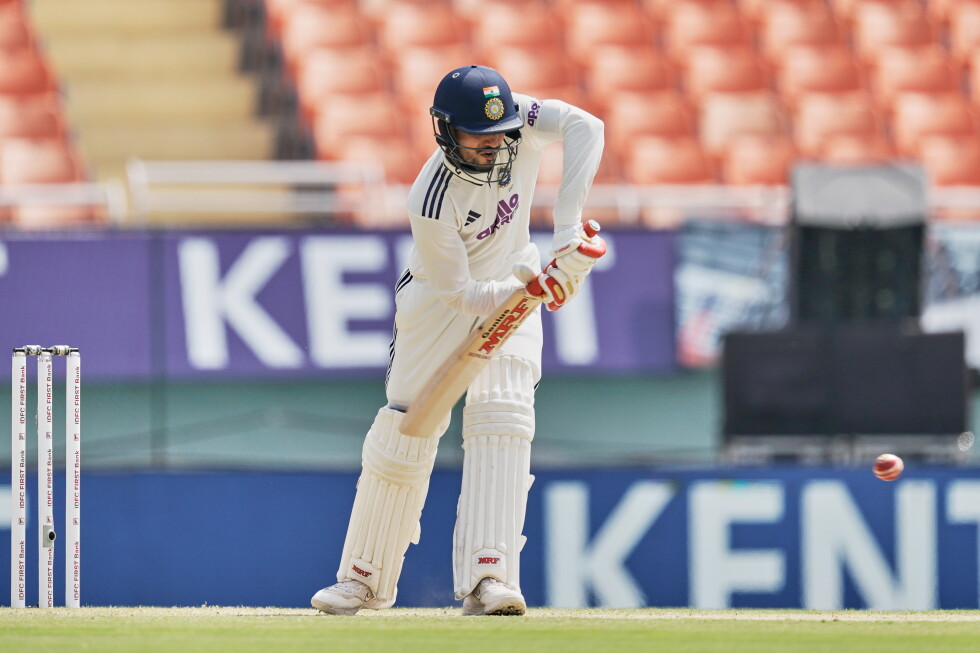
    The one-off Test cricket match between India and Afghanistan entered its second day at New Chandigarh’s Maharaja Yadavindra Singh International Cricket Stadium on Sunday, with India maintaining a dominant position despite a late morning surge from the Afghan bowling attack that claimed three Indian wickets in the opening session.

    When the first session came to a close, India’s first innings total stood at 475 for six wickets, having extended their Day 1 score of 368 for three by 107 runs through the first morning of play. Afghan pace bowler Mohammad Saleem emerged as the standout performer for his side, picking up two additional key wickets to finish the session with an impressive four wickets for 109 runs.

    On the opening day of the match, Indian captain Shubman Gill had combined with Lokesh Rahul – who notched up an unbeaten century – to post a solid partnership, with Gill also reaching a hundred himself ahead of the close of play. When play resumed on Sunday, Gill added 23 more runs to his overnight total before he edged a delivery behind to the wicketkeeper off Saleem’s bowling. The Indian skipper departed for a match-defining 126, an innings decorated with 15 boundaries and one six.

    Gill’s wicket came after he shared a game-changing 169-run fourth wicket stand with wicketkeeper-batter Rishabh Pant that cemented India’s control of the contest. Pant went on to put on 36 quick runs with lower-order batter Dhruv Jurel, but the pair fell in the space of just six deliveries shortly before the lunch break. Saleem removed Jurel for 19 with a pinpoint delivery to claim his fourth wicket of the innings, while Pant was caught at the long boundary off skipper Hashmatullah Shahidi’s bowling for just eight.

    At the first session break, all-rounder Washington Sundar remained unbeaten on 14, with debutant spinner Manav Suthar yet to get going on nine not out. This fixture marks only the second time India and Afghanistan have faced off in Test match cricket. The pair first met in Bengaluru for Afghanistan’s historic maiden Test appearance, where the Indian side claimed a dominant victory by an innings and 262 runs. India had gotten off to a strong start from the get-go in this match, winning the pre-game coin toss and electing to bat first on a good batting pitch, finishing their first day of play well placed at 368 for three wickets.

  • Are Portugal better without Ronaldo – and is he undroppable?

    Are Portugal better without Ronaldo – and is he undroppable?

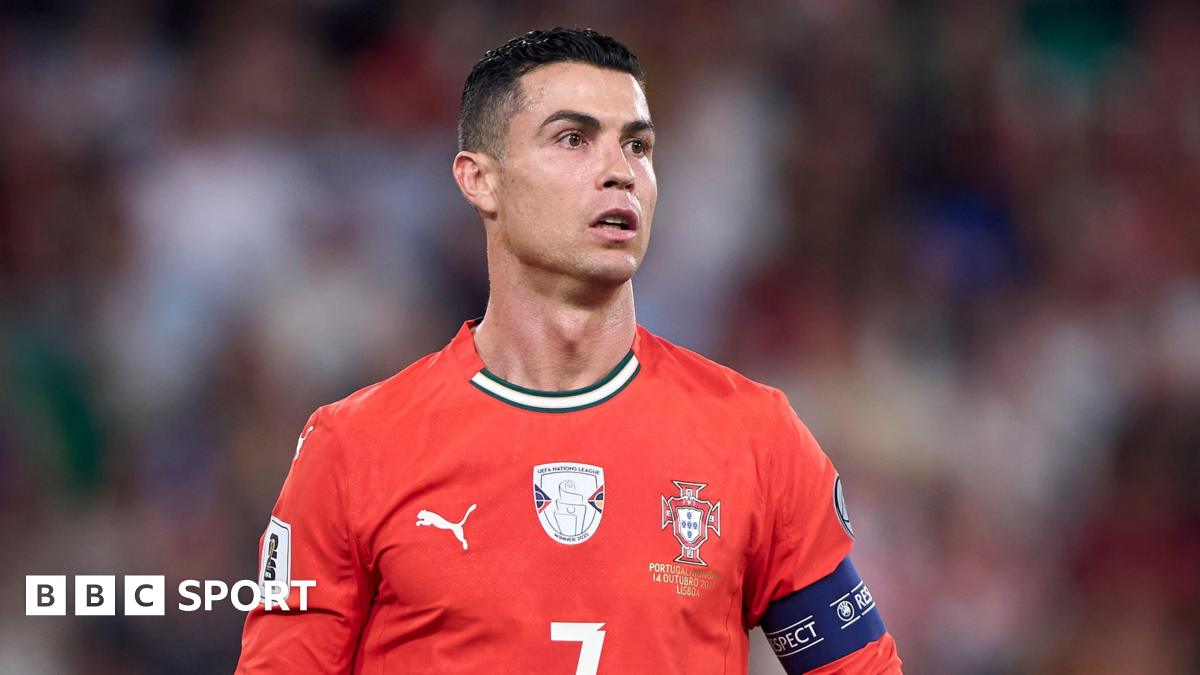
    It has been nearly 21 years since Cristiano Ronaldo first stepped onto the pitch as a senior Portugal national team player, a moment that took place in a forgettable-looking friendly against a newly UEFA-affiliated Kazakhstan in the northern Portuguese city of Chaves. The 1-0 narrow win was hosted in front of a sold-out crowd of just 8,000 spectators, on a pitch so poorly maintained that groundskeepers had to paint the grass to improve its visible condition. Few could have predicted that the young Madeira native would go on to build a legacy that would redefine Portuguese football, and make history by qualifying for a sixth FIFA World Cup in 2026 – joining only Lionel Messi of Argentina and Guillermo Ochoa of Mexico in this exclusive club of six-time World Cup participants.

    Today, at 41 years old, Ronaldo holds the record for the most international goals in men’s football history, with 143 strikes to his name. Beyond the statistics, he has reshaped the national team’s mentality and expanded the global profile of the small European nation. As former Sporting CP and Portugal national team coach Joao Aroso told BBC Sport: ‘We are a small country that rarely has global impact outside football. Cristiano allows our small country to be known worldwide for something great – because of all the positive things he stands for.’

    For decades, questioning Ronaldo’s place in the Selecao was widely seen as taboo in Portugal. But since the 2022 Qatar World Cup, public and internal debate over his role has intensified, splitting opinion across the football community in the country. Critics, including 1966 World Cup third-place finisher Antonio Simoes, argue that Ronaldo’s priority has shifted to being the center of attention rather than prioritizing team success, a contrast to legendary Portuguese striker Eusebio.

    Portugal’s head coach Roberto Martinez has repeatedly pushed back on this discourse, dismissing it as inconsequential ‘lift talk’. In all recent press conferences addressing the five-time Ballon d’Or winner, Martinez has highlighted a single key stat: Ronaldo has notched 25 goals in his last 31 appearances for the national side. ‘We are talking about the greatest player of all time. He is here because he is still performing at a very high level, not because of what he achieved in the past,’ Martinez explained.

    Having already scored at each of his five previous World Cup appearances, Ronaldo will get one final chance to prove his critics wrong on the game’s biggest stage. The Al-Nassr forward has eight World Cup goals to his name, just one shy of Eusebio’s all-time Portuguese record, but his ultimate goal remains clear: leading Portugal to their first ever World Cup trophy. Ronaldo himself has already confirmed that the 2026 tournament will be his last World Cup, regardless of the outcome.

    Even as age has slowed his raw physical pace, supporters and former teammates insist his impact stretches far beyond goals. ‘Cristiano understands the big moments better than almost anyone in football,’ former Portugal international Abel Xavier told BBC World Service. ‘That experience can be decisive in a World Cup. His presence is very important. People focus on the physical side, but there is also the technical side and especially the mental side. The younger players look up to him and he always gives something to the team.’

    Ricardo, the former Portugal goalkeeper who was on the pitch for Ronaldo’s 2003 senior debut and now serves on the national team’s coaching staff, echoed that sentiment. ‘The speed may no longer be quite the same. Instead of running at 200km/h, he is running at 195km/h now. It is still incredibly high,’ he said. ‘As long as the physical, technical and mental qualities are still there, he remains a devastating force. With him, danger is never far away.’

    Under Martinez, who took over the Portugal job in 2023 after stepping down from his role with Belgium, Ronaldo has featured in 31 of the manager’s 39 games in charge to date, with most of his absences coming from injury or suspension. Critics have pointed to two of Portugal’s biggest recent victories that came without Ronaldo in the squad: a 9-0 thrashing of Luxembourg in Faro in September 2023, and a 9-1 blowout of Armenia in Porto that November. Those results reignited long-running debates over whether the team performs better without their iconic captain.

    Portuguese football pundit Sofia Oliveira, who works with CNN Portugal, DAZN Portugal and TSF radio, argues that Ronaldo no longer has the elite form to start for a title-contending side, and notes that the national team has not prepared for a tournament without him in the starting lineup. ‘But it is easy to arrive at this tournament and say Ronaldo should not be starting, which I agree with. The problem is that the national team has not been preparing for it,’ she explained.

    Managing a figure of Ronaldo’s cultural and sporting stature has always been fraught with risk. Former Portugal manager Fernando Santos learned this lesson after benching Ronaldo during the 2022 Qatar World Cup. The decision sparked a fierce public backlash from Ronaldo’s family members on social media, and Santos stepped down from his role shortly after the tournament.

    When asked earlier this year if he feared the same fate if he benched Ronaldo in 2026, Martinez downplayed the concern. The star’s outsized influence in Portugal has led to ongoing questions about his influence off the pitch, too: when the Portuguese Football Federation (FPF) announced a February 2024 partnership with AVA CR7, a physical recovery company owned by Ronaldo, the move immediately drew criticism over potential conflicts of interest. The FPF has pushed back against these claims, releasing a statement to BBC Sport noting that the partnership complies with all internal and regulatory rules, that Ronaldo himself was never involved in the negotiations, and that all discussions were held exclusively with AVA’s management team.

    As Ronaldo nears the end of his decorated professional career, growing attention has turned to whether the FPF and Portuguese football are prepared for a future without their biggest star. The federation has stated that it is ready for the transition, after closing 13 consecutive financial years in profit and approving a 2026-2027 budget that projects a record €161 million in revenue. FPF president Pedro Proenca noted that Ronaldo’s legacy will forever be tied to Portugal, and confirmed that the federation’s financial stability is secure regardless of the star’s eventual retirement.

    ‘Cristiano will always be intrinsically linked not to the federation, but to Portugal as a country,’ Proenca said. ‘The FPF has always prepared for its present and its future. Of course, we know the importance Cristiano has. The two brands overlap – Cristiano Ronaldo and the FPF – I have to be honest and sincere about that. What I can guarantee is that the federation’s operating revenues are secure for the continuity of a cycle that will happen naturally and normally, which is Cristiano’s departure.’

    More than two decades after that unassuming night in Chaves that launched his international journey, Ronaldo remains the undeniable center of Portuguese football, and all eyes will turn to him as he kicks off what he says will be his final World Cup campaign.
  • Messi sits out Argentina’s friendly against Honduras while managing muscle fatigue, hamstring strain

    Messi sits out Argentina’s friendly against Honduras while managing muscle fatigue, hamstring strain

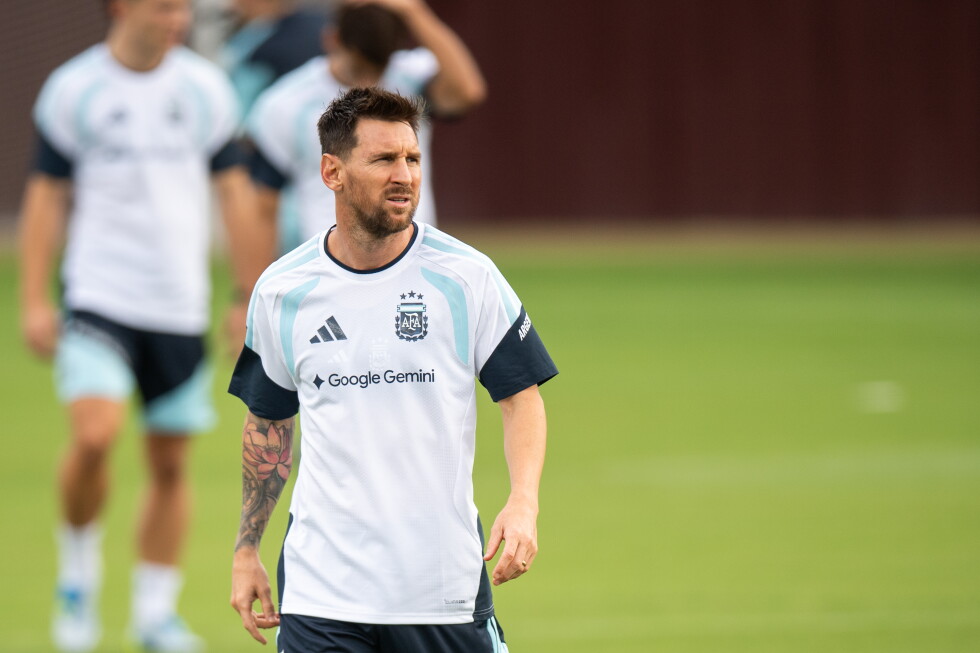
    COLLEGE STATION, Texas — As the 2026 FIFA World Cup rapidly approaches, Argentine soccer legend Lionel Messi was forced to watch his team’s pre-tournament friendly against Honduras from the Kyle Field sideline on Saturday night, sidelined by ongoing management of muscle fatigue and a mild left hamstring strain. The 38-year-old, who will celebrate his 39th birthday just three weeks from the match, did complete warm-up routines alongside his teammates on the Texas A&M University campus before taking up a spot on the bench for the full 90 minutes. He was a spectator as his side secured a solid 2-0 win over the Central American side.

    The Argentine Football Association has noted that Messi’s recovery timeline will be adjusted based on his ongoing clinical improvement and functional progress as he works to regain full fitness ahead of the World Cup. This friendly against Honduras marked the second-to-last warm-up match for the reigning World Cup champions, who will wrap up their pre-tournament preparation with a matchup against Iceland in Auburn, Alabama this coming Tuesday. Following that final tune-up contest, the squad will return to training in Kansas City to finalize their game plans before the tournament kicks off.

    Messi’s hamstring issue first drew attention earlier this week, when he arrived late to team training sessions in Kansas City. Instead of joining full squad drills, the star forward completed individualized conditioning work separate from the rest of his teammates to avoid exacerbating the minor injury.

    This summer’s World Cup is widely expected to be Messi’s final appearance in international soccer, closing out a record-breaking career with the Argentine national team. He already holds the all-time record for the most matches played in World Cup history, with 26 appearances to his name. He is also just four goals away from breaking another iconic World Cup record: Miroslav Klose of Germany’s all-time mark of 16 World Cup goals. Argentina will open its 2026 World Cup title defense against Algeria on June 16 at Kansas City’s Arrowhead Stadium.

  • Germany wins final World Cup tuneup without injured midfielder Lennart Karl

    Germany wins final World Cup tuneup without injured midfielder Lennart Karl

    CHICAGO – As Germany makes its final preparations ahead of the upcoming FIFA World Cup, the four-time world champions find themselves navigating a dual narrative: a nine-match winning streak that has boosted momentum, and a devastating injury blow that has robbed the side of one of its most promising young talents.

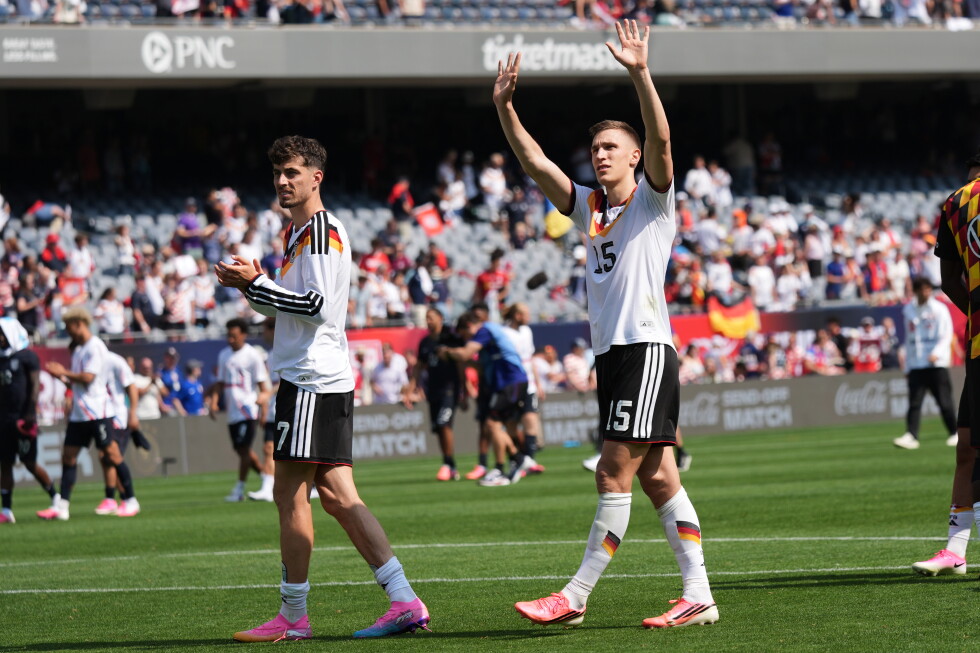
    The European side’s final pre-tournament friendly against the United States men’s national team at Chicago’s Soldier Field on Saturday played out without 18-year-old midfielder Lennart Karl, who suffered a thigh injury in training just one day before the fixture. Despite his absence, goals from attacking stars Leroy Sané and Kai Havertz secured a hard-fought 2-1 win for the 10th-ranked German side, extending their unbeaten run ahead of the tournament kickoff.

    The joy of the warm-up win was quickly tempered by confirmation that Karl will miss the entire World Cup, a crushing setback for the teenager who just enjoyed a breakout 2024-25 season with Bayern Munich. During that campaign, Karl made club history by becoming Bayern Munich’s youngest goalscorer in UEFA Champions League history, cementing his status as a key emerging talent for the national side.

    German defender David Raum, who has shared both locker room and training ground moments with Karl, spoke openly about the loss following the victory against the USA. “It’s really tough. I had a good connection to Lenny. He’s a great guy, a very young talent,” Raum said. “We shared a lot of nice moments together even in this short time. I always played against him in training because he lines up on the right wing. We lose a good human being and an amazing player.”

    Karl himself shared his heartbreak with fans via his official Instagram account, writing that missing the World Cup is “indescribably painful”. He added, “Unfortunately injuries often come at the unluckiest time,” a sentiment that has resonated with players and fans across the global football community.

    In a quick roster adjustment, Germany called up 22-year-old midfielder Assan Ouédraogo to replace Karl for the tournament. Ouédraogo, who currently plays alongside Raum at RB Leipzig in the Bundesliga, has earned just one cap for Germany to date – a 6-0 victory over Slovakia in November 2024, where he notched his first senior international goal. Welcoming his club teammate to the national squad, Raum expressed confidence that the new call-up can fill the gap left by Karl’s injury. “Very happy to welcome him here, and he can help us a lot,” Raum added.

    Germany is also managing another fitness concern ahead of the tournament: veteran starting goalkeeper Manuel Neuer, who is still recovering from a lingering calf muscle injury. The 40-year-old goalkeeper, who came out of international retirement just last month after stepping away following UEFA Euro 2024, got the nod to be included in the roster despite not having played a competitive match for Germany in almost two years. In Neuer’s absence against the USA, Hoffenheim shot-stopper Oliver Baumann got the starting nod in goal.

    Looking ahead, Germany will kick off its World Cup campaign on June 14 with a group stage opener against Curaçao. After that first fixture, the side will face Group E opponents Ivory Coast on June 20 before wrapping up group play against Ecuador on June 25.

  • United States feeling confident going into World Cup off tight loss against Germany

    United States feeling confident going into World Cup off tight loss against Germany

    CHICAGO – More than 60,000 packed fans filled Soldier Field on Saturday, packing the stands for the United States men’s national soccer team’s final competitive tune-up ahead of the 2026 FIFA World Cup. What they witnessed was a tightly contested 2-1 defeat to fourth-ranked Germany, marked by an early defensive collapse, a stunning individual highlight, and enough encouraging signs to leave the American camp optimistic ahead of their tournament opener against Paraguay this coming Friday.

    The match turned sour for the U.S. before many fans had even taken their seats. Just 43 seconds after kickoff, defensive midfielder Tyler Adams was called for a foul on Germany’s Felix Nmecha inside the attacking third. On the ensuing set piece, German center back Nico Schlotterbeck slipped past American veteran center back Tim Ream, leaving Kai Havertz completely unmarked at the top of the six-yard box. Havertz easily nodded home the opening header in the 2nd minute, putting the U.S. in an immediate hole.

    Mauricio Pochettino, who took over as USMNT head coach in October 2024, fielded a starting lineup expected to mirror his preferred starting group for the World Cup. Missing was starting center back Chris Richards, who has been sidelined since mid-May after tearing two ligaments in his left ankle; his replacement in the starting lineup, Miles Robinson, was at fault for Germany’s second match-sealing goal in the 57th minute. When Havertz slid a short pass to Leroy Sané, Robinson was slow to step up with the defensive line, leaving Sané one-on-one with U.S. goalkeeper Matt Freese. The German winger calmly slotted the ball into the far corner to double his side’s lead.

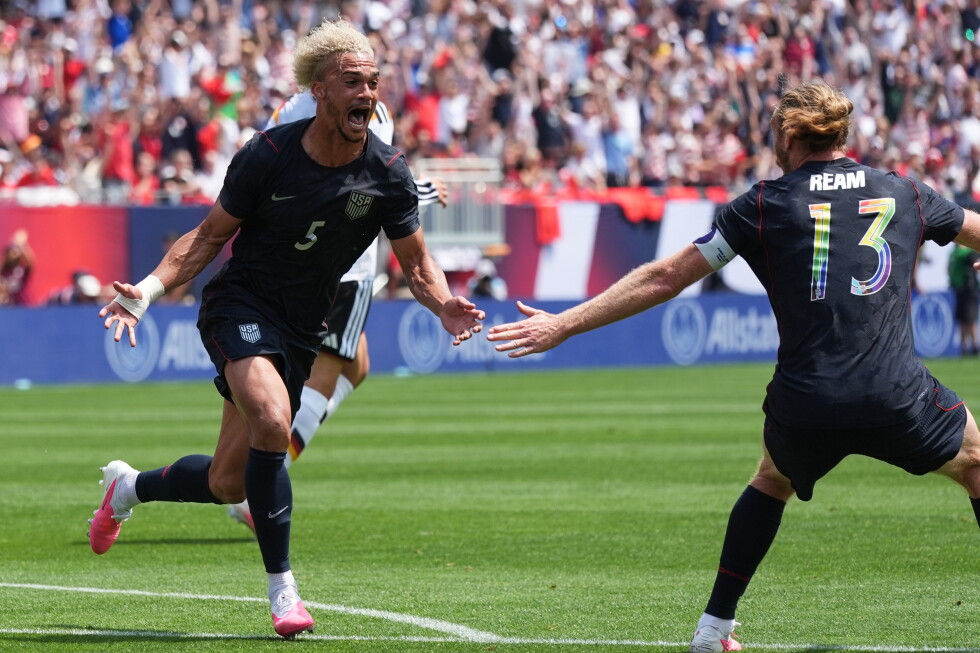
    Before that second goal, though, left back Antonee Robinson delivered one of the most memorable goals in recent USMNT history to pull the Americans back level in the 37th minute. On a Christian Pulisic corner kick, German defender Jonathan Tah’s attempted clearance bounced just outside the 18-yard box, right into the path of the onrushing Robinson. The 28-year-old Fulham defender, who goes by the childhood nickname “Jedi”, struck a perfect first-time left-footed volley that rocketed past German goalkeeper Oliver Baumann into the far corner of the net. The sellout crowd erupted as Robinson celebrated with a cartwheel followed by a backflip, notching his fifth career international goal.

    Speaking after the match, Pulisic – who led the American attacking push alongside starting center forward Folarin Balogun – called the strike “sick”, echoing the reaction of fans and teammates alike. Antonee Robinson noted that the goal carried extra weight heading into the World Cup, comparing the stunning volley at Soldier Field to Benny Feilhaber’s iconic tiebreaking goal for the U.S. against Mexico in the 2007 CONCACAF Gold Cup final, also played at the Chicago venue. “I’ve never scored a goal like that in a competitive game before,” Robinson said. “Going into a World Cup it means a lot to have that kind of in my mind that I’ve scored something like that and a bit of freedom to shoot again if I’m in that position.”

    The result extended a disappointing streak for the USMNT: it marked the team’s ninth consecutive loss to European opponents dating back to 2022. But beyond the final score, the Americans turned in a performance that has injected confidence into the squad ahead of the tournament. Pochettino’s side controlled the final 20 minutes of the first half, outearned Germany by a 10-2 margin in corner kicks, and created multiple high-quality scoring chances that they were unable to convert. After conceding the early opening goal, the team did not fold, a fact that multiple players highlighted post-match.

    “Disappointed that we lost, but many positives to take,” Antonee Robinson said. “I feel like conceding that early, we could have easily crumbled, and it could have been a very, very bad day to be going into the tournament with. But we fought back and at times played some really good football and looked good, looked competitive.”

    Pulisic echoed that sentiment, adding: “I mean against a really good team, I thought we were dangerous at times. We had good stretches of possession, defended well for good portions of it. And, yeah, I mean honestly, I think, we’re feeling good.”

    Pochettino, who has posted a 14-10-2 record since taking the U.S. job, called the match an even contest, saying he was pleased with his side’s commitment and competitive intensity. The Argentine head coach will now turn his attention to cleaning up the costly defensive mistakes that led to Germany’s two goals, and settling on a replacement for Richards at center back for the opener: options include Mark McKenzie and Auston Trusty, who are both in the U.S. World Cup squad.

    Before kickoff, the U.S. Soccer Federation honored the 1994 U.S. men’s World Cup team on the field, marking the 32nd anniversary of the country hosting the historic tournament that grew soccer’s profile across the nation.