分类: sports

  • Dzeko’s last dance could be Bosnia’s new beginning

    Dzeko’s last dance could be Bosnia’s new beginning

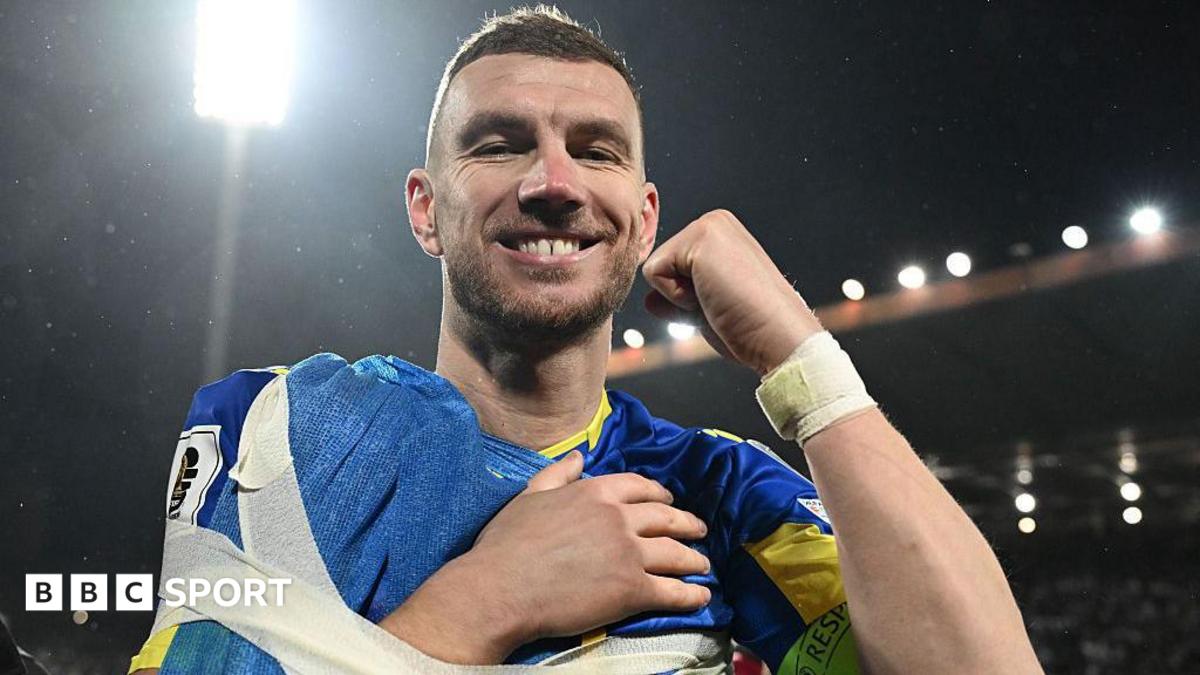
    For 40-year-old football legend Edin Dzeko, a career brimming with silverware—including two Premier League titles won with Manchester City, plus honours earned across stints with Inter Milan and Wolfsburg—may end up being remembered most for a quiet, iconic moment of grit: immediately after Bosnia-Herzegovina knocked Italy out on penalties to secure only the second World Cup qualification in the nation’s history, Dzeko celebrated gently, his arm strapped in a sling from injury.

    That image, observers say, encapsulates everything Dzeko has stood for across nearly two decades carrying the hopes of a nation still healing from the devastating scars of the 1990s Bosnian War. “His career is connected to the country’s own image—resilience, persistence and proving people wrong,” explains Bosnian journalist Sasa Ibrulj. Drawn into an even 2026 World Cup group alongside Canada, Switzerland and Qatar, Dzeko’s final tournament as a player is poised to open an exciting new chapter for Bosnian football.

    Dzeko’s own story of survival begins amid the chaos of war. When the Bosnian War broke out in 1992, he was just six years old. Around 80,000 Bosnian Muslims lost their lives in the conflict, and the Srebrenica Genocide—perpetrated by Bosnian Serb forces—stands as the worst mass killing in Europe since the Holocaust. Dzeko’s family stayed in Sarajevo through the nearly four-year siege, where Serbian snipers targeted civilian residents including children. After their family home was destroyed, Dzeko moved in with his grandparents, cramming 15 family members into a 35-square-meter apartment. “It was very hard. We were stressed every day in case somebody we knew died,” Dzeko recalled in a past interview with The Guardian. As a young boy, he often played football on a local pitch—one day his mother forced him to stay home, a decision that saved his life: a shell struck the pitch that same day, killing several children playing there.

    After the war ended, Dzeko launched his professional career at local Sarajevo club Zeljeznicar, where he was underestimated early on. His lanky frame earned him the local nickname “Kloc”, meaning “lamp-post”, and club executives jumped at the chance to sell him to Czech side Teplice for just €25,000. What followed was a historic top-flight career: Dzeko became the first player in history to score at least 50 goals in the Premier League, Bundesliga, and Serie A. Even as he rose to global superstardom, he never turned his back on his roots. He has donated repeatedly to fund renovations at Zeljeznicar, and became Bosnia’s first UNICEF ambassador in 2009. “People remember that he did not come from privilege or from a powerful football system,” Ibrulj says. “What makes him different is that people in Bosnia have never experienced him as distant or untouchable.” Mirza Trbonja, a close friend of Dzeko’s, told AFP that the star never turns down autographs or photos: “When he comes, you need a lasso to catch 10 minutes with him. When someone asks him for a photo or autograph, he never refuses.”

    Dzeko made his senior international debut in 2007, and today holds Bosnia’s all-time records for caps (148) and goals (73). After devastating play-off defeats to Portugal for the 2010 World Cup and Euro 2012, Dzeko led Bosnia to qualification for their first major international tournament as an independent nation, the 2014 World Cup in Brazil. That tournament marked the high point for Bosnia’s “golden generation”, with more play-off heartbreak following for Euro 2016, 2020, and 2024. Twelve years after that first historic qualification, Bosnia finally exorcised their play-off demons: after overturning deficits against both Wales and Italy to win both knockout ties on penalties, the nation secured its return to the world’s biggest football stage.

    Ibrulj notes that the 2026 qualification carries even more emotional weight than the 2014 breakthrough. “2014 felt historic because it was the first generation that truly gave Bosnia international sporting legitimacy after independence,” he says. “This second qualification feels even heavier emotionally. Bosnia spent more than a decade failing to return, and over those years there was disappointment, pessimism, and a growing feeling that the country had missed its moment. For many younger supporters, this is the first team that feels like their team in the same way older generations emotionally belonged to the side of Dzeko, Miralem Pjanic and Emir Spahic.”

    For Bosnian musician Alen Dokic, who released an official 2026 World Cup song under his alias Doppelganger, the qualification is a perfect example of “Bosanski Inat” — a deeply rooted cultural spirit of defiance and overcoming hardship. “Never forget, never forgive – this is one of the mottos that reminds us who we are, what we have been through, and how resilient we Bosnians are,” Dokic says. Dokic, born in Rome to Bosnian parents, is part of a global Bosnian diaspora that numbers as many as two million people, a connection that is reflected in head coach Sergej Barbarez’s 2026 World Cup squad: 17 of the 26 squad members were born outside of Bosnia-Herzegovina, raised across the globe but united by their choice to represent their ancestral nation.

    “It’s a unique dynamic of players growing up all over the world but coming back to represent Bosnia,” says former Bosnia goalkeeper Asmir Begovic. One shining example is 21-year-old Esmir Bajraktarevic, who scored the decisive penalty against Italy that booked Bosnia’s spot at the tournament. Bajraktarevic was born and raised in Wisconsin, after his parents fled the Srebrenica genocide. “That common interest, common goal, the passion of representing Bosnia plays a big role. What the country has been through, there’s still lingering effects from the conflict and the past. When everyone comes together in Bosnia, it’s a pretty unique feeling and really special. For a country so small to compete at this stage is a really big thing,” he says.

    In the hours after the play-off win over Italy, thousands of Bosnian fans flooded the streets of Sarajevo, celebrating long into dawn. Ibrulj explains that these moments of shared national joy carry unique weight for a country still fractured by political division, economic instability, and the unhealed shadow of war. Even with limited investment in sporting infrastructure for a population of just three million, the future of Bosnia’s national team looks bright — and it feels only fitting that Dzeko, the man who has been a constant through decades of change, will captain the side as they enter this new era.

    “In a country where people often struggle to trust institutions, figures like that become larger than sport itself. For younger players he became a constant. Coaches changed, federations changed, generations came and went, but Dzeko remained there,” Ibrulj says. When a video of Italian players reportedly celebrating getting to face Bosnia instead of Wales in the play-off final went viral before the decider, Dzeko once again showed the quiet leadership that has defined his career: he urged Bosnian fans to respect the Italian national anthem ahead of kickoff, reminding supporters that Italy was the first national team to visit Bosnia after the war.

    “He is someone who has big pressure and expectation on him. He galvanises everybody. When I played with him he certainly wasn’t the most vocal of leaders but he definitely led by example and I think a lot of people fed off that,” Begovic says. Far from being at the tournament to simply make up the numbers, Dzeko has already proven he still has a critical role to play: he scored a late equaliser against Wales to force the penalty shootout, then set up Bosnia’s equaliser against Italy to send that tie to penalties as well. The 40-year-old says even he never expected to still be playing at the top level at his age: “I didn’t think I would be playing at 40 – 10 years ago I would’ve said ‘no’, but I’m listening to my body and doing a lot of work before and after training to help my body. I am so happy I can do it [go to the World Cup]. It is so amazing for the young players. They don’t know it yet, but it will change their lives for sure.”

    Bosnia’s 2026 World Cup campaign kicks off this Friday against co-hosts Canada, kicking off what is already the most emotional chapter in the nation’s modern football history.
  • ‘Best Canada team ever’ bid to shine at home World Cup

    ‘Best Canada team ever’ bid to shine at home World Cup

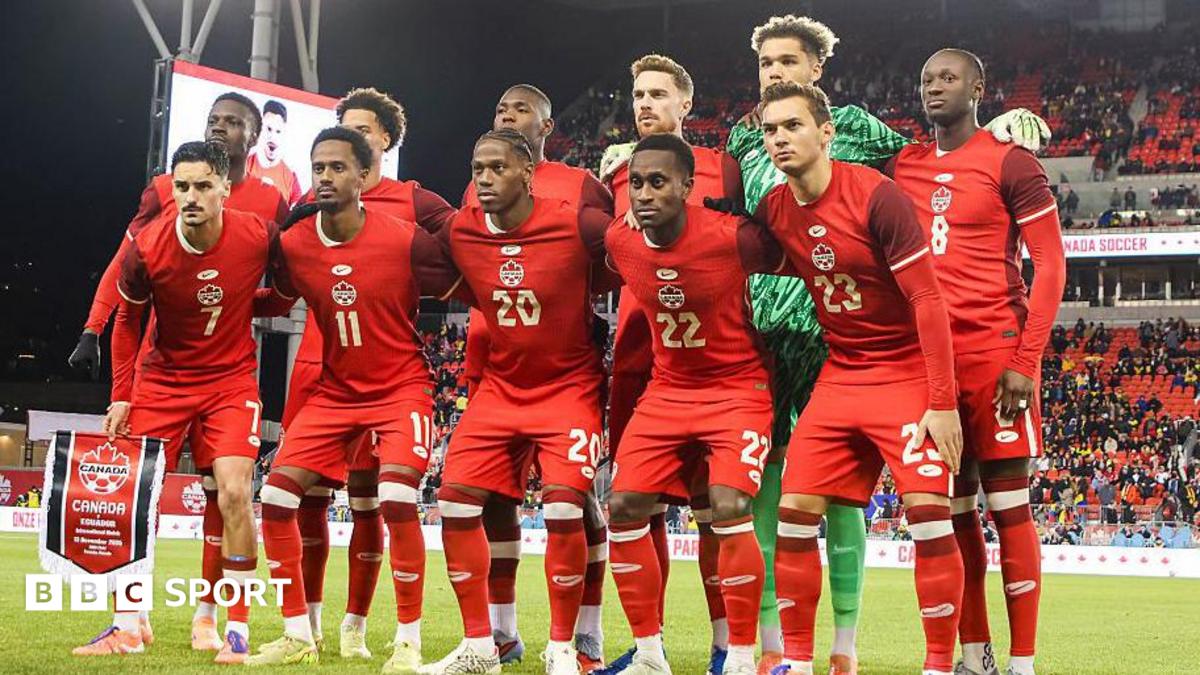
    As the 2026 FIFA World Cup kicks off, much of the global spotlight has fallen on political shifts in the United States and ongoing infrastructure and scheduling controversies in co-host Mexico. But few have turned their attention to the tournament’s third, often underrepresented host nation: Canada. For Canadian football observers, this quiet invisibility is nothing new. “Canada is often overlooked, and we are comfortable with that,” veteran Canadian football journalist Har Johal told BBC Sport in an exclusive interview. “We will smile, be polite, and let our co-hosts to the south dominate the headlines. But that does not mean we do not have big ambitions of our own.”

    Beneath the widely held stereotype of Canadian politeness lies a steely, growing confidence: this iteration of the men’s national team is widely considered the most talented in the country’s history, and they are poised to deliver a breakout performance on home soil this summer, starting with their tournament opener against Bosnia-Herzegovina in Toronto on Friday at 20:00 BST.

    ### Off the Pitch: Hosting Success, With Some Growing Pains
    Unlike several proposed U.S. host venues that have drawn criticism for exorbitant travel costs and remote locations, Canada has avoided major off-pitch controversy. Both of its host cities – Vancouver and Toronto – boast centrally located, accessible stadiums that eliminate the need for long-distance commutes for fans. That said, the nation is not immune to the cost-of-living strains hitting the 2026 tournament overall.

    FIFA’s standardized ticketing pricing structure has left many local fans facing similarly expensive seat costs to their counterparts in the U.S. and Mexico, and hotel prices have skyrocketed to unprecedented levels. Downtown Vancouver hotels currently charge more than $1,000 per night during the tournament, with some peak match-night rates exceeding $2,000. When Vancouver hosted the 2010 Winter Olympics, the average downtown hotel rate sat at just $359 per night. Compared to standard 2025 off-tournament rates, prices have surged by more than 300% in some blocks.

    ### A History of Waiting, and Growing Talent on the Pitch
    This 2026 tournament marks just Canada’s third appearance at the men’s World Cup finals, following debut runs in 1986 and 2022. The nation’s World Cup record is far from intimidating: across six total matches, Canada has yet to earn a win, scoring only two goals while conceding 12. At the 2022 Qatar World Cup, Canada entered the tournament labeled a potential dark horse after a stunning qualification campaign, but was outclassed in a brutal group that featured eventual semi-finalists Croatia and Morocco, alongside Belgium.

    Four years later, with four additional years of top-flight international experience and the undeniable energy boost of a home crowd, expectations around the team have shifted dramatically. Johal notes that momentum for Canadian football has been building for decades, as more young Canadian talent earn spots at top European clubs. “The timing is fantastic, but it has been building for Canada – we have seen more players in top European leagues, the talent is there,” she explained. “At Qatar, expectations were already high, and they are just as high again this year. People are getting excited, momentum is slowly building. The whole country is really behind Team Canada, and excitement ramps up every single day. This is a great generation, the best Canadian team we have ever had.”

    On paper, Canada’s 2026 group is far more manageable than their 2022 draw. They will face Switzerland, Qatar, and Bosnia-Herzegovina – the latter of which upset powerhouse Italy on penalties to qualify for the tournament. “People are saying there is no reason Canada cannot top this group, especially after Italy choked,” Johal said. “Now maybe the Swiss are our biggest rivals.”

    That confidence has yet to fully translate to recent match results. Canada were eliminated from the 2025 Concacaf Gold Cup quarter-finals by underdog Guatemala on penalties, and their recent friendly form has been inconsistent. The March 2026 international break brought two consecutive draws against Iceland and Tunisia on home soil in Toronto, and goals have been hard to come by: the team has failed to score in four of their last nine outings, leaving manager Jesse Marsch with work to do to meet lofty home expectations.

    ### The Golden Generation Led By a Talisman Returning From Injury
    While Marsch works to solidify his starting eleven, the entire nation is holding its breath for star talisman Alphonso Davies, who is set to miss the opening Bosnia-Herzegovina match through injury but hopes to return later in the tournament. The 25-year-old Bayern Munich winger, now Canada’s captain, made history at the 2022 World Cup as the first Canadian man to score a World Cup goal, even as the team bowed out in the group stage. Now the undisputed face of Canadian football, Davies has missed 15 club matches this season through a series of injury setbacks, including a hamstring strain that kept him out of the March 2026 international window. If the winger can return to full fitness, it would be a transformational boost for the host side.

    “We saw Davies come back and score for Bayern recently, he is an integral part,” Johal said. “Davies is 100% the face of the team, it’s just we have not seen that face so often with the injuries.”

    Davies anchors what is widely called Canada’s golden generation, alongside Juventus striker Jonathan David and Villarreal midfielder Tajon Buchanan. If all three can reach peak form for the tournament, analysts agree Canada has the quality to compete with any side in their group.

    Toronto-based national team midfielder Jonathan Osorio credits the rising quality of Canadian football to decades of growing popularity and investment in the sport at all levels. “The exposure to other leagues around the world being shown on TV here was also a factor,” Osorio told BBC World Service. “I think Canadian club teams in MLS being successful helped, and all those things helped that next generation really believe and dream big, and believe that it is possible to one day help Canada reach a high level. Our grassroots began to improve. Everything began to improve as far as the sport in our country and that’s what led us to finally getting over that hump and qualifying for multiple World Cups. I think this team represents Canada more than any other national team in any sport. We really show how diverse Canada is.”

    ### Ambition Meets Expectation: A First Win Awaits
    For a nation that has never won a World Cup match, the bar for success is clear. “Success has to be getting out of the group, or even topping the group,” Johal said. “There is no reason why they can’t, they are strong all over the field. Yes, we have never won a game, but as hosts it is a good time to do that now. If they don’t get out the group, heads will roll.”

    The first head expected to be on the chopping block if Canada underperforms is manager Marsch, a former Leeds United boss appointed in May 2024 specifically to lead the host side into the home tournament. While Marsch’s time in England ended in sacking and Leeds relegation in the 2022-23 season, he has built strong support in Canada for his straightforward style and experience coaching at the top club level. Osorio argues Marsch’s tactical approach is a perfect fit for this Canadian side.

    “His football is very intense and physical, which suits our strengths as a team,” Osorio said. “But at the same time, it doesn’t take away from playing attractive, confident football. It’s been a perfect match honestly, and his experience coaching at the highest level has already had a huge impact on a lot of players in terms of their development and growth. It’s probably the best squad we’ve ever had in our history, and the player pool is deeper than it’s ever been.”

    Marsch, an American, has already dismissed off-field speculation about him leaving the Canadian job to take the vacant U.S. national team role in 2024, and has publicly pushed back on U.S. President Donald Trump’s controversial comments calling for the annexation of Canada, calling the remarks “ridiculous”. Johal says Canadian fans appreciate Marsch’s no-nonsense, transparent approach, and do not take issue with an American leading their national side.

    “People like Marsch, they like his no-nonsense approach,” Johal said. “He is an open book and gives long answers at media conferences – what you see is what you get. People just want the best results.”

    As for the style of play fans can expect from the 2026 hosts, Johal says it matches the country’s beloved national sport of ice hockey: high-tempo, physical, and aggressive, with no willingness to back down from opposition. “Canada are aggressive, they get on the ball and want to take the game to the opposition. It is similar to hockey – physical play and high pace. Players are not afraid to get stuck in. I would not be surprised to see a few cards – they do not want to be pushed around.”

    So for fans expecting the stereotypical quiet Canadian politeness on the pitch this World Cup: think again.

    Fans across the UK can watch Canada’s opening match against Bosnia-Herzegovina on BBC One, BBC iPlayer, and the BBC Sport website and app from 19:00 BST on Friday, with full live commentary on BBC Radio 5 Live and BBC Sounds.

  • ‘Natural leaders’: Jake and Tom Trbojevic to serve as co-captains as Kieran Foran continues to make changes at Manly

    ‘Natural leaders’: Jake and Tom Trbojevic to serve as co-captains as Kieran Foran continues to make changes at Manly

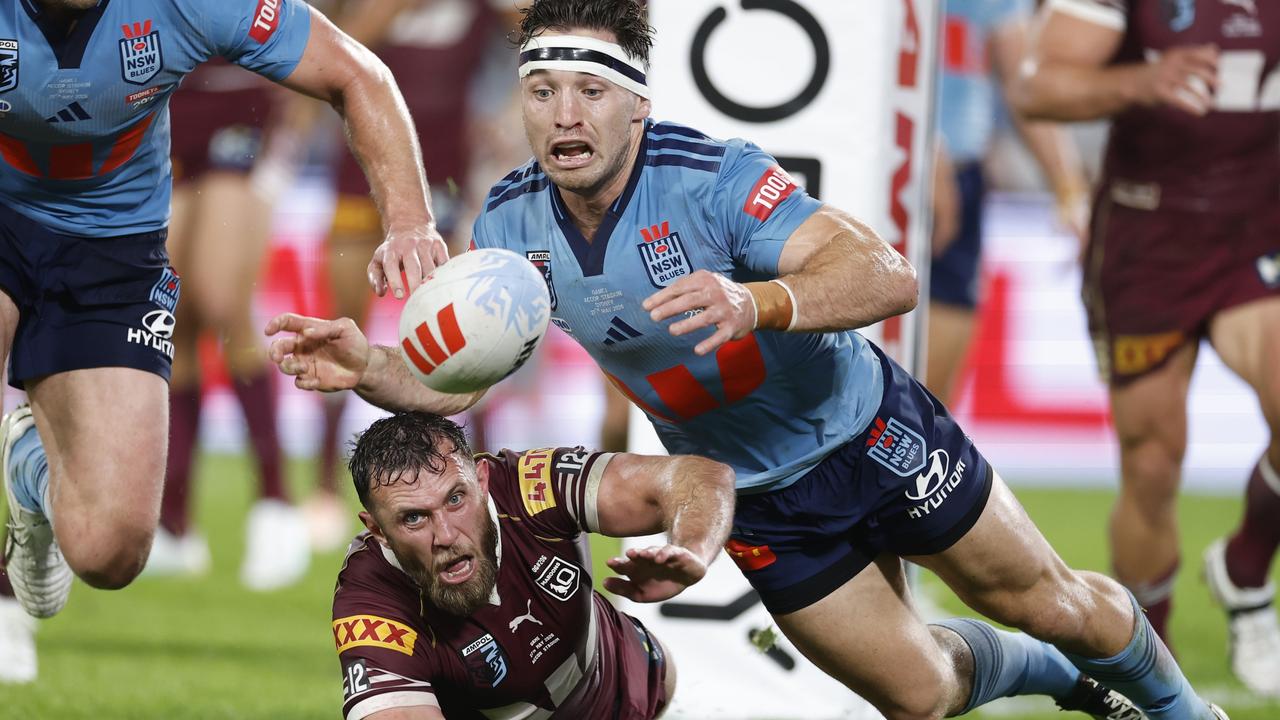
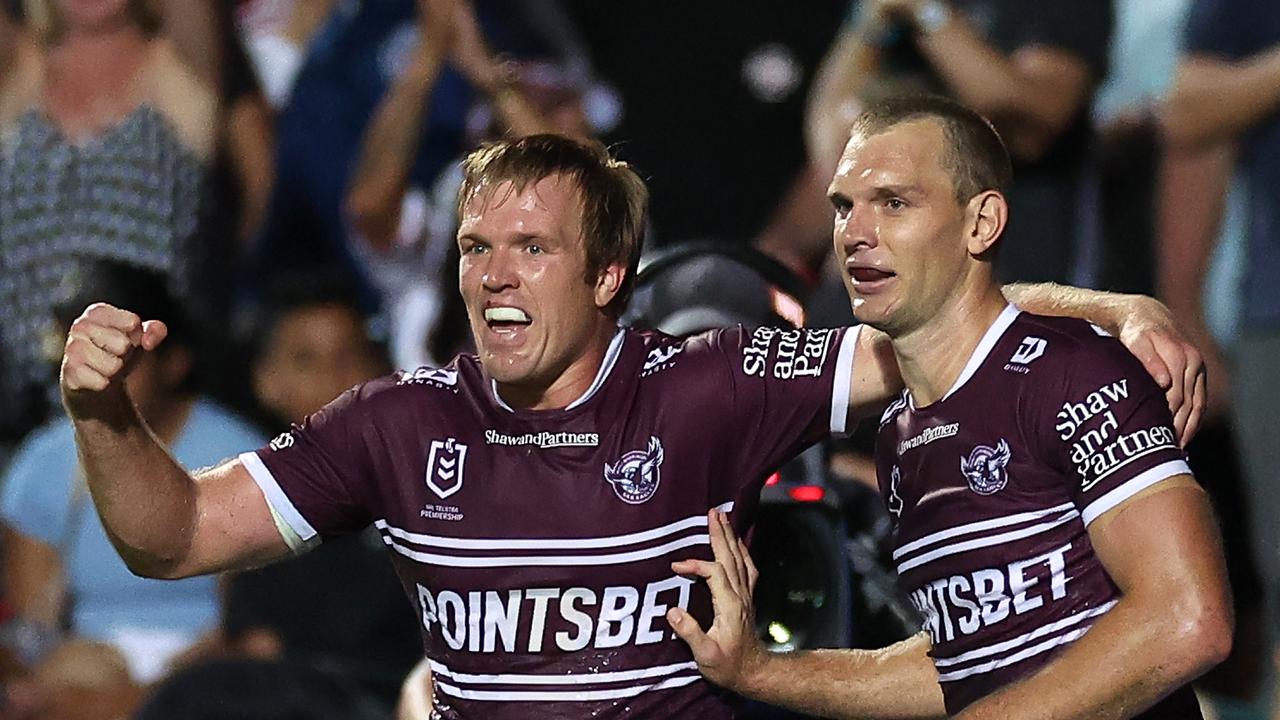
    The Manly Sea Eagles, one of the National Rugby League’s most storied franchises, have announced a major off-field shakeup to their leadership group, with head coach Kieran Foran confirming that club fan favorite Jake Trbojevic will step into a permanent co-captaincy role alongside his younger brother Tom.

    Tom Trbojevic was named the club’s sole captain earlier this year, taking over from club legend Daly Cherry-Evans who departed for the Sydney Roosters at the end of the 2024 season. The star fullback has been sidelined in recent weeks with a hamstring injury, but is on track to make his return to the field next Thursday when Manly faces off against the Canterbury-Bankstown Bulldogs.

    The 2025 NRL season got off to a disastrous start for Manly: the club dropped its first three consecutive matches, resulting in the immediate dismissal of former head coach Anthony Seibold. Foran, who originally joined the club’s staff as an assistant coach, stepped into the interim head coaching role and quickly turned the team’s on-field fortunes around. Impressed by his rapid turnaround of the squad, Manly’s front office signed Foran to a three-year permanent head coaching contract just weeks into his interim tenure.

    During Tom Trbojevic’s injury absence, Jake Trbojevic stepped up to lead the side with remarkable composure and results. That strong performance laid the groundwork for Foran’s decision to share the captaincy between the two brothers, a move that aligns with the team’s current chemistry.

    In addition to the co-captaincy appointment, powerful back-rower Haumole Olakau’atu has been named the club’s sole vice-captain. The appointment comes at a pivotal moment for Olakau’atu, who was recently dropped from the New South Wales Blues State of Origin side and will be eager to prove his selection worth against the Bulldogs next week.

    Speaking on the leadership changes, Foran emphasized that the move was a natural fit for the evolving squad. “Tom and Jake are the natural leaders of this group, and it makes sense to have them as co-captains,” Foran told reporters. “Jake has done an amazing job in Tom’s absence and we knew he would. He stepped up when the team needed him. That’s what leaders do. Haumole has also been wonderful this year, not only in his performances but also in the leadership he brings to the group.

    Right now, what’s best for the team is to have both Tom and Jake sharing the captaincy, supported by Haumole as vice-captain. It’s a pretty straightforward decision to be honest. We are lucky as a group to have two legends of the club leading the way.”

    For Jake Trbojevic, the new role caps off a positive stretch that has cleared up uncertainty around his future in the NRL. Earlier this year, widespread speculation suggested 2025 would be his final season in top-flight rugby league, but the forward has confirmed he will remain with Manly through the 2027 season. A long-time fan favorite and one-club man, Trbojevic said he was eager to take on the new responsibility.

    “I’ve just loved the past few months, and I’ll do whatever is best for the team,” he said. “If Foz (Foran) and Tom want this, then I’m all in. Leading this amazing group of players and playing for this great club is a privilege.”

  • ‘It’s a fit man’s game’: How Cameron Murray changed Origin as calls grow louder for him to start for the Blues

    ‘It’s a fit man’s game’: How Cameron Murray changed Origin as calls grow louder for him to start for the Blues

    Nearly a decade after he entered the National Rugby League, Cameron Murray has emerged as the public face of a sweeping transformation reshaping Australian rugby league’s most iconic competition, State of Origin. Once known as a proving ground for oversized power athletes, where 34 massive players from New South Wales and Queensland would trade brutal hits across 80 minutes of nonstop physical play, the elite representative series is now seeing a clear evolution: while team benches have grown in size, the average build of starting forwards has shrunk, with speed and endurance now prioritized over raw bulk.

    When Murray made his NRL debut in 2017, he lined up alongside the sport’s signature giants: the 100+ kilogram Burgess brothers and other heavy-boned forwards who dominated the era. Just 20 years earlier, the 2006 State of Origin series featured a roster of legendary heavyweights including Steve Price, Willie Mason, Petero Civoniceva and Brent Kite, all tipping the scales well above Murray’s current listed weight of 96 kilograms. Today, that 96kg frame fits perfectly into the new-look game shaped by rule changes designed to speed up rucks and open up play.

    Looking back on his career, Murray recalled early pressure to bulk up to match the sport’s old guard. “When I was coming in, it was the era of the Burgess boys, Ben Te’o, John Sutton and Dave Taylor — all big fellas,” Murray said. “In your mind, you’re like ‘I’ve got to put size on. I’ve got to make sure that I’m as big as these guys’. But as luck would have it, I came in at the right time. The fatigue and the speed of the game started going up, and it probably suited me a little better.”

    Murray credits incremental rule tweaks over the past decade with shifting the sport’s trajectory toward a faster style of play that caters to smaller, more agile forwards. “Some little tweaks in the rules over the years and then the way that the NRL are wanting the game to be played now, they kind of catered that to suit the rules,” he explained. “It’s the way that they want the game to go based on the speed of the game and bringing back the smaller guys. I think that’s suited me well, so I’m not complaining.”

    The impact of Murray’s unique skill set has not gone unnoticed among teammates and analysts. Former rugby league star Braith Anasta is among those calling for Murray to take the starting lock position for the NSW Blues, pushing current captain and long-time standout lock Isaah Yeo to shift to prop or move to the interchange bench. That arrangement already proved successful during the 2024 series, when Murray delivered a dominant performance wearing the number 13 jersey in games two and three.

    Data from Fox Sports Lab underscores how transformative Murray’s presence is for the Blues: the team holds an undefeated 3-0 record when Murray starts at lock. Across 16 total Origin appearances for NSW, the Blues have outscored opponents by 174 points when Murray is on the field, while posting a negative 48-point differential when he sits on the bench. That gap was on full display in 2024’s game one, where Queensland jumped out to an 18-0 lead before Murray entered the game off the bench.

    Even Yeo, who has been the Blues’ starting lock for six years, openly praised Murray’s game-changing ability. “He’s been outstanding for a long time, and we’ve definitely missed him in the Origin arena when he had the achilles (injury) last year and when he had a concussion in another game,” Yeo said. “He’s just one of those players who makes every team he’s in better, whether that’s at lock, coming off the bench or playing in the back row. He’s the ultimate professional. I thought what he and Victor Radley brought into the game off the bench was really important. They brought a point of difference for us.”

    NSW halfback Nathan Cleary, who plays alongside Yeo weekly at club level and teams up with Murray annually for Origin, highlighted the unique dynamic the two forwards create. “The world’s best playmaker loves working with two of the most effective link men in rugby league, with Murray providing a point of difference that Yeo can’t match. He just adds a different type of leg speed,” Cleary said. “I’ve seen Cam play in the centres before, and that speaks volumes to what he brings with his leg speed. He’s got great ball-playing ability as well, so I think the mix of him and ‘Yowie’ is so dynamic. It’s a pleasure to play alongside those two guys.”

    For Murray himself, the debate over whether he deserves a starting spot is irrelevant. His only goal is helping the Blues claim the State of Origin shield after an injury forced him to miss the entire 2023 series. “When I play Origin, I just try to be myself out there. I try to go out and play to my strengths and do what I know needs to be done to get the job done in Origin,” he said. “Origin’s all about effort and going out and doing your best for your teammate, and so that’s what I try to do. If I’m coming off the bench, then I try to bring energy. If I start, I try to start with a level head and I just go out there and try to be the best version of myself and play as best I can in a Blues jersey.”

  • ‘No-one knows it’s on’ – NBA Finals feed US World Cup apathy

    ‘No-one knows it’s on’ – NBA Finals feed US World Cup apathy

    As the 2026 FIFA Men’s World Cup prepares for its first matches on US soil, the global tournament faces a major uphill battle to capture mainstream public attention across the country — overshadowed by a historic NBA Finals run that has gripped major American cities and facing long-standing cultural gaps where other domestic sports reign supreme.

    Across the United States, the immediate conversation is dominated not by international football, but by the New York Knicks’ stunning, record-breaking comeback against the San Antonio Spurs that has left the franchise one win away from its first NBA championship since 1973. Wild street celebrations erupted across Manhattan after the game, with fans climbing onto cars to cheer the historic victory, while even in beachside Santa Monica, bar crowds roared for the basketball result rather than any World Cup build-up. For many New Yorkers, the NBA Finals have completely crowded out any space for World Cup excitement. “To be honest I haven’t really kept up with anything about the World Cup. I don’t care about anything other than the Knicks,” one Knicks fan told BBC Sport, echoing a widespread sentiment that even local organizers acknowledge.

    This is only the second time the United States has hosted the men’s World Cup, 32 years after the 1994 tournament that reshaped American soccer culture, spurring growing popularity and paving the way for the creation of Major League Soccer. Three decades on, traces of the 2026 tournament are visible in major host cities: subway trains wrapped in US national team colors in New York, a giant Lionel Messi billboard in Times Square, street banners promoting the tournament outside Los Angeles International Airport, and a massive Messi mural in downtown LA. International fans have begun arriving, with supporters of Morocco, Brazil, Scotland and other nations spotted wearing team gear across host hubs.

    Yet for casual sports fans and even many locals, the tournament has flown entirely under the radar. A Los Angeles taxi driver recently expressed complete surprise when told the World Cup was days away, asking “There’s a World Cup happening? Who’s playing?” Even visiting Scotland fans, who have traveled to Boston for their nation’s first World Cup appearance in 28 years, reported that most Americans they’ve interacted with have no idea the tournament is underway. “I had a Scotland top. She didn’t even know the World Cup is on,” one fan told reporters.

    A recent national poll underscores this apathy: half of all surveyed Americans say they do not care about the tournament. Soccer has grown in popularity over the past 30 years, particularly among younger generations, but it still has not displaced the hold that basketball, American football and baseball have on mainstream US sports culture.

    Compounding the challenge of low awareness is the issue of prohibitively high ticket prices, which have priced out many families and casual fans even among committed soccer supporters. Ahead of the US men’s national team’s opening match against Paraguay on Saturday, unsold tickets remained available, with the cheapest entry point sitting at $1,120 — a cost many households refuse to absorb. “We have two girls in club soccer so we are very much fans,” said Chris, a Los Angeles local, who explained he and his family would be watching the tournament from home rather than attending in person. “If it was more affordable for families we would definitely go and check it out,” added another local father Brennan, echoing that sentiment.

    Host city organizers are optimistic, however, that excitement will build as the tournament progresses. “I think we have had a slow build that is leading to a frothy frenzy,” said Larry Freedman, co-chairman of the Los Angeles World Cup Host Committee. “It has been such a long time coming and with so many other sports and activities in LA people have been thinking about what they will do tomorrow, not two or three years out. But now we are on the eve of it kicking off people are getting very, very excited. We have a very diverse community here and people from all over the world who will have teams participating in this tournament.”

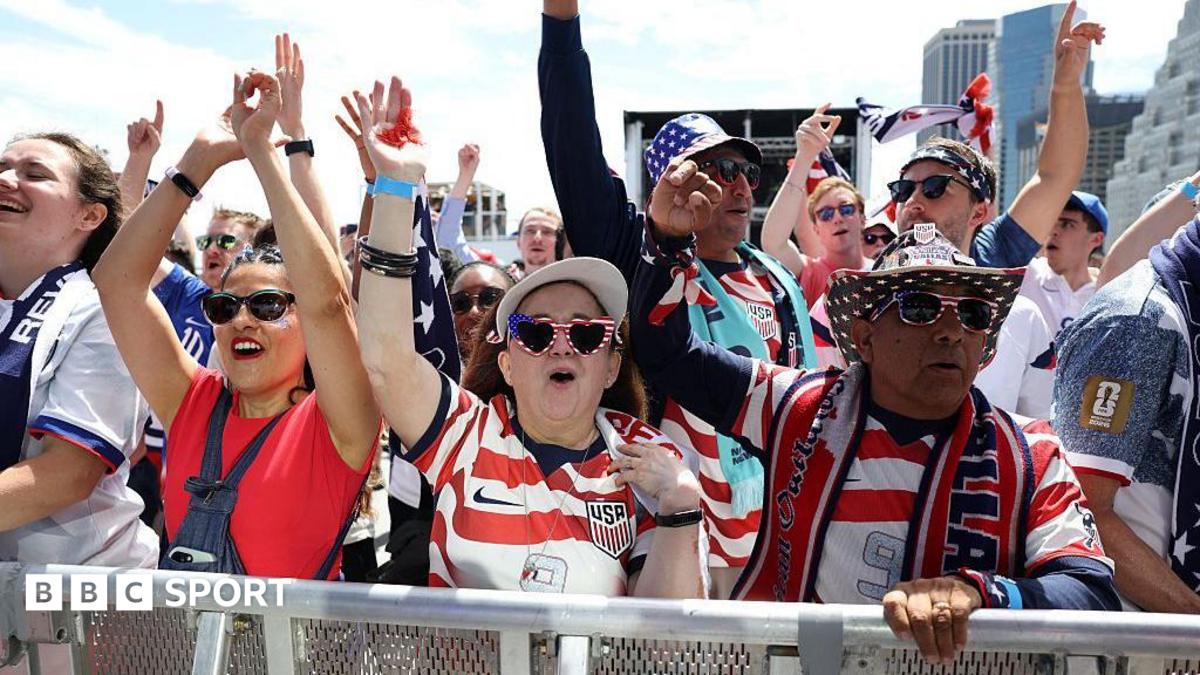
    Among younger Americans who never experienced the 1994 tournament, there are signs of growing enthusiasm. Many younger fans have organized watch parties, and are leaning into national pride to draw less interested friends into following Team USA. “I think it has surpassed baseball in popularity here, but I don’t think it will get as big as American football or basketball. People will get into it,” said one young LA fan. Even casual first-time viewers expressed excitement at getting to experience the global tournament on home soil: “I’ve never actually watched the World Cup but I will watch it this year. I think it will be exciting because it is here in LA now and LA is where it is at. It will be something different,” said Isaiah, a visitor from Sacramento County.

    Organizers have also experimented with new outreach tactics to attract casual audiences, including featuring US international Malik Tillman on the cover of a major fashion magazine in an unconventional spread designed to boost exposure beyond traditional soccer circles. “Ultimately it’s about exposure. I’m always up for expressing ourselves in different ways,” said US center-back Mark McKenzie of the campaign.

    Interest has ticked upward as the US opener approaches: 30,000 fans registered interest for just 5,000 available spots at a recent open US training session. How far the US team advances in the tournament will also play a key role in growing support: a deep run could mirror the 1994 tournament’s lasting impact, accelerating soccer’s growth in the US for decades to come.

  • Shakira and protests as World Cup kicks off in Mexico

    Shakira and protests as World Cup kicks off in Mexico

    As the 2026 FIFA World Cup kicked off its opening match Thursday in Mexico City, the day unfolded as a study of stark contrasts: a raucous, celebratory opening ceremony inside the iconic Estadio Azteca was overshadowed by violent clashes between protesters and security forces, and dangerous overcrowding at the city’s central official fan zone.

    A venue steeped in World Cup history, Estadio Azteca – recently renovated to modernize its century-old infrastructure – earned its place as the tournament’s curtain-raiser host, having hosted the sport’s biggest final in both 1970 and 1986. Thursday’s opening matchup between co-host nation Mexico and South Africa was preceded by a star-studded performance that had the 80,000-person crowd on their feet.

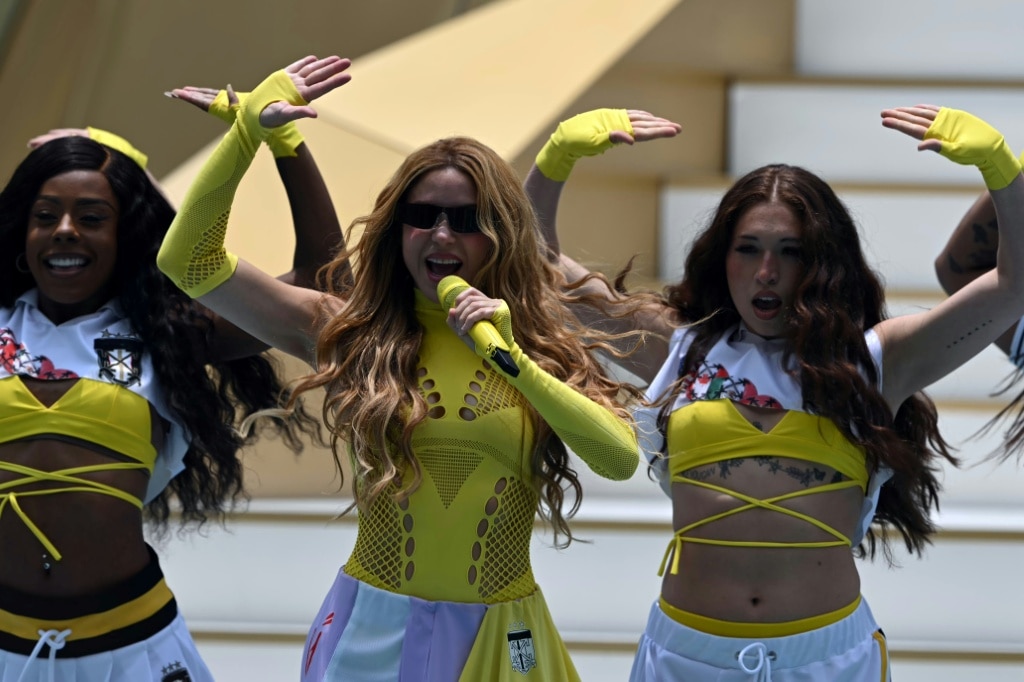
    Colombian pop icon Shakira, a longstanding fixture of World Cup opening ceremonies stretching back decades, shared the stage with Nigerian afrobeats superstar Burna Boy to deliver the tournament’s official anthem “Dai Dai”. Dancers swirled around a towering inflatable replica of the World Cup trophy while bursts of fireworks lit up the sky above the pitch, building energy to a fever pitch ahead of kickoff. For fans inside the stadium, the atmosphere delivered exactly the festive experience they had traveled for.

    “It’s already a party in Mexico,” 40-year-old supporter Ingrid Orozco told Agence France-Presse. Nineteen-year-old Gustavo Ramirez echoed the excitement, saying simply: “It’s amazing.” That celebration only grew after the final whistle, as Mexico secured a dominant 2-0 victory over South Africa, which finished the match down to nine players after two red cards.

    But just miles from the stadium’s celebrations, chaos erupted across the capital. At the Zocalo plaza official fan zone, thousands of fans converged to watch the match on a giant screen, only to face dangerous crushes at entry points. Metal barriers, installed days earlier to block protesting teacher groups from accessing the area, created bottlenecks that turned entry into a disorganized scramble.

    “Stop pushing and shoving, there are children here, you’re like animals!” one city official yelled through a megaphone while attempting to manage the crowd. Some frustrated fans threw water bottles and shouted insults at police, even as they chanted in support of the Mexican national team. After an hour of waiting to enter, many fans gave up entirely. “It took us an hour to get in, it was chaos, and getting out was even worse,” 49-year-old Victor Gomez told AFP, who left the venue with his partner before kickoff. “Inside, you can’t even walk, and you can’t see anything; we could only get access to the very last little screen over here.” Local officials quickly announced the fan zone had reached full capacity on social media and urged arriving fans to seek out alternate viewing locations. Originally scheduled to attend the Zocalo fan zone, Mexican President Claudia Sheinbaum instead watched the match at a local sports center amid ongoing unrest.

    The protests that prompted the security barriers began days earlier, when a group of teachers demanding higher wage increases organized demonstrations near high-profile World Cup locations. On Thursday, they were joined by relatives of missing Mexican citizens and student activist groups, who gathered outside Estadio Azteca ahead of the match. As kickoff approached, a subset of protesters pushed through perimeter barriers, leading to physical clashes with uniformed officers. Small groups of young demonstrators smashed car windows with baseball bats, prompting police to deploy tear gas and mounted units to disperse the crowd, which scattered across surrounding neighborhoods.

  • Hwang In-beom sparks South Korea’s 2-1 comeback win over the Czech Republic at the World Cup

    Hwang In-beom sparks South Korea’s 2-1 comeback win over the Czech Republic at the World Cup

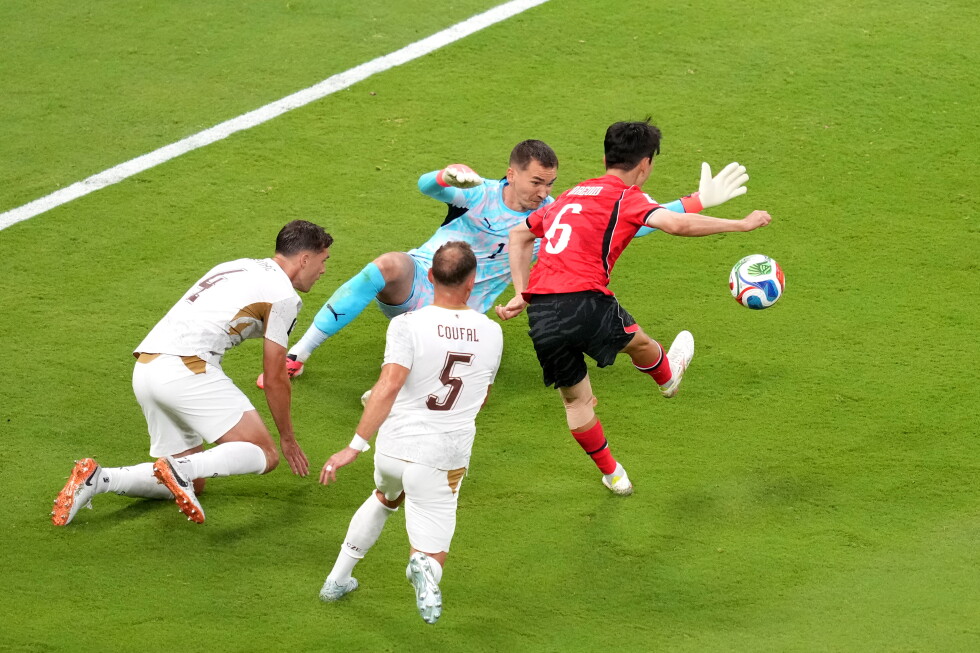
    GUADALAJARA, Mexico — In a second Group A fixture of the 2026 FIFA World Cup held on Thursday night at Guadalajara Stadium, South Korea pulled off a gritty 2-1 comeback victory over the Czech Republic, anchored by a standout performance from Feyenoord midfielder Hwang In-beom, who notched one goal and set up the match-winning strike.

    Both sides struggled to find rhythm through a sleepy first 45 minutes, drawing boos from the crowd as they headed to the locker room for halftime. The deadlock finally broke in the 59th minute, when Czech captain Ladislav Krejci nodded a header into the net off a long throw-in launched into the penalty area, putting the Central European side ahead.

    South Korea responded eight minutes later, with Hwang producing a clever piece of skill to fake out two Czech defenders, create space, and slot home the equalizer. The Feyenoord playmaker continued his impact in the 80th minute, whipping a pinpoint cross from the right flank that forward Oh Hyeon-gyu converted to put the Asian side ahead for good.

    The match had hundreds of empty seats scattered across the 45,664-capacity venue, with an official attendance announced at 44,985 that included FIFA President Gianni Infantino in attendance. After the final whistle, the South Korean squad traveled to the stands behind one of the goals to celebrate with their traveling supporters, posing for a commemorative photo with the fan group.

    Star forward Son Heung-min, making his fourth consecutive World Cup appearance, entered the match just one goal away from becoming South Korea’s all-time leading World Cup goalscorer and the highest-scoring Asian player in tournament history. The 33-year-old Los Angeles FC winger, formerly of Tottenham Hotspur, entered Thursday’s contest with three career World Cup goals across three prior editions, but could not add to his tally: he sent a first-half attempt wide of the post and saw a close-range second-half shot stopped by the Czech goalkeeper.

    The Czechs thought they had reclaimed the lead in the 77th minute off another set piece, but Tomas Soucek’s header was ruled out for offside. The 38th-ranked Czech Republic, making their first World Cup appearance since 2006, outmatched in possession by 25th-ranked South Korea, which carved out the majority of clear scoring chances throughout the match but failed to convert in the opening half.

    Following the match, South Korean head coach Hong Myung-bo emphasized the character his side showed to fight back from a one-goal deficit. “It was our first game and a very difficult one,” Hong said. “The win itself makes me happy, but what’s even more positive is that our boys won by not giving up. I knew that we were more than capable of winning, so at 1-1, I told the boys to keep playing the way we’ve been playing.”

    This result marks a historic milestone for South Korea: it is their first opening World Cup match win since a 2010 victory over Greece in South Africa, and their third consecutive win against a European opponent at the tournament, following upsets over Germany in 2018 and Portugal in 2022. The side is making its 11th consecutive World Cup appearance — 12th overall — more than any other Asian nation. Their best tournament finish remains a fourth-place finish when they co-hosted the 2002 World Cup alongside Japan; they have not advanced past the Round of 16 in every edition since that run.

    Czech manager Miroslav Koubek acknowledged the result after the match, admitting that the stronger side won on the night, while noting that small errors derailed his team’s bid for a positive result. “We played very well, it could have been a draw and we could have won as well,” Koubek said.

    In the other Group A match held on Thursday, co-host Mexico kicked off its World Cup campaign with a 2-0 win over South Africa in Mexico City.

  • ‘We’re not’: Benji Marshall slams door shut on the Wests Tigers signing Israel Folau

    ‘We’re not’: Benji Marshall slams door shut on the Wests Tigers signing Israel Folau

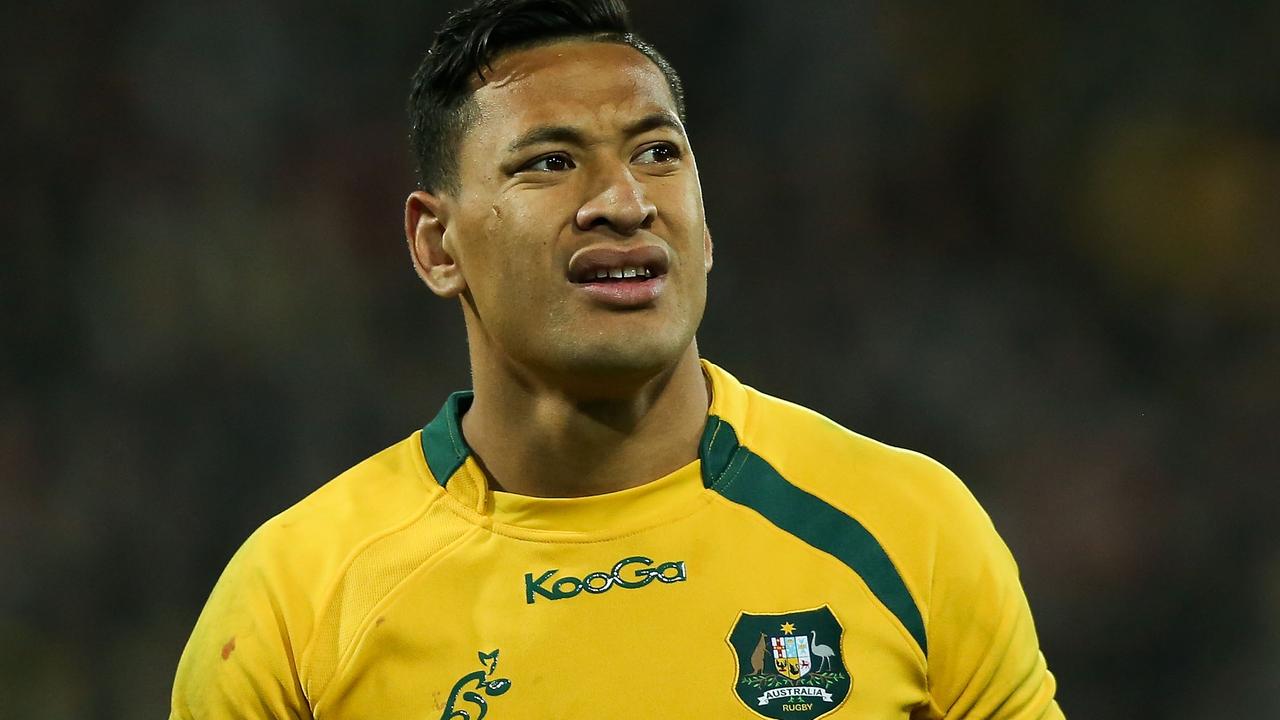
    Just days after unsubstantiated reports linked 37-year-old veteran cross-code athlete Israel Folau to a potential National Rugby League (NRL) comeback with the Wests Tigers, head coach Benji Marshall has categorically ruled out any move to bring Folau to the club. The blunt rejection comes as Marshall prioritizes pulling his side out of a low point following a humiliating 68-0 defeat to premiership favorites Penrith last weekend.

    Folau, who last played an NRL match back in 2010, has built a nomadic career across multiple football codes since leaving the competition, with stints in Australian Rules Football, international rugby union, and most recently a season with the Super League’s Catalans Dragons. Marshall and Folau actually shared the field once before, lining up together for the NRL All Stars exhibition side in 2010, but that connection has not sparked any interest in a signing from the current Tigers head coach.

    Speaking to reporters on Friday, Marshall shut down all speculation immediately: “No, we’re not signing him. I don’t talk about recruitment publicly, but that’s the furthest thing from my mind right now. I’ve seen there have been a lot of reports out there, but I need to get my team back on track. I need to focus on what’s important right now, and that’s us getting the performance we need this weekend, so I’m not even going to go down that path.”

    Marshall’s full attention is fixed on damage control after the Tigers’ lopsided loss to Penrith, a defeat he described as being fueled by embarrassing “schoolboy errors” that left the entire squad ashamed of their on-field performance. Rather than brushing the defeat under the rug, Marshall said the club has worked through a full review of the match to encourage individual and collective accountability. “It was really important for us to go through that process so we didn’t just flush it under the carpet and pretend it never happened. And although it was tough, I think the value we’ll get out of that will hold us in good stead,” he explained.

    Despite the demoralizing loss, Marshall pushed back against outside narratives that the Tigers’ entire season is a write-off, noting that the club holds a 6-6 win-loss record halfway through the campaign. “It’s not all doom and gloom as it feels like it is externally,” Marshall said. His top priority right now is lifting the team’s mentality ahead of their upcoming clash against the Titans on Sunday, which will mark the club’s final match at the historic Leichhardt Oval before the venue closes for a major multi-year renovation that will keep the Tigers away through 2027.

    The Tigers will enter the match shorthanded, already missing key starting players Api Koroisau and Adam Doueihi. Much of the external criticism for the club’s recent uneven form has fallen on five-eighth Jarome Luai, who has come under intense scrutiny since announcing he will leave the Tigers to join the PNG Chiefs in 2028. Marshall defended Luai, rejecting the suggestion that his upcoming departure has become a disruptive distraction and pushing back on attempts to pin the team’s poor results solely on Luai.

    “I said this at the time (when he signed the deal) that it’ll become a distraction if you let it. If you don’t find the results, then they’ll find the excuses to make that a distraction. And we haven’t had the results, so people are always going to point to that, but it’s deeper than that,” Marshall said. “You don’t like making excuses, but we have a lot of our key players out, and what we haven’t done is adapt enough in those games to defend better. You can talk all you want about Jarome’s decision to go to PNG, but there are 16 other players or 18 other players in the squad that need to do their job as well.”

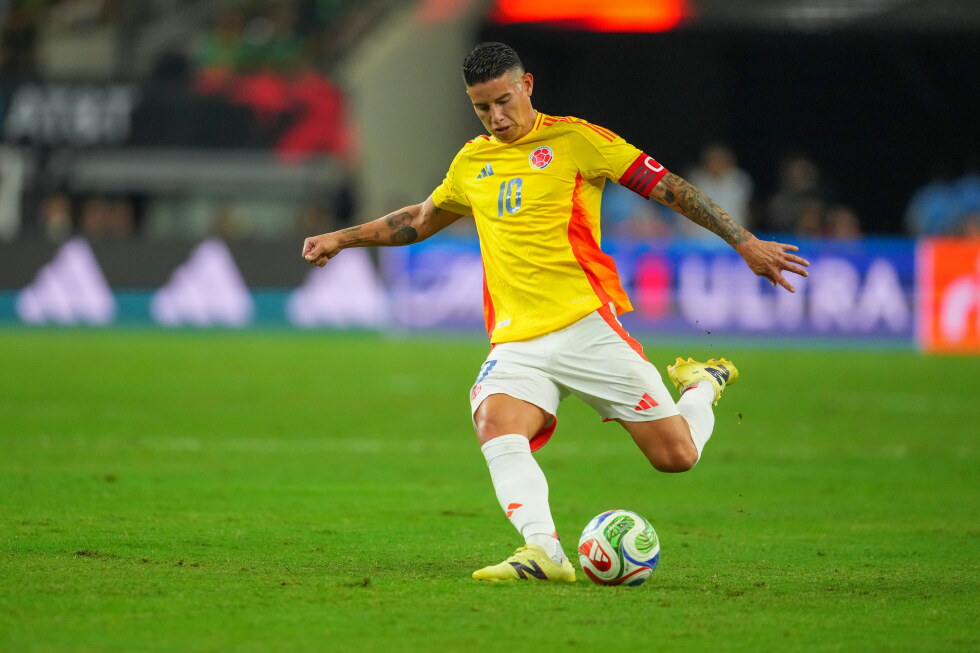
  • Colombia starts its World Cup preparations in Guadalajara ahead its 2 matches in Mexico

    Colombia starts its World Cup preparations in Guadalajara ahead its 2 matches in Mexico

    In the lead-up to their highly anticipated Group K World Cup fixtures, Colombia’s national men’s football team has officially launched the final phase of their competitive preparations on Mexican soil, following a multi-phase training schedule spanning two countries.

    The squad touched down in the western Mexican city of Guadalajara on Wednesday, and wasted no time getting to work: their first on-site training session took place Thursday, with the session opened to allow members of the local press and Guadalajara football fans to observe the team’s first workout in their new base camp.

    Currently ranked 14th in the official FIFA global rankings, Colombia built up their fitness and tactical coordination in stages ahead of this final camp. The team began preliminary preparations at training facilities within their home nation, before moving to a second training block in California, United States, to acclimate to different playing conditions before traveling south to Mexico.

    Colombia’s three Group K matches will take place across three different North American venues. Their opening group stage fixture is scheduled for next Wednesday in Mexico’s capital, Mexico City, where they will face off against Uzbekistan. They will return to Guadalajara for their second group match against Congo on June 23, before wrapping up group play against Portugal on June 27 in Miami, Florida.

    Organizers and the Colombian coaching staff have already flagged a key environmental challenge the team will face in their first two matches: the high altitude of both Guadalajara and Mexico City, which can impact player endurance and breathing over the course of 90 minutes of competitive play.

    For Colombia, this World Cup marks a chance to return to the global football stage after a disappointing cycle four years ago. The South American nation posted its best-ever World Cup result in 2014, hosted by neighboring Brazil, when the squad advanced all the way to the tournament quarterfinals before being eliminated. Four years later in Russia, the team exited the competition in the round of 16, and failed to qualify for the 2022 World Cup held in Qatar, leaving them hungry to prove their skill on the global stage once again.

  • Japan captain Wataru Endo is out of the World Cup and retires from international duty

    Japan captain Wataru Endo is out of the World Cup and retires from international duty

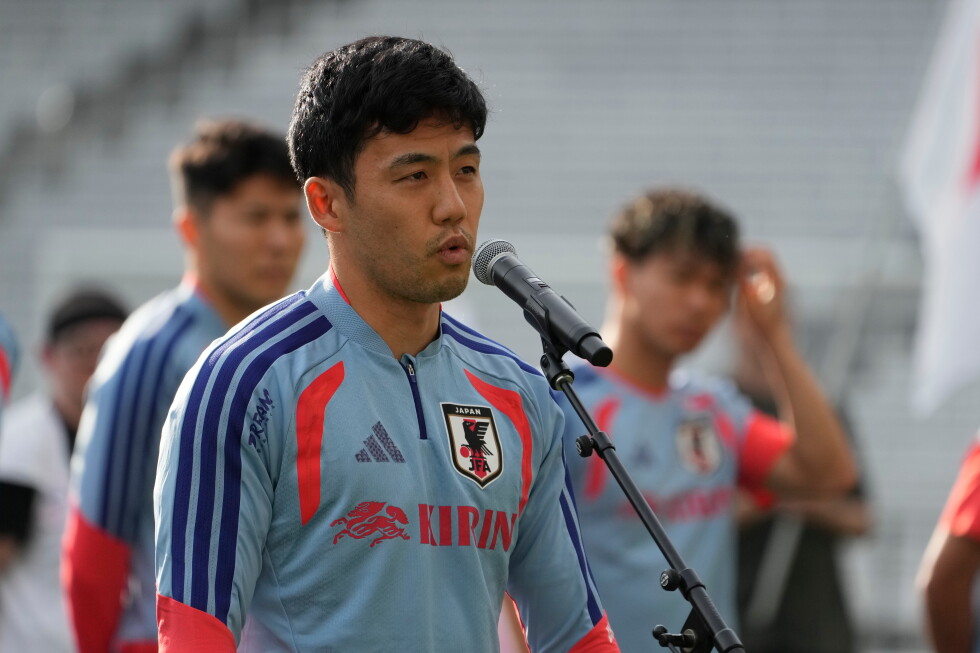
    Just three days before Japan’s opening Group F match against the Netherlands at the 2026 FIFA World Cup, the Asian side has been rocked by two major pieces of unwelcome news: veteran captain Wataru Endo has been forced to pull out of the tournament due to a lingering foot injury, and the 33-year-old Liverpool midfielder has announced his immediate retirement from international football.

    Endo, who first underwent corrective surgery on his left foot back in February, first confirmed his double announcement via a post on his official X (formerly Twitter) account written in Japanese. At the time of the announcement, the Japanese national squad was continuing their pre-tournament training camp in Nashville, Tennessee, as they make final preparations for their clash with the Dutch.

    In his statement, Endo emphasized that he had left no stone unturned in his efforts to recover fitness in time for the World Cup, leaving him with no regrets over his approach to rehabilitation. “Since getting injured and up till this point, I’ve done everything I could and I have no regret,” he wrote. Endo made his return to competitive action just over a month ago, coming off the bench in a pre-tournament warm-up friendly against Iceland in Tokyo on May 31, but was substituted at half time as his foot failed to cope with the physical demands of 90 minutes of play, with Japan ultimately claiming a 1-0 win in that fixture.

    Looking ahead, Endo said he will shift his focus to his club career with Liverpool, and will transition from team leader to passionate supporter of his national side. “With this campaign, I will be retiring from the national team. So from here on, I’ll be cheering for the Japan national team as one of the fans,” he added.

    Japan Football Association officials have already moved quickly to fill the gaps left by Endo’s exit. National team director Masakuni Yamamoto confirmed Thursday that Ko Itakura, the experienced Ajax defender, will take over as the new captain of the Samurai Blue for the duration of the World Cup. To round out the squad, Borussia Monchengladbach forward Shuto Machino has been called up as Endo’s replacement, completing the 26-man roster ahead of their opening fixture.