分类: sports

  • Franck Kessie rejoins Atalanta after Juventus also tried to sign him

    Franck Kessie rejoins Atalanta after Juventus also tried to sign him

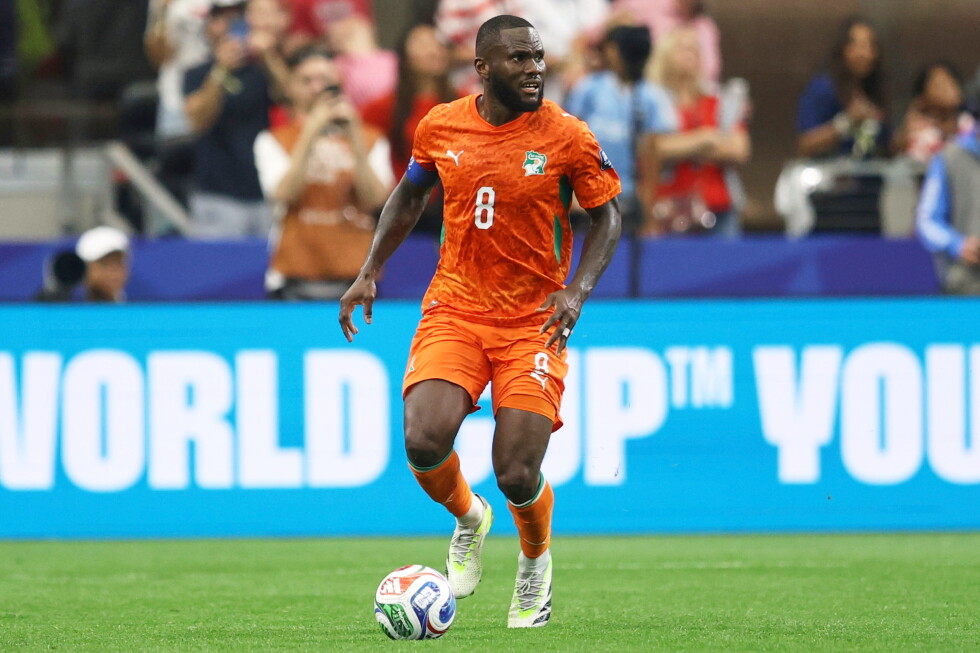
    In a move that brings his European football journey full circle, 29-year-old Ivorian national team captain Franck Kessie has officially signed with Italian Serie A side Atalanta, returning to the first club that launched his career on the continent, the club announced Saturday.

    The Bergamo-based club confirmed Kessie has put pen to paper on a multi-year contract, but chose not to disclose further financial or contract duration details to the public. The transfer ends a lengthy summer chase that saw another top Italian club, Juventus, also in the running for the midfielder’s signature. However, Juventus head coach Luciano Spalletti confirmed last Friday that financial fair play compliance rules blocked the club from completing a deal. “If we don’t sell someone first, it’s really difficult to bring in new players,” Spalletti explained, outlining the club’s budget constraints.

    Kessie’s connection to Atalanta dates back to 2015, when he first arrived at the club to join its youth development squad. After a one-season loan spell at lower-division side Cesena, Kessie made a stunning senior debut for Atalanta in Serie A in 2016, netting two goals on his first appearance. Following his breakout season with the Bergamo club, Kessie went on to build his career across top European and global leagues, with stints at Serie A giant AC Milan, Spanish La Liga powerhouse Barcelona, and most recently, Saudi Pro League side Al-Ahli.

    Off the club pitch, Kessie has been in strong form for the Ivorian national team this year, leading the side to the knockout round of the 2024 FIFA World Cup – the first time the country has advanced past the group stage in the tournament’s history. Kessie found the back of the net in Ivory Coast’s closely contested group stage match against Germany, despite the team ending on the losing side of the result.

    For Atalanta, the signing of Kessie adds a world-class experienced midfielder to a squad that has started the 2024-25 Serie A campaign on a positive note. Led by head coach Maurizio Sarri, Atalanta opened its league schedule with a win over Sassuolo last weekend, and is set to host Bologna for its second match of the season this coming Monday.

  • Munoz saves Iraola in Liverpool draw, Hull extend dream start

    Munoz saves Iraola in Liverpool draw, Hull extend dream start

    The new English Premier League matchweek delivered a series of dramatic twists and standout results on Saturday, headlined by a last-gasp equalizer that spared Andoni Iraola a first defeat in his maiden home game as Liverpool manager. Spanish coach Iraola, who took over the Anfield hotseat in the close-season after the club sacked Arne Slot, looked set for a disappointing opening at his new ground’s first competitive match, as Nottingham Forest twice took the lead to keep their impressive recent Anfield streak alive.

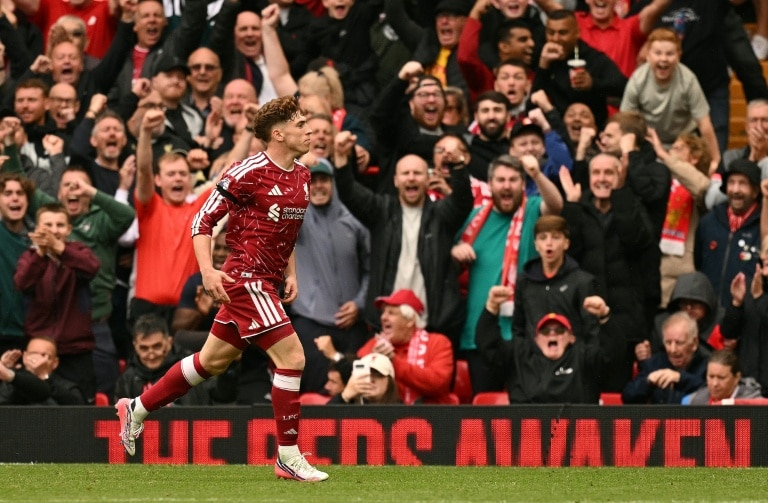
    Nottingham Forest’s Dan Ndoye opened the scoring for the visitors, and after Liverpool found an equalizer, Morgan Gibbs-White converted a penalty to put Forest back in front. Alexander Isak responded to level the scoreline for the Reds once again in the second half, but it was 19-year-old winger Victor Munoz who snatched a late, deflected effort to lock in a 2-2 draw – marking the second time in two matches that Iraola has rescued a point from a drawn fixture, after an identical 2-2 result away to Newcastle United on his debut last weekend.

    Acknowledging his side’s underwhelming performance, Iraola admitted after the match that his squad struggled for control in the opening 45 minutes. “It’s quite clear the first half has been poor, we haven’t controlled the game,” he told reporters. “We improved a lot in the second half, much more intense, much quicker on the ball but not enough to win the game.”

    Off the pitch, Iraola hinted that a blockbuster new signing could be available for Liverpool’s next fixture against Ipswich Town next Friday. The club has been locked in talks with Paris Saint-Germain for France international winger Bradley Barcola for months, and reports indicate a deal worth an initial £106 million ($144 million) – a fee that could climb to £123 million with add-ons – is in the final stages of completion. When asked about the transfer, Iraola remained tight-lipped: “I cannot tell you anything right now. There are still things going on at this moment. Now we have to wait and look forward to having the squad on September 2, when this is who we are and can work with certainties.”

    Elsewhere in the division, newly promoted Hull City continued their fairy-tale return to the Premier League with a second straight win to open their campaign, beating fellow Championship promotion winners Coventry City 1-0 at Coventry’s home ground. Substitute winger Liam Millar netted the decisive goal with just eight minutes remaining to secure all three points for Hull. The result comes one week after Hull stunned Manchester United with a 2-0 home win in their opening fixture, leaving Sergej Jakirovic’s side with a perfect six points from their first two matches back in the top flight, their first since the 2016-17 season.

    For Coventry, managed by former England international Frank Lampard, the result leaves them still searching for their first Premier League point in 25 years, after a opening-week defeat to Arsenal. The Sky Blues won the Championship title last season to end their lengthy exile from England’s top division.

    Another late equalizer came at the Vitality Stadium, where Everton defender James Tarkowski scored a stoppage-time goal to earn the Toffees a 1-1 draw against Bournemouth, leaving Marco Rose still waiting for his first win as Bournemouth manager. Alex Scott put Bournemouth ahead in the 41st minute, but Tarkowski pounced on a defensive mix-up between Ryan Christie and Marcus Tavernier to drill home a corner in the final seconds of the match. The result keeps Everton unbeaten after they opened their season with a 2-0 win over Crystal Palace, while Bournemouth remain without a point after Rose’s first game in charge, a 2-1 defeat to reigning champions Manchester City.

    The weekend got off to a strong start for Manchester City on Friday, as the champions ran out comfortable 4-1 winners away to Crystal Palace, with Rayan Cherki and Erling Haaland each grabbing a brace to secure all three points. On Saturday evening, big-spending Tottenham Hotspur were set to face Newcastle United, as De Zerbi’s side looked to bounce back from a humiliating 3-0 opening-week defeat to Brentford.

  • Roosters sweating on scans after star halfback Sam Walker limps off in costly loss to the Dolphins

    Roosters sweating on scans after star halfback Sam Walker limps off in costly loss to the Dolphins

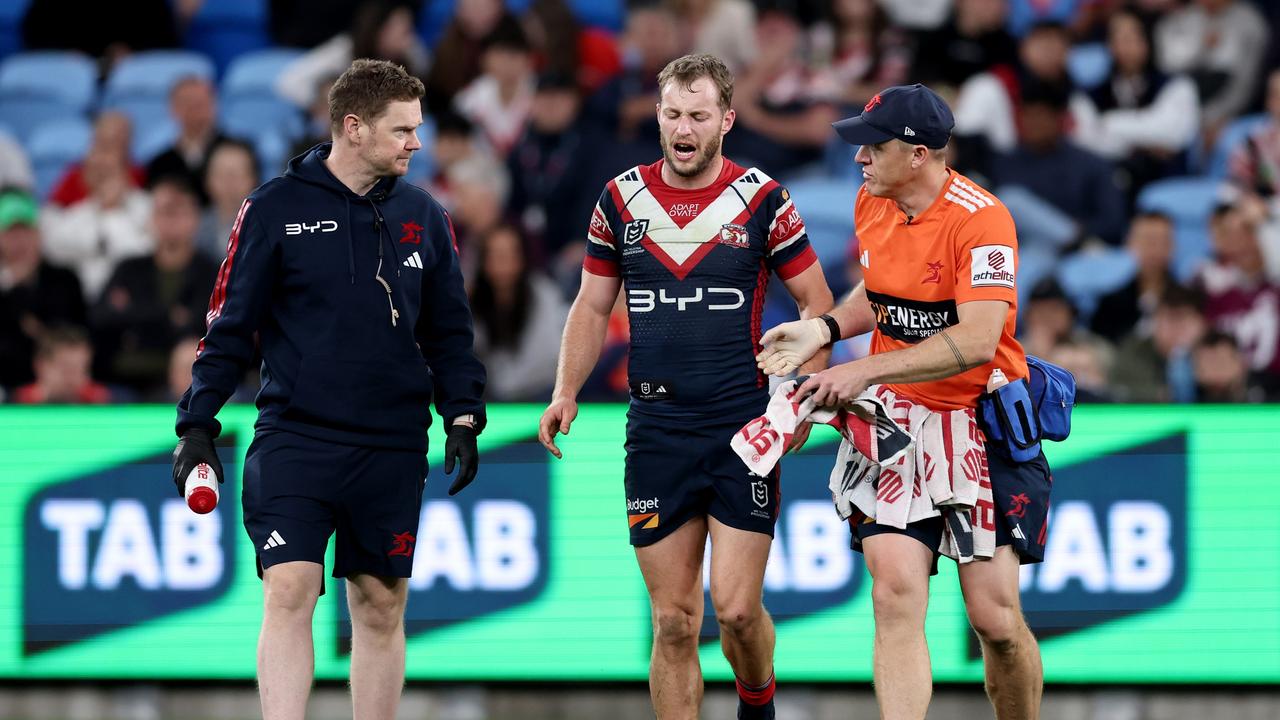
    As the NRL finals draw just two weeks away, the Sydney Roosters have been handed a devastating potential season-derailing blow, after star halfback Sam Walker exited Saturday’s clash against the Dolphins with a serious ankle injury that casts major doubt over his availability for the post-season.

    The incident unfolded in the second half of the 26-12 away win for the Dolphins at Allianz Stadium, when Walker’s left foot became trapped awkwardly during a tackle from Dolphins forward Kulikefu Finefeuiaki. The playmaker had to be escorted from the pitch by club trainers, and will now undergo urgent scans to confirm the full extent of the damage.

    Leading NRL physiotherapy experts have warned that the nature of the injury mechanism raises significant red flags: a syndesmosis tear is a likely outcome given how the foot was forced outward under tackler contact, while a fibula fracture cannot be ruled out due to the force of the collision. No penalty was awarded for the tackle, but the outcome of Walker’s scans could go down as one of the most pivotal moments of the 2026 NRL season.

    For the Roosters, the timing could not be worse. Just a few weeks after upsetting reigning premiers Penrith to cement their status as legitimate title favorites, back-to-back home losses have put their top-four Finals position in serious jeopardy. Walker, who is set to hit the free agency market on November 1 where he is expected to draw record-breaking contract offers, has been a cornerstone of the Roosters’ 2026 form.

    If Walker is sidelined long-term, coach Trent Robinson will turn to replacement halves Hugo Savala, who would partner veteran playmaker Daly Cherry-Evans. The club is also pinning its hopes on a timely return from try-scoring winger Daniel Tupou, who has been sidelined with a shoulder injury; a comeback from Tupou would allow Billy Smith to shift to left centre, opening up a spot in the halves for Savala. The Roosters face another minor injury concern after NSW hooker Reece Robson was pulled from the pitch in the game’s final minute.

    The Roosters’ injury drama overshadowed a sixth consecutive win for the Dolphins, a statement performance that has cemented their push for a maiden top-four finish in franchise history. The Dolphins are not without their own problems heading into the final round, however: key forward Kurt Donoghoe faces a nervous wait over potential disciplinary charges after shoulder-charging Roosters captain James Tedesco in the head. The incident did not result in a sin bin, but two of Donoghoe’s teammates were sent off in a chaotic seven-minute second half stretch: Morgan Knowles was binned for a dangerous tackle on Robert Toia, while Tom Flegler was sin-binned for repeated rule breaches and placed on report for a dangerous crusher tackle.

    Saturday’s result exposed deep flaws for a Roosters side that looked unbeatable just a month ago. The home side got off to a strong start, with Tedesco setting up Robert Toia for the game’s opening try, but failed to mount consistent attacking pressure until the Dolphins were reduced to 11 players after the double sin-binning. A late try from Salesi Foketi briefly raised hopes of a comeback, but those hopes were dashed immediately after when Hugo Savala dropped a simple pass with an unmarked try line in front of him, ending any chance of a last-minute turnaround.

    The Roosters now face a do-or-die final round clash against the Rabbitohs: a win will lock in their top-four spot, while a loss will allow the Sharks to overtake them on the ladder. For the Dolphins, the win sees them climb over the Roosters into third position on the ladder, with a powerful performance that confirms their status as genuine title contenders. Standout players for the visitors included Kodi Nikorima, who notched two crucial try assists, and left winger Selwyn Cobbo, who scored a double, including one off a perfectly executed scrum play that capped off a dominant team performance.

  • How Pieter-Steph du Toit proved Rassie Erasmus wrong on the way to 100 Springbok tests

    How Pieter-Steph du Toit proved Rassie Erasmus wrong on the way to 100 Springbok tests

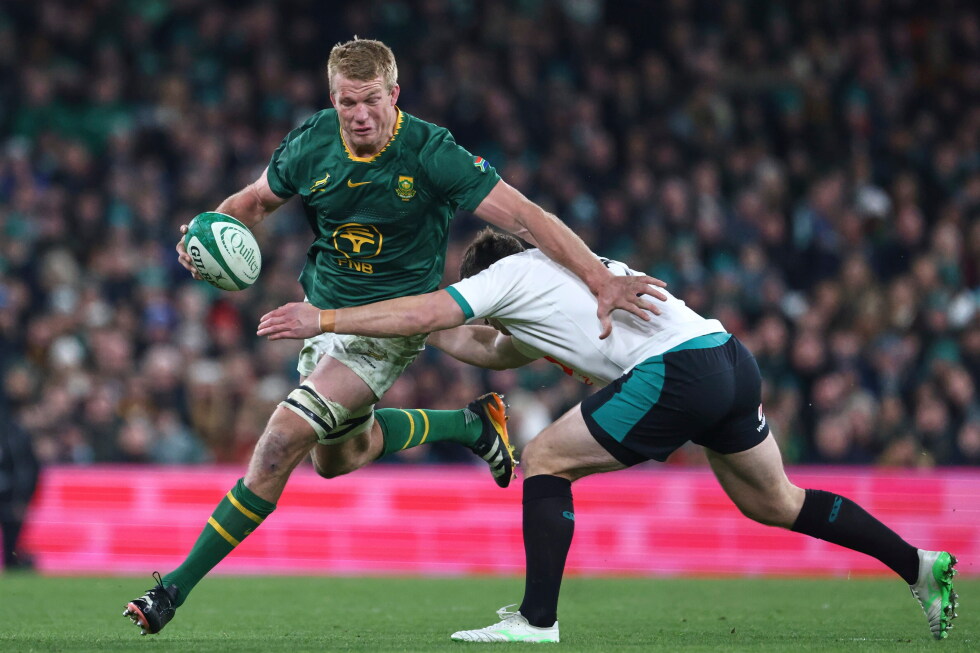
    In 2018, when newly appointed South Africa rugby head coach Rassie Erasmus first crossed paths with Pieter-Steph du Toit, the veteran Springbok forward did not match what Erasmus expected. By that point, du Toit had already earned five years of international caps and claimed a South African domestic Player of the Year award, but the pair had never collaborated or met before. Erasmus’s initial assessment was harsh: he criticized du Toit for missing too many tackles, carrying the ball with poor upright form, and misread his laid-back demeanor as a lack of competitive drive. At best, Erasmus pegged him as nothing more than a useful utility option for the bench.

    Today, that early assessment stands as one of the most notable misjudgments in modern rugby. “I have never been as wrong about a player as I was with Pieter-Steph, and I have never been as pleased to be so wrong,” Erasmus told SA Rugby magazine ahead of du Toit’s historic 100th test match, which takes place this Saturday against New Zealand at Cape Town. When Erasmus took the reins of the Springboks in 2018, the program was reeling from two consecutive underwhelming seasons, and his mandate was simple: rebuild the side and restore the national team’s reputation as one of the most feared forces in global rugby. It took just two training sessions for him to completely reverse his opinion of du Toit.

    What Erasmus discovered defied every initial assumption. Du Toit showed relentless commitment to the Springbok jersey, unmatched tactical understanding of the game, consistent on-field contributions, and an eagerness to learn and push his own limits. He was always the first player on the training pitch and the last to leave, and staff regularly had to force him to take scheduled rest days. Pairing that relentless work ethic were innate on-field instincts, a willingness to put in the unglamorous “dirty work” that wins matches, an ability to break through defensive lines to gain critical territory, and bone-rattling tackles that disrupt opposition attacks and punish ball carriers.

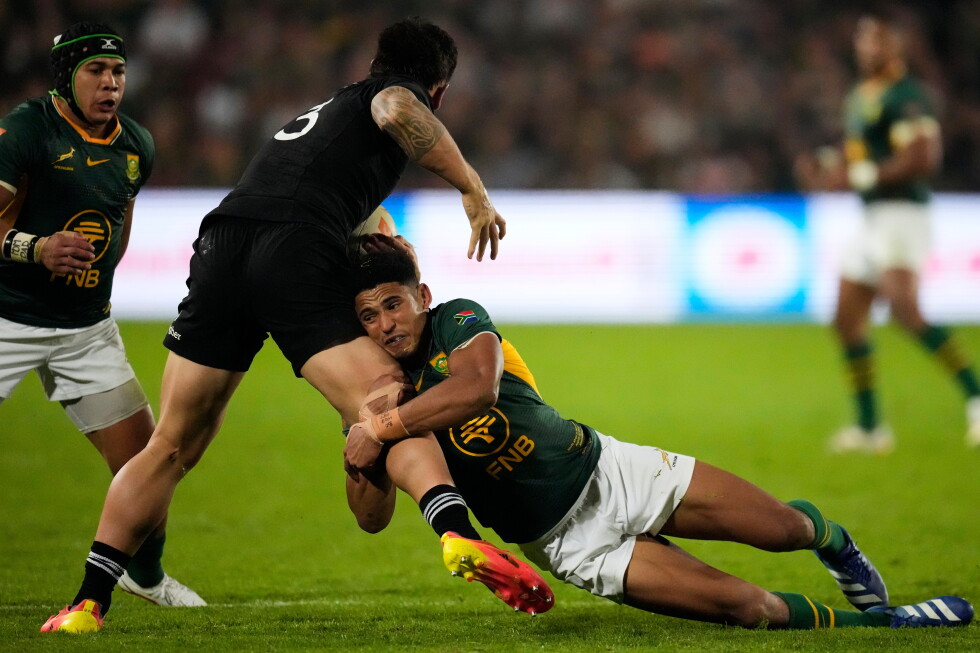
    The turning point that cemented du Toit’s place in Erasmus’s starting lineup came in September 2018, almost exactly a year after the Springboks suffered a demoralizing 57-0 defeat to New Zealand in Auckland. South Africa claimed a historic victory on New Zealand soil – their first in nine years – and du Toit delivered a career-defining performance, making 24 tackles over the full 80 minutes. Post-match cameras captured the forward overcome with tears, a moment that still stands as one of the most memorable in recent Springbok history. Today, the idea of leaving du Toit out of the matchday 23 is unthinkable for Erasmus. Even the Springboks’ famous “Bomb Squad” reserve forward pack, which regularly replaces starting forwards early in matches, will sub captain Siya Kolisi before they even consider pulling du Toit, who is legendary for his unrivaled fitness and endurance. He rarely comes off the pitch before the final whistle.

    Du Toit’s journey to 100 caps has been defined by hardship and perseverance that stretches back to his childhood and his family’s deep rugby roots. Raised on the wine and olive farm outside Cape Town that his grandfather – legendary 1960s Springbok prop Piet “Spiere” (which translates to “Muscles” in Afrikaans) du Toit – bought in the 1950s and which remains in the family today, du Toit dreamed of being a great Springbok from a young age, raised on stories and mementos of his grandfather’s iconic career.

    But his path to this historic milestone has been anything but smooth. Multiple serious injuries delayed his march to 100 tests: a cracked sternum, repeated shoulder injuries, and two ACL reconstructions – the second of which used a hamstring tendon donated by his father to speed up his recovery ahead of the 2015 Rugby World Cup in England. His World Cup debut ended in humiliation, as the Springboks suffered their infamous “Miracle of Brighton” loss to Japan, with du Toit among the players criticized for being deployed out of position.

    His most harrowing injury came in 2020, just months after he led South Africa to the 2019 World Cup title and claimed the World Rugby Player of the Year award. A thigh hematoma developed into acute compartment syndrome, a dangerous buildup of internal pressure that required emergency surgery the same night. Surgeons made a 40-centimeter cut along his thigh, and when nerve function failed to improve after the procedure, doctors even discussed the possibility of amputation. Only after du Toit lost 10 kilograms was a fourth successful operation possible to close the wound and save his leg.

    Through every setback, du Toit’s relentless drive to improve never faded. In the 2019 World Cup final victory over England, he made 20 tackles and immediately sought out forwards coach Matt Proudfoot after the final whistle to ask what he could do better. “He’s a no-nonsense guy who doesn’t seek validation,” Proudfoot said of du Toit. “He just wants to know what he’s got to do. He doesn’t say much but the group listens. He just puts it out there. Being a Springbok matters to him.”

    Du Toit himself acknowledges he is far more comfortable leading by example than delivering rousing speeches. “I’m a strong believer in actions speak louder than words,” he said. “The way you perform on the field or the way you live your life must tell your story, ‘Okay, these are the morals of this guy.’ And if you can do that, nothing has to be said.”

    That said, one unscripted, emotional speech from du Toit became a defining moment of South Africa’s 2023 World Cup title run. Trailing England 12-6 at halftime of the Paris semifinal, Erasmus left the changing room to an eerie silence. Du Toit stood up and asked his teammates point-blank – with plenty of profanity – whether they were scared or ready to fight. When the speech was featured in *Chasing the Sun 2*, the documentary covering South Africa’s championship run, du Toit worried his raw language would set a bad example for young fans. But any concerns about his reputation were erased weeks later, when he delivered a masterclass in the final against New Zealand, making a staggering 28 tackles without a single miss and being named Man of the Match on the way to a second world title. Then-head coach Jacques Nienaber joked at the time, “If there’s a white plastic bag that blows over the pitch, he’d probably chase that down as well.”

    This Saturday, du Toit will write another chapter in Springbok history as he becomes the 11th player in the program’s history to earn 100 test caps, and the sixth to reach that milestone under Erasmus’s tenure as either head coach or director of rugby. For a player once written off as a bench utility, the milestone is a testament to perseverance, grit, and the power of quiet dedication.

  • Sarfaraz denies knowing about Pakistan threat to end tour

    Sarfaraz denies knowing about Pakistan threat to end tour

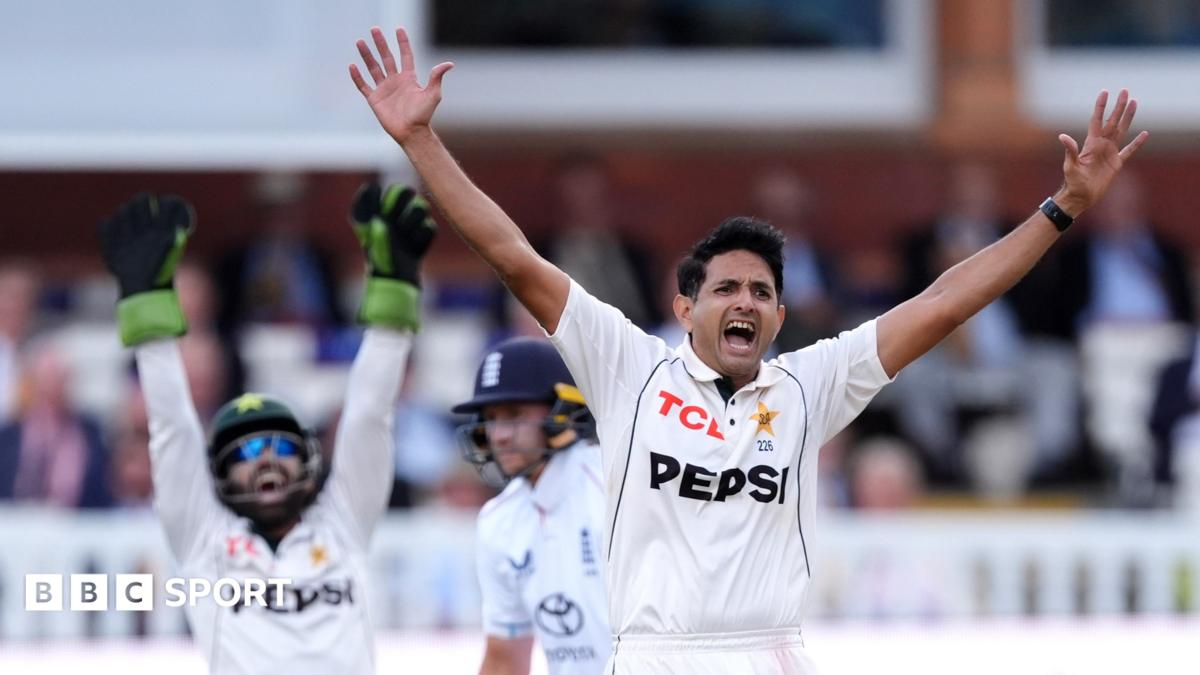
    A diplomatic and sporting controversy has overshadowed the second Test between Pakistan and England at Lord’s, after reports emerged that the Pakistan Cricket Board (PCB) threatened to abandon the ongoing three-match tour over a planned Sky Sports interview with the imprisoned former Pakistani prime minister and cricket legend Imran Khan’s two sons.

    The interview, featuring Suleiman and Kasim Khan, aired during the lunch break on the opening day of the Lord’s Test. In the sit-down conversation hosted by former England captain Michael Atherton, the pair raised urgent concerns about the prison treatment and personal security of their 73-year-old father, while also criticizing the British government’s public response to his detention. Imran Khan, who led Pakistan to its historic 1992 Cricket World Cup victory and served as the country’s prime minister from 2018 to 2022, has been held in prison since 2023 on corruption charges he has repeatedly and vehemently denied.

    According to insider sources, the PCB warned the England and Wales Cricket Board (ECB) that it would call off the Lord’s Test and the remaining matches of the tour if the interview went ahead. Despite receiving a pre-broadcast complaint about the segment, Sky Sports went ahead and aired a edited version of the conversation. Pakistani public broadcaster PTV, which holds domestic rights to the tour and uses Sky’s broadcast footage, opted to cut the interview from its domestic transmission.

    In the wake of the incident, Pakistan’s head coach Sarfaraz Ahmed has claimed he and the full national squad had no advance knowledge of the PCB’s threat. Speaking to reporters at the close of play on day two, the former Pakistan wicketkeeper dismissed any suggestion that the team considered refusing to return to the field after lunch for the afternoon session.

    “I don’t know anything. I’m just focusing on the match,” Sarfaraz said. “You’re talking about the interview? We don’t know about the interview. All are OK. We were having lunch at that time.”

    The ECB confirmed it sought official guidance from the UK Foreign, Commonwealth and Development Office amid rising tensions over the broadcast. Ultimately, the Pakistan side did return to the pitch after the lunch break, and the Test has proceeded without further disruption through the end of day two. As of the close of play on day two, England held a 261-run first innings lead, moving to 81 for three in their second innings. Sky Sports also confirmed it received no additional formal complaints regarding the interview after broadcast.

    Notably, this incident marks a rare high-profile moment of off-field tension in recent cricket relations between the two nations. After a 17-year hiatus in England tours to Pakistan driven by widespread security concerns, this will be the fourth separate England tour to Pakistan in four years, when the side travels to the country in October for a tri-series against Pakistan and Sri Lanka.

    The controversy also echoes an unprecedented incident from 2006, when a Test between the two sides at The Oval was abandoned after Pakistan refused to return to the field following tea on day four, in protest at a ball-tampering accusation from match officials. That match ended with Pakistan being forfeited — the only instance of a Test match forfeiture in the 147-year history of international Test cricket.

    The PCB is currently led by chairman Mohsin Naqvi, who also holds the official position of Pakistan’s interior minister.

  • What will Jackson bring to Villa with Watkins set for exit?

    What will Jackson bring to Villa with Watkins set for exit?

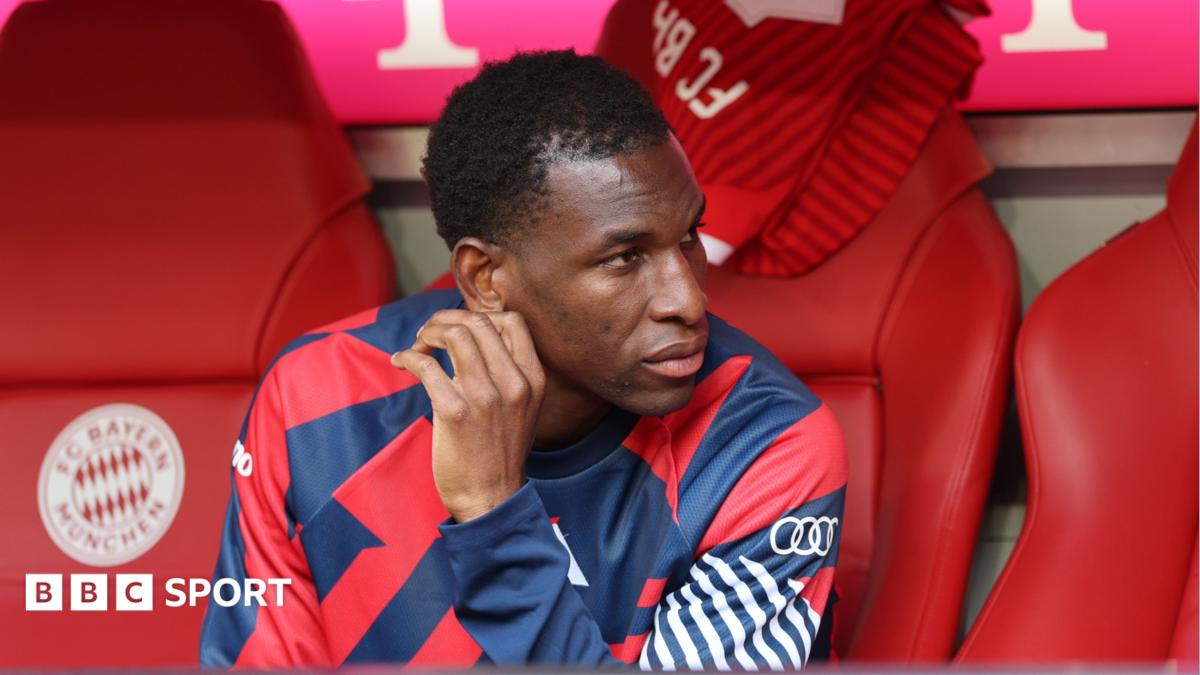
    Aston Villa has finalized the club-record acquisition of striker Nicolas Jackson from Chelsea in a deal that could reach £65 million, with long-serving frontman Ollie Watkins poised to complete a transfer to Saudi Pro League side Al-Hilal. The transfer caps a dramatic summer of squad overhaul for Unai Emery’s side, which has already seen multiple key first-team players, including Morgan Rogers, Ezri Konsa, Youri Tielemans and Lucas Digne, depart Villa Park.

    Jackson, 25, becomes the club’s most expensive signing ever, surpassing the club’s previous addition Johan Manzambi. He joins a new cohort of Villa recruits that also includes Joao Gomes, Zion Suzuki and Matteo Ruggeri, arriving as the club confronts the early fallout of its dramatic squad reshuffle. On the opening weekend of the new Premier League season, Emery’s side suffered a demoralizing 4-0 defeat to Brighton, forced to field Emiliano Buendia as an makeshift centre-forward after Watkins was sidelined, Tammy Abraham picked up an injury, and 17-year-old rookie Brian Madjo was also unavailable.

    The arrival of the Senegal international fills the critical gap for a specialist striker, and comes as Villa prepares to end Watkins’ six-year tenure at the club. During his time at Villa Park, the 30-year-old England international scored 108 goals in 278 appearances, establishing himself as one of the foundational players that drove the club’s dramatic rise under Emery’s leadership. However, statistical analysis shows that Jackson is far more than a like-for-like replacement, bringing a distinctly different playing profile to the central striking role.

    A deep comparison of the two players’ performance data from last season highlights Jackson’s sharp attacking output. During his 2025-26 season-long loan at Bayern Munich, Jackson notched 11 goals and 3 assists across all competitions in just 1,320 minutes of play, averaging 1.0 goal involvements per 90 minutes – a rate well clear of Watkins’ 0.6 per 90, which came from 21 goals and 5 assists across 3,837 minutes for Villa. Jackson also outperformed Watkins in nearly every underlying attacking metric: he averaged 3.8 shots per 90 to Watkins’ 2.6, 2.2 shots on target per 90 to Watkins’ 1.2, an expected goals (xG) rate of 0.7 per 90 to 0.5, and 8.5 touches in the opposition box per 90 compared to Watkins’ 5.6.

    This trend of strong underlying attacking numbers predates Jackson’s spell in Germany. Among all Premier League players with at least 5,000 minutes of league action since January 2020, only Erling Haaland has posted a higher non-penalty xG per 90 than Jackson’s 0.55. While Jackson’s ability to consistently get into high-quality scoring positions is not in question, his finishing has been the subject of ongoing scrutiny across his two seasons at Chelsea. Across his two campaigns in west London, he scored 14 goals from an xG of 18.7 in 2023-24, followed by 10 goals from an xG of 12.3 the next season, converting just 18 of 61 clear big chances. Notably, however, Watkins has also had similar finishing inconsistencies, converting 24 of 73 big chances since joining Villa in 2020, and last season the gap between the two players’ conversion rates was negligible: Jackson converted 19.6% of his total shots and 40.9% of his big chances, compared to 18.9% and 43.2% for Watkins.

    An important caveat shapes the statistical comparison: Jackson made only 15 starts in 34 appearances for Bayern, with most of his minutes coming off the bench. Opta analysts note that this limited, substitute-heavy sample size can inflate per-90 performance metrics, as players often enter matches against fatigued defenses. That said, the tactical alignment of their roles makes the comparison largely fair: both played almost exclusively as centre-forwards last season, with 92% of Watkins’ minutes coming as the central striker in Villa’s 4-2-3-1 system, and 86% of Jackson’s minutes at Bayern coming in the same role in an identical formation.

    Beyond scoring, the two strikers have fundamentally different styles of play. Jackson averaged 46.6 open-play touches per 90 and 24 completed passes per 90, compared to just 29.5 touches and 11.6 passes for Watkins. He is also far more involved in build-up and attack progression: he records twice as many shot-ending carries (1.6 per 90 vs 0.8), successful take-ons (1.6 per 90 vs 0.82) and passes into the penalty area (2.5 per 90 vs 0.7) compared to Watkins. Opta touch maps confirm this divide: Watkins’ involvement is heavily concentrated in the central areas of the final third and penalty box, while Jackson picks up possession across a much broader range of attacking zones.

    When compared to a 10-year sample of 1,577 strikers across Europe’s top five leagues, Jackson ranks in the 85th percentile for chances created, 77th for progressive carries and 73rd for total touches, while Watkins ranks 28th, 53rd and 8th in the same categories. This shift signals a major tactical change for Villa, moving away from a low-touch, fixed focal point striker to a more dynamic forward who integrates into build-up play early.

    Defensively, Jackson also brings a more aggressive high-pressing profile. He averaged 34 high pressures per 90 (compared to 31.4 for Watkins) and won 2.7 possessions per 90 compared to 1.8 for Watkins, with 0.9 of those recoveries coming in the final third, versus 0.6 for Watkins. Jackson ranks in the 88th percentile for attacking third possessions won among the Opta striker sample, compared to Watkins’ 43rd. The two are nearly identical in their rate of runs in behind defences (13 per 90 for Jackson vs 12.7 for Watkins), though Watkins makes slightly more of those runs into the penalty area, and holds an edge in aerial duels, winning 1.2 per 90 compared to Jackson’s 0.7.

    Villa’s move for Jackson is rooted in existing familiarity: Emery first coached the striker at Villarreal, where Jackson made 27 appearances, scoring three goals and notching three assists in 1,195 minutes after arriving from Senegal. Jackson has openly credited Emery with transforming his game, noting that when he first arrived in Europe he had natural dribbling talent but little structured understanding of off-ball movement, and Emery helped turn his raw instinct into a polished, tactical skill set.

    Jackson’s development accelerated rapidly after Emery left Villarreal. During the 2022-23 La Liga season, he posted a non-penalty xG plus expected assists rate of 0.56 per 90, a mark bettered by only seven players with at least 1,500 minutes that season – all of whom played for elite Spanish sides Barcelona, Real Madrid or Atletico Madrid. Ten of his league goal involvements that season came after he carried the ball into dangerous areas, a total trailing only Vinicius Jr despite Jackson playing far fewer minutes. That form earned him a 2023 transfer to Chelsea, where he scored 30 goals and added 12 assists in 81 appearances before last season’s loan move to Bayern.

    Jackson’s spell at Bayern was limited by squad depth rather than poor performance. The club’s loan agreement included an obligation to buy triggered by a demanding appearance threshold, but Harry Kane stayed fully fit and in prolific form, while the strong performances of Luis Diaz and Michael Olise further cut into Jackson’s opportunities. Even so, he still scored 11 goals across all competitions, and only Kane recorded a better rate of open-play goals per 90 in the Bundesliga for Bayern last season. Then-Bayern coach Vincent Kompany publicly defended Jackson from criticism, highlighting the quality of forwards ahead of him in the pecking order and affirming that Jackson had trained and performed to a high standard.

    For Villa, the trade-off represents a clear strategic shift. Watkins delivered consistent goals, power and reliability during one of the most successful eras in the club’s modern history. Jackson, five years younger than Watkins, brings a more dynamic, all-around attacking profile that aligns with Emery’s evolving tactical plans. While questions remain over whether Jackson’s strong per-90 numbers will hold up over a full season of regular starts, and his inconsistent finishing at Chelsea has fueled ongoing doubts, Villa is not taking a gamble on an unproven talent. Emery already knows Jackson’s game from their time together at Villarreal, and the club is replacing a 30-year-old striker with a 25-year-old whose underlying numbers suggest he still has significant room for growth.

    If the deal cycle concludes with Watkins’ departure to Al-Hilal confirmed, the 2024/25 Europa League winners will not just have replaced their starting centre-forward – they will have redefined the role their number nine plays in Emery’s system.
  • Japanese’s Rei Sakamoto earns a US Open spot, but beats his retiring hero Kei Nishikori to do it

    Japanese’s Rei Sakamoto earns a US Open spot, but beats his retiring hero Kei Nishikori to do it

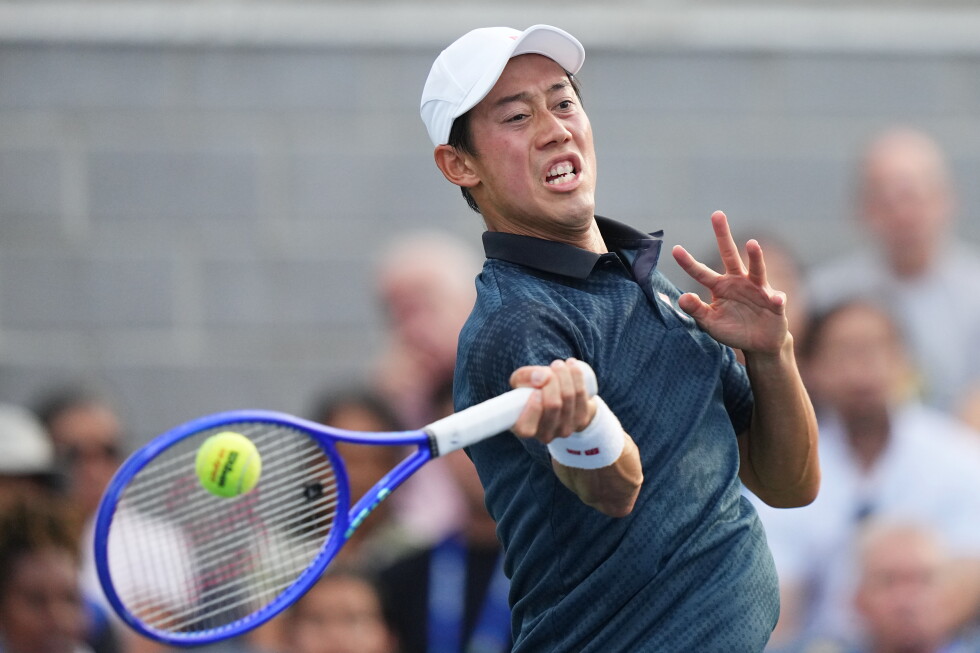
    FLUSHING MEADOWS, N.Y. — The final round of U.S. Open qualifying delivered one of the most emotional, generational matches of the 2024 hard court swing, as rising Japanese prospect Rei Sakamoto earned his spot in the tournament’s main draw — at the expense of the country’s greatest men’s tennis star, who was chasing one last Grand Slam appearance to cap his final professional season.

    Delayed one full day by persistent rain, the winner-take-all final qualifying clash on Friday ended with a 6-4, 7-6(3) victory for 20-year-old Sakamoto, capping a stunning run that pushed the 36-year-old Nishikori out of the final Grand Slam of the year and brought a poignant end to his bid for one last major spotlight.

    For the young up-and-comer, the win was everything he had dreamed of — except for who it came against. Sakamoto grew up idolizing Nishikori, recalling vividly when he was just 8 years old watching the veteran star become the first Asian man to reach a Grand Slam singles final at the 2014 U.S. Open, a breakthrough that reshaped Japanese tennis forever.

    “I honestly grew up watching him play and he was my idol for my whole life,” Sakamoto told reporters after the match. “It’s also a pity to see his last season.”

    Sakamoto typically avoids looking at the qualifying draw ahead of his matches to avoid distractions, but this matchup was impossible to miss. Even before the final round, his mother spoiled the pairing, texting him after the initial draw was released: “Hey, I hope you can make it to the final and play Kei.”

    Nishikori, a former world No. 4 who has battled chronic injuries for nearly a decade, announced earlier this year that 2024 would be his final season on tour, with his retirement planned following the Japan Open later this fall. His ranking had dropped too far to earn a direct main draw spot at the U.S. Open, but tournament officials awarded him a wild card into qualifying, giving him a shot to extend his Grand Slam career one last time.

    The veteran lived up to expectations through the first two qualifying rounds, picking up two wins to set up the clash with Sakamoto. He even saved two match points from the young star Friday, pushing the second-set tiebreaker to a competitive finish. But Sakamoto’s power prevailed, as he fired 19 aces total, closing out the match with a final unreturnable serve that sent him through.

    Despite the disappointing loss, Nishikori embraced the moment as a passing of the torch, praising Sakamoto as the future of Japanese men’s tennis. “Not happy to lose today, but I’m happy for Rei,” he said after the match. “He’s the next Japanese top player.”

    After the final point, U.S. Open officials honored Nishikori with a framed portrait of his career highlights on court, with Sakamoto joining the legend to hold the frame for a commemorative photo. For Sakamoto, the milestone of reaching his first U.S. Open main draw carried a heavy, bittersweet weight.

    “I think a lot of people, most of the people still follow tennis because of him,” Sakamoto said. “So he’s a superstar and he did a lot to Japanese tennis I think.”

    Top men’s seed Alexander Zverev echoed that sentiment, noting that injuries cut short what would have been one of the greatest careers in modern men’s tennis. “I think his career would have been one of the best, maybe on a similar level to maybe an Andy Murray or Stan Wawrinka if he didn’t have so many injuries, because he was injured a lot, especially in his prime,” Zverev said. “Once he got up to No. 4 in the world, No. 5 in the world, every single time he got injured. So I’d say in that aspect he was a little bit unlucky, but from a tennis point of view, he was amazing.”

    While Nishikori’s exit dominated the qualifying storylines, other notable results unfolded across the qualifying courts. 2024 Olympic women’s singles gold medalist Zheng Qinwen secured a comeback three-set win to book her main draw spot, while 2019 U.S. Open champion Bianca Andreescu — who has spent much of her post-title career sidelined by injury — blew a late lead and fell in three sets. Former semifinalist Grigor Dimitrov advanced to the main draw Thursday after his opponent withdrew from their final qualifying match, in a twist that echoes the 2019 tournament where Dimitrov beat Roger Federer in what became Federer’s final U.S. Open match.

  • ‘Ridiculous’: Ivan Cleary erupts after contentious bunker ruling as Cameron Ciraldo defends “dumb play”

    ‘Ridiculous’: Ivan Cleary erupts after contentious bunker ruling as Cameron Ciraldo defends “dumb play”

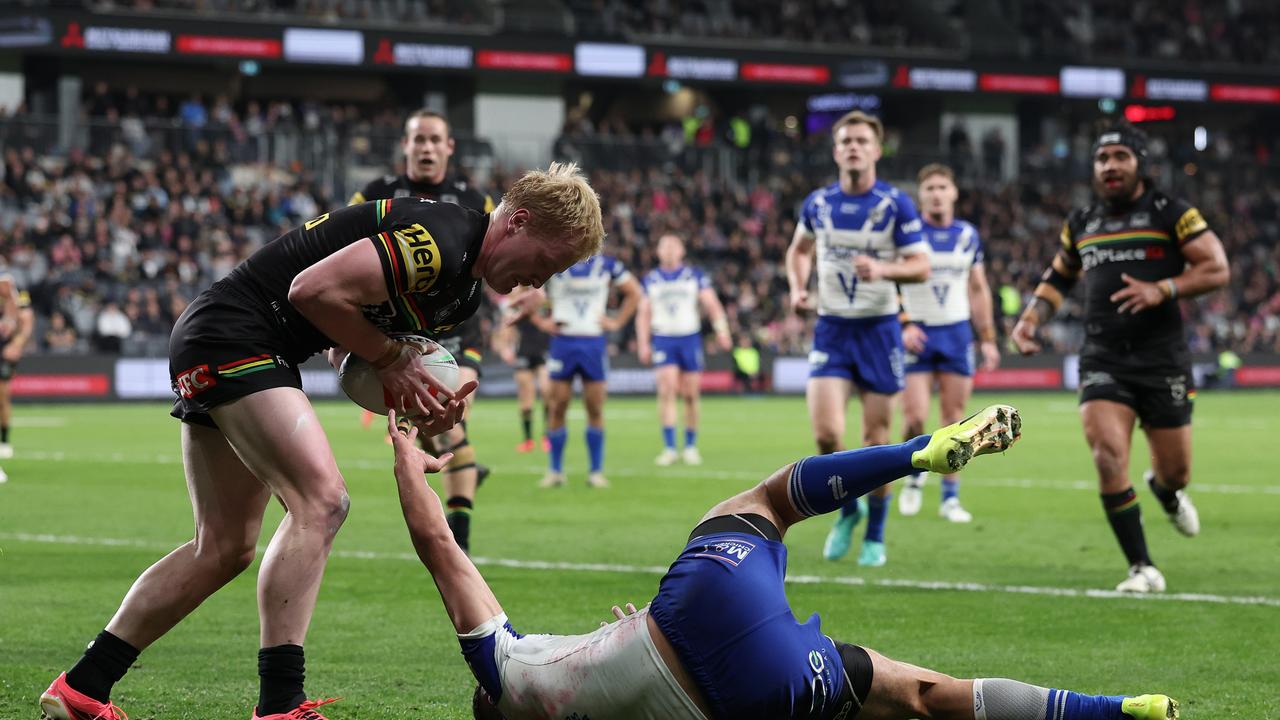
    The National Rugby League (NRL) clash between the Penrith Panthers and Canterbury Bulldogs at CommBank Stadium delivered a 24-10 victory for the Panthers on Friday night, but the final result was overshadowed by a contentious video referee decision that has reignited debate over the league’s bunker review system. The controversial call denied Panthers winger Tom Jenkins a first-half try, a ruling that head coach Ivan Cleary has described as “ridiculous” and questioned the core purpose of the video review system.

    The moment of contention unfolded in the 24th minute of the match. After a Panthers kick ricocheted into the air, Jenkins and Bulldogs winger Jacob Kiraz jumped to contest possession. Jenkins stripped the ball cleanly from Kiraz mid-air before grounding it to score what seemed a valid try. On-field referee ruled it a no try, and the bunker upheld the decision, confirming that Kiraz had completed a secure catch before losing the ball. The ruling gifted Canterbury an extra seven-tackle set, and just a minute later, Bulldogs halfback Matt Burton crossed to score a try off the back of the unexpected possession.

    In a fiery post-match press conference, Cleary questioned the logic of the ruling and the broader effectiveness of the bunker system, which was introduced to eliminate clear mistakes from on-field calls. “If he caught the ball with no one around him in the air and then landed and dropped it, then what would happen?” Cleary asked reporters. “It was just ridiculous. It was a huge call because then they get a penalty and they score. It’s frustrating. I think the jury is out whether that [removing clear mistakes] is happening, or if the bunker is actually creating more controversy than it solves.”

    The denied try also stalled Jenkins’ race for the NRL’s leading try-scorer title this season, leaving him level on 28 tries with South Sydney winger Alex Johnston, who is set to add to his tally when his side faces the Gold Coast Titans in the upcoming round. Jenkins himself offered a measured response to the decision from the sheds after the match, drawing a comparison to a similar contest he had a year prior that was ruled a try. “I understand that it’s in the air, but we were competing. I felt like I came down with it and we were still fighting for it when we were coming down,” Jenkins explained. “I’m not sure what the full ruling was, but I think they said his foot was on the ground. In saying that, there’s not much you can do about it.”

    Panthers captain Nathan Cleary echoed the team’s confusion, saying the ruling’s interpretation of a completed catch made little sense. “He (the referee) said that he had taken control of the ball, but it’s not a contest in the air. I don’t know. I could understand if his (Kiraz) feet hit the ground and he still had control of the ball, but that wasn’t the case so I don’t know when it’s deemed a catch.”

    While the decision did not change the final outcome of Friday’s match, the broader NRL community has grown increasingly concerned that similar controversial bunker calls could ultimately decide the result of a high-stakes match later in the season, including the grand final.

    The contentious bunker ruling was not the only divisive decision of the night. In a separate incident, Bulldogs rookie AJ Jones was only penalised for a blatant push in the back on Panthers fullback Dylan Edwards, avoiding a sin bin dismissal that many expected. The incident came after Edwards collided heavily with Bulldogs centre Matt Burton, who was forced off the field for a mandatory head injury assessment. Jones took exception to the collision and ran a long distance to shove Edwards from behind, resulting in a penalty for Penrith.

    Ivan Cleary argued that Jones should have spent time in the sin bin for the incident, particularly after referees had warned both sides earlier in the match against melees and unsportsmanlike contact. “I think he potentially (should have gone to the sin bin). It was a pretty dumb play. Dyl didn’t do anything wrong. There was a melee that they don’t want,” Cleary said.

    Bulldogs head coach Cameron Ciraldo acknowledged the incident was a learning opportunity for the young rookie, but defended Jones’ mentality of sticking up for his teammates. “It’s probably a good learning for him,” Ciraldo said. “But what this group has really prided themselves on is sticking up for each other. What I get really disappointed at is when the opposition does something and we don’t stick up for each other. That’s why AJ is going to be a really good Bulldog for a long time because he cares about his mates and he sticks up for his mates. He’ll learn from that from a smarts point of view, but I never want him to lose that mentality to stick up for his mates.”

    The split of opinions between the two head coaches on both controversial decisions highlights the ongoing tension around consistent officiating in the NRL, as the competition heads towards the finals series.

  • Springboks make two late changes for 2nd test against New Zealand

    Springboks make two late changes for 2nd test against New Zealand

    CAPE TOWN, South Africa — Just 24 hours before South Africa hosts New Zealand in the second clash of a high-stakes four-test rugby series, two key starting players have been pulled from the match day lineup, the South African Rugby Union confirmed Friday.

    Star flyhalf Handré Pollard was ruled out after picking up a minor but problematic muscle injury during Wednesday’s training session, with multiple reports pointing to a strained calf as the source of discomfort. The veteran playmaker underwent a formal fitness assessment Friday morning, but failed to meet the match readiness standards required to start this weekend’s game at Cape Town Stadium.

    Taking Pollard’s place in the starting number 10 jersey will be Sacha Feinberg-Mngomezulu, who returns to the first XV, while Manie Libbok has been called up to join the team’s reserve bench for the fixture.

    The second late change sees starting winger Kurt-Lee Arendse step back from the lineup, a swap driven by the timely recovery of fan-favorite Cheslin Kolbe. Kolbe was forced to exit last weekend’s opening test at Johannesburg’s Ellis Park with a combination of hamstring and ankle injuries, but has successfully worked his way back to full fitness in time for this round.

    New Zealand claimed a commanding 33-16 victory in the first test, putting them 1-0 up in the four-test series and putting pressure on the South African side to respond in front of a home crowd this Saturday. These two changes mark the only adjustments South Africa has made to their starting 15, with the other new additions being captain and flanker Siya Kolisi and left winger Ethan Hooker, brought in ahead of the match week.

  • Japanese rugby officials roll back restrictions on some foreign-born players

    Japanese rugby officials roll back restrictions on some foreign-born players

    TOKYO — In a turning point that resolves a high-profile standoff over player eligibility rules, Japan Rugby League One officials announced Friday a legal settlement that reverses proposed restrictions on naturalized Japanese rugby players born outside the country.

    The controversy emerged earlier this year when league officials drafted new eligibility rules set to take effect ahead of the upcoming season kicking off in December. Under the original proposal, players holding Japanese passports who were born overseas and did not complete their childhood education in Japan would have been placed in a restricted eligibility category, limiting their ability to compete as full members of top-tier squads.

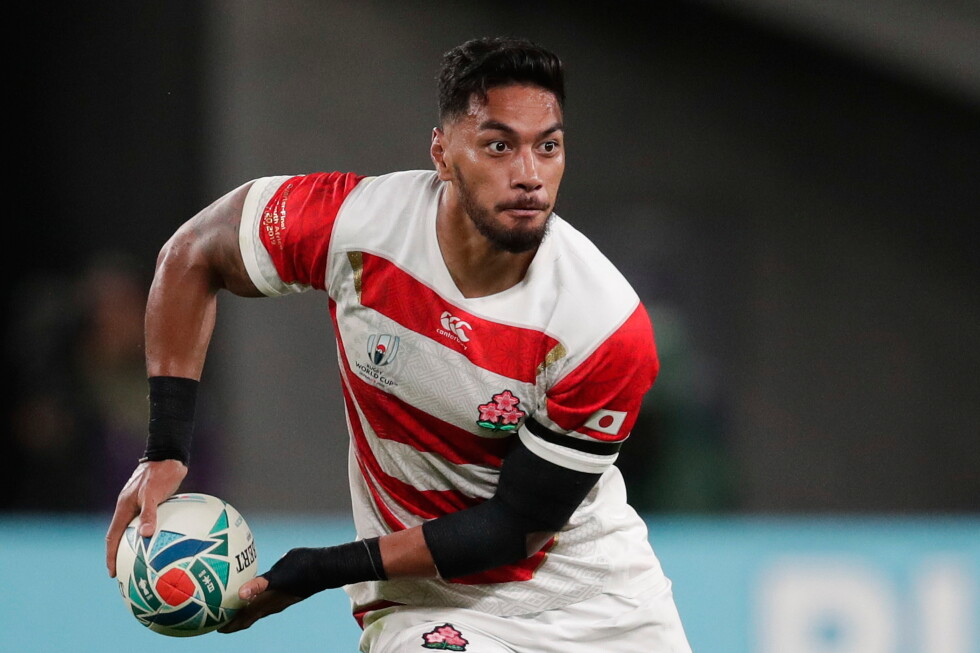
    The rule change drew immediate pushback from 24 affected players, all of whom hold Japanese citizenship but were born outside Japan. The group filed a lawsuit against the league in a Japanese court to block the policy, counting among their ranks Timothy Lafaele — a star player who represented Japan in the 2019 Rugby World Cup hosted on home soil.

    Following out-of-court negotiations, the league confirmed in an official statement Friday that it would revise the contested eligibility requirements. Per the new terms, any player who obtains Japanese citizenship on or before the end of May 2025 will be granted the same full eligibility status as players born in Japan, eliminating the proposed tiered categorization for naturalized athletes. The statement confirmed a settlement had been reached in the ongoing court case but did not release further details on the terms of the agreement.

    The debate over rugby eligibility comes amid a broader national conversation about immigration in Japan, where Prime Minister Sanae Takaichi has pushed for stricter immigration policies amid public anxiety. Many Japanese citizens have linked slow wage growth and rising living costs to an increase in foreign workers brought in to offset labor shortages driven by Japan’s decades-long population decline and shrinking working-age population.

    Globally, it is common for international and domestic sports governing bodies to adjust eligibility rules, whether to gain a competitive advantage on the pitch or to drive commercial growth for leagues. Rule changes that reshape athlete eligibility often face fierce pushback, however, particularly when critics argue the changes risk sidelining domestic, locally developed players.

    League officials had initially defended the proposed restrictions, arguing that limiting opportunities for foreign-born naturalized players would help nurture and expand the shrinking pool of Japan-born athletes emerging through domestic development pathways.