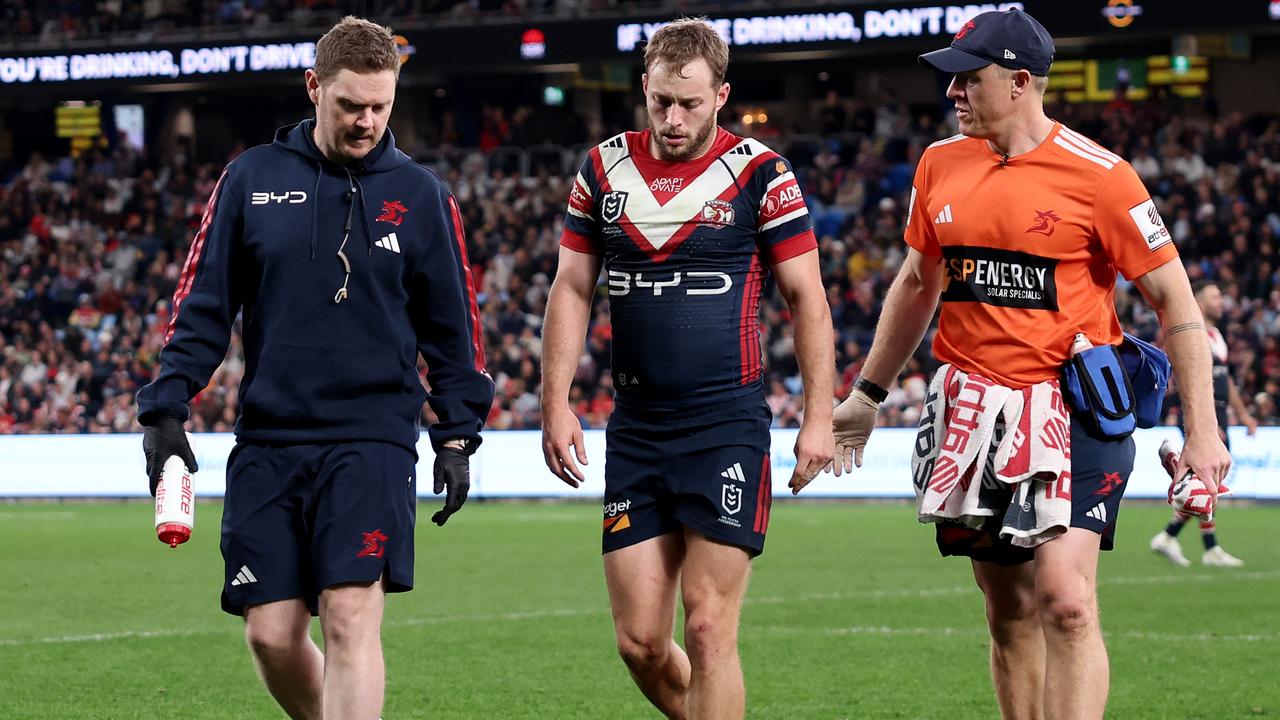
The Sydney Roosters’ 2024 National Rugby League (NRL) premiership aspirations now hang in the balance, as the club confirms star halfback Sam Walker underwent successful surgery on a severe syndesmosis injury to his left foot this past Sunday – while leaving the door ajar for a potential comeback before the end of the current season. The injury unfolded during the team’s round 26 clash against the Dolphins, when Walker was brought down in a tackle by Dolphins forward Kulikefu Finefeuiaki in the 53rd minute of play. Clearly in severe pain, the playmaker was unable to leave the pitch under his own power, requiring assistance from training staff to exit the field, and the match ended in a costly defeat for the Roosters. In the wake of the injury and back-to-back poor results, the Roosters have dropped two places in the NRL ladder standings, sliding from first position to fourth over just two weeks. Even with the loss and Walker’s unexpected injury, however, the club has already secured a top-four finish in the regular season, a result that guarantees them a second chance via the semi-finals knockout structure in September. That safety net does little to soften the impact of Walker’s absence, though: the Roosters’ long-held title ambitions are overwhelmingly dependent on the young star recovering fast enough to be cleared for game action before the end of the 2024 campaign. In the immediate lead-up to the team’s upcoming match against South Sydney Rabbitohs, utility back Hugo Savala has shifted into the halfback position, a role he is widely expected to retain for the upcoming fixture. In an official public statement confirming the injury and procedure, the Sydney Roosters outlined the next steps for Walker’s recovery. “Sydney Roosters halfback Sam Walker sustained a syndesmosis injury during the club’s round 26 NRL match against the Dolphins,” the statement read. “Walker underwent surgery on Sunday and will work closely with the club’s medical and rehabilitation staff towards a return to play as his recovery allows.” Team representatives and Walker’s teammates are scheduled to address assembled media on Monday afternoon to deliver an additional, more detailed update on the playmaker’s recovery timeline and progress. The injury has sent immediate ripple effects through the NRL title race, with experts and fans now debating how Walker’s potential absence – or a limited, late return – could shift the dynamics of the upcoming finals series.
分类: sports
-

‘Sorting that out soon’: Dolphins star Jack Bostock keen to stay beyond 2027 as his winning streak survives an unlucky test
As the NRL finals series approaches, the Miami Dolphins (NRL) are on track to lock down one of their most impactful rising stars, with emerging centre Jack Bostock confirming that contract extension talks are already underway and his priority is to remain with the club long-term.
The 23-year-old Origin rookie has just one year remaining on his current playing contract, which is set to expire after the 2027 season. With November 1 marking the opening of the free agency market, multiple rival clubs have already been cited as planning to target Bostock as a top signing priority should he become available. But in an exclusive interview with NewsWire, the in-form centre made his future plans unambiguous.
“I don’t really engage with all the transfer speculation. I try to avoid all the rugby league rumours on my phone, stick to social media for catching up with mates, and don’t read into any of that noise,” Bostock explained. “The Dolphins and I have already started talks to get something sorted out, and I’m confident we’ll have it wrapped up soon. For sure, 100 per cent — staying here is my preference.”
Bostock’s desire to stay comes as no surprise to fans and club officials, given the incredible run of form he has enjoyed since making his comeback from a devastating season-ending knee injury that cut short his 2025 campaign. The young centre has not lost a single professional game in 2026, stretching his personal winning streak to 13 consecutive NRL matches following the Dolphins’ recent victory over the Roosters that pushed the club up to third place on the overall ladder. He also claimed victory in his debut appearance for NSW in this year’s State of Origin decider, cementing his status as one of the league’s most exciting young talents.
The impact of Bostock’s presence on the Dolphins’ season is impossible to ignore: the club has lost seven out of the 10 matches he has been sidelined for this year, a stat that underscores just how critical retaining him is to the Dolphins’ long-term title ambitions. The young centre is now eyeing a chance to match one of the league’s most iconic winning streaks, set by Penrith Panthers champion Nathan Cleary, who notched 16 consecutive regular season wins on the way to a premiership title in 2021 as part of a 19-win campaign from 20 matches.
Asked about his historic undefeated streak, Bostock downplayed the hype, noting that he had missed several matches through injury this year. “It is a pretty cool streak, though,” he admitted. When asked about pre-game superstitions, Bostock joked he avoids building any rituals: “I’ve got a little bit of an addictive personality, so I might end up with a dozen silly superstitions by the end of the season if I start now.”
Bostock’s teammates have been quick to praise his incredible resilience and work ethic, crediting his dedication to rehab for his seamless return to top-flight form after a career-threatening ACL injury. Five-eighth Kodi Nikorima said the whole squad is aware of Bostock’s historic streak and thrilled to see him thrive after his long recovery.
“I’m on social media, so I’ve seen the stat floating around,” Nikorima said. “He’s incredible. To come back from an ACL injury and slot back in so seamlessly is a total testament to his character. He’s already gone above and beyond what he achieved last year. It’s just so rewarding to see how hard he worked through rehab pay off with him playing this well. It makes me so happy for him.”
With Bostock closing in on a new deal, the Dolphins look set to avoid a off-season fight for their star rising centre, strengthening their position as genuine title contenders heading into the post-season.
-
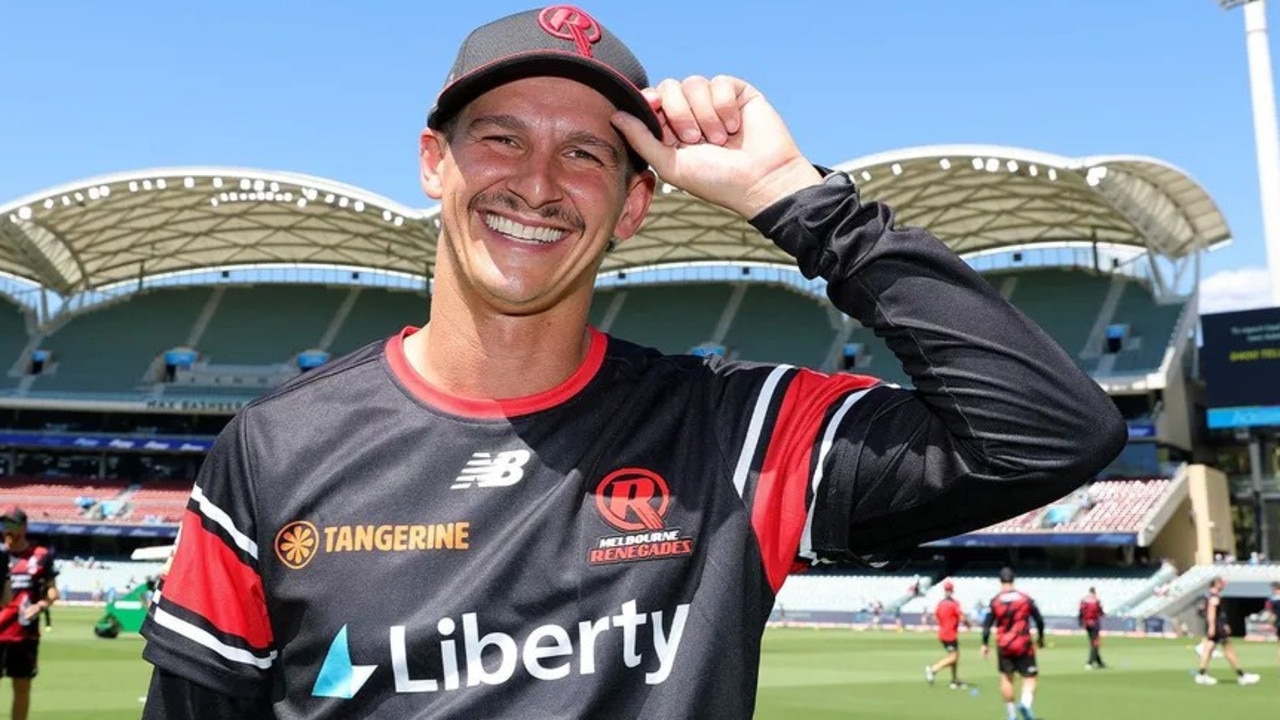
Inside Melbourne Renegades’ recruit Michael Archer’s journey to Big Bash League
For nearly a decade of grinding through local cricket, juggling a full-time career as a primary school teacher and making endless sacrifices to chase a professional dream, the phone call 29-year-old Michael Archer had waited years for finally changed everything.
Archer was walking the hallways of his Victorian primary school workplace when the call came through: he had earned a spot on the Melbourne Renegades full squad for the upcoming 16th edition of the Big Bash League (BBL), marking his first full professional contract in top-flight domestic Twenty20 cricket. The moment was so overwhelming that the first colleague he crossed immediately thought something had gone wrong – only to realize the leg-spinner was simply overcome with joy.
“I got in the car straight after and called my mum and dad,” Archer recalled in an interview after the announcement. “It was cool to play a single game last summer as a replacement, but I just wanted to be in it properly for the whole tournament. It was pretty surreal when the news came through.”
Archer’s path to a full BBL contract has been far from easy. For years, he has balanced full-time teaching with domestic Premier Cricket in Victoria, cutting his teeth first at the Greenvale Kangaroos before earning a spot at Carlton where he turned in consistent standout performances. The journey required long, daily drives from his home in the regional country town of Tatura to Melbourne for training and matches, and countless missed moments with loved ones.
“When I first started playing in Melbourne, I spent half my life in the car,” Archer said. “You miss your mates’ weddings and all kinds of important events. You just keep going, hoping that eventually something like this will pay off.”
There were plenty of moments where doubt crept in, he admitted. Early in his Melbourne cricket career, after a string of poor performances at Greenvale, he was dropped from the side, leaving him frustrated and questioning whether he would ever get his shot at professional cricket.
“100 percent, I had doubts,” Archer said. “My second year in Melbourne, I was traveling back and forth every day, not bowling well, and I got dropped. There were times I was emotional for all the wrong reasons. But I was so lucky – I always had incredible support from my partner, my parents, and my friends. They never stopped encouraging me, and when you feel like you’re doing this not just for yourself, it gives you the push to keep going.”
Archer’s father, a typically reserved man, was just as overwhelmed by the news as his son. Archer caught his dad just before he headed into a routine doctor’s appointment, and the emotion of the moment was impossible to hide.
“He was just so proud of me. He’s not much of an emotional person, but I got him right before his doctor went in,” Archer said with a laugh. “I was a little choked up talking to him, and I wouldn’t be surprised if he had a tear in his eye going into that office. The doctor actually asked him if he was okay before they even started the appointment.”
The Renegades’ announcement of Archer’s signing came just one day after the spinner delivered a stunning hat-trick for Victoria in the Top End tournament, anchored by his signature wrong’un – the delivery that has become his greatest strength. For Archer, that performance was just the latest confirmation that leaning into his best skill is the right strategy for his first full BBL season.
“I don’t think my stock leg-spin is anything special, but I’ve always been lucky to have a pretty decent wrong’un, that’s just how my game developed,” he explained. “Once I started getting some success with it, I realized I had something I could build on. I bowl it as often as I can, because that’s my strength. There’s no point going out and bowling 60 regular leg-spinners just to fill an over – that’s not what I do best. It works for me, so I’m not going to shy away from it this summer.”
For the schoolteacher who spent a decade grinding to turn his dream into reality, the full contract with the Renegades is more than just a spot on a roster – it is proof that the sacrifices, the long drives, and the moments of doubt were all worth it.
-
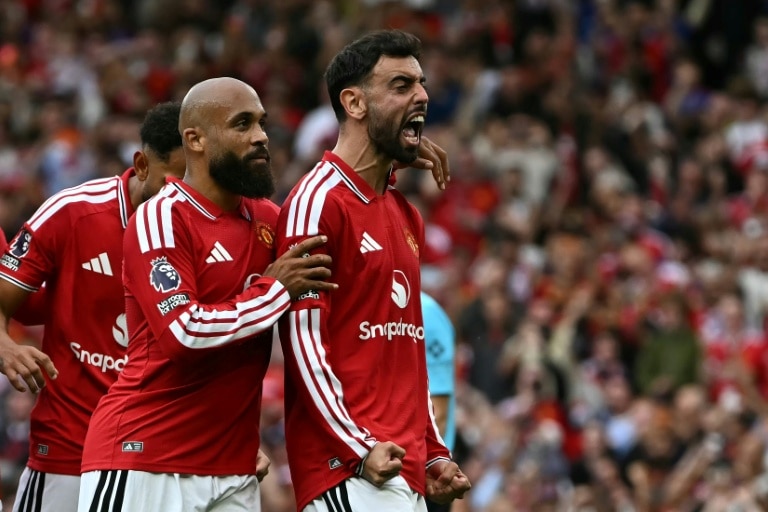
Fernandes treble inspires Man Utd rout, Chelsea beat Brighton in thriller
On the second matchweek of the new Premier League season, two dramatic encounters headlined Sunday’s slate of action, with Manchester United and Chelsea securing hard-fought, high-scoring wins to bounce back or extend impressive early momentum.
For Manchester United, the match marked a critical opportunity to redeem themselves after a humiliating 2-0 opening-weekend defeat to Hull at the hands of newly promoted Ipswich Town, who visited Old Trafford full of confidence after a solid start to their top-flight return. That confidence translated into an early lead for the visitors: in the 29th minute, Ipswich defender Leif Davis unleashed a strike that ricocheted off the crossbar and into the back of the net, putting Michael Carrick’s side on track for what would have been a second embarrassing early-season loss for United.
But United captain Bruno Fernandes turned the game on its head with a virtuoso, hat-trick performance that secured a final 5-2 scoreline and put United back on track in the new campaign. The turnaround began in the 40th minute, when a slip from Ipswich’s Marcelino Nunez let Matheus Cunha find Fernandes unmarked, who buried a clinical finish past the Ipswich keeper. United claimed the lead in the 56th minute, when Ipswich defender Jacob Greaves deflected Harry Maguire’s shot into his own net; Ipswich’s appeals for a handball against Maguire were rejected by VAR, extending United’s momentum. Five minutes later, Greaves’ difficult half turned to disaster when he fouled Cunha inside the box, conceding a penalty that Fernandes coolly slotted home to extend United’s lead. Fernandes sealed his treble in the 68th minute, sweeping home a close-range finish after shots from Kobbie Mainoo and Bryan Mbeumo were blocked by the Ipswich defense. This marked Fernandes’ second Premier League hat-trick for United, his first since a 2019 treble against Leeds United. Fernandes was not done contributing: in the 82nd minute, his perfectly weighted pass set up Mbeumo for a looping lob that clipped the crossbar and dropped over the line to make it 5-1. A late stoppage-time tap-in from Chuba Akpom was only a minor consolation for Ipswich, who fell to their first defeat since earning promotion back to the Premier League.
Across London at Stamford Bridge, new Chelsea manager Xabi Alonso extended his perfect start to life in charge with a chaotic 4-3 win over Brighton & Hove Albion, keeping the Blues unbeaten through their opening two matches. Alonso’s tenure kicked off with a 3-2 opening-weekend win over Fulham, and key attackers from that victory stepped up again against Brighton: Joao Pedro and Cole Palmer both found the net, while Morgan Rogers set up winger Pedro Neto for the Blues’ second goal as they held off a late Brighton rally.
The match included a milestone for Chelsea: goalkeeper Emiliano Martinez made his league debut for the club just hours after completing his transfer from Aston Villa, becoming the first player over the age of 30 to start a Premier League match for Chelsea in more than two years. Notably, Martinez’ Argentina international teammate Enzo Fernandez was left out of the matchday squad, as a potential transfer to Manchester City remains on the table ahead of Tuesday’s close of the winter transfer window.
Unlike last weekend, when Brighton raced to a 4-0 first-half lead over Aston Villa, Chelsea jumped out to a blistering 3-0 lead inside 35 minutes against the Seagulls. Midfielder Romeo Lavia opened the scoring, pouncing on a defensive mix-up between Brighton keeper Bart Verbruggen and midfielder Mats Wieffer to poke home from a corner. Neto then turned home Rogers’ pinpoint cross to double the lead, before Pedro finished off a blistering counter-attack that started inside Chelsea’s own penalty area to make it three. Brighton got on the scoresheet shortly after, when Malick Yalcouye beat new Chelsea keeper Martinez with a blistering volley. Just after the hour mark, Joao Pedro accidentally turned Pascal Gross’ cross into his own net to cut Chelsea’s lead to 3-2, setting up a tense final half hour. But Cole Palmer produced a moment of individual magic to restore the Blues’ two-goal lead: after a solo run across the face of the Brighton defense, he curled a stunning effort from outside the box into the bottom corner, sparking wild celebrations from Alonso on the touchline. A late stoppage-time header from Gross was only a consolation for Brighton, leaving Chelsea with six points from two opening matches, joining Manchester City and Hull as the only teams to claim maximum points so far this season.
In other Sunday Premier League action, Brentford looked set to join that group of unbeaten sides when Kevin Schade scored an audacious early flick to take the lead away to Leeds United. But Dominic Calvert-Lewin turned home Lukas Nmecha’s driven cross late in the match to salvage a 1-1 draw, keeping Leeds’ unbeaten start to the new campaign intact. In the only other top-flight match of the day, Sunderland earned their first three points of the season with a 1-0 home win over Fulham, with Wilson Isidor scoring the game-winning goal with 15 minutes left to play.
-
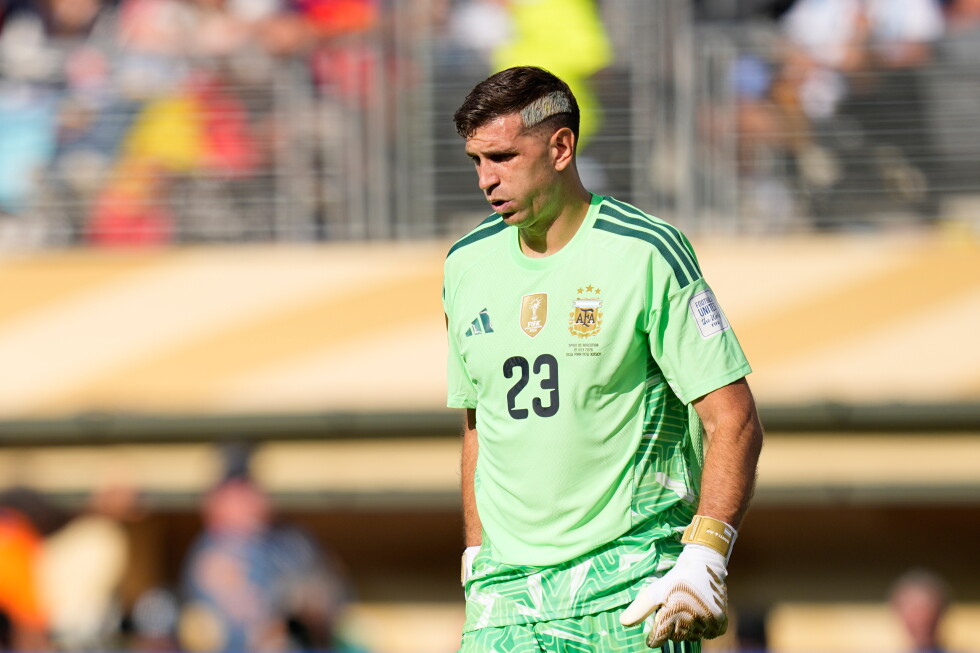
Chelsea signs Argentina’s World Cup winner Emiliano Martínez from Aston Villa on a 3-year contract
In a high-profile transfer move that has reshaped English Premier League goalkeeping ranks, Chelsea Football Club announced Sunday it has secured the signature of star Argentine goalkeeper Emiliano Martínez from Aston Villa. The 33-year-old, one of the most decorated shot-stoppers in modern football, has put pen to paper on a three-year contract that brings him to Stamford Bridge ahead of the 2025-26 season.
For Martínez, the switch to West London was not a difficult decision to weigh. “Coming to Chelsea, for me and my family, was an easy decision to make and I’m just over the moon. I can’t wait to get started,” the goalkeeper told reporters after the announcement. “I want to be successful here. I’m someone who wants to win at everything I do and I want to bring that winning mentality here to this football club because it’s a club built to win titles, so I think it’s a perfect match.”
The arrival of Martínez fills an immediate gap in new Blues manager Xabi Alonso’s starting lineup. Chelsea’s current number one Robert Sánchez turned in another underwhelming performance in the club’s opening Premier League fixture against Fulham, prompting the Chelsea hierarchy to accelerate their pursuit of a proven elite goalkeeper. Martínez is now expected to walk straight into the starting job at Stamford Bridge.
Aston Villa cleared the path for Martínez’s exit earlier this month when the club completed the signing of Zion Suzuki, the US-born Japanese goalkeeper from Italian side Parma. The move made Martinez’s departure a mutually beneficial arrangement for all parties involved.
Few goalkeepers in the game can match Martínez’s trophy haul at both international and club levels. The Argentine has been his country’s undisputed starting goalkeeper since 2021, earning 67 international caps to date. He backstopped Argentina to the 2022 FIFA World Cup title, claimed back-to-back Copa America trophies in 2021 and 2024, and led the side to this year’s World Cup final. He also made history by winning the prestigious Yashin Trophy, awarded annually to the world’s best goalkeeper, at both the 2023 and 2024 Ballon d’Or ceremonies, becoming one of only a handful of players to win the award in consecutive years.
Across his six seasons with Aston Villa, Martínez made 256 first-team appearances for the club and helped lift the Europa League trophy in May this year. Reaffirming his commitment to his new side, Martínez emphasized his relentless approach to the game. “I’m all passion and I play with my heart,” he said. “I will give 100 per cent every game, every training session to make the club, my teammates and the supporters proud.”
A product of the youth academy at Argentine top-flight side Independiente, Martínez moved to Europe for the first time in 2010, joining Arsenal at just 17 years old. After several loan spells across English lower divisions to gain first-team experience, he worked his way into the Gunners’ starting lineup for the second half of the 2019-20 campaign, starting the final 11 matches of the season and helping the club win the FA Cup that year. That breakthrough performance paved the way for his eventual move to Aston Villa, where he developed into one of the best goalkeepers in the Premier League.
-
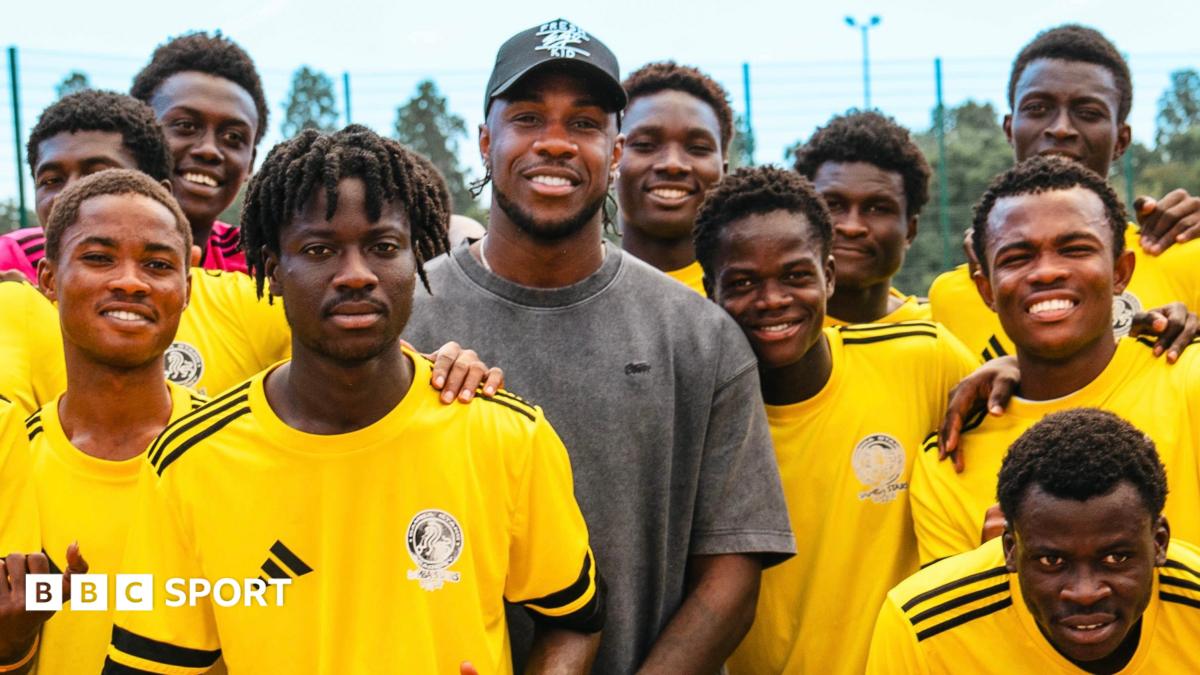
Antonio helps young Ghanaians chase Premier League dreams
Beneath the warm summer sun of rural Leicestershire, a group of talented young Ghanaian footballers is pushing every muscle and chasing a life-changing goal: to earn a professional contract with a top European club. This two-and-a-half-month UK tour, organized by the Samba Stars Academy – a youth development program backed by former West Ham and Nottingham Forest forward Michail Antonio – marks an innovative new approach to unlocking the abundant football talent hidden across West Africa.
Unlike the standard model where European scouts travel occasionally to African nations to spot emerging players, Samba Stars took the bold step of bringing their most promising prospects directly to the United Kingdom, putting them face-to-face with club recruiters and testing their skills against top youth sides. Antonio, who co-founded the academy to create tangible pathways for Ghanaian young talent into professional football, explained the core mission behind the project. “The talent the lads have is incredible,” he said. “We created Samba Stars Academy to give young players in Ghana access to elite coaching, shape them as players and create real avenues into the pro game and show how much talent Ghana has.”
Headquartered in Kumasi, with a new state-of-the-art training facility under construction in Bompata, just over 100 miles north of Ghana’s capital Accra, the academy’s risky gambit has already delivered early results. This summer, top clubs across England – including Bournemouth, Everton, Manchester City, Charlton, Preston, Barnsley and Peterborough – have already invited multiple Samba Stars players to join trial periods, a clear signal of the talent on display.
For head coach Freddie Okyere, the tour has been a transformative experience for his young squad. “The first two or three weeks it hadn’t sunk in, but then they saw the facilities we’d be using and the teams we were playing,” Okyere said. “They want to go and show what they can do. They are hungry, they really want it. I’m hoping there will be so much interest because we have so much talent here. With the facilities we will have in Ghana we feel we will be top two, top three academies. We hope we can bring the best of Ghana to Europe.”
This is not the first time the academy has produced success. In February, 18-year-old midfielder Listowell Lord Hinneh earned a permanent move to Middlesbrough after a successful trial, becoming one of the first Samba Stars graduates to land a professional contract in England. Having swapped the warm climate of West Africa for the cooler north east of England, Hinneh has already stepped up to train with the club’s first team, and opened up about the challenges and excitement of his new journey. “When I came in January, it was so cold. Experiencing something like that for the first time was tough,” he told BBC Sport. “Moving was a big milestone. It just makes me feel the dreams I’ve been having, thinking of trying to find myself in Europe to become a professional footballer. I feel the kind of dreams that I want, I’m on the verge. I’m on the way to becoming who I wanted to become.”
During the Samba Stars’ UK tour, Hinneh met with the current squad to share hard-won advice for the young prospects chasing the same dream he once did. “What you’ve been dreaming about the future, it starts from here,” he told them. “Don’t just try, be so passionate. You need to play and enjoy it because you can have the success in whatever you’re doing. You have to just put your heart in it.”
The tour almost never happened: 19 of the 20 players in the touring squad had their initial UK visa applications rejected, only gaining entry after a successful re-evaluation. Since arriving, the squad has been hosted by Brook House College in Market Harborough, and trains at the ground of National League North side Harborough Town. For 17-year-old goalkeeper Joshua Tetteh Tuwor, the experience has already opened his eyes to a new level of professional football. “The football here is very detailed,” he said. “In Ghana we have the same passion but I’m seeing a different side of professional football. We are grateful to have such opportunities to train with elite coaches.”
Rob Newman, a vastly experienced former football recruitment executive who previously served as head of recruitment at West Ham and international scouting manager at Manchester City – where he played a key role in bringing Sergio Agüero to the club – has worked with the Samba Stars both in Ghana and during their UK tour. He believes the young prospects are far closer to European first-team football than many expect. “Hopefully clubs can see the potential,” Newman said. “Nothing will give me greater pleasure in six months than going to see these boys playing in a first team in Europe. I believe they are two or three months away from being able to do that.”
On the pitch, the Samba Stars have more than held their own during their series of matches against youth teams from the English Football League and non-league system. They opened their tour with a dominant 9-0 victory over Dorking Wanderers’ youth side, followed by wins against the Under-21 teams of Sheffield Wednesday, Luton Town and Peterborough. They earned draws against Sheffield United and Barnsley U21s, with their only defeat coming by a narrow 3-2 score against Preston North End’s U21 side.
Antonio, who watched the side thrash Peterborough U19s 6-0 last month, said the on-pitch results speak for themselves about the quality of the academy’s prospects. “You can see from what they’ve done since they’ve been in the UK – the results against top teams – that they have what it takes to play pro level,” the 36-year-old said. “It’s great to help knock down barriers and give these lads a real chance.”
Ghana’s national men’s football team has established itself as a consistent force on the global stage over the past two decades, qualifying for five of the past six FIFA World Cups – reaching the quarter-finals in 2010 – after never qualifying prior to 2006. At this year’s World Cup, eight of the nation’s squad were born overseas, and while the Black Stars have not leaned as heavily on diaspora talent as some other African nations, the Ghana Football Association has signaled it will widen its global search for talent – a shift that makes programs supporting home-grown prospects like Samba Stars even more critical.
For 18-year-old striker Sherif Mashadu, who already earned a trial with Hungarian top-flight side Zalaegerszegi through his connection to Samba Stars, the weight of expectation from back home fuels his ambition. “You have to have a tough mentality,” he said. “Back home everyone is depending on you, everyone is looking up to you to succeed, to come and help them, your friends, your family. Everyone is praying for you.”
As the new English football season gets underway, six Ghanaian internationals currently hold contracts with Premier League clubs: Mohammed Kudus at Tottenham Hotspur, Antoine Semenyo at Manchester City, Ibrahim Osman at Brighton, Ipswich Town new signing Abdul Fatawu, and Coventry City pair Brandon Thomas-Asante and Caleb Yirenkyi. Ghana’s first Premier League player was Nii Lamptey, who joined Aston Villa in 1994, while legendary midfielder Michael Essien holds the record for the most appearances by a Ghanaian in the division, winning two Premier League titles with Chelsea. Only two other Ghanaians have lifted the Premier League trophy: Jeffrey Schlupp and Daniel Amartey, part of Leicester City’s iconic 2015-16 title-winning squad.
For Hinneh, who names Kudus as his biggest inspiration, the journey is just getting started, even as he adapts to life far from home. “Back home we’ve got people you grew up with and you might miss them, but that doesn’t kill the dreams I’m here for,” he said. “I’m trying to figure out what the reality is, what the future holds for me and then just chase the dreams.”
-
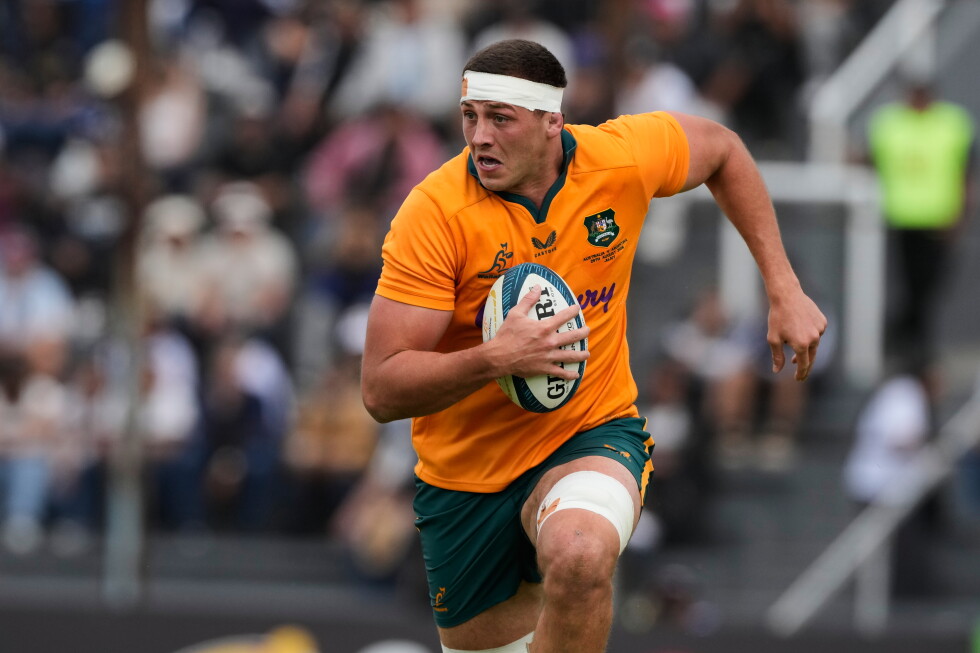
Australia leads from start to finish to beat Argentina 27-21 in the 1st rugby test
In a tense, altitude-challenged opening rugby test match held in Jujuy, Argentina on Saturday, Australia withstood a late Argentine rally to secure a hard-fought 27-21 victory, extending its unbeaten streak under new interim head coach Les Kiss.
The Wallabies got off to a blistering start, crossing the try line twice within the opening 10 minutes to build an immediate advantage. Hooker Brandon Paenga-Amosa opened the scoring, followed quickly by flyhalf Carter Gordon, putting Argentina on the back foot early. The Pumas responded with attacking flair but struggled to match Australia’s clinical efficiency in the red zone, a gap that would shape the entire contest.
By the 20th minute, Wallaby backrower Fraser McReight added a third try from a chaotic goal-line scramble, pushing Australia’s lead out to 19-7. Argentina did not fold, however. While Australian winger Harry Potter served a 10-minute sin bin that left the Wallabies down to 14 men, the Pumas capitalized on a five-meter scrum free kick to put backrow Joaquin Moro over the line for a try. A late first-half penalty from substitute scrumhalf Ryan Lonergan sent Australia into halftime with an 22-14, eight-point buffer.
The high altitude of the mountainous Jujuy venue began to take a physical toll on both sides in the second half, particularly fatigue impacting Australia’s ability to maintain possession and sharpness. Argentina came out firing, cutting the deficit to just one point just 11 minutes into the second half when loosehead prop Boris Wenger crossed for a try, making the score 22-21. Fullback Geronimo Piscatelli, who had scored Argentina’s first try in the 14th minute, twice came inches away from putting the Pumas ahead, with one potential score called back for a forward pass.
Australia dug in defensively when it mattered most. In the 53rd minute, a line break from center Hunter Paisami set up backrower Tom Hooper’s try — his first try in three years — pushing the Wallabies’ lead back out to six points. Over the remaining 27 minutes of play, fatigue left Australia struggling to retain possession, gifting Argentina repeated late opportunities to snatch a match-winning win. But Australian’s defensive line held firm, fending off every late Argentine attack to preserve the 27-21 result until the final whistle.
“Here at altitude the shoulders are sore, the lungs are sore,” Hooper told reporters after the match. “It was a hard test match and the whole 23 got us across the line.”
The win keeps Australia’s perfect record intact under Kiss, a former rugby league star who took over as head coach following Joe Schmidt’s departure. Hooper praised Kiss’ leadership style, noting that his calm communication and focus on elite-level training standards have reshaped the squad’s mindset ahead of upcoming competitions.
“[Kiss] has brought a really good mindset in terms of how we’re training,” Hooper said. “If you want to be world class, get good results and lift a bit of silverware you have to train world class.”
For Argentina, the result highlighted the Pumas’ growing attacking potential but also exposed ongoing finishing issues. While the side consistently found gaps in Australia’s defensive line and created multiple late scoring chances, imprecision in the final pass and red zone kept them from turning opportunities into points. Piscatelli stood out as the Pumas’ most constant attacking threat, alongside industrious performances from Wenger and Moro, who each notched one try on the day.
The two sides will meet again next weekend in the second and final test of the series, with Australia looking to lock in a series win and Argentina aiming to turn its near-miss into a comeback victory.
-
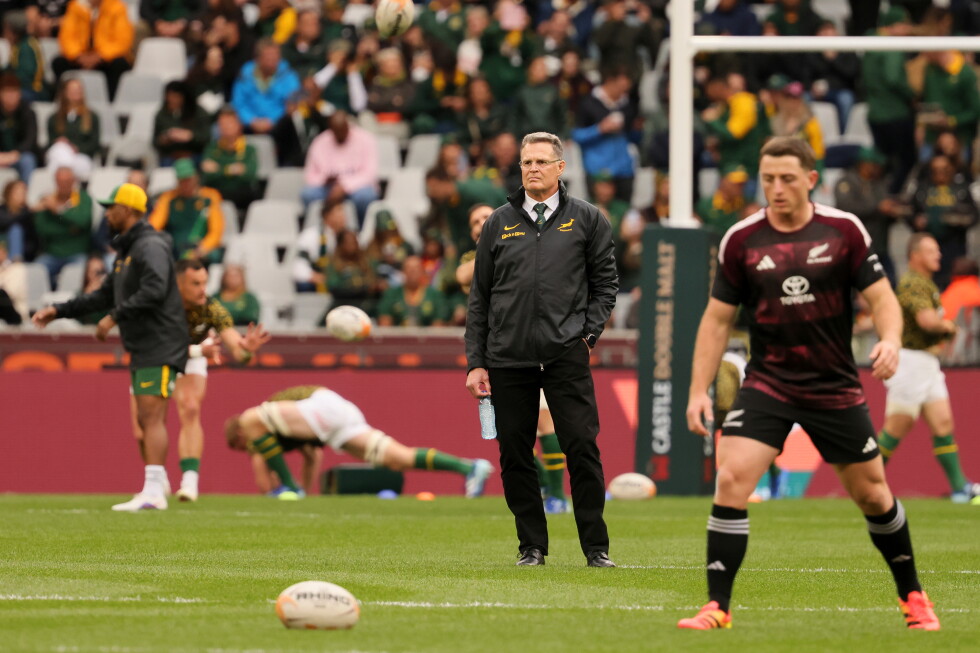
Erasmus relieved the pressure flipped onto Rennie after tying Springboks-All Blacks series
CAPE TOWN, South Africa — In a tense, high-stakes showdown at Cape Town that kept rugby fans across the globe on the edge of their seats, the world champion South African Springboks secured a gritty 33-26 victory over New Zealand’s All Blacks on Saturday, leveling the four-test series between the two rugby powerhouses and handing New Zealand head coach Dave Rennie his first loss in charge of the side.
The match was a study in contrasting strengths: the All Blacks crossed the try line four times to South Africa’s three, outscoring the Springboks in five-pointers, but a flawless goalkicking masterclass from Springboks winger Cheslin Kolbe — who converted all seven of his attempts off the tee — pushed the reigning world champions over the line to claim the win. The result snapped South Africa’s momentum after a first-test defeat in Johannesburg one week prior, and preserved an undefeated streak that has stood for more than five years under Springboks coach Rassie Erasmus: South Africa has not dropped back-to-back home tests since Erasmus took the reins in 2018.
Speaking after the final whistle, a relieved Erasmus acknowledged the weight of expectation going into the match, as South Africa had entered the series as heavy favorites. “Of course I felt the pressure, and the players will tell you I felt the pressure. I try not to put it on them but I was nervous,” Erasmus told reporters. He even joked about a shared astrological quirk between himself and the older Rennie: both were born in November, making them both Scorpios. “That’s why he’s able to work me out,” Erasmus quipped.
With the series now tied, Eramus joked that he was looking forward to watching Rennie navigate the pressure of the decider over the next seven days ahead of the third test in Soweto. “It’s his first loss as All Blacks coach … and he’ll feel what we felt this week,” Erasmus said. He acknowledged the frustration of South African fans after the first-test defeat, adding: “We 100% understand why people are upset because no one wants to support a losing team. No one in South Africa wants to support anything that’s not working. A loss here and there doesn’t make you a losing team immediately, but it’s when you go on a losing run that the pressure comes on.”
Erasmus warned against complacency despite the win, noting: “We must make sure we’re not confident and think we’re all good again because there were a lot of things we didn’t do well.” He also credited the All Blacks, who hired Rennie back in March specifically because previous head coach Scott Robertson only notched a 1-3 record against South Africa. Erasmus noted that the 2026 iteration of the All Blacks is a far stronger side than last year’s lineup. “They’re really well coached and they’ve got athletes who can beat you on a dime. A couple of more phases at the end and it could have been a draw,” he said.
The Springbok coach also explained the late adjustment to his front row reserves, saying the change was made to adapt to unexpected weather conditions. The side had prepared for wet weather, but conditions ended up dry, so Erasmus opted for a lighter front row on the bench — still several kilograms heavier than New Zealand’s starting front row, he clarified.
Injury updates from both camps bring mixed news ahead of the decider. Key South African playmaker Damian Willemse, a fullback who can cover both midfield and flyhalf, picked up a hamstring injury, and Erasmus confirmed he does not expect Willemse to be available for next Saturday’s test in Soweto. For the All Blacks, the squad is largely healthy outside of a minor neck issue for winger Will Jordan, who managed to play through the injury and finish Saturday’s match.
Rennie addressed his side’s shortcomings after the match, singling out inconsistent lineout performance as an area the team will need to improve ahead of the decider. He noted that scrummaging, a major pain point for the All Blacks in the first test, was reasonably handled by referee Angus Gardner, but claimed that the Springboks still engaged in illegal movement at the scrum through the tighthead. Erasmus dismissed that claim as “nonsense”, while Springboks loosehead Ox Nché said any scrum delays stemmed from differing interpretations of the rules from both sides, adding: “We wasted a lot of time in scrums today because we all had different interpretations.”
The stage is now set for a winner-takes-all third test in Soweto next Saturday, with the four-test series still perfectly level at one win apiece.
-
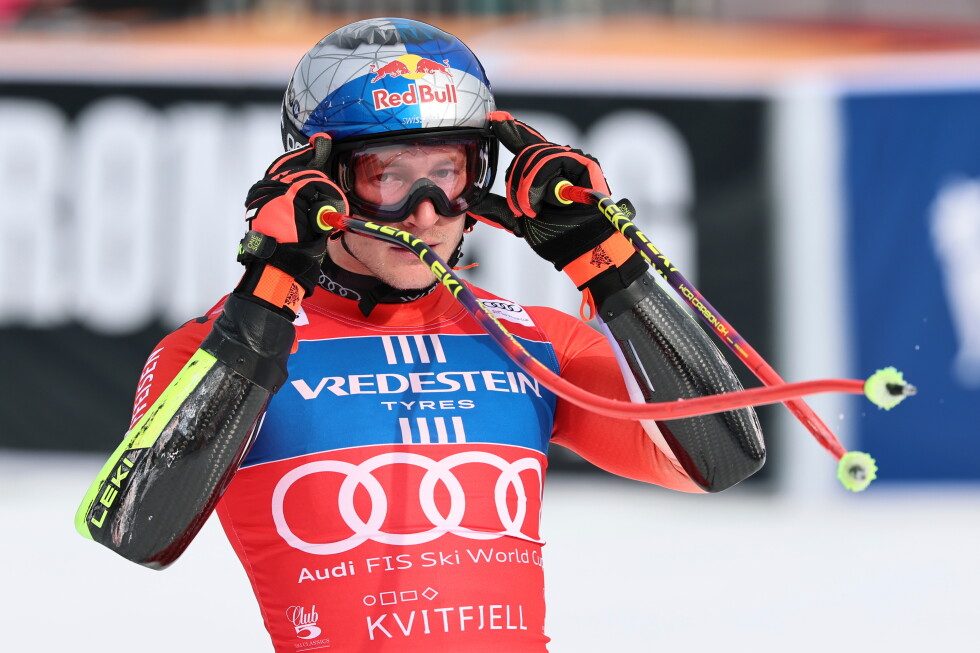
Ski standout Marco Odermatt won’t attend preseason training in Chile due to minor injury
ZURICH – One of alpine skiing’s most dominant modern competitors saw his quest to make history hit an early speed bump this week. Swiss skiing standout Marco Odermatt, who is chasing a sixth consecutive overall FIS World Cup title, will be forced to sit out his team’s upcoming preseason training camp in Chile after suffering a minor muscle injury during routine off-season training.
The Swiss Alpine Ski Team announced the development in a statement released Saturday, confirming that Odermatt began experiencing discomfort during a structured physical training session earlier in the week. Follow-up diagnostic exams confirmed the minor muscle strain, leading team officials to scrap his planned travel to South America. Odermatt was scheduled to depart for Chile with the rest of the national team next Monday.
No additional details about the specific location or severity of the injury were shared in the initial announcement. Team leadership emphasized that Odermatt’s full recovery is the top priority at this stage of the preseason. “The priority now is treatment and rehabilitation,” the statement read. “As soon as a return to on-snow training is possible, the rest of his season preparation will be re-assessed.”
Odermatt’s historic run of five straight overall World Cup titles already puts him in rare company in the sport’s record books. He is currently tied with Luxembourg’s Marc Girardelli for second place on the all-time list of most overall World Cup titles, trailing only Austrian legend Marcel Hirscher, who holds the record with eight total championships. A sixth straight title this coming season would pull him one step closer to matching Hirscher’s unprecedented mark, cementing his status as one of the sport’s all-time greats.
The 28-year-old skier is no stranger to success on the sport’s biggest stages, either. At last season’s Milan Cortina World Championships, he earned three podium finishes, taking home two silver medals and one bronze. This adds to his giant slalom gold medal win at the 2022 Beijing Winter Olympics, rounding out a resume that includes nearly every major honor in competitive alpine skiing.
The 2025-2026 FIS World Cup season is still scheduled to get underway as planned this October, with the traditional opening race hosted in Sölden, Austria. While Odermatt’s preseason preparation has been interrupted, the injury is currently classified as minor, leaving open the possibility that he will be ready to compete when the first race of the season kicks off in just a few months.
-
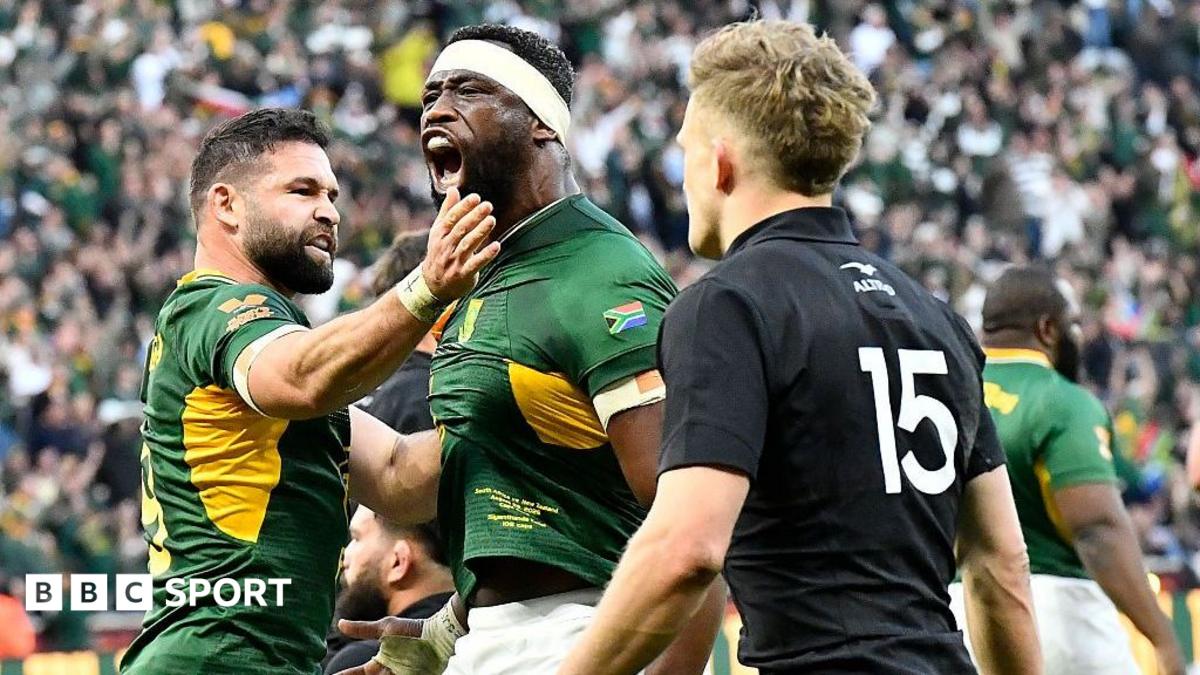
South Africa hold off All Blacks fightback to level series
The rugby world witnessed another chapter of what is widely hailed as ‘rugby’s greatest rivalry’ this weekend, as world champion South Africa secured a hard-fought 33-26 victory over New Zealand at Cape Town Stadium, pulling the three-Test series level at 1-1 with one decider remaining.
Going into the second Test, the All Blacks carried high stakes: a win would have marked them as the first New Zealand men’s side to claim back-to-back away Test victories on South African soil since the iconic 1996 ‘Incomparables’ squad. What unfolded was a tense, high-octane clash that delivered on every bit of the pre-series hype, even defying pre-match disruption that reshaped both sides’ lineups ahead of kickoff.
Springboks head coach Rassie Erasmus stunned observers with five last-minute changes to his original matchday squad announced earlier that week. Fly-half Handre Pollard was ruled out with a recurrence of an injury just days after being declared fit, while wing Cheslin Kolbe made a reverse journey from injury casualty to starting lineup. Most dramatically, Erasmus swapped out his entire starting front row for the bench unit in the final hours before kickoff, a gamble that would ultimately pay off for the world champions.
From the opening whistle, South Africa threw everything at their visitors. At nearly 40 years old, hooker Deon Fourie — the oldest Springbok to ever represent the national side — executed a pinpoint line-out throw that set up a powerful rolling maul deep inside New Zealand’s 22-metre line. Quick, clean ball from the breakdown saw centre Jesse Kriel crash over the try line for a try within the opening two minutes, with Kolbe slotting the conversion to give the hosts an immediate 7-0 lead.
New Zealand slowly grew into the contest, referee Angus Gardner — himself a late replacement for original official Nika Amashukeli — allowing a fast, free-flowing game to unfold. After a series of threatening attacking sequences, intricate handling from the All Blacks freed fullback Will Jordan down the right flank, who linked up with standout scrum-half Cam Roigard for New Zealand’s first try. Fly-half Ruben Love slotted the simple conversion to level the scores at 7-7.
The try reignited South Africa’s cutting edge, which had been muted in the first Test loss the week prior. Kolbe knocked over a penalty to restore the lead, before another dominant rolling maul created the space for centre Damian de Allende to barrel over for the Springboks’ second try, pushing the lead out to 17-7. New Zealand hit back almost immediately: captain Ardie Savea broke from a line-out, and a sequence of sharp passing gave fullback Damian McKenzie an unopposed walk-in try, cutting the deficit back to three points as halftime approached.
In a match-defining sequence right before the break, Erasmus brought on elite scrummagers Malcolm Marx and Ox Nche off the bench, and the pair immediately won a penalty from a five-metre scrum. With New Zealand’s pack backpedaling under pressure, Springbok captain Siya Kolisi — returning to the starting lineup after a spell out — crashed over for a third try. Kolbe’s conversion pushed the halftime score to 24-14, giving South Africa a crucial 10-point buffer.
South Africa extended their advantage in the opening stages of the second half: New Zealand coughed up possession in dangerous territory, and conceded a soft penalty that Kolbe converted. Another breakdown penalty from Marx saw Kolbe slot his fourth penalty, pushing the lead out to 16 points with just 30 minutes left to play.
Though the second half lacked the frantic try-scoring pace of the first, the All Blacks refused to fold. Led by Roigard, the New Zealand backline manufactured a sequence of stunning attacking opportunities, with centre Leroy Carter finishing off a sweeping movement to score in the left corner in the 62nd minute. A late break down the right flank by Jordan set up captain Savea to crash over with just three minutes left on the clock, cutting the Springbok lead to just seven points and setting up a nerve-wracking closing sequence.
With South Africa down to 14 men after lock Lood de Jager was sin-binned for a high tackle, New Zealand launched one final attacking push to level the game. But replacement forward Cameron Hanekom won a match-saving turnover at the breakdown — an area the Springboks dominated all game — to secure the win.
Man of the match honors went to Kolbe, who stepped into kicking duties for inexperienced fly-half Sacha Feinberg-Mngomezulu for the second week running, scoring 18 points from three conversions and four penalties to anchor South Africa’s victory.
While New Zealand outscored South Africa by four tries to three, the Springboks’ superior discipline and dominance of set pieces and breakdown play proved the difference on the day. The result levels the first three-Test series between the two global rugby powers in 30 years, with the decider set to take place next Saturday at altitude in Soweto, Johannesburg.
The All Blacks’ first Test win a week prior at Ellis Park had pushed them above South Africa in the official World Rugby rankings, but the home side has now restored their status at the top and carries momentum into the final decider. Despite the loss, New Zealand’s dynamic attacking play across the first two Tests means they still retain hope of becoming the first side in 30 years to claim a historic away series win, and all eyes in the global rugby community will now turn to Soweto for the final showdown.