分类: sports

  • Australia beats Bangladesh by 7 runs in high-scoring 2nd T20 to win series

    Australia beats Bangladesh by 7 runs in high-scoring 2nd T20 to win series

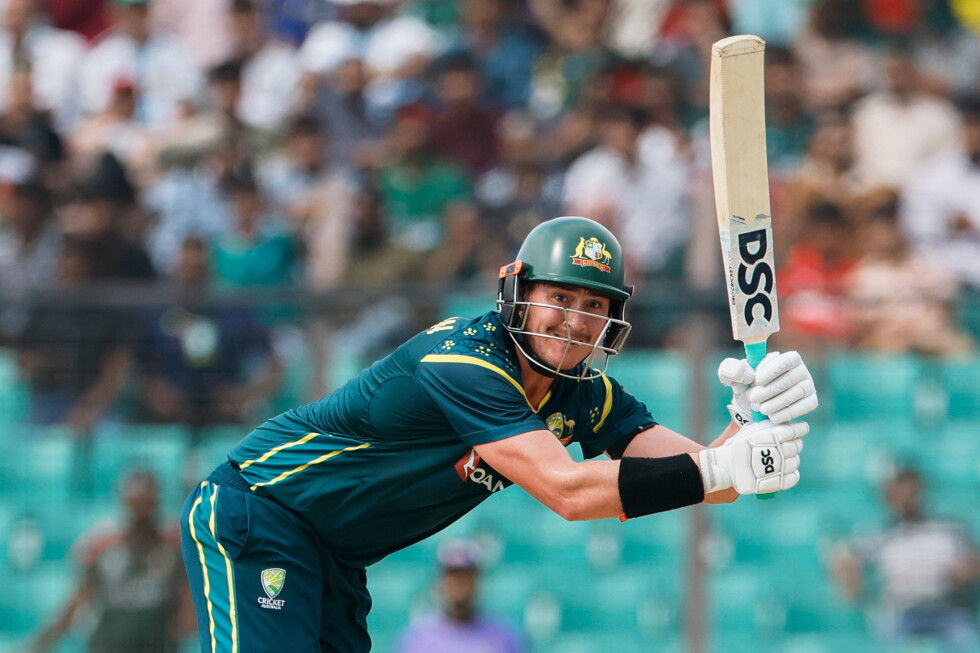
    CHATTOGRAM, Bangladesh – Australia has locked in an unbeatable 2-0 lead in its three-match Twenty20 series against Bangladesh, clinching a nail-biting seven-run win in the second fixture on Friday thanks to a standout all-round performance from Matt Renshaw, who notched a personal best 89 not out.

    Renshaw’s masterclass with the bat propelled Australia to a commanding total of 196 runs for the loss of five wickets – the highest T20 score Australia has ever recorded against Bangladesh. The left-hander, who faced 52 deliveries and hammered four fours and five maximums, combined with Tim David for a 97-run fourth-wicket stand off just 50 balls to set up the visitors’ big total. David chipped in with a quickfire 45 off 26 balls, including two boundaries and four sixes, before he was cleanly deceived by Abdul Gaffar’s slower delivery.

    Australia’s innings got off to a steady start after captain Mitchell Marsh won the toss and opted to bat first, with Marsh and wicketkeeper-batter Josh Inglis putting on early runs. Left-arm spinner Nasum Ahmed broke the opening partnership when he trapped Inglis (11) leg before wicket. Debut-tier fast bowler Nahid Rana, playing just his second career T20, then removed Marsh for 20, leaving Australia reeling at 44 runs for three wickets in the sixth over. Renshaw’s steady batting then anchored the rest of the innings, guiding the lower order to push Australia close to the 200-run mark. The all-rounder also delivered when given the ball, finishing with impressive figures of one wicket for just 13 runs.

    In their chase, Bangladesh made a flying start, reaching 72 runs for the loss of one wicket in the mandatory six-over power play – their highest power play total against Australia in T20 history. Opener Tanzid Hasan led the early charge, but Renshaw claimed his key wicket with a sharp return catch, removing Hasan for 31 runs off 15 balls to grab the crucial breakthrough. Saif Hassan followed with a solid 42 off 33 deliveries, but Australia’s spin attack choked Bangladesh’s run rate through the middle overs, slowing the hosts’ momentum.

    Bangladesh finished their innings at 189 runs for six wickets, falling just seven runs short of the target. All-rounder Aaron Hardie was another standout for Australia, finishing with two wickets for 40 runs from his four overs. Bangladesh, which suffered a four-wicket defeat in the series opener, will look to avoid a whitewash in the third and final T20, scheduled to be played this Sunday at the same Chattogram venue.

  • The maths whizz turned teen star who chose Morocco over France

    The maths whizz turned teen star who chose Morocco over France

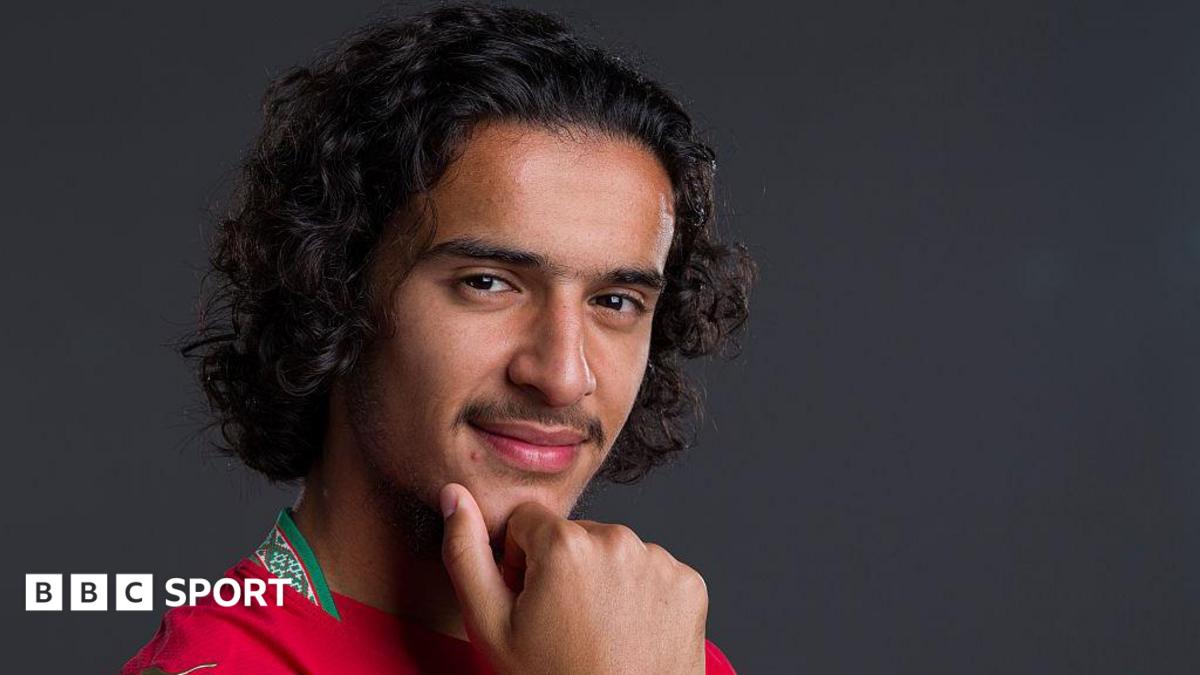
    Eighteen-year-old midfielder Ayyoub Bouaddi has become one of the most talked-about young talents at the 2026 FIFA World Cup after his masterclass performance against Brazil, drawing transfer interest from top European sides including Arsenal, Paris Saint-Germain and Liverpool. But for those who have watched the teenager grow from a youth prospect in northern France to a global stage standout, his dramatic rise is no surprise at all.

    World Cup-winning striker and Bouaddi’s current Lille teammate Olivier Giroud is among the talent’s biggest admirers, drawing a striking parallel between the teen and Kylian Mbappé. “I played with Kylian Mbappe when he was 18,” Giroud, now a BBC Sport pundit, shared. “He was so mature for his age and I have the same feeling with Ayyoub.” This is not a bandwagon take following Bouaddi’s breakout, either; Giroud has watched the midfielder’s relentless work ethic up close on a daily basis, and says his sudden fame is far from an overnight success.

    That consensus is echoed across every stage of Bouaddi’s early career. Growing up in the northern French town of Creil, Bouaddi stood out not just for his on-pitch ability, but for a discipline and focus rare for a young player. “No one is shocked here,” said his former youth coach Sofiane Khair. “For us, it’s logical.” Khair recalled that even as a child, Bouaddi rejected the typical hobbies of kids his age: no video games, no fast food. When he wasn’t training, he would stay home reading or studying. “He’s the same now as he was when he was 10,” Khair added.

    Off the pitch, that intellectual discipline translates to pursuits far beyond football: Bouaddi is currently completing a mathematics degree in his spare time, and previously won a national oratory competition after delivering a speech at the Élysée Palace, the official residence of the French President. That reflective, self-critical mindset has shaped his football development too. When Bouaddi moved up to Lille’s under-17 side at 15, coach Mickael Delestrez said the teen’s first question was, “What do you expect from me?”

    “His reflective nature leads to him constantly questioning his game – what could he have done better or what should he have done differently?” Delestrez explained. “He possesses this analytical ability that allows him to continually challenge himself.” Former Creil coach Armand Doue echoed that assessment, noting Bouaddi remains a perfectionist who still works closely with his early coaches to refine his game. Even as his career has skyrocketed, Bouaddi has never stopped pushing to improve.

    A quick look at his senior career already confirms his extraordinary trajectory. Just days after his 16th birthday in 2023, he became the youngest player to ever make a senior debut for Lille. On his 17th birthday, he helped the club secure a landmark Champions League win over Real Madrid, earning a serenade from the home crowd at Stade Pierre-Mauroy. Earlier this year, he broke a 20-year record previously held by club icon Eden Hazard, becoming the youngest player in Lille history to hit 50 Ligue 1 appearances at 18.

    One of the biggest talking points of Bouaddi’s young career came long before his World Cup breakout: his choice to represent Morocco at senior level, rather than France, the country of his birth where he featured for every French youth national side. The decision came despite gentle persistent encouragement from Giroud, who joked and “teased him the whole year regarding picking France.”

    For Bouaddi, the choice was always rooted in family and identity. To announce his decision, he shared a decade-old photo on Instagram: 10-year-old him, wearing a Morocco national team shirt, watching the 2018 World Cup from the stands. “I am aware of the privilege I have to defend these colours and I will give everything to best represent my country,” he wrote in the post. It is a commitment he backed up with his performance against Brazil at the New York New Jersey Stadium in Morocco’s recent 2026 World Cup group stage match.

    Against a star-studded Brazilian side, the 18-year-old was unflappable. He finished the 1-1 draw with more touches (87) and more completed passes (60) than any other Moroccan player on the pitch. As temperatures rose and older players faded late in the match, Bouaddi kept pushing forward, repeatedly dribbling past Brazil defenders to drive his team up the pitch. He was equally tenacious in the tackle, winning nine duels — a physicality that caught the attention of Brazil’s veteran midfield leader Casemiro, who was substituted at half time after being outplayed by the teen. Morocco captain Achraf Hakimi summed up the performance as a “masterclass.”

    To those who know him best, however, this level of play is standard. “He does this kind of match every weekend on the pitches of Ligue 1,” Doue noted. Now, as Bouaddi prepares to face Scotland in Morocco’s next World Cup group fixture this Friday, all eyes will be on the teen prodigy who has drawn comparisons to Mbappé, attracted interest from Europe’s biggest clubs, and built his career on relentless self-improvement. While he has yet to score his first senior goal, all signs point to Bouaddi becoming one of the most exciting players to watch in this World Cup — and for decades to come.

  • Nicholls and Ravindra steady New Zealand and extend lead over England to 194 at The Oval

    Nicholls and Ravindra steady New Zealand and extend lead over England to 194 at The Oval

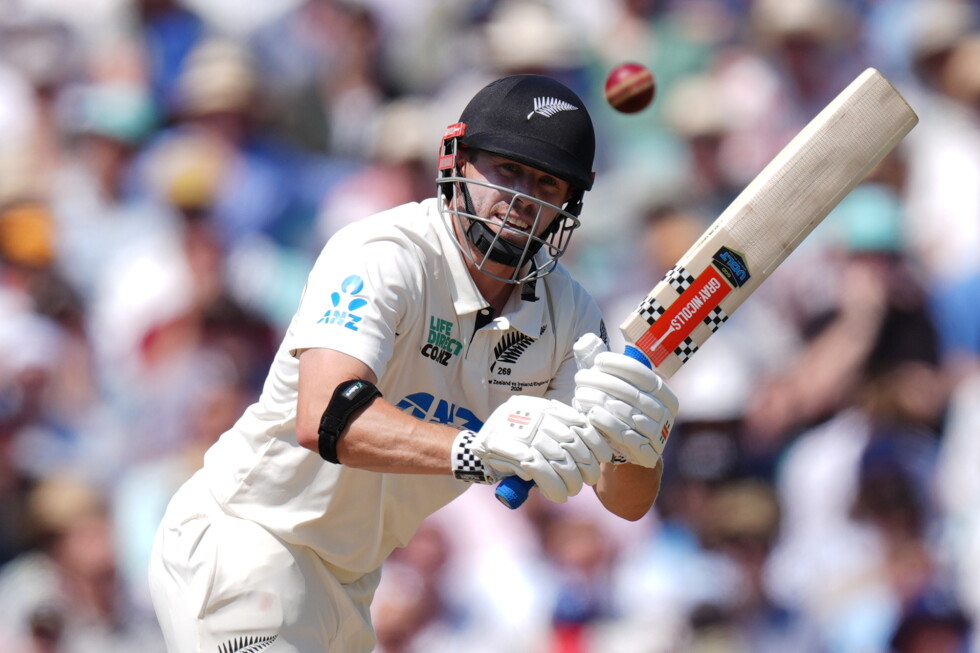
    On the third day of the second Test match between England and New Zealand at London’s iconic Oval ground, the Black Caps moved firmly into a commanding position against the host nation, thanks to a resilient, match-defining stand between batters Henry Nicholls and Rachin Ravindra on Friday.

    England entered the day’s play with a glimmer of momentum, sparked by a gritty 53-run last-wicket partnership between tailenders Matthew Fisher and Sonny Baker that carried the hosts to their first innings total before the lunch break. Buoyed by that late-run lift to team morale, England quickly got off to a promising start with the ball, dismissing both of New Zealand’s opening batters within the first seven overs.

    New Zealand captain Tom Latham fell for just 4 runs, edging a 140 kph (87 mph) delivery from pace bowler Jofra Archer behind to the wicketkeeper. That same over brought close calls for Henry Nicholls: Archer’s 147 kph delivery popped up into the outfield but fell safely between fielders, before a 145 kph fast yorker beat Nicholls’ inside edge and just missed the stumps.

    Devon Conway, New Zealand’s second opening batter, survived six more overs before he drove at a delivery from Josh Tongue and nicked a thick edge to second slip, out for 11 runs that left the Black Caps at 28 for 2. A dropped chance soon after could have turned the tide further in England’s favor: when Ravindra was on just 7, Tongue produced a good edge that wicketkeeper James Rew failed to hold on to a tough low chance diving to his left.

    After that missed opportunity, England failed to convert any further chances before the tea interval. Nicholls and Ravindra dug in, deflating England’s bowling attack and quieting the sun-bathed home crowd as they built a steady unbroken partnership. While the Oval pitch still offered purchase for bowlers—one Tongue delivery skidded along the ground barely above Ravindra’s shoelaces and slipped under his bat—the two batters kept their discipline and picked off scoring opportunities when they arose.

    Ravindra, an aggressive batter by nature who often takes risks to score, showed controlled aggression, clipping Baker off his toes for a boundary, one of seven boundaries he hit on his way to an unbeaten 35. As tea approached, Nicholls—who had been carefully building his innings across 64 deliveries—struck consecutive driven fours off part-time spinner Joe Root, England’s current leading wicket-taker with 73 career Test wickets, in a rare attacking outburst.

    By the tea break on day three, New Zealand had reached 94 for 2 after 25 overs, a cumulative lead of 194 runs that extended the Black Caps’ already substantial first innings advantage of 100 runs over England. The steady partnership restored New Zealand’s momentum after England’s morning recovery, which saw the hosts bat through the entire final session of day two after being 9 wickets down for 238 to close their first innings at 222.

  • The US World Cup star who couldn’t be an American under Trump’s plan

    The US World Cup star who couldn’t be an American under Trump’s plan

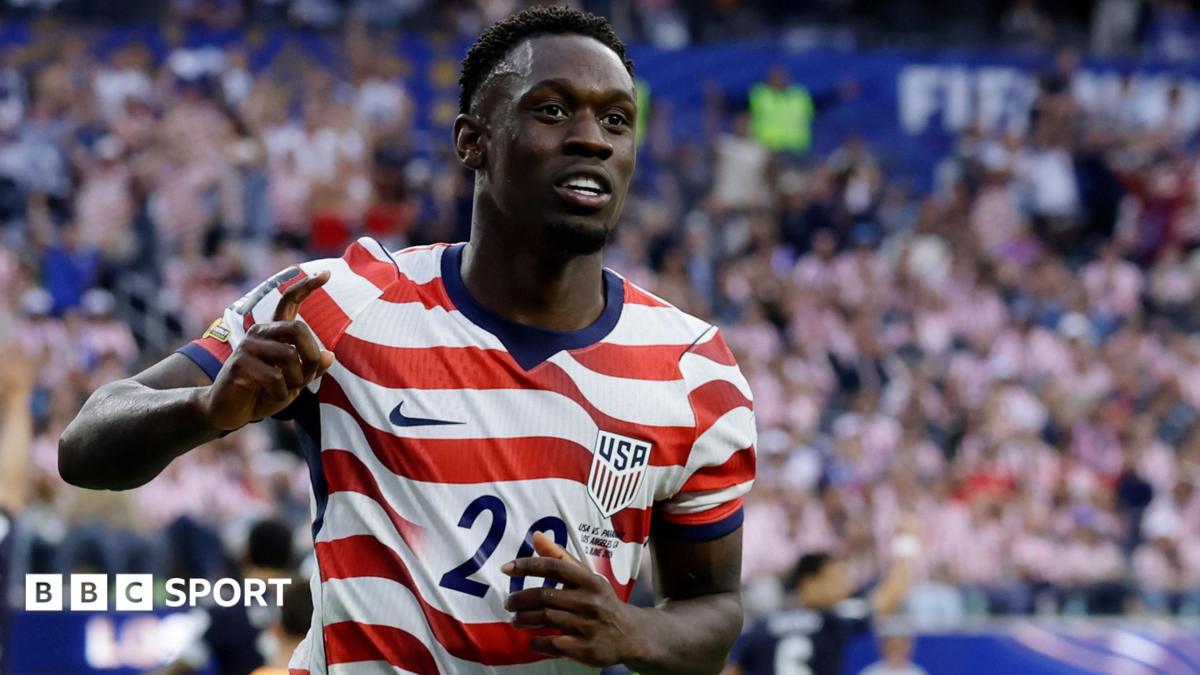
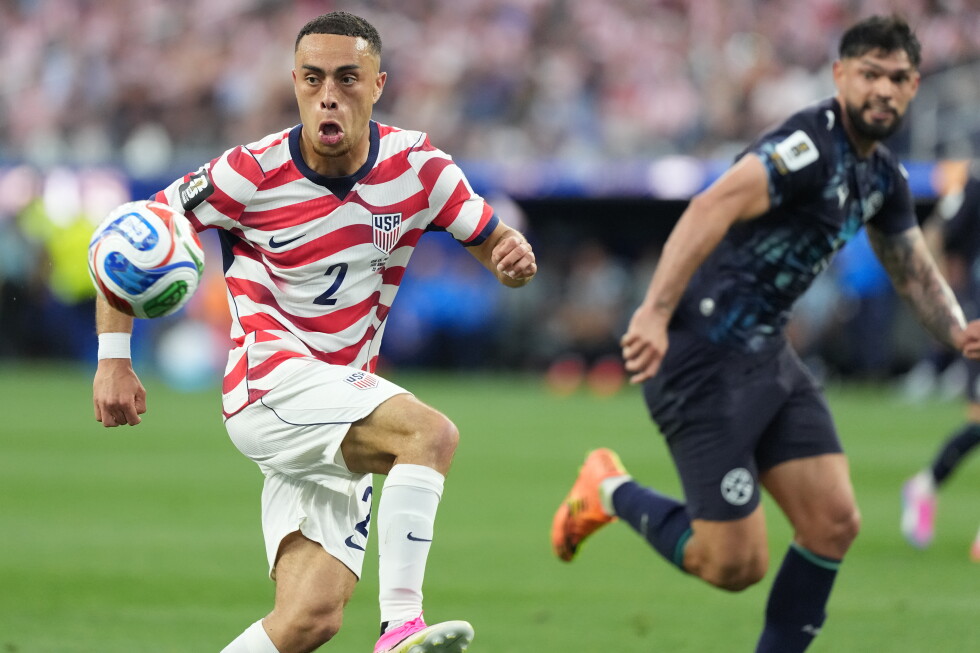
    As the co-host United States men’s national soccer team kicked off their 2026 FIFA World Cup campaign with a win over Paraguay, the name on every fan’s lips was Folarin Balogun. The 24-year-old striker announced his arrival on the world’s biggest football stage with two stunning opening-game goals, instantly cementing his status as the team’s most dangerous attacking weapon. But beyond the highlight-reel finishes, Balogun’s place on the roster shines a stark spotlight on one of America’s most divisive political fights: the battle over birthright citizenship, a clash that will soon be decided by the U.S. Supreme Court just weeks from now.

    Balogun’s path to representing the United States is one of unexpected chance. Born to Nigerian parents living in London, his birth came down to a random fateful twist: during a 2001 summer trip to New York, airline staff refused to let his heavily pregnant mother board the return flight to the U.K. On July 3, 2001, Balogun was born in Brooklyn, New York. Under the 14th Amendment of the U.S. Constitution, that automatic birth on U.S. soil granted him full U.S. citizenship at birth. It is a status he would not be guaranteed under former President Donald Trump’s hardline immigration executive order, which seeks to strip automatic citizenship from children born in the U.S. to parents who are in the country illegally or holding temporary visas such as tourist visas.

    The irony of Balogun’s situation is not lost on observers: the U.S. national team’s breakout World Cup star is exactly the type of person Trump’s policy would bar from citizenship. As the team prepares for their second group stage match against Australia in Seattle on Friday at 20:00 BST, the ongoing national debate over immigration and citizenship hangs over this World Cup co-host’s campaign.

    A product of Arsenal’s famed youth academy, Balogun had his pick of senior national teams: he could have committed to England, where he grew up and represented the nation at youth level, or Nigeria, his parents’ home country. Until three years ago, a move to the U.S. senior side was far from guaranteed. Balogun was a key part of England’s Under-21 setup, notching seven goals in 13 appearances ahead of the 2023 UEFA Under-21 European Championship. But a breakout 2022-23 season on loan at French side Reims, which earned him a £35 million permanent transfer to Ligue 1’s Monaco, caught the attention of U.S. Soccer officials. With a path to the England senior side unclear, and a groundswell of public support from U.S. fans pushing for him to switch allegiances, U.S. Soccer launched a full court press to recruit him: a reported secret meeting that leaked on social media, invitations to NBA games and New York Yankees training sessions, a trip to Florida, and outreach from senior U.S. internationals who wined and dined him to convince him to make the switch.

    Balogun has made clear that fan support was the deciding factor in his choice to represent the Stars and Stripes. “When I committed, and throughout the whole cycle, and the whole journey to me being at this point, I’ve always said the fans gave me so much motivation and showed me so much support,” he said ahead of the Australia match. “For me, the most important thing has always been to ability to repay that. I just want to continue to show the fans I made the right decision.”

    Teammates and former players have already been quick to praise Balogun’s impact. AC Milan star Christian Pulisic summed up the general sentiment after the Paraguay win, saying the U.S. was “really lucky” to have the striker. “The kid’s insane,” Pulisic said. “He’s lethal right now in front of goal. Let’s just hope it keeps going like this.” Former U.S. international Kenny Cooper, now a club ambassador at FC Dallas, believes Balogun can help lead the team on a historic deep run at this home World Cup. “He’s obviously a really special talent and he showed that with two exceptional goals,” Cooper told the BBC. “He has been so impressive. I think there’s just so much confidence that I’m sure the players have in him playing with them, and us, his fans, have in him.”

    Fans echo that excitement. Tommy Marcos, president of the New York chapter of the American Outlaws — the largest U.S. national team supporters group — who attended a 2,000-strong watch party for the Paraguay match in Frisco, Texas, said supporters have waited decades for a striker of Balogun’s caliber. “We haven’t had that type of player — a top-five league striker that you can just put in there and know he’s going to score,” he said. “That’s pretty hard to do in the current football environment and we’re lucky to have him.”

    To date, Balogun has scored 11 goals in 28 appearances for the U.S. national team, putting him on a rapid pace to become one of the program’s all-time top goalscorers. After just one World Cup game, he already has two goals — one-third of the total that won the Golden Boot in 10 of the last 12 World Cup tournaments. While he is still not a household name across much of the U.S., he is well on his way to becoming a new talisman for American soccer.

    While the U.S. team has sought to keep politics separate from on-pitch performance, the connection between Balogun’s citizenship and the ongoing Supreme Court case is unavoidable. If the court upholds Trump’s executive order, legal experts say it would throw the citizenship status of hundreds of thousands of people like Balogun into uncertainty, even if the administration has promised not to retroactively revoke citizenship. “Trump’s promises and guarantees often are not worth very much, but even if he were to stick to that resolution, a future administration might not,” explained Ilya Somin, a George Mason University law professor and constitutional studies chair at the Cato Institute. Somin noted that even without retroactive action, the legal argument behind the order would leave citizenship status for many people hanging over their heads indefinitely.

    Still, Somin predicts the Supreme Court — which holds a 6-3 conservative majority — will not rule in favor of the Trump administration, pointing to skeptical questioning from justices during oral arguments in April. When administration lawyers argued that modern international travel requires a reinterpretation of the Constitution’s citizenship clause, Chief Justice John Roberts famously quiped: “It’s a new world. It’s the same constitution.”

    The timing of the 2026 World Cup, the upcoming Supreme Court ruling, and the United States’ 250th anniversary celebration has created a unique confluence of events that holds a mirror up to modern American division on immigration. An April Reuters poll found that a majority of Americans support retaining automatic birthright citizenship for all children born in the U.S., but opinion is deeply split along party lines: just 9% of Democrats support ending birthright citizenship, compared to 62% of Republicans.

    Balogun is far from the only player on the current U.S. roster with a mixed transnational identity. Marcos notes that this diversity is nothing new for U.S. soccer, and the team’s varied backgrounds are exactly what make it a reflection of America’s identity as a melting pot. “I think that’s what makes the team really unique in terms of the football landscape,” he said. “But it’s also what makes it special and it makes it very American.”
  • Morocco captain Hakimi to stand trial for rape

    Morocco captain Hakimi to stand trial for rape

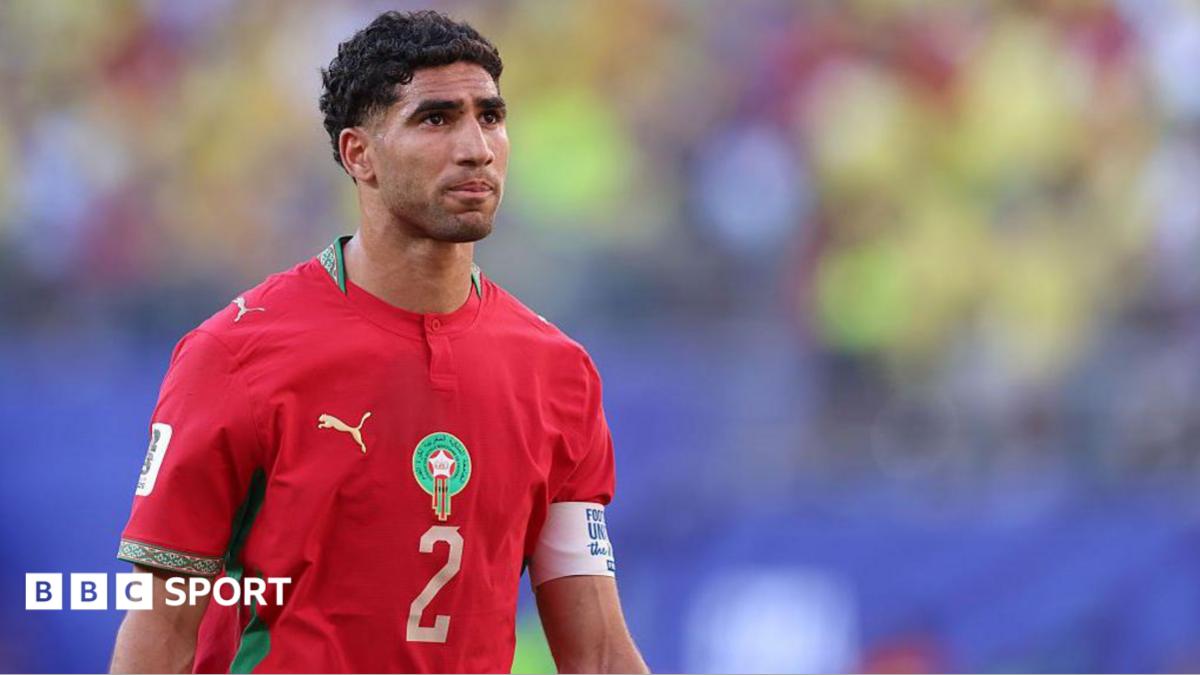
    French prosecutors have officially confirmed that Paris Saint-Germain and Morocco national team captain Achraf Hakimi will face trial on rape charges, a development that has thrown the 27-year-old fullback’s 2026 FIFA World Cup campaign into uncertainty ahead of his side’s second group stage fixture against Scotland this Friday.

    The allegations date back to 2023, when a 24-year-old woman accused the star defender of assaulting her at Hakimi’s private residence in Paris. Authorities in Nanterre, the western Paris suburb overseeing the case, launched an initial preliminary investigation in March 2023. After more than three years of procedural review, an investigating judge ordered the case proceed to trial in February 2026. Multiple French media outlets have reported that Hakimi’s recent appeal to have the charges dismissed was rejected.

    Hakimi has vehemently denied all allegations against him from the beginning, and broke his years-long public silence on the case in a social media post published Friday. “The justice system looked me in the eye and said, ‘If you weren’t famous, there would never have been a case,’” he wrote.

    The World Cup star explained that he chose to stay out of public discourse for years out of a commitment to preserving his dignity and confidence in France’s judicial process. “Today, a story that isn’t mine is being told at the expense of my family, my life, and above all, the truth. I sometimes feel like I’ve become an easy target,” Hakimi added. “I’ve been waiting for this trial since day one. And now I’m eagerly awaiting it. Finally, I’ll be able to speak.”

    Rachel-Flore Pardo, the legal representative for the accuser, said the judge’s ruling to proceed to trial brings her client both relief and hope, after more than three years of navigating the legal process. Pardo noted that her client believes she has been defamed and publicly maligned by Hakimi’s defense team. “Relief that she has been heard by the justice system and will have the right to a trial,” Pardo said. “Hope that this trial will help other women and further weaken the wall of denial and impunity surrounding sexual violence, including in the world of men’s football.”

    As of this reporting, no official start date has been scheduled for the trial. All three of Morocco’s group stage matches at the 2026 co-hosted World Cup are set to take place in the United States, where the Moroccan squad is currently based, leaving Hakimi able to play for the time being. However, if Morocco advances to the knockout round, the team could be forced to play matches in co-host nations Canada or Mexico, where Hakimi may face entry restrictions.

    This scenario is not unprecedented at this tournament: last week, Ghana midfielder Thomas Partey was denied entry to Canada and forced to miss his country’s opening group stage match against Panama. Partey, 32, has pleaded not guilty to seven rape charges and one count of sexual assault leveled by four separate accuser for alleged incidents between 2020 and 2022, and he is scheduled to go to trial in 2027. Canadian immigration rules explicitly allow officials to deny entry to any person who has been alleged or convicted of a criminal offense.

    The 2026 FIFA World Cup splits matches across all three North American co-hosts through the quarter-final round, after which all remaining fixtures will be hosted exclusively in the United States.

    One of the most decorated active African footballers, Hakimi made his senior international debut for Morocco in 2016 at just 17 years old, and has since earned 97 caps for his country. He was a foundational player for the 2022 Moroccan World Cup squad that made history as the first African nation to reach the tournament’s semi-final. Since transferring from Inter Milan to Paris Saint-Germain in 2021, Hakimi has won 13 club trophies, including consecutive UEFA Champions League titles in the 2023-24 and 2024-25 seasons.

  • Can Renard revive Tunisia’s World Cup campaign?

    Can Renard revive Tunisia’s World Cup campaign?

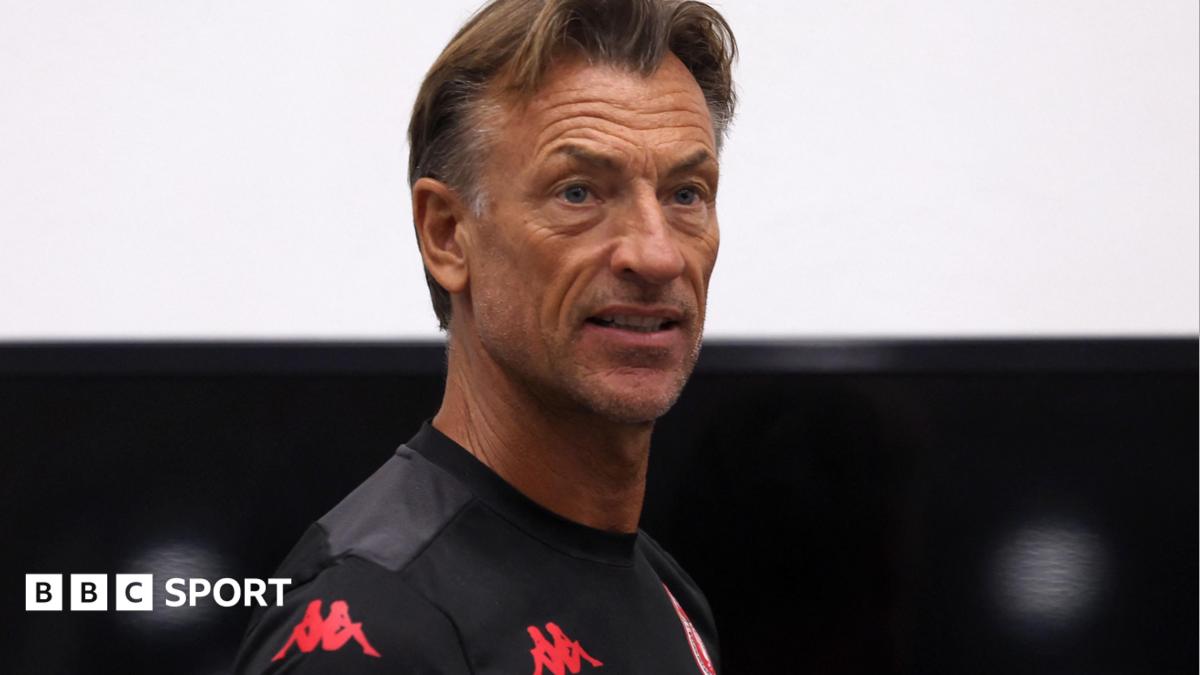
    Tunisia has turned to the charismatic French football manager Herve Renard in a urgent push to rescue their 2026 FIFA World Cup hopes, just days after a humiliating opening match defeat forced the Carthage Eagles to make historic coaching change.

    The North African side moved quickly to part ways with former manager Sabri Lamouchi following a lopsided 1-5 loss to Sweden on Monday, making Tunisia the first nation in World Cup history to dismiss a head coach after just one group stage match. In the expanded 48-team tournament format, Tunisia still holds a narrow path to advance out of Group F, but Renard will have zero room for error when he makes his dugout debut against Japan on Sunday.

    At 57, Renard joins an exclusive club of elite managers to lead three different nations at consecutive World Cup finals, following his stints with Morocco in 2018 and Saudi Arabia in 2022. It was in Qatar 2022 where Renard cemented his reputation for giant-killing, masterminding a iconic group stage upset over eventual champions Argentina, despite Argentina and Lionel Messi taking an early lead in the match.

    When approached by the Tunisian Football Federation about the vacancy, Renard did not hesitate to accept the high-stakes role. “It’s a challenge that isn’t easy, but it’s a motivating challenge,” the manager stated following his official appointment on Tuesday.

    Beyond the famous crisp white shirts he wears while pacing the touchline, Renard’s path to top-level international management has been defined by hard-won experience and humble beginnings. Before his rise to global prominence, he balanced early coaching work with overnight cleaning shifts to make ends meet, a chapter of his career he credits with shaping his relentless work ethic.

    “I woke up at 2:30 in the morning, finished around noon and then left at 5pm for training at Draguignan. That was my rhythm of life for eight years,” Renard told BBC Sport Africa in a 2019 interview. While working his cleaning shift, Renard also studied to earn his coaching qualifications, and he says that grueling period gave him a grounded perspective on his career. “It’s the best schooling I could have had. You have to go through some failures and difficult times but it makes you stronger,” he added.

    Renard’s coaching resume is one of the most varied in international football, including stints with club sides across France, England, Vietnam and Algeria, plus leadership roles with six different senior national teams. He remains the only manager in history to claim the Africa Cup of Nations (Afcon) title with two separate nations: he delivered a fairy-tale 2012 triumph for Zambia against Ivory Coast, then guided the Ivory Coast side to the same trophy just three years later.

    Longtime Zambian sports journalist Nkweto Tembwe describes Renard as a relentless workaholic and master tactician, whose attention to opponent scouting sets him apart from other managers. “He does a lot of reading to make sure he keeps up with the trends that are going on. He [studies] opponents like he’s studying for an exam,” Tembwe told BBC Sport Africa, adding that Renard’s pre-match motivational speeches were the key to Zambia’s unexpected 2012 Afcon run. “If you listen to Herve’s pep talk in the semi-final against Ghana, you realise that Zambia won that match in the dressing room,” Tembwe said. “He described every player there and told the Zambia players what to do [and] especially what not to do. The famous white shirt delivered.”

    While Renard’s African success is unparalleled, his recent career has brought mixed results. He failed to advance past the knockout stages in Afcon tournaments with Morocco, then coached France’s women’s national team to quarter-final finishes at both the 2023 Women’s World Cup and 2024 Olympics. He returned to lead Saudi Arabia in October 2024 and guided the nation to qualification for the 2026 World Cup, but was surprisingly dismissed in April this year, opening the door for Tunisia’s approach.

    Renard has long been the first choice for many African national teams seeking a new manager, but his high salary demands and contract commitments have often blocked potential deals. During the 2023 Afcon hosted by Ivory Coast, the nation attempted to rehire Renard after sacking Jean-Louis Gasset, but the French Football Federation refused to release him from his contract with the French women’s side. A Nigerian football official even described Renard’s financial demands as “practically outrageous” when the Super Eagles attempted to recruit him in late 2024.

    For Tunisia, this appointment marks Renard’s fifth leadership role with an African national side, following his earlier stints with Zambia, Angola, Ivory Coast and Morocco. Beyond the historic milestone of managing three different countries at consecutive World Cups (a feat only achieved by a handful of managers including Bora Milutinovic, Carlos Alberto Parreira and Guus Hiddink), Renard is also chasing a personal milestone: he has never advanced past the group stage of a men’s World Cup finals.

    Renard’s immediate priority is fixing Tunisia’s leaky defensive structure, which conceded five goals to Sweden just days after allowing five in a pre-tournament warm-up loss to Belgium. The French manager, known for his strict disciplinary approach, has already called on his new squad to put the opening defeat behind them and refocus on their upcoming matches against Japan and the Netherlands. “I just told them we have to hold our heads high… you’re here to represent the country, Tunisia. It’s an honour, it’s a duty,” Renard said. “We owe it to ourselves to do much better.”

    Renard already has prior experience facing Japan during World Cup qualifying with Saudi Arabia, and he will draw on that knowledge to push for Tunisia’s first ever knockout stage appearance at a World Cup. If he can pull off the comeback and secure Tunisia a spot in the round of 32, it will add yet another legendary entry to Renard’s already remarkable coaching career.

  • Iran to lodge complaint over travel restrictions

    Iran to lodge complaint over travel restrictions

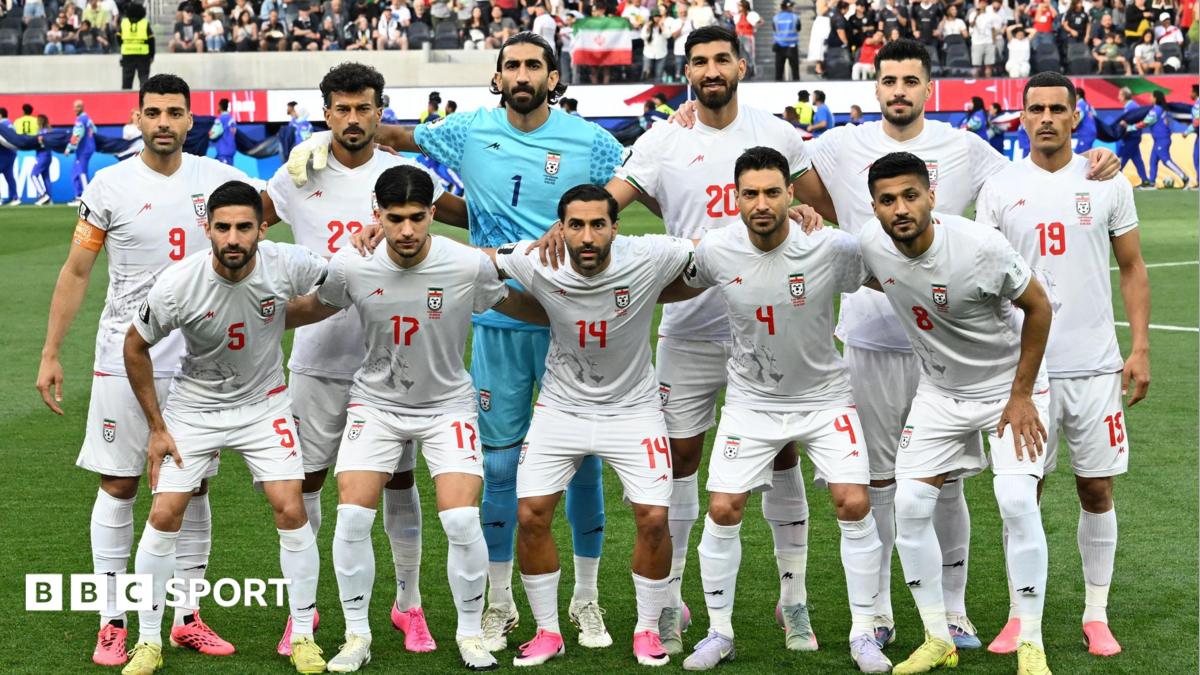
    The 2026 FIFA World Cup, co-hosted by the United States, Canada and Mexico, has become wrapped in fresh controversy as the Iranian national football team prepares to submit a formal grievance to global football’s governing body over discriminatory travel and entry restrictions imposed by US authorities.

    Iran’s campaign got off to a dramatic start on the pitch with a 2-2 opening draw against New Zealand in Los Angeles, but off the field, the team has faced a cascade of logistical and bureaucratic hurdles that have overshadowed their tournament participation. Under the terms of the visas granted to the Iranian delegation, the squad is only permitted to enter US territory 24 hours before each scheduled match and is required to depart the country the same day the game concludes. This strict regime has left the squad with almost no time to acclimate to local conditions, complete focused training sessions, or physically prepare for competition, according to team and federation officials.

    Speaking after the opening draw against New Zealand, Iran head coach Amir Ghalenoei did not mince words, describing his side as the “most oppressed” team competing at the 2026 tournament. The Football Federation of the Islamic Republic of Iran (FFIRI) doubled down on that criticism in an official statement, arguing that the imposed travel constraints directly violate FIFA’s core principle of guaranteeing equal competitive conditions for all participating nations. The federation emphasized that the restrictive rules create unnecessary disruptions that materially harm the team’s preparation process, and confirmed it would pursue an official complaint through FIFA’s formal channels.

    This is not the first setback Iran has encountered during the 2026 World Cup. Long-running political tensions between Washington and Tehran, amplified by ongoing conflict in the Middle East and related US security concerns, have plagued Iran’s tournament participation from the start. Multiple key members of Iran’s backroom coaching and support staff were already denied entry visas to the United States ahead of the tournament, and thousands of match tickets allocated to the Iranian federation were abruptly revoked just days before the competition kicked off. In response to these earlier issues, the FFIRI has called on FIFA to uphold its commitment to the fundamental principles of sporting neutrality, fair play, and established tournament regulations. Following Iran’s opening match against New Zealand, FIFA president Gianni Infantino personally visited the Iranian squad in their dressing room, a move that underscores the severity of ongoing tensions around the team’s participation.

    In the lead-up to Iran’s second group stage match against Belgium, scheduled for 21 June in Los Angeles, the FFIRI confirmed that the same restrictive travel policy remains in place. The federation had formally requested permission to bring the squad into Los Angeles two days before the Belgium clash, explaining that an earlier arrival would allow players to adjust to the local time zone, climate, and venue, and complete critical final training preparations. This request was especially urgent given the match is scheduled to kick off at 12:00pm local time, a time that adds extra physical demand for players without proper acclimation. Despite the clear technical and logistical justifications for the request, US authorities once again rejected the proposal.

    Iran already moved their primary base camp from Arizona in the United States to Tijuana, Mexico following the escalation of Middle East conflict earlier this year, but the team still has two remaining group stage matches, both of which are scheduled to be played on US soil. After facing Belgium in Los Angeles, Iran is set to take on Egypt in Seattle on 27 June.

    When asked to respond to Ghalenoei’s earlier criticism that the team was being treated unfairly, a spokesperson for the US Department of Homeland Security confirmed that the Iranian national team had agreed to the imposed visa terms, though the FFIRA has pushed back on this framing. The BBC has requested further comment from the DHS on Iran’s plans to file a formal complaint, but no additional response has been issued to date.

    Andrew Giuliani, executive director of the White House FIFA Task Force, defended the US policy in comments to CBS News, noting that Iranian officials were aware of the entry rules before the tournament began. He confirmed the policy would remain unchanged for upcoming matches: the team will be allowed to enter one day before each match and must depart the same evening after the final whistle, even for the upcoming Los Angeles clash with Belgium. This standoff comes even as the leaders of both the United States and Iran recently signed an initial peace deal aimed at de-escalating conflict in the region, leaving football caught in the middle of ongoing geopolitical friction.

  • NYCFC teammates Freese, O’Neill and Trewin to clash in crucial World Cup group match

    NYCFC teammates Freese, O’Neill and Trewin to clash in crucial World Cup group match

    SEATTLE – For up-and-coming professional footballers, few opportunities can compare to stepping onto the world’s biggest sporting stage at the 2026 FIFA World Cup. For Australian midfielder Aiden O’Neill, that very opportunity was the deciding factor that pushed him to leave his European club in Belgium to join Major League Soccer’s New York City FC during the 2025 MLS season, while still in the peak of his playing career.

    O’Neill’s move to the United States put him in the same locker room as an eclectic mix of talent: compatriot Kai Trewin, a fellow Australian defender, and United States international goalkeeper Matt Freese, among others. What started as a fruitful club partnership over a season and a half has now evolved into a high-stakes rivalry: on Friday, O’Neill will line up for Australia while Freese starts for the USMNT, bringing their club bond to a head in a critical Group D matchup.

    “We’re excited to play against each other,” O’Neill told reporters ahead of the clash. “It’d be good to get one up on him, that’s for sure.”

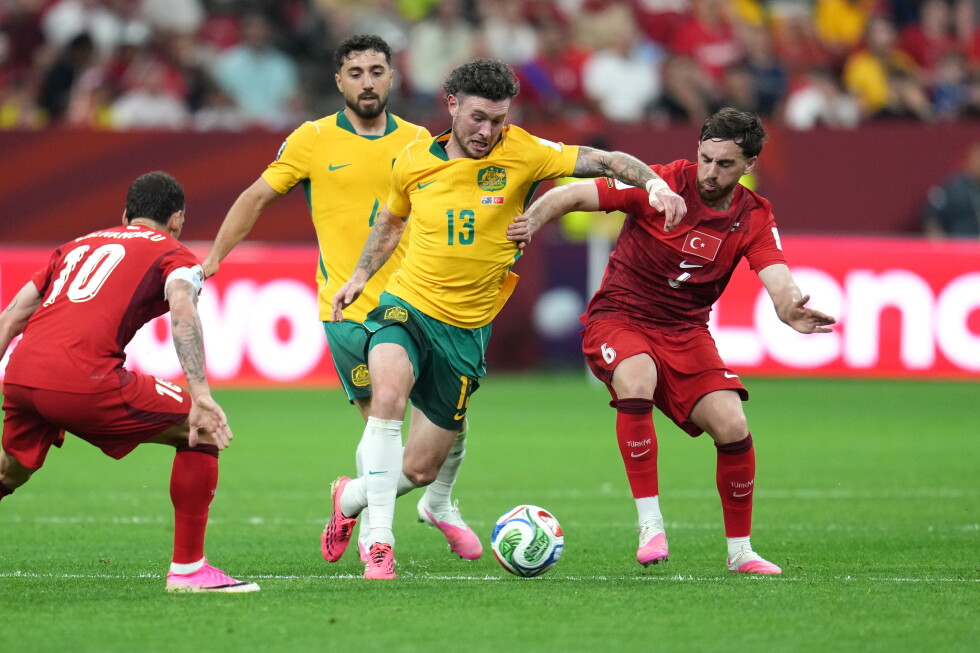
    Both men have already defied expectations to emerge as key players for their nations in this tournament, after surprising selection calls from their managers. Australia head coach Tony Popovic made a bold call to leave experienced veterans Mathew Ryan and Jackson Irvine out of the starting lineup for the Socceroos’ opening group match against Turkey. The shake-up catapulted O’Neill straight into the anchor role of Australia’s four-man midfield, where he has stepped up to lead the side unexpectedly early in his international career. Across the dressing room, Freese earned his first ever World Cup start in the United States’ opening fixture against Paraguay.

    The pair did not just show up on their big debuts—they delivered. Both O’Neill and Freese put in standout performances that guided their respective nations to opening wins, putting both teams in strong position to advance out of the group. Now, Friday’s head-to-head between their national sides is far more than just a friendly inter-club grudge match: the result is almost certain to decide which team tops Group D heading into the knockout stage.

    Trewin, the third NYCFC player on site, who joined the club from Australia ahead of the 2026 season and earned a spot on Australia’s World Cup squad despite not featuring in the 2-0 opening win over Turkey, says he has never been more motivated for a fixture. “I’ve never wanted to win a game more than this one,” he added.

    Off the international pitch, the trio has already helped deliver consistent results for their MLS side. Back in 2025, O’Neill and Freese held down starting spots as NYCFC marched all the way to the MLS Cup Playoff semifinals. With Trewin slotting into the starting lineup this year, the club remains comfortably in playoff position heading into the league break for the World Cup. But for all three, Friday’s matchup is shaping up to be the highest-stakes game of their professional careers to date.

  • Awer Mabil is proud to represent Australia as one of team’s refugees playing in the World Cup

    Awer Mabil is proud to represent Australia as one of team’s refugees playing in the World Cup

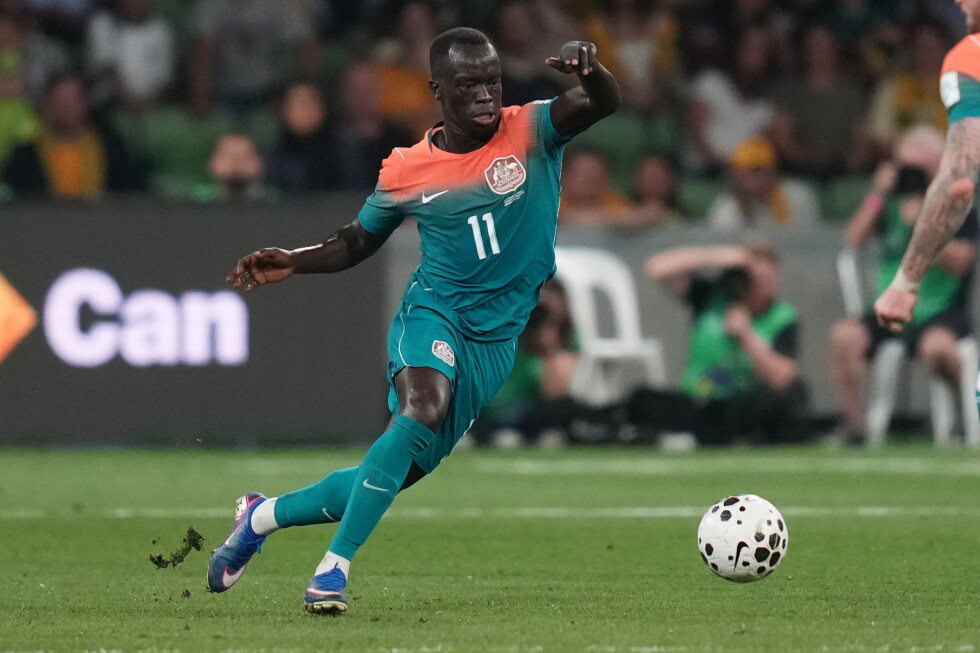
    SEATTLE — Ahead of Australia’s high-stakes FIFA World Cup matchup against the United States, an unplanned, heartfelt moment at a post-training press conference this week put the remarkable personal journey of Socceroos veteran forward Awer Mabil front and center, offering a moving reminder of sport’s power to transcend competition and unite communities.

    When long-time Australian SBS network sports commentator David Basheer posed a question from the press room Tuesday, 30-year-old Mabil’s usual composure melted into unfiltered joy. Caught off guard by the familiar face of the commentator he had grown up watching on television after resettling in Australia, Mabil openly admitted he was overcome, asking Basheer to repeat his question. The soft, emotional exchange cut through the typical high-pressure buzz of the quadrennial tournament, highlighting the sincere authenticity that has made Mabil one of the most compelling key figures on Australia’s World Cup roster this year.

    Mabil’s path to global soccer’s biggest stage has been far from ordinary. Born in Kenya’s sprawling Kakuma refugee camp to South Sudanese parents who fled their country’s civil war, Mabil arrived in Australia 20 years ago at age 10, accepted through the nation’s formal humanitarian resettlement program. He launched his organized soccer career playing in Adelaide, South Australia, and now, decades later, he is using his platform at the World Cup to lift up other displaced people around the globe — a mission made even more meaningful by the timing of this year’s tournament, which coincides with Australia’s Refugee Week, leading up to World Refugee Day on Saturday.

    “During Refugee Week, I want to say to anybody that is misplaced all over the world that we are with you,” Mabil shared in an interview. “We are on a world stage right now, in a big tournament — and just to tell you everything is possible, so keep going.”

    This theme of inclusion has defined Mabil’s work leading into the tournament. A pre-World Cup video message he recorded championing global soccer diversity went viral, delivering a simple, powerful message: “No matter where you come from, football is for everyone.” Mabil noted that the overlap between Refugee Week and the World Cup is more than coincidence, pointing to the number of refugee-background players on the current Socceroos squad, including himself.

    “when I reflect back, I’m like we all belong to this world together,” he said. “And now we’re representing Australia.”

    Mabil also takes on an informal mentorship role for his two younger teammates, Mo Touré and Nestory Irankunda, both African-born refugees who resettled in Australia just like Mabil. The 20-year-old Irankunda recently notched a major milestone for the team, becoming the youngest player ever to score a World Cup goal for the Socceroos during a 2-0 friendly win over Turkey in Vancouver, British Columbia earlier this week.

    As the team prepares to face the US in Seattle on Friday, Australian defender Alessandro Circati said the squad is eager to prove how far Australian men’s soccer has progressed, shedding the long-held underdog label that has followed the team at past major tournaments.

    “I hope we’re starting to gain a little bit more respect,” Circati said. “I don’t want to be the underdogs for the rest of my life.”

    Mabil, who made brief substitute appearances in two group-stage matches at the 2018 World Cup and did not feature in Australia’s 2026 tournament opener, is focused on supporting the squad from every role, including guiding the team’s next generation of talent. As a senior player, he says his job extends beyond the pitch: he acts as a steadying presence for younger players, and even for veteran teammates navigating the stress of high-stakes tournament play.

    “Coming in as a senior player I think it’s more mental — you have to be present for the younger ones,” Mabil joked. “Sometimes you want to slap them.”

    “I’ll play my role to the best of my abilities to be available for the young ones and also the older ones because the older ones also they go through difficulties so they don’t have all the answers — nobody has all the answers. We just have to continue to be there for each other. In these kind of tournaments, it’s very important to remain united.”

    Off the pitch, Mabil says the squad has been enjoying small moments of calm at their Berkeley-area team base at the Claremont Resort and Club, where players have become quick fans of the on-site omelet bar. The team conducts daily training sessions at the former headquarters of the NFL’s Oakland Raiders, a historic venue that adds extra context to their World Cup run on US soil.

    For Mabil, every minute of this tournament is a testament to the second chance he was given — and a promise to every displaced person chasing their own dream, no matter how out of reach it may seem.

  • US hopes to give fans reason to revel when it faces Australia in Seattle, with or without Pulisic

    US hopes to give fans reason to revel when it faces Australia in Seattle, with or without Pulisic

    SEATTLE — For Cristian Roldan, the roar of Lumen Field is no unfamiliar thing. The veteran U.S. men’s national team midfielder, who has plied his trade with Major League Soccer’s Seattle Sounders since 2015, knows better than most just how passionate the soccer-mad fans of this Pacific Northwest metropolis can be. Now, as the U.S. prepares to face Australia in their second Group Stage match of the 2026 FIFA World Cup on Friday, Roldan is counting on that home-field energy to push his side to another victory.

    Fresh off a dominant 4-1 opening win over Paraguay in Southern California, the U.S. is set to take the pitch at Lumen Field, the home stadium of the NFL’s Seattle Seahawks and a venue long renowned for its ear-splitting crowd noise. “I fully expect this crowd to be extremely loud. And, they’re going to energize our group,” Roldan told reporters ahead of the match. “This is one of the loudest stadiums in the world when you think about Seahawks games or Sounders games. Just seeing the atmosphere for the Belgium-Egypt match earlier in the tournament, I fully expect the city of Seattle to come out and show out, and I think the guys are going to feel that type of energy.”

    Buoyed by the momentum of their opening triumph, Roldan says the squad is eager to reward the sea of home fans that will fill the stands and live up to the growing expectations surrounding the team. “What excites me is that the entire world, the entire nation is behind us,” he said. “I think that they enjoyed watching us play, and at the end of the day what we want to do is inspire and motivate the next generation. … We have to build off it, and that’s the truth. We can’t just talk about it: We have to show out against Australia.”

    But for all the excitement building in Seattle, there is a lingering cloud of uncertainty hanging over the squad: the fitness of star forward Christian Pulisic. Pulisic trained separately from his teammates for the fourth consecutive day on Thursday while recovering from a left calf injury, and head coach Mauricio Pochettino confirmed Thursday night that the attacker’s match availability is still undecided.

    Beyond the injury question, the U.S. is under no illusion about the test Australia will bring. The two sides last met in a friendly back in October, where the U.S. scraped by with a tight 2-1 win against a physically imposing Socceroos side – a contest Pochettino described as far from an easy warmup. To overcome Australia’s physical style, Pochettino says his squad will need to match the opponent’s intensity while staying disciplined. “I think we need to play on the edge of the line,” he said, “with not crossing the lines of the rules.”

    For Australia, the match is a chance to cement their place on the global soccer stage after a strong opening 2-0 win over Turkey. Center back Harry Souttar expects the U.S. to come out pressing hard from the opening whistle, just as they did against Paraguay. Australian head coach Tony Popovic says his scrappy, hard-working side is hungry to earn the respect of the global football community. “We want to earn our respect,” Popovic said. “We know that by our performances, we can put Australian football on the world map. And, that’s what we aim to do. We started off well against Turkey. Now, we want to back it up.”