分类: sports

  • Lionel Messi’s family pleads for ‘humanity’ as the Argentina captain’s father undergoes treatment

    Lionel Messi’s family pleads for ‘humanity’ as the Argentina captain’s father undergoes treatment

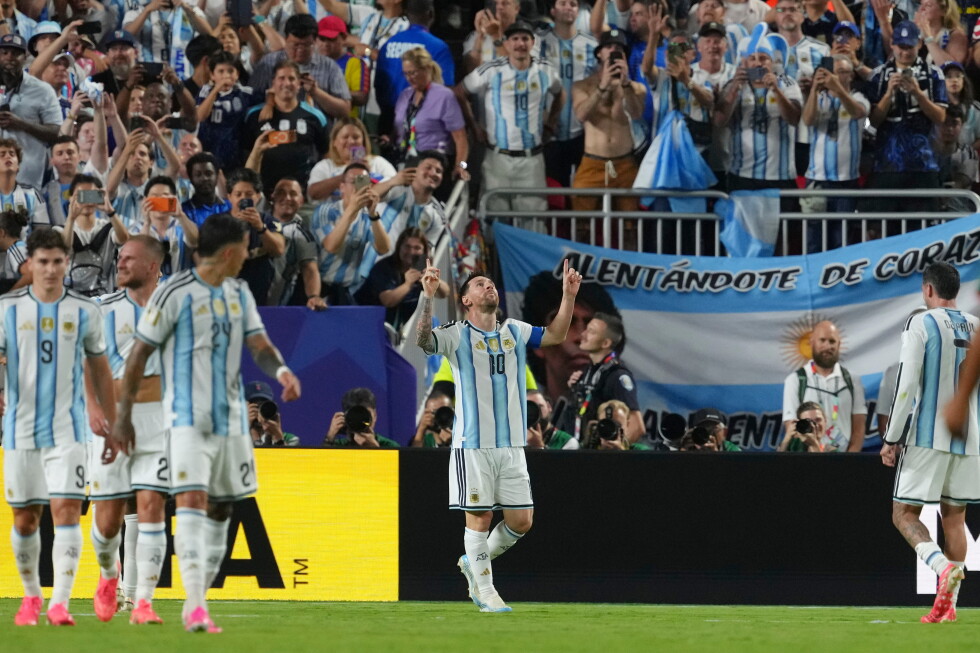
    DALLAS – As Argentine soccer legend Lionel Messi competes on the world’s biggest stage at the FIFA World Cup, his family has broken their silence to address rampant and misleading speculation surrounding the health of his father, 68-year-old Jorge Messi. Thursday saw the release of an official statement from the Messi family via the star player’s media office, responding hours after unfounded reports of Jorge’s death spread quickly across social media and news outlets in Argentina.

    In the brief but clear statement, the family confirmed that Jorge Messi is indeed undergoing ongoing medical care for an unspecified health condition, but emphasized that the situation is stable. “He is currently under medical observation, recovering and progressing favorably within his current condition,” the statement read. The family chose not to share additional details about the specific nature of the illness, citing a desire for privacy around the personal health matter.

    The confirmation of a health issue follows cryptic comments from Lionel Messi just days earlier, after Argentina’s opening World Cup match against Algeria, which ended in a 3-0 win for his side. After the final whistle, Messi acknowledged he was navigating a challenging personal circumstance, but declined to offer any further context for the comment, which had already sparked widespread speculation in global soccer circles.

    The false rumors of Jorge’s death that circulated this week pushed the family to speak out publicly, with an urgent appeal to media outlets and online commentators for respectful conduct. “At times like these, we ask for responsibility, prudence and humanity,” the statement said. “A person’s health and the peace of mind of their loved ones should not be the subject of speculation or irresponsible media interest.”

    The family closed by noting that any future updates on Jorge Messi’s condition will be shared at their own discretion, and that they will not engage with further unsolicited speculation ahead of Argentina’s upcoming World Cup matches. As the tournament progresses, all focus has remained on Lionel Messi’s campaign, as he continues to lead his national side in what is widely expected to be his final appearance at the World Cup.

  • Mother of Cape Verde’s goalkeeper: ‘I’m going to see my son play in the World Cup’

    Mother of Cape Verde’s goalkeeper: ‘I’m going to see my son play in the World Cup’

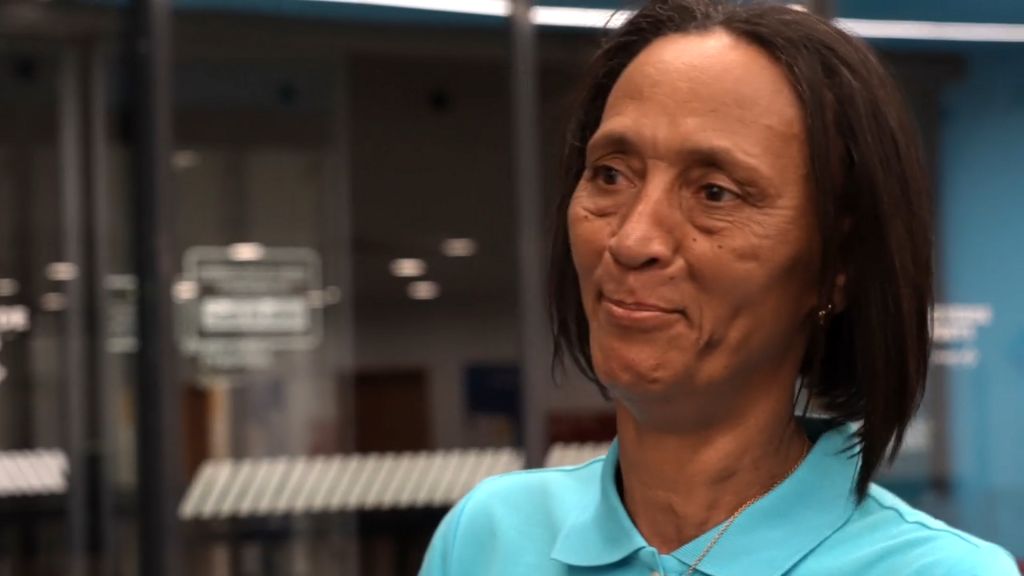
    For years, Ana Candia Evora has watched her son Vozinha’s career from thousands of miles away, cheering on Cape Verde’s star goalkeeper from her home without ever getting the chance to see him compete in person on an international stage. That long wait is finally over, as the mother of the Cape Verde national team shot-stopper has confirmed she will travel to the United States to watch her son compete in the upcoming World Cup, turning a lifelong dream into a reality.

    Vozinha, one of the most recognizable and accomplished players on Cape Verde’s national squad, has built a reputation as a formidable presence between the goalposts over his decade-long professional career. For Evora, following her son’s journey has meant celebrating clean sheets and tournament runs from afar, limited to watching matches on television and celebrating with family after big wins. The opportunity to travel to the World Cup in the U.S. is not just a trip to see a match — it is the culmination of years of supporting her son through the ups and downs of professional sports, from his early days playing youth football in Cape Verde to his rise as the national team’s starting goalkeeper.

    Football fans across Cape Verde have rallied around Evora’s upcoming trip, with many sharing messages of excitement on social media. The moment when Evora walks into the stadium to watch her son line up for a World Cup match is already being framed as one of the most heartwarming human interest stories of this year’s tournament, a reminder of the family sacrifice and support that underpins every elite athlete’s journey to the world’s biggest sporting stage.

  • ‘My brother hid in a rice sack’: The refugee stars playing at the World Cup

    ‘My brother hid in a rice sack’: The refugee stars playing at the World Cup

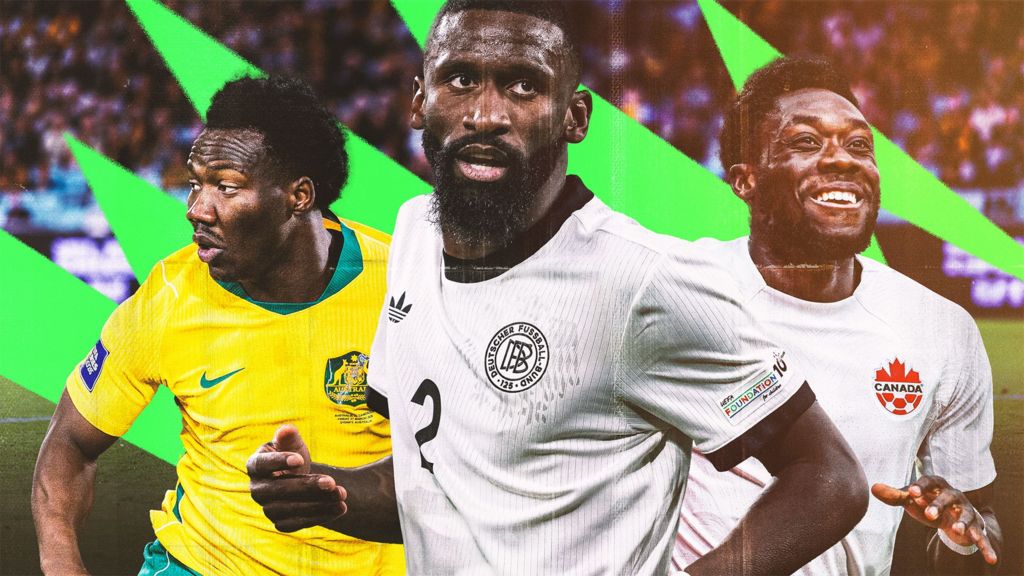
    As the 2026 World Cup unfolds across North America, three standout players taking the pitch for Australia, Germany, and Canada share a powerful, little-told common bond: all descend from African refugee families who fled devastating conflict to build new lives abroad. For these athletes, their presence on football’s biggest global stage is more than a personal achievement — it is a platform to amplify the stories of displaced people everywhere, even as growing policy shifts around the world roll back access to refugee resettlement.

    For Germany defender Antonio Rüdiger, a 33-year-old Real Madrid stalwart and two-time Champions League winner, the road to the World Cup began long before he was born. His parents fled Sierra Leone’s brutal 11-year civil war in the 1990s, making a treacherous 340-kilometer trek from their home district of Kono to the capital Freetown in search of safety. Rüdiger’s uncle took extraordinary measures to protect his young nieces and nephews from rebel factions that kidnapped thousands of children to serve as child soldiers: he hid the group inside a sack of rice, and on multiple occasions, the family pretended to be dead to avoid gunfire or abduction. After securing refugee status in Germany, Rüdiger was born in Berlin, growing up in a shared government refugee center. That early experience shaped the work ethic that carried him to the top of global football. “Nothing is given in life. You have to work for things, you have to sacrifice a lot to get where you want to go,” he told BBC Sport Africa.

    Rüdiger is far from alone among World Cup participants in carrying a refugee heritage. Canadian captain and Bayern Munich star Alphonso Davies spent his earliest years in a Ghanaian refugee camp after his family fled civil war in Liberia, a conflict that ravaged the West African nation alongside Sierra Leone in the 1990s and early 2000s. Today, Davies is part of the United Nations High Commissioner for Refugees’ (UNHCR) symbolic “Game Changing Team,” a group of elite refugee-background athletes assembled to demonstrate what displaced young people can achieve when given safety, opportunity, and a warm welcome. “Canada gave me the opportunity to be who I am and to be what I want to be in life,” Davies told UNHCR, recalling his first days in the country: going to school for the first time, playing the sport he loves, and building new friendships.

    The Australian men’s national squad, the Socceroos, fields three forwards with African refugee roots: 20-year-old Nestory Irankunda of Watford, Mohamed Toure of Norwich City, and Awer Mabil of Spain’s Castellón. All three were either born in African refugee camps or grew up in them before resettling in Australia, and Irankunda recently made history as the Socceroos’ youngest-ever World Cup goalscorer after netting in a 2-0 group stage win over Turkey. Australia’s professional footballers association has leaned into the squad’s extraordinary multicultural identity, releasing a video featuring every player naming their birthplace or family heritage to highlight the tangible benefits of immigration.

    Rüdiger, Davies, Irankunda, and dozens of other participating players have lent their names to the UNHCR campaign, alongside other high-profile athletes such as Rüdiger’s Real Madrid teammate Eduardo Camavinga (whose family fled Angola for France), former Chelsea winger Victor Moses (whose parents resettled in Nigeria from the UK), former Bosnia goalkeeper Asmir Begovic (who found refuge in Germany as a child escaping Balkan conflict), and Iraqi striker Ali Al-Hamadi (whose family fled after his father was imprisoned under Saddam Hussein’s regime).

    UN High Commissioner for Refugees Barham Salih noted that children make up a disproportionate share of the world’s displaced population, with an estimated 48.8 million displaced children globally. Many face family separation, trauma, and abuse while fleeing war, violence, and persecution.

    Despite the widespread celebration of these players’ success at the tournament, Rüdiger and other campaign participants warn that global public and political attitudes toward refugees have shifted dramatically in recent years, with growing stigma targeting displaced people. “The narrative goes a bit more blaming the refugees,” Rüdiger said, arguing that public empathy for those escaping conflict has eroded. “Obviously, you have always the good and the bad. This is life, we all are not perfect. But the thing is, if one person does bad, are all bad? You cannot smear it on everyone, because that’s not fair. Because you have people who come here, they really want to change their life, they’re doing good, they’re trying to learn. They learn the language, they go to school, they achieve something in life.”

    That shifting political landscape is particularly visible in the United States, one of the 2026 World Cup’s three co-hosts. Immediately after his inauguration in January 2025, Republican President Donald Trump signed an executive order suspending the U.S. Refugee Admissions Programme (USRAP), the country’s formal resettlement system that has admitted more than 3.7 million refugees since its launch in 1980, including more than 500,000 from African nations. Later that year, the Trump administration capped annual refugee admissions at just 7,500 for the current fiscal year — a historic low — and rearranged priority rules to favor white South African refugees, based on Trump’s widely discredited claims of a “genocide” against Afrikaners.

    State Department data shows that in the first seven months of the fiscal year (October to April), just 6,069 refugees were admitted to the U.S., and all but three of those resettled people came from South Africa. That marks a stark reversal from the final full year of former Democratic President Joe Biden’s term, when the U.S. admitted 100,034 refugees total, 34,017 of whom came from 32 different African nations. The Democratic Republic of the Congo topped that list with 19,923 resettled refugees, followed by Somalia, Eritrea, and Sudan.

    The Trump administration has defended the cuts, arguing they are “justified by humanitarian concerns or is otherwise in the national interest,” but humanitarian organizations have roundly condemned the policy. Krish O’Mara Vignarajah, president and CEO of resettlement non-profit Global Refuge, told BBC Sport Africa that the policy is a devastating betrayal of the values the World Cup represents. “Sadly, right now, the most vulnerable in Africa and across the world have been shut out entirely,” she said. “What we will see [at the World Cup] is the US spending this summer celebrating, as they should, what humans can achieve when they’re given a chance. US policymakers have spent the past year making sure fewer people get that chance, and it is a stark and deeply troubling contradiction.”

    O’Mara Vignarajah drew a contrast to 1994, the last time the U.S. hosted the World Cup, when the country resettled more than 100,000 refugees. “We knew back then that hosting the world and welcoming the world were not separate ideas,” she said. “But we have seem to have forgotten that.”

    While U.S. policy has grown dramatically more restrictive, Canada — another World Cup co-host — has seen its annual refugee acceptance numbers rise over the past decade, even as it has shifted toward stricter immigration rules in recent years. Data from Canada’s Refugee Protection Division shows that 9,972 refugee claims were approved in 2016, a figure that grew to 50,067 by 2025. Thirty-eight African nations are represented among recent approved claims, with Nigeria recording the highest number.

    For stars like Rüdiger and Davies, their performances on the World Cup pitch are meant to serve as a reminder of what welcome can achieve: they are playing for the countries that gave their families a second chance at life, and in doing so, they hope to reignite global empathy for refugees around the world.
  • Phillips’ maiden test century leads priceless morning for New Zealand at The Oval

    Phillips’ maiden test century leads priceless morning for New Zealand at The Oval

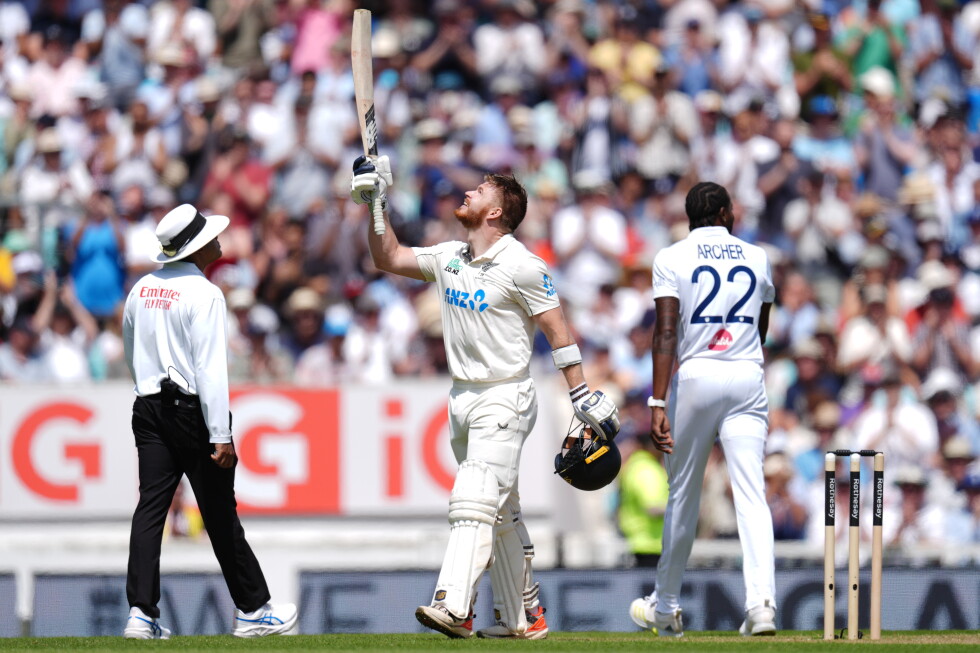
    On a sun-drenched Thursday morning at London’s iconic Oval cricket ground, New Zealand pulled off a stunning lower-order batting performance, headlined by Glenn Phillips’ first career test century, that pushed the Black Caps to a far higher first innings total than most analysts predicted against England.

    Resuming day two at 291 for seven wickets – a position where New Zealand’s coaching staff privately targeted 350 runs as a strong outcome, with the tail exposed and England poised to take the new ball – the visitors compiled an overall total of 391 all out. Phillips was the final wicket to fall, finishing unbeaten? No, out for an even 100, capping a remarkable comeback for the lower order.

    England’s chances of a swift wrap-up of the New Zealand innings were derailed by two key factors: an over-reliance on short-pitched bowling that failed to trouble the New Zealand batters, and the delayed return of their most potent fast bowler, Jofra Archer. Archer, playing his first test match since December, had delivered a blistering spell of eight consecutive overs on day one that left spectators breathless, but the effort left him fatigued heading into the second morning.

    Archer did not appear until the 19th over of the morning, just before the lunch break. By the time he entered the attack, Phillips and tailender Kyle Jamieson had already turned the game on its head. The pair shared an 87-run partnership from just 96 balls, with 74 of those runs coming in 12 overs in the first hour of play that saw New Zealand sail past the 350 benchmark.

    Jamieson, New Zealand’s 2.07-meter tall pace bowler, capitalized on a dropped catch when Ben Duckett, fumbling into bright sun with sunglasses perched on his cap, put him down at 15. Despite being hit twice on the helmet by short deliveries, Jamieson batted with remarkable confidence, growing his overnight score of 6 to 41 off 48 balls – his highest test score in six years of international cricket. He struck six new boundaries after play resumed, including two beautifully timed cover drives, before being bowled by part-time spinner Jacob Bethell, who finished with England’s best bowling figures of three wickets.

    Phillips, who resumed the day on 49, brought up his half-century from just the second delivery of the morning with a top edge that cleared the wicketkeeper. With Archer resting on the sidelines, Phillips ruthlessly punished wayward short deliveries from England’s seamers Sonny Baker and Josh Tongue. He surpassed his previous highest test score of 87, set against Bangladesh in 2023, and brought up his milestone century off 133 deliveries, decorated with 18 boundaries, adding to his existing record of two centuries each in ODI and T20 international cricket.

    In a moment of good sportsmanship, Phillips reached his hundred with two runs and a single off the returning Archer, who responded with a warm congratulatory tap on the back. Shortly after, Archer claimed the wickets of Matt Henry and Phillips to end the New Zealand innings. In the three overs remaining before lunch, England moved to 15 without loss, setting the stage for an absorbing second innings battle.

  • Ivory Coast’s Wahi denied entry to Canada

    Ivory Coast’s Wahi denied entry to Canada

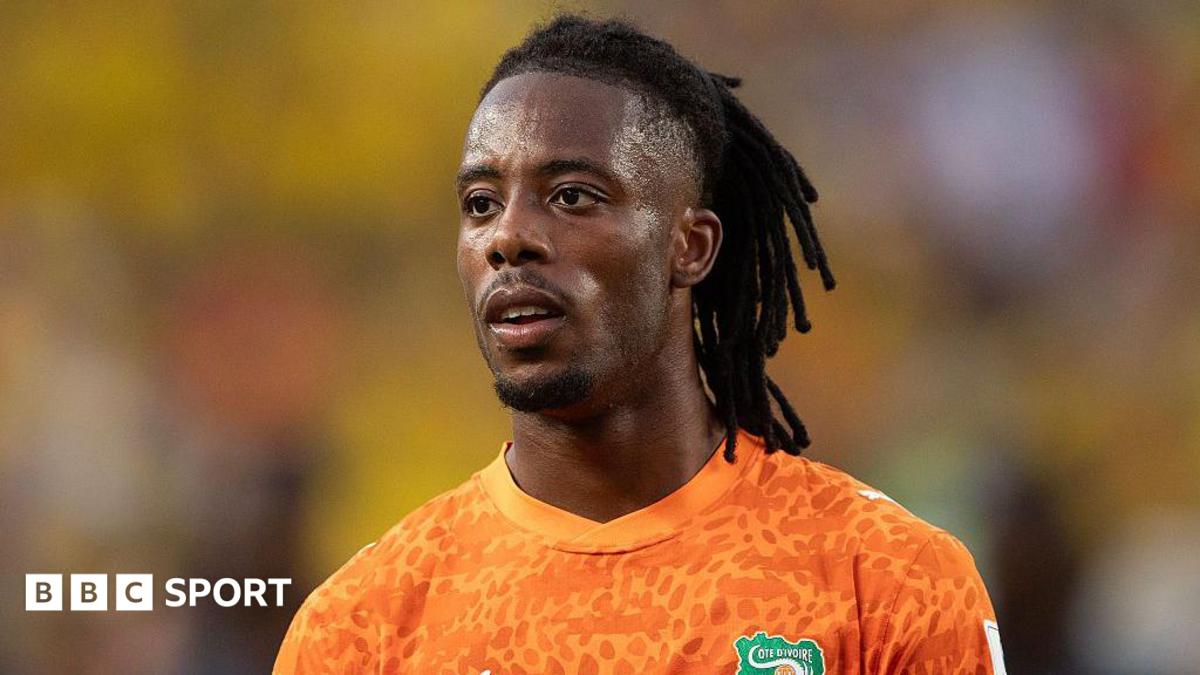
    The 2026 FIFA World Cup in North America has been rocked by fresh off-field controversy, as Ivorian international forward Elye Wahi has been barred from entering Canada for his nation’s critical Group Stage match against Germany this Saturday. The 23-year-old Nice attacker, who started in the Elephants’ opening tournament win over Ecuador, is currently entangled in a French domestic investigation into alleged spot-fixing in Ligue 1, marking the second time a World Cup participant has been denied Canadian entry over ongoing legal issues in this edition of the tournament.

    Reports first emerged last month that Wahi was taken into police custody ahead of the World Cup, with accusations that he intentionally received a yellow card during a May 2025 Ligue 1 fixture between Nice and Metz. Spot-fixing, a form of match manipulation that targets specific in-game events rather than the final result, allows corrupt actors to profit from manipulated betting markets; in this case, the fifth yellow card of Wahi’s 2025-26 season triggered an automatic suspension for the first leg of Nice’s relegation play-off against Saint-Étienne on 26 May. The first leg ended in a goalless draw, with Wahi returning for the second leg to score twice in a 4-1 victory that secured Nice’s spot in France’s top flight for the following season.

    French judicial authorities have confirmed the broad outlines of the investigation without explicitly naming Wahi. A spokesperson for the Marseille Public Prosecutor’s Office told The Athletic that a 23-year-old Ligue 1 player was arrested as part of a probe into organized fraud, organized sports corruption, criminal proceeds handling, and money laundering. Following questioning in police custody, the player was released, with investigations still ongoing as of the tournament’s opening week.

    The French Football League (LFP) later confirmed this week that it had been alerted to “an unusually high volume of bets placed on a warning [yellow card] involving the player Elye Wahi.” In an official statement, the governing body of French professional football noted that it would refrain from further public comment amid the active investigation and ongoing confidentiality requirements ordered by law enforcement, and that no disciplinary proceedings have been opened to date. The LFP added, however, that it reserves the right to take action as the probe progresses, and reaffirmed its commitment to protecting the integrity of French club competitions: “it will act with the utmost firmness against any behaviour that could compromise it.”

    The Ivorian Football Federation (FIF), which confirmed Wahi’s entry denial in an official statement released June 17, said it has not received formal notification of any judicial or administrative proceedings against the player. “To date, the FIF has not been officially notified of any judicial or administrative proceedings involving him,” the statement read. “In this particularly delicate period, the FIF extends all its support to the player and reaffirms its confidence in him. Elye Wahi remains an important element of the Ivory Coast national team.”

    The federation confirmed that Wahi will not travel with the squad to Toronto for the Germany fixture, after failing to secure the required entry authorization from Canadian authorities. Wahi will remain in the United States until the Elephants conclude their Group Stage matches, which include a subsequent fixture against Curacao in Philadelphia next Thursday. BBC Sport has reached out to both Wahi’s representatives and FIFA for additional comment on the matter, with no formal response released as of publication.

    Wahi’s entry denial comes just days after another high-profile World Cup participant was barred from entering Canada: Ghana star Thomas Partey, the former Arsenal midfielder, was refused a visa after he failed to disclose ongoing criminal proceedings in the UK, where he faces seven charges of rape and one count of sexual assault related to allegations from four separate women between 2020 and 2022. Partey has pleaded not guilty to all charges and is scheduled to stand trial in 2027. A last-ditch appeal by the Ghanaian government for a special temporary entry waiver for the Panama match was rejected by Canada’s federal court in Ottawa, leaving Partey unable to participate in Ghana’s opening tournament win.

  • Real Madrid signs France defender Ibrahima Konaté to 4-year deal

    Real Madrid signs France defender Ibrahima Konaté to 4-year deal

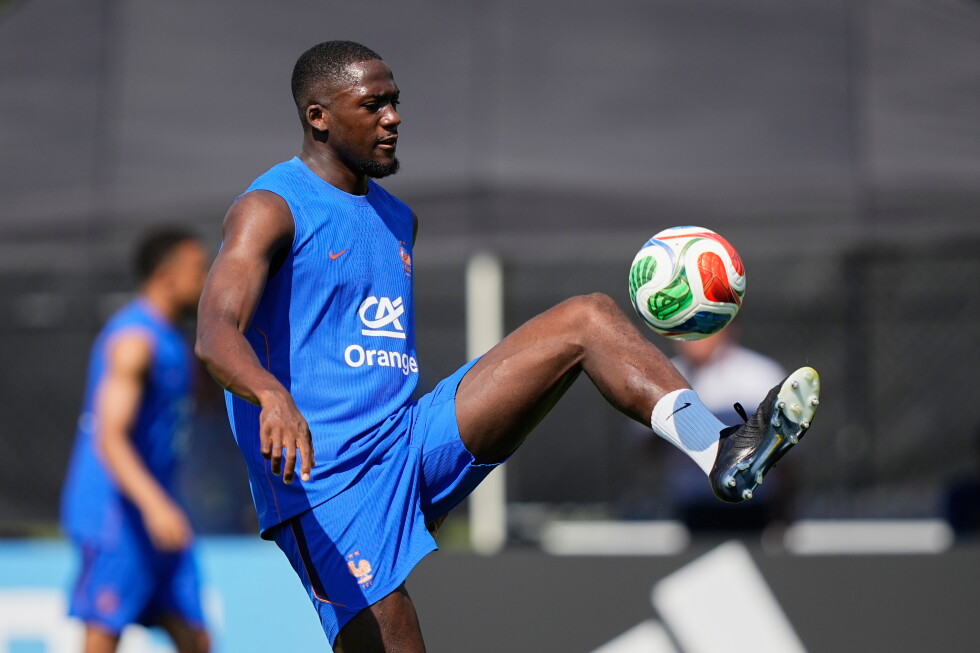
    One of European football’s most decorated clubs, Real Madrid, has announced a major transfer coup this week, confirming it has reached a full agreement to bring French center-back Ibrahima Konaté to the Santiago Bernabéu on a four-year contract.

    The revelation of the transfer came on Thursday, even as Konaté remains with the French national squad in Qatar for the 2022 FIFA World Cup. The 27-year-old defender was eligible to move to Real Madrid as a free agent after his existing contract with English Premier League side Liverpool reached its expiration this transfer window.

    Konaté first arrived in the English top flight back in 2021, making the move from German Bundesliga club RB Leipzig to Anfield. During his five-year tenure with Liverpool, he played a key role in the club’s 2025 Premier League title triumph and also claimed an FA Cup winner’s medal with the side in 2022, establishing himself as one of the league’s most formidable young center-backs.

    For Real Madrid president Florentino Pérez, the signing of Konaté was not an 11th-hour deal: it was one of the core campaign pledges Pérez made to club supporters ahead of his successful re-election to the presidency earlier this month. The agreement delivers on a key promise Pérez made to strengthen the club’s defensive line ahead of the upcoming season.

    Most recently, Konaté was an unused substitute for France in their opening Group C match of the World Cup on Tuesday, where Les Bleus secured a 3-1 victory over Senegal to kick off their title defense campaign. The transfer announcement comes as football’s global audience remains focused on the World Cup, turning attention to the high-profile moves that will reshape top European leagues once the international tournament concludes.

  • Colombia’s Luis Díaz stars in World Cup debut, less than 3 years after his parents’ kidnapping

    Colombia’s Luis Díaz stars in World Cup debut, less than 3 years after his parents’ kidnapping

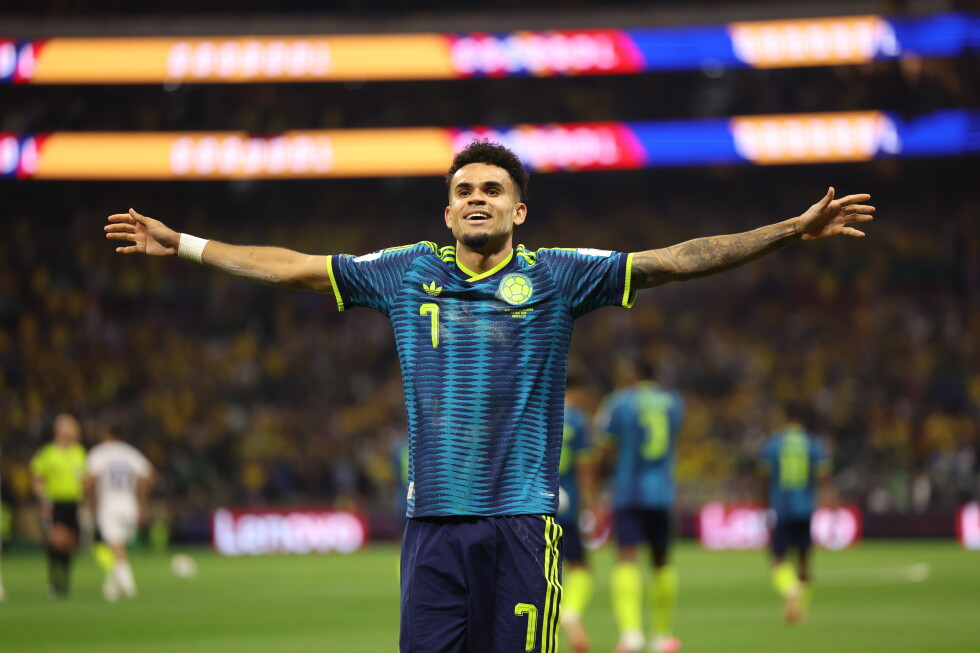
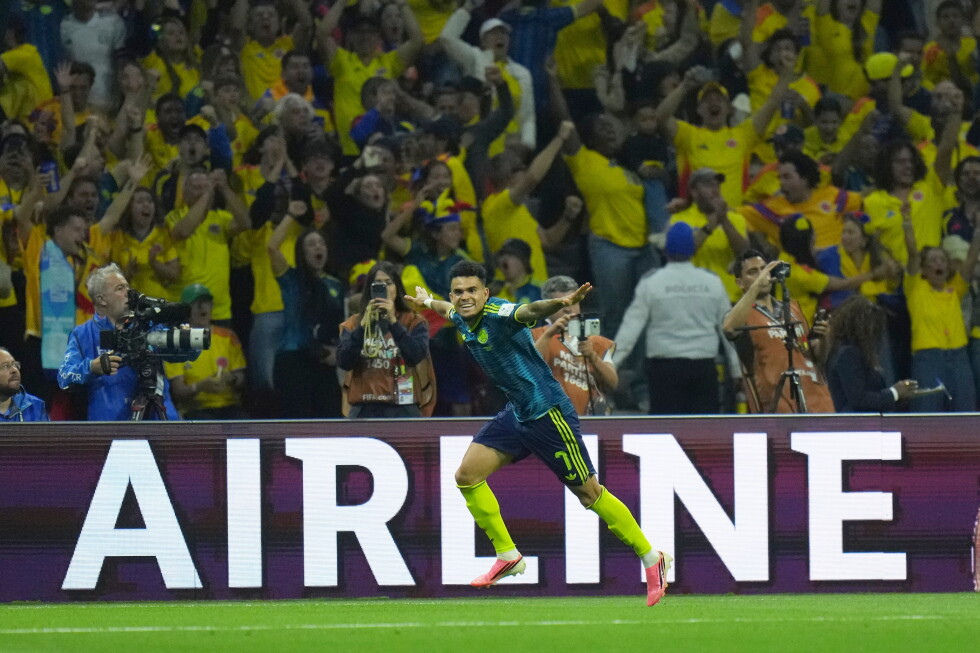
    Against all odds, Colombian football star Luis Díaz etched his name into World Cup history with a sensational debut performance that closed one of the most turbulent chapters of his life, delivering Colombia a 3-1 opening win over Uzbekistan. After notching one goal and one assist in his first ever World Cup match, the newly signed Bayern Munich winger immediately walked toward the sidelines to search for the man who stood by him through years of struggle: his father, Luis Manuel “Mane” Díaz. The emotional reunion in the stands fulfilled a dream years in the making, one that was nearly derailed by a series of devastating setbacks.

    Díaz’s path to the 2026 World Cup (the current tournament after Colombia missed qualification for 2022) has been marked by unimaginable hardship. First, the Colombian national team failed to secure a spot in the 2022 Qatar World Cup, crushing Díaz’s first shot at the sport’s biggest stage. Just over a year ago, that disappointment gave way to a far greater crisis: armed guerrilla fighters abducted Mane Díaz and Cilenis Marulanda, Díaz’s parents, at a remote border crossing between Colombia and Venezuela. While Marulanda was rescued within hours of the kidnapping, Mane remained in captivity for nearly two weeks.

    At the time, Díaz was plying his trade with England’s Liverpool FC. The star immediately stepped away from club football, missing two Premier League matches to return to his hometown of Barrancas, Colombia, to push for urgent action to secure his father’s release. When he returned to the pitch for Liverpool, Díaz made a powerful public statement: after scoring a critical goal for the club, he lifted his jersey to reveal an undershirt emblazoned with the Spanish words “Libertad para Papá” — Freedom for Papa.

    The bold gesture resonated across the globe, drawing widespread international solidarity and ramping up public pressure on the Colombian government to prioritize negotiations for Mane’s release. After 12 days in captivity, Mane Díaz was finally released, and father and son shared a tearful, emotional embrace that was shared and celebrated by football fans worldwide.

    In the lead-up to Díaz’s long-awaited World Cup debut this week, Mane went viral on social media with a video of himself kneeling to pray over his son’s Colombia jersey, a moment that captured the entire football world’s attention. On match night, with Mane watching from the stands, Díaz delivered when his team needed him most: after Uzbekistan pulled level to equalize, the winger fired home the go-ahead goal that secured Colombia’s first World Cup win since the 2018 tournament in Russia.

    Reflecting on the moment after the final whistle, Díaz opened up about the long, difficult road that led him to that first World Cup start. “A lot of things came to me from the past,” he said. “I worked for this. I fought to be here at this moment. I think there was always something that kept us from being at ease. I think that today, I am at my best.”

    The match marked not just a long-awaited World Cup debut, but a full-circle moment of redemption for a player who has turned personal adversity into on-pitch triumph, capturing the hearts of fans around the world with his resilience and grace.

  • Luis Díaz sparks Colombia to a 3-1 win over Uzbekistan in its World Cup opener

    Luis Díaz sparks Colombia to a 3-1 win over Uzbekistan in its World Cup opener

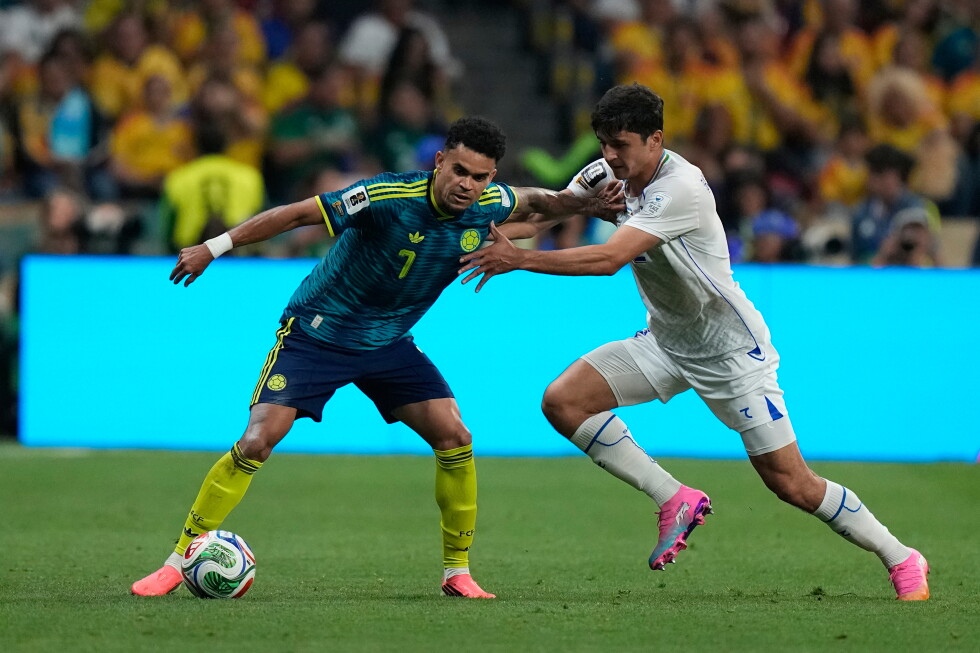
    MEXICO CITY – The 2026 FIFA World Cup kicked off its Group K action on Wednesday night at the iconic Estadio Azteca, where Liverpool star Luis Díaz turned in a dream debut performance, delivering one goal and one assist to lead 13th-ranked Colombia to a confident 3-1 victory over World Cup first-timers Uzbekistan. The match played out in front of a raucous crowd of 80,824 fans, the vast majority of whom clad the stands in Colombia’s signature yellow in support of the returning South American side.

  • Uzbekistan’s Abdukodir Khusanov collides with a camera operator in World Cup match vs. Colombia

    Uzbekistan’s Abdukodir Khusanov collides with a camera operator in World Cup match vs. Colombia

    MEXICO CITY – An unexpected on-field incident interrupted Uzbekistan’s 2024 FIFA World Cup opening fixture against Colombia on Wednesday night, when starting defender Abdukodir Khusanov crashed into a sideline camera operator during the first half of play.

    Khusanov, who plies his club trade at English Premier League powerhouse Manchester City, launched into a challenge for a loose ball bouncing along the touchline against Colombian winger Luis Díaz. The speed and momentum of the challenge carried the 20-year-old defender past the boundary of the pitch and straight into the crew member tasked with capturing broadcast footage of the match.

    Immediately after the collision, medical personnel from FIFA stepped onto the pitch to assess and treat the injured camera operator, whose current condition has not been released in the immediate aftermath of the incident. Play was temporarily halted to allow for the medical response, before the match resumed between the two World Cup debut contenders.

    The Associated Press continues to provide full, ongoing coverage of the FIFA World Cup, with live updates, match reports, and breaking incident updates available via its dedicated World Cup news hub.

  • A look at how World Cup stars young and old are faring after first week

    A look at how World Cup stars young and old are faring after first week

    As the expanded 48-team FIFA World Cup enters its second week of group stage play, the tournament has already delivered a compelling showcase of football talent across every age bracket. From veteran legends playing in their final major international tournament to teenage prodigies making their first World Cup appearances, the contrast between experience and youthful potential has emerged as one of the competition’s most gripping early storylines.

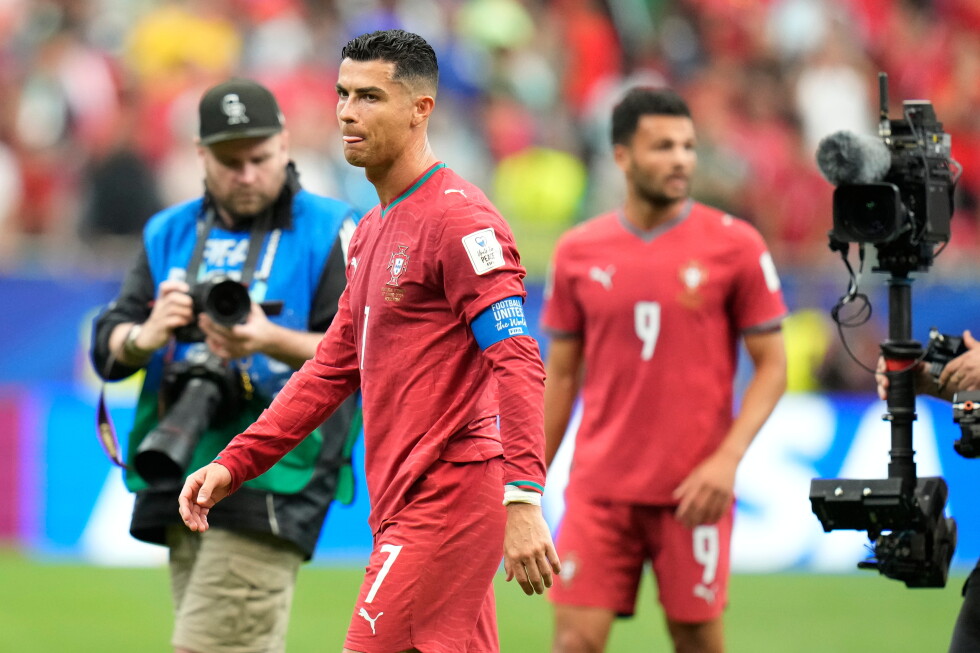
    On the veteran end of the spectrum, no name carries more global recognition than 41-year-old Cristiano Ronaldo of Portugal. The five-time Ballon d’Or winner made history in Portugal’s opening 1-1 draw with the Democratic Republic of Congo, earning a place in the FIFA record books as the oldest outfield player ever to start a World Cup match. Despite the milestone, Ronaldo left the pitch disappointed, having failed to find the back of the net in what is widely expected to be his final World Cup campaign.

    Another 40-something European legend, Croatia’s 40-year-old Luka Modrić, also had a tough opening outing against England. The 2018 Ballon d’Or, who led Croatia to a surprise runner-up finish in the 2018 World Cup, gave away a first-half foul that set up Harry Kane’s opening penalty goal. Modrić was substituted off before the 60-minute mark as Croatia fell to a 4-2 defeat, a rocky start to what the Croatian captain has signaled will be his last international tournament.

    While Ronaldo and Modrić are household names, it is 40-year-old Cape Verde goalkeeper Vozinha who has emerged as an unexpected early breakout star among the tournament’s veteran cohort. The little-known shot-stopper turned in a man-of-the-match performance to hold Spain to a surprising 0-0 draw in the Blue Sharks’ opening match, defying pre-tournament predictions that Cape Verde would be easily beaten by one of the tournament’s top contenders. Ahead of Cape Verde’s second group stage match against Uruguay in Miami on Sunday, Vozinha’s mother shared that she is hoping to secure a ticket to be in the stands to watch her son’s historic run. Vozinha is one of several 40-year-old goalkeepers competing in this year’s tournament, alongside more high-profile names like Germany’s Manuel Neuer.

    Argentina’s 38-year-old Lionel Messi, who will turn 39 just days after the tournament’s opening round, offered the most dazzling performance from the tournament’s old guard. Messi put on a masterclass in Argentina’s opening match against Algeria, scoring a hat-trick to lead the defending champions to a winning start in their title defense campaign.

    On the opposite end of the age spectrum, the tournament’s youngest players have already proven they belong on the world’s biggest football stage. Seventeen-year-old Mexican midfielder Gilberto Mora, the youngest player included on any of the 48 national team rosters, received a roaring ovation from home fans when he came on as a second-half substitute in Mexico’s 2-0 opening win over South Africa. The Liga MX Tijuana prospect is already being scouted by multiple top European clubs, and he will get another chance to impress when Mexico faces South Korea in Guadalajara on Thursday.

    Eighteen-year-old Senegalese forward Ibrahim Mbaye made an immediate impact in his World Cup debut against reigning champions France. Born and raised in France, the young striker came off the bench in the 75th minute of Senegal’s 3-1 loss to Kylian Mbappé’s side, and scored a stoppage-time consolation goal to mark his first World Cup goal in just 15 minutes of game time. Senegal will return to action against Norway on Monday.

    Morocco’s 18-year-old midfielder Ayyoub Bouaddi also turned heads in his opening outing, turning in a standout performance in the midfield during Morocco’s 1-1 draw with Brazil. Bouaddi previously represented France at the youth international level, but switched his national team allegiance to Morocco in time to make the World Cup squad, and showed the talent that has made him one of Europe’s most promising young midfield prospects.

    Another 18-year-old forward, Egypt’s Hamza Abdelkarim, came off the bench in Egypt’s 1-1 draw with Belgium, replacing star forward Mohamed Salah in the 76th minute to earn his first World Cup minutes. Spain’s Lamine Yamal, the highest profile of the tournament’s young prospects, is 18 years old and set to turn 19 next month. The Barcelona winger, who only recently returned from a hamstring injury, came off the bench in Spain’s 0-0 draw with Cape Verde to make his World Cup debut.