分类: sports

  • World Cup final day of group play will set the field for the round of 32

    World Cup final day of group play will set the field for the round of 32

    As the 2026 FIFA World Cup co-hosted by the United States, Canada, and Mexico enters its final day of group-stage competition, eight national sides remain locked in a tight battle for the four remaining spots in the tournament’s round of 32. So far, the three co-host nations have all secured their place in the knockout rounds, joining pre-tournament favorites and top-ranked sides including France, Germany, Spain, Portugal, Brazil, and Norway, among other successful qualifiers.

    With group-stage play winding down, the knockout bracket is already taking clear shape. The host United States, whose two-game winning streak was brought to a halt by a defeat to Turkey, will open their knockout campaign against Bosnia-Herzegovina on July 1 in Santa Clara, California. Ranked 62nd in the FIFA world rankings, Bosnia-Herzegovina earned its knockout spot as the third-place finisher in Group B with four points from one win, one draw, and one loss. The match marks a welcome return to full contention for U.S. star Christian Pulisic, who came off the bench in the second half against Turkey after recovering from a calf injury that forced him out early in the opening win over Paraguay. “We play every game like a knockout game,” said U.S. midfielder Sebastian Berhalter, who found the back of the net against Turkey. “You saw that in our intensity and the way we worked. For us, it’s keep doing what we’ve been doing.”

    Canada, which made history by reaching its first World Cup knockout stage as Group B runner-up with four points, will face South Africa, another historic qualifier that also earned four points as Group A runner-up including a stunning upset win over South Korea, in Southern California on June 28. This marks the first time both nations have progressed to the knockout round of a men’s World Cup.

    Other confirmed high-profile round of 32 fixtures are already set across the three host countries. Five-time World Cup champion Brazil will face Japan on June 29. Japan secured its place as Group F runner-up with a hard-fought 1-1 draw against Sweden, a matchup that carries extra narrative: Brazilian football legend Zico was brought in by Japan’s football association in 1991 to professionalize the nation’s domestic league and support its successful co-host bid for the 2002 World Cup, making this clash a full-circle moment for Japanese football to show how far the program has come against the global gold standard. After an opening draw against Morocco, Brazil bounced back to win its next two group games 3-0, with Vinícius Júnior silencing early critics and star forward Neymar returning to form after a minor injury. Japan, for its part, earned two draws and a dominant 4-0 rout of Tunisia to book its knockout spot.

    Also on June 29, the Netherlands, who topped Group F after outscoring opponents Sweden and Tunisia by a combined 8-2, will face Morocco, the 2022 World Cup semifinalists that finished unbeaten in Group C and are chasing history to become the first African nation to lift the World Cup trophy. That same day, four-time champion Germany will face Paraguay. Like the U.S., Germany clinched its group spot early and rested key players in its final group game, resulting in a late low-stakes defeat, but enter the knockout round as heavy favorites against Paraguay, who lost 4-1 to the U.S. in its opener but recovered enough to claim a knockout spot.

    On June 30, tournament favorite France, who won all three of its group matches to live up to pre-tournament expectations, will face Sweden, which holds a 5-1 win, 5-1 loss, and one draw from group play. That same day, Norway, which rested star striker Erling Haaland and nearly all of its starting lineup in its final group game after failing to catch France at the top of Group I, will face Ivory Coast at the home of the Dallas Cowboys in Arlington, Texas.

    Two more round of 32 matches are set for July 3. Australia, which picked up one win, one loss, and one draw in group play, will face Egypt, who advanced as Group G runner-up after a late late equalizer from Iran was ruled out for offside. In the other July 3 fixture, defending World Cup champion Argentina, who already sealed top spot in Group J, will face Cape Verde, the smallest nation ever to qualify for a World Cup knockout stage, who enter the match as massive underdogs.

    The path to the round of 32 for third-place teams follows a specific format: only the top eight third-place finishers across all groups advance, with tiebreakers decided first by goal differential, then by total goals scored if needed. So far, any team that has earned four points from three group games has secured a knockout spot, with Bosnia-Herzegovina, Sweden, Ecuador, and Paraguay all advancing via this route. Scotland, by contrast, is a long shot to qualify with three points, and needs multiple favorable results to break into the knockout stage, leaving its passionate fanbase waiting on a series of unlikely outcomes.

    On the final day of group play, three key matchups will decide the last remaining qualification spots. At 5 p.m. ET, Group L will wrap up with Panama facing England and Croatia taking on Ghana. Panama has already been eliminated, while England and Ghana will advance with any result other than a lopsided loss, and can still progress even in defeat if the margin is small. Croatia advances with either a win or a draw. In Group K kicking off at 7:30 p.m. ET, Colombia faces Portugal and Congo takes on Uzbekistan. Colombia has already advanced, and will finish top of the group with a win or draw against Portugal, who will advance with a draw and claim first place with a win. Congo advances with a win or draw and is eliminated with a loss, while Uzbekistan is a long shot that needs a dominant victory to qualify. Finally, at 10 p.m. ET in Group J, Algeria faces Austria and winless Jordan takes on already-qualified group winners Argentina. Jordan has been eliminated, and barring a multigoal Croatia defeat to Ghana, the winner of Algeria-Austria will advance, while the loser retains an outside chance. A draw would see Austria qualify, and would likely send Algeria through as well.
  • Brook hits unbeaten half-century for England but New Zealand on top in Trent Bridge test

    Brook hits unbeaten half-century for England but New Zealand on top in Trent Bridge test

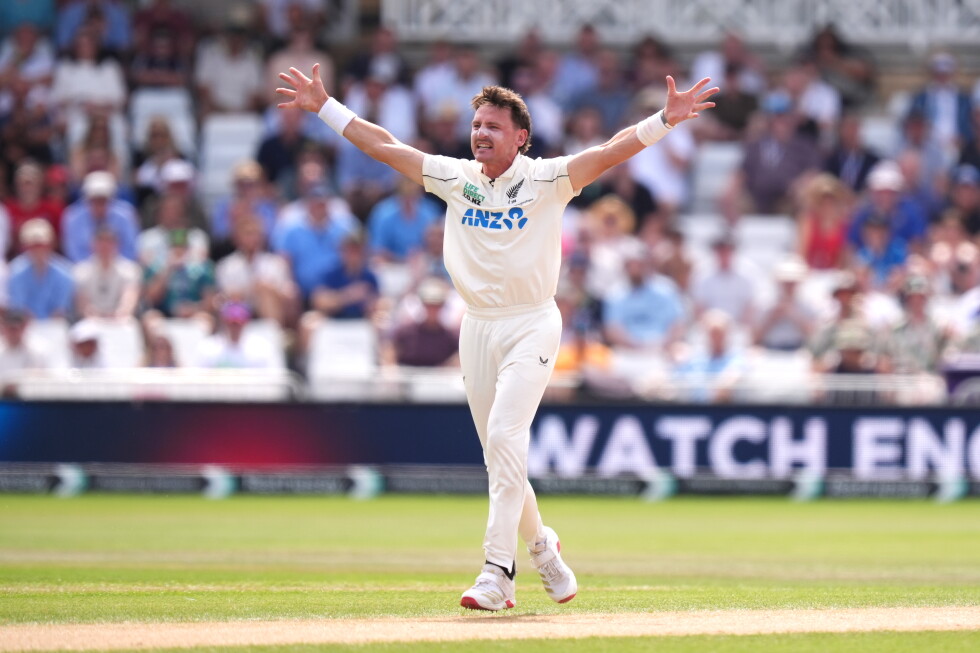
    NOTTINGHAM, England — The third and final Test between England and New Zealand remains finely poised at the lunch break on Day 3, with the visiting side holding a clear upper hand after a devastating morning session that saw New Zealand claim four key England wickets. Entering Saturday’s play already in a strong position, having posted 438 runs in their first innings, New Zealand’s bowling attack turned the screw as England resumed their first innings on 223 for 2. The breakthrough for New Zealand came early, when veteran batsman Joe Root fell leg before wicket for 21 to a swinging full delivery from seamer Nathan Smith. Not long after Root’s departure, rising England star Jacob Bethell followed him back to the pavilion. Bethell, who had crafted a solid 74, was snapped up at second slip by New Zealand captain Tom Latham off the bowling of Will O’Rourke, leaving England reeling. Wickets continued to tumble for the hosts: young batter Jamie Smith was caught low at first slip by Daryl Mitchell off Nathan Smith’s bowling after adding just one run to the scoreboard, making his total 1. England’s captain Ben Stokes survived a major scare early in his innings, when Devon Conway dropped a difficult low diving chance to his right off Nathan Smith’s bowling when Stokes had only scored 1. But Stokes, who returned to the England side alongside fast bowler Gus Atkinson after missing the second Test due to disciplinary sanctions, could not capitalise on his reprieve. The England captain was dismissed for 15 by Zak Foulkes, the concussion substitute in for injured paceman Blair Tickner, who trapped Stokes with another sharp inswinging delivery that brought the wicket. When the players left the field for the lunch interval, England’s first innings stood at 314 for 6, with Harry Brook holding firm on an unbeaten 51 and Gus Atkinson not out on 8 at the other end. Before the close of the session, Atkinson survived an lbw appeal after a Decision Review System overturn showed the ball would have cleared the stumps. By the lunch break, Nathan Smith had claimed 3 wickets for 85 runs, while O’Rourke had notched 2 wickets for 49 runs. The match remains on a knife’s edge, with the series locked at 1-1 after the first two Tests were split between the two sides. New Zealand’s first innings was built on a historic opening partnership that put the visitors in their strong early position: captain Tom Latham scored 151 and Devon Conway hit 157, combining for a mammoth 317-run opening stand that anchored New Zealand’s total of 438.

  • We have been treated unfairly by USA – Iran

    We have been treated unfairly by USA – Iran

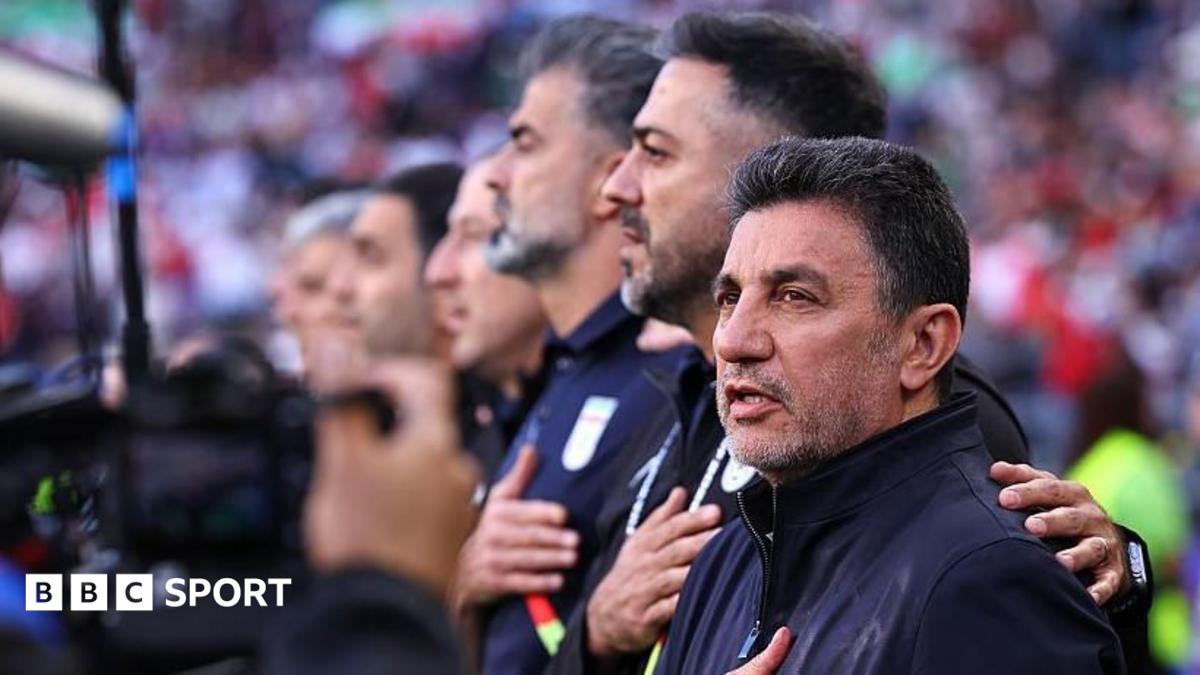
    Against the high-stakes backdrop of the 2026 FIFA World Cup Group G stage, Iran’s national football team has found itself at the center of a growing controversy, with head coach Amir Ghalenoei publicly accusing the United States of unfair treatment and calling on global football’s governing body FIFA to implement new protections for visiting teams in future tournaments.

    Iran’s participation in this World Cup has been complicated from the start by long-running geopolitical tensions between the Islamic Republic and both the United States and Israel. Long before the team kicked off its first group match, logistical disruptions upended their pre-tournament preparations: their original pre-tournament training base, planned in Arizona, had to be relocated to Tijuana, Mexico, and persistent travel restrictions imposed by U.S. authorities hampered their ability to prepare for matches held on U.S. soil.

    For Iran’s opening two group fixtures hosted in Los Angeles, visa restrictions forced the entire squad to enter the U.S. only 24 hours before kickoff and depart immediately after the final whistle, leaving no time for post-match recovery or on-site acclimatization. While restrictions were slightly loosened for their decisive final group match against Egypt in Seattle, allowing the team to arrive two days ahead of game day, they were still required to return to their Mexican base immediately after the final whistle.

    The already tense situation boiled over after a dramatic late twist in the Egypt match that ended Iran’s knockout stage hopes. With the game tied 1-1 in stoppage time, defender Shoja Khalilzadeh fired a loose ball into the back of the net, a goal that would have secured Iran a guaranteed spot in the tournament’s round of 32. Jubilant celebrations among Iranian players and fans in the stadium were cut short when video assistant referee (VAR) review chalked the goal off for offside, leaving the final score locked at 1-1.

    The result sent Egypt through to the knockout stage and left Iran’s qualification hopes hanging by a thread, depending on results from remaining groups. Speaking after the final whistle, Ghalenoei expressed immense pride in his squad’s resilience while leveling harsh criticism at the host nation’s treatment of his team. “What these young players have achieved against all odds deserves to be written into history, because the host country treated us very unfairly,” Ghalenoei said. “Despite every obstacle placed in our path, we have performed well, and the entire world can see the quality of Iran and our team. I urge FIFA: do not allow host nations to treat visiting players and teams this way in any future World Cup.”

    The coach added that the disallowed late goal compounded the team’s struggles, saying “I used to think we were just an oppressed side facing unfair treatment, but after these three matches, I see we have also had terrible bad luck.”

    Iran captain Mehdi Taremi echoed his coach’s frustrations, describing the entire tournament experience for the squad as a “logistical disaster.” While Taremi emphasized he and his teammates held great affection for the people of Tijuana and Mexico, he noted that the constant cross-border travel was incompatible with professional football competition.

    FIFA has yet to publicly respond to the criticisms, with BBC Sport confirming it has contacted the governing body for comment. This is not the first time FIFA’s handling of Iran’s participation has come up: prior to the tournament, FIFA President Gianni Infantino defended the organization’s work, saying he had personally guaranteed Iran would be allowed to compete despite widespread claims it would not be possible. “When people said it would be impossible for Iran to come to the World Cup, I promised them they would be here,” Infantino said before the tournament, adding that he did not believe any other organization could have secured Iran’s participation under the difficult circumstances. Infantino also visited the Iranian dressing room after the team’s opening draw with New Zealand earlier in the group stage.

    As of the time of reporting, Iran sits sixth among all third-placed group teams, with only three group stages remaining to be completed and the top eight third-placed sides advancing to the knockout round, leaving Iran’s qualification chances all but eliminated.

  • Watch: Cape Verdeans celebrate making history at the World Cup

    Watch: Cape Verdeans celebrate making history at the World Cup

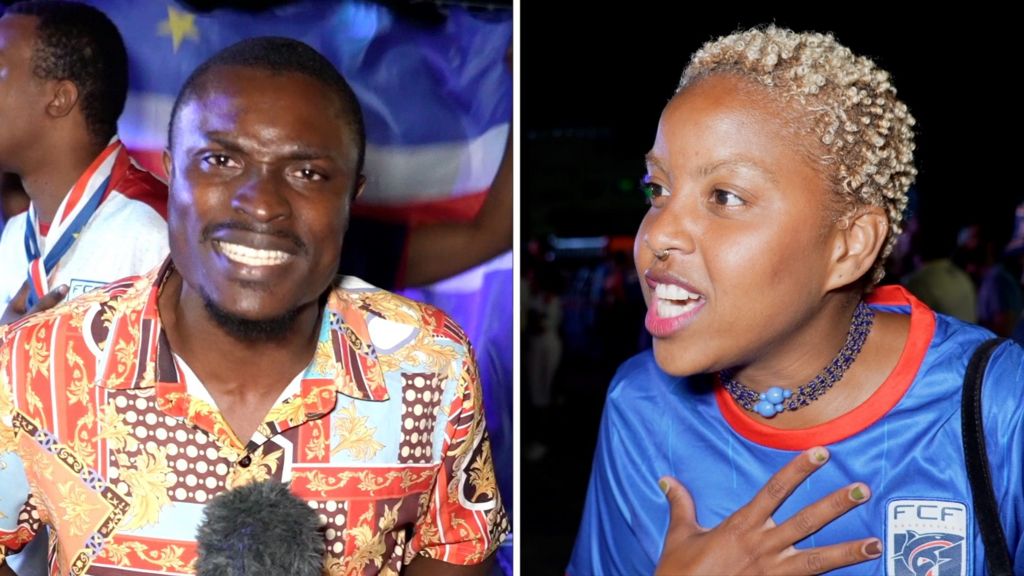
    Football fans across Cape Verde’s capital city of Praia have poured into the city’s official fan zone to toast a moment decades in the making, after the tiny West African nation held Saudi Arabia to a goalless draw in their World Cup group stage match at Houston Stadium.

    What looked like an unassuming result on the global football stage marks a groundbreaking milestone for Cape Verde, a archipelagic nation of just over 590,000 people that has fought for decades to build its presence in international football. For local supporters packed into the open-air fan zone, braving warm evening temperatures and waving hand-painted blue national flags, the result was far more than a single point on a tournament table—it was proof that Cape Verde had arrived on the world’s biggest sporting stage.

    Widely ranked as underdogs heading into the fixture against a higher-ranked Saudi Arabian side, Cape Verde’s defensive grit and organized team play held off repeated attacking efforts from their opponents throughout the 90 minutes. When the final whistle blew at Houston Stadium, thousands of miles away the Praia fan zone erupted in cheers, with fans hugging, singing traditional Cape Verdean folk songs, and setting off small celebratory fireworks that lit up the capital’s waterfront.

    Local reporters on the ground described scenes of widespread joy, with even casual football fans joining the spontaneous street parties that spilled out from the official fan zone into surrounding neighborhoods. For a nation that has only recently emerged as a contender in African continental football, the result and the accompanying celebrations mark a moment of national pride that unites communities across the country’s 10 inhabited islands.

  • Belgium’s Leandro Trossard adds to successful year with 2 goals in World Cup win over New Zealand

    Belgium’s Leandro Trossard adds to successful year with 2 goals in World Cup win over New Zealand

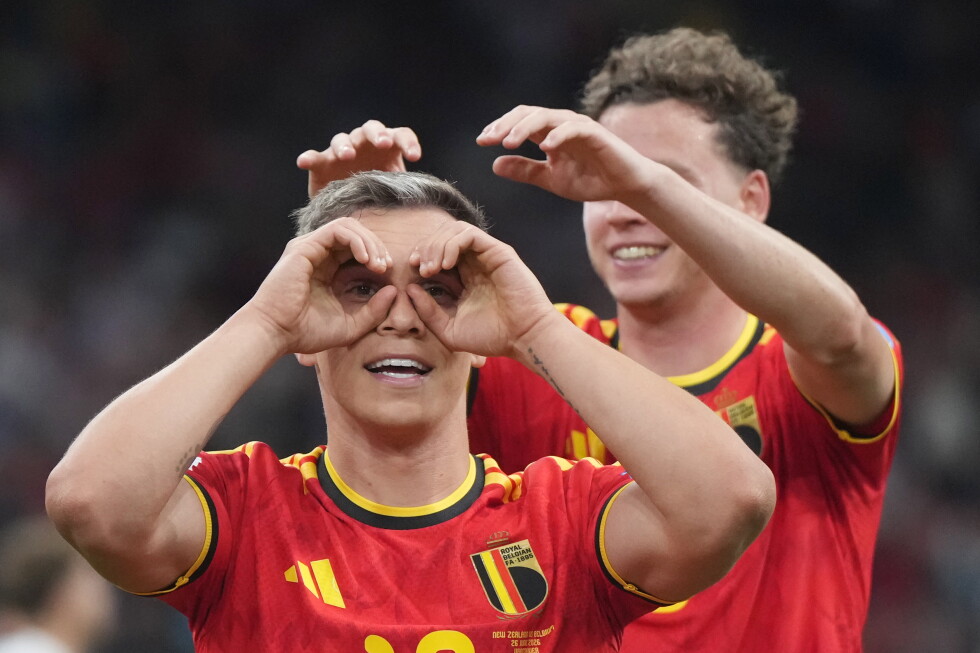
    VANCOUVER, British Columbia — Fifteen months after sitting on the bench for every match of Belgium’s underwhelming 2022 World Cup run, Leandro Trossard has cemented his status as one of the most impactful players of his generation for the Belgian national team, delivering a two-goal performance that dragged his side into the tournament’s knockout round with a dominant 5-1 Group G victory over New Zealand on Friday night.

    Trossard’s 2024-2025 club season already stands as one of the most successful individual campaigns for any player in European top-flight soccer. As a key member of Mikel Arteta’s Arsenal squad, he lifted the Premier League trophy — the club’s first top-flight title since 2004 — and helped the Gunners reach the UEFA Champions League final. His most critical club goal came in a 1-0 win over West Ham United, the three points that ultimately sealed Arsenal’s long-awaited league crown.

    Heading into Friday’s final group stage match, Belgium’s World Cup campaign hung in the balance. After opening the group stage with two underwhelming draws, the 2018 World Cup third-place finishers faced the very real possibility of repeating their 2022 disappointment, when they crashed out in the group stage despite being labeled pre-tournament title contenders. To make matters worse, Belgium had gone more than 200 minutes of game time without finding the back of the net, a dry spell that left them struggling to climb the Group G table.

    That all changed the moment Trossard found the ball at his feet inside the 6-yard box in the 28th minute. He tapped home the opening goal of the match, breaking Belgium’s long scoring drought. Twenty-two minutes later, he pounced on his own rebound to slot home his second, doubling Belgium’s lead and setting the Red Devils on course for a comfortable 5-1 win. The result pushed Belgium to the top of the Group G standings, locking in their spot in the knockout round.

    The 31-year-old’s journey to this moment has been steady. He earned his first senior cap for Belgium in 2020, quickly emerged as a reliable contributor during the team’s 2022 World Cup qualifying campaign, and served exclusively as a substitute across all three of the Red Devils’ group matches in Qatar four years ago. This tournament, he has earned a starting spot in every group stage match, and repaid his manager’s faith with his decisive performance against New Zealand.

    “I feel very good, I think we’re growing into the tournament, myself as well,” Trossard said after the final whistle. “We’re really happy to come first and go to the next round.”

    Belgium manager Rudi Garcia heaped praise on the in-form forward after the match, highlighting his ability to deliver under pressure at both the club and international level. “I think he’s the best player of the Belgian selection since the beginning of the World Cup,” Garcia said. “Before the match, I asked him to be more decisive in his play, to be more challenging. Leandro was really able to score a lot at Arsenal, so he’s perfectly capable, and that is what he did tonight.”

    Trossard’s clutch display on soccer’s biggest stage confirms what club observers have known all season: the forward has become one of the most dangerous big-game players in the sport, capable of lifting his team when they need it most.

  • Trossard, De Bruyne score and Belgium defeat New Zealand 5-1 to advance at the World Cup

    Trossard, De Bruyne score and Belgium defeat New Zealand 5-1 to advance at the World Cup

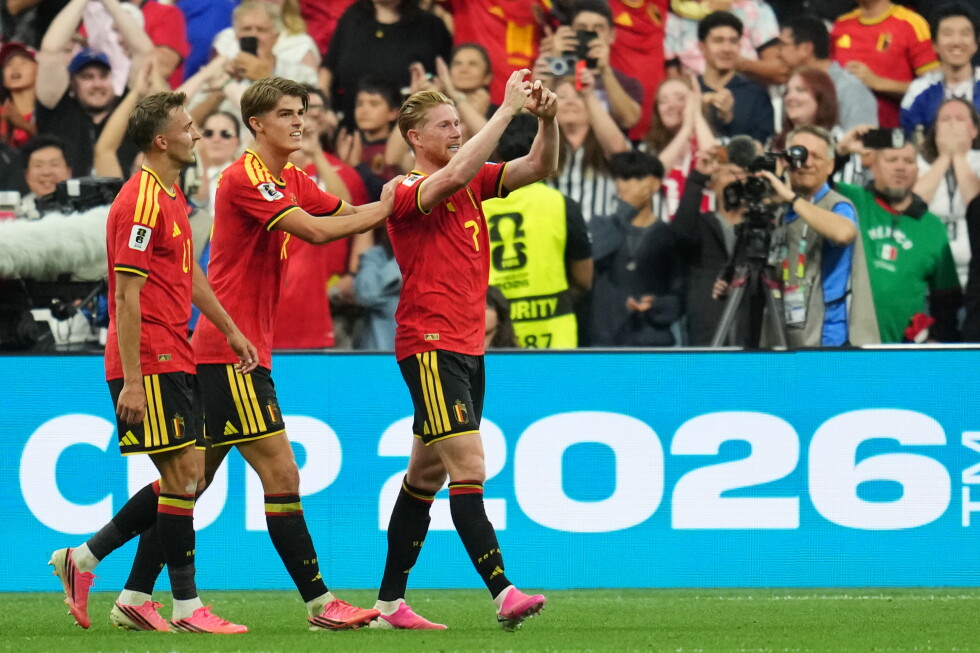
    VANCOUVER, British Columbia – After two underwhelming opening matches that left them on the brink of elimination, Belgium’s men’s national football team delivered a dominant second-half scoring explosion to book their spot in the 2026 FIFA World Cup knockout round, crushing New Zealand 5-1 on Friday night. Leandro Trossard led the charge with two clinical goals, while supporting strikes from Kevin De Bruyne, Romelu Lukaku and Alexis Saelemaekers sealed the lopsided win for the Belgian side.

    Heading into the final Group G matchday, Belgium faced an unexpected uphill battle. Opening draws of 1-1 against Egypt and 0-0 against Iran left the 2018 World Cup third-place finishers sitting third in the four-team group, a far cry from their pre-tournament expectations as one of the competition’s higher-ranked sides. The result echoes a disappointing turn four years prior, when Belgium crashed out of the Qatar World Cup in the group stage, an early exit that followed their historic 2018 run in Russia.

    Friday’s rout, however, flipped the group standings on their head. Belgium’s five-goal outburst pushed them to the top of Group G, earning them a spot in the knockout round, where they will face one of the third-placed group finishers next Wednesday in Seattle. The final group match was played simultaneously with the other Group G finale in Seattle between Egypt and Iran, which finished in a 1-1 draw – a result that worked in Belgium’s favor to open the door for their knockout progression.

    For New Zealand, who entered the match knowing only an outright win would keep their World Cup dream alive, the campaign comes to an early end. Elijah Just notched the All Whites’ only goal of the match, but the consolation strike was not enough to turn the tide. The side exits the tournament still chasing their first ever victory in World Cup finals history, heading home with no points to their name in group play.

    Fans can follow full coverage of the FIFA World Cup at AP News’ dedicated competition hub.

  • Bielsa takes responsibility for Uruguay’s debacle, says he left nothing good for Uruguayan soccer

    Bielsa takes responsibility for Uruguay’s debacle, says he left nothing good for Uruguayan soccer

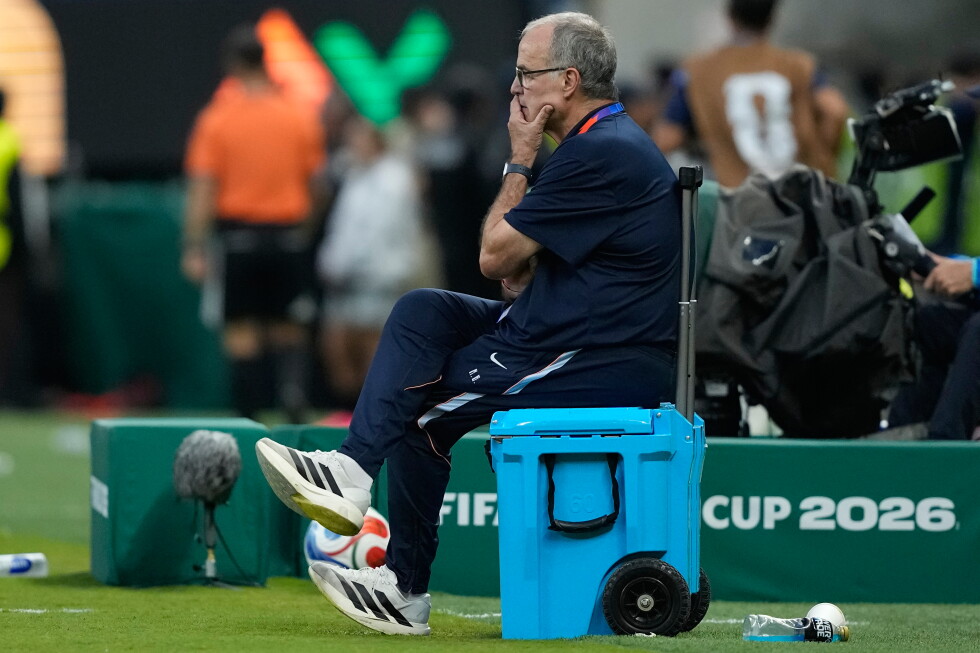
    GUADALAJARA, Mexico – The weight of disappointment hung heavy on Marcelo Bielsa Friday evening, as the veteran head coach faced the media following Uruguay’s premature exit from the 2026 FIFA World Cup, taking sole, full responsibility for his side’s winless tournament run that ended their campaign long before the knockout stage.

    Uruguay closed out its Group H campaign with a narrow 1-0 defeat to Spain, marking its third consecutive match without a win. The South American side had already played out two scoreless draws against Saudi Arabia and underdog newcomer Cape Verde, leaving it with just two points from three matches – far too few to advance. It was Cape Verde that secured the group’s second knockout spot behind Spain, becoming the smallest nation ever to progress to the World Cup’s round of 16 in a historic underdog run that came at Uruguay’s expense.

    Bielsa, an Argentine coaching veteran whose contract with the Uruguayan Football Association was only set to run through the conclusion of this World Cup, had already confirmed before the tournament that his tenure with the national side would end following the 2026 competition. In a post-match press conference marked by a somber, farewell tone, Bielsa questioned what lasting legacy he would leave for Uruguayan soccer, arguing that nothing he built during his three years in charge would hold value without positive tournament results.

    “What do I leave for Uruguayan soccer? Nothing,” Bielsa told reporters. “Any contribution that a coach might make to soccer in a country after three years of work never truly takes hold if results aren’t achieved. Fourth place in the qualifiers didn’t count for much, and a third-place finish in the Copa América didn’t, either. And there is obviously no need to spell it out after what happened now. A tenure that left nothing behind.”

    The 67-year-old coach doubled down on his acceptance of blame, noting that given the quality of the players at his disposal, he should have been able to extract stronger performances and results from the squad. Even so, he argued that his team outperformed their final points tally, suggesting bad luck played a small role in their early exit.

    “I think we deserved to win seven points from the three matches, but we leave with only two points,” he said.

    Currently ranked 19th in the official FIFA Men’s World Rankings, Uruguay stands as the highest-ranked team eliminated from the tournament in the group stage to date.

    This early group stage exit marks the second time Bielsa has led a national side to a first-round World Cup elimination. His first came during the 2002 tournament co-hosted by South Korea and Japan, when his Argentine squad failed to advance out of their group. Bielsa’s best World Cup performance to date remains his 2010 stint with Chile, where he guided the side to the tournament’s round of 16 in South Africa.

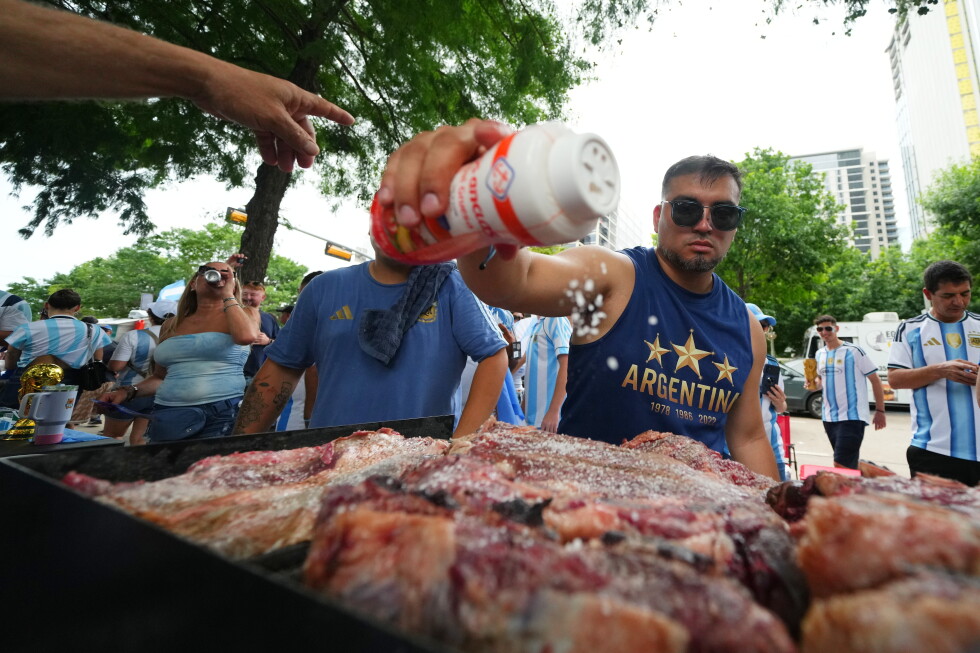
  • There’s a beef about beef at the World Cup, as Argentina fans pour into Texas

    There’s a beef about beef at the World Cup, as Argentina fans pour into Texas

    When thousands of diehard Argentina soccer fans descended on Dallas, Texas for the 2026 FIFA World Cup, a surprisingly heated debate emerged off the pitch — one that had nothing to do with starting lineups, tournament brackets, or Lionel Messi’s GOAT status. Instead, the crowd clashed over a question deeply rooted in the culinary and cultural identity of both regions: which part of the world produces the juiciest, most flavorful steak, and what’s the correct way to prepare it?

    This friendly rivalry over red meat comes as no surprise: both Texas and Argentina are globally renowned powerhouses in cattle ranching and beef production. According to data from the U.S. Department of Agriculture, Texas holds the top spot for beef output across the United States, and the U.S. as a whole ranks second globally in beef production, behind only Brazil. Argentina lands sixth on the world ranking, and steak remains a central pillar of its national diet and cultural tradition.

    To many long-time Argentine chefs and transplants living in Texas, the answer is clear: Argentine beef cannot be matched. “Argentine beef is simply unbeatable. The savory texture, the style of the cut — there is no competing with it,” said Carlos Eduardo Barahona, a 64-year-old Argentine chef who has made Texas his home since 1998, after working in kitchens across Argentina, Uruguay and the U.S. Barahona argues that the quality gap holds across every price point: even the most affordable cut of Argentine beef transforms into a delicious asado, the traditional Argentine open-fire grilled meal, while high-end cuts from U.S. suppliers can often turn out tough or inconsistent depending on their source. The difference, he explains, stems from production practices: nearly all Argentine beef cattle are grass-fed on expansive open pastures, requiring a longer growing period before they reach market. This process produces leaner meat with a deep, rich, earthy flavor that can’t be replicated.

    Texan beef advocates have their own strong case to make, rooted in different production traditions. Most beef raised in Texas and across the U.S. is grain-fed, a practice that creates higher levels of intramuscular marbling — the thin streaks of fat that baste the meat from within as it cooks, resulting in a reliably juicy, tender cut with a naturally sweeter flavor profile. “There’s no better beef than U.S. beef, particularly Texas beef,” said Sid Miller, Texas’ Agriculture Commissioner. That said, Miller was quick to acknowledge that Argentine beef has improved dramatically in recent decades — and he credits Texas for that progress. More than 10 years ago, Miller’s agency opened a marketing office that connects Texas cattle raisers with South American ranchers, primarily in Argentina. “I don’t want to disparage our friends in Argentina, but we have helped them improve,” Miller explained. “Their genetics were lacking. We do have them up to pretty high quality. We sold them a lot of semen, embryos, and breeding stock. Their herds have American genetics in them, so they should be good.”

    For many fans caught in the middle of the debate, the verdict comes down to personal preference, not regional supremacy. After watching Messi lead Argentina to a 2-0 win over Austria in Dallas, Argentine fan Gonzalo Herrera browsed the meat aisle at a local Walmart in Arlington, picking up four T-bone steaks for a post-match cookout. He shrugged off the rivalry, saying “Honestly, I don’t see a massive difference. The key is knowing exactly which cuts to buy and finding the equivalent of what we eat in Argentina.” Herrera did note one clear difference between the two regions: steak prices are significantly higher in Texas than back home.

    Much of the disagreement also boils down to preparation tradition, rather than the quality of the meat itself. Preparations, seasoning choices, and cut preferences vary drastically between the two cultures. At Corrientes 348, a popular Argentinian steakhouse in Dallas, assistant manager Emmanuel Tobon explained that authentic Argentine steaks are seasoned only with salt and grilled over mesquite charcoal, to let the natural flavor of the beef take center stage. By contrast, Tobon noted, most Texan preparations rely on heavy pepper, butter, and barbecue sauce to add flavor. With Argentina set to play at least one more group stage match in Dallas on Saturday, the restaurant has been packed with Albiceleste fans craving a small taste of home amid the World Cup excitement. Tobon says fans have embraced the local culture too, noting “They have been enjoying the Texas culture. But it has been a great pleasure to have all of them, to make them feel like home.”

    Many fans agree that while preparation traditions differ, both regions produce high-quality beef. Fernando Garcia Morillo, an Argentine transplant from Buenos Aires now living near Miami, says he loves U.S. steak, but still misses the traditional preparation methods of home. “I order just salt, no pepper, just plain,” he said of ordering steak in the U.S. “Sometimes they use a lot of sauce.” Morillo dismissed the idea of any real hard feelings between the two beef cultures, noting the only real South American beef rivalry is between Argentina and its neighbor Brazil, adding “I love the U.S. meat.”

  • How Cape Verde stunned World Cup to set up Argentina tie

    How Cape Verde stunned World Cup to set up Argentina tie

    Against all the odds stacked against it, the tiny Atlantic archipelago nation of Cape Verde has written its name into World Cup folklore, becoming the smallest country by population to ever advance to the tournament’s knockout round on its first ever appearance at the global showpiece.

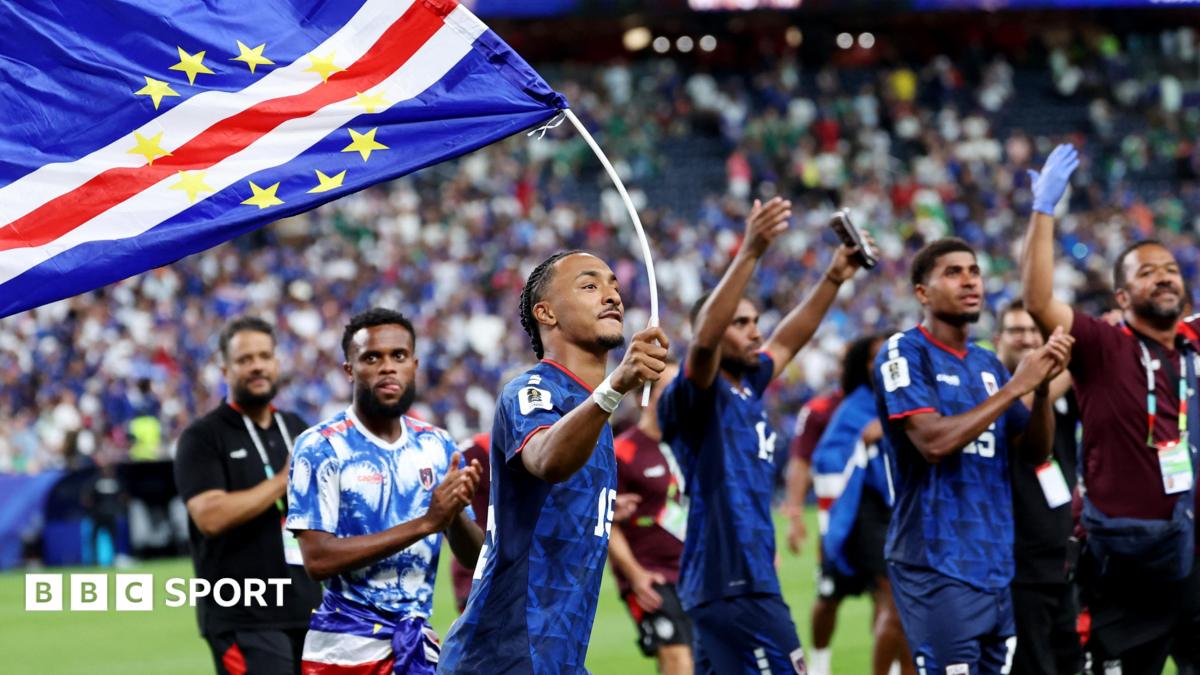
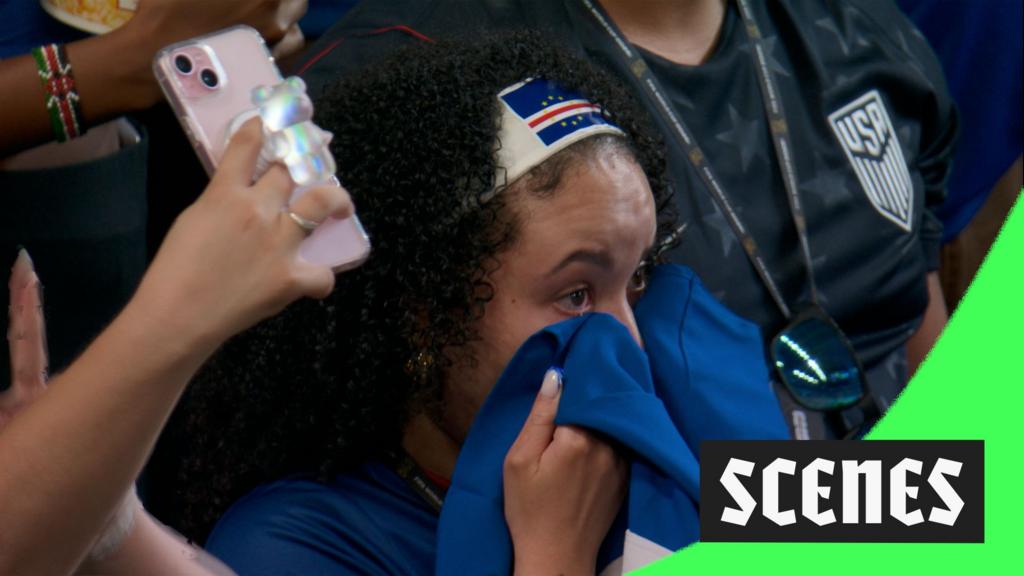
    After securing a hard-fought goalless draw against Saudi Arabia in their final Group H fixture, the entire Cape Verde squad huddled around a mobile phone on the pitch, waiting anxiously for the full-time whistle of the concurrent Spain-Uruguay match. When Spain secured the win that confirmed Cape Verde’s place as group runners-up, celebrations erupted: tears of joy and pride flowed across the pitch, the stands, and across the entire island nation, in what commentators have already called the defining moment of the 2026 World Cup.

    This historic run is no accident. Cape Verde entered the tournament with draws in already under their belt: an incredible opening goalless stalemate against 2010 World Cup champions Spain, where 40-year-old veteran goalkeeper Vozinha delivered a man-of-the-match masterclass, and a dramatic 2-2 draw against two-time World Cup winners Uruguay. For a country of just 525,000 inhabitants that beat five-time African champions Cameroon to qualify, this run has left the global football community stunned.

    The blueprint for Cape Verde’s success was crafted years ago, centered on a deliberate strategy by the country’s football federation (FCF) to leverage its large global diaspora. Centuries of colonial ties to Portugal, paired with 20th century droughts that drove mass emigration and deep-rooted maritime trading traditions, have left large communities of Cape Verdean descent across Europe, most notably in the Dutch port city of Rotterdam. Of the 26 players in Cape Verde’s 2026 World Cup squad, 14 were born outside the archipelago, with six hailing from Rotterdam. One of those diaspora players, forward Dailon Livramento, scored the game-winning goal that sealed Cape Verde’s qualifying victory over Cameroon in September 2025.

    This open approach to recruitment has produced some unlikely success stories: centre-back Roberto Lopes, born in Dublin, was first scouted and recruited via the professional networking platform LinkedIn back in 2019, while former Portugal under-21 winger Bebe – once of Manchester United – joined the squad for the 2023 Africa Cup of Nations (Afcon). “There is an inner confidence in this team that we are good enough to mix with the best teams in the world,” Lopes explained. “It’s not something that’s just been fabricated out of nothing. Since I’ve been involved, and before that, there’s been an ongoing plan to get Cape Verde up at the big table with the big football nations of the world.”

    Much of the credit for the team’s cohesive, disciplined performance also goes to head coach Bubista, a former Cape Verde international who has led the side since January 2020. The stability of his long tenure has allowed the 56-year-old former defender to build a tight, well-organized unit: a solid defensive structure, technically gifted midfielders, and clinical forward play that carried Cape Verde to the Afcon 2023 quarter-finals – just a decade after the nation made its debut in the continental tournament.

    Bubista’s tactical discipline was on full display against Spain: while Vozinha’s seven saves earned the headlines, it was the team’s extraordinary discipline that set a modern record, conceding just one foul against the 2010 champions – the lowest number of fouls by any team in a World Cup match since 1966. When the team needed a fighting equalizer against Uruguay, they shifted to a more expansive attacking game and showed their resilience to get a result. That same resolve held against Saudi Arabia to secure the point they needed to advance.

    “It’s incredible what they are doing, it wasn’t just one game against Spain, it is three games at the highest level,” former Spanish World Cup winner Juan Mata commented of the side’s run. Bubista, who was named 2025 African Coach of the Year by the Confederation of African Football after securing qualification, has long held belief in his team’s potential. Back before the 2021 Afcon, where Cape Verde reached the last 16, he predicted the side would soon reach the World Cup – a prediction that has now come true. Today, he hopes his side’s run can inspire other underdog football nations across the globe. “I believe that football belongs to everyone, or is for everyone,” he said.

    Next up for the Blue Sharks is a showdown with defending champion Argentina, led by Lionel Messi, in the round of 32 this Friday in Miami. Midfielder Deroy Duarte, who earned man of the match honors against Saudi Arabia, summed up the mood in the camp: “Honestly, it’s mad. I feel like I’m in a dream. First, let’s celebrate. We’re so happy. Let’s hope all Cape Verdeans are happy too. From tomorrow, we’ll focus on the next match. It’s against Argentina, isn’t it? A tough match, but let’s believe. Anything is possible.”

    Global football figures have been quick to praise Cape Verde’s historic run, noting it captures the true spirit of the World Cup. “It’s just a great story for what the World Cup is all about,” said top manager Ange Postecoglou. “We often talk about how football touches every part of the globe and this is what it can do.” Former England and Manchester United defender Gary Neville added that the run could change minds about World Cup expansion: “I think those sceptics who thought expanding the World Cup wasn’t the right thing might be rethinking it watching these Cape Verde fans, because this is really special. A country of 500,000 people getting to the knockout phase. We’ve seen Uruguay, one of the biggest football nations, going out and then one of the smallest teams making it. What a moment for them.”

  • ‘The fairytale continues!’ Emotional scenes as Cape Verde qualify for last 32

    ‘The fairytale continues!’ Emotional scenes as Cape Verde qualify for last 32

    In a stunning underdog story that has sent shockwaves through the global football community, Cape Verde has sealed a spot in the final 32 of the World Cup, delivering one of the tournament’s most talked-about upsets in Houston. A hard-fought 0-0 draw against Saudi Arabia proved enough for the minnows to claim their place in the next round, a result that has been hailed as nothing short of a football miracle by players, fans, and pundits alike.

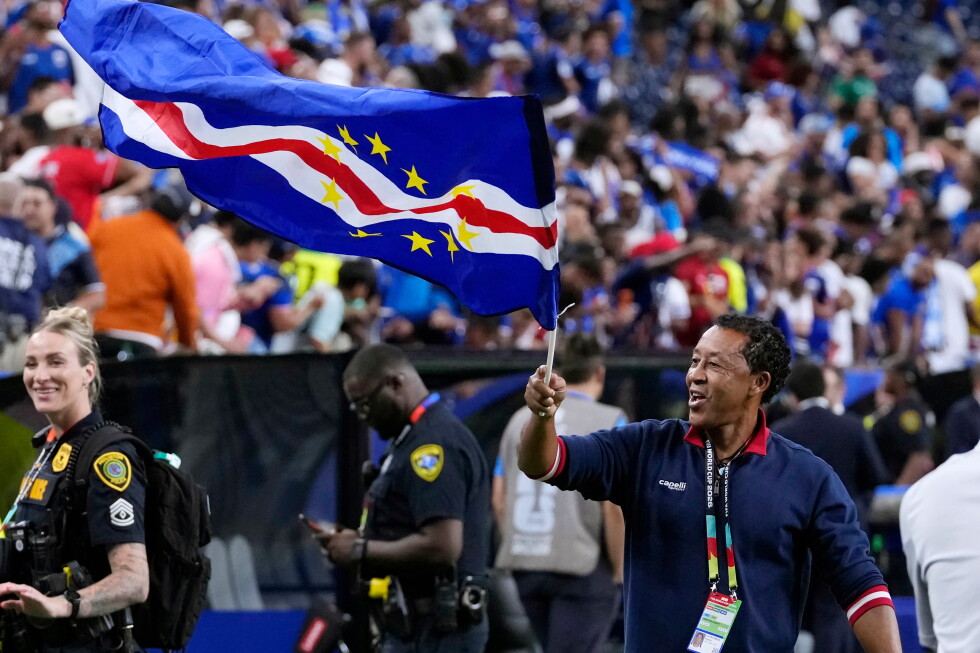
    Moments after the final whistle blew, scenes of unbridled joy erupted across the stadium and in celebrations back home. Cape Verde’s players collapsed to the pitch in embraces, many openly crying tears of disbelief, while jubilant fans waving the nation’s blue flag chanted and cheered long after the match concluded. What was widely predicted to be a straightforward win for Saudi Arabia instead turned into a historic moment for the small West African nation, which has defied all pre-tournament odds to advance deeper into the World Cup than most analysts ever expected.

    The match, which was restricted to viewership exclusively for users based in the United Kingdom, was published by sports outlets just four hours ago, with fans around the world already sharing the story of the historic result across social media platforms. For Cape Verde, a nation with a relatively small footballing footprint on the global stage, this qualification cements their place in World Cup history as one of the competition’s most surprising success stories.